
Can You Use Slime To Clean Car: Safe Tips And Best Methods
For drivers in the United States, car-cleaning slime can remove loose dust, crumbs, hair, and light debris from narrow areas such as cup holders, vents, seams, and console gaps. It is useful for quick interior touch-ups, but it is not a replacement for car soap, upholstery cleaner, glass cleaner, or a full detail.
Use cleaning slime only on hard, dry, non-porous surfaces. Do not press it into fabric, carpet, leather, suede, speaker grilles, charging ports, or wet areas. Homemade children’s slime is also a poor choice because its dye, fragrance, oil, or activator may leave residue or stain materials.

What Is Car-Cleaning Slime?
Car-cleaning slime is a soft, elastic cleaning gel made to pick up loose particles from small spaces. It works through light adhesion: dust and crumbs stick to the gel when you press it gently against a surface and lift it away.
Unlike a wet cleaner, slime does not dissolve grease or remove stains. It also does not disinfect a surface unless the product label specifically makes and supports that claim. Most cleaning gels are best treated as a debris-removal tool.
Cleaning slime versus homemade slime
These products may look similar, but they are not always made for the same use.
| Product | Best use | Main concern |
|---|---|---|
| Automotive cleaning gel | Loose dust and crumbs in hard interior areas | Can leave residue if overworked or used on the wrong surface |
| Children’s slime | Play | May contain dye, glitter, oil, fragrance, or borax-based ingredients |
| Putty or reusable adhesive | Picking up small debris | May stick too strongly or transfer oils |
| Microfiber cloth | Dusting and wiping | Cannot reach some narrow gaps without a tool |
| Vacuum with a soft brush | Larger debris and dust | May not reach tight seams without attachments |
A product labeled for automotive interiors is generally the safer option than ordinary toy slime. Even then, the label does not guarantee compatibility with every dashboard coating, screen, trim finish, or upholstery material.
Where Can You Use Slime in a Car?
Use cleaning slime on smooth, sealed, hard surfaces that have no loose coating. Common suitable areas include:
- Plastic cup holders
- Hard plastic dashboard trim
- Center-console seams
- Door-handle recesses
- Gear-shift surrounds
- Button edges
- Air-vent surfaces
- Storage compartments
- Loose crumbs on hard floor mats
- Interior door pockets
Press the gel lightly into the area, then lift it straight up. Do not scrub it across the surface. Rubbing can spread dirt and may push the gel into seams.
Surfaces that need caution
Test the gel first in a hidden spot before using it on:
- Soft-touch dashboard coatings
- Gloss-black trim
- Painted interior trim
- Leather or synthetic leather
- Rubber seals
- Wood-look trim
- Touchscreens
- Instrument panels
- Clear plastic gauge covers
- Window tint
- Steering-wheel surfaces
Soft-touch coatings can become tacky or change appearance when exposed to certain cleaners. Gloss surfaces can also show oily marks. A small hidden test can prevent a visible repair problem.
Surfaces to avoid
Do not use slime as a routine cleaner on:
- Cloth seats
- Carpet
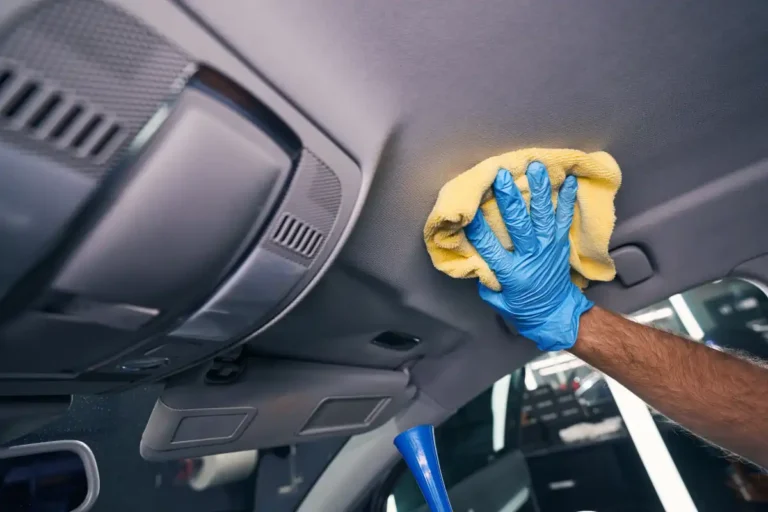
- Headliners
- Suede or Alcantara-style material
– Speaker mesh - USB ports
- Electrical connectors
- Open vents
- Seat-belt webbing
- Wet surfaces
- Areas exposed to direct heat
Keep slime away from ports and switches. If a piece breaks off inside a control or vent, removing it may be harder than removing the original dirt.

Source: aliexpress.com
How to Use Car-Cleaning Slime Safely
The safest method is short, gentle, and controlled. Gather the cleaning gel, a microfiber towel, and a small soft brush or vacuum for debris that the gel should not handle.
Step 1: Park in a cool, shaded place
Heat can soften cleaning gel and increase the chance of residue. A hot dashboard may also make a gel stick more firmly than expected.
Turn off the vehicle. If you need to clean near switches, a display, or a charging port, remove the key or turn off accessory power when practical.
Step 2: Remove large debris first
Pick up coins, wrappers, gravel, and large crumbs by hand. Use a vacuum with a soft brush for loose dirt in seats, carpet, and deep gaps.
Slime works best on the small particles left behind. It should not replace normal vacuuming.
Step 3: Read the product label
Check the stated surface limits, temperature range, storage instructions, and reuse guidance. Some gels are designed only for hard interior surfaces. Others may be marketed for keyboards or household use rather than vehicles.
If the label does not mention automotive use, test it in a hidden area before using it inside the car.
Step 4: Perform a hidden spot test
Apply a small amount to an unseen part of the same material. Lift it after a few seconds. Check for:
- Oily or sticky residue
- Color transfer
- A change in gloss
- Softening or lifting of the surface coating
- Fibers or material stuck to the gel
Wait a few minutes and check again. A surface can look normal immediately but feel tacky later.
Step 5: Press and lift
Break off a small piece of gel. Press it lightly onto a hard, dry area. Lift it straight up.
Repeat with a clean section of the gel. Do not drag it across the surface, knead it into seams, or force it around buttons.
Step 6: Wipe the area
After using the gel, wipe the surface with a clean, dry microfiber towel. If residue remains, use a cleaner approved for that specific material.
Do not add water unless the surface and product instructions allow it. Moisture can move residue into cracks and electronic parts.
Step 7: Store or discard the gel
Return reusable gel to its container only if it is still clean and the instructions allow reuse. Discard it when it becomes dark, oily, crumb-filled, stringy, or difficult to control.
Do not flush used slime down a drain. Dispose of it with household trash according to local rules.
Signs the process worked
The surface should feel dry and normal. Dust and crumbs should be reduced, and no visible film should remain.
Stop immediately if the surface becomes sticky, shiny in an unusual way, discolored, or coated with gel.

Source: odditymall.com
Does Slime Remove Dirt, Grease, or Germs?
Slime removes some loose dirt, but it has strict limits.
It can pick up particles that sit on top of a surface. It is less useful against:
- Grease
- Body oils
- Dried drink residue
- Food stains
- Ink
- Mold
- Heavy dust buildup
- Ground-in carpet dirt
- Bacteria and viruses
A cleaning gel may collect some microbes along with dirt, but that does not make it a disinfectant. Do not rely on slime for high-touch areas such as steering wheels, door handles, seat-belt buckles, or touchscreens unless the product has clear instructions for that purpose.
For greasy or sticky areas, use a material-safe interior cleaner and a microfiber cloth. For cloth upholstery, follow the vehicle manufacturer’s care instructions. Use a separate cloth for screens and sensitive displays.
A better tool for each type of mess
| Mess | Better first choice |
|---|---|
| Loose crumbs in a cup holder | Vacuum or cleaning gel |
| Dust in hard seams | Cleaning gel or soft detailing brush |
| Grease on a steering wheel | Approved interior cleaner and microfiber cloth |
| Mud in carpet | Let it dry, vacuum, then use carpet cleaner if needed |
| Drink spill | Blot quickly, then clean according to the material |
| Dust on a touchscreen | Dry microfiber cloth made for screens |
| Debris in a USB port | Professional service or careful manufacturer-approved method |
| Tree sap on exterior paint | Automotive surface-safe sap remover |
The key distinction is simple: slime lifts loose particles; cleaners break down or carry away substances that stick to the surface.

Source: vroom.zone
Can You Use Slime on a Car’s Exterior?
You can use some automotive cleaning gels on limited exterior areas, but it is usually not the best choice. Exterior paint collects grit that can scratch when moved across the finish. A gel that picks up dirt may also drag abrasive particles over the paint.
Avoid using slime on:
- Car paint
- Clear coat
- Chrome
- Exterior glass
- Wheels
- Brake components
- Rubber tires
- Unsealed plastic
- Wet body panels
For exterior dust and road film, wash the car with automotive car soap, clean water, and a suitable wash mitt. Use a clay bar only when needed to remove bonded contamination, and follow the product instructions carefully. A clay bar is not the same as cleaning slime.
If a product specifically says it is safe for exterior automotive surfaces, still test it first. Work on a cool, clean panel and use light pressure. Never use gel to remove heavy grit from a dirty vehicle.

Source: indiamart.com
Common Mistakes When Using Cleaning Slime
Most problems come from using too much pressure, choosing the wrong surface, or leaving the gel in place too long.
Using children’s slime
Toy slime may contain colors, glitter, scents, oils, or ingredients that were not selected for vehicle materials. It can stain porous surfaces and may leave an oily film on plastic.
Use automotive cleaning gel when possible. If you only have toy slime, keep it away from the vehicle.
Scrubbing instead of pressing
Dragging slime can spread dust and make it harder to remove. Press and lift. Use a microfiber cloth for wiping.
Cleaning hot surfaces
A hot cabin can make gel softer and stickier. Let the interior cool before cleaning.
Pushing slime into vents and buttons
The gel can break apart or remain behind a control. Use a soft detailing brush or vacuum attachment for deep openings.
Using dirty slime
A gel full of grit may act like a dirty eraser. Replace it when it changes color, texture, or smell.
Expecting stain removal
Slime will not restore stained fabric, remove old grease, or clean heavily soiled carpet. Choosing the wrong tool can spread the mess.
Ignoring the vehicle manual
Automakers may give specific care rules for leather, screens, synthetic materials, and coated trim. If the owner’s manual warns against a product type, follow that guidance.

Source: pandahub.com
Is Car-Cleaning Slime Worth Using?
Car-cleaning slime is worth using for a narrow job: quick removal of loose debris from hard-to-reach, hard interior surfaces. It is convenient for cup holders, console seams, vents, and door pockets.
It is not worth using as a complete car-cleaning system. A basic kit with a vacuum, soft brush, clean microfiber towels, and material-safe interior cleaner will handle more types of dirt with less risk.
Choose slime when:
- The debris is loose
- The surface is hard and sealed
- The area has narrow gaps
- You need a quick touch-up
- You have checked product compatibility
Choose another method when:
- The mess is greasy or wet
- The surface is fabric, leather, suede, or rubber
- The area contains electronics
- The dirt includes sand or sharp grit
- You need to disinfect
- You are cleaning the exterior paint

Source: pinterest.com
Key Takeaways
- Yes, you can use automotive cleaning slime inside a car, mainly on hard, dry, sealed surfaces.
- It works best for loose dust, crumbs, hair, and debris in small gaps.
- Do not use it as a substitute for washing, vacuuming, stain removal, or disinfection.
- Avoid toy slime, hot surfaces, fabric, suede, speaker mesh, ports, and wet areas.
- Test the product in a hidden spot before cleaning a visible surface.
- Press and lift the gel. Do not scrub or drag it.
- Stop if the surface becomes sticky, oily, discolored, or unusually shiny.
Frequently Asked Questions
Can you use slime to clean car vents?
Yes, but use it only on the visible, hard parts of the vent. Press and lift gently. Do not push slime deep into the vent, because it may break apart or interfere with the vent mechanism.
Can slime clean a car’s touchscreen?
It is safer to avoid slime on touchscreens unless the product maker specifically approves it. Use a clean, dry microfiber cloth designed for screens. Never spray liquid directly onto a display.
Can you use slime on leather car seats?
Do not assume that slime is safe for leather. Leather has a protective finish that may become sticky or dull. Use a cleaner and conditioner made for automotive leather, following the seat maker’s care instructions.
Does car-cleaning slime remove odors?
No. Slime may pick up some particles that carry odors, but it does not remove the source of most car odors. Clean the spill, fabric, carpet, or air-conditioning system causing the smell.
How often should you use cleaning slime in a car?
Use it when loose debris appears in small hard-surface gaps. There is no fixed schedule. Frequent use is unnecessary if regular vacuuming and wiping keep the interior clean.
What should you do if slime leaves residue?
Stop using the gel and lift away as much residue as possible with a clean microfiber towel. Then use a material-safe cleaner, if allowed for that surface. Do not use harsh solvents or scrape the residue with a sharp tool.
Conclusion
You can use automotive cleaning slime to clean selected parts of a car, especially hard interior gaps where dust and crumbs collect. Its value comes from convenience, not deep cleaning power.
For the safest result, choose a product made for automotive interiors, test it first, use light pressure, and keep it away from porous materials and electronics. When the mess involves grease, stains, spills, germs, or exterior grit, use the proper cleaner or detailing method instead.
48 Comments