How To Clean Volvo Headliner: Safe Stain Removal Guide
For Volvo owners in the United States, the safest way to clean a headliner is to use very little moisture, a mild cleaner, and gentle pressure. Spray the cleaner onto a microfiber cloth—not onto the ceiling—and work in small areas. Avoid soaking the fabric, using a steam cleaner, or scrubbing hard, because moisture and friction can loosen the headliner adhesive and cause sagging.
A Volvo headliner is the fabric-covered panel inside the roof. It may contain wiring, microphones, lights, sensors, and areas near the curtain airbags. The exact material and roof design can vary by model and year, so check the owner’s manual before using a cleaner.
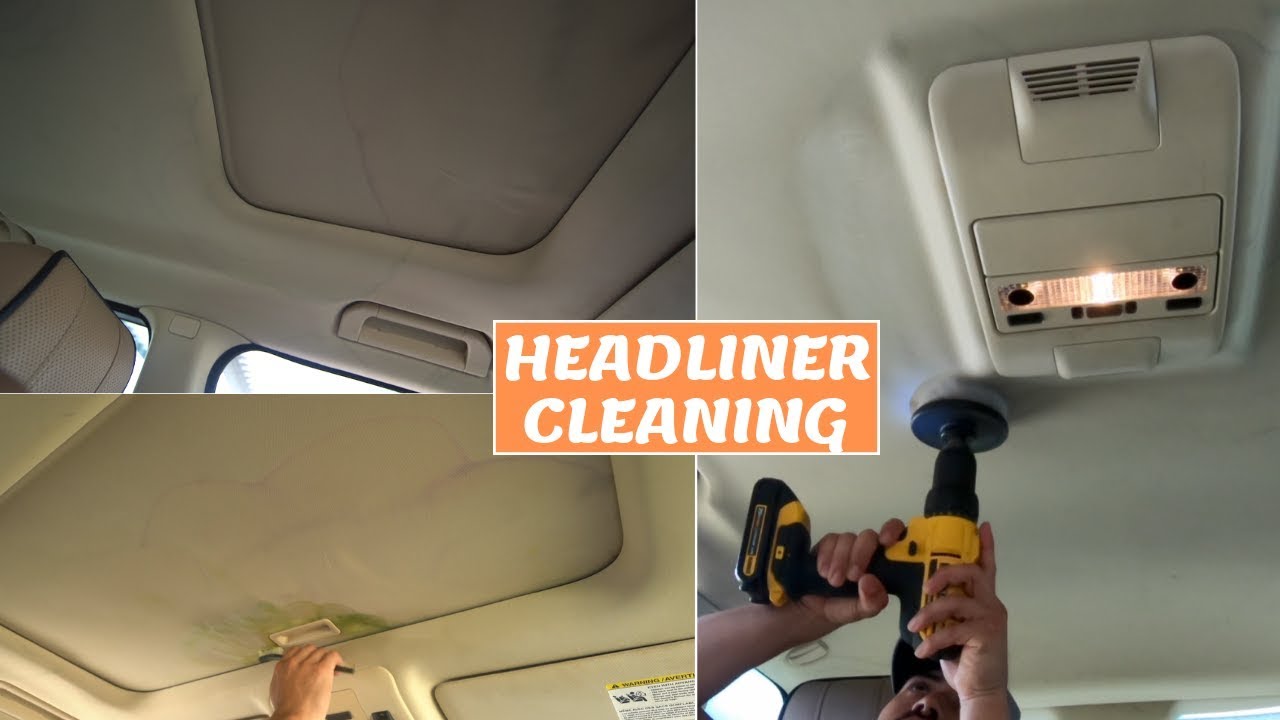
What You Need Before Cleaning a Volvo Headliner
Gather the right supplies before you start. A controlled cleaning method is safer than trying to remove a stain with a large amount of water.
Recommended supplies
- Two or three clean microfiber cloths
- A soft interior detailing brush
- A vacuum with a soft brush attachment
- Distilled water
- A mild, pH-neutral interior cleaner
- A small spray bottle
- Dry paper towels or an absorbent cloth
- Nitrile gloves, if your skin is sensitive to cleaners
- A soft cotton swab for small marks
Use a clean, light-colored cloth. Dark or dirty cloths can transfer color and grime to the headliner.
Choose the cleaner carefully
For light dust, water may be enough. For fingerprints, food marks, or light stains, use a product labeled for automotive fabric or interior trim. A small amount of mild laundry detergent diluted in water can work in some cases, but test it first in a hidden area.
Avoid these products:
- Bleach
- Ammonia-based glass cleaner
- Strong degreasers
- Household carpet shampoo
- Alcohol-heavy solvents
- Acetone or nail-polish remover
- Oil-based cleaners
- Abrasive powders
- Heavy fragrance sprays
A cleaner that works on a floor carpet may be too wet or too strong for a Volvo headliner. The headliner fabric is usually bonded to a foam backing. Excess liquid can soak into that foam and weaken the glue.
Check the area first
Before cleaning, inspect the ceiling for:
- Loose or sagging fabric
- Water stains
- Mold or mildew
- Peeling edges
- Torn fabric
- Loose trim
- Openings for lights, sensors, or microphones
If the fabric already hangs down, do not scrub it. Cleaning may make the damage worse.

How to Clean a Volvo Headliner Step by Step
The best method is to remove dry dirt first, then spot-clean with a barely damp cloth. Work slowly and stop if the fabric begins to change texture.
1. Park in a dry, shaded place
Park the Volvo indoors or in a shaded area with good air flow. Do not clean a hot headliner in direct sun. Heat can make stains spread and may cause the fabric to dry unevenly.
Open the doors or windows slightly during the final drying stage. Do not leave the vehicle open if rain, high humidity, or dust is likely.
2. Remove loose dust
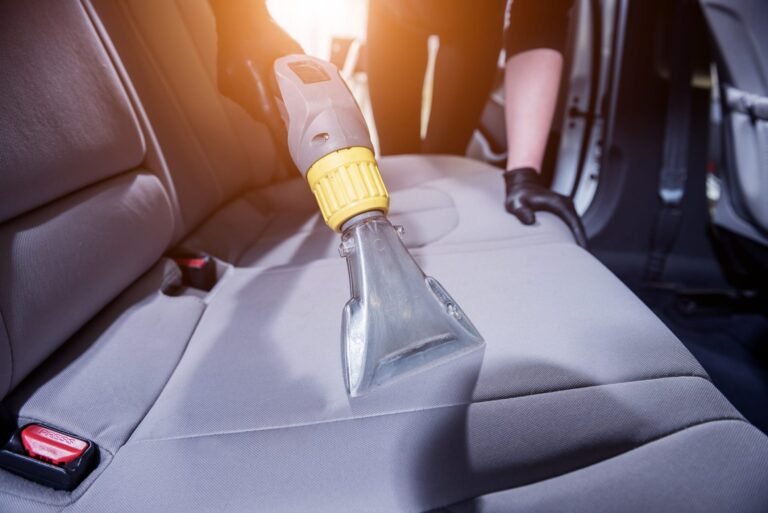
Use a vacuum with a soft brush attachment. Keep the nozzle slightly above the fabric or use low suction. Move in one direction with light strokes.
Do not press the vacuum nozzle firmly against the headliner. Strong suction can pull at the fabric, especially near seams and edges.
If you do not have a suitable vacuum attachment, use a clean, dry microfiber cloth. Wipe gently rather than rubbing.
3. Test the cleaner
Choose a hidden spot, such as an area near the rear edge or behind a removable cover. Apply a small amount of diluted cleaner to a cloth and dab the test area.
Wait until it dries. Check for:
- Color transfer
- Water rings
- Stiffness
- Fuzzing
- Discoloration
- A visible boundary between the cleaned and uncleaned area
If the test area changes, do not use that cleaner on the rest of the headliner.
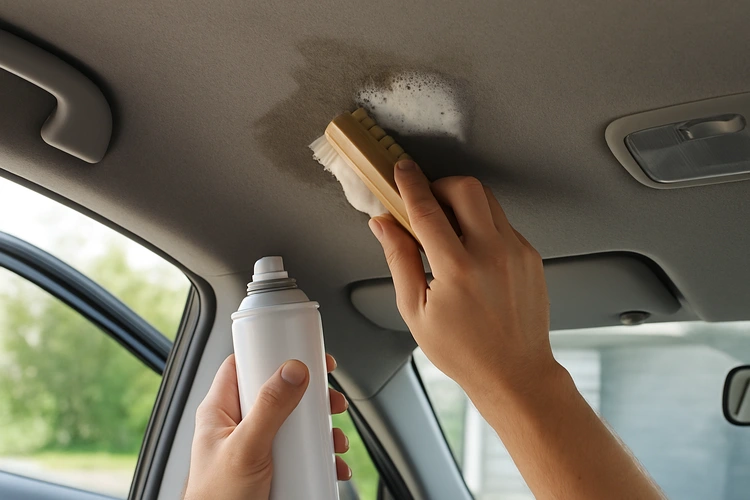
4. Apply cleaner to the cloth
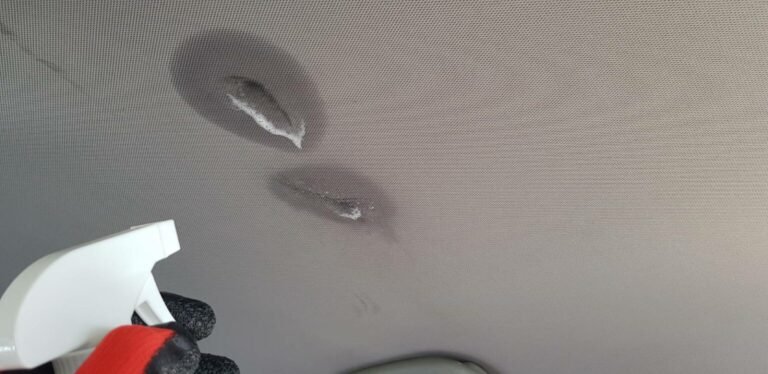
Lightly mist the cleaner onto a microfiber cloth. The cloth should feel damp, not wet.
Never spray directly onto the roof liner. Direct spraying can send liquid into:
- Overhead lights
- Switches
- Microphones
- Sunroof controls
- Wiring
- Roof-mounted sensors
- The edges of the curtain-airbag area
This is one of the most important steps when cleaning a Volvo headliner.
5. Dab the stain
Press the damp cloth onto the mark and lift it away. Repeat with a clean part of the cloth.
For a larger dirty area, clean a small section at a time. Use straight, gentle strokes or light dabbing. Avoid circular scrubbing, which can create a shiny patch or disturb the fabric fibers.
Do not try to remove the entire stain in one pass. Several light applications are safer than one wet application.
6. Blot with a dry cloth
After cleaning each section, press a dry microfiber cloth against it. This removes extra moisture and reduces the chance of a water ring.
Keep the cleaned area small. If the fabric becomes visibly wet, stop and blot it dry.
7. Let the headliner dry naturally
Allow the headliner to dry with the doors or windows open. Use normal cabin air flow if needed, but do not direct high heat at the fabric.
Avoid:
- Hair dryers on high heat
- Heat guns
- Steam cleaners
- Strong fans placed close to the fabric
- Driving with wet electrical parts
The headliner should feel dry and look even before you close the vehicle.
8. Inspect the result
Check the area in daylight. A successful cleaning should leave:
- No wet feel
- No strong cleaner smell
- No visible water ring
- No loose or rippled fabric
- No new discoloration
- No change in texture
If the stain remains, wait until the area is fully dry before trying one more light treatment. Repeated wet cleaning can do more harm than the original stain.

How to Remove Common Volvo Headliner Stains
The right method depends on what caused the mark. Start with the least aggressive option.
| Stain or problem | First method | Main caution |
|---|---|---|
| Dust or loose dirt | Soft vacuum brush | Do not use strong suction |
| Fingerprints | Barely damp microfiber cloth | Avoid rubbing hard |
| Food or drink | Blot, then use mild fabric cleaner | Do not spread the stain |
| Grease | Professional interior cleaning is safest | Solvents may damage the foam |
| Smoke odor | Air out the cabin and clean related surfaces | Do not mask odor with spray |
| Water mark | Find and fix the leak first | A new mark may return |
| Ink | Professional treatment recommended | Solvents can cause a larger stain |
| Mold or mildew | Professional inspection | Do not brush dry mold into the cabin |
Food and drink stains
Remove solid material with a soft edge, such as a plastic card. Do not scrape with a knife.
Blot the liquid with a dry cloth. Then use a small amount of mild fabric cleaner on another cloth. Dab from the outside of the stain toward the center. This helps limit the spread.
Do not flood the stain. Liquid can travel through the fabric and create a larger mark beneath the surface.
Grease and oily marks
Grease is difficult because water alone will not dissolve it. A strong household solvent may remove the visible oil but damage the fabric, foam, or adhesive.
First, blot excess grease without rubbing. If the mark remains, a professional automotive detailer may be able to treat it with a controlled fabric-safe product.
Smoke odor
Smoke smell often remains in the seats, carpets, door panels, air vents, and cabin filter. Cleaning only the headliner may not solve the odor.
Start by vacuuming the cabin and cleaning other hard surfaces. Replace the cabin air filter if the vehicle’s service schedule or condition calls for it. Avoid spraying deodorizer onto the headliner, since fragrance can stain it and will not remove the source of the odor.
Water stains
A water mark may indicate a leak from the sunroof, roof antenna, windshield seal, door seal, or drain system. Clean the stain only after the source has been found and repaired.
If you clean the ceiling before fixing the leak, the stain may return. Continued moisture can also cause odor, mold, corrosion, or headliner separation.
Mold or mildew
Do not dry-brush visible mold. Brushing can spread particles through the cabin. Wear suitable protection, keep the vehicle ventilated, and seek professional help for extensive growth or repeated moisture.
A professional should inspect the source of the moisture. Replacing only the fabric may not solve the problem if the roof or sunroof area still leaks.
What to Do With a Volvo Panoramic Sunroof Headliner
A Volvo with a panoramic roof may have a fabric sunshade or separate roof liner. Clean it with the same low-moisture method, but keep liquid away from the glass, tracks, motors, switches, and seals.
Before cleaning:
- Close the sunroof and sunshade.
- Remove dust with a soft brush.
- Test the cleaner in a hidden area.
- Apply cleaner only to a cloth.
- Use light dabs on the fabric.
- Blot the area dry.
- Keep the roof closed until the area is completely dry.
Do not spray cleaner into the sunroof tracks. Do not force the shade open or closed while it is damp. If the shade moves unevenly, makes a new noise, or stops partway, stop using it and have the system inspected.
The sunroof shade may use a different fabric from the main headliner. A product that is safe for one part may not be safe for the other.

Common Mistakes That Damage Headliners
Most headliner damage comes from too much water, too much force, or the wrong chemical.
Spraying the roof directly
Direct spray is difficult to control. It can run into openings and leave a wide wet area. Always spray the cloth instead.
Scrubbing the same spot
Hard scrubbing can flatten the fabric, create a light patch, or separate the cloth from its foam backing. Dab and blot instead.
Using a steam cleaner
Steam adds heat and moisture. That combination may soften the adhesive and cause sagging. It can also force moisture into electronics and roof controls.
Cleaning only one large patch
Spot cleaning can leave a visible edge if the stain is broad. For a large dirty area, a professional may clean the full panel with the correct low-moisture method.
Using paper towels that shed
Some paper towels leave lint or break apart when damp. A clean microfiber cloth is usually easier to control.
Ignoring a loose headliner
If the fabric is already detached, cleaning will not restore the adhesive. Pressing it back into place may create wrinkles or trap debris.
Removing roof trim without experience
Volvo roof and pillar areas may be close to curtain-airbag components. Do not remove trim, grab handles, lights, or pillars just to reach a stain unless you understand the correct procedure for that model.

When to Use a Professional Detailer or Volvo Repair Facility
Professional help is the better choice when the stain is large, the fabric is damaged, or moisture may have reached electrical parts.
Contact a professional if:
- The headliner is sagging or bubbling
- Water stains keep returning
- The vehicle has mold or strong smoke odor
- The stain covers a large section
- The fabric has changed color
- The foam backing is visible
- An overhead light or control stops working
- The headliner is near a curtain-airbag area
- A sunroof shade no longer works correctly
An automotive detailer is suited to controlled stain and odor treatment. A Volvo repair facility is more appropriate when the problem involves leaks, wiring, roof controls, trim, or possible airbag areas.
Ask what process will be used before approving the work. A good question is: “Will you use a low-moisture method, and how will you protect the roof electronics and headliner adhesive?”

How Often Should You Clean a Volvo Headliner?
Clean a Volvo headliner only when it needs attention. Regular dry dusting is safer than frequent wet cleaning.
A practical routine is:
- Vacuum lightly during normal interior cleaning.
- Treat fresh spots as soon as possible.
- Avoid eating or drinking under conditions that may cause spills.
- Fix roof and sunroof leaks promptly.
- Keep windows and the cabin dry.
- Do not use fragrance sprays on the ceiling.
A light maintenance clean may be enough once or twice a year, but the correct interval depends on use, smoking exposure, pets, dust, and climate. Vehicles used in humid regions of the United States may need closer inspection for moisture and odor.

Frequently Asked Questions
Can I use upholstery cleaner on a Volvo headliner?
Only if the product is labeled as safe for automotive headliner or delicate interior fabric, and only after a hidden-spot test. Use a small amount on a cloth. Do not saturate the ceiling.
Can I use vinegar to clean a Volvo headliner?
Vinegar is not the first choice. It may leave an odor and can produce uneven results on some headliner fabrics. A mild automotive fabric cleaner or distilled water is a more controlled option.
How do I remove a water ring from a headliner?
First find and repair the leak. Once the area is dry, gently treat the mark with a barely damp cloth. A large or old water ring may need professional cleaning because the stain can extend into the backing.
Why is my Volvo headliner sagging after cleaning?
Excess moisture, heat, age, or adhesive failure can cause sagging. Do not use more cleaner or try to glue the fabric while it is installed. A headliner repair or replacement may be needed.
Can I clean the headliner around the curtain airbags?
You can gently clean the visible fabric without removing trim, but keep liquid away from seams, pillars, and trim openings. Never dismantle airbag-related trim unless the correct model-specific service procedure is being followed.
What should I do if the stain does not come out?
Let the area dry fully before making another attempt. If one careful treatment does not work, stop. Repeated cleaning can enlarge the mark or damage the fabric. A professional detailer can identify whether the stain is on the surface or inside the foam backing.
Conclusion
To clean a Volvo headliner safely, vacuum away dry dirt, test a mild cleaner, apply it to a microfiber cloth, and dab instead of scrubbing. Keep moisture away from lights, controls, sensors, wiring, and curtain-airbag areas. Never use steam or soak the fabric.
If the headliner is sagging, stained by a leak, affected by mold, or damaged near roof components, professional service is the safer next step. Before you begin, check your Volvo owner’s manual for model-specific roof, sunroof, trim, and interior-care guidance.