What Is The Best Cleaner For Car Interior: Expert Guide
The best cleaner for a car interior is a pH-neutral automotive interior cleaner labeled for the material you need to clean. For most dashboards, door panels, vinyl, and plastic trim, a mild water-based interior cleaner is the safest all-around choice.
One product should not clean every surface. Leather, cloth seats, carpets, touchscreens, glass, suede-like trim, and seat belts need different care. The best results come from using the mildest cleaner that matches the surface.
In the United States, car interiors face dust, road salt, spilled drinks, sunscreen, food grease, pet hair, and summer heat. A safe cleaning method matters as much as the bottle you buy.

Quick answer: Which car interior cleaner is best?
For routine cleaning, choose a cleaner that:
- Is made for automotive interiors
- Has a mild or near-neutral pH
- Is safe for plastic, vinyl, and rubber
- Leaves little or no oily residue
- Does not contain bleach, ammonia, or strong solvents
- Includes clear use instructions and surface limits
Use a dedicated leather cleaner for finished leather. Use a fabric or carpet cleaner for cloth seats and carpeting. Use a screen-safe cleaner for infotainment displays.
Avoid using one strong household cleaner on every part of the cabin. That may remove dirt quickly, but it can also dull plastic, weaken coatings, stain fabric, or leave a slippery film.
Best cleaner by car interior material
The right cleaner depends on the surface. This table gives a practical starting point.
| Interior surface | Best cleaner type | What to avoid |
|---|---|---|
| Dashboard plastic | Mild automotive interior cleaner | Abrasive powder, bleach, oily dressing |
| Vinyl door panels | Water-based vinyl and plastic cleaner | Solvent-heavy degreaser |
| Finished leather | Leather cleaner made for automotive leather | Household soap, harsh alcohol, excess water |
| Cloth seats | Upholstery or fabric cleaner | Soaking the seat foam |
| Carpeting | Automotive carpet cleaner | Overwetting and poor drying |
| Touchscreen | Screen-safe cleaner or slightly damp microfiber cloth | Ammonia glass cleaner, paper towels |
| Glass | Automotive glass cleaner | Spraying near electronics or displays |
| Rubber floor mats | Mild soap solution or interior cleaner | Strong solvent |
| Suede-like trim | Product approved for that material | Leather cream, excess water |
| Seat belts | Mild soap and water, if allowed by the vehicle maker | Bleach, solvents, machine washing |
The vehicle owner’s manual takes priority when it gives a specific cleaning method. Automakers may use different coatings, dyes, plastics, and leather finishes.

The best all-purpose cleaner for dashboards and trim
A mild automotive interior cleaner is usually the best choice for dashboards, plastic trim, vinyl, and door panels. Look for a product that cleans without leaving a glossy or greasy coating.
A matte or low-sheen finish is often better than a shiny finish. Glossy residue can create reflections in the windshield, especially in bright sunlight. It may also attract dust and make the steering wheel, pedals, or gear selector slippery.
What to look for on the label
Choose a product that:
- Lists the exact surfaces it supports
- Says whether it is safe for coated plastic
– Gives dilution instructions, if needed - Advises testing in a hidden area
- Warns against screens, leather, suede, or fabric when applicable
- Does not rely on heavy fragrance to mask odors
A cleaner labeled “all-purpose” is not automatically safe for every car surface. The term may describe cleaning strength, not material compatibility.
How to clean plastic and vinyl safely
- Remove loose dust with a vacuum or soft brush.
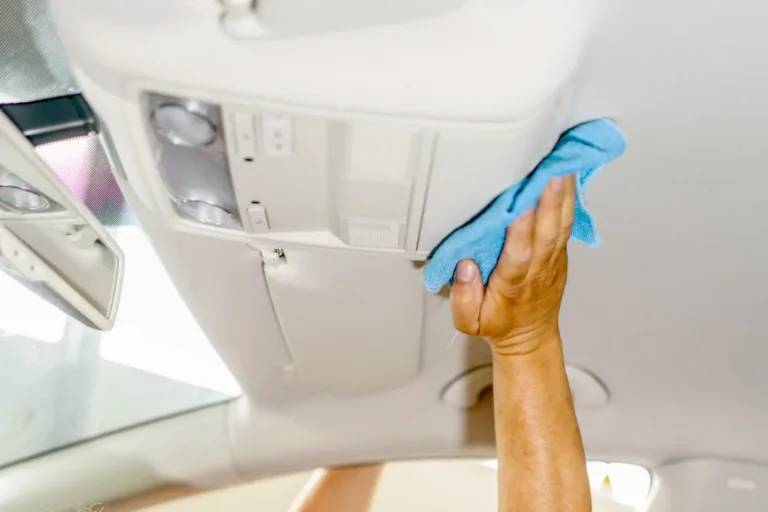
- Spray the cleaner onto a microfiber towel, not directly onto the panel.
- Wipe a small area with light pressure.
- Use a second clean towel to remove residue.
- Check seams, vents, switches, and textured areas.
- Let the surface dry before driving.
Spraying onto a towel gives you better control. It also reduces the chance of liquid entering vents, switches, speakers, or gaps around the dashboard.
Best cleaner for leather car seats
The best cleaner for leather seats is a pH-balanced leather cleaner made for finished automotive leather. Most modern car leather is coated, so the goal is to remove dirt without stripping the protective finish.
Use a separate leather conditioner only when the vehicle maker or leather-care instructions support it. Many coated leather seats do not need heavy oils. Too much conditioner can leave the seat slick, attract dirt, or change the feel of the finish.
How to clean leather seats
- Vacuum loose grit from the seams and folds.
- Put a small amount of leather cleaner on a microfiber cloth or soft brush.
- Work in a small section.
- Wipe away the cleaner before it dries.
- Dry the surface with a clean towel.
- Inspect the finish before treating the rest of the seat.
Do not soak perforated leather. Liquid can enter the small holes and reach the seat foam or heating and cooling components.
When leather cleaner is not enough
Deep cracks, peeling color, dye transfer, ink, and sticky finishes may need professional repair. Scrubbing harder can remove the top coating and make the damage worse.
If the seat has a suede-like center section, do not assume it is leather. Alcantara and other synthetic suede materials need their own care instructions.

Best cleaner for cloth seats and carpet
For cloth seats and carpet, use a dedicated automotive upholstery or carpet cleaner. These products are made to lift common interior soil while limiting the amount of water left behind.
A foam or low-moisture formula can be useful because car seats have padding that dries slowly. The cleaner still needs to be removed well. Soap left in the fabric can attract more dirt.
Safe method for cloth upholstery
- Vacuum the seat or carpet first.
- Test the cleaner under the seat or in another hidden area.
- Apply a small amount to the towel or fabric.
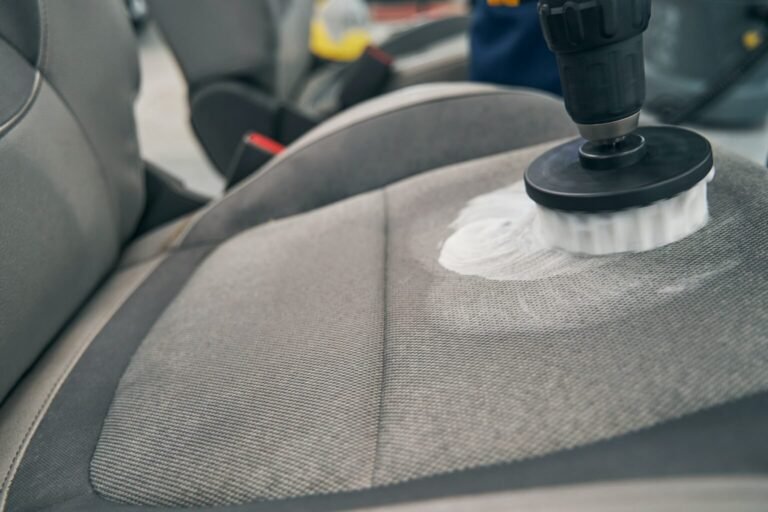
- Agitate gently with a soft interior brush.
- Blot with a clean microfiber towel.
- Repeat only if needed.
- Open the doors and dry the area fully.
Do not flood the seat. Excess liquid can reach wiring, seat sensors, heating elements, or foam padding.
Removing common stains
- Coffee or soda: Blot quickly, then use a fabric cleaner.
- Grease: Lift solid material first. Use a fabric-safe cleaner in small amounts.
- Pet accidents: Use an enzyme product labeled for automotive upholstery, then dry the area fully.
- Mud: Let it dry, vacuum it, and clean the remaining mark.
- Ink: Seek professional advice before using solvents. Ink can spread or permanently set.
A cleaner may remove the visible stain but not the odor source. If a smell returns after drying, contamination may have reached the padding.
Best cleaner for car windows and touchscreens
Use an automotive glass cleaner for interior windows. Use a cleaner specifically approved for screens on touch displays.
Spray glass cleaner onto a cloth instead of directly onto the windshield. This reduces overspray on the dashboard and prevents liquid from reaching vents or electronic controls.
For a touchscreen, begin with a dry, clean microfiber cloth. If marks remain, lightly dampen the cloth with a screen-safe product. Do not press hard. Do not use paper towels, abrasive pads, ammonia-based glass cleaner, or household disinfectant unless the vehicle maker approves it.
Cleaning a touchscreen
- Turn the screen off if possible.
- Remove dust with a dry microfiber cloth.
- Wipe gently in straight or overlapping strokes.
- Use a second dry cloth to remove streaks.
- Keep liquid away from screen edges and buttons.
Some displays have anti-glare or fingerprint-resistant coatings. Strong chemicals can damage or cloud these layers.

How to clean a car interior without damaging it
A careful process prevents most problems. You do not need strong chemicals for normal dust, skin oils, and light spills.
Step 1: Read the vehicle manual
Check the cleaning section before working on leather, screens, seat belts, suede-like trim, and heated or ventilated seats. The manual may identify materials that are easy to mistake.
Step 2: Remove loose dirt
Take out floor mats. Shake or vacuum them outside the vehicle. Vacuum seats, seams, carpet edges, cup holders, and the area around the pedals.
Loose grit acts like sandpaper. Removing it first reduces scratching and smearing.
Step 3: Work from top to bottom
Clean the headliner only when needed and use very little moisture. Then clean the dashboard, doors, seats, center console, and floor.
Cleaning from top to bottom lets falling dust land on areas you have not finished.
Step 4: Use separate towels
Use different microfiber towels for:
- Glass
- Dashboard and trim
- Leather
- Fabric
- Greasy or very dirty areas
Wash dirty towels before reuse. A towel that picked up grit can scratch glossy trim or screens.
Step 5: Dry the cabin
Leave doors or windows open when safe. Run the vehicle’s ventilation system only as needed and follow the vehicle maker’s instructions.
A clean interior should feel dry, not sticky or slippery. A strong chemical smell is not proof that the surface is clean.

Which household cleaners should you avoid?
Avoid bleach, ammonia, abrasive powders, strong degreasers, acetone, paint thinner, and concentrated disinfectants unless the vehicle maker specifically approves them for that surface.
Common household products can be too strong for automotive coatings. They may also create fumes in a small cabin.
Be especially careful with:
- Household glass cleaner on tinted or coated surfaces
- Disinfecting wipes on leather or screens
- Dish soap used repeatedly on leather
- Furniture polish on dashboards
- Silicone-heavy dressings on steering wheels and pedals
- Solvent-based cleaners near plastic lenses
- Essential oils or fragrance sprays on porous upholstery
Disinfecting a car is a separate task from routine cleaning. If you must disinfect after illness or contamination, choose a product whose label supports the specific surface and follow its contact-time instructions. Then check the vehicle manual for material limits.
Common car interior cleaning mistakes
Using too much product
More cleaner does not mean better cleaning. Excess product leaves residue and can cause streaks.
Spraying directly onto the dashboard
Direct spray can enter vents, switches, speakers, and electronic gaps. Spray the towel instead.
Scrubbing stains too hard
Hard scrubbing can spread a stain, roughen fabric, or remove color. Use repeated light passes.
Leaving seats wet
Wet foam can develop odor and may take a long time to dry. Use less liquid and improve airflow.
Cleaning seat belts with harsh chemicals
Seat belts are safety equipment. Bleach, solvents, and strong cleaners may affect the webbing. Use the vehicle manual’s instructions. Never machine wash or alter a seat belt unless the maker specifically allows it.
Applying dressing to control surfaces
Do not use a shiny protectant on the steering wheel, pedals, shifter, or other surfaces that require a secure grip.
Ignoring the headliner
The headliner can loosen when soaked or scrubbed. Clean small areas with a lightly damp cloth and minimal pressure.

What is the best cleaner for a car with kids or pets?
For a family vehicle, the best setup is usually:
- A mild interior cleaner for plastic and vinyl
- A fabric-safe cleaner for seats and carpet
- An enzyme cleaner labeled for upholstery when biological odors are present
- A glass cleaner for windows
- A screen-safe cloth or product for displays
Choose low-odor products and ventilate the cabin during and after cleaning. Keep all cleaners away from children and pets until the surfaces are dry and the vehicle is aired out.
For pet hair, clean mechanically first with a vacuum, rubber brush, or pet-hair tool. Chemical cleaner will not remove dry hair efficiently.
How often should you clean the car interior?
Clean high-touch surfaces when they look dirty or feel greasy. Many drivers can do a light wipe and vacuum every one to two weeks, with a deeper clean every few months.
The right schedule depends on use:
- Daily commuting creates steady dust and skin-oil buildup.
- Children may require faster spot cleaning.
- Pets add hair, dander, and odor.
- Beach or winter driving can add sand and road salt.
- Hot climates can make residues harder to remove.
Clean spills as soon as possible. Old stains often need more moisture and more scrubbing, which increases the risk of damage.

How to choose between a cleaner, disinfectant, and protectant
These products serve different purposes.
- Cleaner: Removes dirt, grease, and ordinary soil.
- Disinfectant: Reduces specific germs when used according to the product label.
- Protectant: Leaves a coating intended to help protect or change the finish.
- Deodorizer: Masks or reduces odor, depending on its chemistry.
- Conditioner: Adds or replaces certain oils or treatments, mainly on some leather products.
A protectant does not replace cleaning. A deodorizer does not remove the material causing an odor. Use each product only for the job it is designed to perform.
Frequently asked questions
Can I use dish soap to clean my car interior?
A small amount of mild dish soap diluted in water may work for some hard, washable surfaces, but it is not the best routine choice for every material. It can leave residue and may not suit leather, screens, or coated trim. An automotive interior cleaner with clear surface directions is safer.
Is vinegar safe for a car interior?
Vinegar may help with some household cleaning tasks, but it is not a universal car interior cleaner. Its odor, acidity, and effect on coatings vary by surface. Avoid using it on leather, screens, or sensitive trim unless the material maker approves it.
Can I use disinfecting wipes on leather seats?
Do not assume that a disinfecting wipe is safe for leather. Some contain alcohol or other ingredients that may dry, discolor, or damage the finish. Check both the wipe label and the vehicle or leather maker’s instructions.
How do I remove a bad smell from a car?
First remove the source. Vacuum the cabin, wash removable mats, clean spills, and inspect under seats. For urine, vomit, milk, or other biological contamination, use an upholstery-safe enzyme cleaner and dry the area fully. Persistent odors may require professional extraction or inspection of the padding and air system.
Should I use a glossy dashboard protectant?
A glossy product is usually a poor choice for the dashboard if it creates windshield reflections or a slippery film. A matte or low-sheen product is generally easier to live with, especially in bright U.S. driving conditions.
Final recommendation
For most car interiors, buy a mild, pH-neutral automotive interior cleaner for plastic, vinyl, and rubber, then keep separate products for leather, fabric, glass, and screens. Apply cleaner to a microfiber towel, use light pressure, avoid excess moisture, and test hidden areas first.
The best cleaner is not the strongest one. It is the product that removes the soil while preserving the material, finish, safety, and feel of the interior.