What Cloth To Use For Car Interior: Best Cleaning Guide
For most car interiors in the United States, use a clean, soft microfiber cloth. Choose a short-pile microfiber for dashboards, door panels, leather, vinyl, and touchscreens. Use a waffle-weave microfiber for glass. Keep separate cloths for windows, dirty trim, and sensitive surfaces.
Microfiber is the best all-around choice because its fine synthetic fibers pick up dust and oils without leaving much lint. The right weave still matters. A rough or dirty cloth can scratch glossy trim, spread grease, or leave marks on screens.
Best Cloth Types for Each Car Interior Surface
The best cloth depends on the surface, soil, and cleaner you plan to use. A single towel may work for basic dusting, but a small set of cloths gives better results and lowers the risk of cross-contamination.
| Interior surface | Best cloth | Why it works | Avoid |
|---|---|---|---|
| Dashboard and vinyl | Short-pile microfiber | Lifts dust and removes light residue | Rough towels and dirty cloths |
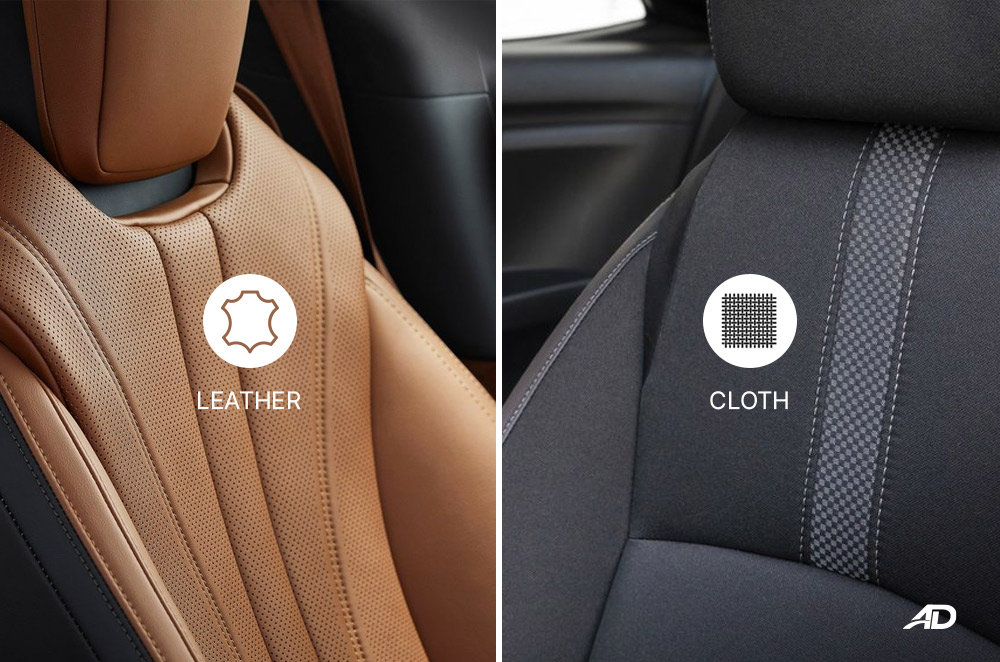
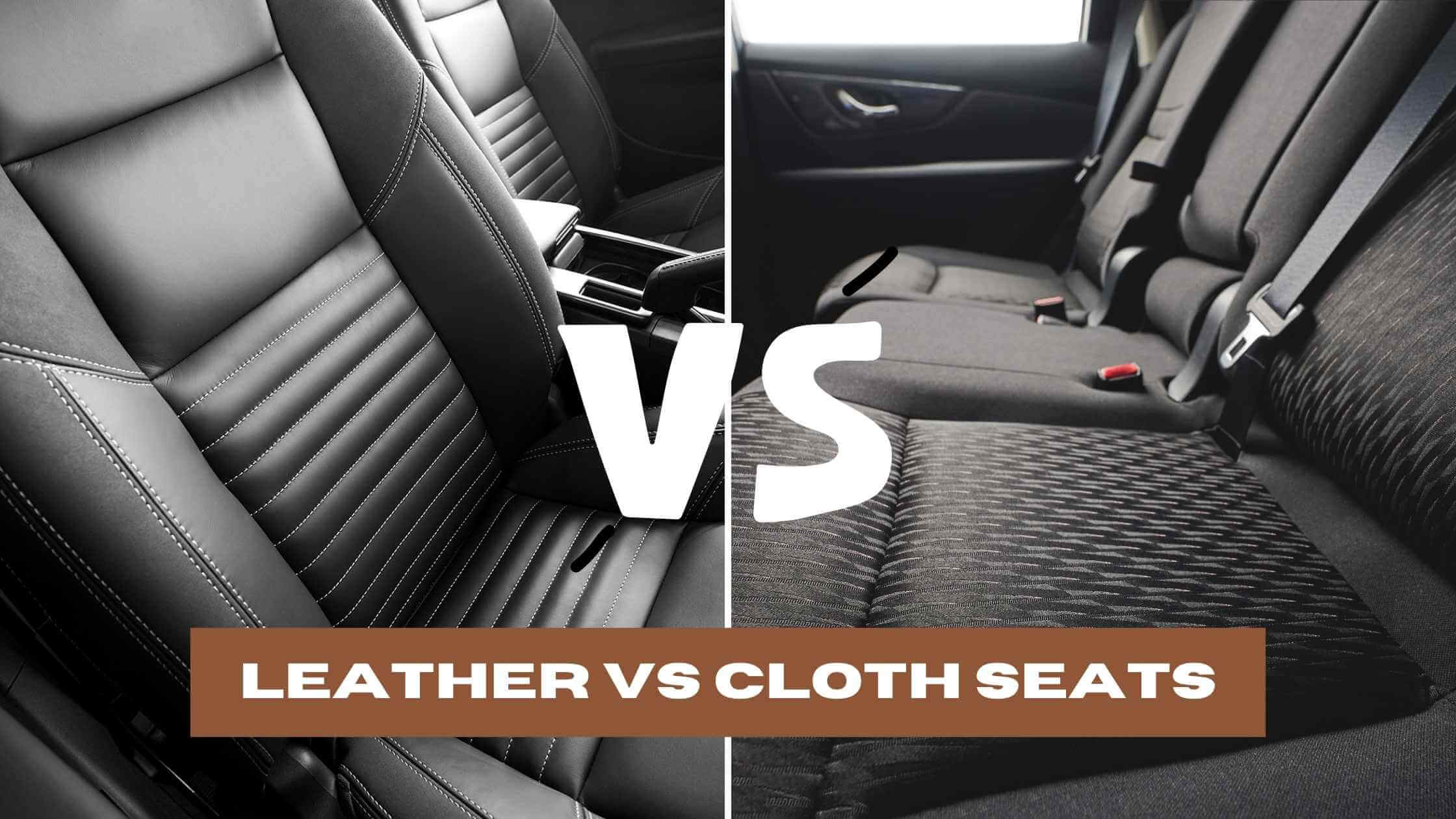
| Leather seats | Soft, low-pile microfiber | Gentle on coated leather surfaces | Abrasive cloths and stiff brushes |
| Cloth seats and carpets | Medium-pile microfiber or clean cotton towel | Helps blot spills and lift surface dirt | Scrubbing wet stains deeper |
| Touchscreens | Clean, dry, low-pile microfiber | Removes fingerprints with little lint | Paper towels, tissues, and harsh cleaners |
| Interior glass | Waffle-weave glass microfiber | Reduces lint and streaks | Plush towels that shed fibers |
| Piano-black trim | Short-pile, clean microfiber | Limits fine marks and residue | Used towels with trapped grit |
| Door jambs and heavy grime | Utility microfiber | Handles dirtier work | Reusing it on screens or glass |
| Suede or Alcantara-style trim | Manufacturer-approved cloth | Helps prevent texture damage | Saturated towels and strong cleaners |
1. Short-pile microfiber
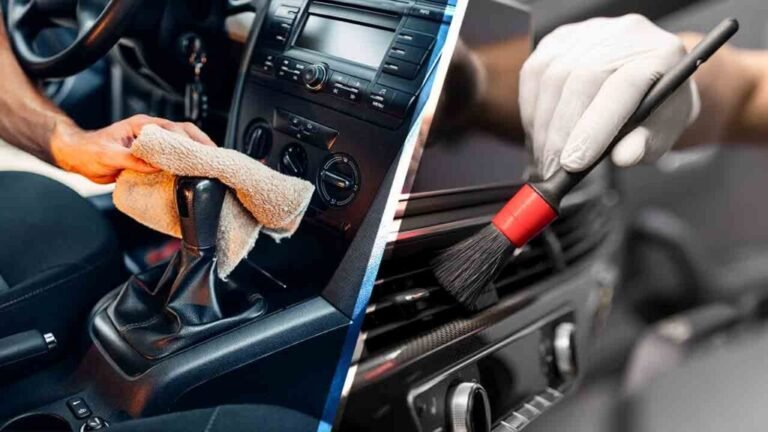
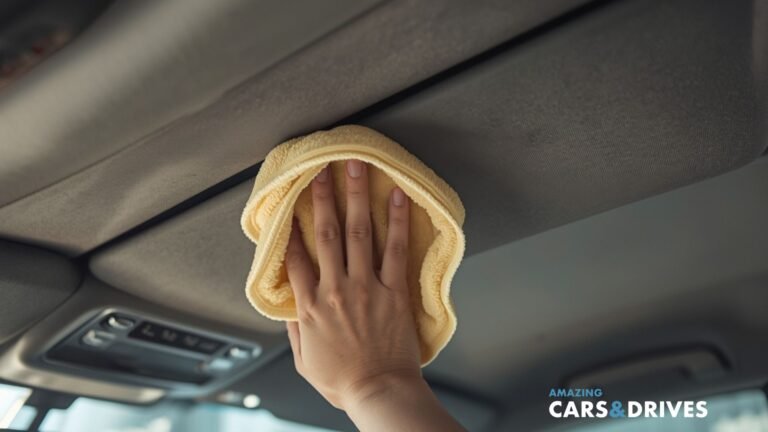
Short-pile microfiber is the most useful choice for routine interior cleaning. It works well on hard plastic, vinyl, coated leather, and most dashboard surfaces.
The short fibers are less likely to catch on textured plastic or leave lint behind. Fold the cloth into quarters so you can turn to a clean side as dirt builds up.
2. Waffle-weave microfiber
Use a waffle-weave microfiber towel for interior windows and mirrors. Its raised pattern helps collect moisture and oils while reducing streaks.
Use one cloth to spread glass cleaner and a second dry cloth to buff the surface. Do not spray cleaner directly onto a screen, switch, or dashboard.
3. Low-pile microfiber
Low-pile microfiber is useful for touchscreens, glossy black trim, gauge lenses, and other smooth surfaces. These areas show fingerprints and fine marks easily.
The cloth must be clean. A microfiber towel that picked up sand, dried cleaner, or grit can cause marks even when the fabric itself is soft.
4. Medium-pile or plush microfiber
A thicker microfiber towel can help with dust, light spills, and general wiping. It holds more moisture than a thin cloth.
Use plush towels mainly on broad, durable surfaces. They can leave fibers around buttons, vents, seams, and textured trim.
5. Cotton towels
A clean cotton towel can work for blotting spills on cloth seats and carpets. Cotton is absorbent and easy to wash.
It is not the first choice for glass, glossy trim, or touchscreens. Some cotton towels shed lint, and rough terry loops can drag across delicate surfaces.

How to Choose the Right Car Interior Cloth
Choose the cloth by matching its softness, pile, absorbency, and cleanliness to the surface. The cloth should remove soil without forcing grit across the material.
Check the fabric
Look for a soft microfiber with no hard tags, rough stitching, loose threads, or embedded debris. A common microfiber blend uses polyester and polyamide, but the label alone does not prove quality.
Run the cloth over the inside of your wrist. If it feels scratchy, do not use it on screens, clear plastic, glossy trim, or leather.
Match the pile to the job
Pile describes the height of the cloth fibers.
- Low pile: screens, glass, glossy trim, and light dust.
- Short pile: dashboards, vinyl, plastic, and leather.
- Medium pile: general wiping and light spills.
- Higher pile: dusting and absorbing larger amounts of liquid.
For interior cleaning, a short or low pile is usually easier to control than a very thick towel.
Use color coding
Color coding reduces mistakes. For example:
- Blue for glass
- Gray for dashboards and plastic
- Black for door jambs and dirty areas
- White or light gray for leather and light-colored trim
The colors do not change cleaning performance. They help prevent a dirty towel from moving grease onto a touchscreen.
Use separate cloths for separate chemicals
Do not use the same towel for glass cleaner, tire dressing, leather conditioner, and interior protectant. Product residue can transfer to other surfaces.
Keep a dedicated glass towel. A towel used with an oily cleaner may create streaks on windows even after it looks clean.

How to Clean a Car Interior With Microfiber Cloths
Use a dry cloth for loose dust and a slightly damp cloth for stuck-on residue. Work from clean areas to dirty areas and from the top of the cabin downward.
What you need
Prepare:
- Two or more clean microfiber cloths
- A separate glass cloth
- A vacuum
- A surface-safe interior cleaner
- A small soft brush for seams and vents
- A clean towel for drying
Read the vehicle owner’s manual before cleaning leather, suede-like materials, screens, or special coatings. Automakers can specify different products and limits.
Step 1: Remove loose items and vacuum first
Take out trash, floor mats, and personal items. Vacuum loose dust before wiping.
If you wipe first, sand and grit can turn into an abrasive paste. Use a soft brush around vents and seams while holding the vacuum nozzle nearby.
Step 2: Dust dry surfaces
Use a dry microfiber cloth on the dashboard, console, door panels, and other hard surfaces. Use light pressure.
Turn the cloth often. When one side becomes gray or greasy, move to a clean side or use a new towel.
Step 3: Apply cleaner to the cloth
Spray a suitable cleaner onto the microfiber cloth, not directly onto the surface. This helps control moisture around switches, vents, speakers, seams, and electronics.
Use only enough product to dampen the cloth. A wet interior can take longer to dry and may leave streaks or odors.
Step 4: Wipe in small sections
Clean one section at a time. Wipe gently, then inspect the surface under good light.
For textured plastic, a second dry cloth can remove leftover cleaner from the grain. Do not press hard to force dirt out of delicate materials.
Step 5: Clean glass last
Use a dedicated glass microfiber. Apply the glass cleaner to the cloth, then wipe the glass in one direction.
Use a dry side or a second cloth to buff the surface. If streaks remain, the towel may contain oily residue or the glass may need another light pass.
Step 6: Let surfaces dry
Allow cleaned surfaces to dry before closing the vehicle. Do not leave damp towels on leather, cloth seats, carpets, or electronic controls.
A clean, dry finish should not feel sticky. It should also show no obvious streaks, wet patches, or transferred color.

Which Cloth Should You Use for Leather Seats?
Use a soft, clean, low-pile microfiber cloth for most coated automotive leather. Lightly dampen it when removing normal dust or surface grime.
Do not assume every seat called “leather” has the same finish. Modern vehicles may use coated leather, synthetic leather, vinyl, suede-like fabric, or a combination of materials. Check the owner’s manual first.
For leather:
- Vacuum loose grit.
- Test the cleaner on a hidden area.
- Apply the cleaner to the cloth.
- Wipe a small section with light pressure.
- Remove residue with a separate damp cloth if the product instructions require it.
- Dry the area with a clean microfiber.
Avoid soaking seams and perforations. Moisture can remain inside the holes or padding. Do not use a rough shop rag, stiff brush, or household cleaner unless the vehicle maker permits it.
What Cloth Is Safe for a Car Touchscreen?
Use a clean, dry, low-pile microfiber cloth for a car touchscreen. For fingerprints, breathe lightly on the screen or use a small amount of approved screen cleaner on the cloth.
Never spray liquid directly onto the display. Avoid ammonia, abrasive powders, paper towels, and rough fabric. These may damage coatings, leave lint, or create fine marks.
Turn the vehicle off before cleaning so the screen is dark and easier to inspect. Wipe with light pressure. If a mark does not come off, do not scrub harder; identify whether it is dirt, a stain, or surface damage.
Use the vehicle’s manual for touchscreen-specific instructions. Some displays have anti-glare or other surface treatments that may react poorly to common household cleaners.
What Cloth Is Best for Car Interior Glass?
A waffle-weave glass microfiber is usually the best cloth for interior windows. It removes fingerprints and cleaner with less lint than many general-purpose towels.
Interior glass often develops a hazy film from plastic outgassing, smoke, dust, or dashboard products. Use a small amount of glass cleaner on the cloth and wipe in a controlled pattern.
A useful method is:
- Wipe the glass with a damp glass cloth.
- Turn to a clean side.
- Buff with a dry glass cloth.
- Check the result from different angles.
Avoid fabric softener when washing glass towels. It can leave a coating that causes streaks.

How to Wash Microfiber Cloths Used in a Car
Wash microfiber towels separately from lint-producing laundry. Cotton fibers can stick to microfiber and reduce its ability to pick up dust.
Use this care routine:
- Shake out loose dirt outdoors or over a trash can.
- Wash with a mild detergent.
- Use cool or warm water according to the care label.
- Skip fabric softener.
- Avoid chlorine bleach.
- Dry on low heat or air-dry.
- Store clean towels in a closed, dry place.
High heat can damage synthetic fibers. Fabric softener can coat the fibers and make them smear instead of absorb. If a towel was used with tire dressing, wax, heavy grease, or strong chemicals, keep it for dirty jobs or discard it.
Do not use a towel on sensitive surfaces if it still feels oily, stiff, gritty, or strongly scented after washing.

Common Mistakes When Choosing a Car Interior Cloth
The most common mistake is treating every cloth as interchangeable. A towel that works on rubber floor mats may be a poor choice for a touchscreen or glossy trim.
Using paper towels everywhere
Paper towels can leave lint and may break apart when damp. Some are also rough enough to create fine marks on clear plastic or glossy surfaces.
They may be acceptable for a quick spill on a durable surface, but microfiber is the better routine choice.
Using one towel for the whole cabin
A towel used on greasy door handles can transfer oil to glass and displays. Separate cloths by surface and soil level.
Wiping dry grit across glossy trim
Dust may contain sand or other hard particles. Vacuum first, then wipe. If the surface feels gritty, stop and remove the particles before continuing.
Using too much cleaner
More product does not always mean better cleaning. Excess cleaner can leave a sticky film that attracts more dust.
Apply cleaner to the cloth and use small amounts. Follow the product label and the vehicle manual.
Cleaning in direct heat
Hot surfaces can dry cleaner too quickly and create streaks. Park in shade when possible and allow the cabin to cool before cleaning.
Using a cloth with rough edges
Tags, seams, zippers, and loose threads can mark soft surfaces. Fold the towel so the rough edge stays away from the material, or choose a tagless cloth.

Quick Buying Guide for Car Interior Cleaning Cloths
You do not need a large collection. A practical basic set includes:
- Three short-pile microfiber cloths for dashboards, plastic, vinyl, and general wiping.
- Two low-pile microfiber cloths for screens, glossy trim, and delicate surfaces.
- Two waffle-weave cloths for interior glass.
- One or two utility towels for door jambs, pedals, and heavy grime.
Choose quantity based on how often you clean and how dirty the vehicle becomes. A family SUV, work truck, or vehicle used near beaches and construction areas may need more utility towels than a lightly used sedan.
The key feature is not the brand. It is a clean, soft, suitable weave that has not been contaminated by grit, grease, wax, or fabric softener.
Key Takeaways
- The best all-purpose cloth for a car interior is a clean, soft microfiber towel.
- Use short-pile microfiber for dashboards, plastic, vinyl, and most leather.
- Use low-pile microfiber for touchscreens and glossy trim.
- Use waffle-weave microfiber for interior glass.
- Keep separate towels for glass, electronics, leather, and dirty areas.
- Vacuum loose grit before wiping.
- Apply cleaner to the cloth, not directly to screens or controls.
- Wash microfiber separately and avoid fabric softener and bleach.
- Follow the vehicle owner’s manual for leather, suede-like materials, and display screens.
FAQs
Can I use a microfiber cloth on every car interior surface?
Microfiber works on many interior surfaces, but the weave, cleanliness, and cleaner still matter. Use a soft low-pile cloth on screens and glossy trim. Follow the manufacturer’s instructions for suede-like fabric, specialty coatings, and untreated materials.
Is cotton or microfiber better for car interiors?
Microfiber is usually better for dust, fingerprints, plastic, glass, leather, and screens because it leaves less lint. Clean cotton can be useful for blotting spills on fabric seats and carpets.
How often should I replace car cleaning cloths?
Replace or retire a towel when it stays greasy, feels rough, sheds fibers, develops hard edges, or remains gritty after washing. Use worn towels for door jambs and other dirty areas instead of sensitive surfaces.
Can I use household glass cleaner inside my car?
Only use it if the vehicle and product instructions allow it. Some household glass cleaners contain ingredients that may be unsuitable for tinted film, screens, plastics, or specialty coatings. Apply any approved cleaner to the cloth rather than spraying electronics.
Why does my microfiber cloth leave streaks?
The towel may contain fabric softener, oil, excess cleaner, or dirt. Wash it separately with mild detergent, dry it correctly, and use a dedicated glass towel. A second dry towel can also remove remaining moisture and residue.
Conclusion
For most vehicles in the United States, start with clean microfiber cloths rather than paper towels or rough household rags. Use short-pile microfiber for general surfaces, low-pile microfiber for screens and glossy trim, and waffle-weave microfiber for glass.
The safest routine is simple: vacuum first, test products in a hidden spot, apply cleaner to the cloth, use light pressure, and keep cloths separated by task. That approach protects the interior while producing a cleaner, lower-lint finish.