
What Is A Digital Tire Inflator: Complete Guide
A digital tire inflator is a portable air compressor with a digital gauge for precise tire pressure.
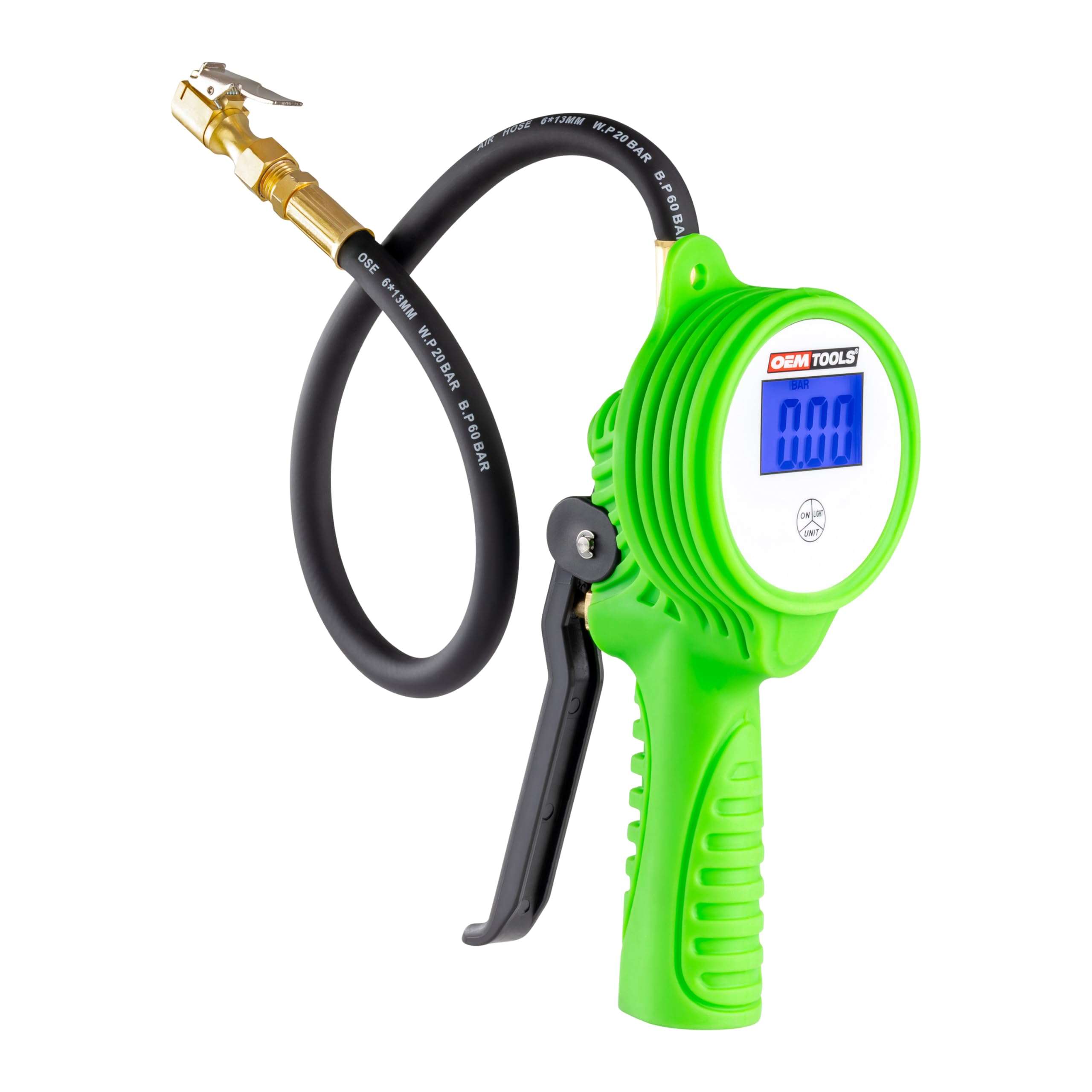
A digital tire inflator combines an electric air pump, pressure sensor, and digital display in one compact tool. It helps drivers add air to car, truck, motorcycle, bicycle, and some recreational vehicle tires without visiting a gas station. This guide explains how a digital tire inflator works, why correct tire pressure matters, how to use one safely, and what to look for before buying.

What Is a Digital Tire Inflator?
A digital tire inflator is a small air compressor designed to fill tires. It draws air from the surrounding atmosphere, compresses it, and sends it through a hose into the tire. A built-in digital gauge measures the air pressure and shows the reading on a screen.
Most models use pounds per square inch, or PSI, as the main pressure unit. Some also show bar, kilopascals, or kilograms per square centimeter. This makes a digital tire inflator more useful for people who drive different vehicles or follow pressure labels from different regions.
Unlike a basic hand pump, a digital tire inflator does not depend on muscle power. Most models connect to a 12-volt vehicle outlet, a household power outlet, or a rechargeable battery. Some advanced units support more than one power source.
A typical digital tire inflator includes:
• An electric motor that powers the compressor
• A pressure hose with a tire valve connector
• A digital display for pressure readings
• Control buttons for setting the target PSI
• An automatic shutoff feature
• A power cord or rechargeable battery
Think of it as a small air station that fits in your trunk. It is not meant to replace a full workshop compressor, but it is highly useful for routine tire maintenance and roadside emergencies.

How Does a Digital Tire Inflator Work?
A digital tire inflator uses a motor to drive a small piston or diaphragm. This action pulls air into the pump chamber, compresses it, and pushes it through the hose. The hose then delivers the air through the tire valve.
The digital sensor reads the pressure inside the tire. When the tire reaches the target number, the automatic shutoff stops the motor on many models. This prevents overinflation and lets you work without watching the display every second.
Here is the basic process:
-
The motor starts when you press the power button.
-
The compressor draws in outside air.
-
The pump compresses the air.
-
Compressed air travels through the hose.
-
The tire valve allows air into the tire.
-
The pressure sensor measures the rising PSI.
-
The pump stops when the selected pressure is reached.
The exact design varies by brand. Some inflators have a separate pressure sensor near the hose. Others measure pressure inside the compressor body. Because sensors can vary in accuracy, it is wise to compare the reading with a trusted handheld gauge from time to time.
In my own testing of portable inflators, the biggest difference is often not the maximum PSI. It is the quality of the hose, valve connector, display, and automatic shutoff. A tool that reaches a high pressure but leaks at the valve is less useful than a slower unit that seals well.

Why Correct Tire Pressure Matters
Correct tire pressure affects safety, handling, fuel use, comfort, and tire life. An underinflated tire flexes more as it rolls. That extra flex creates heat and resistance, which may increase wear and reduce efficiency.
An overinflated tire has a smaller contact patch with the road. It may feel less comfortable and can offer less grip on some surfaces. It may also wear more in the center of the tread.
The recommended pressure is usually found on a label inside the driver’s door frame. It may also appear in the owner’s manual. Do not use the maximum PSI printed on the tire sidewall as the normal setting. That number is often the tire’s maximum rated pressure, not the vehicle maker’s recommended pressure.
The National Highway Traffic Safety Administration advises drivers to check tire pressure when the tires are cold. Cold tires have not been heated by long driving, sunlight, or hot pavement. For the most reliable reading, check them before driving or after the vehicle has been parked for several hours.
A digital tire inflator makes this task easier because it combines measurement and inflation. Still, it cannot repair a puncture, damaged valve stem, cracked wheel, or failing tire. If pressure drops again soon after inflation, have the tire inspected.

Benefits of Using a Digital Tire Inflator
A digital tire inflator offers several practical benefits for daily drivers and vehicle owners.
Accurate pressure control
The digital screen gives a clear reading. You can select a target PSI and stop at the recommended number instead of guessing.
Automatic shutoff
Many units stop when they reach the preset pressure. This reduces the risk of adding too much air and makes inflation more convenient.
Easy roadside use
A portable inflator can help when a tire loses air far from a service station. It may give you enough pressure to reach a repair shop safely, if the tire has no serious damage.
Convenient storage
Most compact models fit in a trunk, glove box, garage shelf, or motorcycle storage compartment. A rechargeable version can be especially useful when your vehicle has no accessible 12-volt outlet.
Lower long-term cost
Free air is not available at every gas station. A personal inflator can pay for itself over time, especially for households with several vehicles.
Better routine maintenance
When checking pressure is simple, people are more likely to do it. That habit can support even tread wear and better vehicle control.
A digital tire inflator is also useful for sports equipment and inflatables when the model includes the right adapters. However, avoid using a high-pressure tire nozzle on delicate items unless the instructions allow it.

Limitations of a Digital Tire Inflator
A digital tire inflator is useful, but it has limits. Understanding them helps you choose the right tool and avoid unsafe use.
Most portable models inflate tires more slowly than shop compressors. A small unit may take several minutes to raise a nearly flat passenger tire. Larger truck tires can take much longer.
Many inflators need a cool-down period. Continuous operation can overheat the motor. Follow the recommended duty cycle, such as running the unit for 10 minutes and resting it for 10 minutes. The exact limit depends on the product.
Battery models can lose power in cold weather or after long storage. Check the charge before a road trip. A 12-volt model may run longer, but it requires the vehicle outlet and enough engine or battery power.
The built-in gauge may not match another gauge perfectly. Small differences are normal, but a large difference suggests a sensor, hose, or connection problem. Do not rely on an unknown reading when the tire seems damaged.
A digital tire inflator also cannot:
• Seal a large puncture
• Replace a spare tire
• Repair a bent wheel
• Fix a leaking valve stem
• Remove a tire from a wheel
• Safely inflate a visibly shredded tire
Stop using the inflator if you notice a bulge, deep cut, exposed cord, burning smell, unusual noise, or rapid air loss. These signs need professional attention.

How to Use a Digital Tire Inflator Safely
Using a digital tire inflator is simple, but careful steps matter. The following method works for most passenger vehicles.
-
Park on a safe, level surface. Turn on the hazard lights if you are near traffic.
-
Check the recommended cold tire pressure on the door label or in the owner’s manual.
-
Remove the valve cap and keep it in a safe place.
-
Attach the hose firmly to the tire valve.
-
Turn on the inflator and select the correct pressure unit.
-
Set the target PSI if the model has preset controls.
-
Start the pump and watch for leaks around the connector.
-
Let the automatic shutoff work, or stop the pump at the target pressure.
-
Check the reading again after removing the hose.
-
Replace the valve cap.
Inflate in short sessions if the tire is far below the correct pressure. This helps reduce heat in the compressor. Never place your face or hands near a damaged tire while adding air.
If the tire is completely flat, inspect it before inflation. A tire with a sidewall tear or large puncture may be unsafe to inflate. When in doubt, call roadside assistance.
One common mistake is checking pressure immediately after driving. The tire may be warm, so its reading can appear higher than its cold pressure. Let it cool before making a final adjustment.
Another mistake is pressing the connector onto the valve at an angle. This can cause air loss and produce a false reading. A firm, straight connection gives better results.
What to Look for When Buying a Digital Tire Inflator
The best digital tire inflator depends on your vehicle, driving habits, and power access. Consider these features before buying.
Power source
Choose from several common options:
• 12-volt models plug into a vehicle power outlet.
• Cordless models use a rechargeable lithium-ion battery.
• Household models plug into a standard wall outlet.
• Dual-power models support both vehicle and household use.
A cordless model offers freedom, but a 12-volt model may be more dependable for long inflation jobs. A dual-power unit offers the most flexibility.
Maximum pressure
A higher maximum PSI does not always mean better performance. Passenger cars usually need much less pressure than the maximum listed by the manufacturer. Focus on realistic inflation speed at your required PSI.
Airflow and inflation speed
Airflow is often listed in liters per minute or cubic feet per minute. Higher airflow usually means faster inflation, but the actual result depends on tire size, hose design, and motor strength.
Hose length and power cord length
A short hose can make it difficult to reach rear tires. Look for enough length to work without pulling the unit or bending the valve.
Display quality
The screen should be easy to read in daylight and darkness. Backlighting is helpful during nighttime emergencies. Large numbers are better than decorative displays.
Automatic shutoff
This is one of the most useful features. It lets you set the target pressure and reduces the chance of overinflation.
Noise level
Portable compressors can be loud. Noise ratings are not always measured in the same way, so treat them as general guidance rather than an exact comparison.
Duty cycle
Check how long the inflator can run before it needs to cool. This matters for trucks, trailers, SUVs, and large tires.
Included adapters
Useful accessories may include:
• Ball needle
• Bicycle valve adapter
• Inflatable toy nozzle
• Spare fuse
• Storage bag
• Extra valve connectors
Do not choose only by the highest advertised PSI. In practice, a reliable shutoff, strong connector, clear screen, and durable cable often matter more.

Digital Tire Inflator vs. Manual Tire Gauge and Air Pump
A manual tire gauge only measures pressure. It does not add air. A hand pump adds air but requires physical effort and may not show pressure accurately.
A digital tire inflator combines both tasks. It measures pressure and pushes air into the tire with an electric motor. This saves time and makes regular checks easier.
A gas station compressor can also inflate tires, but it may be unavailable, busy, inaccurate, or difficult to use. Some stations charge for air. A personal inflator gives you more control at home or on the road.
A full-size workshop compressor is stronger and faster. It is a better choice for garages, repair shops, and repeated heavy use. However, it is larger, louder, and less convenient to carry.
For most drivers, the choice is simple:
• Choose a digital tire inflator for convenience and roadside use.
• Choose a manual pump for occasional bicycle or sports equipment use.
• Choose a workshop compressor for frequent heavy-duty work.
• Keep a separate tire gauge if you want to verify readings independently.
How to Maintain a Digital Tire Inflator
Basic care can extend the life of your inflator and improve accuracy.
Keep the unit clean and dry. Dust can enter the cooling vents, while moisture may damage electrical parts. Store the hose without sharp bends, and avoid wrapping the power cord tightly around the compressor.
Inspect the valve connector and hose before each use. Replace parts that crack, leak, or feel loose. A small leak can make inflation slow and may cause the gauge to show an unstable reading.
For cordless models, charge the battery according to the manual. If the unit will sit unused for months, check the battery every few months. Avoid leaving lithium batteries in extreme heat, such as inside a parked car during summer.
Use the correct fuse and power rating. Do not replace a blown fuse with a larger one. A blown fuse may signal an overloaded circuit or a problem with the inflator.
It is also helpful to compare the digital reading with a trusted tire gauge once or twice a year. If the two readings differ greatly, stop relying on the inflator until its accuracy is checked.
Common Mistakes to Avoid
Even a well-designed digital tire inflator cannot prevent every user error. These mistakes are common and easy to avoid.
• Using the tire sidewall PSI instead of the vehicle’s recommended PSI
• Checking pressure after a long drive
• Running the compressor beyond its duty cycle
• Leaving the hose loosely connected
• Ignoring a tire that repeatedly loses air
• Using the wrong power source or adapter
• Storing a cordless inflator with a fully drained battery
• Inflating a tire with visible structural damage
• Assuming automatic shutoff works without checking the final reading
A digital tire inflator should support good maintenance, not replace it. Check all tires, including the spare, and inspect the tread for nails, cracks, uneven wear, and low tread depth.
During seasonal changes, check pressure more often. Tire pressure can change as air temperature changes. A cold weather drop may make a tire appear underinflated even when there is no puncture.
Frequently Asked Questions About What Is a Digital Tire Inflator
Is a digital tire inflator the same as an air compressor?
A digital tire inflator is a compact air compressor made mainly for tires and small inflatables. It usually includes a pressure display and may stop automatically at a selected PSI.
Can a digital tire inflator inflate a completely flat tire?
It may inflate a completely flat tire if the tire and wheel are undamaged and the compressor is powerful enough. If the tire has a sidewall tear, severe puncture, or separated bead, do not inflate it; seek professional help.
How accurate is a digital tire inflator?
Accuracy varies by model, sensor quality, temperature, and valve connection. Compare it with a reliable handheld tire gauge from time to time, especially before a long trip.
How long does a digital tire inflator take to fill a tire?
The time depends on tire size, starting pressure, airflow, and motor strength. A small car tire may take a few minutes, while a large SUV or truck tire can take much longer.
Can I use a digital tire inflator for bicycle tires?
Many models can inflate bicycle tires when they include the correct valve adapter. Check whether the inflator supports Schrader valves, Presta valves, or both.
Does a digital tire inflator stop automatically?
Many models have automatic shutoff, but not all do. Set the target pressure only after confirming that the product supports this feature and that the displayed unit is correct.
Should I inflate tires when they are hot or cold?
Check and adjust tire pressure when the tires are cold. Driving creates heat and can temporarily raise the pressure reading.
Conclusion
A digital tire inflator is a portable electric compressor that measures and adds air with useful precision. Its digital display, automatic shutoff, and compact design make tire care easier at home and during roadside emergencies.
Choose a model with the right power source, hose length, duty cycle, display, and connector for your vehicle. Check pressure when tires are cold, use the vehicle’s recommended PSI, and never inflate a damaged tire. Keep a digital tire inflator in your vehicle, test it before you need it, and pair it with a trusted tire gauge for extra confidence.
Regular pressure checks take only a few minutes and can support safer, smoother driving. Explore reliable models, compare their real-world features, and share your tire maintenance tips in the comments.


2 Comments