What Cleaner Is Safe For Car Interior Surfaces: Safe Picks
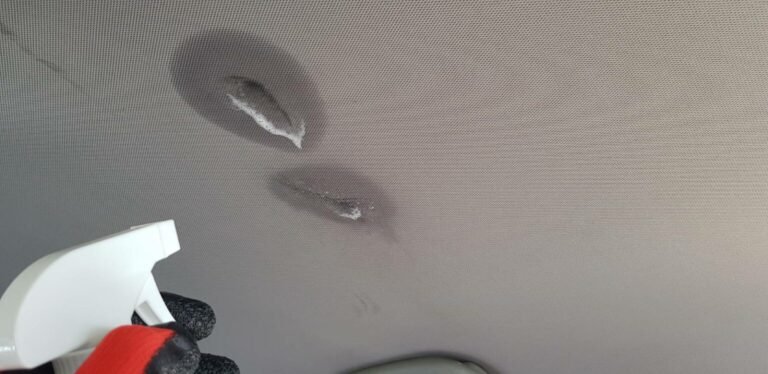
For most car interiors in the United States, the safest general cleaner is a small amount of mild soap mixed with water, applied to a soft microfiber cloth. Use it on hard plastic, vinyl, and many coated surfaces after checking the vehicle owner’s manual. For leather, fabric, suede-like trim, screens, seat belts, and other special materials, use the cleaner recommended for that surface.
Do not spray cleaner directly onto the dashboard, touchscreen, steering wheel, air vents, seat belts, or airbag covers. Spray or dampen the cloth instead. Always test the cleaner on a hidden area first.

The safest car interior cleaner depends on the surface
A cleaner that works well on vinyl may damage leather, suede-like trim, or an infotainment screen. The word “safe” therefore depends on three things:
- The material, such as plastic, leather, cloth, or glass.
- The finish, such as matte, painted, coated, perforated, or textured.
- The product formula, including its solvents, fragrance, oils, and abrasives.
Modern U.S. vehicles may contain several materials in one small area. A door panel might combine plastic, synthetic leather, fabric, chrome-look trim, and a soft-touch coating. Treat each material as a separate cleaning job.
A simple safety rule
Use the least aggressive cleaner that can remove the soil:
- Dry dust: clean microfiber cloth.
- Light dirt: water-damp microfiber cloth.
- Body oils or food marks: mild soap solution.
- Grease, ink, dye transfer, or stains: a material-specific cleaner.
- Mold, strong odors, or deep stains: professional cleaning may be safer than repeated chemical use.
The U.S. Environmental Protection Agency’s Safer Choice program can help shoppers identify products whose ingredients have been reviewed against safety criteria. However, an EPA Safer Choice label does not mean a product is safe for every car material. Surface compatibility still depends on the vehicle manufacturer and the product instructions.
What “mild soap” means
A mild soap solution is usually a small amount of gentle, non-abrasive soap in clean water. Avoid making a strong mixture. Too much soap can leave a film that attracts dust and makes surfaces look dull.
A practical starting point is:
- 1 teaspoon of mild soap
- 16 ounces of warm, not hot, water
This is a starting mixture, not a universal vehicle specification. If the owner’s manual gives different instructions, follow the manual.

Best cleaner for each car interior surface
The best cleaner for a car interior is the one that matches the surface and removes the soil without changing the finish. The table below provides a safe starting point for common U.S. vehicle materials.
| Interior surface | Safer starting cleaner | Avoid or use caution with |
|---|---|---|
| Hard plastic | Water or mild soap solution | Abrasive powders, stiff brushes, strong solvents |
| Soft-touch plastic | Water-damp microfiber cloth; mild soap if allowed | Alcohol, acetone, harsh degreasers |
| Vinyl | Manufacturer-approved vinyl cleaner or mild soap solution | Bleach, strong solvents, oily dressings |
| Finished leather | Leather cleaner made for automotive leather | Household cleaners, soaking, abrasive scrubbing |
| Unfinished or aniline leather | Product specified by the vehicle maker | Generic cleaners, excess water, conditioners without approval |
| Cloth seats and carpet | Upholstery cleaner or mild detergent solution | Overwetting, bleach, aggressive brushing |
| Suede-like trim or microsuede | Cleaner approved for that material | Saturation, oil-based products, steam without approval |
| Touchscreens and displays | Dry or slightly damp microfiber cloth | Glass cleaner, ammonia, alcohol unless the manual allows it |
| Interior glass | Automotive glass cleaner on the cloth | Overspray on dashboards, screens, leather, or trim |
| Seat belts | Mild soap and water on a cloth | Bleach, solvents, soaking, machine washing |
| Rubber floor mats | Mild soap and water | Strong solvent cleaners and oily protectants |
| Steering wheel | Material-specific cleaner used sparingly | Slick silicone products and heavy residue |
This chart is a guide, not a replacement for the owner’s manual. Materials can differ between trim levels, model years, and regions.
Plastic, vinyl, and rubber
Clean hard plastic, vinyl, and rubber first with a dry microfiber cloth. If dirt remains, use a damp cloth with mild soap. Wipe again with a separate cloth dampened with clean water, then dry the surface.
Avoid products that leave a slippery film on the steering wheel, pedals, shift lever, or parking brake. A shiny dashboard is not necessarily a clean dashboard. Gloss often comes from residue, not protection.
Leather seats and trim
Use an automotive leather cleaner only when the surface is genuine finished leather or when the vehicle maker permits that product. Many modern seats contain coated leather, synthetic leather, or a blend of materials. A cleaner designed for untreated leather may not be right for a coated automotive seat.
Do not soak leather. Work in a small area, use a soft cloth, and remove residue before it dries. Avoid household dish soap unless the owner’s manual allows it. Repeated use can remove surface oils or leave a film.
Leather conditioner also requires care. More conditioner is not always better. Excess product can make seats greasy, attract dust, and reduce grip on a steering wheel.
Cloth seats and carpet
For cloth seats and carpet, vacuum first. Use an upholstery cleaner that states it is suitable for automotive fabric, or use a weak soap solution for a small fresh mark.
Apply cleaner to the cloth rather than flooding the seat. Excess liquid can move into seat foam, wiring, sensors, or belt hardware. It can also create a musty odor if the interior does not dry fully.
Clean one small section at a time. Blot rather than rub when removing a stain. Strong rubbing can spread the stain or roughen the fabric.
Suede, microsuede, and Alcantara-like trim
Suede-like materials need special care. They can show dark water marks, flatten under pressure, or hold oils from skin.
Start with a dry, soft brush or microfiber cloth. If the vehicle manual allows wet cleaning, use only a product made for that material and apply very little. Do not use leather conditioner on suede-like trim unless the material maker specifically approves it.
Touchscreens and instrument displays
Use a clean, dry microfiber cloth for dust and fingerprints. If needed, lightly dampen the cloth with water. Never spray liquid onto the screen.
Household glass cleaner may contain ammonia or other ingredients that can damage anti-glare coatings. Paper towels can also leave fibers or create fine scratches. Follow the vehicle maker’s screen-care instructions, especially for touchscreens with a matte coating.
Seat belts
Use mild soap and water on a cloth. Wipe the belt while it is fully extended, then let it dry completely before retracting it.
Do not bleach, dye, machine-wash, iron, or soak a seat belt. Chemicals and heat can affect the belt webbing. If a belt is frayed, cut, stiff, badly stained, or does not retract correctly, have it inspected by a qualified repair professional.
Airbag covers and steering wheels
Use extra caution around the steering wheel, dashboard airbag covers, and side-airbag areas. Do not spray cleaner into seams, vents, horn areas, or panel gaps.
For the steering wheel, remove oils with a lightly damp microfiber cloth and a compatible cleaner. Avoid oily protectants. A slick steering wheel can reduce control.
For airbag covers, use the vehicle manual’s instructions. Do not scrub embossed airbag labels or force liquid into the panel seams.
Ingredients to avoid in general-purpose interior cleaning
Some ingredients are useful in a household but risky inside a vehicle. The risk depends on the material, concentration, contact time, and whether the surface has a protective coating.
Bleach
Do not use chlorine bleach as a routine car interior cleaner. It can discolor fabric, weaken some fibers, damage coatings, and create irritating fumes. Never mix bleach with ammonia or acidic products.
Ammonia
Ammonia can damage some tinted films, coatings, plastics, and screens. Use an automotive glass cleaner that is labeled for the surface, and keep it away from displays and trim.
Strong alcohol or solvent cleaners
Alcohol, acetone, lacquer thinner, mineral spirits, and similar solvents can soften or discolor plastics and coatings. Some electronics makers permit specific alcohol solutions for certain screens, but that does not make alcohol safe for every dashboard or trim piece.
Use solvent-based cleaners only when the vehicle or material manufacturer specifically permits them.
Abrasive cleaners
Powder cleaners, melamine sponges, rough scrub pads, and stiff brushes can remove the top layer of a finish. They may make a stain look better while permanently changing the sheen around it.
Use a soft microfiber cloth or soft-bristle brush. If gentle cleaning does not work, move to a surface-specific product rather than increasing pressure.
Silicone-heavy dressings and oily products
Interior dressings can create glare, dust, and slick surfaces. Avoid them on steering wheels, pedals, shift controls, and other areas that require grip.
The safest finish is often a clean, low-sheen surface with no oily residue.
Household disinfectants
Disinfectants are designed to kill or reduce microbes on specific surfaces. They are not automatically safe for automotive materials. Read both the disinfectant label and the vehicle manual.
If disinfection is necessary, confirm that the product is approved for the material, follow the label contact time, and prevent liquid from entering electronics or seams. The CDC cleaning and disinfection guidance explains why label directions and contact time matter, although its household guidance does not replace automotive material instructions.

How to clean your car interior safely
A careful process matters as much as the cleaner. Use these steps for routine cleaning.
1. Read the owner’s manual
Look for sections titled “Interior Care,” “Cleaning,” “Leather,” “Fabric,” or “Vehicle Care.” The manual may list materials that look similar but need different treatment.
Pay attention to warnings about:
- Touchscreens and displays
- Leather and synthetic leather
- Seat belts
- Airbag covers
- Heated or ventilated seats
- Special trim
- Child-seat anchor areas
2. Remove loose dirt
Take out trash and floor mats. Vacuum seats, carpet, seams, vents, and cup holders with a soft attachment.
Loose grit can scratch plastic and push deeper into fabric when wiped. Removing it first makes wet cleaning safer.
3. Test the cleaner
Apply a small amount to a hidden area, such as the underside of a seat edge or an inconspicuous part of a door panel. Wait until the area dries.
Check for:
- Color transfer
- A lighter or darker patch
- Sticky residue
- Increased shine
- Swelling or softening
- Streaks
- A change in texture
If the surface changes, stop using that product.
4. Apply the cleaner to the cloth
Do not spray the dashboard or seat directly unless the product and vehicle instructions clearly allow it. A damp cloth gives you better control and reduces the chance of liquid entering switches, vents, speakers, and seams.
5. Wipe gently
Use light pressure. Turn the cloth to a clean side as it collects dirt. For textured plastic, a soft detailing brush can loosen soil, but do not scrub hard.
6. Remove residue
Use a separate cloth lightly dampened with clean water. This step helps remove soap or cleaner film.
7. Dry the surface
Use a dry microfiber cloth. Leave doors or windows open when practical so fabric and seams can dry. Do not use high heat on leather, plastic, or electronic displays.
8. Check the result
A properly cleaned surface should feel dry, even, and free of streaks or stickiness. If the area remains greasy, wipe it again with a clean, water-damp cloth rather than adding more cleaner.

What to do when a stain will not come out
Do not immediately use a stronger chemical. First identify the stain and the material.
| Problem | Safer first step |
|---|---|
| Dust or loose grit | Vacuum and wipe with microfiber |
| Fingerprints | Water-damp microfiber cloth |
| Food or drink mark | Blot with mild soap solution |
| Greasy body oil | Material-specific cleaner |
| Ink | Check the material maker’s instructions before using solvent |
| Dye transfer from clothing | Test a compatible upholstery or leather cleaner |
| Gum or wax | Carefully harden and lift without scraping the surface |
| Musty smell | Dry the interior and inspect for moisture |
| Mold or recurring odor | Professional inspection and cleaning |
Some stains permanently change dye or finish. Repeated chemical use can cause more damage than the original mark. Stop if the color begins transferring to the cloth or the finish changes.
If liquid has entered a seat, console, screen, or airbag area, do not keep spraying. Dry the area and seek qualified service if electrical functions, warning lights, seat sensors, or airbags behave differently.
Common mistakes that damage car interiors
The most common mistake is treating every interior surface as plastic. Many cars use coatings and synthetic materials that react differently to the same cleaner.
Avoid these errors:
- Spraying cleaner directly onto electronics
- Using glass cleaner on a touchscreen
- Using leather conditioner on suede-like trim
- Scrubbing a stain with a rough sponge
- Soaking cloth seats
- Using bleach on seat belts
- Applying oily dressing to the steering wheel
- Cleaning in direct, intense heat
- Leaving soap residue on textured plastic
- Mixing cleaning chemicals
- Ignoring the owner’s manual
- Cleaning before vacuuming loose grit
Also avoid cleaning a hot surface. Heat can make a product dry too quickly and leave streaks. Work in shade, but use a well-ventilated space and keep doors open when safe.

Is dish soap safe for a car interior?
A small amount of mild dish soap diluted in water may be suitable for some hard plastic or vinyl surfaces, but it is not the best universal cleaner. Dish soap can remove oils and may leave residue if too much is used.
Do not assume it is safe for every leather, suede-like, screen, or coated surface. Use the owner’s manual and test first.
Is vinegar safe for cleaning a car interior?
Vinegar is not a universal interior cleaner. Its acidity may affect some coatings, metals, leather finishes, and trim. It can also leave an odor.
Use a product labeled for the specific surface instead. Never mix vinegar with bleach or other cleaners.
Can I use household disinfecting wipes?
Only if the wipe’s label and the vehicle maker’s instructions allow it for that material. Some wipes contain alcohol, fragrances, acids, or other ingredients that may change the finish.
Do not use disinfecting wipes on screens, leather, steering wheels, or soft-touch plastic without checking compatibility first.
Is rubbing alcohol safe inside a car?
Rubbing alcohol may be suitable for some hard, nonporous surfaces under specific instructions, but it can damage plastics, coatings, leather finishes, and synthetic materials. It is not a safe default for a car interior.
Use the least aggressive option first. If a manufacturer approves alcohol for a particular display or surface, follow the stated concentration and method.
What is the best cleaner for a car dashboard?
For most dashboards, start with a dry microfiber cloth, then use a water-damp cloth. If more cleaning power is needed, use a mild soap solution or an interior cleaner approved for that dashboard material.
Avoid oily dressings, abrasive pads, bleach, strong solvents, and direct spraying near vents or electronics.
How often should I clean my car interior?
Light dusting and vacuuming can be done as needed. Wipe high-contact areas when they become visibly dirty or greasy. Deep cleaning depends on use, weather, children, pets, and spills.
Cleaning more often with a gentle method is usually safer than waiting until heavy soil requires aggressive chemicals.

Key takeaways
- Mild soap and water on a microfiber cloth is the safest general starting point for many hard interior surfaces.
- Use a material-specific cleaner for leather, fabric, suede-like trim, screens, and special finishes.
- Spray the cloth, not the interior.
- Test every new cleaner in a hidden area.
- Avoid bleach, ammonia, strong solvents, abrasives, and oily dressings.
- Keep seat belts, steering wheels, airbag covers, and electronics free from excess liquid.
- Follow the vehicle owner’s manual when it conflicts with general cleaning advice.
Conclusion
The safest car interior cleaner is not one product for every surface. It is the mildest compatible cleaner used with a soft cloth, light pressure, and limited moisture.
Start with a microfiber cloth and water. Add a small amount of mild soap only when needed. For leather, cloth, suede-like trim, screens, and seat belts, follow the vehicle manufacturer’s care instructions and choose a product made for that material. When a stain resists gentle cleaning, avoid escalating blindly; a professional detailer or qualified service provider may prevent permanent damage.