What Products To Use To Clean Car Interior: Easy Guide
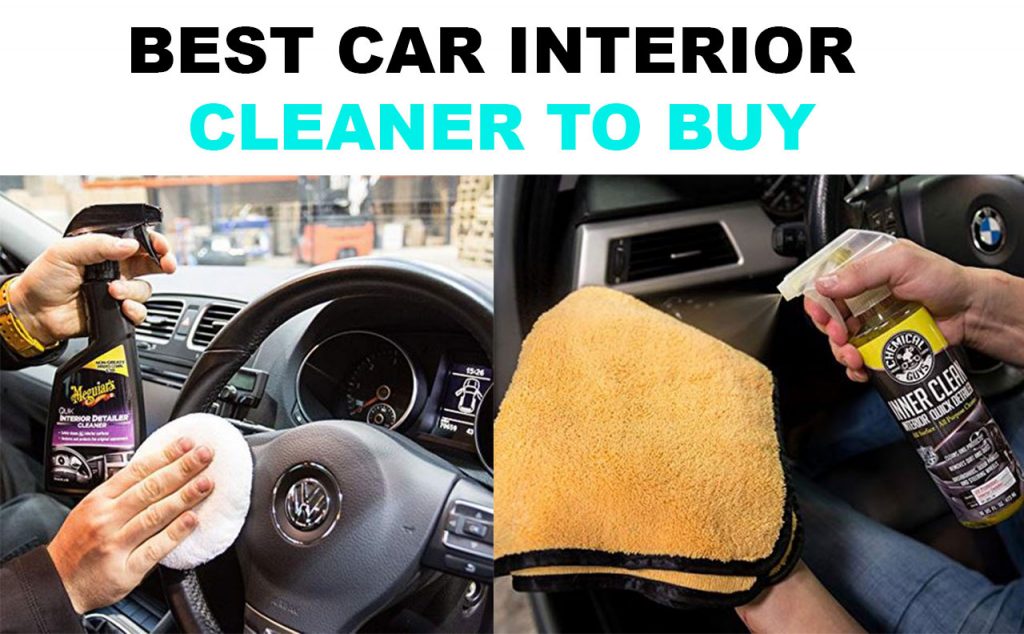
The best products for cleaning a car interior are a vacuum, microfiber towels, a mild interior cleaner, a soft brush, an automotive glass cleaner, and surface-specific products for leather or fabric. Use the least harsh product that can remove the soil. Always check the vehicle owner’s manual first, especially for leather, screens, touch controls, and coated trim.
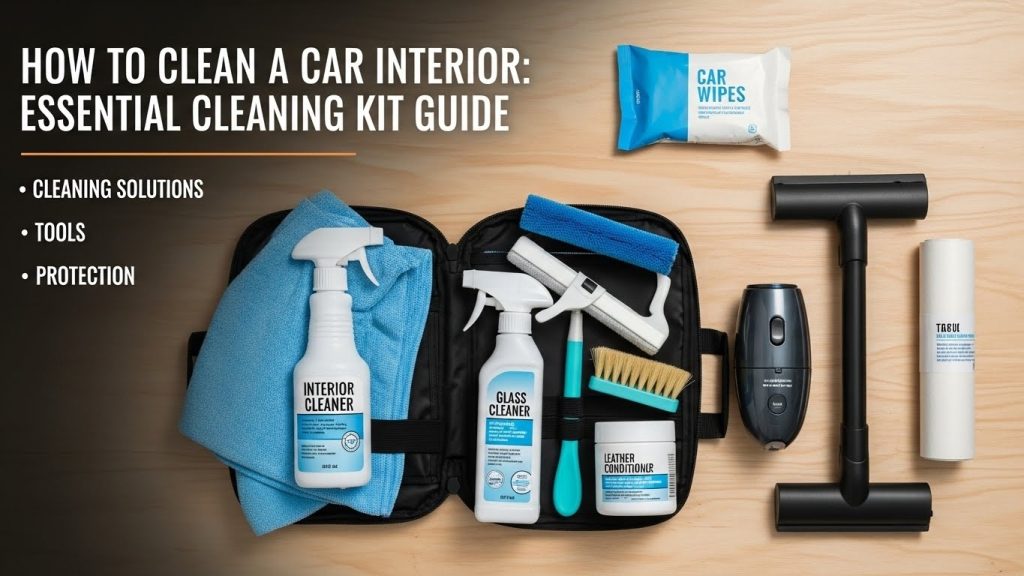
A good cleaning kit for most cars in the United States includes:
- A household or car vacuum with a crevice tool
- Several clean microfiber towels
- A pH-neutral automotive interior cleaner
- A soft detailing brush
- A soft upholstery brush
- An ammonia-free glass cleaner
- A dedicated leather cleaner and conditioner, if needed
- A fabric or carpet cleaner for cloth seats and floor mats
- Mild soap and water for some hard plastic and vinyl surfaces
- Odor products only after the source of the odor has been removed
The safest method is simple: remove loose dirt, clean from the top down, use small amounts of product, and dry each surface well.
The Best Car Interior Cleaning Products by Surface
Different car surfaces need different products. A cleaner that works on rubber mats may stain suede, dry out leather, or damage a touch screen.
| Interior surface | Recommended product | Avoid |
|---|---|---|
| Hard plastic | Mild automotive interior cleaner or diluted mild soap | Strong degreaser, bleach, abrasive powder |
| Vinyl | Vinyl-safe interior cleaner | Solvent, petroleum-based dressing |
| Leather | Leather cleaner made for automotive leather | Household polish, alcohol, dish soap used often |
| Cloth seats | Upholstery cleaner made for vehicle fabric | Soaking the seat, harsh bleach |
| Carpets and floor mats | Carpet cleaner or low-moisture upholstery cleaner | Excess water, oily products |
| Glass | Automotive glass cleaner, preferably ammonia-free | Household cleaner that leaves a film |
| Touch screens | Dry microfiber or manufacturer-approved screen cleaner | Spraying liquid directly on the screen |
| Rubber pedals | Damp microfiber or mild soap solution | Silicone dressing or oily protectant |
| Suede or Alcantara-style trim | Product approved by the vehicle maker | Standard leather cream, excess water |
Hard Plastic and Vinyl
Use a mild interior cleaner on dashboards, door panels, center consoles, and most hard plastic trim. Spray the product onto a microfiber towel rather than directly onto the surface. This keeps liquid away from vents, switches, speakers, and electronic parts.
For light dust, a dry microfiber towel may be enough. For greasy marks, use a damp towel with a small amount of cleaner. Wipe again with a clean, dry towel so the surface does not stay wet or sticky.
Leather Seats
Use a dedicated automotive leather cleaner for coated leather seats. Many modern car seats have a protective finish over the leather. That finish can still be harmed by strong solvents, excess water, rough brushes, or repeated use of household products.
A leather conditioner may help maintain the surface, but it is not needed after every cleaning. Follow the vehicle maker’s instructions. Some newer leather-like materials are synthetic or coated fabric, so confirm the seat material before choosing a product.
Cloth Seats and Carpets
Use a low-moisture upholstery or carpet cleaner for cloth seats, carpets, and fabric door panels. Apply a small amount, work it gently with a soft brush, and remove the loosened soil with a clean towel or wet-dry vacuum.
Do not soak a car seat. Excess moisture can remain inside the cushion, cause a musty odor, or reach seat sensors and wiring. Heated seats, ventilated seats, and seats with airbags need extra care. Avoid heavy scrubbing near seams and airbag panels.
Glass and Mirrors
Choose an automotive glass cleaner that does not contain ammonia if the vehicle has window tint, sensitive coatings, or a manufacturer warning against ammonia. Spray the cleaner onto the towel, not onto the glass.
Use one towel to clean and another to buff. Wipe the inside of the windshield in a different direction from the outside. This makes it easier to see which side still has streaks.
Touch Screens and Digital Displays
Start with a dry, clean microfiber cloth. If the screen has fingerprints, lightly dampen the cloth with water or use a cleaner approved by the vehicle maker.
Never spray liquid directly onto a screen. Liquid can run into the edge of the display and damage the electronics. Avoid paper towels, rough cloths, household glass cleaner, and products with strong alcohol unless the manual specifically permits them.

A Complete Car Interior Cleaning Kit
You do not need a large shelf of products. A small kit with the right tools is safer and often works better than many strong cleaners.
Core Products
Keep these items in a storage bin:
-
Vacuum with crevice and brush tools
A vacuum removes sand, crumbs, pet hair, and grit before they can scratch or spread. -
Microfiber towels
Use separate towels for glass, dirty areas, leather, and final drying. Do not use a towel that has touched tire dressing on the dashboard or seats. -
Mild interior cleaner
Select a product labeled for automotive plastic, vinyl, and interior trim. A cleaner with a low-odor, low-residue formula is useful for frequent cleaning. -
Soft detailing brush
Use it around vents, seams, buttons, cup holders, and textured plastic. A brush should loosen dirt, not grind it into the surface. -
Upholstery brush
Choose a soft brush for cloth seats and carpet. A stiff brush can fuzz fabric or damage seams. -
Automotive glass cleaner
Use a streak-free cleaner that is suitable for the vehicle’s glass and tint. -
Leather cleaner and conditioner
Buy these only if the vehicle has leather or a material that the manufacturer says can use them. -
Fabric or carpet cleaner
Choose a product made for upholstery and test it in a hidden spot first. -
Nitrile gloves
Gloves reduce skin contact with cleaners and keep oils from your hands off clean surfaces. -
Small waste bags
Remove trash before cleaning. This keeps the process quick and prevents missed dirt.
Optional Products
Some jobs need extra tools:
- Pet-hair removal brush or rubber glove
- Soft cotton swabs for tight gaps
- Plastic scraper for dried material
- Wet-dry vacuum for fabric and carpet
- Odor-neutralizing product
- Leather-safe stain remover
- Interior protectant with a matte finish
- Compressed air used with care around electronics
Avoid choosing a product only because it makes the surface very shiny. A glossy dashboard can reflect sunlight into the windshield. An oily product can also make the steering wheel, pedals, or gear selector unsafe to grip.
What “pH-Neutral” Means
A pH-neutral cleaner is near the middle of the acid-to-alkaline scale. It is often a safer starting point for routine cleaning because it is less aggressive than strong acidic or alkaline products.
“pH-neutral” does not mean the product is safe for every surface. The formula may still contain solvents, fragrances, or other ingredients that can harm a coating. Read the label and follow the vehicle manual.

How to Clean a Car Interior Step by Step
The best order is remove, vacuum, clean, rinse the towel, and dry. Work from the cleanest areas to the dirtiest areas when possible.
1. Read the Owner’s Manual
Check the cleaning section before using a product. Look for instructions about:
- Leather and synthetic leather
- Suede or microfiber trim
- Touch screens
- Window tint
- Heated or ventilated seats
- Airbag panels
- Special coatings
- Interior protectants
Vehicle materials vary. A product that is safe for one model may not be safe for another.
2. Remove Trash and Loose Items
Take out bottles, papers, floor mats, child seats, and personal items. Open the doors and move the front seats so you can reach the floor.
If you use a child safety seat, follow its manufacturer’s instructions. Do not apply cleaner to harness webbing unless the child-seat maker permits it. Some cleaners can weaken or alter the webbing.
3. Vacuum Before Adding Liquid
Vacuum the dashboard, seats, door pockets, cup holders, floor, and cargo area. Use a crevice tool around seat rails and between cushions.
For pet hair, run a rubber pet-hair tool or slightly damp rubber glove over the fabric before vacuuming. Do not use excessive force on leather or delicate trim.
4. Dust the Dashboard and Vents
Use a dry microfiber towel or soft detailing brush. Brush dust out of vents and seams while holding a vacuum nozzle nearby.
Avoid pushing dust into the vents. Do not spray cleaner into air vents, speaker grilles, button gaps, or defroster openings.
5. Clean Hard Surfaces
Apply cleaner to a towel. Wipe the dashboard, door panels, console, and other hard trim in small sections.
Use a second damp towel to remove residue if the product label calls for it. Finish with a dry microfiber towel. This reduces streaks and prevents a sticky film that can attract more dust.
6. Clean the Seats
Choose the product based on the seat material.
- For leather, apply leather cleaner to a towel or soft applicator.
- For cloth, use a small amount of upholstery cleaner.
- For synthetic materials, follow the vehicle maker’s instructions.
- For suede-like trim, use only an approved product.
Work gently. Clean one section at a time, and allow the surface to dry before applying any conditioner or protectant.
7. Clean Floor Mats and Carpets
Remove rubber mats from the vehicle before washing them. Rinse and scrub rubber mats outdoors if the product allows it. Let them dry fully before reinstalling them.
Vacuum carpet mats first. Treat stains with a fabric-safe cleaner. Use limited moisture and provide ventilation. Never put wet mats back into the vehicle, because trapped moisture can create odor and mold growth.
8. Clean Interior Glass
Use a clean glass towel and a small amount of automotive glass cleaner. Wipe in overlapping passes. Buff the glass with a dry towel.
Clean the windshield last if you are also cleaning the dashboard. This prevents dashboard cleaner from settling on freshly cleaned glass.
9. Dry and Air Out the Interior
Leave the doors open in a safe, dry place. Run the vehicle’s ventilation system only as needed and follow the owner’s manual.
Do not leave a vehicle unattended with the engine running in a garage or enclosed space. Carbon monoxide is a serious hazard.

Which Household Products Are Safe for a Car Interior?
Some household products can work for limited jobs, but automotive products are usually easier to control. The main risk is not just cleaning power. It is the surface finish, residue, moisture, and chemical exposure.
Mild Soap and Water
A small amount of mild soap in water may work on some hard plastic or vinyl surfaces. Use very little soap and wring out the towel well.
Do not use a dripping cloth. Water can reach electrical parts, switches, seat controls, and sensors.
Dish Soap
Dish soap can remove grease, but it is not a good routine cleaner for leather, dashboards, or coated trim. It may leave residue or remove surface oils. If used at all, reserve it for suitable rubber mats or isolated hard-surface jobs, then rinse and dry well.
Vinegar
Vinegar is acidic. It may help with some household cleaning tasks, but it is not a universal car-interior cleaner. It can leave odor and may not suit leather, delicate coatings, or certain plastics. Use a surface-approved product instead.
Rubbing Alcohol
Alcohol can remove ink or adhesive in some cases, but it may also dull plastic, damage coatings, or affect synthetic leather. Use it only when the vehicle maker or material maker approves it for that surface. Test a hidden spot first.
Baking Soda
Baking soda can absorb some odors when left in an open container, but it does not remove the source of the odor. Do not rub dry powder into cloth, leather, screens, or textured trim unless the material instructions allow it.
Bleach and Strong Disinfectants
Do not use bleach on a car interior. It can discolor materials and create harmful fumes when mixed with other cleaners.
Use a disinfectant only when there is a clear need and the label states that it works on the specific surface. The U.S. Environmental Protection Agency explains that disinfectants must be used according to their label directions, including contact time. A surface may look wet and clean but still require a set wet time for the product’s claim to apply.
How to Choose Products for Specific Interior Problems
The right product depends on the problem, not just the material.
Dust
Use a dry microfiber towel or vacuum brush. Adding cleaner to a dusty surface can turn dry grit into a paste and spread it across the trim.
Greasy Fingerprints
Use a mild interior cleaner on a microfiber towel. Wipe the area, then use a clean, damp towel to remove residue.
Coffee or Drink Spills
Blot the spill quickly. Do not rub it deeper into the fabric. Use a fabric-safe cleaner and limited moisture. If the liquid reached seat wiring, controls, or an airbag area, let the vehicle dry and consider professional inspection.
Ink
Ink is difficult to remove without damaging the material. Use a product approved for the specific surface. Test an unseen area first. Do not spread the stain with a large wet cloth.
Pet Odor
Vacuum hair and dander first. Clean the fabric or carpet where the odor began. If the smell remains, the liquid may have reached the foam below the surface.
An odor spray may hide the smell for a short time. It does not replace cleaning. Persistent odor after a spill may need an upholstery extractor or professional detailer.
Mold or Persistent Musty Smell
A musty odor can point to trapped moisture, wet carpet, a leaking door seal, a clogged drain, or a cabin air filter issue. Find and fix the moisture source before using a fragrance product.
If you see widespread mold or the vehicle has had flood damage, professional cleaning is safer. Flooded vehicles can have hidden electrical and airbag problems.
Sticky Buttons and Cup Holders
Use a cotton swab or soft brush with a small amount of cleaner on the tool, not directly on the control. Avoid forcing liquid into switches.
If a button does not work after a spill, stop adding cleaner. Electrical repair may be needed.
What Products Should You Avoid on a Car Interior?
Avoid products that are too strong, too wet, too oily, or not made for the material.
Common products to avoid include:
- Bleach
- Ammonia on surfaces that may be damaged by it
- Abrasive powders
- Scouring pads
- Strong household degreasers
- Acetone and paint thinner
- Furniture polish
- Glass cleaner on screens or leather
- Tire shine on dashboards or pedals
- Heavy silicone dressing on steering wheels
- Large amounts of water
- Air fresheners that mask a moisture problem
Never mix cleaning products. For example, mixing bleach with acids or ammonia can create dangerous gases. Read the label and keep products in their original containers.
Test any new cleaner in a hidden area. Apply it to a towel first unless the instructions clearly say otherwise. Stop if the color changes, the finish becomes dull, or the surface feels tacky.

How Often Should You Clean a Car Interior?
The right schedule depends on use, weather, passengers, pets, and spills.
| Cleaning task | Practical schedule |
|---|---|
| Remove trash | Every few days or after each trip |
| Vacuum high-use areas | Weekly or every two weeks |
| Wipe dashboard and touch points | Weekly |
| Clean interior glass | Every few weeks or when film appears |
| Clean floor mats | Monthly or when visibly dirty |
| Deep-clean cloth or leather | As needed, often every few months |
| Inspect for moisture or stains | During every deeper clean |
Clean more often if you carry children, pets, food, or construction materials. Winter road salt and mud may also require more frequent floor-mat cleaning in many parts of the United States.
A light weekly clean is usually safer than a large, wet cleaning session. Small amounts of dirt are easier to remove before they become stains.

When Should You Hire a Professional Detailer?
A professional detailer may be the better option when the vehicle has:
- Flood damage
- Heavy mold growth
- Smoke odor
- Deep stains
- Vomit or other biohazard contamination
- Large amounts of pet hair
- Delicate suede-style materials
- Damaged leather
- Water trapped under carpet
- Electrical symptoms after a spill
Ask what products and methods the detailer will use. Confirm that the service includes drying, not just wet cleaning. A clean-looking carpet that stays damp can develop a new odor.
For bodily fluids, use gloves and avoid direct contact. The CDC provides general guidance for cleaning and disinfecting surfaces after exposure to body fluids. Car interiors with serious contamination may need trained remediation rather than ordinary detailing.

Common Car Interior Cleaning Mistakes
Spraying Cleaner Directly on the Dashboard
Liquid can run into vents, buttons, speakers, and electronic controls. Spray the towel instead.
Using One Towel for Everything
A towel used on dirty door sills can scratch a screen or spread oil onto glass. Use separate, clean towels for different jobs.
Making Leather Too Wet
Leather and coated leather can stain when moisture sits in seams or perforations. Use a light application and remove residue.
Using Shiny Protectant on the Steering Wheel
A slippery steering wheel can reduce grip. Keep oily dressings away from the wheel, pedals, shifter, and controls.
Scrubbing Stains Too Hard
Hard scrubbing can spread a stain, roughen fabric, or remove the finish from leather. Blot first and increase cleaning strength only when the material allows it.
Ignoring the Source of an Odor
Fragrance covers odor for a while. It does not fix wet carpet, spilled milk, mold, or a dirty cabin air filter.
Cleaning in Direct Sun
Heat can dry cleaner before you wipe it away. This creates streaks and uneven marks. Work in shade when possible.

Frequently Asked Questions
What is the best cleaner for a car interior?
A mild, pH-neutral automotive interior cleaner is the best general choice for many hard plastic and vinyl surfaces. It is not automatically suitable for leather, fabric, suede-like trim, or screens. Match the product to the surface and follow the owner’s manual.
Can I use dish soap to clean my car interior?
You can use a very small amount of mild dish soap for some rubber mats or isolated hard-surface jobs, but it is not ideal for routine cleaning of leather, dashboards, or coated trim. It may leave residue or remove protective oils.
What is the best product for cleaning car seats?
For leather seats, use an automotive leather cleaner. For cloth seats, use a low-moisture upholstery cleaner. Avoid soaking either type. Check for heated seats, ventilation, side airbags, and perforations before applying liquid.
How do I clean a car touchscreen?
Use a clean, dry microfiber cloth first. If needed, lightly dampen the cloth with water or use a screen cleaner approved by the vehicle maker. Never spray liquid directly onto the screen.
Can I use household glass cleaner inside my car?
An automotive glass cleaner is the safer choice. If you have window tint or sensitive coatings, choose an ammonia-free product unless the window or tint maker states otherwise. Spray the towel, not the glass near electronic parts.
How can I remove a bad smell from my car?
Find and remove the source first. Vacuum, clean the affected fabric or carpet, and dry the interior fully. If the smell remains, inspect for wet carpet, leaks, mold, a dirty cabin air filter, or liquid inside the seat foam.
What should I use to disinfect a car interior?
Use a disinfectant only when needed and only if its label permits use on that surface. Follow the required wet contact time and ventilation instructions. Do not use bleach unless the vehicle material and product directions specifically allow it.
Final Recommendation
Start with a vacuum, clean microfiber towels, a mild automotive interior cleaner, a soft brush, and an automotive glass cleaner. Add a leather cleaner for leather seats and a fabric cleaner for cloth seats.
Use small amounts, keep liquid away from electronics, and test new products in a hidden area. When a stain, odor, or material is uncertain, the safest choice is to stop, check the owner’s manual, and use a product made for that exact surface.