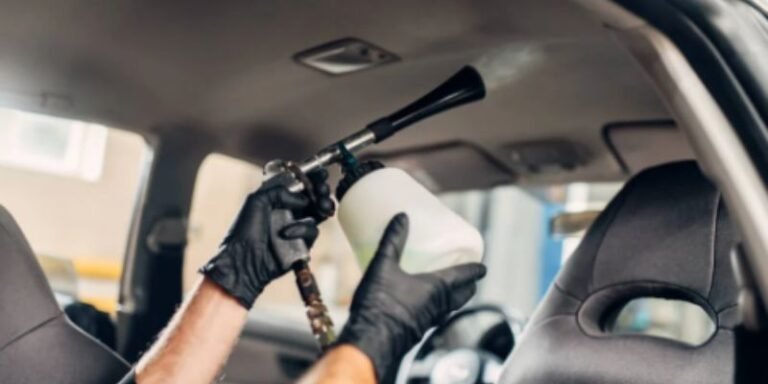
Can I Use Carpet Cleaner On Car Headliner: Safe Tips
Yes, you can use a carpet cleaner on some car headliners, but only with care. Use a small amount of a mild, fabric-safe cleaner by hand. Do not soak the headliner or use a carpet extractor unless the vehicle manufacturer specifically allows it.
Most car headliners are made from thin fabric bonded to foam and a backing board. Too much water, heat, scrubbing, or chemical cleaner can loosen the adhesive. The fabric may then sag, bubble, stain, or separate from the board.
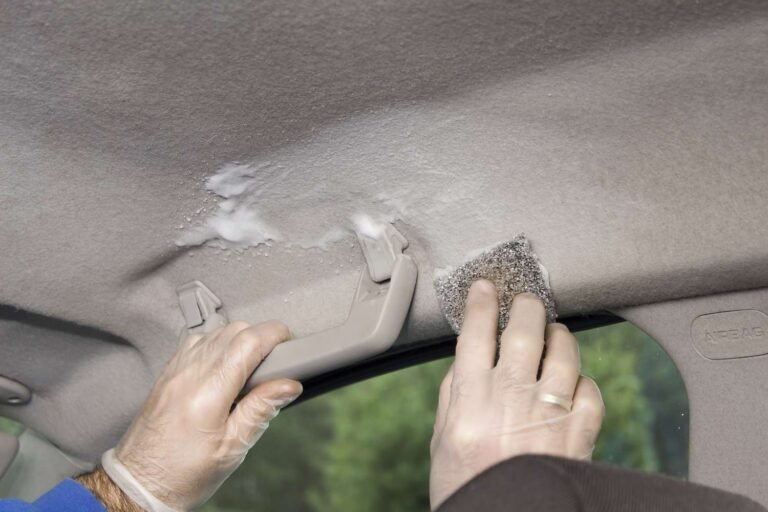
For a safe approach, check your owner’s manual, test a hidden spot, spray the cleaner onto a microfiber cloth—not directly onto the roof—and clean one small area at a time.

What Is a Car Headliner?
A car headliner is the fabric-covered panel attached to the inside roof of a vehicle. It helps reduce noise, adds insulation, and gives the cabin a finished look.
A typical headliner has three parts:
- A thin fabric surface
- A foam layer
- A rigid backing board made from fiberboard, plastic, or a similar material
This layered design makes the headliner different from a removable carpet or floor mat. Carpet can often handle more water and pressure. A headliner cannot.
The main risk is not only the fabric. Moisture can reach the foam and adhesive below it. Once the glue weakens, the fabric may begin to hang down. This damage often requires headliner repair or replacement rather than more cleaning.
Is Carpet Cleaner Safe for a Car Headliner?
Carpet cleaner is safe for a headliner only when the product is mild, compatible with the fabric, and used sparingly. A cleaner made for household carpets may be too strong for a vehicle roof panel.
Before using any carpet cleaner, check these points:
| Check | Safer choice | Higher-risk choice |
|---|---|---|
| Product type | Mild upholstery or fabric cleaner | Strong carpet degreaser |
| Application | Cleaner placed on a cloth | Heavy spray directly on the roof |
| Moisture | Lightly damp surface | Wet or saturated fabric |
| Agitation | Gentle blotting | Hard brushing |
| Drying | Good airflow and open doors | Closed, damp vehicle |
| Heat | Normal air temperature | Steam or high heat |
Avoid products that contain bleach, ammonia, harsh solvents, or strong degreasers. These may fade the fabric, leave rings, damage the foam, or affect the adhesive.
A carpet cleaning machine is usually a poor choice. Its water pressure and suction can force moisture into the headliner. It may also pull against the fabric and weaken the bond between the fabric and backing board.
Carpet cleaner spray versus carpet extractor
The phrase “carpet cleaner” can mean two different things:
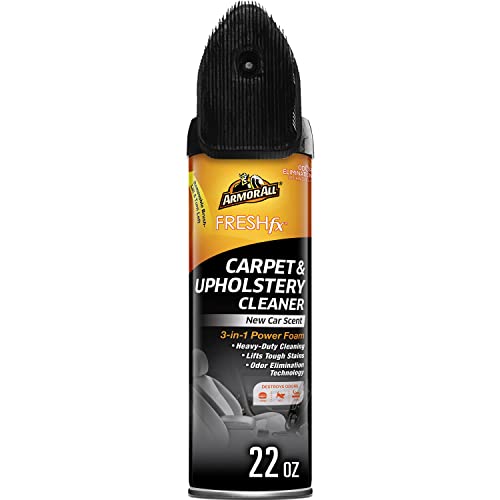
- A spray or liquid cleaning product: This may work if it is labeled for upholstery or delicate fabric and used in a very small amount.
- A carpet cleaning machine or extractor: This is usually too wet and aggressive for a car headliner.
The product label matters. If it says “for carpets only” and gives no guidance for upholstery, choose a product made for automotive interiors instead.
How to Clean a Car Headliner Without Damaging It
Use this method for light dirt, fingerprints, smoke film, and small stains. For a large water stain, severe smoke odor, or loose fabric, professional help may be safer.
What you need
Gather these items before you start:
- A vacuum with a soft brush attachment
- Two or three clean microfiber cloths
- A small bowl of clean water
- A mild upholstery or fabric cleaner
- A soft interior brush, if needed
- A fan or open doors for drying
- A clean, hidden test area
Read the cleaner’s label first. If the product warns against foam, fabric backing, or delicate upholstery, do not use it on the headliner.
Step 1: Check the owner’s manual
Look for the interior-care section of the owner’s manual. Some vehicle makers provide specific instructions for headliner fabric and may prohibit certain cleaners.
The manual should take priority over general advice. Headliner materials differ by vehicle, model year, trim level, and supplier.
Step 2: Vacuum loose dust
Use a soft brush attachment and light pressure. Hold the vacuum near the surface rather than pressing hard against the fabric.
This removes loose dust without grinding it into the fibers. Skipping this step can turn dry dirt into muddy streaks when moisture is added.
Step 3: Test the cleaner
Apply a small amount of the cleaner to a hidden area, such as near the edge of the headliner or behind a sun visor if the area is accessible.
Wait until the test area dries. Look for:
- Color change
- A dark ring
- Fabric texture change
- Sticky residue
- Foam softening
- Loose or rippled fabric
Do not continue if the test area changes.
Step 4: Put cleaner on the cloth
Spray or pour a small amount onto a microfiber cloth. Do not spray the roof directly.
The cloth should be lightly damp, not wet. If cleaner drips from the cloth, it contains too much liquid for the headliner.
Step 5: Blot the stained area
Press the cloth against the stain with light pressure. Lift the cloth instead of rubbing back and forth.
Work from the outside of the stain toward the center. This can help reduce the chance of spreading the mark.
For a broad dirty area, clean a small section at a time. Avoid creating one small, very clean patch surrounded by darker fabric. A light, even pass over the nearby area may produce a more consistent result.
Step 6: Use a soft brush only when needed
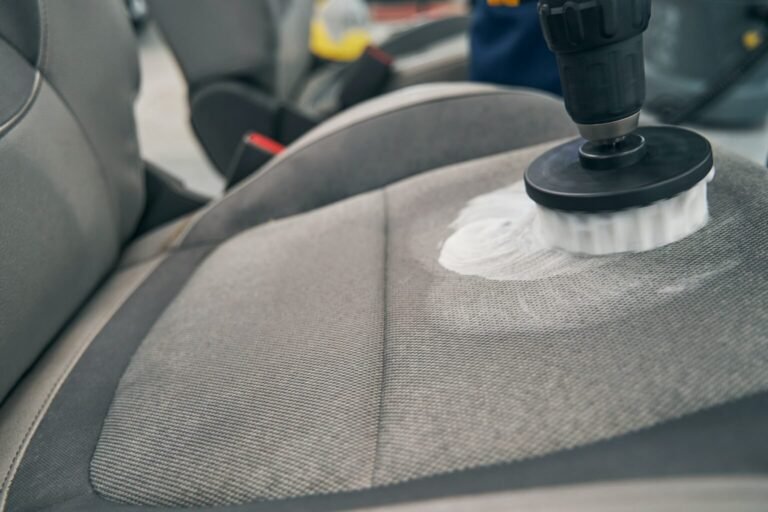
If the stain remains, use a very soft brush with short, gentle strokes. Do not scrub hard.
Stop if the fabric begins to pill, stretch, wrinkle, or separate. The fabric may look strong, but the bond underneath can be fragile.
Step 7: Remove residue
Use a separate microfiber cloth that is only slightly damp with clean water. Blot the area to lift leftover cleaner.
Do not repeatedly wet the headliner. One light pass is usually safer than several wet rinses.
Step 8: Dry the vehicle
Leave the doors or windows open and use a fan if possible. Allow the headliner to dry fully before closing the vehicle.
Do not use a hair dryer, heat gun, steam cleaner, or other high-heat tool. Heat can soften adhesive and create new sagging.
How Much Carpet Cleaner Should You Use?
Use the least amount that can clean the stain. There is no universal safe volume because headliner fabric, cleaner strength, stain size, and vehicle design vary.
A useful rule is:
The headliner should feel only slightly damp after cleaning, never wet through.
For a small spot, one or two light sprays on a microfiber cloth may be enough. For a larger area, refresh the cloth instead of adding more liquid to the headliner.
More cleaner does not always mean better cleaning. Extra product can leave a sticky film that attracts dust. More water also increases the chance of staining and adhesive failure.
Which Cleaner Should You Choose?
The safest general choice is a cleaner labeled for automotive upholstery, fabric, or delicate interior surfaces. A product designed for headliners is preferable when available.
Choose a cleaner that:
- Lists fabric or upholstery as an approved surface
- Does not require soaking
- Does not contain bleach
- Does not use strong solvents
- Does not require high heat
- Leaves little residue
- Provides clear spot-test instructions
Avoid household carpet products that focus on heavy grease, pet stains, industrial dirt, or deep extraction. These formulas may be appropriate for a removable floor mat but not for a bonded roof liner.
Never mix cleaning products. Combining bleach, ammonia, acids, or other chemicals can create harmful fumes or damage the fabric.
Common Headliner Problems and the Right Response
Different marks need different treatment. Cleaning may not solve every problem.
| Problem | Likely cause | Best first response |
|---|---|---|
| Small dark spot | Dirt, oil, or a handprint | Gentle spot cleaning |
| Large brown ring | Water intrusion or old moisture | Check for a leak before cleaning |
| Yellow or gray film | Smoke, dust, or age | Light, even fabric cleaning |
| Musty smell | Moisture or mold risk | Find and fix the moisture source |
| Sagging fabric | Adhesive failure | Stop cleaning and seek repair |
| White residue | Cleaner buildup | Light blotting with clean water |
| Greasy mark | Skin oil or product transfer | Upholstery-safe cleaner and blotting |
| Discoloration after cleaning | Chemical or water damage | Stop and allow it to dry fully |
A stain caused by a roof leak may return after cleaning. Check the sunroof drain system, door seals, windshield seal, roof rack mounts, and other possible entry points. The exact source depends on the vehicle.
If you see visible mold, avoid aggressive brushing. Brushing can spread particles through the cabin. Address the moisture source and consider a qualified automotive interior or mold-remediation professional.
When Should You Not Clean the Headliner Yourself?
Do not clean the headliner yourself when the fabric is already loose, sagging, bubbling, or separating.
You should also seek professional help when:
- The stain covers most of the roof
- The headliner has a strong smoke odor
- Water has soaked through the backing
- Mold or mildew is visible
- The fabric is fragile or sun-damaged
- The vehicle has a complex roof console or sensor system
- An airbag or electrical component may be near the work area
A professional trimmer can remove and recover the headliner board. A detailer experienced with automotive interiors may be able to clean it without causing further damage.
Do not remove roof trim, handles, lights, or airbag-related parts unless you understand the vehicle’s service procedures. Some vehicles contain curtain airbags along the roof edges. Incorrect removal can create a safety risk.
Mistakes That Damage Car Headliners
The most common mistake is treating the headliner like a floor carpet. It is not built to handle the same amount of moisture or scrubbing.
Avoid these practices:
Spraying the roof directly
Direct spraying can send liquid behind the fabric. It can also create uneven wet spots that dry as rings.
Using a steam cleaner
Steam combines heat and moisture. Both can soften the adhesive that holds the fabric to the backing board.
Saturating one stain
A soaked stain may spread through the foam layer. It may also take too long to dry, which can create odor or mildew concerns.
Scrubbing with a stiff brush
Hard bristles can roughen the fabric, stretch it, or break the bond below it.
Using household bleach
Bleach may remove color along with the stain. It can also weaken fibers and leave a noticeable pale patch.
Closing the car too soon
A headliner that feels dry on the surface may still hold moisture underneath. Keep the cabin ventilated until the area is fully dry.
Cleaning only a tiny visible patch
A bright clean patch can stand out against the surrounding roof. For light overall dirt, use a barely damp cloth to blend the nearby area without soaking it.
What If the Headliner Starts Sagging?
Stop cleaning if the headliner begins to sag, wrinkle, bubble, or lift.
Do not use more water to flatten it. Do not press it firmly back into place. Additional pressure may spread the damage.
Temporary pins, staples, and glue can create a rough repair and may interfere with later professional work. A headliner repair shop can often replace the fabric or repair the board, depending on the damage.
If the sagging began after water exposure, find the leak first. Otherwise, the replacement fabric may suffer the same problem.
How to Prevent Headliner Stains
Prevention is easier than repair because headliner fabric is sensitive to moisture and friction.
Follow these habits:
- Keep drinks in sealed containers
- Avoid touching the roof fabric with oily hands
- Use a visor or sunshade when appropriate
- Fix roof and door leaks quickly
- Ventilate the cabin after smoke or heavy odors
- Vacuum gently during regular interior cleaning
- Clean small marks before they spread
- Keep strong chemicals away from the roof
Do not attach heavy objects to the headliner. Adhesive hooks, decorations, and hanging items can pull on the fabric and damage the backing.

Key Takeaways
- You can use some carpet-cleaning products on a car headliner, but choose a mild fabric-safe formula.
- Use a small amount on a microfiber cloth rather than spraying the roof.
- Test the product in a hidden place first.
- Blot gently instead of scrubbing.
- Do not soak the headliner or use a carpet extractor.
- Avoid steam, high heat, bleach, harsh solvents, and stiff brushes.
- Stop if the fabric begins to sag, bubble, wrinkle, or separate.
- Fix water leaks before trying to remove water stains or odors.
Frequently Asked Questions
Can I use a carpet cleaner machine on a car headliner?
It is usually not recommended. A carpet extractor can add too much water and suction to a bonded headliner. Use a lightly damp microfiber cloth unless the vehicle manufacturer or a trained professional gives different instructions.
Can I use an upholstery cleaner on a headliner?
Yes, an automotive upholstery cleaner may be suitable when its label allows use on fabric and you apply it sparingly. Test it in a hidden area first, and keep the cleaner away from seams, lights, switches, and roof-mounted electronics.
How do I remove a water stain from a car headliner?
First, find and repair the leak. Then test a mild fabric cleaner and blot the stain lightly. A large or repeated water mark may require professional cleaning because moisture may have reached the backing or foam.
Can I use dish soap on a car headliner?
Dish soap is not the best first choice. It may leave residue and can be difficult to rinse from a headliner without adding too much water. Use a cleaner labeled for automotive fabric or delicate upholstery instead.
Why is my car headliner sagging after cleaning?
Excess moisture, heat, age, or scrubbing may weaken the adhesive between the fabric and backing board. Stop adding moisture and arrange an inspection with an automotive upholstery professional.
Conclusion
A carpet cleaner can work on a car headliner only when it is mild, fabric-safe, and used with very little moisture. The safest method is to vacuum gently, test first, apply cleaner to a cloth, blot the stain, and dry the cabin with good airflow.
If the headliner is sagging, heavily stained, moldy, or affected by a leak, cleaning may make the damage worse. In those cases, repair the moisture source and consult an automotive interior professional.