
How Does A Portable Tire Inflator Work: Simple Guide
A portable tire inflator uses a motor-driven compressor to draw air in and push it into your tire.
Knowing how does a portable tire inflator work can help you use one safely and choose the right model. These compact devices combine a small electric motor, an air compressor, a hose, a power source, and a pressure gauge. Together, these parts turn electrical energy into controlled air pressure for tires, sports balls, and other inflatables.
This guide explains the full process in simple terms. You will learn what happens inside the unit, how to inflate a tire correctly, why speed and accuracy vary, and which mistakes can damage a tire or the inflator.

What Is a Portable Tire Inflator?
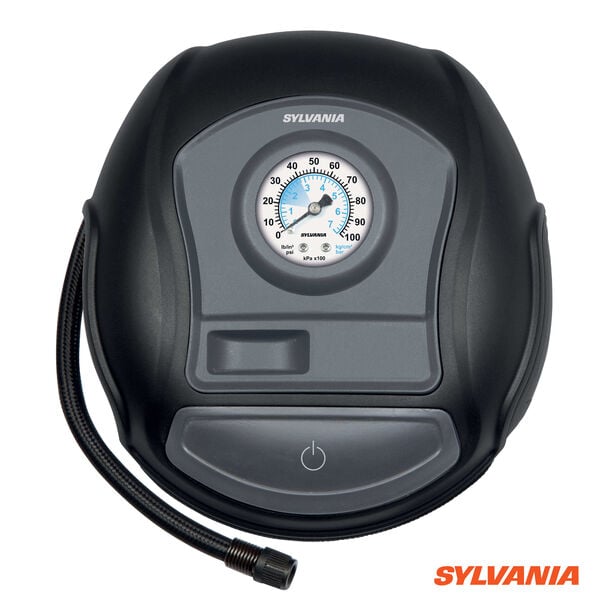
A portable tire inflator is a small electric air compressor made for use away from a garage or service station. It adds air to a tire until the pressure reaches the desired level. Many models fit in a glove box, trunk, or tool bag.
Unlike a full-size shop compressor, a portable tire inflator is built for short tasks. It usually has a lower airflow rate, a smaller motor, and a limited duty cycle. This makes it easy to carry, but it also means you should not run it for long periods without breaks.
Most portable inflators are designed for:
• Car tires
• Truck and SUV tires
• Motorcycle tires
• Bicycle tires
• Sports balls
• Air mattresses and small inflatables
A portable tire inflator does not replace a tire repair. It can restore air after a slow leak, but it cannot safely fix a puncture, damaged sidewall, or separated tire belt.
How Does a Portable Tire Inflator Work?
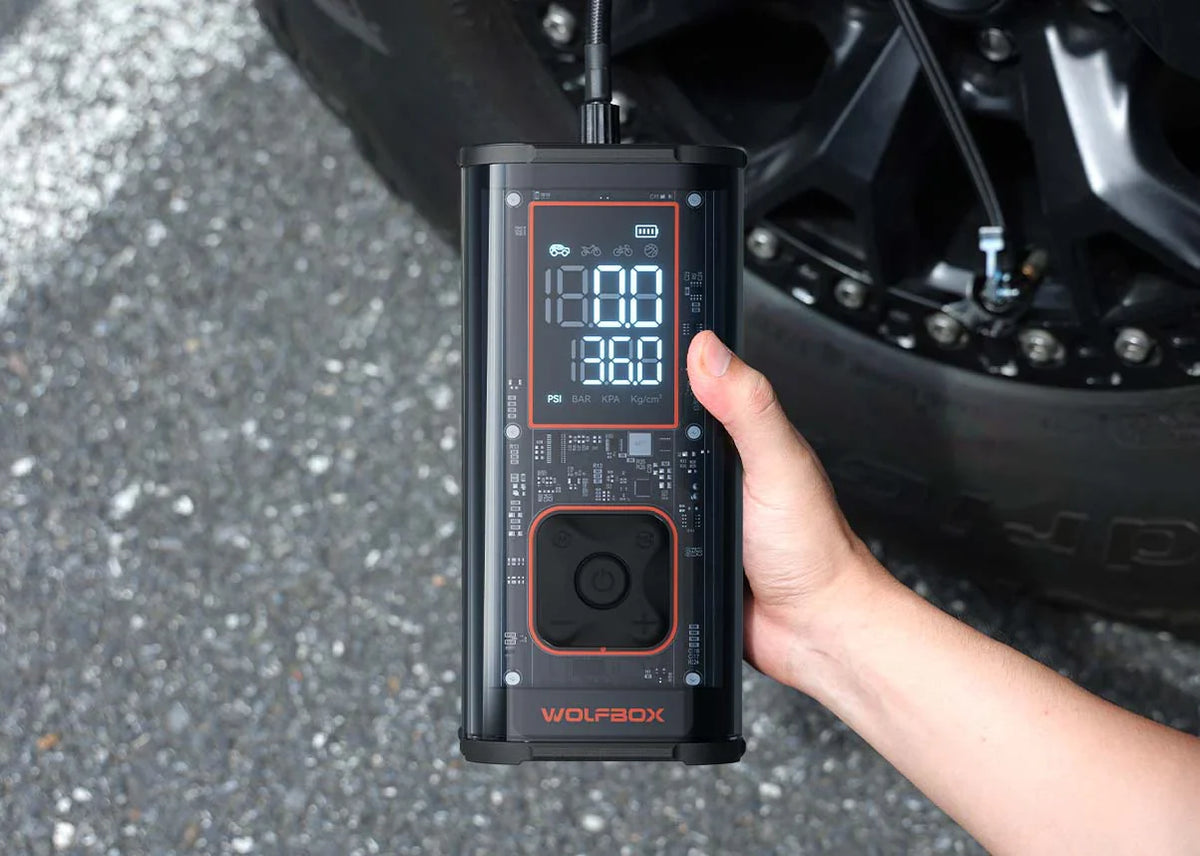
To understand how does a portable tire inflator work, picture a small pump with an electric motor inside. When you press the power button, electricity makes the motor spin. The motor then moves a piston or diaphragm that compresses air.
Here is the basic process:
- The motor receives power from a battery, wall outlet, or vehicle socket.
- The motor turns a crank or drive mechanism.
- The mechanism moves a piston inside a cylinder.
- The piston pulls air into the cylinder through an intake valve.
- The piston compresses the air during its return stroke.
- A discharge valve sends the compressed air into the hose.
- The hose pushes air through the tire valve.
- The pressure gauge measures the rising tire pressure.
The process is similar to using a bicycle pump, but the motor performs the pumping work for you. The compressor repeats this cycle many times per second. As more air enters the tire, the tire pressure increases.
This explains how does a portable tire inflator work at a mechanical level. It does not create air. It moves ordinary air from the surrounding atmosphere and packs more of it into the tire.

Main Parts of a Portable Tire Inflator
Each part has a specific role. A problem with one part can reduce performance or stop the device from working.
Electric Motor
The motor provides the force needed to compress air. A stronger motor can often inflate larger tires faster, but it may draw more electricity and create more heat.
Compressor Cylinder and Piston
The cylinder holds the piston. As the piston moves back and forth, it changes the air volume inside the cylinder. Smaller cylinders are common in compact inflators, while larger units can move more air per cycle.
Intake and Discharge Valves
These one-way valves control airflow. The intake valve lets air enter the cylinder. The discharge valve allows compressed air to leave but prevents it from flowing backward.
Air Hose and Chuck
The hose carries air from the compressor to the tire. The chuck connects to the tire’s Schrader valve, which is the common valve found on most cars and trucks.
Some inflators include adapters for Presta bicycle valves, balls, and inflatable toys. These adapters change the connection, but they do not change the basic compression process.
Pressure Gauge and Sensor
The gauge shows the air pressure in pounds per square inch, or PSI. Digital models use an electronic pressure sensor. Analog models use a mechanical dial.
The displayed pressure may not be perfectly accurate. For important measurements, compare it with a trusted handheld tire gauge.
Power Source
Portable inflators usually use one of these power systems:
• Rechargeable lithium-ion battery
• 12-volt vehicle power outlet
• Household AC outlet
• Cordless tool battery
Battery models offer the most freedom. Plug-in models may run longer because they can draw steady power from a vehicle or wall outlet.

How a Portable Tire Inflator Builds Pressure
Air pressure rises when more air molecules enter a closed space. A tire is not completely rigid, so it expands slightly as pressure increases. The rubber casing and internal cords resist that expansion.
The compressor must create pressure that is higher than the pressure inside the tire. This difference pushes new air into the tire. When the pressure in the hose becomes higher than the tire pressure, air flows inward.
As the tire gets fuller, the pressure difference becomes smaller. This is why inflation often slows near the target PSI. The inflator must work harder to push air into a tire that already has high pressure.
This also answers how does a portable tire inflator work when it seems to slow down. The motor may still be running normally. The compressor simply faces greater resistance as tire pressure rises.
Heat is another part of the process. Compressing air creates heat, and the motor also produces heat while working. That is why many inflators need a cooling break after several minutes.
How to Use a Portable Tire Inflator Correctly
Correct use protects the tire, the inflator, and the vehicle’s electrical system.
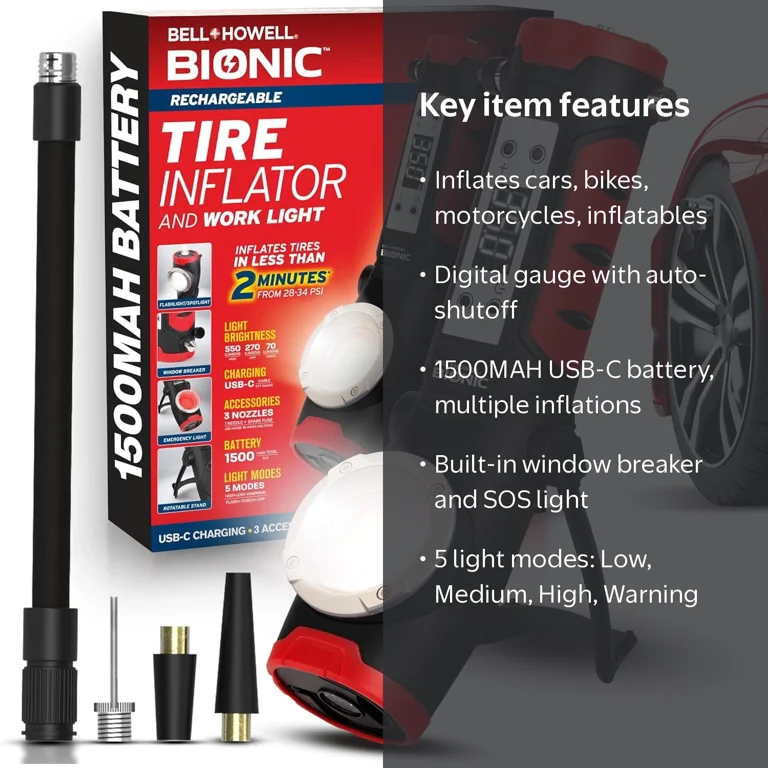
- Park on a safe, level surface.
- Turn off the vehicle if the inflator uses a separate battery.
- Find the recommended cold tire pressure on the driver’s doorjamb label.
- Remove the valve cap.
- Attach the chuck firmly to the tire valve.
- Check the starting pressure.
- Set the target PSI if the inflator has automatic shutoff.
- Turn on the inflator.
- Watch the hose, gauge, and tire.
- Stop at the recommended pressure.
- Remove the chuck and replace the valve cap.
Do not use the maximum PSI printed on the tire sidewall as your normal inflation target. That number is a limit related to the tire, not the correct pressure for your specific vehicle. Use the vehicle maker’s recommended cold pressure instead.
A tire should be checked when it is cold. Driving warms the tire and raises its pressure. If you must inflate a hot tire during a trip, add air only as needed to reach a safe level, then check it again when cold.
How Long Does a Portable Tire Inflator Take?
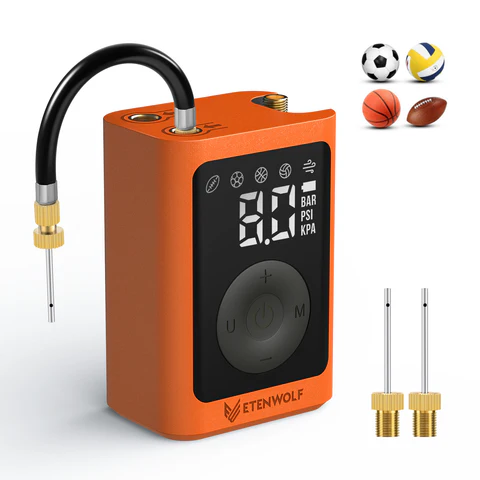
Inflation time depends on tire size, starting pressure, target pressure, motor power, and battery condition. A small car tire with a minor pressure loss may take a few minutes. A large truck tire can take much longer.
Typical factors include:
• Tire volume: Larger tires need more air.
• Starting PSI: A nearly flat tire takes longer than a tire missing only a few PSI.
• Airflow rating: Higher airflow usually means faster inflation.
• Power supply: Weak batteries can reduce motor speed.
• Hose seal: Air leaks at the chuck waste time.
• Temperature: Cold conditions can reduce battery output.
A useful lesson from hands-on inflator use is to avoid judging a model only by its advertised speed. Some brands measure speed under ideal conditions, such as a small test tire or no back pressure. Real vehicle tires often take longer.
The best way to compare models is to check tested inflation time, duty cycle, noise, battery size, and heat control together.

Automatic Shutoff and Pressure Accuracy
Many modern inflators let you set a target pressure. The unit stops when its sensor detects that pressure. This feature is useful because it reduces the chance of overinflation.
However, automatic shutoff is not a substitute for checking the tire. Small sensors can have an error range. Pressure can also drop slightly when you disconnect the hose, especially if the chuck leaks air during removal.
For better accuracy:
• Set the target slightly above the desired pressure only if the manual recommends it.
• Keep the hose connection tight.
• Check the final pressure with a quality gauge.
• Compare readings at the same temperature.
• Replace damaged valve cores or valve caps.
The answer to how does a portable tire inflator work with automatic shutoff is simple: a pressure sensor watches the air pressure and signals the control circuit to stop the motor. Basic models may use a less precise sensor, while premium models often provide a clearer digital display.
Battery-Powered Versus Corded Inflators
Both types can work well, but each has strengths and limits.
Battery-Powered Models
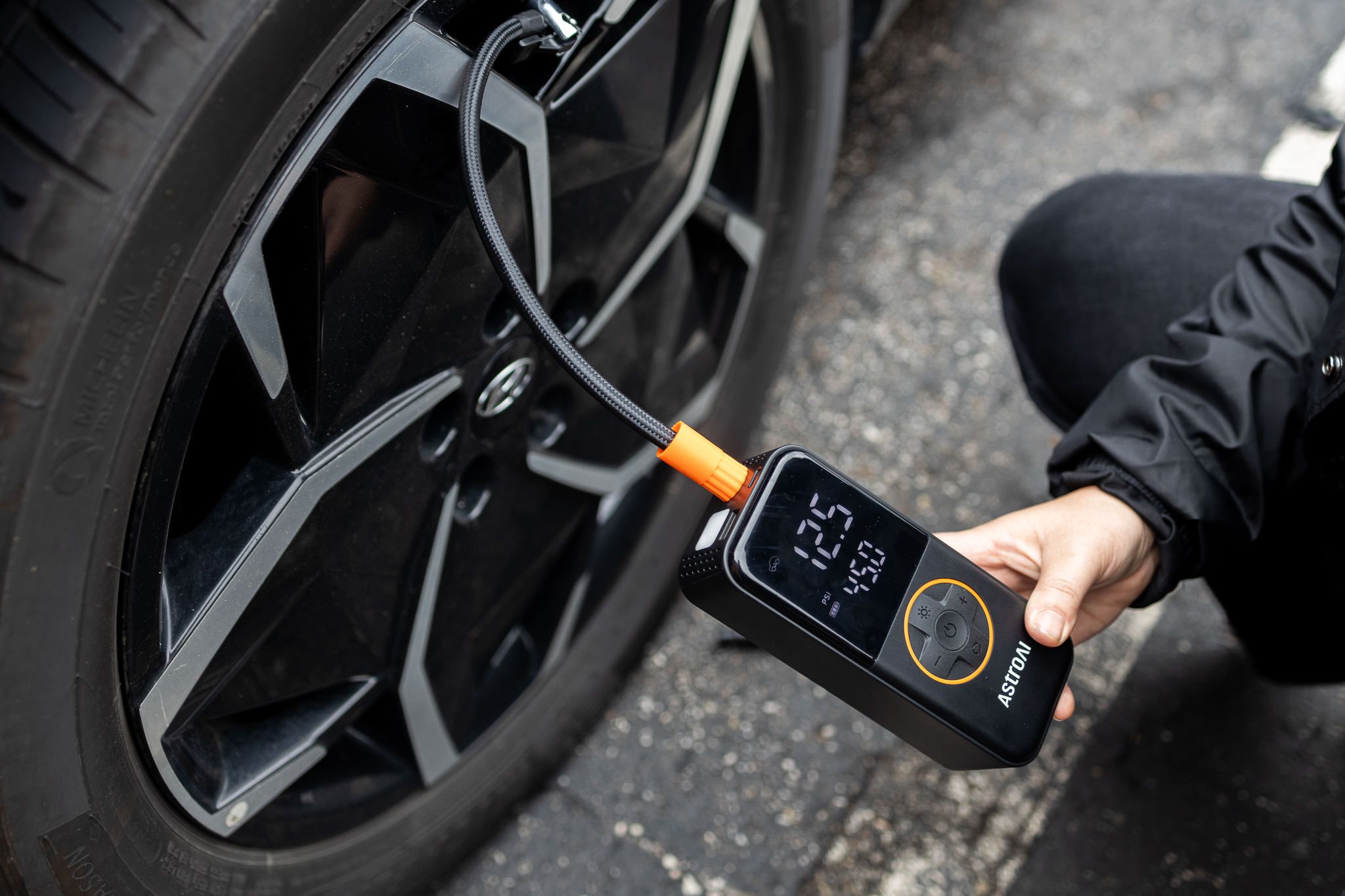
Battery-powered inflators are convenient for roadside use. They do not need a car outlet, so you can use them on a parked vehicle or in a driveway.
Advantages include:
• Easy portability
• No power cord
• Simple storage
• Useful during emergencies
Limitations include:
• Battery charging is required
• Cold weather can reduce battery life
• Large tires may drain the battery quickly
• Old batteries may lose power under load
Corded Models
A 12-volt inflator plugs into a vehicle power outlet. It can run as long as the vehicle battery or electrical system provides power.
Advantages include:
• No separate battery to charge
• Often suitable for repeated use
• Predictable performance during short jobs
Limitations include:
• The cord may not reach every tire
• Some vehicle outlets have power limits
• The engine may need to run, depending on the vehicle and manual
• A damaged cord can create a safety hazard
When learning how does a portable tire inflator work, remember that the power source affects the motor, but the air compression process remains almost the same.
Common Problems and What They Mean
A portable tire inflator can show clear signs when something is wrong.
The Inflator Runs but Adds Little Air
This often points to a poor seal at the valve, a loose hose, a damaged chuck, or a blocked intake filter. Check the connection before assuming the motor has failed.
The Inflator Stops Suddenly
The thermal protection system may have activated. Turn it off and let it cool. Repeated overheating can damage the motor, so follow the recommended duty cycle.
The Pressure Reading Seems Wrong
The gauge may be inaccurate, or the tire may be warm. Compare the reading with another gauge and check the tire when cold.
The Motor Sounds Unusually Loud
A loose part, worn bearing, blocked air path, or low battery can change the sound. Stop using the unit if it smells hot, sparks, or makes a grinding noise.
The Inflator Will Not Start
Check the battery charge, power connection, fuse, switch, and vehicle outlet. Never bypass a fuse or use a damaged power cable.
These checks explain how does a portable tire inflator work in real-world conditions. A compressor needs both electrical power and an airtight path. If either one fails, inflation performance drops.
Safety Tips for Using a Tire Inflator
Inflating a tire is usually simple, but safety still matters.
• Read the inflator manual before first use.
• Keep fingers, clothing, and hair away from moving parts.
• Do not touch the compressor housing during or right after use.
• Never inflate a visibly damaged tire.
• Do not exceed the vehicle maker’s recommended pressure.
• Keep the inflator dry unless it is rated for wet conditions.
• Do not leave a battery model in extreme heat.
• Use the correct adapter for the valve type.
• Give the unit cooling breaks during long jobs.
• Inspect the tire for nails, cuts, bulges, and sidewall damage.
A portable tire inflator can restore pressure, but it cannot make an unsafe tire safe. If a tire loses pressure again soon after inflation, have it inspected by a qualified tire professional.
Mistakes to Avoid
One common mistake is inflating by appearance. Modern radial tires can look normal even when they are several PSI low. Use a gauge instead of relying on your eyes.
Another mistake is using the sidewall pressure as the everyday setting. The correct pressure is usually listed on the vehicle information label, not the tire’s maximum rating.
I have also seen users run a compact inflator continuously until it becomes too hot to touch. That can shorten its life. Short cooling breaks are not wasted time; they protect the motor and help the unit maintain steady performance.
Avoid removing the chuck too quickly. If the connection releases at an angle, the valve core can lose air and the final reading may be lower than expected.
How to Choose the Right Portable Tire Inflator
Consider your vehicle and your normal use before buying.
For Small Cars
A compact battery inflator with a digital gauge may be enough. Look for a clear display, automatic shutoff, and a battery that can inflate all four tires on one charge.
For Trucks and SUVs
Choose a model with stronger airflow, a longer hose, and a higher duty cycle. Larger tires place more demand on the motor.
For Emergency Storage
Choose a durable unit with a built-in light, simple controls, and reliable charging options. A model that stays in your vehicle should tolerate vibration and temperature changes.
For Frequent Use
Focus on cooling design, replacement parts, gauge accuracy, and warranty support. A slightly larger unit may last longer than an ultra-small model.
Useful specifications include:
• Maximum pressure
• Airflow rate
• Inflation time
• Duty cycle
• Battery capacity
• Cord and hose length
• Gauge accuracy
• Noise level
• Automatic shutoff
• Connector type
Maximum pressure alone does not tell you how well does a portable tire inflator work. A model may advertise a very high maximum PSI but still inflate a large tire slowly. Airflow, motor strength, and heat control matter more for everyday results.
Portable Tire Inflator Maintenance
Basic maintenance keeps the unit ready when you need it.
Clean dust from the air intake and vents. Store the hose without sharp bends. Charge the battery according to the manufacturer’s instructions, and avoid storing it completely empty for long periods.
Check the chuck, cable, adapter, and valve seals from time to time. Replace worn parts instead of forcing a poor connection. Keep a separate tire gauge in the vehicle so you can verify the inflator’s readings.
Test the inflator before a long road trip. An emergency is the worst time to discover that the battery is empty or the hose has cracked.
Frequently Asked Questions About How Does a Portable Tire Inflator Work
Does a portable tire inflator replace a tire repair?
No. It only adds air to the tire. If the tire has a puncture, sidewall bulge, severe cut, or repeated air loss, have it inspected and repaired or replaced by a professional.
Can a portable tire inflator inflate a completely flat tire?
Sometimes, but not always. A small inflator may struggle with a large tire or a tire whose bead has come off the rim, and it should not be used on a damaged tire.
How accurate are portable tire inflator gauges?
Accuracy varies by model and condition. Use the built-in gauge for convenience, but confirm important readings with a reliable handheld gauge.
Should the car engine run while using a 12-volt inflator?
Follow the vehicle and inflator manuals. Some systems work with the engine off, while others may need the engine running to prevent excessive drain on the vehicle battery.
Why does a portable tire inflator get hot?
The motor and compressor create heat as they work. Use the recommended duty cycle and allow the unit to cool before continuing.
Can I use a portable tire inflator for bicycle tires?
Yes, if the inflator has the correct adapter and pressure range. Bicycle tires may require a Presta adapter, while most car tires use Schrader valves.
Conclusion
A portable tire inflator uses electrical power to drive a small compressor. The compressor draws in air, compresses it, and sends it through a hose into the tire. Its motor, valves, gauge, sensor, battery, and cooling system all work together to build pressure safely.
The best results come from using the vehicle’s recommended PSI, checking tires when cold, watching for leaks, and giving the inflator time to cool. Now that you understand how does a portable tire inflator work, keep one charged and test it before you need it. Explore more tire care guides, and share your own inflator tips or questions in the comments.



9 Comments