What Interior Cleaner Do Dealerships Use: Pro Tips
Most U.S. car dealerships do not use one special interior cleaner. They usually use a professional all-purpose cleaner (APC) for hard surfaces, plus separate products for glass, fabric, leather, vinyl, and odor control.
Common dealership choices include:
- Diluted all-purpose cleaner for dashboards, door panels, and plastic trim
- Dedicated interior cleaner for light soil
- Upholstery or carpet cleaner for fabric
- Leather cleaner for coated leather seats
- Glass cleaner for windows and screens
- Low-sheen interior dressing for plastic and vinyl
- Extractor chemicals for deep carpet cleaning
The exact brand depends on the dealership, detail shop, budget, vehicle mix, and cleaning system. Products often seen in professional detailing include P&S Xpress Interior Cleaner, Meguiar’s All Purpose Cleaner, 3D LVP Cleaner, Super Clean, CarPro Inside, and similar commercial formulas. This does not mean every dealer uses these products, or that one brand is best for every surface.

Why Dealerships Use More Than One Interior Cleaner
Dealerships clean many types of surfaces in one car. A fabric seat needs a different method than a glossy navigation screen. A strong cleaner may remove grease from a door panel but damage leather dye, soft-touch coating, or clear plastic.
A typical dealership process uses products by surface:
| Vehicle surface | Common product type | Main purpose |
|---|---|---|
| Plastic dashboard | Diluted APC or interior cleaner | Remove dust, skin oil, and light grime |
| Door panels | APC or interior cleaner | Remove dirt and hand marks |
| Vinyl | Interior cleaner, sometimes protectant | Clean without leaving a greasy film |
| Leather | Leather-safe cleaner | Remove soil while limiting drying |
| Cloth seats | Fabric cleaner or low-foam APC | Lift stains and body oils |
| Carpet | Carpet cleaner and extractor rinse | Clean deeper soil |
| Glass | Automotive glass cleaner | Remove haze and fingerprints |
| Touchscreens | Clean, damp microfiber cloth | Avoid coating damage |
| Chrome and trim | Surface-specific cleaner | Avoid streaks and marring |
The key point is simple: dealership cleaning is a system, not a single bottle.
Many dealers also use a concentrated cleaner. Staff dilute it to lower the cost per vehicle. The dilution ratio can change the result. A product mixed for engine bays may be too strong for a dashboard. A product mixed for light dust may not remove greasy marks.
What “professional grade” really means
“Professional grade” does not always mean safer or better for home use. It often means the product comes in a large container, has a strong concentration, or is made for repeated use.
A dealership may choose a product because it:
- Works quickly
- Costs little per vehicle
- Comes in bulk
- Fits the shop’s spray bottles and tools
- Has a mild scent
- Leaves little residue
- Works with a carpet extractor
- Is easy for many workers to use
A retail product may be a better choice for a private owner. You may need only a small amount, and you may have more time to clean gently.
The Most Common Types of Dealership Interior Cleaners
1. All-purpose cleaner
An APC is the workhorse in many detailing shops. It can clean plastic, vinyl, rubber, and some fabric when properly diluted.
APC is useful for:
- Door handles
- Armrests
- Cup holders
- Plastic door panels
- Rubber floor mats
- Steering wheels with heavy soil
- Seat rails and plastic trim
APC is not automatically safe for every surface. Read the product label. Test it in a hidden spot. Spray the cleaner onto a towel when working near switches, screens, speakers, and vents.
2. Dedicated interior cleaner
A dedicated interior cleaner is often milder than a general-purpose degreaser. It is made for the materials found inside a vehicle.
These cleaners may work well on:
- Dashboards
- Interior plastics
- Vinyl
- Door panels
- Center consoles
- Synthetic leather
A mild interior cleaner is often the safest starting point for normal dust and skin oil. It may not remove thick grease or old stains as fast as an APC.
3. Leather cleaner
Modern automotive leather often has a protective top coat. It is not the same as raw leather. A leather-safe cleaner can remove dirt without leaving a harsh finish.
Dealerships may use a leather cleaner on:
- Leather seat surfaces
- Leather steering wheels
- Leather-wrapped armrests
- Leather door inserts
Do not assume a leather conditioner is needed after every cleaning. Some modern leather surfaces need only cleaning. Heavy oils can make seats shiny and slippery.
For exact care limits, check the vehicle owner’s manual. Ford, General Motors, Toyota, Honda, and other automakers publish model-specific care guidance through their U.S. owner resources.
4. Fabric and carpet cleaner
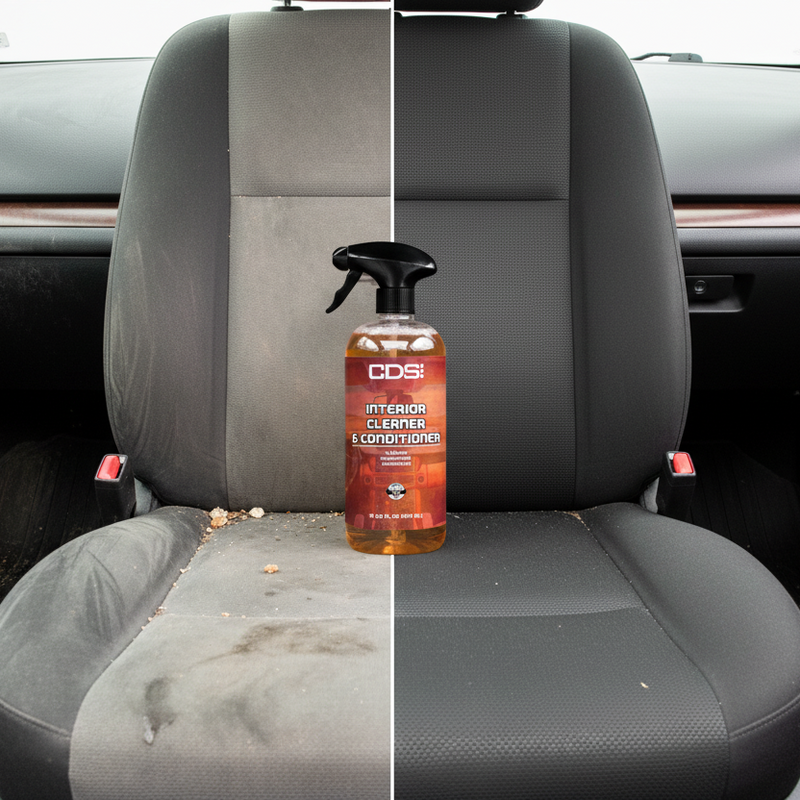
Cloth seats and carpet need products that lift soil from fibers. A shop may use a foaming cleaner, low-moisture cleaner, or extractor detergent.
For a small spot, a cleaner and microfiber towel may be enough. For deep soil, a shop may use:
- Vacuuming
- Pre-spray
- Agitation with a soft brush
- Hot-water extraction
- Drying
Too much water can create problems. Wet foam under a seat can cause odor, staining, or electrical trouble. Dealership technicians should avoid soaking seat wiring, airbag areas, and electronic modules.
5. Glass cleaner
Automotive glass cleaner is made to reduce streaks and limit residue. Some household glass cleaners contain ammonia. Ammonia may be unsuitable for certain tint films, plastics, or screens.
Use a separate towel for glass. A towel used on dashboard dressing can spread oil across the windshield.
6. Interior protectant
A protectant is not the same as a cleaner. It may add UV protection or change the surface finish.
Many professional detailers prefer a low-gloss or matte finish. A shiny dashboard can create glare. A greasy steering wheel can reduce grip. For that reason, dealerships often wipe protectant down after application.
What Product Is Best for Each Interior Surface?
The safest choice depends on the surface and the type of soil. Start with the mildest product that can do the job.
| Cleaning problem | Good first choice | Avoid |
|---|---|---|
| Dust on dashboard | Dry microfiber, then mild interior cleaner | Scrubbing with a rough towel |
| Finger marks on plastic | Diluted interior cleaner | Strong solvent |
| Greasy steering wheel | Mild cleaner on a towel | Glossy dressing |
| Cloth coffee stain | Fabric cleaner and blotting | Flooding the seat |
| Leather body oil | Leather-safe cleaner | Household degreaser |
| Touchscreen marks | Clean, damp microfiber | Spraying liquid on the screen |
| Windshield haze | Automotive glass cleaner | Interior dressing on glass |
| Mud on rubber mats | APC or mat cleaner | Solvent that dries rubber |
| Sticky cup holder | Mild APC with agitation | Metal tools that scratch plastic |
Screens and electronic controls need special care
Never spray liquid directly onto a touchscreen, gauge cluster, switch panel, or vent. Put a small amount of cleaner on a microfiber towel instead.
Use a dry or lightly damp towel for most screens. Some displays have anti-glare or anti-fingerprint coatings. Strong chemicals can leave marks or reduce the coating’s performance.
Keep liquid away from:
- USB ports
- Buttons
- Speakers
- Seat controls
- Airbag covers
- Gear selectors
- Door switches
- Instrument clusters
Steering wheels need a residue-free finish
The steering wheel is a high-touch surface. It collects skin oil, sunscreen, and food residue. Clean it with a mild product and wipe it dry.
Do not apply a slick dressing to the wheel. A clean, natural finish is safer and feels better.
Leather and synthetic leather are not identical
A vehicle may have natural leather, coated leather, vinyl, polyurethane, or a blend of materials. These surfaces can look similar but react differently to chemicals.
If the manual does not identify the material, use a mild, water-based interior cleaner. Test it in a hidden area. Stop if the color transfers to the towel or the finish changes.
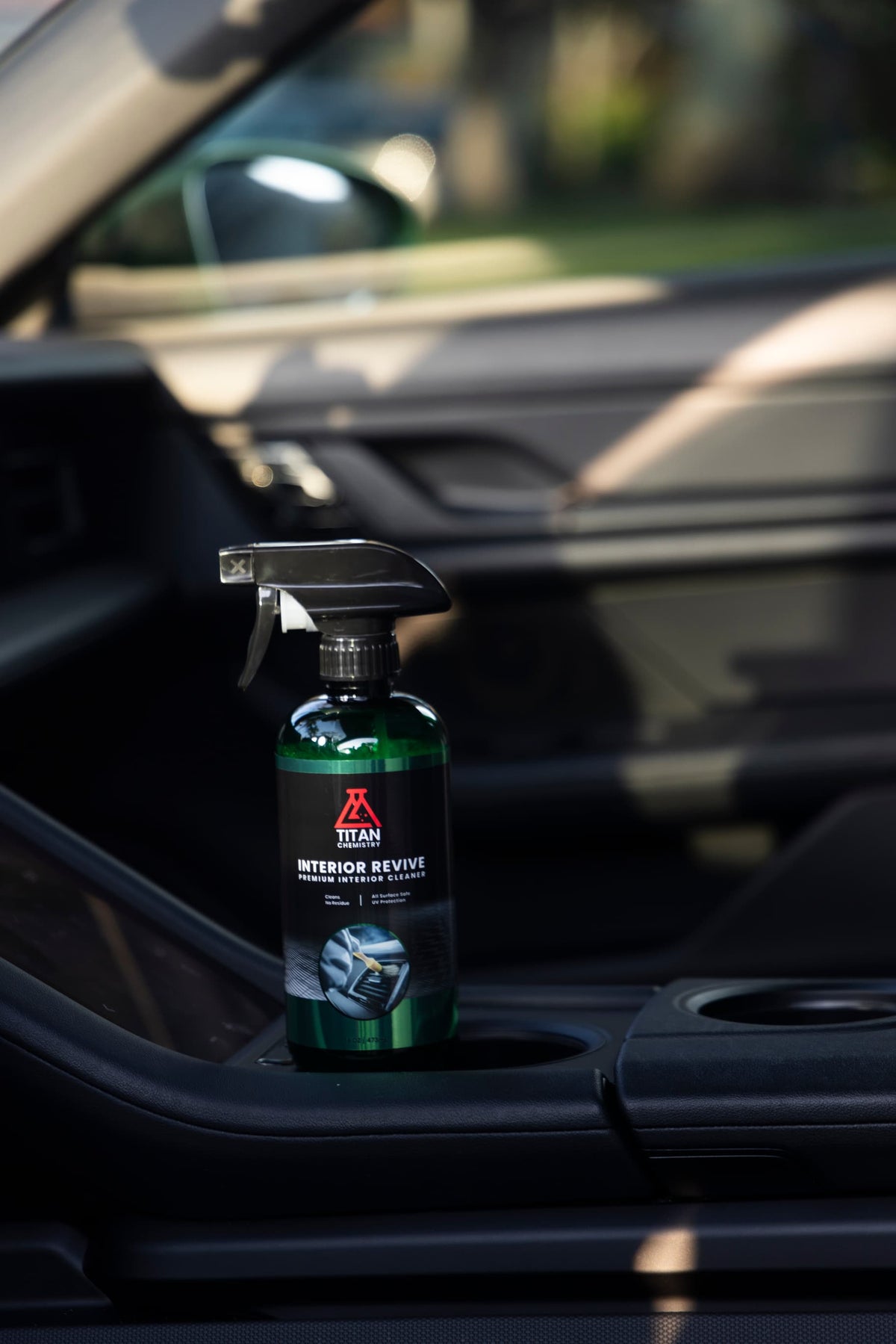
How Dealerships Usually Clean a Car Interior
A dealership detailer normally works from the top down and from the cleanest areas to the dirtiest areas. This reduces the chance of spreading grit.
Step 1: Read the vehicle and product instructions
Check the owner’s manual for leather, screens, seat belts, and special trim. Read the cleaner label. Confirm the dilution ratio if the product is concentrated.
Wear gloves if the label calls for them. Open the doors or windows when ventilation is needed.
Step 2: Remove loose items and trash
Take out floor mats, papers, bottles, and personal items. Do not move customer property without permission in a commercial setting.
Step 3: Vacuum first
Vacuum seats, carpet, mats, seams, and the space between the seat and console. Dry soil is easier to remove before liquid cleaner is used.
Use a soft brush around vents and delicate trim. Do not drag a hard vacuum nozzle across leather or glossy plastic.
Step 4: Clean the upper surfaces
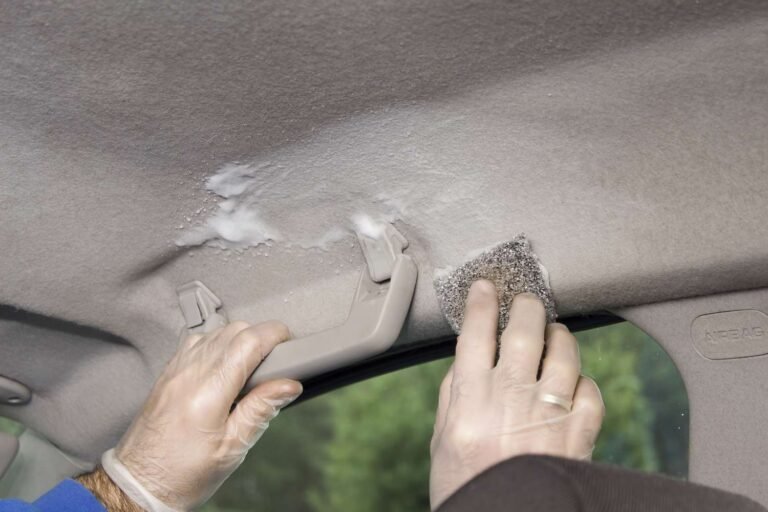
Start with the headliner, dashboard, vents, and upper door panels. Use very little moisture on the headliner. Too much liquid can loosen the adhesive or create a visible sag.
Wipe each area with a clean microfiber towel. Turn the towel often so dirt does not move from one surface to another.
Step 5: Clean high-touch areas
Focus on:
- Steering wheel
- Door handles
- Window switches
- Gear selector
- Armrests
- Cup holders
- Seat belt buckles
Use a soft brush for seams and textured plastic. Wipe away cleaner residue.
Step 6: Clean seats and lower panels
Work on leather, vinyl, and fabric with the product made for that surface. Do not soak seats. Take extra care around side airbags and powered seat controls.
For a stain, blot rather than scrub hard. Aggressive rubbing can spread the mark or damage the fibers.
Step 7: Clean glass last
Clean the inside glass after dashboard work is complete. Use a glass towel and check the windshield from more than one angle.
Step 8: Dry and inspect
Leave the doors open when safe and practical. Check for:
- Cleaner streaks
- Wet carpet
- Missed dirt
- Hazy glass
- Loose trim
- Chemical odor
- Sticky surfaces
- Slippery controls
A clean interior should feel dry and natural, not oily.
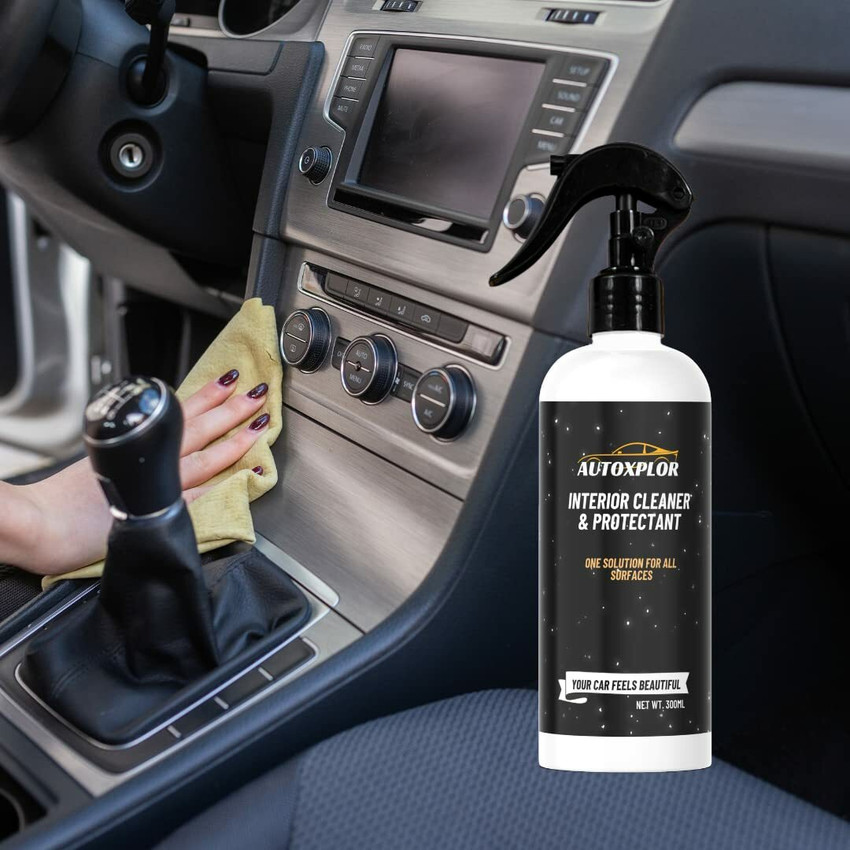
Why Dealerships May Use Cheap Cleaners but Still Get Good Results
The product matters, but the process often matters more. A trained worker with the right towel, brush, dilution, and drying time can get better results from a basic cleaner than an untrained user can get from an expensive one.
Dealerships also benefit from:
- Frequent cleaning
- Strong vacuums
- Air tools
- Extractors
- Many microfiber towels
- Dedicated brushes
- Fast access to replacement products
A dealer may clean a vehicle soon after it arrives. Fresh dust and fingerprints are easier to remove than stains that have stayed for months.
Some dealer vehicles also receive more than one pass. A sales lot may do a quick clean first. A delivery detail may include a second inspection.
Do not judge a cleaner only by how much foam it makes. Foam can look powerful while leaving soil behind. A low-foam product may rinse more easily and leave less residue.

How to Choose a Dealership-Style Interior Cleaner at Home
Choose by surface, soil, finish, and time.
For routine cleaning
Use a mild interior cleaner or a water-based cleaner labeled for automotive plastics and vinyl. This is the best starting point for dust, fingerprints, and light grime.
For heavy grime
Use a properly diluted APC. Follow the label. Apply it to a towel or brush rather than flooding the panel.
Heavy grime may need more dwell time and gentle agitation, not simply a stronger chemical.
For leather
Choose a cleaner that states it is safe for automotive leather or coated leather. Use a soft towel. Wipe dry.
Avoid household furniture polish unless the vehicle maker permits it.
For fabric
Use an automotive fabric cleaner. Vacuum first. Treat a small area. Blot the soil into a clean towel. Allow the area to dry fully.
For a low-shine finish
Skip oily dressings or use a matte interior protectant. Wipe the surface after application. Do not apply dressing to pedals, steering wheels, shifter knobs, or glass.
A simple home kit
A useful home kit can include:
- Mild automotive interior cleaner
- Diluted APC
- Leather-safe cleaner, if needed
- Fabric spot cleaner
- Automotive glass cleaner
- Several clean microfiber towels
- Soft interior brush
- Vacuum with a narrow tool
- Nitrile gloves
You do not need ten products to clean one car. A mild cleaner, the right towels, and careful work cover most routine jobs.

Common Mistakes to Avoid
Using one strong cleaner everywhere
A degreaser may remove dirt quickly, but it can dull trim, dry some materials, or damage coatings. Use a surface-safe product first.
Spraying directly onto the dashboard
Liquid can run into vents, switches, screens, and seams. Spray the towel instead.
Leaving cleaner on the surface
Cleaner that dries in place can leave streaks and a sticky feel. Work in small sections and wipe the surface dry.
Using a shiny dressing on the steering wheel
Gloss does not mean clean. A slick wheel may be harder to hold.
Scrubbing leather with a stiff brush
Hard brushing can change the finish. Use a soft brush only when the product and surface allow it.
Soaking fabric seats
Deep moisture can remain under the fabric. This may cause odor and slow drying.
Cleaning the headliner like carpet
The headliner needs light cleaning. Excess water and strong rubbing can loosen the fabric.
Mixing chemicals
Never mix cleaners unless the manufacturer specifically says it is safe. Mixing products can create harmful vapors or ruin the surface.
Ignoring the label and owner’s manual
Product directions and vehicle instructions are the best source for limits. If they conflict, stop and verify the correct method with the automaker or product maker.
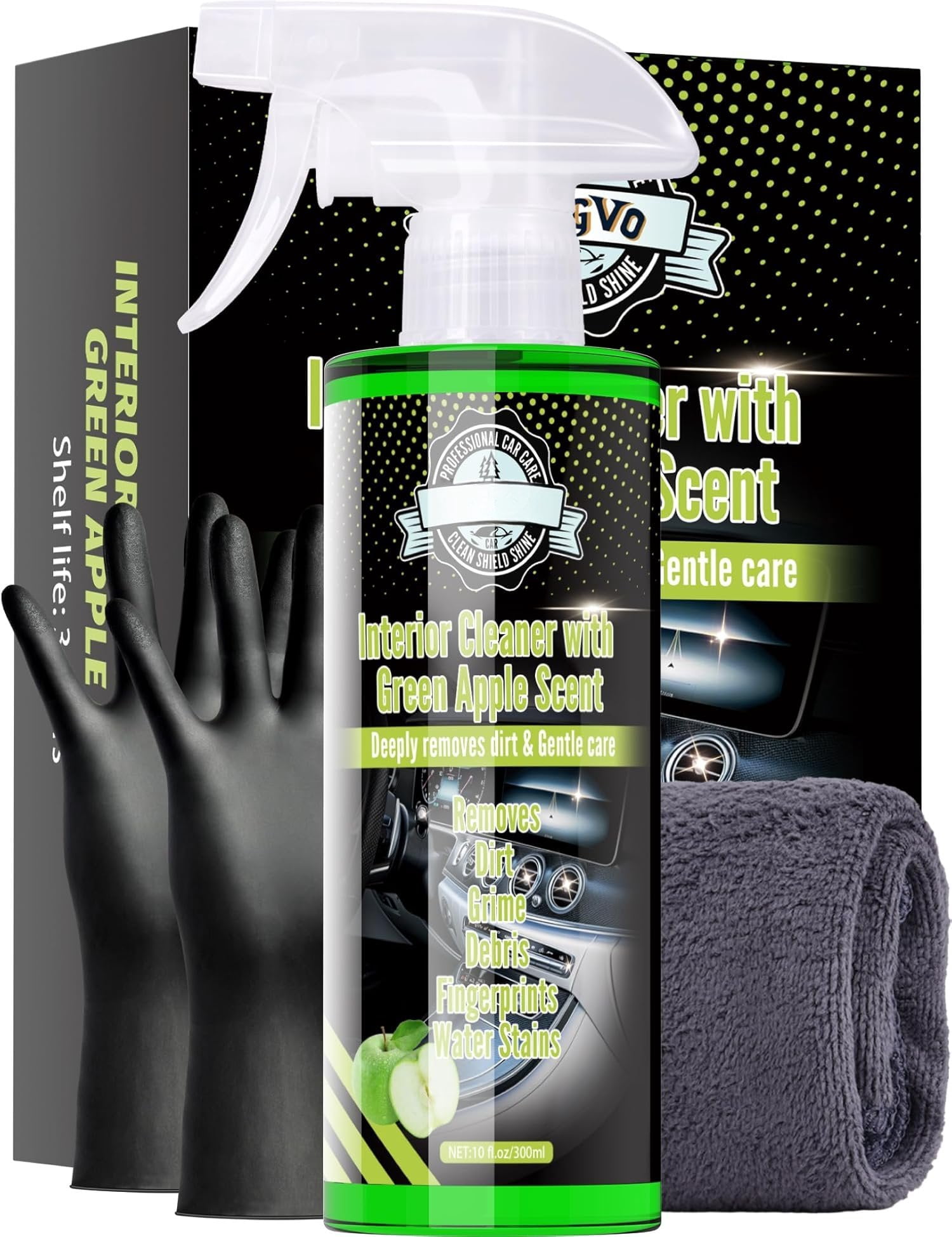
Dealership Cleaner vs. Home Interior Cleaner
A dealership cleaner is not always stronger than a retail cleaner. The difference is often size, cost, speed, and workflow.
| Factor | Dealership product | Home-use product |
|---|---|---|
| Package size | Often large or concentrated | Often smaller and ready to use |
| Cost per vehicle | Low in high-volume work | May be higher |
| Speed | Made for fast repeat work | Often designed for easy use |
| Training needed | May require dilution knowledge | Usually simpler |
| Surface range | May cover several surfaces | May target one surface |
| Risk of misuse | Higher if too strong | Often lower, but still possible |
| Best fit | Frequent professional cleaning | Occasional personal cleaning |
The best home choice is not the product used by the nearest dealer. It is the product that matches your car’s materials and your skill level.

FAQ: Dealership Interior Cleaners
What is the most common cleaner used by car dealerships?
A diluted all-purpose cleaner or commercial interior cleaner is common for plastic and vinyl. Dealerships usually combine it with separate products for glass, fabric, leather, and odor control.
Do dealerships use dish soap to clean car interiors?
Dish soap is not a good general interior cleaner. It may remove grease, but it can leave residue and may be unsuitable for leather, screens, coatings, and soft-touch trim.
What do dealerships use to make interiors smell good?
They may use odor neutralizers, fabric treatments, or a light fragrance. Fragrance can hide an odor without removing its source. A damp carpet, mold growth, or spilled drink needs cleaning and drying.
Can I use a dealership-strength APC in my car?
Yes, if the product is intended for the surface and you follow its dilution instructions. Test first, use ventilation, and avoid spraying near electronics. Stronger is not always safer or more effective.
How can I get a dealership-clean interior without professional tools?
Vacuum first, use a mild cleaner, work in small sections, use clean microfiber towels, and dry every surface. A careful process often matters more than an expensive chemical.
What should I use on a car touchscreen?
Start with a clean, dry microfiber towel. If needed, use a slightly damp towel. Do not spray cleaner directly on the screen, and follow the vehicle maker’s instructions.
Final Answer
Dealerships use a range of professional interior cleaners rather than one universal product. Their basic setup often includes a diluted APC or mild interior cleaner, plus dedicated products for leather, fabric, carpet, glass, and odor control.
For home use, begin with a mild automotive interior cleaner. Use a diluted APC only for tougher soil, and match every product to the surface. Spray the towel, not the electronics; avoid oily dressings on controls; and follow both the product label and the vehicle owner’s manual.