What Is The Best Cleaning Solution For Car Interior: Tips
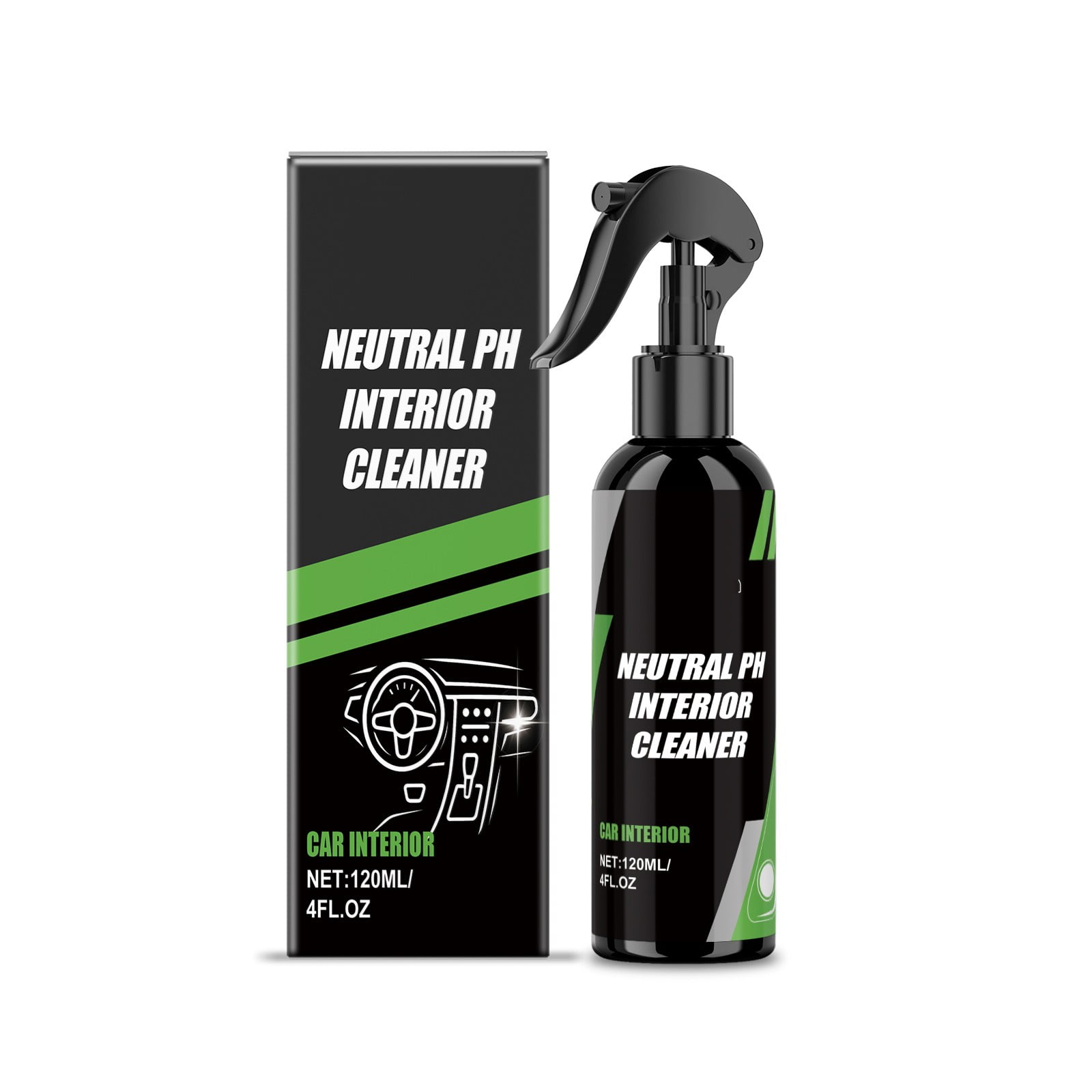
For most cars in the United States, the best general interior cleaning solution is a pH-neutral, water-based automotive interior cleaner used with a clean microfiber towel. It is safer for plastic, vinyl, rubber, and sealed trim than harsh household cleaners.
The best choice changes by material. Use a dedicated leather cleaner for finished leather, an upholstery or fabric cleaner for cloth seats, and only a small amount of cleaner on screens and electronics. Always check the vehicle owner’s manual before using a new product.
Key Takeaways
- Use a pH-neutral automotive interior cleaner for most hard surfaces.
- Use leather cleaner and conditioner for real or coated leather.
- Use a fabric or upholstery cleaner for cloth seats and carpets.
- Use a damp microfiber cloth, not liquid spray, on screens and buttons.
- Avoid bleach, ammonia, strong solvents, abrasive powders, and soaking.
- Test every cleaner on a hidden area first.
- Remove loose dust before applying any liquid cleaner.

What Makes a Good Car Interior Cleaner?
A good car interior cleaner removes dust, skin oil, food residue, and light grime without drying, staining, or dulling the surface. It should also leave little residue, since residue can attract more dust and create glare.
The safest general features are:
- Neutral or near-neutral pH
- Water-based formula
- Low or no added fragrance
- No bleach
- No ammonia
- No strong solvents
- No abrasive grit
- A finish that does not leave the surface greasy
A cleaner labeled “interior all-purpose cleaner” may work well on hard plastic and vinyl. However, “all-purpose” does not mean “safe for every material.” Leather, suede-like trim, screens, and untreated fabric need different care.
Cleaner, disinfectant, and protectant are different
A cleaner removes soil and oils. A disinfectant is designed to kill or reduce certain germs when used according to its label. A protectant leaves a coating that may help limit drying or UV exposure.
One product may not do all three jobs well. Do not use a disinfectant simply because it sounds stronger. Some disinfectants contain alcohol or other ingredients that may damage leather, soft-touch coatings, clear plastics, or painted trim.
For routine cleaning, a mild interior cleaner is usually the better starting point. Use a disinfectant only when you have a specific reason and the label states that the surface is suitable.
Best Cleaning Solution by Interior Material
The best solution depends on the material, not just the amount of dirt. Use this table as a starting point, then confirm the care instructions in your owner’s manual.
| Interior surface | Best cleaning solution | Tool | Main caution |
|---|---|---|---|
| Hard plastic | pH-neutral interior cleaner | Microfiber towel | Do not leave a glossy, oily film |
| Vinyl | Mild automotive interior cleaner | Soft microfiber towel | Avoid strong solvents |
| Finished leather | Leather-safe cleaner | Soft cloth or leather brush | Do not soak or scrub hard |
| Cloth seats | Fabric or upholstery cleaner | Soft brush and towel | Too much water can cause stains or odor |
| Carpets | Carpet cleaner or diluted upholstery cleaner | Soft brush and wet-dry extraction if needed | Avoid saturating the floor |
| Alcantara or suede-like trim | Manufacturer-approved cleaner | Very soft brush or cloth | Treat as a specialty material |
| Glass | Automotive glass cleaner | Lint-free towel | Keep cleaner off leather and screens |
| Infotainment screens | Water-damp microfiber cloth | Dry microfiber finish | Do not spray liquid on the screen |
| Rubber mats | Mild soap and water | Soft brush | Rinse and dry fully |
Plastic, vinyl, and rubber
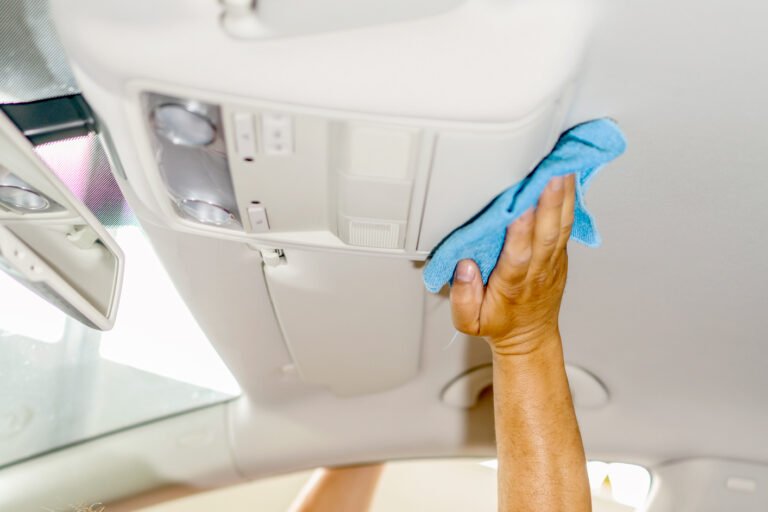
For most dashboards, door panels, center consoles, and vinyl surfaces, use a diluted or ready-to-use automotive interior cleaner. Spray the cleaner onto the towel rather than directly onto the panel.
This method limits liquid near switches, vents, seams, and electronic parts. It also gives you better control over how much product reaches the surface.
Leather seats
Use a cleaner made for automotive leather. Modern car leather is often coated, but it still has a surface finish that can be harmed by harsh chemicals, excess water, or rough scrubbing.
A leather conditioner may be useful after cleaning, but it is not always necessary. Too much conditioner can make seats greasy and may transfer to clothing. Follow the leather product instructions and test first.
The Leather Research Laboratory explains that leather care depends on the type and finish of the leather. That is why a product made for one leather item may not suit every vehicle seat.
Cloth seats and carpets
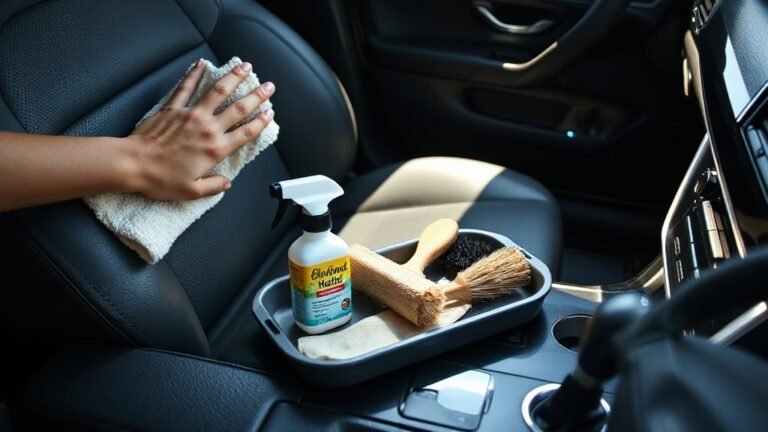
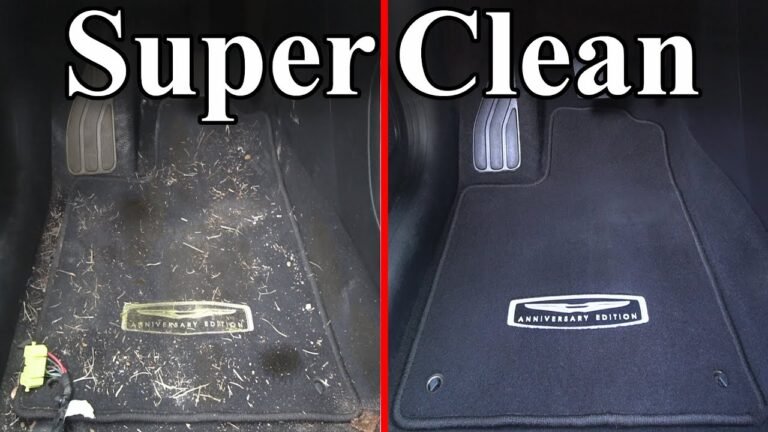
Use a fabric or upholstery cleaner for cloth seats. First vacuum the area. Then apply a small amount of cleaner, work it gently into the fabric, and remove residue with a clean towel.
Do not flood seats or carpet. Water can move into foam, wiring, seat sensors, and carpet padding. A damp surface that stays wet may also develop a musty odor.
Suede-like materials and specialty trim
Some vehicles use Alcantara, microfiber suede, perforated leather, or other specialty materials. These materials can show marks when rubbed in the wrong direction or cleaned with too much liquid.
Use the vehicle maker’s instructions when available. If the trim is expensive, damaged, or unclear, professional detailing is safer than experimenting.

The Best General-Purpose Formula
For routine cleaning, choose a pH-neutral automotive interior cleaner. A ready-to-use product is simple and reduces the risk of making the mixture too strong.
If you use a concentrate, follow the label dilution ratio. Do not assume that a stronger mix cleans better. A concentrated product can leave residue, fade color, or damage a soft-touch coating.
A simple homemade option may work for light soil on some hard surfaces:
- Warm water
- A very small amount of mild, dye-free dish soap
- A clean microfiber towel
Use this only on surfaces that the owner’s manual allows you to clean with mild soap and water. Do not use it as a universal formula for leather, screens, suede-like trim, or untreated fabric.
Why pH matters
pH describes how acidic or alkaline a solution is. Very acidic or very alkaline products can affect dyes, coatings, adhesives, and natural oils.
A neutral product is not automatically safe for every surface. Ingredients, contact time, friction, temperature, and moisture also matter. Still, a mild pH and short contact time provide a safer starting point for general interior care.
Why microfiber towels help
Microfiber traps fine dust and oil with less scratching risk than rough paper towels or stiff cloth. Use separate towels for:
- Dusting
- Cleaning
- Drying
- Glass
- Leather
- Wheels or other dirty exterior parts
A towel used on gritty floor mats should not be used on a glossy dashboard. Wash microfiber towels without fabric softener, because softener can reduce their ability to absorb and trap soil.
How to Clean a Car Interior Safely
Clean from dry to damp and from the least dirty areas to the most dirty areas. This keeps grit from spreading and reduces the amount of liquid needed.
What you need
Prepare:
- A vacuum with a crevice tool
- Several clean microfiber towels
- A soft detailing brush
- A pH-neutral interior cleaner
- Material-specific cleaner when needed
- A small soft brush for fabric
- A separate glass towel
- Gloves if the product label recommends them
Park in a shaded, well-ventilated area. A hot dashboard can dry cleaner too quickly and leave streaks.
Step 1: Remove loose items and debris
Take out trash, floor mats, child-seat accessories, and personal items. Open the doors so you can see dirt in the seams and storage pockets.
Shake or vacuum floor mats away from the vehicle when possible. Do not blow dust into the cabin, because it will settle on other surfaces.
Step 2: Vacuum first
Vacuum seats, carpets, mats, door pockets, and the gaps around the center console. Use a soft brush near vents and delicate trim.
Vacuuming first matters because wet grime can turn into a paste. That paste is harder to remove and may spread across the panel.
Step 3: Dust delicate areas
Use a dry microfiber towel or soft detailing brush on the dashboard, instrument cluster hood, vents, and console. Work gently around buttons and seams.
For vents, brush dust toward the vacuum nozzle instead of pushing it deeper into the duct.
Step 4: Clean hard surfaces
Spray cleaner onto a microfiber towel. Wipe a small section at a time. Turn the towel often so you do not spread dirt.
For textured plastic, use a soft brush only when needed. Do not scrub aggressively. Wipe away cleaner with a second damp towel, then dry the surface.
Step 5: Clean seats and fabric
For leather, apply a small amount of leather cleaner to a towel and wipe gently. For cloth, apply fabric cleaner according to the label and avoid soaking the seat.
Work in small sections. Remove excess product before moving on. Let fabric dry fully before closing the car for a long period.
Step 6: Clean glass and screens
Use a glass cleaner made for automotive use on interior glass. Spray it onto the towel, not onto the glass near the dashboard.
For touchscreens and instrument displays, start with a dry microfiber towel. If needed, use a cloth lightly dampened with water. Never spray directly onto a screen, button, vent, or control panel.
Step 7: Dry and inspect
Run a dry towel over cleaned surfaces. Check for streaks, sticky areas, missed crumbs, and cleaner trapped in seams.
A clean surface should feel dry or natural, not oily. If it looks shiny because of product residue, wipe it again with a clean, slightly damp microfiber towel.
How to Choose Between Common Cleaning Options
Different cleaners solve different problems. The table below compares the main choices for typical U.S. vehicle interiors.
| Cleaning option | Best use | Advantages | Limitations |
|---|---|---|---|
| Automotive interior cleaner | Plastic, vinyl, and light grime | Convenient and surface-focused | May not suit leather or specialty trim |
| Mild soap solution | Light dirt on approved hard surfaces | Low cost and simple | Can leave residue or damage some finishes |
| Leather cleaner | Finished leather seats and panels | Designed for leather coatings | Not suitable for cloth or suede-like trim |
| Upholstery cleaner | Cloth seats and carpets | Lifts fabric soil | Excess moisture can cause odor or stains |
| Steam cleaner | Some durable hard surfaces | Uses little chemical product | Heat and moisture can damage electronics, adhesives, and leather |
| Disinfectant | Specific hygiene needs | Targets stated organisms on approved surfaces | May dry, discolor, or damage materials |
| Interior wipes | Quick maintenance | Easy to keep in the car | Some leave residue or dry out surfaces |
When are interior wipes a good choice?
Interior wipes are useful for quick removal of fingerprints, food marks, and light dust. Choose wipes labeled for automotive interiors and suitable for the exact surface.
Avoid wipes that contain bleach, harsh solvents, or high levels of alcohol unless the vehicle maker says they are safe. Wipe the surface dry if the product leaves a film.
Is steam cleaning safe?
Steam can loosen dirt on some hard, durable surfaces. It is not automatically safe for every car interior.
Heat and moisture may affect leather finishes, adhesives, headliners, touchscreens, switches, seat electronics, and soft-touch coatings. If you use steam, keep the nozzle moving, avoid electrical openings, and follow both the vehicle and machine instructions.
What Not to Use on a Car Interior
Some household cleaners are too harsh or too wet for vehicle materials. Avoid these unless the vehicle maker specifically permits them:
- Bleach
- Ammonia-based cleaners
- Acetone and nail-polish remover
- Strong degreasers
- Abrasive powders
- Rough scrub pads
- Furniture polish
- Undiluted dish soap
- Glass cleaner on leather or screens
- Silicone-heavy products on steering wheels or pedals
A slippery steering wheel, pedal, or gear selector creates a safety risk. Do not apply glossy dressing to surfaces that you must grip or step on.
Never mix cleaning chemicals. In particular, do not combine bleach with ammonia or acidic products. Chemical mixtures can create harmful fumes.
The U.S. Environmental Protection Agency’s Safer Choice program provides information about products assessed against ingredient and performance criteria. A Safer Choice label can help with ingredient selection, but you should still confirm that the product is suitable for your vehicle’s material.

How Much Cleaner Should You Use?
Use the least amount that removes the soil. More cleaner does not always mean a cleaner interior.
A useful rule is:
- Apply product to the towel.
- Wipe a small area.
- Turn to a clean part of the towel.
- Remove residue with a second towel.
- Repeat only if dirt remains.
For fabric, follow the product label. Upholstery cleaners may need dwell time, brushing, blotting, rinsing, or extraction. The correct method depends on the formula.
If a surface stays sticky after cleaning, the product may be too strong, too concentrated, or not fully removed. Wipe it with a clean, lightly damp towel and dry it. Stop if the finish begins to change.
How to Test a New Cleaner
Test before cleaning a visible area. This is especially important for leather, colored fabric, soft-touch plastic, and older interiors.
- Choose a hidden area, such as under a seat edge.
- Apply a small amount of cleaner to a towel.
- Wipe the test area gently.
- Wait until it dries.
- Check for color transfer, fading, streaks, tackiness, swelling, or texture change.
- Use the product only if the surface remains unchanged.
A test does not guarantee long-term safety. It only reduces the chance of immediate damage. Keep the product label and follow its ventilation and contact-time instructions.
Common Car Interior Cleaning Problems
Streaks on the dashboard
Likely causes: Too much product, a dirty towel, direct spraying, or incomplete drying.
Fix: Wipe with a clean, slightly damp microfiber towel. Follow with a dry towel. Use less product next time.
Sticky or greasy plastic
Likely causes: Interior dressing, concentrated cleaner, or product residue.
Fix: Use a clean damp towel to lift residue. Do not apply another dressing over it.
White marks on leather
Likely causes: Dried cleaner, body oils, spilled lotion, or residue in textured grain.
Fix: Use a leather-safe cleaner and a soft cloth. Do not scrub hard. If the mark remains, a leather repair professional may be needed.
Musty fabric or carpet
Likely causes: Excess water, a hidden spill, wet floor padding, or poor drying.
Fix: Find the moisture source. Remove mats and dry the area with ventilation. If the odor remains or the carpet padding is wet, professional extraction may be necessary.
Fading or cracking
Likely causes: UV exposure, age, heat, incompatible chemicals, or repeated drying.
Fix: Stop using the suspected product. Check the owner’s manual and consider professional assessment. Cleaning cannot restore material that has already cracked or lost its finish.

Safety Rules for Car Interior Cleaning
Keep liquid away from airbags, electrical connectors, seat controls, speakers, vents, and display edges. Do not remove interior panels just to clean them unless you understand the vehicle’s restraint and electrical systems.
Avoid disturbing yellow wiring or connectors. In many vehicles, yellow components relate to supplemental restraint systems, such as airbags. If you see damage, loose wiring, warning lights, or a chemical spill near an airbag area, stop and seek qualified service.
Ventilate the vehicle during and after cleaning. Follow the product safety data and label directions. Keep cleaners away from children, pets, food, and open flames.
If a cleaner causes eye contact, breathing trouble, burns, or severe irritation, follow the label’s first-aid instructions and contact Poison Control in the United States at 1-800-222-1222. Call emergency services for severe symptoms.
How Often Should You Clean a Car Interior?
Clean high-touch areas when they look dirty or feel greasy. For many drivers, a light clean every few weeks and a deeper clean every few months is enough.
Clean more often when:
- You eat in the car.
- Children or pets ride in the vehicle.
- You drive in dusty areas.
- You use the vehicle for work.
- You transport sports gear or muddy items.
- You have allergies and notice dust buildup.
A short routine prevents heavy buildup. Vacuuming and wiping lightly on a regular basis usually require less chemical product than a large, aggressive cleaning session.
Frequently Asked Questions
What is the best homemade cleaner for a car interior?
For approved hard plastic or vinyl, a small amount of mild, dye-free dish soap in warm water may work for light dirt. Use a damp towel, not a wet one, and wipe the surface dry.
Do not use this mix as a universal cleaner for leather, screens, suede-like trim, or fabric. A material-specific automotive cleaner is safer for those surfaces.
Can I use Windex inside my car?
Automotive glass cleaner is the safer choice for vehicle glass. Some household glass cleaners contain ammonia, which may be unsuitable for tinted windows, nearby trim, leather, or screens.
Spray any glass cleaner onto a towel near the dashboard. Never spray directly around electronic controls.
Can I use rubbing alcohol to clean my car interior?
Rubbing alcohol may damage coatings, dyes, leather finishes, soft-touch plastic, and some screens. Use it only when the vehicle maker or product instructions specifically allow it for that surface.
For routine cleaning, choose a mild interior cleaner instead.
What is the best cleaner for a car dashboard?
Use a pH-neutral automotive interior cleaner on a microfiber towel. Avoid glossy dressings, because glare can affect visibility and a slippery finish can make the dashboard attract dust.
For a screen or instrument display, use a dry or barely damp microfiber cloth instead of a general dashboard cleaner.
How do I remove a bad smell from a car interior?
Remove the source first. Vacuum the cabin, clean the spill, dry wet fabric, and inspect floor mats and carpet padding. Air freshener only covers an odor and does not solve moisture, mold, or a hidden spill.
If the odor persists after the interior is dry and clean, professional inspection may be needed.
Should I use a disinfectant in my car?
Use a disinfectant only when you need its stated germ-killing function and the label lists the vehicle surface as compatible. Follow the required wet contact time, ventilation instructions, and rinsing directions.
For normal dust and grime, a mild cleaner is usually more suitable and less likely to harm interior materials.
Final Recommendation
For most U.S. vehicles, choose a pH-neutral, water-based automotive interior cleaner for hard plastic, vinyl, and rubber. Apply it to a microfiber towel, clean small sections, and remove the residue.
For the best result, match the cleaner to the surface:
- Leather cleaner for leather
- Upholstery cleaner for cloth
- Carpet cleaner for floor fabric
- Water-damp microfiber for screens
- Automotive glass cleaner for windows
The safest approach is simple: vacuum first, use little liquid, test in a hidden spot, and follow the vehicle owner’s manual.