
How Long Does A Car Jump Starter Stay Charged: Battery Life
A car jump starter usually stays charged for three to six months, but storage and battery quality matter.
Knowing how long does a car jump starter stay charged can help you avoid a stressful surprise with a dead battery. Most portable lithium jump starters can hold useful power for several months, but heat, age, poor storage, and battery drain can shorten that time. This guide explains how long a car jump starter stays charged, how to store one, and how to know when it is ready for use.
How Long Does a Car Jump Starter Stay Charged?
A good car jump starter usually stays charged for three to six months when stored correctly. Some high-quality models may retain enough power for six to 12 months, but you should not assume the battery will remain fully charged for that long.
The exact time depends on the jump starter’s battery chemistry, capacity, age, and standby drain. A unit with a large lithium-ion battery may hold power well, while a low-cost model may lose charge much faster.
When asking how long does a car jump starter stay charged, it helps to separate two ideas:
• Charge retention: How long the battery holds stored energy while not in use.
• Operating time: How long the unit can power lights, USB devices, or a vehicle before it needs charging.
A jump starter may still show half of its charge after several months, yet that may not be enough to start a large engine. For this reason, checking the unit before an emergency is more reliable than trusting its last charging date.

What Affects a Car Jump Starter’s Charge Life?
Several factors affect how long does a car jump starter stay charged. The biggest factors are battery quality, temperature, self-discharge, and the condition of the internal cells.
Battery chemistry and quality
Most modern portable jump starters use lithium-ion or lithium-polymer batteries. These batteries are light and powerful, but they slowly lose charge even when the unit is not being used.
A well-built battery uses better cells and a stronger battery management system. This system helps control charging, heat, and over-discharge. Cheaper models may have weaker cells and higher standby drain.
Temperature
Heat is one of the main enemies of rechargeable batteries. Leaving a jump starter in a hot car during summer can speed up battery aging and reduce its ability to hold a charge.
Cold weather also affects performance. A cold battery may show a normal charge level but deliver less power when you connect it to a vehicle. Let the unit warm to room temperature before use whenever possible.
Built-in battery drain
Some jump starters draw a small amount of power while their display, safety system, or USB circuit remains active. This drain is usually low, but it can empty the unit over a long period.
A jump starter with a digital screen, wireless charging pad, or bright flashlight may lose power faster than a simple model. Turn off all functions after use and disconnect any cables.
Use and recharge habits
Every jump-start uses part of the battery’s stored energy. A unit used several times without a full recharge may seem charged but lack enough power for another start.
Frequent deep discharges can also reduce the battery’s total life. Recharge the unit soon after using it, even if it still shows some remaining power.
Age
Rechargeable batteries lose capacity as they age. A jump starter that held a charge for six months when new may hold it for only a few weeks after several years of use.
Battery age is often counted in charge cycles, not just calendar years. A cycle is roughly equal to using 100% of the battery’s capacity, even if that happens over several partial uses.
How Long Does a Car Jump Starter Stay Charged in Storage?
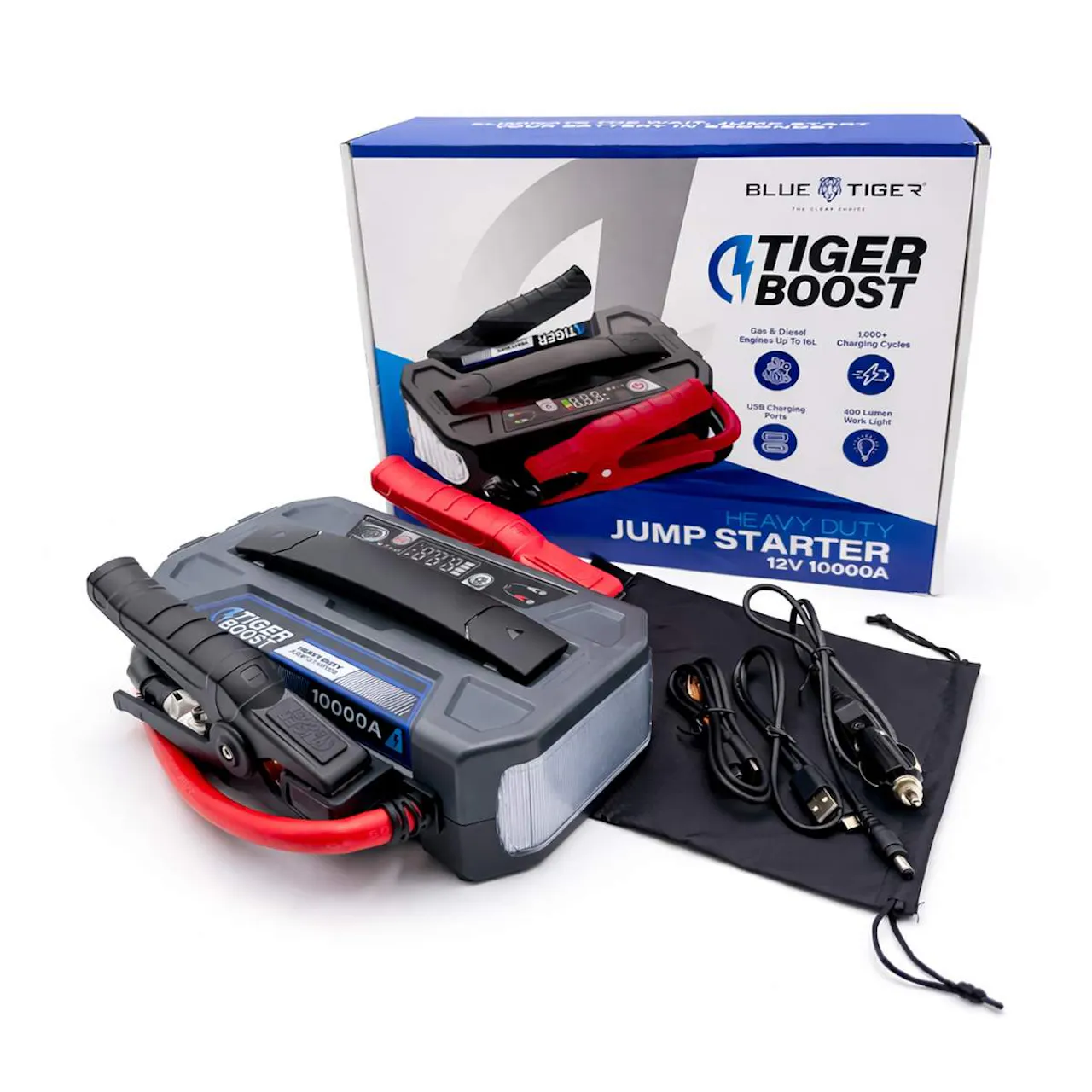
In normal indoor storage, how long does a car jump starter stay charged depends on the quality of its cells and the storage temperature. Three months is a safe inspection interval for most drivers. Six months may be acceptable for some models, but checking sooner is safer.
Store the unit in a cool, dry place. A garage shelf may work if the garage does not become extremely hot or cold. A home closet is often better because it protects the battery from temperature swings.
Use these storage practices:
• Charge the jump starter according to the instruction manual.
• Keep it away from direct sunlight and heaters.
• Do not leave it inside a hot vehicle for long periods.
• Disconnect USB cables and accessories.
• Store it in a dry case or pouch.
• Keep the clamps clean and dry.
• Check the charge level every one to three months.
A useful routine is to inspect the unit at the start of each season. Check it before winter, before a long road trip, and before storing a vehicle for an extended time.
Many manufacturers recommend storing a lithium jump starter with a partial charge rather than leaving it completely full or completely empty for months. However, the product manual should take priority because charging advice can vary by design.

How Often Should You Charge a Car Jump Starter?
Most people should recharge a car jump starter every three months if they want it ready for emergencies. If you use the unit, recharge it as soon as practical after the vehicle starts.
Some models include a charge indicator with four lights, a percentage display, or a low-battery warning. Do not wait until the final light begins flashing. A jump starter may need a strong reserve to start a cold or larger engine.
A simple maintenance schedule works well:
-
Check the charge once a month.
-
Recharge the unit if it falls below about 75%.
-
Recharge it after every jump-start.
-
Inspect the cables, clamps, and case.
-
Test the flashlight and display if the model has them.
-
Replace the unit if the battery swells, leaks, cracks, or becomes unusually hot.
The 75% figure is a practical safety target, not a universal rule. Always follow the charge level recommended by the manufacturer.
In my experience with portable power equipment, the most common mistake is putting the device in a trunk and forgetting it. The jump starter works like a spare tire: it is useful only if it is checked before the emergency begins.

How to Tell If a Jump Starter Is Fully Charged
The best way to tell if a jump starter is ready is to check its built-in display or indicator lights after a complete charging cycle. A full reading may show four bars, 100%, or a solid green light.
Do not judge the charge by the charger light alone. Some adapters show that the charger is connected, not that the battery is full.
Look for these signs:
• The charge indicator shows full power.
• The charging light changes color or stops flashing.
• The manual states that the charging cycle is complete.
• The unit does not become unusually hot.
• The jump starter passes its self-test, if included.
A full charge does not guarantee that the unit can start every vehicle. Engine size, oil thickness, outside temperature, battery condition, and cable connection all matter.
For example, a compact jump starter may start a four-cylinder sedan with a weak battery but struggle with a large diesel truck. Check the manufacturer’s engine-size rating before buying or using one.
If the unit drops from full to empty within a few days without use, the internal battery may be damaged or worn. Do not keep relying on it for emergency power.
Can a Jump Starter Lose Its Charge Without Being Used?
Yes. A car jump starter can lose charge while sitting unused because rechargeable batteries experience self-discharge. Internal circuits can also use a small amount of energy over time.
A slow decrease is normal. A rapid decrease is not. If the unit loses most of its charge within a week or two, inspect it for a fault, damaged battery, or accessory that remains connected.
The following conditions can speed up battery loss:
• High heat or freezing temperatures.
• A battery that is several years old.
• A permanently connected USB cable.
• A flashlight left in standby mode.
• Moisture inside the housing.
• Poor-quality or damaged charging equipment.
Keep in mind that a charge indicator may not always be accurate. Some displays estimate battery voltage rather than measuring usable capacity. A unit can show a high percentage while its battery has already lost much of its original strength.
When the charge level behaves strangely, stop using the jump starter until you inspect the manual and the device. Safety is more important than trying to gain one more jump-start.

How Many Times Can a Jump Starter Start a Car?
The number of starts depends on the jump starter’s battery capacity, engine size, vehicle condition, and weather. A small unit may provide several starts for a compact car under mild conditions. A larger model may provide more starts, but its actual performance can vary.
Manufacturers often list an estimated number of starts under test conditions. Treat that number as a guide, not a guarantee. A very cold engine or deeply discharged vehicle battery can require much more energy.
A jump starter may offer fewer starts when:
• The vehicle has a large engine.
• The battery is completely dead.
• The engine oil is thick from cold weather.
• The clamps have a weak connection.
• The jump starter is not fully charged.
• The unit is old or has been stored in heat.
After one jump-start, allow the unit to cool if the manual recommends a waiting period. Do not keep trying to start the engine repeatedly. Short attempts with pauses are safer for both the vehicle and the portable battery.
If a vehicle needs repeated jump-starts, fix the underlying problem. The vehicle may have a failing battery, alternator, starter motor, or electrical drain.

How to Use a Car Jump Starter Safely
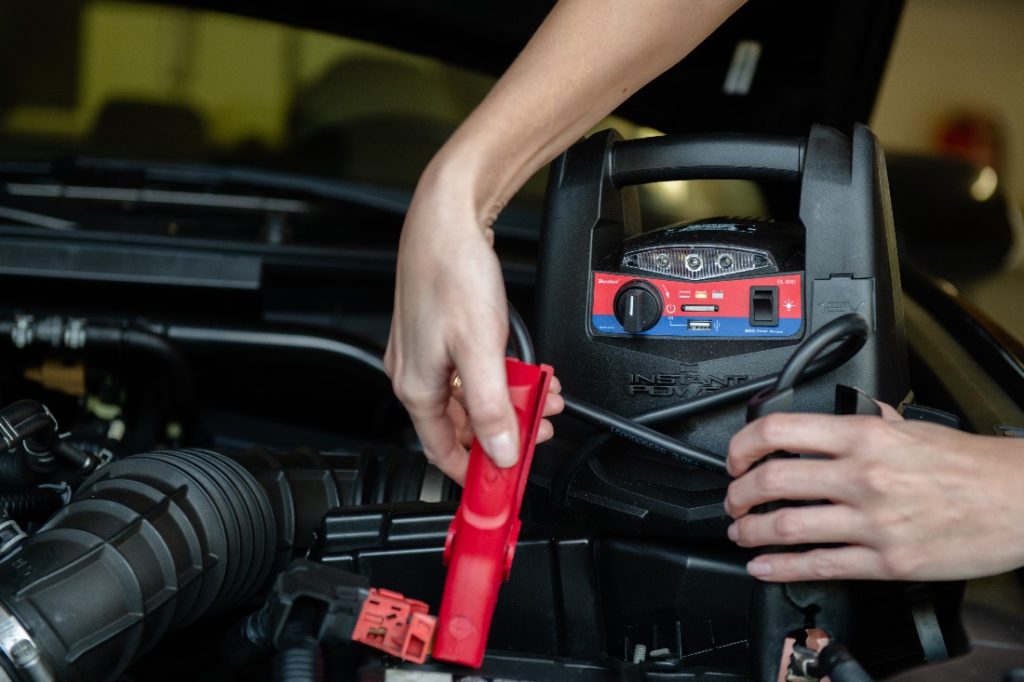
Before connecting a jump starter, park the vehicle safely and turn off the ignition and electrical accessories. Read the instructions for the specific model because connection steps can differ.
A common connection process is:
-
Turn off the vehicle.
-
Connect the red clamp to the positive battery terminal.
-
Connect the black clamp to the negative terminal or a suitable metal ground, if the manual allows it.
-
Turn on the jump starter.
-
Start the vehicle for only a few seconds.
-
Disconnect the clamps in the order shown in the manual.
-
Recharge the jump starter after use.
Never allow the red and black clamps to touch. Do not connect the clamps backward unless the device has clear reverse-polarity protection. Even with protection, incorrect connections can damage equipment.
Do not use a jump starter if the battery is leaking, cracked, frozen, or visibly swollen. A frozen battery can be dangerous because charging or jump-starting may cause damage or rupture.
Keep the jump starter away from water, metal tools, and open flames. Lithium batteries store a large amount of energy in a small space, so damaged units need careful handling.
Signs You Need to Replace Your Jump Starter
A jump starter may need replacement when it can no longer hold a charge or deliver enough starting power. Age alone does not always mean failure, but repeated poor performance is a strong warning.
Replace the unit if you notice:
• The case is swollen or cracked.
• The battery becomes hot during normal charging.
• The unit smells sweet, sharp, or chemical.
• The charge falls quickly while sitting unused.
• The indicator gives inconsistent readings.
• The clamps or cables are damaged.
• The unit fails to start a vehicle that fits its rating.
• The battery will not accept a full charge.
Do not open a lithium jump starter to replace the internal cells unless a qualified technician and the manufacturer specifically support that repair. Incorrect battery work can cause fire, electric shock, or further damage.
Recycle the old unit through an approved battery recycling program. Do not place a damaged lithium battery in household trash or a regular recycling bin.
Choosing a Jump Starter That Holds a Charge
If charge retention is important, look beyond peak amps. A high peak-amp number does not automatically mean the jump starter will stay charged longer.
Consider these features:
• A clear and accurate charge indicator.
• A quality lithium battery pack.
• Reverse-polarity and short-circuit protection.
• Overcharge and overheating protection.
• Strong, flexible cables.
• A durable case.
• A storage pouch.
• A warranty with clear battery coverage.
• A charging system that matches your routine.
Choose a model rated for your engine size. A gasoline engine and a diesel engine may need different starting power. Larger engines and cold climates usually require more reserve capacity.
Read independent testing carefully. Claims about “maximum starts” often come from controlled conditions. Real-world results can be lower, especially when the vehicle battery is deeply discharged.
A practical choice is usually a jump starter with more capacity than the minimum listed for your car. That extra reserve acts like a safety margin when the weather turns cold or the battery is weaker than expected.
Common Mistakes That Reduce Charge Life
Many charging problems come from simple habits rather than defective equipment. Avoiding these mistakes can help your jump starter remain useful for more years.
• Leaving it in a hot trunk: High heat can damage lithium cells and reduce capacity.
• Storing it at zero percent: A deeply discharged battery may enter a protective state and refuse to recharge.
• Charging it with the wrong adapter: Use the charger and cable approved for the model.
• Forgetting it after use: A jump starter can remain partly discharged after helping a vehicle.
• Keeping cables plugged in: Connected accessories may slowly drain the battery.
• Ignoring warning signs: Swelling, heat, odor, and cracks should never be overlooked.
• Testing it on a healthy vehicle too often: Repeated unnecessary use adds wear without much benefit.
A good rule is simple: charge it, cool it, store it, and check it. That small routine is far easier than dealing with a dead vehicle and a dead jump starter at the same time.
Frequently Asked Questions About How Long Does a Car Jump Starter Stay Charged
How long does a car jump starter stay charged when not used?
Most jump starters stay useful for three to six months when stored in a cool, dry place. Some high-quality models may last longer, but check the charge every one to three months.
Should I leave my car jump starter plugged in all the time?
Usually, no. Leaving it connected continuously can create heat or overcharging stress unless the manufacturer specifically designs the charger for that use.
How often should I recharge a portable jump starter?
Recharge it after every jump-start and check it about once a month. If the charge falls below the recommended level, recharge it before storing the unit again.
Can cold weather drain a jump starter?
Cold weather can reduce the battery’s available power and make the unit appear weaker. Let it warm to room temperature before use, and avoid storing it in freezing conditions for long periods.
Can heat damage a car jump starter?
Yes. High heat can speed up battery aging and reduce charge capacity. Do not leave a jump starter in a hot vehicle or direct sunlight for extended periods.
How do I know if my jump starter battery is failing?
Rapid charge loss, swelling, unusual heat, strange odors, and failure to start a properly rated vehicle are warning signs. Stop using the unit if the case is damaged or the battery swells.
Does a jump starter charge the car battery?
A jump starter provides temporary starting power, but most models do not fully recharge the vehicle battery. After starting the car, drive as recommended or use a proper battery charger.
Conclusion
A car jump starter usually stays charged for three to six months, but storage conditions, battery quality, temperature, and age all affect performance. Recharge it after each use, check it every one to three months, and keep it away from extreme heat and cold.
Choose a model with enough power for your vehicle and replace it when the battery shows signs of damage or rapid charge loss. Make a quick jump-starter check part of your seasonal car care routine, and explore your vehicle manufacturer’s guidance for additional battery tips.


2 Comments