Can A Car Headliner Be Cleaned With A Rug Doctor: Safe Tips
Yes, a car headliner can sometimes be cleaned with a Rug Doctor upholstery tool, but using the machine like a carpet cleaner is risky. A headliner has a thin fabric layer attached to foam and a rigid backing board. Too much water, pressure, or suction can loosen the adhesive and cause the fabric to sag.
For most vehicles in the United States, the safest method is light spot cleaning by hand. If you use a Rug Doctor, use only its small upholstery attachment, apply very little solution, and avoid soaking the headliner.
Introduction
Car headliners collect dust, smoke film, skin oils, food stains, and water marks. This can make the interior look dirty even when the seats and carpet are clean. Many U.S. drivers already own or rent a Rug Doctor and wonder if the same machine can clean the roof fabric.
The short answer is yes, with limits. A Rug Doctor may help remove light, water-based marks. It is not a safe choice for deep wet cleaning, large stains, or a loose headliner. The goal is to clean the surface without allowing liquid to reach the foam or adhesive beneath it.
What Is a Car Headliner?
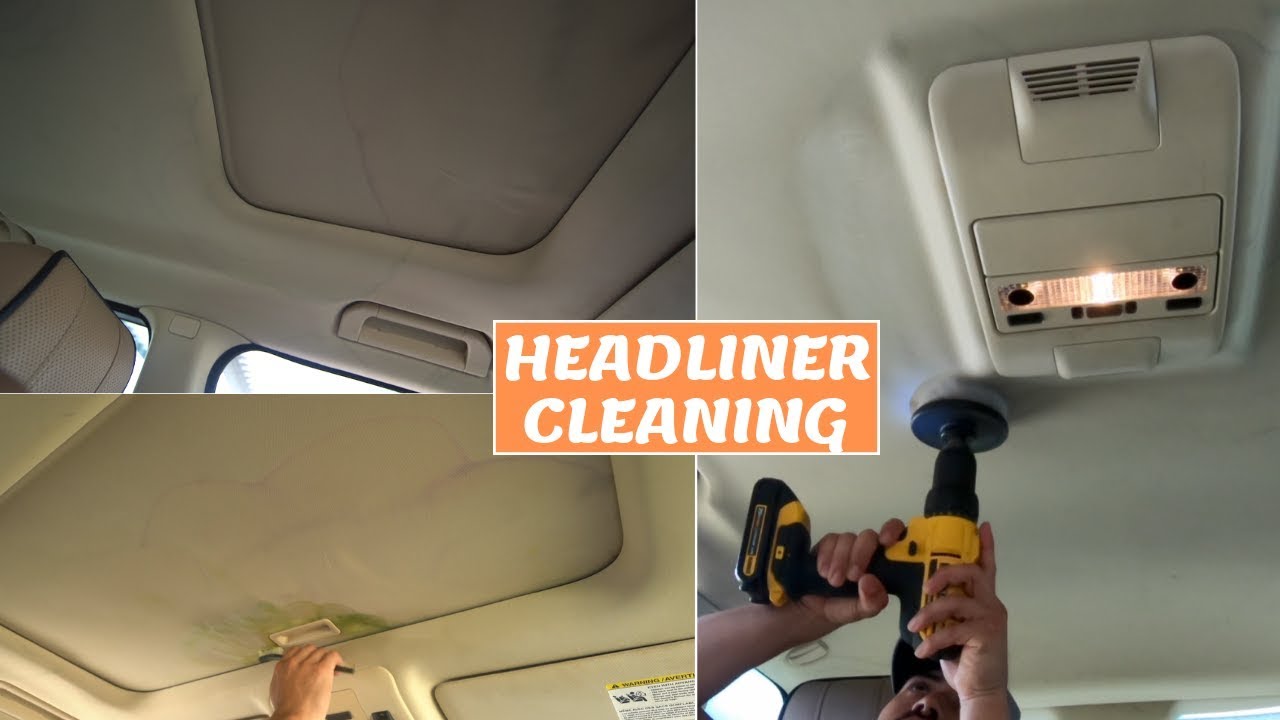
A car headliner is the padded fabric panel attached to the inside roof of a vehicle. Most headliners have three layers:
- A visible cloth, knit, or microfiber fabric layer
- A thin foam backing
- A molded board or shell that fits against the vehicle roof
The fabric is often bonded to the foam with adhesive. That adhesive is the main reason headliners need gentle care.
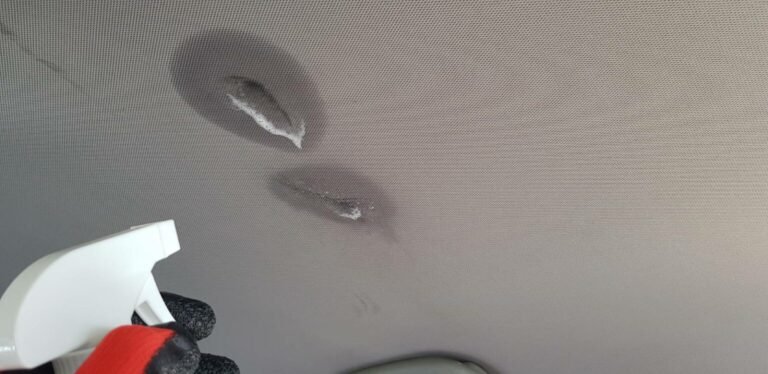
Carpet can hold a large amount of water and still remain attached to the floor. A headliner cannot. When moisture passes through the fabric, it may weaken the glue. The result can be bubbling, wrinkles, stains, or a section of fabric that hangs down.
Sun heat also affects this material. Older vehicles may already have weak adhesive. Cleaning can expose that weakness even if the machine is used correctly.
Can You Use a Rug Doctor on a Car Headliner?
You can use a Rug Doctor for small, shallow stains, but only with an upholstery hand tool and a low-moisture approach.
Do not use the large carpet-cleaning head on the roof. It is too broad and may press too much water into the headliner. Do not make repeated wet passes over the same spot. A headliner should feel only slightly damp after cleaning, not wet.
A Rug Doctor is more suitable when:
- The stain is small
- The fabric is still firmly attached
- The mark is water-based or surface-level
- You can test an unseen area first
- You can dry the vehicle with the doors open
A different method is better when:
- The fabric is sagging
- The foam is visible
- The headliner smells strongly of mold
- The stain covers most of the roof
- The roof has water damage
- The fabric is old, brittle, or already pulling away
A professional automotive detailer can assess whether the panel needs cleaning or replacement. Cleaning will not repair failed adhesive.

Why Too Much Water Damages a Headliner
Water damage happens because a headliner is a bonded assembly, not a loose carpet.
When cleaning fluid reaches the foam, it can travel sideways between the layers. This may create a larger water ring than the original stain. The moisture can also soften the adhesive that holds the fabric to the foam.
Common results include:
- A sagging center section
- Wrinkles or bubbles
- A drooping edge
- Foam separation
- Water marks that appear after drying
- A musty smell
- Permanent discoloration
Strong suction can also cause trouble if the tool is pressed firmly against the fabric. The tool may pull at the cloth or leave a visible change in texture.
The safe principle is simple: use enough moisture to lift the soil, but not enough to wet the backing.
What You Need Before Cleaning
Gather these items before starting:
- A Rug Doctor with a clean upholstery hand tool
- The cleaning solution approved for that Rug Doctor model
- A clean white microfiber cloth
- A soft interior brush, if needed
- A vacuum with a soft brush attachment
- Clean water for limited rinsing, if the product instructions allow it
- A fan or open-air drying method
- Painter’s tape or a small towel to protect nearby trim
Avoid household bleach, laundry detergent, dish soap, ammonia, and strong degreasers. These products may leave residue, change the fabric color, or weaken the foam and adhesive.
Check both manuals first. The Rug Doctor instructions explain the correct solution and tool setup. The vehicle owner’s manual may list restrictions for the headliner or interior fabric.
How to Clean a Car Headliner With a Rug Doctor
Follow these steps only if the headliner is firmly attached and the stain is limited.
1. Park in a safe, dry place
Work in a garage or shaded area with good airflow. Avoid cleaning in direct hot sunlight. Heat can dry the surface too quickly and may make water marks harder to control.
Keep the doors open while the headliner dries. If you are working in a garage, make sure the area is ventilated.
2. Vacuum the surface gently
Use a soft brush attachment to remove loose dust. Keep the vacuum nozzle slightly above the fabric if the material looks delicate.
Do not scrub dry dirt into the cloth. Loose grit can spread the stain and create a rough patch.
3. Test an unseen area
Choose a hidden area near a trim edge or the rear corner. Apply a small amount of cleaning solution with a white cloth or the upholstery tool.
Wait for the test area to dry. Check for:
- Color transfer
- Bleeding or fading
- A hard or shiny patch
- Fabric looseness
- A water ring
- A change in texture
If the test area changes, stop. A professional detailer may have a safer product or method for that fabric.
4. Prepare the Rug Doctor correctly
Use the upholstery attachment, not the floor or carpet head. Fill the machine only with the recommended solution and water mix listed for that model.
Avoid adding extra detergent. More soap does not mean more cleaning. It can leave a sticky film that attracts new dirt.
Before touching the headliner, test the spray into a towel or sink. The tool should produce a controlled spray, not a heavy stream.
5. Apply minimal moisture
Hold the upholstery tool close to the stain. Use a short spray or a light mist. Do not flood the area.
Work from the outside edge toward the center. This reduces the chance of spreading the mark. For a light stain, one short pass may be enough.
Do not hold the trigger continuously. A headliner usually needs less solution than carpet.
6. Agitate lightly, if needed
Use a soft cloth or very soft brush with gentle strokes. Do not scrub hard. Heavy brushing can roughen the fabric or separate it from the foam.
If the stain does not lift after one or two light attempts, stop. Repeated wet cleaning can cause more damage than the stain itself.
7. Extract without pressing hard
Use the upholstery tool to remove moisture with a slow, light pass. Keep the tool flat and do not push it firmly into the roof.
One extraction pass is usually safer than several wet passes. If the cloth begins to look saturated, stop cleaning.
8. Blot with a clean towel
Press a dry white microfiber towel against the area. Do not rub. Blotting removes surface moisture without pulling at the fabric.
Use a fresh part of the towel as it becomes damp. Colored towels may transfer dye to a light headliner.
9. Dry the vehicle fully
Leave the doors open and run a fan toward the interior. Do not use a high-heat hair dryer. Excess heat can shrink fabric, soften adhesive, or create uneven drying.
The area should dry completely before the vehicle is closed. If a musty smell, ring, or loose fabric appears, stop using moisture and seek professional advice.

Hand Cleaning Versus Using a Rug Doctor
A hand-cleaning method is usually safer for a headliner because it gives you better control over moisture.
| Method | Best use | Main benefit | Main risk |
|---|---|---|---|
| Dry vacuuming | Dust and loose soil | No added moisture | Limited stain removal |
| White cloth and mild cleaner | Small spots | Good moisture control | May need several gentle attempts |
| Rug Doctor upholstery tool | Small to medium surface stains | Adds controlled extraction | Can oversaturate the foam |
| Professional detailing | Large, old, or complex stains | Proper tools and assessment | Higher cost |
| Headliner replacement | Failed adhesive or severe damage | Solves sagging or foam failure | Most expensive option |
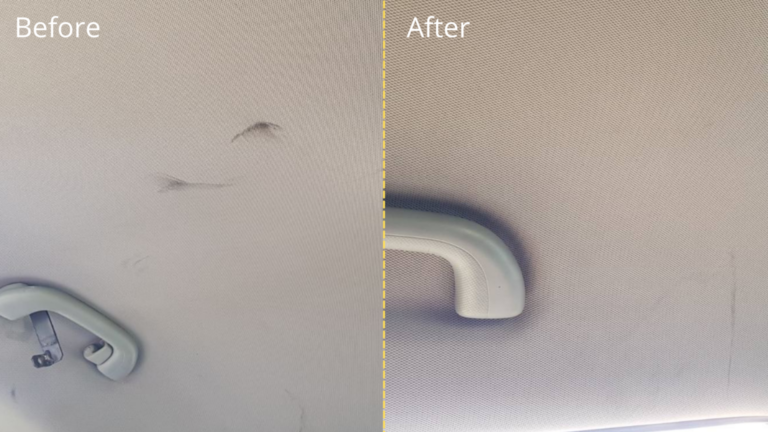
For a single fingerprint, food spot, or small smoke mark, hand cleaning is often the better first step. A Rug Doctor becomes more useful when a stain is larger but still shallow and the headliner remains firmly attached.
Common Headliner Stains and the Right Response
Food and drink stains
Blot fresh spills quickly with a dry white towel. Use a small amount of approved interior cleaner only after testing. Avoid soaking the area, especially if the drink contained sugar.
Smoke residue
Smoke film can cover a large area and may require more than spot cleaning. A strong spray may push residue into the foam. Light surface cleaning and odor treatment are safer than flooding the roof.
Grease and body oils
Grease can resist water-based cleaners. Do not apply a strong solvent without checking the product label and testing the fabric. Some solvents can dissolve adhesive or leave a dark halo.
Water stains
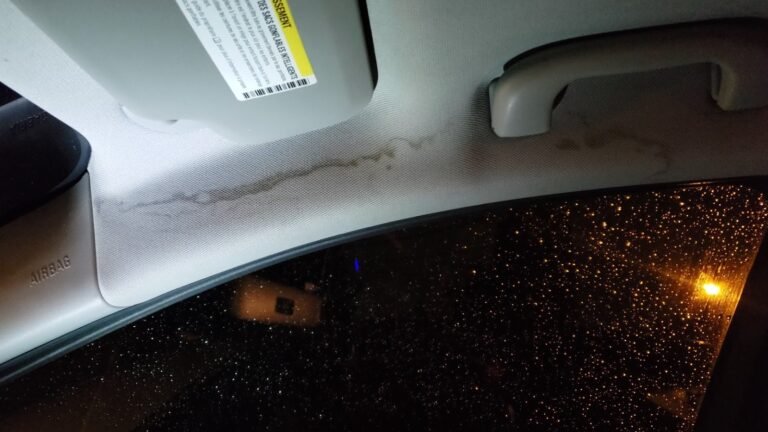
A water stain may indicate a roof leak, sunroof drain issue, door seal problem, or windshield seal leak. Repair the source first. Cleaning the headliner before fixing the leak may lead to a repeat stain.
Mold or mildew
Do not simply wet a moldy headliner with an extractor. Mold can involve the foam and backing, not just the visible fabric. If there is a persistent musty odor or widespread growth, have the interior inspected.
Mistakes to Avoid
Avoid these common errors when cleaning a vehicle headliner:
- Using the Rug Doctor carpet head
- Spraying cleaner directly across a large roof area
- Holding the trigger too long
- Scrubbing with a stiff brush
- Using hot water or steam
- Applying bleach or household detergent
- Pressing the extraction tool hard against the fabric
- Cleaning around loose fabric
- Closing the vehicle before it is dry
- Ignoring a roof leak
- Repeating the process because the first attempt did not remove an old stain
The most damaging mistake is often trying to make the headliner look perfectly clean in one session. Gentle cleaning may leave a faint mark, but it protects the panel from a much more costly repair.
What to Do If the Headliner Starts Sagging
Stop cleaning as soon as you see bubbling, ripples, or loose fabric. Do not press the fabric back into place while it is wet. This can spread the separation.
Let the area dry with good airflow. Then inspect the damage. A small loose edge may be repairable, but widespread sagging often requires removal and reupholstery.
Avoid using household glue, spray adhesive, staples, or pins as a quick fix. These repairs can stain the visible fabric, interfere with airbags or trim, and make later professional repair harder.
If the headliner is near a side curtain airbag, sunroof, overhead console, or wiring, use extra caution. A professional should handle removal or repair in those areas.

How Much Moisture Is Too Much?
There is no universal measured amount because headliner fabrics, foam thickness, adhesives, and Rug Doctor models differ. A practical sign is the condition of the fabric during cleaning.
Stop adding solution if:
- The fabric feels wet rather than lightly damp
- Liquid begins to run or drip
- The surrounding area darkens widely
- The foam feels soft beneath the fabric
- The tool leaves a broad wet trail
- The fabric begins to wrinkle or pull away
The headliner should dry in a reasonable time with airflow. If it remains damp for many hours, the machine likely applied too much moisture or the vehicle lacks ventilation.
When a Professional Detailer Is the Better Choice
Hire a professional automotive detailer when the stain is large, the material is delicate, or the headliner has already begun to separate.
Professional help is especially useful for:
- Smoke damage across the entire roof
- Mold or mildew odor
- Large water stains
- Ink, dye, or oil stains
- Light-colored luxury-car headliners
- Alcantara, suede-like, or specialty materials
- A sagging or bubbling headliner
- Cleaning near airbags or complex trim
Ask the detailer how they control moisture and whether they will test the fabric first. A careful detailer should explain the risk of adhesive failure rather than promise that every stain can be removed.
Frequently Asked Questions
Can I use Rug Doctor carpet detergent on a car headliner?
Only use a solution that the Rug Doctor instructions approve for the upholstery tool and that is suitable for the vehicle fabric. Carpet detergent may be too strong, may leave residue, or may require more rinsing than a headliner can safely handle.
Can a Rug Doctor remove smoke smell from a headliner?
It may reduce surface residue, but it may not remove odor trapped in the foam. Heavy smoke odor often needs a broader interior cleaning plan. Do not saturate the headliner in an attempt to remove the smell.
Can I steam-clean a car headliner?
Steam is usually a poor choice for a bonded headliner. Heat and moisture can loosen adhesive, shrink fabric, or create permanent marks. Use the vehicle and equipment manufacturer’s instructions before applying steam.
How long does a cleaned headliner take to dry?
Drying time depends on the amount of moisture, temperature, humidity, airflow, and fabric type. Keep the vehicle open and ventilated until the headliner is fully dry. Do not rely only on the surface feeling dry; moisture may remain in the foam.
Can I clean a sagging headliner with a Rug Doctor?
No. Cleaning will not restore failed adhesive. Wet cleaning may make the sagging worse. Repair or replacement is usually the proper next step.
Conclusion
A Rug Doctor can clean a car headliner only when used carefully with its upholstery attachment. Use minimal moisture, light pressure, a tested solution, and gentle extraction. Never treat the headliner like vehicle carpet.
For a small stain, hand cleaning with a lightly damp white microfiber cloth is often safer. If the headliner is loose, badly stained, moldy, or made from a delicate material, stop and contact an automotive detailer. The best result is not the wettest clean; it is a clean surface that stays firmly attached and dries without damage.