
How Does A Tire Pressure Monitor Work: Explained
A tire pressure monitor measures tire air pressure and warns you when pressure falls too low.
Understanding how does a tire pressure monitor work can help you react before low pressure causes poor handling, uneven wear, or a tire failure. This guide explains the sensors, warning lights, reset process, limits, and simple checks that keep the system reliable.
How Does a Tire Pressure Monitor Work?
A tire pressure monitoring system, or TPMS, checks the air pressure in your tires. If pressure drops below a set level, the system sends a warning to the dashboard.
In most vehicles, TPMS uses one of two designs:
• Direct TPMS measures pressure inside each tire with a small electronic sensor.
• Indirect TPMS estimates pressure by studying wheel speed through the anti-lock braking system.
Both systems have the same goal. They help you spot a dangerous pressure loss before you feel it from the driver’s seat.
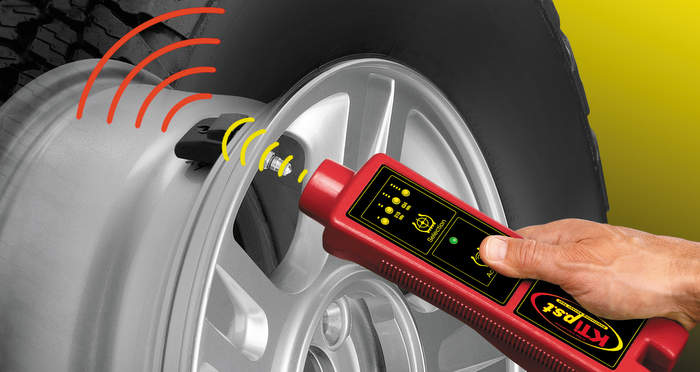
A direct system works much like a tiny weather station inside each wheel. The sensor measures air pressure and temperature, then sends data to the vehicle’s computer. The computer compares that data with a programmed limit.
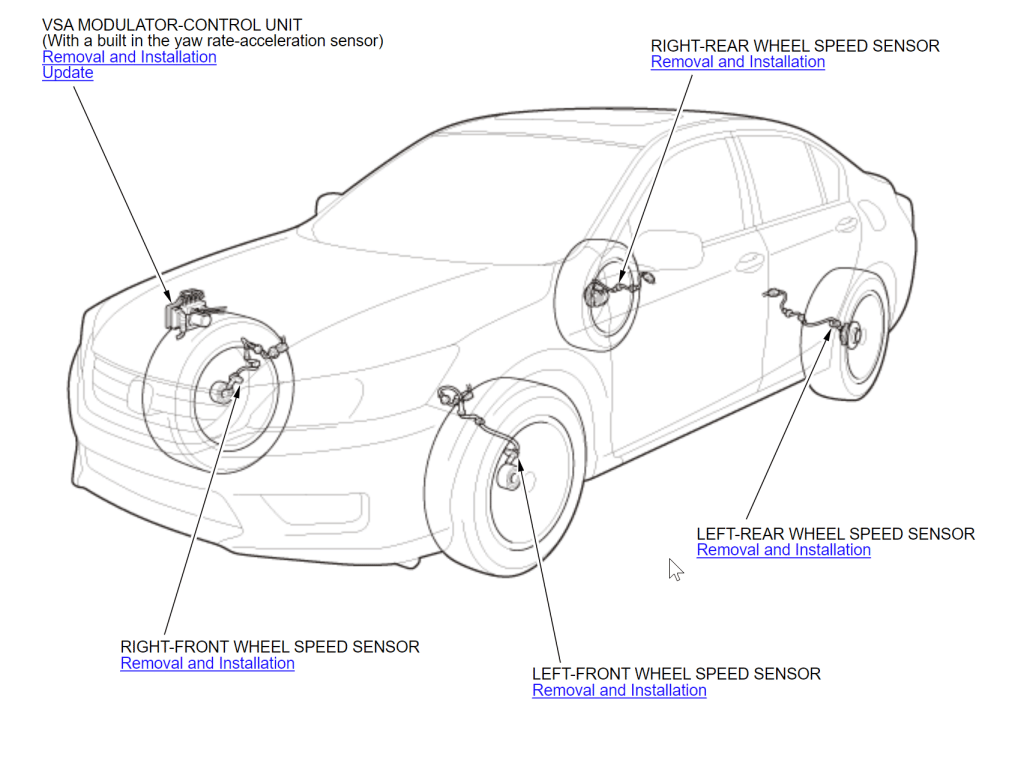
An indirect system uses a different clue. A tire with low pressure becomes slightly smaller and rotates faster than the other tires. The ABS wheel-speed sensors detect this difference and alert the driver.
The Main Parts of a TPMS
Knowing the main components makes the answer to how does a tire pressure monitor work much clearer. Each part has a specific job, much like links in a safety chain.
Pressure sensors
Direct TPMS sensors usually sit inside the tire. They attach to the valve stem or fit against the wheel rim. Each sensor may measure:
• Air pressure
• Air temperature
• Sensor movement
• Sensor identification number
The sensor sends this information through a radio signal. Many sensors transmit only when the vehicle moves, which helps save battery power.
Wheel-speed sensors
Indirect TPMS does not measure air pressure directly. Instead, it uses the wheel-speed sensors already installed for the anti-lock braking system.
When a tire loses air, its rolling radius becomes smaller. It must turn more times to travel the same distance. The vehicle compares wheel speeds and looks for a pattern that suggests low pressure.
TPMS control module
The control module receives sensor data and checks it against expected values. It may be part of the body control module, ABS module, or a separate TPMS computer, depending on the vehicle.
Dashboard warning light
The warning light is your main signal. It often looks like a flat tire with an exclamation point inside.
A steady light usually means one or more tires have low pressure. A flashing light often points to a system fault, such as a failed sensor, weak battery, or communication problem.
Antennas and receivers
Direct systems need a receiver or antenna to hear signals from the wheel sensors. The receiver identifies each sensor and sends its data to the control module.
Direct TPMS Explained
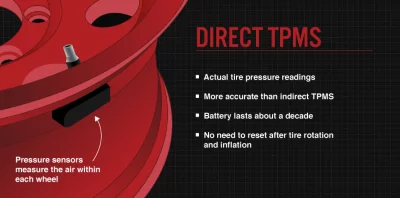
Direct TPMS gives the most precise answer to how does a tire pressure monitor work because it measures pressure at each wheel. Many modern vehicles use this design.
Each sensor has a pressure gauge, a temperature sensor, a small computer, and a radio transmitter. A built-in battery powers the unit. The sensor usually transmits pressure data at set times or when it detects a change.
For example, imagine your left rear tire should have 35 pounds per square inch, or psi. If the pressure falls to a level that the vehicle considers unsafe, the sensor reports the change. The dashboard then turns on the TPMS warning light.
Direct TPMS has several benefits:
• It can identify a specific tire on some vehicles.
• It can measure pressure even when the vehicle is stopped.
• It often provides a real-time pressure display.
• It can detect a rapid pressure loss more accurately.
The system may also adjust its warning behavior based on temperature. A cold morning can lower tire pressure because air contracts as it cools. This does not always mean the tire has a leak, but it can still trigger a warning.
Direct sensors have limits, too. Their batteries are sealed and usually cannot be replaced separately. Many last about five to 10 years, but heat, road salt, corrosion, and driving conditions affect battery life.

Indirect TPMS Explained
Indirect TPMS answers how does a tire pressure monitor work without using pressure sensors inside the tires. It relies on wheel-speed data from the ABS system.
The vehicle first needs a reference point. After you set the tire pressure and reset the system, the computer learns how fast each tire rotates during normal driving.
Suppose one tire loses air. Its diameter becomes slightly smaller. That tire then spins faster than the others at the same road speed. The computer sees the difference and may activate the warning light.
Some newer indirect systems use more advanced software. They study tire vibration and changes in the way each wheel moves. This can improve detection, but the system still estimates pressure rather than measuring it.
Indirect TPMS can reduce sensor replacement costs because it does not need a pressure sensor in each wheel. It also avoids many valve-stem sensor problems.
However, it has important limitations:
• It may not detect equal pressure loss in all four tires.
• It often needs a reset after you adjust the pressure.
• It may react slowly to a gradual leak.
• It can be affected by tire size, tread wear, or mismatched tires.
• It usually cannot display the exact psi in each tire.
The key lesson is simple: an indirect system must be recalibrated after you set the correct pressure. Otherwise, it may treat the wrong pressure as normal.
What Happens When Tire Pressure Drops?
To understand how does a tire pressure monitor work in daily driving, follow the warning process from the tire to the dashboard.
-
A tire loses air because of a puncture, temperature change, valve leak, or bead leak.
-
A direct sensor measures the lower pressure, or an indirect system notices a change in wheel rotation.
-
The sensor or ABS system sends information to the control module.
-
The control module compares the data with its learned values or warning threshold.
-
The dashboard displays the TPMS warning light.
-
You check the tires with a hand pressure gauge and add air if needed.
The warning threshold is not always the same as the pressure printed on the tire sidewall. The correct pressure is usually listed on the driver’s doorjamb label, inside the fuel door, or in the owner’s manual.
That pressure is called the recommended cold inflation pressure. Check it when the tires have been parked for several hours or driven less than a mile at low speed.
A warning light does not tell you the exact cause. It may mean a small leak, a major puncture, or a temperature-related pressure change. Treat the light as a prompt to inspect the tire, not as a substitute for inspection.

What Does the TPMS Warning Light Mean?
The way the light behaves can reveal how does a tire pressure monitor work and whether the problem involves pressure or the system itself.
A steady TPMS light
A steady light usually means the system detected low pressure in one or more tires. Pull over safely and check all four tires, including the spare if your vehicle monitors it.
Do not rely on appearance. A tire can look normal while being several psi below the recommended level.
A flashing TPMS light
A flashing light often means a TPMS malfunction. Possible causes include:
• A dead sensor battery
• A damaged valve-stem sensor
• A failed receiver
• Radio interference
• A sensor that was not programmed
• A spare tire without a compatible sensor
In many vehicles, the light flashes for about a minute and then stays on. Your owner’s manual can confirm the exact meaning for your model.
A light after tire service
The light may appear after a tire rotation, replacement, or wheel change. Direct TPMS vehicles may need sensor relearning. Indirect systems may need recalibration.
A tire shop can scan the sensors, identify their locations, and program them when needed.

How to Reset a Tire Pressure Monitor
The reset method depends on the vehicle. Some cars learn automatically after you drive. Others use a dashboard menu, a reset button, or a special relearn tool.
Use this general process:
-
Check all tires with a quality pressure gauge.
-
Set each tire to the cold pressure listed by the vehicle maker.
-
Inspect for nails, cuts, bulges, and damaged valve stems.
-
Turn the ignition on without starting the engine.
-
Use the vehicle menu or reset button if the manual provides one.
-
Drive for the required time and speed.
-
Confirm that the warning light turns off.
Do not reset the system before correcting the pressure. Resetting only erases the reference point. It does not repair a leak or fill a low tire.
In hands-on tire checks, one common mistake stands out: drivers often add air until the warning light goes out, then stop checking. A better approach is to use a gauge, match the door-label pressure, and inspect the tire again the next day.
If the light returns soon after a reset, assume the vehicle has a leak or a sensor issue. Do not keep resetting it without finding the cause.

Why Tire Pressure Changes
Temperature is one of the most common reasons a TPMS warning appears. Tire pressure typically changes by about 1 psi for every 10 degrees Fahrenheit change in air temperature, though the exact amount varies.
For example, a cold night can reduce pressure enough to trigger the warning in the morning. Once the tires warm up, pressure rises again. The air did not vanish, but the tire still needs to be checked and filled when cold.
Other causes include:
• A nail, screw, or sharp object
• A leaking valve core
• A cracked valve stem
• A poor seal between the tire and wheel
• A bent or corroded wheel
• Normal air loss over time
• An incorrect pressure setting
Tires naturally lose a small amount of air as molecules pass through the rubber. Checking pressure at least once a month is a sound habit. Check it before long trips and after major temperature changes, too.
Never use the maximum psi printed on the tire sidewall as the normal target unless the vehicle maker says so. That number is usually the tire’s maximum rated pressure, not the best pressure for your vehicle.
TPMS Benefits and Limitations
The biggest benefit of understanding how does a tire pressure monitor work is knowing what the system can and cannot do.
Benefits
• It warns you about pressure loss before handling changes become obvious.
• It may help reduce uneven tread wear.
• It supports better fuel economy when tires are properly inflated.
• It can improve braking and cornering stability.
• It may warn you about a puncture while driving.
Proper inflation also reduces heat buildup in the tire. Underinflation makes the sidewalls flex more than intended, especially at highway speed. That extra flex can damage the tire and increase the risk of failure.
Limitations
TPMS is not a tire health monitor. It may not detect:
• A worn tread
• Sidewall damage
• An overloaded vehicle
• Incorrect alignment
• A slow leak before pressure reaches the warning level
• A tire that is overinflated but still above the warning threshold
TPMS also may not warn you immediately. Direct systems can transmit at intervals, while indirect systems need enough driving data to identify a pattern.
Think of TPMS as a smoke alarm, not a firefighter. It gives you an early warning, but you still need to inspect the source of the problem.
How Accurate Is a Tire Pressure Monitor?
A TPMS can be very useful, but it is not always a perfect replacement for a pressure gauge. Direct sensors measure pressure near the valve, while a handheld gauge measures pressure at the valve opening. Small differences can occur.
Temperature also affects readings. A tire that is hot after driving may show a higher pressure than it will the next morning. For a fair comparison, check all tires under similar conditions.
Indirect systems are less precise because they estimate pressure from wheel behavior. They may not tell you whether a tire has 30 psi or 32 psi. They are better at identifying a difference between tires than providing an exact reading.
For accurate maintenance:
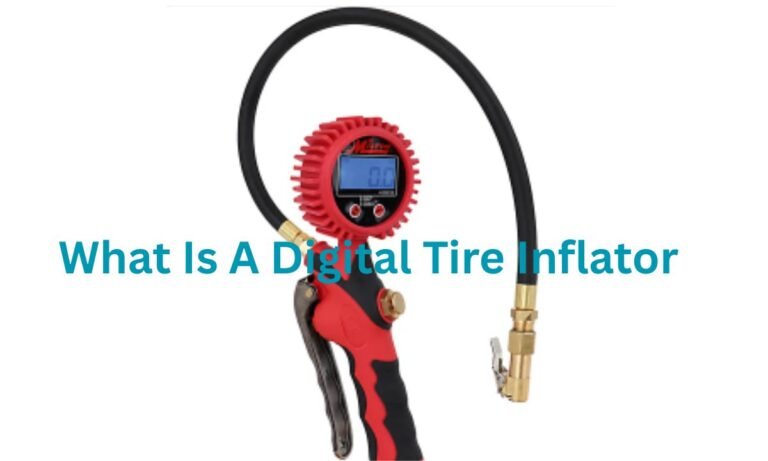
• Use a reliable digital or mechanical gauge.
• Check pressure when tires are cold.
• Measure all four tires.
• Follow the vehicle door label.
• Check the spare if it has a sensor or if you may need it.
• Have a tire professional inspect repeated warnings.
If the dashboard reading and your gauge disagree by a small amount, confirm the gauge with another known-good gauge. If the difference is large, ask a technician to test the TPMS sensor.
TPMS Maintenance Tips
Good maintenance helps you get the most from the system. These simple steps also reduce false warnings.
• Check tire pressure every month.
• Inspect tires before highway trips.
• Replace damaged valve caps and cores.
• Tell the tire shop that your vehicle has TPMS before tire removal.
• Replace sensors when their batteries are near the end of service life.
• Use the correct relearn process after wheel changes.
• Keep the spare tire properly inflated.
• Avoid mixing tire sizes unless the vehicle maker approves the setup.
Tire technicians use special tools to test sensor signal strength, battery condition, identification numbers, and pressure readings. This scan can save time when the warning light stays on after you inflate the tires.
During tire service, a technician should also use care around the sensor. A tire machine can damage a sensor mounted near the rim if the technician starts at the wrong point.
Common TPMS Problems and Solutions
The light stays on after adding air
Recheck all four tires with a gauge. The pressure may still be below the vehicle’s threshold, or one tire may have a slow leak.
The light returns after a few days
Look for a puncture, valve leak, or damaged wheel. A tire shop can test the tire in water or use leak-detection fluid.
The light flashes
A flashing light usually means a system fault. Have the sensors and TPMS module scanned.
The pressure display shows a dash
The vehicle may not be receiving data from one or more sensors. A dead battery, missing sensor, or programming issue is common.
The warning appears after installing winter wheels
The winter wheels may not have TPMS sensors, or the sensors may not be compatible with the vehicle. Some vehicles also need a relearn procedure.
The warning appears only in cold weather
Check and adjust the pressure while the tires are cold. If the light returns often, inspect for a slow leak rather than blaming temperature alone.
Safe Steps After a TPMS Warning
A warning while driving can feel stressful, especially on a busy highway. Stay calm and reduce speed smoothly. Avoid sudden steering or hard braking.
When safe, stop on level ground and inspect the tires. If one tire looks severely low, do not continue driving on it. Driving on a nearly flat tire can destroy the sidewall and may damage the wheel.
Use a spare tire or call roadside assistance if:
• The tire is visibly flat.
• You hear air escaping.
• The vehicle pulls strongly to one side.
• The tire has a bulge or torn sidewall.
• The warning follows a sharp impact.
A portable inflator can help with a small pressure loss, but it is not a permanent repair. A tire with a puncture must be inspected and repaired or replaced according to tire industry safety rules.
Frequently Asked Questions About How Does a Tire Pressure Monitor Work
How does a tire pressure monitor work inside a tire?
A direct TPMS sensor measures air pressure and temperature inside the wheel assembly. It sends that information to the vehicle’s computer, which activates the warning light when pressure becomes too low.
Does TPMS tell you the exact tire pressure?
Some direct systems display the pressure for each tire, but others only show a warning light. Indirect systems usually estimate pressure changes and do not provide an exact psi reading.
Can I drive with the TPMS light on?
You should check the tires as soon as it is safe. Driving with low pressure can increase heat, reduce control, and damage the tire.
Why is my TPMS light flashing?
A flashing light commonly indicates a system fault rather than simple low pressure. A failed sensor battery, damaged sensor, or communication problem may be responsible.
Do I need to reset TPMS after adding air?
Some vehicles reset automatically, while others require a manual reset or relearn drive. Always set the correct pressure first, then follow the instructions in the owner’s manual.
How long do TPMS sensors last?
Many direct TPMS sensors last about five to 10 years. Their sealed batteries eventually run down, and road damage or corrosion can shorten their service life.
Can TPMS detect a tire puncture?
It can detect the pressure loss caused by many punctures, but it may not warn you immediately. Check the tire as soon as the light appears, even if the tire still looks normal.
Does changing tires affect TPMS?
Changing or rotating tires can affect sensor locations and system programming. The vehicle may need a relearn procedure, especially when installing new wheels or sensors.
Conclusion
How does a tire pressure monitor work? It uses direct pressure sensors or indirect wheel-speed data to detect possible pressure loss and warn you through the dashboard. The system improves safety, but it cannot replace a pressure gauge, visual inspection, or proper tire care.
Check your tire pressure when the tires are cold, follow the pressure on the door label, and take every warning seriously. Make these checks part of your monthly routine, explore your vehicle manual for the correct reset steps, and share your questions or TPMS experience in the comments.



2 Comments