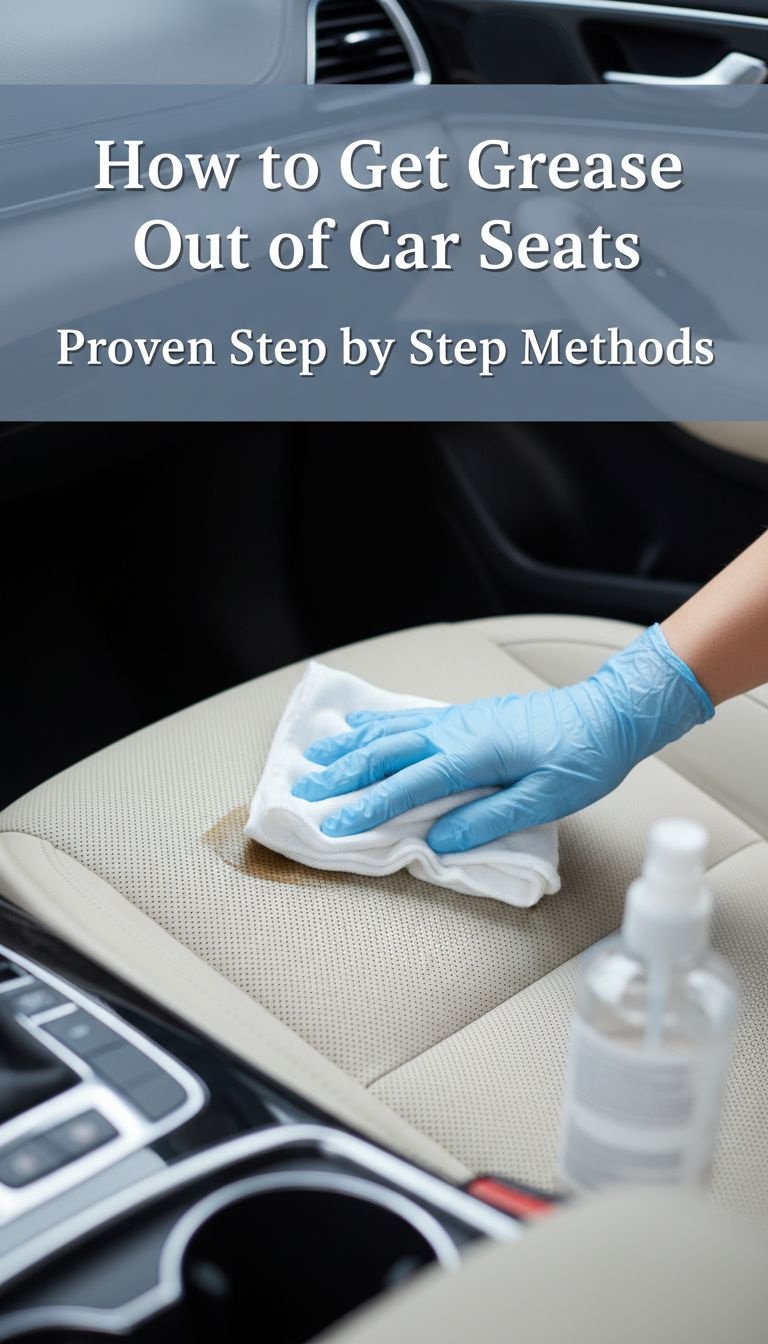
What To Buy At Home Depot To Clean Car Interior: Easy Guide
Introduction
To clean a car interior, buy a car interior cleaner, microfiber towels, a wet/dry vacuum with crevice tools, soft detailing brushes, glass cleaner, and an upholstery or leather cleaner that matches your seats. Home Depot stores in the United States may carry these items in the automotive, cleaning, paint, or tool departments.
The best shopping list depends on your interior. Cloth seats need an upholstery cleaner. Leather needs a leather-safe cleaner and conditioner. Plastic dashboards, vinyl doors, touchscreens, and carpet each need different care. The wrong product can leave stains, dull trim, or damage a screen.
This guide explains what to buy, how to use each item, and which products to avoid.

Home Depot Car Interior Cleaning Shopping List
Start with basic tools before buying specialty chemicals. Good tools remove dust and soil with less rubbing, which lowers the risk of marks and wear.
| Item to buy | Best use | What to look for |
|---|---|---|
| Wet/dry vacuum or shop vacuum | Seats, carpet, floor mats, cracks | Crevice tool, brush tool, and a manageable hose |
| Microfiber towels | Wiping trim, screens, glass, and spills | Soft, lint-free towels with separate towels for glass |
| Automotive interior cleaner | Plastic, vinyl, and hard trim | Label says safe for automotive interiors |
| Upholstery or carpet cleaner | Cloth seats and carpet | Product made for synthetic automotive fabric |
| Leather cleaner | Leather seats and trim | Label clearly states leather-safe |
| Leather conditioner | Maintaining finished leather | Use only when the vehicle maker allows it |
| Soft detailing brushes | Vents, seams, switches, and cup holders | Soft nylon bristles; avoid stiff wire-like brushes |
| Glass cleaner | Interior windows and mirrors | Ammonia-free formula is a safer choice for tinted film |
| Spray bottles | Diluting approved cleaners or holding water | Label every bottle clearly |
| Nitrile gloves | Protecting hands from cleaners | Select a size that fits well |
| Plastic bags or small bins | Organizing trash and loose items | Useful before vacuuming |
| Odor absorber | Mild, lingering smells | Choose an absorber rather than a heavy fragrance |
Home Depot product selection varies by store, region, and season. Check the product label and your vehicle owner’s manual before use. A product sold in an automotive aisle is not automatically safe for every surface.
The minimum kit
If you want a low-cost kit, buy these five items:
- A vacuum with a crevice tool
- Microfiber towels
- A mild automotive interior cleaner
- A soft detailing brush
- An ammonia-free glass cleaner
Add a fabric cleaner, leather cleaner, or extractor only when your interior needs it.

Match the Cleaner to the Car Interior Surface
The surface matters more than the brand. Read the label for the exact material before spraying.
Plastic and vinyl
Use a mild interior cleaner labeled for plastic and vinyl. These materials are common on dashboards, door panels, consoles, and seat sides.
Spray the cleaner onto a towel or brush instead of soaking the dashboard. Excess liquid can run into switches, vents, speakers, and electrical gaps. Wipe the surface, then buff it with a dry microfiber towel.
Avoid products that leave a very glossy or greasy film. That film can create windshield glare and attract dust.
Cloth seats and carpet
Buy an automotive upholstery or carpet cleaner for cloth seats, floor carpet, and fabric door panels. A foaming product may help with surface soil, while an extractor or wet/dry vacuum can remove deeper moisture and dirt.
Test the cleaner in a hidden area first. Some fabrics can change color, develop water marks, or take a long time to dry.
Do not flood a seat cushion. Moisture that remains inside foam can cause odor and may affect seat sensors or wiring. Apply small amounts, agitate gently, extract or blot, and allow full drying.
Leather
Buy a leather cleaner made for automotive leather. If the label allows it, follow with a leather conditioner.
Modern car seats may use finished leather, coated leather, vinyl, or synthetic leather. These materials can look alike but may respond differently to products. Your owner’s manual is the best guide.
Do not use household furniture polish, saddle soap, harsh degreasers, or oily products unless the vehicle maker specifically allows them. Heavy residue can make seats slippery and may transfer to clothing.
Touchscreens and instrument panels
Use a clean, dry microfiber towel for light dust. For fingerprints, slightly dampen the towel with water or use a screen-safe product approved for automotive displays.
Never spray liquid directly onto a touchscreen, gauge cluster, steering-wheel controls, or other electronics. Avoid paper towels, abrasive pads, and household glass cleaners unless the vehicle maker says they are safe.
Glass and mirrors
An ammonia-free glass cleaner is a practical choice, especially if the vehicle has window tint film. Spray the cleaner onto a glass towel rather than directly onto the window.
Use one towel to spread the cleaner and a second dry towel to remove streaks. Clean the inside of the windshield last so you can see whether haze remains.
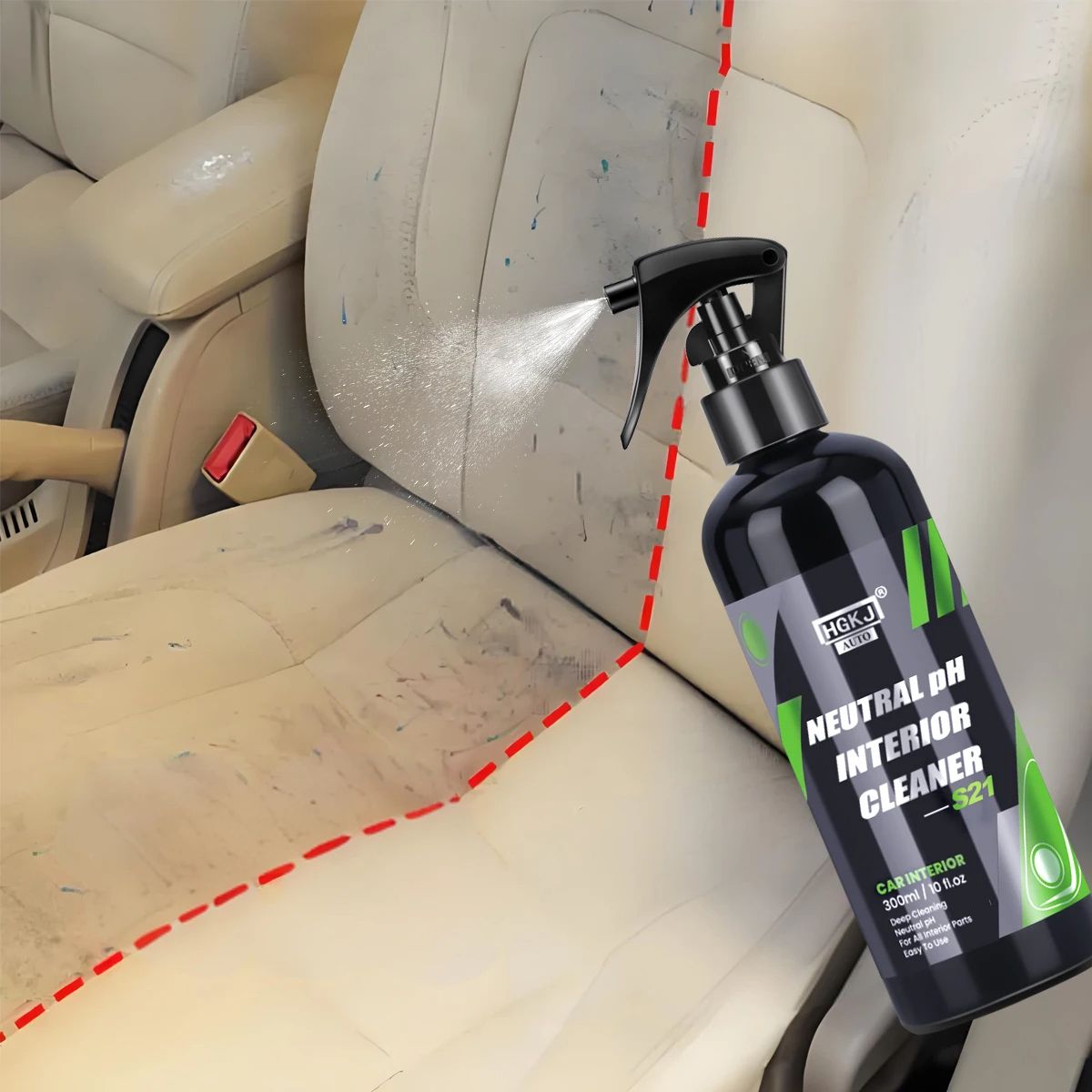
Best Home Depot Products by Cleaning Task
A useful shopping decision is based on the task, not the most expensive bottle.
For dust and loose dirt
Buy a vacuum, crevice tool, soft brush, and microfiber towels. This group handles most routine cleaning.
A brush attachment can loosen dust from vents and textured plastic while the vacuum captures it. For seams, hold the crevice tool close to the brush. This keeps dirt from falling back into the cabin.
For sticky cup holders and consoles
Buy a mild interior cleaner, soft brush, cotton swabs, and several towels. Remove coins, wrappers, and inserts first.
Work in small areas. Let the cleaner sit only as long as the label allows. Use a damp towel to lift residue, then dry the area.
For food and drink spills
Buy an upholstery cleaner for cloth and a surface-safe interior cleaner for plastic or vinyl. Blot liquid instead of rubbing it deeper into the material.
If the spill contains milk, meat, eggs, or another organic substance, an enzyme cleaner may help with odor. Select one labeled for the material, and test it first. Enzyme products are not a substitute for removing the source of the spill.
For pet hair
Buy a vacuum, rubber pet-hair brush, and crevice tool. A rubber brush can gather hair from fabric before vacuuming.
Do not rely on fragrance sprays to hide pet odor. Remove hair and residue first. Then clean the fabric and dry it fully.
For smoke or strong odors
Buy an odor absorber and clean the surfaces where odor collects. Wash or replace removable floor mats when possible.
Avoid using ozone generators inside a vehicle unless the process is performed by a qualified service with proper controls. Ozone can irritate the lungs and may damage some materials. Fragrance sprays can also mix with the odor rather than remove it.
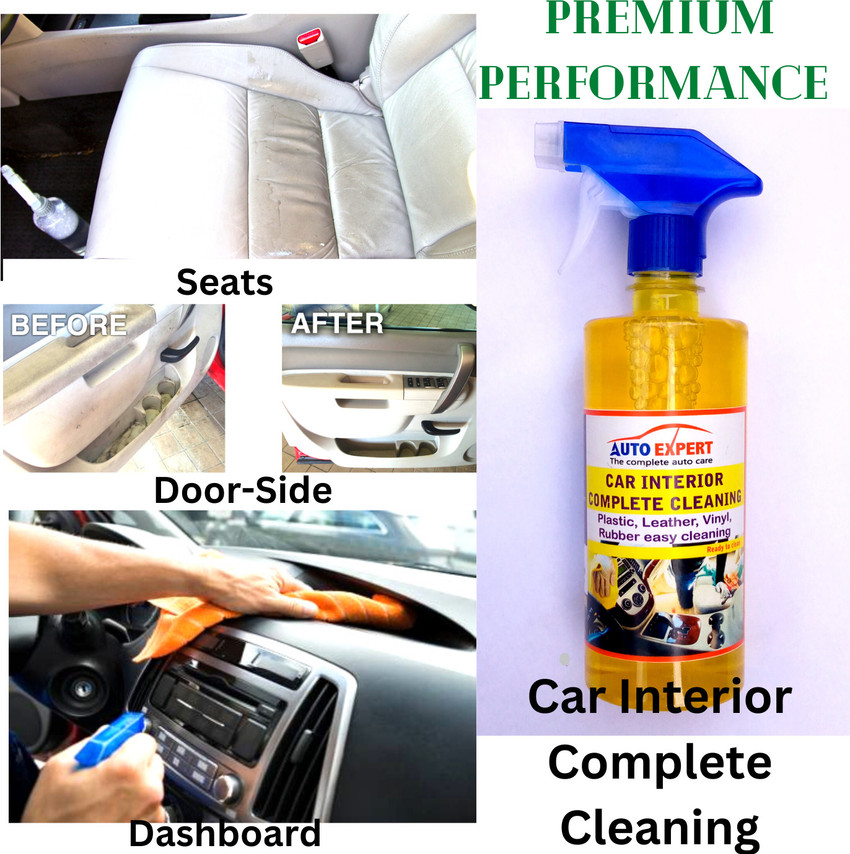
How to Clean a Car Interior With Your Home Depot Supplies
Prepare the car before applying any cleaner. Park in a shaded, well-ventilated place, remove personal items, and open the doors when weather permits.
1. Read the owner’s manual and product labels
Look for sections on leather, fabric, screens, seat belts, and stain removal. Some manufacturers restrict products on specific surfaces.
Read the cleaner label for required ventilation, dilution, dwell time, and warnings. If the label does not list your surface, choose a different product or test a hidden spot.
2. Remove trash and loose objects
Take out floor mats, child-seat items, bottles, papers, and objects from door pockets. Empty the trunk if you plan to clean it.
This step prevents missed dirt and gives you room to work. It also helps you find the real source of an odor.
3. Vacuum from the top down
Begin with the dashboard, vents, seats, and door panels. Then vacuum the console, carpet, and floor mats.
Use a soft brush near delicate trim. Use the crevice tool along seat rails, seams, and between cushions. Do not press a hard nozzle against leather or soft vinyl.
4. Clean hard surfaces
Apply cleaner to a microfiber towel or soft brush. Wipe one section at a time.
Use light pressure on textured plastic. For buttons and switches, use a nearly dry towel. Keep liquid away from openings, speaker grilles, seat controls, and electrical parts.
5. Clean cloth seats and carpet
Test the product first. Apply a small amount, work gently, and blot or extract the soil.
Drying is part of the cleaning process. Leave doors open when safe, use ventilation, and do not reinstall damp floor mats. A damp cabin can develop a new odor.
6. Clean leather
Vacuum the seams first. Apply leather cleaner to a towel, not directly to the seat, unless the label gives different instructions.
Wipe a small area, remove residue, and allow the surface to dry. Use conditioner only if it is suitable for the leather and allowed by the vehicle maker.
7. Clean glass
Use an ammonia-free cleaner and a clean glass towel. Wipe in one direction on the inside and another direction on the outside. This makes it easier to identify which side has streaks.
8. Finish with a dry wipe and inspection
Check for residue, streaks, missed crumbs, and damp spots. Move the seats through their normal range only if it is safe and clear of tools.
A clean interior should feel dry, look even, and have no strong chemical smell.
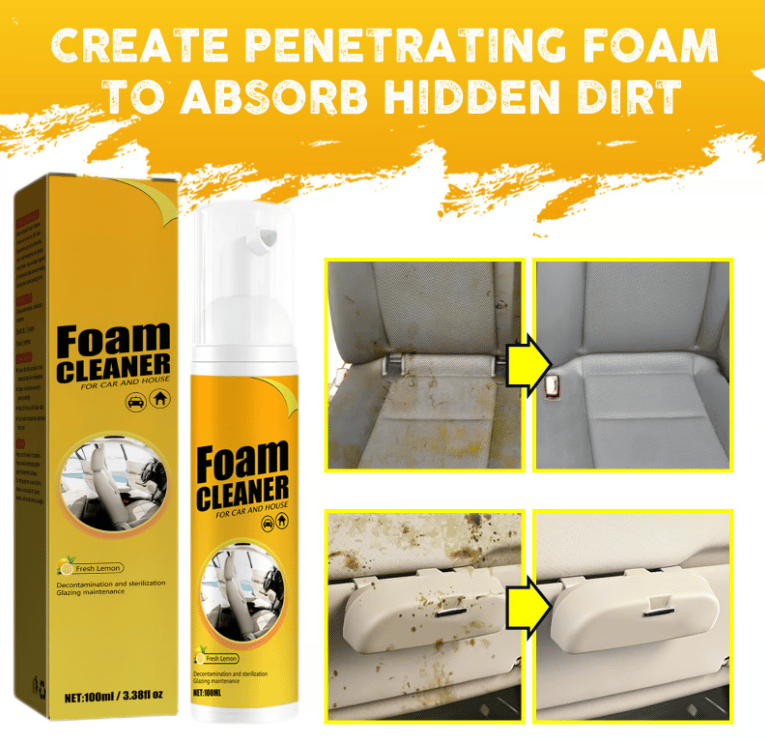
What Not to Buy or Use in a Car Interior
Some common household cleaners are too harsh, too wet, or too oily for vehicle materials.
Avoid these unless the vehicle manufacturer specifically approves them:
- Bleach-based cleaners
- Strong degreasers
- Abrasive powders and scouring pads
- Furniture polish on dashboards
- Petroleum-heavy products on steering wheels or pedals
- Silicone dressings that leave a slippery film
- Undiluted disinfectants
- Household glass cleaner on screens
- Steam or hot water near electronics
- Fragrance products used to hide mold or spills
Never mix cleaning products. Mixing bleach with ammonia or acids can create dangerous gases. Store chemicals in their original containers and keep them away from children and pets.
Do not clean a steering wheel, brake pedal, accelerator, or shift control with a slippery dressing. These parts need a clean, dry grip.
When a Home Cleaning Kit Is Not Enough
A basic kit works for dust, light stains, crumbs, and ordinary spills. Consider professional help when the problem involves mold-like growth, heavy smoke, sewage, flood water, or deep contamination.
A professional detailer may have an extractor, controlled drying equipment, and products suited to specific materials. If water reached wiring, airbags, seat sensors, or carpet padding, cleaning alone may not solve the problem. Have the vehicle inspected if electrical functions, warning lights, or safety systems behave differently after a spill.
For a biological spill, use the product label and public-health guidance. Wear gloves, ventilate the area, and avoid spreading the material through the cabin.

Common Car Interior Cleaning Mistakes
Spraying the dashboard directly
Direct spray can enter vents and electronic gaps. Spray a towel instead.
Using one towel for every surface
A towel used on greasy trim can spread residue to glass or screens. Keep separate towels for glass, interior trim, dirty work, and final drying.
Scrubbing stains too hard
Hard scrubbing can roughen fabric, remove color, or create a lighter patch. Repeat gentle cleaning rather than forcing one aggressive pass.
Leaving fabric wet
Wet foam and carpet can smell later. Use less product and allow enough time for complete drying.
Using shiny dressing everywhere
A glossy finish is not proof of cleanliness. It can create glare, dust, or a slippery steering surface.
Skipping a spot test
A cleaner can affect dye, coating, or texture. Test under a seat or on another hidden section first.

Key Takeaways
- Buy a vacuum, crevice tool, microfiber towels, soft brushes, and a mild automotive interior cleaner first.
- Match specialty cleaners to the surface: upholstery for cloth, leather cleaner for leather, and screen-safe care for displays.
- Spray onto a towel instead of directly onto dashboards, screens, switches, or vents.
- Use small amounts of liquid and dry fabric fully.
- Avoid bleach, harsh degreasers, abrasive tools, oily dressings, and mixed chemicals.
- Check your vehicle owner’s manual before cleaning leather, screens, seat belts, or sensitive trim.
FAQs
What is the best cleaner to buy at Home Depot for a car dashboard?
Buy a mild automotive interior cleaner labeled safe for plastic and vinyl. Apply it to a microfiber towel, not directly to the dashboard. Avoid greasy products that create glare or leave the steering wheel slippery.
Can I use Home Depot household cleaners in my car?
Some mild household products may be suitable for limited surfaces, but do not assume they are safe. Check the label and vehicle manual. Household bleach, abrasive cleaners, strong degreasers, and ammonia-based products can damage materials or create safety concerns.
What should I buy to clean cloth car seats?
Buy an automotive upholstery cleaner, microfiber towels, a soft brush, and a vacuum. An extractor can help with deeper soil, but use limited moisture and dry the seats fully.
What should I buy for leather car seats?
Buy a leather cleaner made for automotive use. Add a leather conditioner only when the product and vehicle manual allow it. Test both products in a hidden area first.
How can I remove a bad smell from my car?
Remove the source, vacuum the cabin, clean the affected material, and dry it completely. An odor absorber may help with mild remaining odors. Persistent smells after water damage, mold-like growth, or heavy smoke may require professional cleaning.
Conclusion
The most useful Home Depot car interior cleaning kit is simple: a vacuum with attachments, microfiber towels, a soft brush, a mild interior cleaner, and an ammonia-free glass cleaner. Add upholstery, leather, or odor products only when your vehicle’s surfaces need them.
Clean from top to bottom, use light moisture, protect electronics, and test every specialty cleaner first. The next step is to check your car’s owner’s manual, identify the main surfaces, and buy only the products that match those materials.