
What Is A Tire Pressure Monitoring System: How It Works
A tire pressure monitoring system checks tire air pressure and warns drivers when a tire becomes dangerously low.
Understanding what is a tire pressure monitoring system can help you respond to warning lights before a small air loss becomes a safety problem. This guide explains how TPMS works, the difference between direct and indirect systems, common warning signs, maintenance needs, limits, and practical steps for safer driving.

What Is a Tire Pressure Monitoring System?
A tire pressure monitoring system, or TPMS, is an electronic safety feature that tracks the air pressure in a vehicle’s tires. When pressure drops below a set level, the system alerts the driver through a warning light on the dashboard.
The main purpose of a tire pressure monitoring system is to reduce the risk of driving on underinflated tires. Low pressure can increase heat, reduce handling, shorten tire life, and lower fuel economy.
In the United States, most passenger vehicles made after September 1, 2007, must include a TPMS that meets federal safety requirements. These requirements are linked to Federal Motor Vehicle Safety Standard 138.
A tire pressure monitoring system does not replace regular tire checks. It is more like a smoke alarm than a firefighter. It gives an early warning, but you still need to inspect the tire and fix the cause.
How Does a Tire Pressure Monitoring System Work?
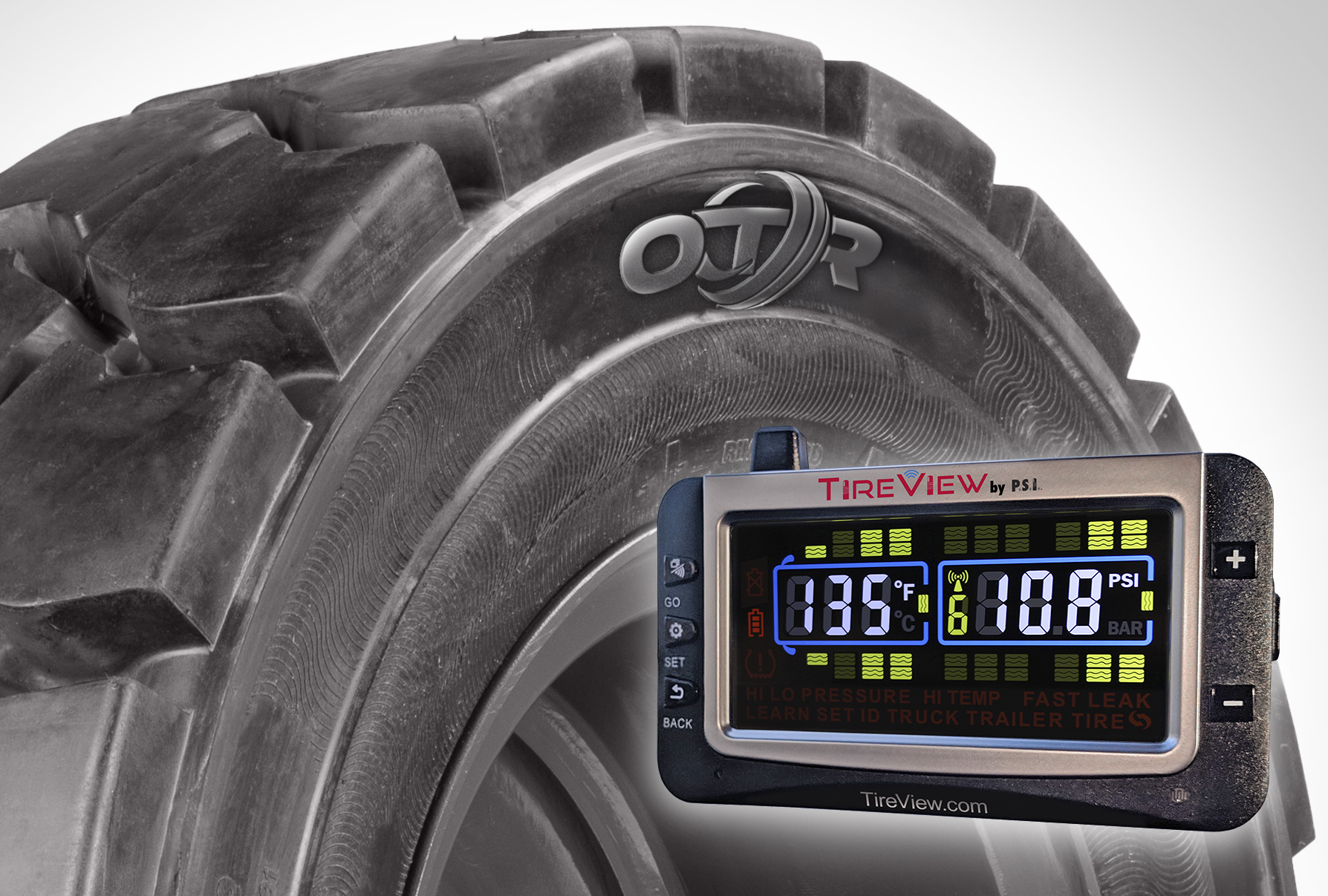
A tire pressure monitoring system uses sensors, vehicle computers, and warning signals to monitor tire pressure. The exact process depends on whether the vehicle has a direct or indirect TPMS.
When the system detects low pressure, it sends information to the vehicle’s electronic control unit. The computer then turns on the TPMS warning light, which usually looks like a flat tire with an exclamation mark.
Some newer vehicles show the pressure of each tire on the dashboard. Others only display a general warning. Your owner’s manual explains which type your vehicle uses and what each warning means.
Direct TPMS
A direct tire pressure monitoring system uses a pressure sensor inside each tire. The sensor may be attached to the valve stem or mounted inside the tire.
Direct sensors measure air pressure in real time or at regular intervals. They can often show the exact pressure for each tire, which makes it easier to find the problem.
Direct TPMS sensors usually include:
- A pressure sensor
- A temperature sensor
- A small battery
- A radio transmitter
- A valve stem or mounting system
The sensor sends data to the vehicle. If pressure falls below the programmed limit, the warning light comes on.
Indirect TPMS
An indirect tire pressure monitoring system does not measure air pressure directly. Instead, it uses the anti-lock braking system’s wheel speed sensors.
A tire with low pressure has a smaller rolling radius. This means it may rotate faster than the other tires at the same vehicle speed. The vehicle compares wheel speeds and looks for unusual differences.
Indirect TPMS can be reliable, but it has important limits. It may not show the actual pressure, and it often needs a reset after you inflate the tires or rotate them.

Why Is a Tire Pressure Monitoring System Important?
Correct tire pressure supports safe braking, steering, cornering, and acceleration. It also helps the tread wear evenly and keeps the tire’s internal structure within its designed operating range.
When a tire is underinflated, more of its sidewall flexes during driving. That flex creates heat. Excess heat can damage the tire and increase the chance of a blowout, especially at highway speeds or under heavy loads.
A working tire pressure monitoring system may help you notice problems caused by:
- A puncture from a nail or screw
- A leaking valve stem
- A damaged wheel
- Cold weather
- A slow bead leak
- Normal air loss over time
- Incorrect tire installation
The National Highway Traffic Safety Administration has warned that underinflated tires can affect vehicle control and increase the risk of tire failure. TPMS is one tool that helps drivers react sooner.
Benefits of Proper Tire Pressure
Maintaining the pressure listed by the vehicle maker can provide several benefits:
- Better steering response
- More stable handling
- Shorter braking distances in some conditions
- More even tread wear
- Better fuel efficiency
- Lower stress on suspension parts
- Reduced risk of tire damage
A tire pressure monitoring system supports these benefits by providing a warning. It does not create correct pressure on its own.

What Does the TPMS Warning Light Mean?
The TPMS warning light usually appears as a yellow or amber symbol shaped like a tire with an exclamation mark. The meaning depends on how the light behaves.
If the light stays on, one or more tires may have low pressure. Pull over when safe, check all tires, and use a reliable gauge to measure them.
If the light flashes for about a minute and then stays on, the system may have a fault. Possible causes include a failed sensor, a weak sensor battery, a damaged antenna, or a calibration problem.
Some vehicles display a message such as “Check Tire Pressure,” “Tire Pressure Low,” or “TPMS Fault.” Do not ignore these messages. A fault warning may mean the vehicle cannot monitor pressure correctly.
What to Do When the Light Comes On
Follow these steps:
- Slow down and avoid sudden steering or braking.
- Stop in a safe place.
- Look for a flat tire or visible damage.
- Check every tire with a pressure gauge.
- Inflate each tire to the pressure listed on the driver’s door label.
- Inspect for leaks if pressure drops again.
- Reset the system only when the vehicle instructions require it.
Do not use the pressure printed on the tire sidewall as the normal target. That number is usually the tire’s maximum permitted pressure, not the vehicle’s recommended pressure.

How to Check and Maintain Tire Pressure
Even with a tire pressure monitoring system, check tire pressure at least once a month and before long trips. Check the tires when they are cold, preferably before driving or after the vehicle has been parked for several hours.
The recommended pressure is usually found on:
- The driver’s side doorjamb label
- The owner’s manual
- The vehicle manufacturer’s service information
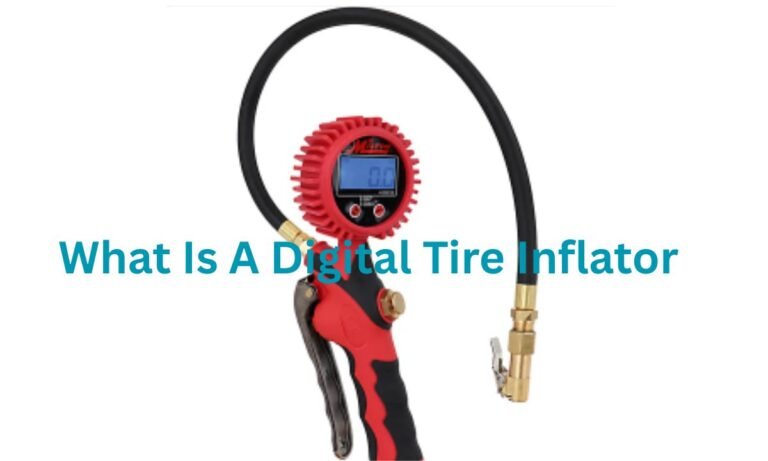
Use a digital or high-quality manual gauge. Handheld gauges can vary, so compare readings if the result seems unusual.
Simple Tire Pressure Check
- Remove the valve cap.
- Press the gauge firmly onto the valve stem.
- Read the pressure.
- Add or release air as needed.
- Replace the valve cap.
- Check for cracks, bulges, cuts, or objects in the tread.
Pressure changes with temperature. A cold snap can reduce tire pressure, while hot tires can show a higher reading after driving. Never release air from a hot tire simply because the reading is temporarily high.
A common lesson from tire inspections is that drivers often check only the tire that looks low. Visual checks are not enough. A tire can lose several pounds of pressure without looking flat.

Direct TPMS vs. Indirect TPMS
Both systems warn about low tire pressure, but they use different methods.
| Feature | Direct TPMS | Indirect TPMS |
|---|---|---|
| Measures pressure directly | Yes | No |
| Uses pressure sensors | Yes | No |
| Shows exact pressure | Often | Usually not |
| Uses wheel speed sensors | Usually no | Yes |
| Needs reset after inflation | Sometimes | Often |
| Sensor battery replacement | Usually required over time | Not applicable in the tires |
| Detects equal pressure loss in all tires | More likely | May not detect it well |
A direct tire pressure monitoring system is often more precise because it measures pressure inside each tire. However, its sensors can cost more to replace.
An indirect tire pressure monitoring system may have lower sensor maintenance costs. However, it depends on wheel speed data and may not identify a slow, equal loss in all four tires.
Neither system is perfect. The best system is one that is maintained correctly and supported by regular manual checks.
Common TPMS Problems and Their Causes
A tire pressure monitoring system can report a warning for several reasons. Low air pressure is only one possibility.
Low Tire Pressure
This is the most common cause. A puncture, temperature change, or natural air loss may reduce pressure.
Sensor Battery Failure
Direct TPMS sensors use small batteries. These batteries often last several years, but their life depends on use, temperature, and sensor design. When the battery dies, the sensor usually must be replaced.
Sensor Damage
A sensor can be damaged during tire removal or installation. Corrosion around the valve stem can also create a leak or prevent proper sensor operation.
Tire Rotation or Replacement
Some vehicles need a relearn procedure after tire rotation, wheel replacement, or sensor replacement. The vehicle must learn each sensor’s location or identification code.
Incorrect Reset
Resetting the system without correcting the tire pressure can hide a real problem. Always set the pressure first, then follow the reset instructions.
Spare Tire Use
Many compact spare tires do not include a TPMS sensor. The warning light may remain on while the spare is installed.
Can You Drive With the TPMS Light On?
You may be able to drive a short distance after checking the tires, but driving for a long time with the warning light on is not wise. First, confirm that each tire has the correct pressure and that there is no visible damage.
If a tire is losing air quickly, do not continue driving. Install the spare tire if safe, or contact roadside assistance.
If the light flashes and then remains on, the tire pressure monitoring system may have a fault. In this case, the vehicle may not warn you about a new pressure loss, so arrange a professional inspection.
From a practical standpoint, the most dangerous mistake is assuming the warning light is always a sensor problem. Treat every warning as a real pressure concern until a gauge proves otherwise.
TPMS Service, Repair, and Replacement
TPMS service may involve inspection, inflation, sensor testing, relearning, or replacement. A tire shop can use a TPMS scan tool to identify sensor status, pressure readings, battery condition, and identification codes.
When replacing a sensor, the technician may need to:
- Install a compatible sensor
- Replace the valve core and seals
- Program the sensor
- Perform a vehicle relearn
- Check for leaks
- Confirm that the warning light turns off
Universal sensors can work in many vehicles, but compatibility must be confirmed. The correct sensor depends on the vehicle’s year, make, model, trim, frequency, and software requirements.
Do not ignore a damaged valve stem. A sensor may work electronically while the valve area still leaks air. Good service checks both the electronic part and the physical tire and wheel assembly.
Limitations of a Tire Pressure Monitoring System
A tire pressure monitoring system improves awareness, but it cannot detect every tire problem.
TPMS may not warn you about:
- A tire with correct pressure but severe tread wear
- A sidewall cut
- A damaged belt
- An overloaded vehicle
- Incorrect wheel alignment
- A slow problem before pressure reaches the warning threshold
- Poor road conditions
- A tire that is too old
Some systems warn only after pressure falls below a specific percentage of the recommended level. This means a tire can be underinflated before the light appears.
TPMS also may not prevent a sudden blowout caused by impact damage or a structural failure. Tire age, tread depth, visual condition, and load rating still matter.
Think of the system as an extra set of eyes. It is useful, but it cannot replace responsible tire care.
Tips for Using TPMS Safely
Use these habits to get the most value from your tire pressure monitoring system:
- Check tire pressure monthly.
- Check pressure before road trips.
- Use the doorjamb label as the target.
- Inspect all four tires, not only the one that looks low.
- Check the spare tire when your vehicle has one.
- Avoid releasing air from hot tires.
- Reset indirect TPMS only after setting correct pressure.
- Ask for a sensor check during tire service.
- Replace damaged valve caps and seals.
- Take flashing warnings seriously.
- Keep a reliable tire gauge in the vehicle.
Seasonal changes deserve extra attention. Cold air reduces tire pressure, so the first cold week of winter often brings more TPMS warnings. This does not mean the system is faulty; it may be revealing pressure that was already near the low limit.
Frequently Asked Questions About What Is a Tire Pressure Monitoring System
What is a tire pressure monitoring system designed to do?
A tire pressure monitoring system measures or estimates tire pressure and warns the driver when pressure becomes too low. Its purpose is to improve safety and reduce the risk linked to underinflated tires.
Does a tire pressure monitoring system replace a tire pressure gauge?
No. TPMS provides a warning, but a manual gauge confirms the actual pressure. Regular gauge checks can find pressure changes before the dashboard warning appears.
How long do TPMS sensors last?
Direct TPMS sensors often last several years, but their battery life varies by vehicle, climate, and sensor design. When the battery fails, the sensor assembly usually needs replacement.
Why is my TPMS light on after adding air?
The system may need time to update, or it may require a manual reset. If the light stays on, check all tires again and have the system inspected for a leak or sensor fault.
Can cold weather turn on the TPMS warning light?
Yes. Cold temperatures reduce air pressure inside tires. Adding air to the vehicle maker’s recommended level may turn off the warning, although some vehicles also need a reset.
Is it safe to drive if the TPMS light is flashing?
A flashing light usually indicates a system fault rather than simple low pressure. Check the tires immediately and arrange professional service because the system may not warn you about a new pressure loss.
Conclusion
A tire pressure monitoring system checks tire pressure and alerts you when a tire may be underinflated. Direct systems use pressure sensors, while indirect systems use wheel speed data. Both can improve safety, but neither replaces a gauge, visual inspection, or proper tire maintenance.
Treat the TPMS warning light as an early message, not an inconvenience. Check the pressure, inspect the tire, and seek service when the warning returns or flashes. For safer trips, keep a tire gauge in your vehicle and follow the pressure listed on the doorjamb label. Explore your owner’s manual for the correct reset procedure, and share your TPMS questions or experiences in the comments.


2 Comments