How To Clean Smoke Stains From Car Headliner: Easy Fix
Smoke stains on a car headliner need gentle cleaning. The headliner is not just fabric. It is usually a thin cloth bonded to foam and a rigid backing board. Too much water, heat, or scrubbing can loosen the cloth, leave rings, or cause the foam to sag.
For most light cigarette, cigar, or wildfire smoke stains, vacuum the headliner first, test a mild upholstery cleaner, apply very little moisture, blot instead of rubbing, and let the vehicle dry with the doors open. Deep brown stains, fire residue, and strong odors may need professional detailing or headliner replacement.
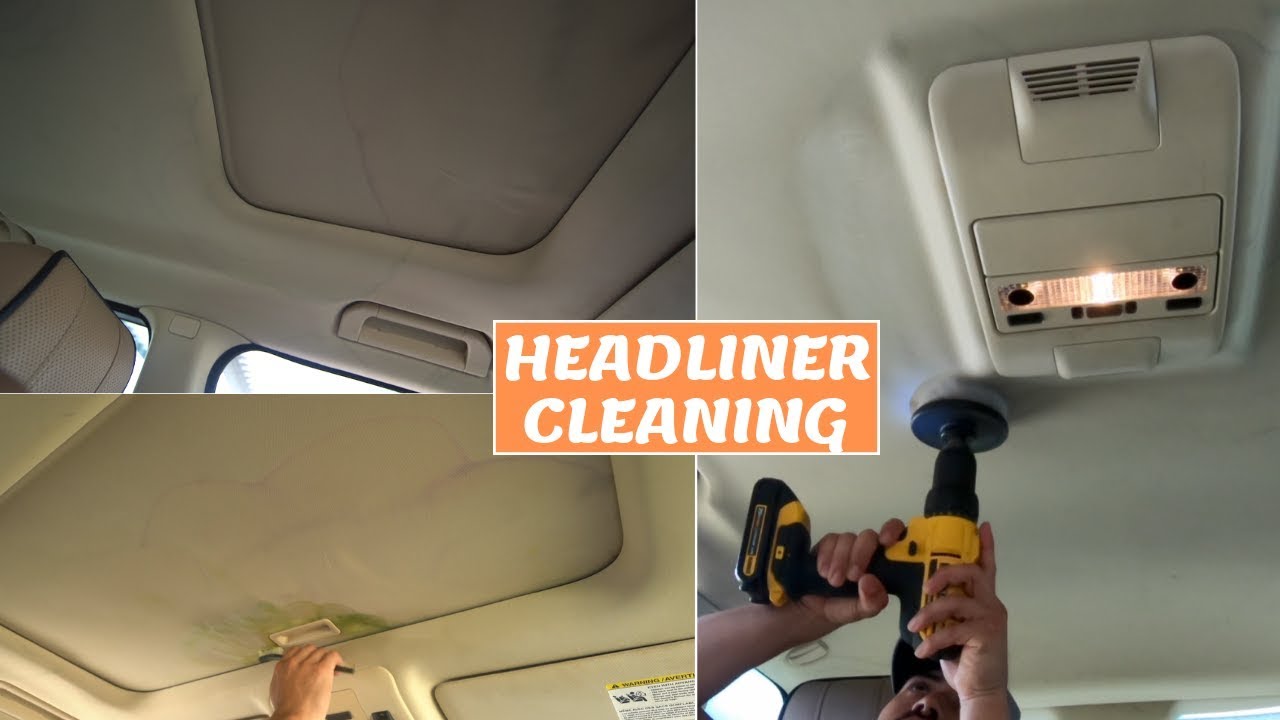
What causes smoke stains on a car headliner?
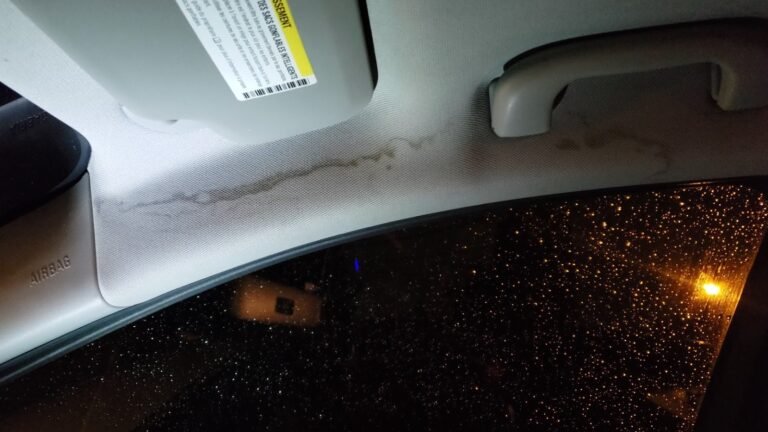
Smoke stains form when smoke particles settle on the headliner’s fibers. Tobacco smoke can leave yellow or brown tar. Wood smoke and wildfire smoke can leave gray or black soot. The stain may also contain oily residue, ash, and odor compounds.
A headliner often has three layers:
- A visible cloth or vinyl surface
- A thin foam layer
- A molded board or fiber backing
This layered design explains why normal carpet-cleaning methods can fail. Water may soak through the cloth. Strong chemicals may attack the foam or adhesive. Hard brushing may pull the cloth away from the backing.
Smoke type also changes the cleaning plan:
| Smoke source | Common sign | Main concern |
|---|---|---|
| Cigarettes or cigars | Yellow film, brown marks, stale odor | Tar and oily residue |
| Wood stove or fireplace | Gray dust and smoky smell | Loose soot and ash |
| Wildfire | Gray or black film, sharp odor | Fine soot and possible ash |
| Vehicle or building fire | Heavy black residue, melted areas | Chemical residue and hidden damage |
Loose soot should be removed before any liquid cleaner touches the surface. Otherwise, moisture can turn dry soot into a dark smear.
A smoke-stained headliner may also have odor in the foam. Cleaning the visible cloth can improve the smell, but it may not remove odor that has soaked into the foam, carpet, seats, or air vents.

What you need before cleaning the headliner
Gather the right tools before you start. The goal is controlled cleaning, not deep soaking.
Supplies
- Vacuum with a soft brush attachment
- Several clean, white microfiber cloths
- A soft upholstery brush
- Distilled water
- Mild automotive upholstery cleaner
- Small spray bottle
- Nitrile gloves
- Eye protection
- A soft towel for drying
Choose a cleaner labeled for automotive fabric or upholstery. Follow the product label. A cleaner made for household carpets may be too wet or too strong for a vehicle headliner.
Use white cloths when possible. Colored towels can transfer dye. A white cloth also helps you see whether smoke residue is lifting.
Safety checks
Park the car outdoors or in a well-ventilated garage. Keep the doors open during cleaning and drying. Do not smoke or use an open flame near the cleaner or damp upholstery.
Do not spray near:
- Side-curtain airbag covers
- Overhead lights
- Sunroof controls
- Microphones
- Wiring
- Seat belt anchor points
- Cameras or sensors
The exact airbag layout differs by vehicle. Check the owner’s manual before working near trim panels or airbag labels. Never remove the headliner to clean it unless you understand the vehicle’s restraint system and follow the factory service procedure.

How to clean smoke stains from a car headliner
Follow this sequence. Move to the next step only when the previous step does not damage the fabric.
1. Check the headliner’s condition
Press lightly on an unseen area. Look for sagging, loose edges, bubbles, or cloth that moves away from the board.
If the cloth is already sagging, stop. Liquid and scrubbing can make the damage worse. A trim shop may be able to replace the fabric, but cleaning alone will not repair failed adhesive or foam.
2. Remove loose ash and soot
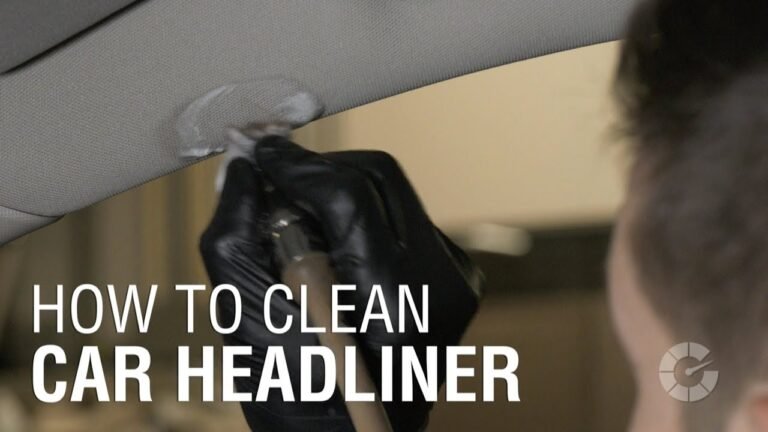
Use a vacuum with a soft brush attachment. Hold the tool just above the fabric or touch it very lightly. Work from one side to the other with slow passes.
Do not press a bare vacuum nozzle against the headliner. Strong suction can mark the cloth or pull it from the backing.
If the residue is loose and heavy, gently lift it with a clean microfiber cloth. Do not wipe back and forth. That action can push soot deeper into the fibers.
3. Test the cleaner
Choose a hidden spot, such as the headliner edge above a door. Apply a small amount of diluted cleaner to a cloth, not directly to the roof.
Wait until the area dries. Check for:
- Color transfer
- A lighter or darker patch
- Fabric fuzz
- A stiff texture
- Adhesive softening
- Water rings
If any of these signs appear, stop using that cleaner. A product that works on one headliner may damage another because fabrics, dyes, foam, and adhesives vary.
4. Make a low-moisture cleaning solution
Use the cleaner at the label’s recommended dilution. If the label allows it, place the solution in a spray bottle. Set the bottle to a fine mist.
The cloth should be damp, not wet. You should not be able to squeeze water from it.
For a mild smoke film, distilled water on a microfiber cloth may be enough. For greasy tobacco residue, a suitable automotive upholstery cleaner may work better. Do not mix cleaning products.
5. Clean one small area at a time
Lightly mist the cloth. Do not soak the headliner.
Press the damp cloth onto a small section for a few seconds. Lift it, then blot with a dry cloth. Use short, gentle strokes only when needed.
Work in small sections of about 6 to 12 inches. Clean from front to back or from one side to the other. This method helps you avoid missed areas and uneven wet spots.
Turn to a clean part of the cloth often. When the cloth becomes gray or brown, replace it or rinse it well. A dirty cloth can spread the stain.
6. Use a soft brush only for stubborn marks
If a stain remains, use a soft upholstery brush with very light pressure. Make one or two passes in the same direction as the fabric.
Do not scrub in circles. Circular scrubbing can change the nap, create a shiny patch, or loosen the cloth.
Apply another small amount of cleaner only if the test area dried well. Several light treatments are safer than one wet treatment.
7. Blot and dry the headliner
Press a dry microfiber cloth over each cleaned section. Replace the cloth as it picks up moisture.
Open the doors or windows and run the vehicle’s fan without heat. Dry the headliner at normal air temperature. Avoid hair dryers, heat guns, and direct high heat. Heat can soften the adhesive and create sagging.
The headliner should feel dry before you close the vehicle. Trapped moisture can cause a musty smell and may affect nearby electronics.
8. Check the result in daylight
Inspect the headliner after it dries fully. Look for:
- Remaining yellow or gray film
- Water rings
- Uneven color
- Loose fabric
- A continuing smoke odor
If the stain is lighter but still visible, repeat the low-moisture process once. Stop if the fabric changes texture or the adhesive appears weak.

How to remove smoke odor from the headliner
Cleaning the surface may reduce smoke odor, but odor can remain in the foam and other cabin materials. Treat the whole cabin when the smell returns after cleaning.
Start with these steps:
- Remove ash, cigarette packs, and other odor sources.
- Vacuum the headliner, seats, carpet, and trunk.
- Clean hard surfaces with a suitable interior cleaner.
- Wash removable floor mats according to their care instructions.
- Replace the cabin air filter if it smells smoky or looks dirty.
- Air out the vehicle in a safe, dry place.
- Repeat light cleaning on other fabric surfaces if needed.
Do not spray perfume over the odor. Fragrance can hide the smell for a short time while adding another odor to the cabin.
Be cautious with ozone generators. Ozone can react with rubber, some plastics, dyes, and other materials. It can also irritate the lungs. Never sit in a vehicle while an ozone machine operates. If a detailer recommends ozone treatment, ask about ventilation, occupancy, material risks, and the vehicle manufacturer’s guidance.
Smoke that came from a vehicle or building fire is different from ordinary tobacco odor. Fire residue may contain corrosive and irritating compounds. Heavy fire damage should be assessed by a qualified restoration or automotive interior professional.

What not to use on a car headliner
Avoid methods that add too much liquid, heat, or force.
Do not soak the fabric
Water can reach the foam and backing board. It may leave a ring, weaken the adhesive, or create a sag.
Do not use a carpet extractor
An extractor may remove dirt from carpet, but its water pressure and suction can be too aggressive for a bonded headliner. It can also leave moisture behind.
Do not steam clean the headliner
Steam adds heat and moisture at the same time. That combination may soften adhesive and cause the fabric to separate.
Do not use bleach or harsh household chemicals
Bleach can remove color and weaken fibers. Ammonia, strong degreasers, and solvents may damage dyes, foam, plastic trim, or adhesive.
Do not use a stiff brush
A stiff brush can roughen the cloth and make a clean area look different from the rest of the roof.
Do not spray the roof directly
Direct spraying increases the risk of liquid entering lights, switches, microphones, wiring, and airbag areas. Spray the cloth instead.
Do not clean only one obvious spot when the roof has smoke film
A single cleaned patch may look lighter than the surrounding area. For widespread staining, clean the full affected section with the same light method.

When should you replace the headliner or call a professional?
Professional help is the safer choice when the headliner is heavily stained, sagging, brittle, or contaminated by a fire.
Call a professional if:
- The cloth has separated from the backing
- Brown or black residue returns after cleaning
- The smell remains after the cabin is cleaned
- The vehicle has fire, flood, or chemical damage
- Stains cover most of the roof
- The fabric is delicate, perforated, suede-like, or unusual
- You need work near side-curtain airbags
- You cannot keep moisture away from overhead electronics
A detailer may clean the surface. An automotive upholstery shop may replace the cloth, foam, or complete headliner board. Cleaning cannot restore a failed adhesive bond.
Ask what process the shop will use. A good estimate should state whether the headliner will remain in the vehicle, what cleaner will be used, how the area will dry, and whether the quote includes odor treatment.

Troubleshooting smoke-stained headliners
| Problem | Likely cause | Safer next step |
|---|---|---|
| The stain spreads | Too much cleaner or rubbing | Stop, blot dry, and allow full drying |
| A water ring appears | Uneven moisture | Do not add more water at once; use a professional if the ring remains |
| The fabric sags | Adhesive or foam failure | Stop cleaning and contact an upholstery shop |
| The cloth turns lighter | Dye loss or chemical damage | Stop using the product |
| The odor returns | Smoke reached the foam or cabin filter | Clean the wider cabin and inspect the filter |
| A black mark smears | Loose soot became wet | Let it dry, vacuum gently, then use less moisture |
| The headliner feels stiff | Cleaner residue or over-wetting | Stop and seek professional advice |
A failed cleaning attempt often comes from using too much product. The headliner should become clean through repeated, controlled blotting—not by flooding the roof.

Frequently asked questions
Can I use vinegar to clean a smoke-stained headliner?
A diluted vinegar solution may affect odor, but it is not a universal headliner cleaner. Its acidity may affect dyes, finishes, or adhesives, and its smell can linger. Use a cleaner labeled for automotive upholstery and test it first.
Will baking soda remove smoke odor from the headliner?
Baking soda may absorb some surface odor, but it will not reliably remove smoke compounds inside the foam. It can also leave powder in the fabric. Vacuuming and low-moisture cleaning are better first steps.
Can I use rubbing alcohol on the headliner?
Do not use rubbing alcohol unless the vehicle or product maker specifically permits it and a hidden test confirms that it is safe. Alcohol can affect dyes, coatings, foam, and adhesive.
How many times can I clean a headliner?
There is no universal number. Stop when the fabric changes texture, begins to sag, or stops improving. One careful cleaning is safer than repeated wet treatments.
Why does the headliner still smell after cleaning?
Smoke odor may remain in the foam, seats, carpet, cabin air filter, vents, and hard plastic surfaces. Clean the whole cabin and replace a smoky cabin filter. Persistent odor or fire residue may require professional restoration.
Final recommendation
For a light smoke stain, vacuum first, test a mild automotive upholstery cleaner, dampen the cloth instead of the roof, blot gently, and dry the vehicle well. Avoid steam, extractors, harsh chemicals, and heavy pressure.
If the headliner sags, has heavy fire residue, or still smells after the whole cabin is cleaned, stop treating it as a simple stain. Have an automotive detailer or upholstery professional inspect it.