
How To Use A Car Battery Monitor: Simple Step Guide
Use a car battery monitor by connecting it safely, checking voltage or state of charge, and tracking changes over time.
Learning how to use a car battery monitor can help you spot a weak battery before your vehicle leaves you stranded. The right method depends on the monitor type, battery chemistry, and test conditions. This guide explains each step in plain language, including safe readings, common mistakes, and practical ways to protect your battery.

What Is a Car Battery Monitor?
A car battery monitor is a tool that shows the electrical condition of your vehicle’s battery. Most monitors measure voltage, while advanced models also track current, temperature, charge level, and battery history.
Think of the monitor as a fuel gauge for electrical power. A single reading gives you useful information, but repeated readings show the full story.
The main types include:
• Digital multimeters that measure battery voltage at the terminals
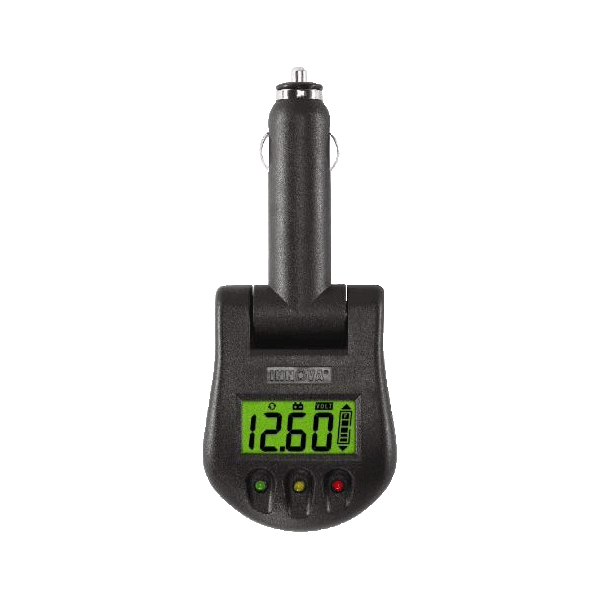
• Plug in voltage monitors that sit in a 12 volt accessory socket
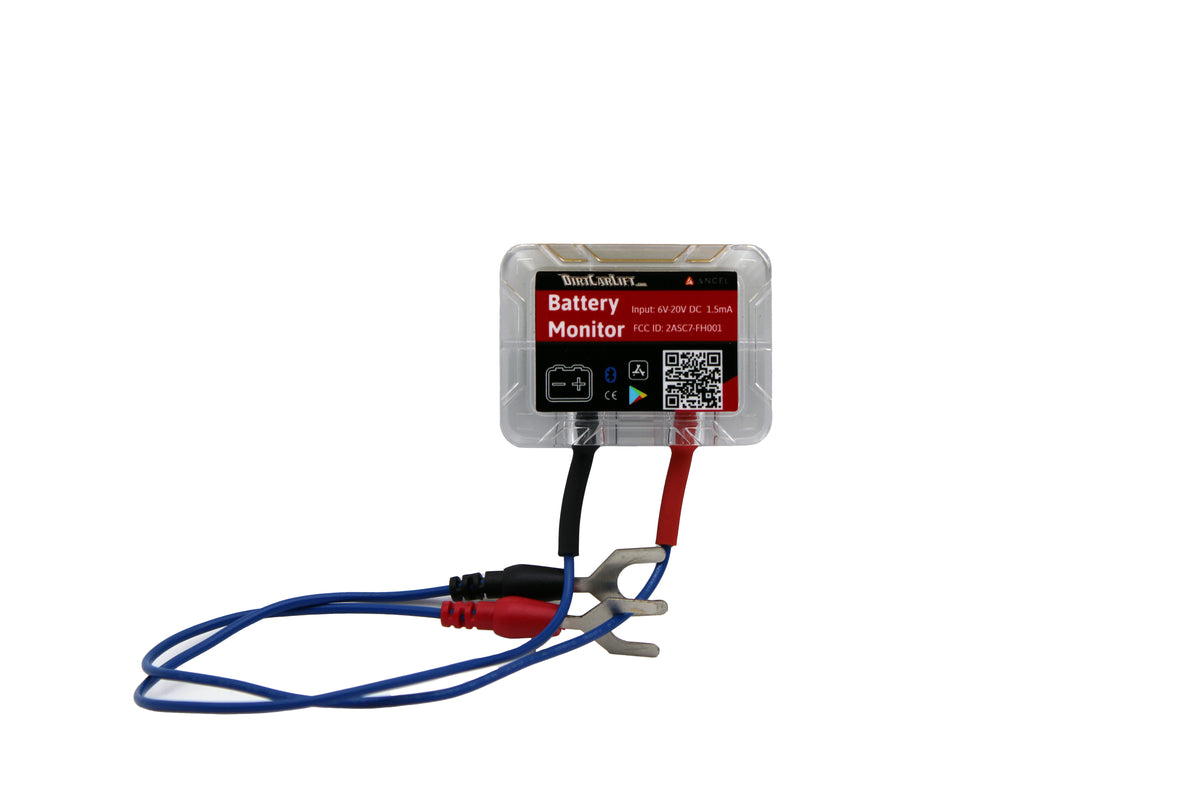
• Bluetooth battery monitors that send data to a smartphone app
• Shunt based monitors that measure power flowing into and out of the battery
• Built in vehicle battery monitors found in some newer cars
A basic voltage monitor is enough for many drivers. However, a shunt based monitor gives a more complete view because it tracks energy use, not just voltage.
When learning how to use a car battery monitor, first identify what your device measures. A voltage display cannot always tell you the battery’s true capacity. It can show voltage at one moment, but it may not reveal internal damage or a weak cell.

Why Use a Car Battery Monitor?
A battery monitor can help you avoid unexpected starting problems. It may also show whether the alternator is charging correctly or whether an accessory is draining power while the car is parked.
Common reasons to use a car battery monitor include:
• Checking battery health before a long trip
• Finding signs of a failing battery
• Testing the charging system
• Monitoring a vehicle that sits for long periods
• Protecting a battery in a classic car, RV, boat, or camper
• Checking power use from alarms, dash cameras, or tracking devices
• Watching a battery used with a winch, fridge, or camping system
A healthy battery can still fail without much warning. Cold weather makes this risk worse because the battery produces less starting power while the engine needs more power to crank.
Modern vehicles also use electricity when parked. Security systems, computers, keyless entry systems, and remote start equipment all draw small amounts of power. A battery monitor can reveal when that small drain becomes a serious problem.
In my own testing, the most useful habit was not checking the monitor once. It was writing down the reading before shutting off the car and checking it again the next morning. A slow voltage drop often revealed a problem that a single test missed.
Types of Car Battery Monitors
Choosing the right monitor makes the testing process easier. Each type has a different purpose and level of accuracy.
Digital multimeter
A digital multimeter is the most flexible option. It connects directly to the battery terminals and can measure resting voltage, charging voltage, and voltage drop during engine cranking.
It is also useful for testing fuses, wires, and electrical circuits. However, you must place the probes correctly and avoid touching the metal tips together while connected to the battery.
Plug in voltage monitor
A plug in monitor fits into a 12 volt power outlet. It is simple to use and lets you check voltage from the driver’s seat.
This type can be less accurate if the outlet is switched off, poorly connected, or wired through a long circuit. Some vehicles also turn off the outlet when the ignition is off, so the monitor cannot show the battery’s parked voltage.
Bluetooth battery monitor
A Bluetooth monitor usually connects to the battery with small ring terminals. An app records voltage and may send alerts when the level falls below a selected point.
This is useful for cars that sit for weeks, but the monitor itself consumes a small amount of power. The drain is usually low, yet it matters if the vehicle has a small battery or already has a parasitic drain.
Shunt based battery monitor
A shunt based monitor measures current through a special resistor. It can show how many amp hours enter and leave the battery.
This is often the best choice for auxiliary batteries, RVs, and off grid systems. Installation is more complex because the system must be wired correctly. All loads and charging sources usually need to pass through the shunt for accurate readings.
Built in battery monitoring system
Some newer vehicles use a battery sensor near the negative terminal. The vehicle computer uses this data to control charging and electrical loads.
Do not remove or bypass this sensor. If you replace the battery, the vehicle may also need a battery registration or battery management reset. The correct process varies by make and model.

How to Use a Car Battery Monitor Step by Step
The safest way to learn how to use a car battery monitor is to test the battery in several conditions. Do not rely on one reading alone.
Step 1: Read the monitor instructions
Check the manual before connecting the device. Confirm that it supports your battery voltage and chemistry.
Most gasoline and diesel cars use a 12 volt lead acid battery. Some vehicles use AGM batteries, enhanced flooded batteries, or lithium auxiliary batteries. These batteries do not always use the same voltage limits.
Step 2: Park safely
Park on a level surface in a well ventilated area. Turn off the engine, lights, radio, climate control, and other accessories.
Set the parking brake and keep metal tools away from the battery terminals. Remove jewelry such as rings and bracelets before working near the battery.
Step 3: Let the battery rest
For a resting voltage test, allow the car to sit with the engine off for at least 30 minutes. Several hours is better.
Driving raises the battery’s surface charge. This temporary voltage can make a weak battery look healthy. Waiting allows the battery voltage to settle.
Step 4: Connect a digital multimeter
Set the meter to DC voltage. Select a range that can read at least 15 volts if the meter does not choose the range automatically.
Connect the red probe to the positive terminal. Connect the black probe to the negative terminal. Keep the probes steady and read the display.
Do not reverse the probes. The meter may show a negative number, but incorrect handling can cause sparks or damage on some devices.
Step 5: Record the resting voltage
Write down the result, the time, and the outside temperature. Temperature affects battery performance, especially in winter.
For a typical 12 volt flooded lead acid battery, these readings are useful general guides:
• About 12.6 to 12.8 volts often indicates a fully charged battery
• About 12.4 volts often indicates roughly 75 percent charge
• About 12.2 volts often indicates roughly 50 percent charge
• About 12.0 volts often indicates a low state of charge
• Below about 11.9 volts indicates a deeply discharged battery
These values are estimates, not a final diagnosis. Battery design, temperature, age, and recent charging can change the result.
Step 6: Test voltage while starting
Ask another person to start the engine while you watch the monitor. Keep hands, clothing, and test leads away from belts and fans.
A healthy starting battery often stays above about 9.6 volts during cranking at room temperature. A lower reading may suggest a weak battery, poor cable connection, high starter draw, or cold weather.
This test is only one clue. A large diesel engine may place more load on the battery than a small gasoline engine. Follow the vehicle maker’s specifications when available.
Step 7: Test the alternator
With the engine running, measure voltage at the battery terminals again. Many conventional charging systems show about 13.7 to 14.7 volts, but the normal range depends on the vehicle.
Smart charging systems may intentionally lower or raise voltage. A reading near 12.5 volts does not always mean the alternator has failed, especially when the battery is already charged and the vehicle is reducing output.
Turn on the headlights, blower fan, rear defroster, and heated seats if safe to do so. Watch whether the voltage remains stable. A major drop, warning light, belt noise, or repeated low reading needs further testing.
Step 8: Check for overnight drain
Fully charge the battery, turn the vehicle off, and record the voltage. Check it again after several hours or the next morning.
A small change may be normal. A large drop suggests a weak battery or a parasitic drain. Finding the exact source requires a current test with a multimeter or a professional battery analyzer.
Do not disconnect the battery without checking the owner’s manual. Some cars may lose radio codes, window settings, steering calibration, or other stored data.

How to Read Car Battery Monitor Results
Reading voltage is simple. Interpreting it correctly requires context.
Resting voltage
Resting voltage shows the battery’s approximate state of charge. It does not prove that the battery can deliver enough current to start the engine.
For example, a battery may show 12.6 volts after charging but drop sharply under load. This can happen when the battery has lost capacity because of age, sulfation, heat, or internal damage.
Cranking voltage
Cranking voltage shows how well the battery handles a heavy load. A sharp drop during engine start points toward a weak battery, poor connection, or starter problem.
Test in similar conditions when comparing readings. A winter morning and a warm afternoon will not produce identical results.
Running voltage
Running voltage helps assess the charging system. A low reading can point to an alternator, belt, cable, fuse, or control problem.
A high reading may indicate a voltage regulator fault. Excessive charging can damage a battery and sensitive electronic parts. Stop testing and seek professional help if you notice a strong sulfur smell, battery swelling, smoke, or unusual heat.
State of charge versus state of health
State of charge means how much energy is currently stored. State of health means how much capacity and starting power the battery has left compared with when it was new.
A monitor that shows 100 percent charge does not always mean the battery is healthy. A proper battery load test or conductance test gives a better picture of starting ability.

How to Use a Car Battery Monitor on AGM and Lithium Batteries
Battery chemistry matters. Do not apply flooded lead acid readings to every battery type.
AGM batteries
AGM batteries often have a slightly different resting voltage pattern. They also need the correct charging profile.
Many vehicles require an AGM setting in the charger or battery management system. Using the wrong setting may reduce battery life or cause charging problems.
Lithium batteries
Lithium batteries, including lithium iron phosphate batteries, have a flatter voltage curve than lead acid batteries. Voltage alone may not show the state of charge accurately.
A lithium battery should use a monitor and charger designed for lithium chemistry. Never charge a lithium battery with an unsuitable charger unless the battery maker clearly approves that method.
Stop-start vehicles
Vehicles with automatic stop-start systems often use AGM or enhanced flooded batteries. They may also need battery registration after replacement.
If the car behaves strangely after a battery change, check the service procedure for that exact model. A monitor can show voltage, but it cannot replace the vehicle’s battery management system.
Common Mistakes When Using a Car Battery Monitor
Small testing mistakes can create confusing results. Avoid these common problems.
• Testing immediately after driving and treating the surface charge as the true battery level
• Measuring at a dirty terminal instead of clean metal
• Testing through a 12 volt outlet that shuts off with the ignition
• Leaving the headlights or interior lights on during a resting test
• Assuming 12.6 volts proves the battery is healthy
• Ignoring temperature during winter testing
• Connecting a multimeter in current mode directly across the battery terminals
• Reversing polarity or allowing the probes to touch
• Forgetting that smart charging systems change voltage by design
The most dangerous mistake is using the current setting across the battery. In that mode, the meter creates a near short circuit. This can blow the meter fuse, damage the tool, or create sparks.
Another lesson I learned is to clean the battery posts before judging the battery. A thin layer of corrosion can add resistance and cause a low reading during cranking. Clean connections are part of the test, not an optional extra.

How Often Should You Check a Car Battery?
Check the battery monitor once a month if the vehicle is used often and more frequently if the vehicle sits for long periods.
A useful schedule includes:
• Before a long road trip
• Before winter or very hot weather
• After installing a dash camera or other accessory
• After the vehicle sits unused for more than a week
• When the starter turns slowly
• When the headlights dim at idle
• When a battery or charging warning light appears
• After jump starting the car
Drivers with older batteries should monitor them more often. Many lead acid batteries last about three to five years, but climate, driving habits, vibration, and maintenance can shorten or extend that period.
Short trips are hard on batteries because the alternator may not replace the energy used during starting. If possible, combine short trips or use a suitable smart charger when the car sits for long periods.

How to Improve Battery Monitor Accuracy
Good technique makes your readings more useful.
Use the battery terminals
When possible, test directly at the battery posts. Testing at remote terminals can still work, but damaged cables or poor connections may change the result.
Keep a simple log
Record the date, voltage, temperature, and vehicle condition. Include whether the engine was running and how long the car had rested.
Patterns matter more than isolated numbers. A battery that falls from 12.6 to 12.1 volts overnight needs attention even if it starts the car today.
Compare readings under the same conditions
Use the same monitor and test at similar times. Compare resting readings with resting readings and running readings with running readings.
Confirm unusual results
If the monitor shows an unexpected value, test again with a second meter if possible. Then inspect the terminals, ground strap, battery case, and charging belt.
A professional battery tester can measure cold cranking performance and internal resistance. Use one when the battery monitor and vehicle symptoms do not agree.
When to Replace the Battery
A monitor can suggest that a battery needs attention, but replacement should consider more than voltage.
Replace or professionally test the battery when:
• It repeatedly loses charge while parked
• The engine cranks slowly
• The battery fails a load or conductance test
• The case is swollen, cracked, or leaking
• The battery is past its expected service life
• The charging system is healthy but the battery cannot hold voltage
• Corrosion returns quickly around the terminals
Always install the correct group size, terminal layout, capacity, and battery chemistry. An incorrect replacement may fit physically but perform poorly or interfere with the vehicle’s charging system.
Dispose of old lead acid batteries through an approved recycling program. Most auto parts stores and battery retailers accept them.
Safety Tips for Using a Car Battery Monitor
A car battery contains corrosive acid and can release flammable hydrogen gas while charging. Treat every battery with care.
• Wear eye protection when working near the battery
• Keep flames, cigarettes, and sparks away
• Remove metal jewelry before testing
• Connect and disconnect probes carefully
• Never place tools across the battery terminals
• Do not test a frozen, swollen, cracked, or leaking battery
• Keep children and pets away from the work area
• Follow the monitor and vehicle maker’s instructions
If electrolyte contacts your skin or eyes, rinse with clean water and seek medical advice. If the battery becomes hot, smokes, or vents strongly, move away and call for professional help.
Frequently Asked Questions About How to Use a Car Battery Monitor
How do I use a car battery monitor for the first time?
Turn off the vehicle, let the battery rest, and connect the monitor according to its instructions. Record the resting voltage, then repeat the test while starting the engine and while the engine runs.
What voltage should a car battery show when the car is off?
A fully charged 12 volt lead acid battery often shows about 12.6 to 12.8 volts after resting. A reading near 12.2 volts suggests roughly half charge, but voltage alone cannot confirm battery health.
Can a car battery monitor tell me if my battery is bad?
It can show warning signs, such as low resting voltage or a large drop during cranking. However, a load test or conductance test is usually needed to confirm a weak battery.
Should I check the battery monitor while the engine is running?
Yes. Running voltage can help you assess the alternator and charging system. Many vehicles show around 13.7 to 14.7 volts, but smart charging systems may use different values.
Can I leave a Bluetooth battery monitor connected?
Many Bluetooth monitors are designed for continuous use and consume very little power. Still, check the device specifications and monitor the vehicle if it sits for weeks, especially if the battery is old.
Is a plug in voltage monitor accurate?
It can provide a useful general reading, but it may not match the voltage directly at the battery terminals. The outlet wiring, socket condition, and vehicle power settings can affect the result.
How long should a car battery rest before testing?
Wait at least 30 minutes after shutting off the engine for a basic test. Waiting several hours gives a more reliable resting voltage because it allows the surface charge to fade.
Conclusion
Learning how to use a car battery monitor gives you an early warning system for battery and charging problems. Test after the battery rests, check voltage during cranking, inspect running voltage, and track readings over time.
Remember that voltage is a guide, not a complete diagnosis. Use safe testing habits, consider temperature and battery chemistry, and confirm unusual results with a proper load test.
Start by taking one careful reading this week and recording it. That small habit can help you plan a battery replacement, find an electrical drain, and avoid an inconvenient breakdown. Explore your vehicle’s service guidance, and share your battery monitoring experience with other drivers.






2 Comments