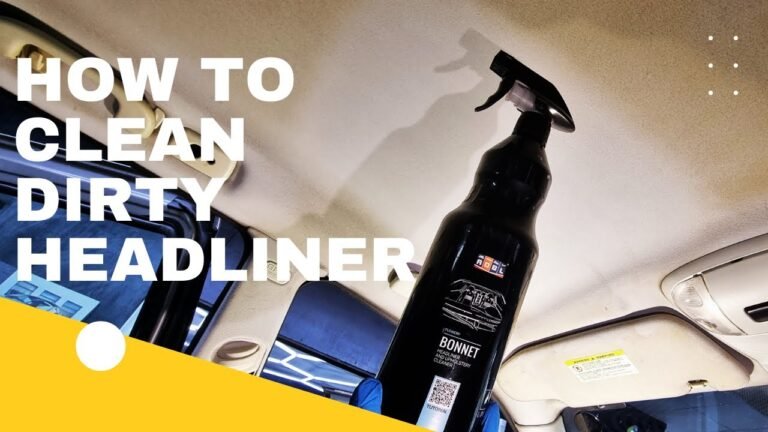
What Is The Best Product To Clean Car Interior: Tips
For most cars in the United States, the best all-purpose product is a dedicated automotive interior cleaner that is water-based, low-residue, and safe for the specific surface you are cleaning. A product such as 303 Automotive Interior Cleaner, Meguiar’s Quik Interior Detailer, or a similar car interior cleaner can work well on hard plastic, vinyl, rubber, and finished trim when used as directed.
However, no single product is best for every surface. Leather, cloth, glass, suede-like material, and touchscreens need different care. The safest approach is to use a general interior cleaner for hard surfaces and separate products when the material requires them.
Introduction
A car interior collects dust, skin oil, food crumbs, drink spills, road dirt, and germs. In the United States, heat, cold, humidity, dry air, and road salt can also affect interior materials. The right cleaner should remove soil without leaving a greasy film or damaging plastic, vinyl, leather, fabric, or electronic surfaces.
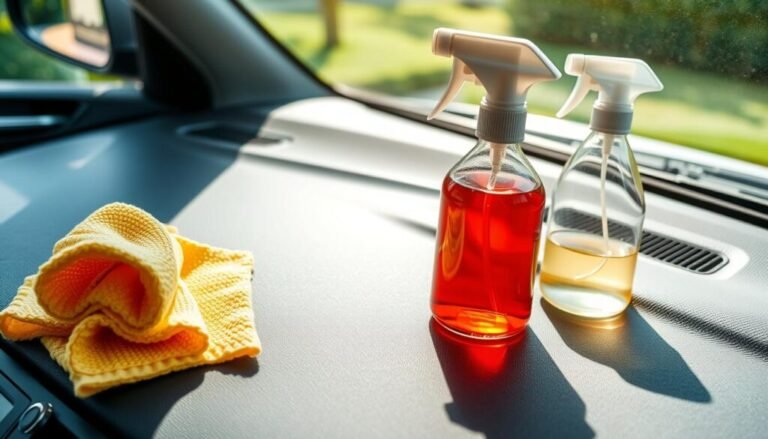
The most useful choice for routine cleaning is a pH-balanced automotive interior cleaner. It should have clear surface instructions, produce little residue, and allow you to control the amount applied. Spray the product on a microfiber towel instead of directly on the dashboard or controls.
This guide explains which products work best, when to use them, how to clean each interior surface, and which common products you should avoid.
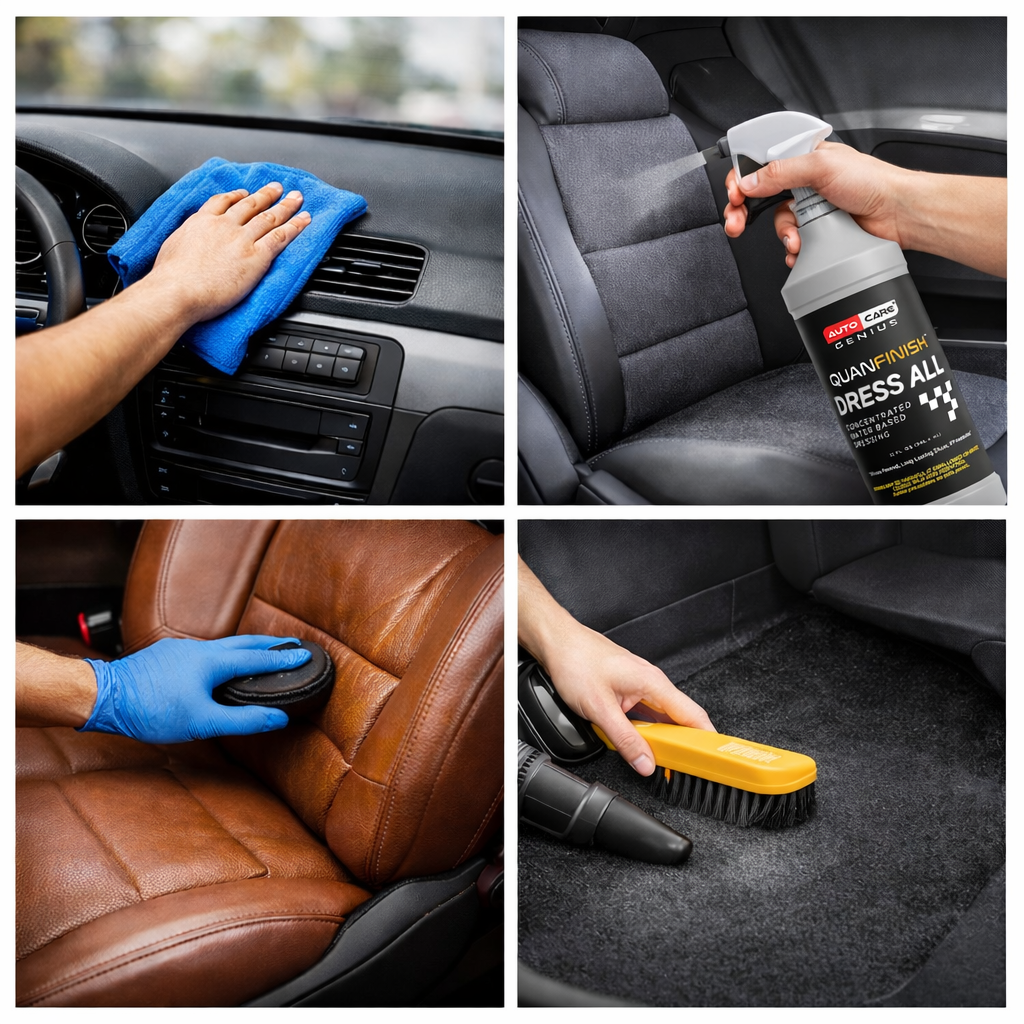
The Best Car Interior Cleaner Depends on the Surface
The best product depends on what you are cleaning. A cleaner that works well on vinyl may be unsuitable for unfinished leather or a delicate headliner.
| Interior surface | Best product type | Main reason |
|---|---|---|
| Plastic dashboard and door panels | Automotive interior cleaner | Removes dust, oils, and light soil without a heavy shine |
| Vinyl seats and trim | Water-based interior cleaner | Cleans without making the surface slippery |
| Finished leather | Leather cleaner made for automotive use | Helps remove soil while reducing the risk of drying or staining |
| Cloth seats and carpets | Fabric or upholstery cleaner | Designed to lift soil from fibers |
| Glass | Automotive glass cleaner | Helps reduce streaks and film |
| Touchscreens | Soft microfiber cloth, slightly damp if needed | Limits liquid exposure and surface damage |
| Suede-like trim or Alcantara-type material | Manufacturer-approved cleaner | The material can mark or flatten easily |
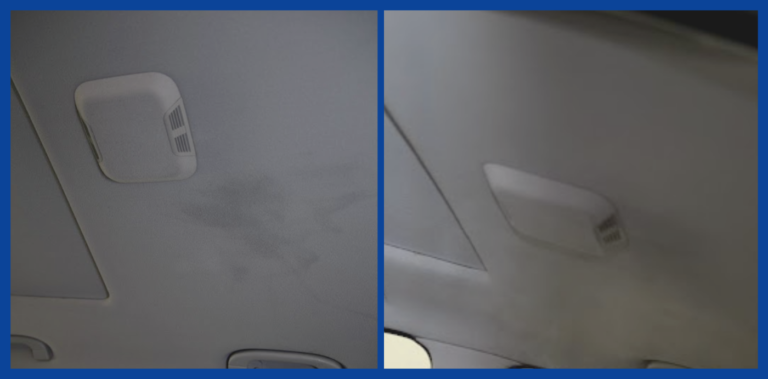
| Headliner | Low-moisture upholstery cleaner | Helps prevent sagging and water marks |
A general interior cleaner is not the same as a disinfectant, leather conditioner, carpet shampoo, or glass cleaner. Each product has a different purpose.
For most drivers, the best starting point is an interior cleaner for plastic, vinyl, and rubber. Add a dedicated leather, fabric, or glass product only when those surfaces need more than light cleaning.

Best Overall: A Water-Based Automotive Interior Cleaner
A water-based automotive interior cleaner is usually the best choice for routine cleaning because it can handle common dirt without leaving the oily finish linked with some dashboard dressings.
Look for these features:
- Clear instructions for plastic, vinyl, and rubber
- A low-gloss or natural finish
- Low residue
– No strong oily coating - Safe use around common automotive trim
- A label that explains surfaces to avoid
- A spray nozzle that allows controlled use
Examples include products sold as automotive interior cleaner, interior detailer, or multi-surface car cleaner. Product names and formulas can change, so read the current label before use.
Why a natural finish is usually better
A glossy dashboard may look polished, but shine is not the same as cleanliness. A slick dressing can attract dust, create glare on the windshield, and make steering wheels or pedals unsafe if the product reaches them.
A natural finish leaves the surface closer to its original appearance. It also makes it easier to see whether the cleaner removed the dirt.
Never apply a dressing or cleaner to:
- The steering wheel
- Pedals
- Gear shifter grips
- Hand brake controls
- Seat belts
- Windshield or side glass
- Camera lenses
- Touchscreen displays
These areas need grip, clear vision, or precise electronic function.

Best Product for Leather Car Seats
Use a dedicated automotive leather cleaner for finished leather seats. A leather cleaner should remove body oils, dust, and light stains without leaving the seat wet or slippery.
Do not assume that every seat labeled “leather” has the same surface. Many modern seats use coated leather, synthetic leather, vinyl, or a mix of materials. Check the vehicle owner’s manual when possible.
Follow this method:
- Vacuum loose dirt from seams and cracks.
- Test the cleaner on a hidden area.
- Apply a small amount to a microfiber towel or soft brush.
- Work on a small section at a time.
- Wipe away the soil and product residue.
- Let the surface dry.
- Apply conditioner only if the vehicle maker or product instructions support it.
Avoid household saddle soap, bleach, alcohol-heavy cleaners, and harsh degreasers unless the vehicle manufacturer specifically permits them. These products may change the finish, color, or texture.
Leather conditioner is also not a substitute for cleaning. It may add moisture or protection, but it cannot remove embedded dirt by itself.

Best Product for Cloth Seats and Car Carpets
For cloth seats, floor mats, and carpets, choose an automotive fabric or upholstery cleaner. These products are made to loosen soil in fibers and should be easier to rinse or remove than many household cleaners.
A foam or low-moisture cleaner is useful for light spots. An extractor can help with deeper soil, but too much water can create new problems. Wet padding may dry slowly and can develop an odor.
Use this process:
- Remove floor mats from the vehicle.
- Vacuum the surface well.
- Test the cleaner in a hidden spot.
- Apply a small amount to the fabric.
- Agitate gently with a soft brush.
- Blot or wipe away the loosened soil.
- Allow the area to dry fully.
- Vacuum again if the product instructions recommend it.
Do not soak seat cushions, seat belt anchors, wiring areas, or powered seat controls. If a spill reaches deep into a seat, professional cleaning may be safer than adding more liquid.
For milk, food, or other organic spills, remove the source first. A cleaner that only covers the odor may leave the material dirty underneath.

Best Product for a Dashboard, Doors, and Plastic Trim
A mild automotive interior cleaner is the best option for dashboards, door panels, center consoles, and most hard plastic trim.
Use a microfiber towel with short, overlapping passes. A soft detailing brush can help loosen dirt from seams, vents, buttons, and textured plastic.
For a safe routine:
- Remove loose dust with a vacuum or dry microfiber towel.
- Spray cleaner onto the towel.
- Wipe a small section.
- Turn the towel to a clean side.
- Wipe away any remaining product.
- Check the surface in natural light.
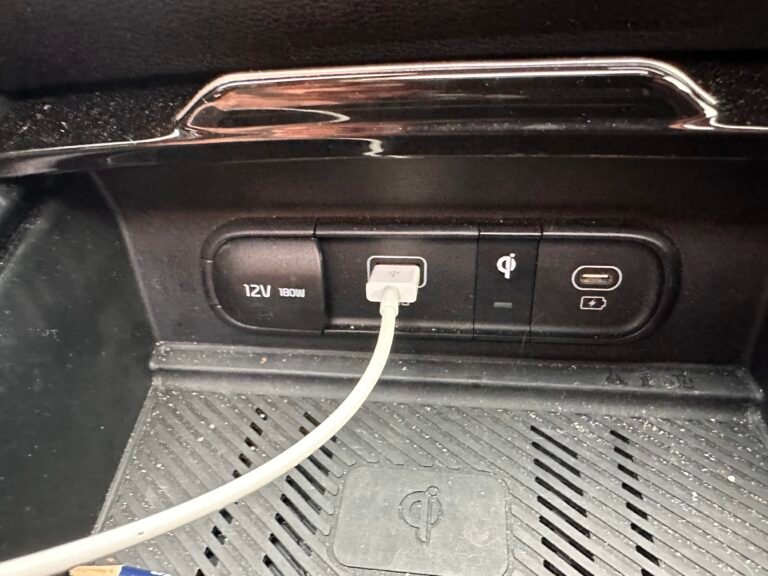
Do not flood air vents, switch gaps, USB ports, speakers, or instrument clusters. Liquid can travel behind trim and reach electrical parts.
For stubborn grease, repeat the process rather than using a stronger chemical right away. Multiple light passes are usually safer than one aggressive pass.

Best Product for Car Windows and Touchscreens
Use a dedicated automotive glass cleaner for interior windows. It should remove fingerprints, smoke film, and plastic off-gassing without leaving streaks.
Spray the glass cleaner onto a towel instead of the window when possible. This reduces the chance of liquid reaching the dashboard, speakers, defroster vents, or electronic controls.
For touchscreens, use a clean, dry microfiber cloth first. If the screen still needs cleaning, lightly dampen the cloth with water or use a product approved for the display. Never spray liquid directly onto the screen.
Avoid household glass cleaners that contain ammonia when the vehicle maker warns against them. Ammonia may be unsuitable for some tint films, coatings, plastics, or display surfaces.
Clean glass last. Dust and cleaner from the dashboard can otherwise land on glass that you have already wiped.
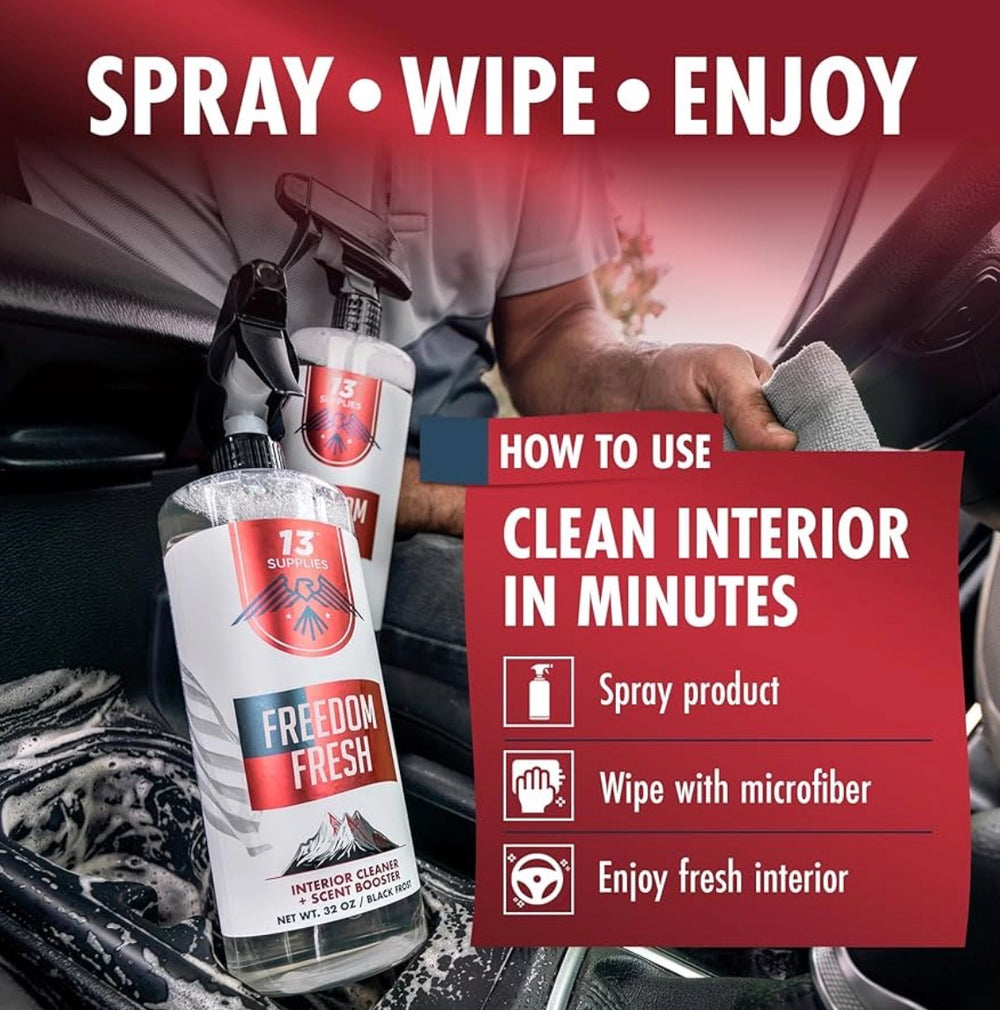
How to Clean a Car Interior Without Damage
The safest method is to start with the least aggressive option and increase cleaning strength only when needed.
Step 1: Read the vehicle manual
Look for instructions about leather, synthetic leather, touchscreens, seat belts, displays, and specialty trim. Some vehicles use delicate coatings that require specific products.
Step 2: Remove loose dirt
Vacuum seats, carpets, floor mats, cracks, and seams. Use a soft brush around vents and controls. Dry soil is easier to remove before it turns into mud.
Step 3: Test the product
Apply the cleaner to a hidden section. Wait for the area to dry. Check for color change, tackiness, streaks, swelling, or texture change.
Step 4: Apply the cleaner to the towel
This gives you better control and helps protect electronics. Use less product than you think you need.
Step 5: Work in small sections
Clean one panel or seat section at a time. Wipe away residue before moving on.
Step 6: Dry and inspect
Use a clean microfiber towel to remove moisture. Look for streaks, missed dirt, or a greasy feel.
Step 7: Ventilate the vehicle
Open the doors or windows when safe. Good airflow helps the interior dry and reduces strong product odors.
A clean surface should feel dry, look even, and have no slippery film. If the surface feels oily, wipe it again with a clean, lightly damp microfiber towel.
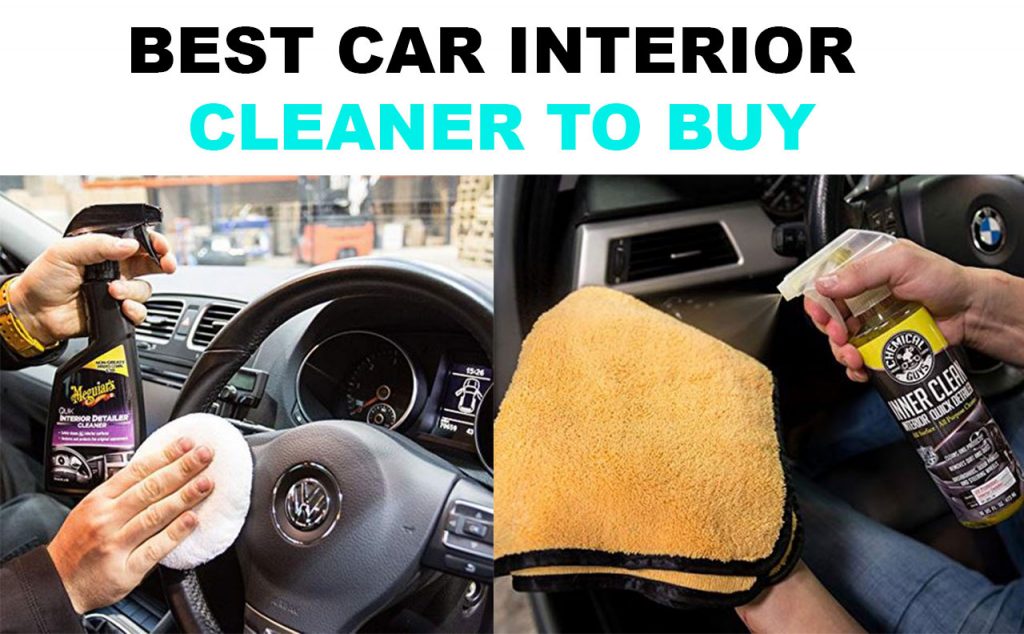
Products to Avoid on Most Car Interiors
Some common household products can damage or create problems inside a vehicle.
Avoid using these unless the vehicle or product maker specifically approves them:
- Bleach
- Strong kitchen degreasers
- Abrasive powders
- Rough scrub pads
- Undiluted vinegar
- Furniture polish
- Silicone-heavy dashboard products
- Excessive rubbing alcohol
- Household disinfectants not labeled for the surface
- Large amounts of water
Disinfecting is different from cleaning. A cleaner removes soil. A disinfectant is designed to kill or inactivate certain germs when used on an approved surface for the required contact time. The surface must often remain visibly wet for that time, which may not be suitable for every vehicle material.
The U.S. Environmental Protection Agency maintains the List N database for products that meet specific claims against certain viruses when used according to their labels. That list does not mean every product is safe for every car surface. Always check both the disinfectant label and the vehicle manufacturer’s care instructions.

How Much Should You Spend?
You do not need an expensive detailing kit for normal maintenance. A practical setup usually includes:
- One automotive interior cleaner
- One automotive glass cleaner
- Several clean microfiber towels
- A vacuum with a narrow tool
- A soft brush
- A separate leather or fabric cleaner if needed
The key cost factor is not the bottle price. It is whether the product matches the surface and whether it leaves residue that causes repeated cleaning.
A low-cost cleaner can be a good choice if it has clear instructions and works safely. A premium product may be useful for specialty leather, heavy stains, or professional detailing, but a higher price does not prove better results.
Common Mistakes When Cleaning a Car Interior
Using one product on everything
A plastic cleaner may not be suitable for leather, fabric, screens, or glass. Match the product to the material.
Spraying directly on the dashboard
Overspray can enter vents, switches, speakers, and electronic gaps. Spray the towel instead.
Making the dashboard too shiny
Glossy dressings can cause glare and attract dust. Choose a natural finish for most surfaces.
Cleaning with a dirty towel
A towel full of grit can drag soil across plastic and create fine marks. Use clean towels and change sides often.
Soaking fabric seats
Deep moisture can remain inside the cushion. Use controlled amounts and allow the area to dry fully.
Ignoring the steering wheel
The steering wheel collects skin oils but must remain easy to grip. Clean it with a mild product and do not apply a slick dressing.
Mixing cleaning chemicals
Do not mix products. Some combinations can create irritating vapors or unwanted chemical reactions.

What to Do If the Cleaner Leaves Streaks or a Greasy Film
If the surface looks streaky, the most likely causes are too much product, a dirty towel, or incomplete drying.
Try this:
- Use a fresh microfiber towel.
- Lightly dampen it with clean water.
- Wipe a small section.
- Dry the area with another clean towel.
- Repeat if needed.
If the film remains, stop adding products. Check the cleaner label and the vehicle manual. A surface that stays sticky, changes color, or develops a cloudy finish may need professional evaluation.
For old silicone-based dressing, removal may require several mild cleaning passes. Avoid jumping to harsh solvents, especially on textured plastic, leather coatings, and soft-touch trim.

Best Choice by Cleaning Need
Use this quick guide:
- Routine dashboard cleaning: water-based automotive interior cleaner
- Leather seat cleaning: automotive leather cleaner
- Cloth stain removal: fabric or upholstery cleaner
- Window film and fingerprints: automotive glass cleaner
- Touchscreen marks: dry or slightly damp microfiber cloth
- Heavy soil: surface-specific cleaner used in repeated light passes
- Odor from a deep spill: remove the source and clean the affected material, rather than masking it with fragrance
- Germ reduction: a labeled disinfectant approved for the material, used exactly as directed
If you want only one bottle, choose a dedicated automotive interior cleaner for plastic, vinyl, and rubber. It will cover the largest number of routine interior surfaces, but it will not replace specialty products.
Frequently Asked Questions
What is the best product to clean the inside of a car?
The best general product is a water-based automotive interior cleaner labeled for plastic, vinyl, and rubber. Choose a low-residue formula with a natural finish. Use separate products for leather, fabric, glass, and touchscreens.
Can I use dish soap to clean my car interior?
Dish soap can remove grease, but it is not the best routine choice for a vehicle interior. It may leave residue and can be difficult to rinse from fabric or textured surfaces. A dedicated automotive cleaner gives better surface guidance.
Is it safe to use disinfectant wipes inside a car?
Only use disinfectant wipes when the label allows use on that specific surface. Wipes may be unsuitable for leather, screens, soft-touch plastics, or coated trim. Do not assume that a product safe for a countertop is safe for a vehicle interior.
Should I use a protectant after cleaning?
A protectant is optional. If you use one, choose a product made for the exact surface and avoid the steering wheel, pedals, shifter, and glass. A natural, non-slippery finish is usually safer than a high-gloss coating.
How often should I clean my car interior?
Vacuum and wipe high-touch areas when they look dirty or feel oily. Many drivers can perform a light clean every few weeks and a deeper clean every few months. Clean spills as soon as possible because old stains are harder to remove.
Final Recommendation
For most vehicles in the United States, buy a dedicated, water-based automotive interior cleaner with a natural finish. Use it on compatible plastic, vinyl, and rubber surfaces, and apply it to a microfiber towel rather than directly to the vehicle.
For the best results, keep separate products for leather, fabric, and glass. Always test a hidden area, use minimal moisture, protect electronic parts, and follow the vehicle owner’s manual. The best car interior cleaner is not the strongest one; it is the one that removes the soil while preserving the material.