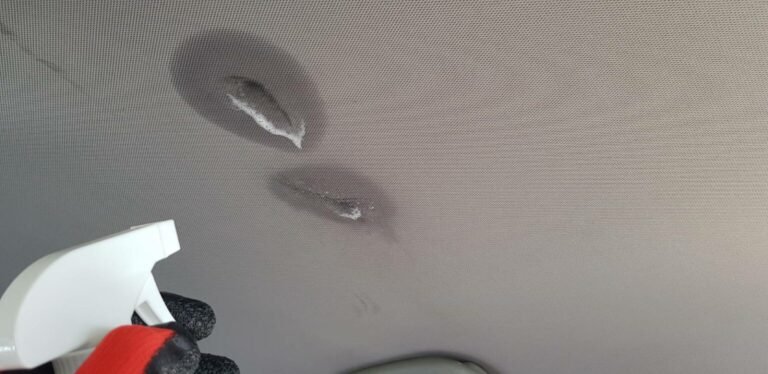
How To Clean Car Cleaning Slime: Easy Removal Guide
Introduction
To clean car cleaning slime, lift away the bulk first, then remove the thin residue with a damp microfiber cloth and a mild soap solution. Do not use heat, harsh solvents, or force. These can spread the slime or damage plastic, leather, vinyl, fabric, or clear trim.
This guide applies to cars, trucks, and SUVs commonly used in the United States. It covers store-bought car cleaning gel, detailing slime, and similar reusable cleaning putty. It also explains what to do when the slime has melted, hardened, or stained a surface.
What Is Car Cleaning Slime?
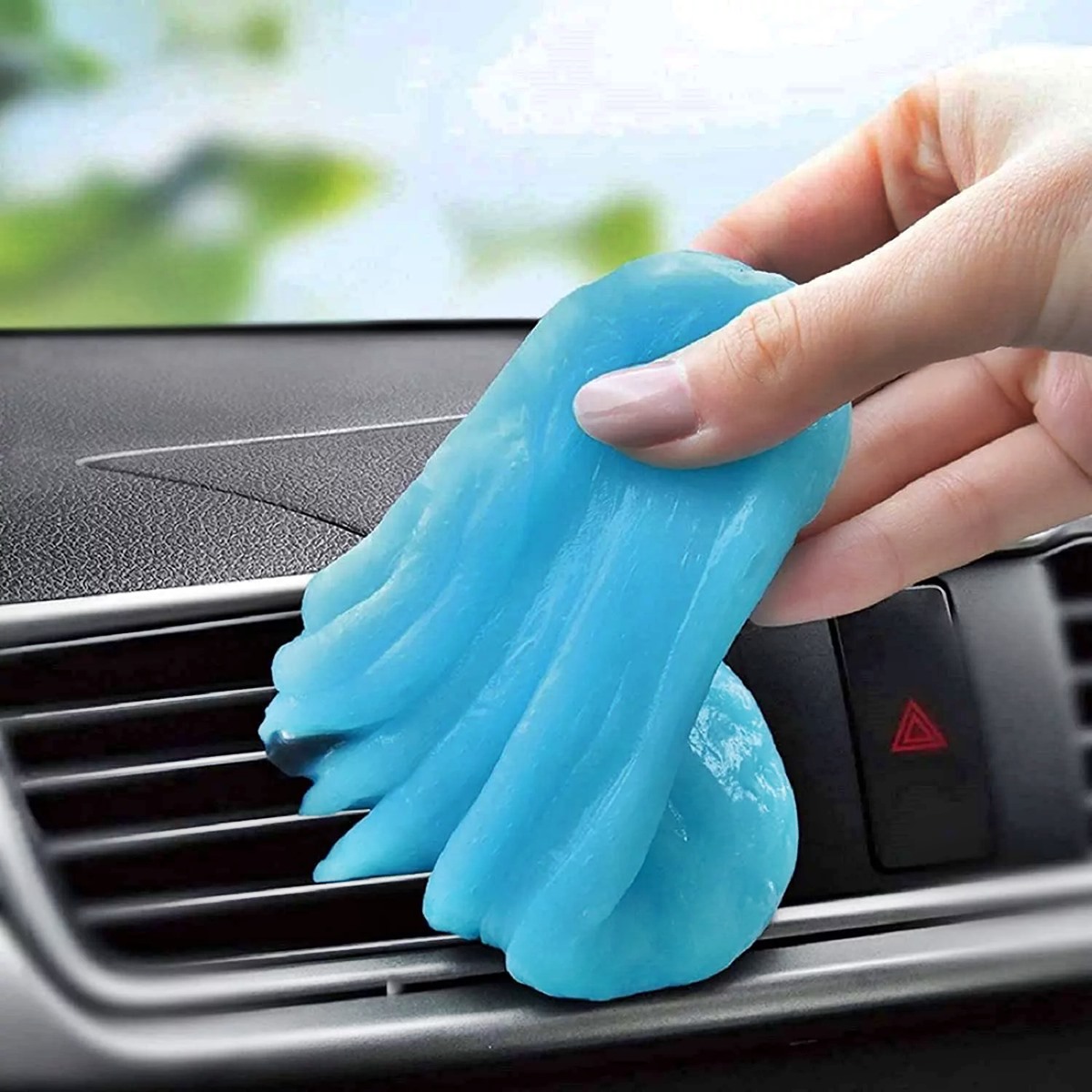
Car cleaning slime is a soft, sticky gel made to pick up dust, crumbs, hair, and light debris from small spaces. It is often used around air vents, cup holders, console seams, door pockets, and dashboard controls.
The gel works by lightly gripping loose dirt. It should not be pressed hard into cloth, carpet, speaker mesh, or deep seams. Pressure can push the gel into the material and make removal harder.
Car cleaning slime is different from household toy slime, craft slime, or a liquid spill. Some products contain dyes, oils, fragrances, or cleaning agents. Always check the package label before using a cleaner on the same surface.
Why slime leaves residue
Slime may leave a film when:
- The vehicle interior is hot.
- The gel is old or overused.
- The product stays on one area too long.
- The surface is oily or dirty.
- The slime is pressed into a textured finish.
- The product begins to break down.
Most residue is easier to remove while it is fresh. Work in a cool, shaded area when possible.

Supplies You Need
Gather these supplies before you start:
- Two or three clean microfiber towels
- Distilled water or clean tap water
- Mild dish soap or an interior cleaner labeled for the surface
- A small bowl
- A soft detailing brush
- Cotton swabs for narrow seams
- A plastic card or old gift card
- A vacuum with a soft brush attachment
- Nitrile gloves, if the product irritates your skin
Use a clean, white microfiber towel when possible. A white towel makes it easier to see whether dye or dirt is transferring from the slime.
Avoid using these products unless the vehicle maker specifically approves them:
- Acetone
- Nail polish remover
- Paint thinner
- Gasoline
- Kerosene
- Strong degreasers
- Ammonia-based glass cleaner
- Bleach
- Abrasive powders
- Metal scrapers
- High heat from a hair dryer or heat gun
Solvents may soften plastic, dull trim, strip protective coatings, or move dye deeper into fabric. A sharp tool can also cut vinyl or scratch hard plastic.

How to Clean Car Cleaning Slime Step by Step
Follow this sequence for fresh slime and most sticky residue. Test the cleaner first in a hidden area, such as under the seat or inside a door pocket.
1. Remove loose items and cool the surface
Park the vehicle in the shade. Turn off the engine and let hot surfaces cool. Remove floor mats and any loose objects near the affected area.
Heat can make slime softer and more fluid. A cool surface helps the gel hold together during removal.
2. Lift the bulk slime
use your fingers or a fresh piece of the same cleaning slime to dab the larger pieces. Lift straight up rather than rubbing side to side.
If the slime is on a hard, flat surface, use a plastic card at a low angle. Keep the card nearly flat. This reduces the chance of scratching the trim.
Do not scrape painted surfaces, touch screens, leather, or soft vinyl with a rigid edge unless the surface-care instructions allow it.
3. Pick up crumbs and small pieces
Use a vacuum with a soft brush attachment around seams and edges. Keep the nozzle slightly above delicate mesh or controls.
For tight gaps, use a dry cotton swab or soft detailing brush. Do not push debris farther into a vent, switch, speaker grille, or seat seam.
4. Mix a mild cleaning solution
Add a few drops of mild dish soap to a cup of warm water. The solution should be lightly soapy, not thick with foam.
For a vehicle-specific interior cleaner, follow the product label. Some cleaners are made for plastic and vinyl but are not suitable for leather, suede-like fabric, screens, or untreated cloth.
5. Remove the thin film
Dip a microfiber towel into the solution. Wring it out until it is damp, not wet. Gently wipe the residue with short strokes.
Turn the towel often. A dirty section can spread the sticky film across the surface.
For narrow grooves, wrap the damp towel around a plastic card or use a cotton swab. Work in small sections until the surface no longer feels tacky.
6. Rinse the surface lightly
Use a second cloth dampened with plain water. Wipe away soap left by the first cloth.
Do not pour water onto the dashboard, console, seat, or door panel. Liquid can enter switches, wiring, vents, and electronic controls.
7. Dry and inspect
Wipe the area with a dry microfiber towel. Let it air-dry with the doors open when safe.
Check the surface in good light. Run a clean fingertip over the area. If it feels smooth and does not attract lint, the residue is likely gone.
If the area still feels sticky, repeat the mild cleaning step. Do not jump straight to a stronger solvent.

How to Remove Slime From Different Car Surfaces
The safest method depends on the material. A cleaner that works on hard plastic may damage leather or fabric.
| Car surface | Best first method | Main caution |
|---|---|---|
| Hard plastic | Damp microfiber cloth with mild soap | Avoid abrasive scrubbing |
| Vinyl | Damp cloth and a surface-safe interior cleaner | Avoid strong solvents |
| Leather | Leather-safe cleaner on a cloth | Do not soak or use dish soap unless the product label allows it |
| Cloth seats | Blot with mild solution | Avoid rubbing slime deeper into the weave |
| Carpet | Lift, vacuum, then blot | Dry fully to prevent odor |
| Touch screen | Dry microfiber, then slightly damp cloth if approved | Never spray liquid on the screen |
| Rubber trim | Damp cloth and mild soap | Avoid oily products that leave a slick film |
| Speaker mesh | Dry soft brush or low-suction vacuum | Keep liquid away from the mesh |
| Painted exterior | Rinse and use car shampoo | Do not scrape or use household solvents |
Hard plastic, vinyl, and rubber
Remove the bulk with dabbing. Then wipe the surface with a damp microfiber towel and mild soap.
Textured plastic may hold residue in small grooves. Use a soft brush with light pressure. Finish with a clean damp towel and dry the area.
Do not apply tire shine or oily dressing to hide the residue. These products can leave the surface slippery and may create glare on a dashboard.
Leather seats and trim
First remove the bulk without pulling at the leather finish. Use a cleaner made for automotive leather and apply it to a cloth, not directly to the seat.
Blot and wipe gently. Avoid soaking perforated leather because liquid may enter the holes and foam below.
If the slime contains dye and the color remains after gentle cleaning, stop. Repeated scrubbing can damage the leather coating. A professional automotive upholstery cleaner may be the safer choice.
Cloth seats and carpet
Lift as much slime as possible before adding moisture. Use a plastic card or fresh slime to dab the surface.
Apply a small amount of mild cleaning solution to a cloth. Blot from the outside of the spot toward the center. Do not scrub in circles, since that can spread the stain and push it deeper.
Place a dry towel over the area and press gently. Allow it to dry fully. If a colored mark remains, the slime may have transferred dye. Further treatment depends on the fabric and the product ingredients.
Touch screens and controls
Use a clean, dry microfiber cloth first. If a film remains, slightly dampen one corner of the cloth with water or a screen-safe cleaner approved for the vehicle display.
Never spray cleaner onto the screen. Keep moisture away from buttons, seams, vents, USB ports, and gear selectors.
Use cotton swabs only around the outer edges. Do not force a swab into a control gap.

What to Do if the Slime Is Melted or Hardened
Melted slime needs a slow approach. First, remove any liquid or soft gel with a dry cloth. Replace the cloth as it becomes sticky. Rubbing can spread the material over a wider area.
For a hard lump on plastic, cool the area and lift the edge with a plastic card. If the slime is on fabric, do not press down. Pick away small pieces and vacuum loose crumbs.
If a greasy film remains, use the mild soap solution described above. For leather, suede-like trim, or dyed fabric, use only a cleaner made for that material.
Stop and seek professional help when:
- The stain covers a large section of a seat.
- The material has changed color.
- The surface feels swollen, cracked, or soft.
- Slime entered a screen, vent, switch, or speaker.
- A strong solvent was already used.
- The residue remains after two gentle cleaning attempts.
A professional detailer can identify the material and choose a method that limits further damage. This is especially useful for modern interiors with coated plastics, synthetic leather, and integrated electronics.
Common Mistakes to Avoid
The most common mistake is rubbing slime before lifting it. Friction spreads the gel and forces it into texture, seams, and fabric.
Avoid these errors:
-
Using too much water
Excess liquid can stain fabric, reach electronics, or leave water marks. -
Applying heat
Heat may soften the slime and make it spread. -
Using alcohol or acetone without a test
These products can affect coatings, dyes, and plastic finishes. -
Scraping with a knife or metal tool
Metal can scratch trim and cut upholstery. -
Spraying cleaner directly onto the surface
Spray can run into switches, vents, and display edges. -
Mixing cleaning products
Mixed chemicals may create irritating vapors or damage the surface. -
Cleaning in direct sun
The surface may dry too quickly and leave streaks. -
Using a dirty towel
A towel with grit can scratch glossy trim and screens.
A simple rule works well: remove the material dry first, use the least aggressive cleaner that can work, and increase effort only when the surface remains stable.

How to Prevent Car Cleaning Slime Residue
Use car cleaning slime only as directed on its package. Press it lightly onto a small area, lift it, and move to a clean section of the gel.
Do not leave the product on a hot dashboard or in direct sunlight. Store it in its sealed container at a moderate indoor temperature. Discard it when it becomes oily, overly soft, discolored, or unable to release cleanly from the surface.
Before using a new brand, test it on a hidden hard-plastic area. Wait several minutes and check for color transfer, shine changes, or tackiness.
For regular car cleaning, a soft detailing brush and a microfiber towel may be safer than slime for screens, speaker grilles, leather, and delicate trim. Slime is most useful for loose debris in small, durable gaps.

Key Takeaways
- Lift car cleaning slime instead of rubbing it.
- Work on a cool surface in the shade.
- Use a damp microfiber towel and mild soap for leftover film.
- Match the cleaner to the material.
- Keep liquid away from electronics and screens.
- Avoid acetone, harsh solvents, metal tools, and high heat.
- Stop if dye, damage, or a large stain remains.
FAQs About Cleaning Car Cleaning Slime
Can I use rubbing alcohol to remove car cleaning slime?
Use rubbing alcohol only if the vehicle or cleaner manufacturer approves it for that surface. It may affect plastic coatings, vinyl, leather finishes, paint, or dyed fabric. Start with mild soap and water instead, and test any stronger product in a hidden spot.
How do I remove slime from a car seat?
Lift the bulk while it is dry. Then blot the area with a cloth lightly dampened with a cleaner made for the seat material. Do not soak the seat or scrub hard. Leather, synthetic leather, and cloth require different cleaners.
Can I use vinegar to clean slime from my car?
Vinegar is not the best first choice. Its acidity may affect some finishes, and it does not remove every type of slime residue. A mild soap solution or a surface-specific interior cleaner is a more controlled option.
How do I clean slime from a car dashboard?
Cool the dashboard, lift the slime, and wipe the film with a nearly dry microfiber cloth. Use only a small amount of mild cleaner. Never pour or spray liquid near vents, gauges, switches, or the instrument cluster.
What if the slime leaves a colored stain?
Stop rubbing and check the product label for dye or pigment information. Blot with a material-safe cleaner after testing it in a hidden area. If the color remains, contact an automotive detailer or upholstery specialist rather than using a harsh solvent.
Conclusion
The safest way to clean car cleaning slime is to remove it in stages: lift the bulk, pick up small pieces, wipe the residue with a mild solution, and dry the surface. Use light pressure and very little water.
When the slime has melted, transferred color, or entered a delicate surface, more force is not the answer. Stop, check the material, and use a cleaner made for that surface—or get professional detailing help.