Does Clay Bar Remove Iron: What Really Works
Iron can stick to your car’s paint like tiny sparks trapped in glue. These particles often come from brake dust, rail dust, industrial fallout, and road debris. They may feel rough, look like small orange or brown dots, or appear as dark specks on white and silver paint.
So, does a clay bar remove iron? Yes, a clay bar can remove some iron particles that sit on or slightly above the paint. However, it does not chemically dissolve iron fallout, and it may not remove deeply bonded or embedded particles as well as a dedicated iron remover. For the safest and most complete result, use an iron remover first, rinse well, then clay only where the paint still feels rough.
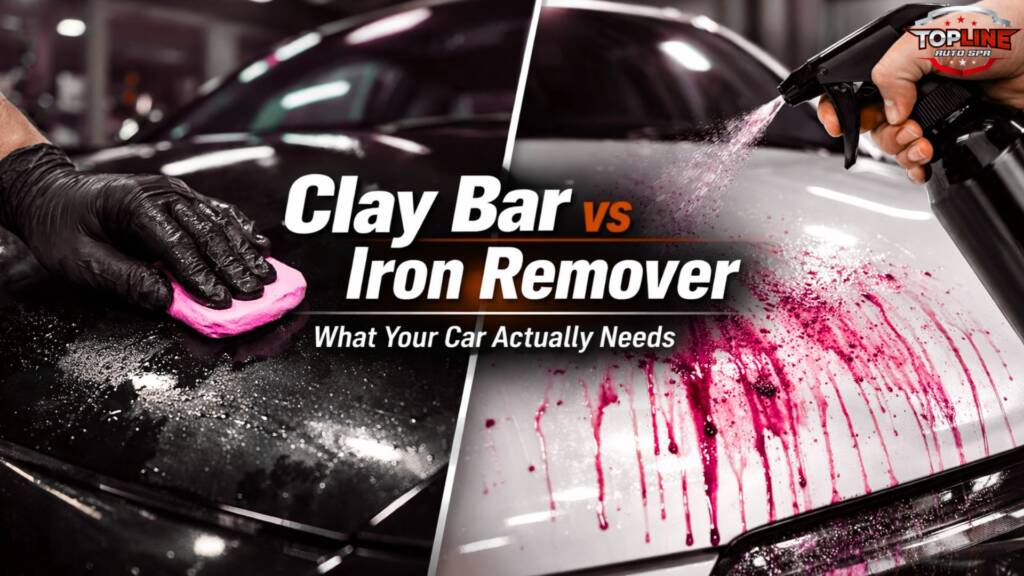
Quick answer: Can a clay bar remove iron from car paint?
A clay bar can lift loose or bonded iron particles from the paint surface. It works by grabbing contaminants as the clay glides over lubricated paint. It does not melt or neutralize iron, so a fallout remover is usually better for heavy brake dust and rail dust.
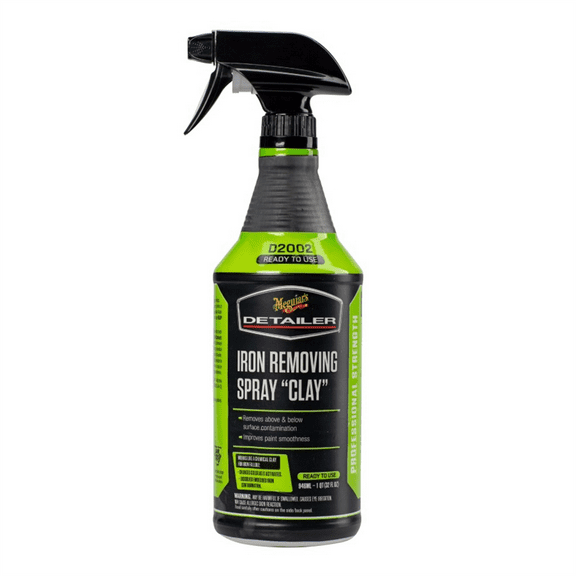
The best process is:
- Wash the vehicle.
- Apply an iron remover.
- Rinse the vehicle well.
- Clay the remaining rough areas.
- Wash or wipe the surface again.
- Protect the paint with wax, sealant, or a compatible ceramic coating.
A clay bar suits DIY detailers who want a smooth surface before wax or paint protection. An iron remover suits drivers with heavy brake dust, white paint, newer vehicles, trucks, SUVs, and cars parked near rail lines or factories.
| Question | Short answer | Best choice |
|---|---|---|
| Does clay remove iron? | It can lift surface-bound particles | Clay bar for light fallout |
| Does clay dissolve iron? | No | Iron remover |
| Is clay safe on paint? | Usually, when used with enough lubricant | Fine-grade clay for beginners |
| Can clay remove rust? | It may remove surface fallout, not true rust damage | Paint repair for rust damage |
The main difference between clay and iron remover is how they work. Clay uses physical contact. Iron remover uses a chemical reaction that helps loosen iron particles before you touch the paint.
What iron contamination does to a vehicle’s finish
Iron contamination is made of tiny metal particles that land on the vehicle and bond to the clear coat. Clear coat is the transparent top layer that protects the colored paint below it. The particles may look small, but they can make the finish rough and dull.
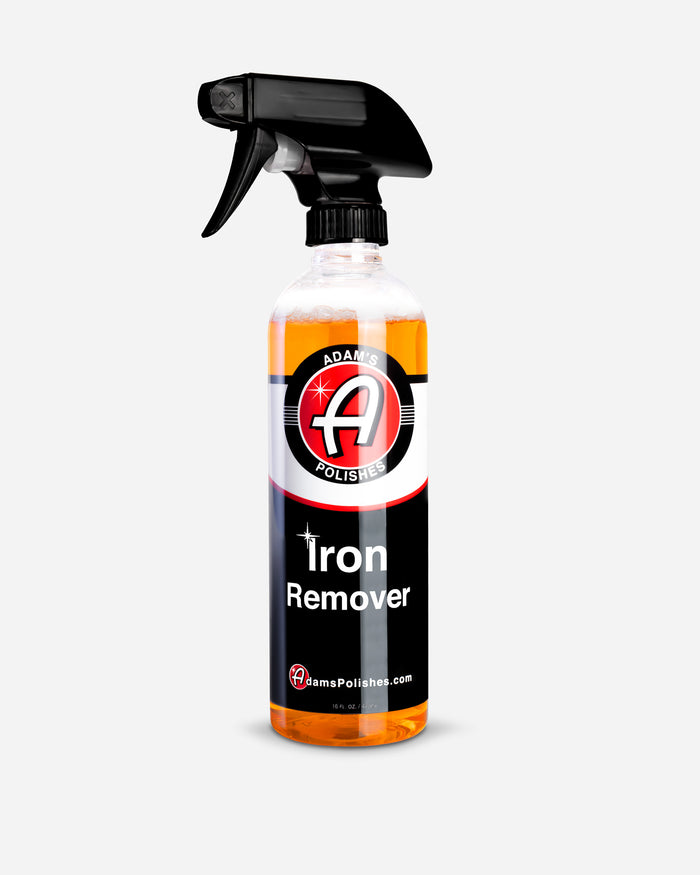
A car can collect iron fallout even when it looks clean. Brake pads and rotors shed fine metal dust. Passing trains release rail dust. Construction sites and industrial areas add more airborne metal to the air.
Common signs of iron fallout
The most common sign is a gritty feel after washing. Run your clean hand over a thin plastic bag across the paint. If the surface feels like sandpaper, the car likely has bonded contamination.
You may also see:
- Orange, brown, or purple specks
- Dark dots on white paint
- Rough areas behind the wheels
- roughness on the lower doors and rear bumper
- A dull finish after washing
- Small spots that remain after normal shampoo
The purple color sometimes appears when an iron remover reacts with metal. This is called a color-changing reaction. It shows that the product is working on iron particles, but the color alone does not prove that every contaminant is gone.
Where iron builds up first
The area behind the wheels often has the most brake dust. The lower doors and rear quarter panels also collect road film. The tailgate of an SUV or truck can gather dust from traffic ahead.
| Vehicle area | Likely contamination | Why it matters |
|---|---|---|
| Front wheels and fenders | Brake dust | Strong source of iron particles |
| Lower doors | Road grime and rail dust | Sits close to the road |
| Rear bumper or tailgate | Traffic dust | Airflow carries debris backward |
| Roof and hood | Industrial fallout | Exposed to airborne particles |
| Wheels | Metal dust and road film | Needs a wheel-safe cleaner |
Takeaway: a clean-looking car can still have bonded metal. Also, contamination is not limited to the wheels.
Clay bar vs. iron remover: the main difference
Clay removes contamination through friction and contact. Iron remover loosens iron through chemistry. Neither product replaces the other in every job.
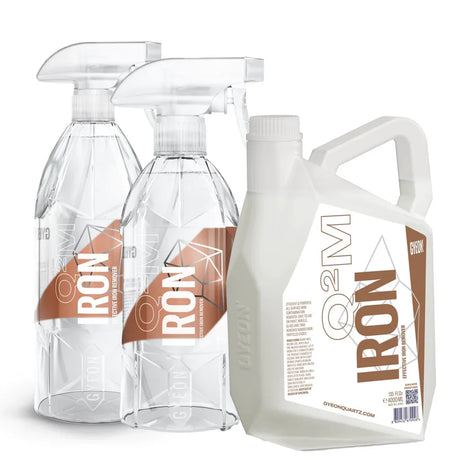
A clay bar is a detailing material made from a tacky synthetic or rubber-like compound. You knead it, flatten it, and move it across lubricated paint. Contaminants stick to the clay and leave the surface smooth.
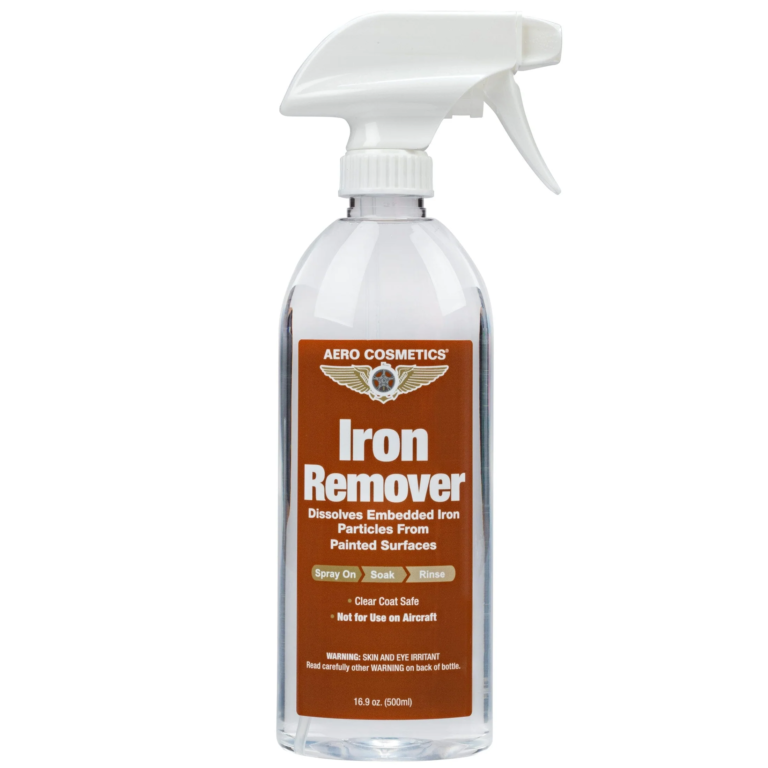
An iron remover is a liquid designed to react with iron particles. Many formulas change color as they work. You spray it on a cool, wet or dry surface according to the label, wait for the stated dwell time, and rinse it away.
Why iron remover usually comes first
Iron particles can be sharp. Dragging them across the paint with clay may create light marring, especially if the clay becomes dirty. An iron remover helps loosen the particles before clay contacts the surface.
This matters most on black paint, soft clear coat, fresh paint, and vehicles that have heavy brake dust. A white SUV with years of fallout may need both products.
Why clay still has a place
Iron remover does not remove every type of contamination. It may not remove tree sap, overspray, tar, paint dust, or other rough deposits. Clay can lift these contaminants after the chemical step.
Clay also gives you a clear way to find rough spots. Your fingers can tell you if the paint still needs work.
| Feature | Clay bar | Iron remover |
|---|---|---|
| Main action | Physically lifts debris | Chemically loosens iron |
| Best use | Mixed surface contamination | Iron and brake fallout |
| Main risk | Marring from dirty clay or low lubricant | Staining or damage from misuse |
| Ideal user | DIY detailer with patience | Most drivers with visible fallout |
| Needs contact? | Yes | Usually no contact before rinsing |
| Removes tar? | Sometimes | No, use a tar remover |
The main difference between clay and iron remover is simple: clay touches the contamination, while iron remover helps break the bond first.
How well does a clay bar remove iron?
A clay bar can remove light to moderate iron contamination from the outer surface. Its success depends on the clay grade, lubricant, paint condition, pressure, and amount of contamination.
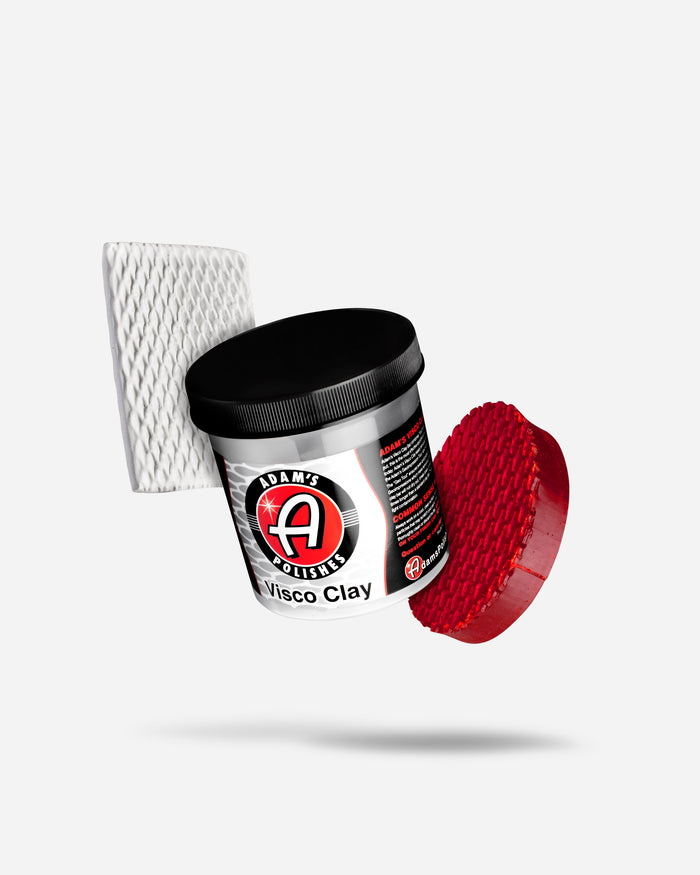
Fine clay is a better starting point for beginners and well-kept vehicles. Medium or aggressive clay may work faster on neglected paint, but it can leave visible haze or fine scratches. A professional can polish that haze, but polishing adds time and removes a small amount of clear coat.
Clay works best when:
- The car has been washed first
- The surface is cool
- The clay is fresh and clean
- You use plenty of clay lubricant
- You work in small areas
- You use light pressure
- You fold the clay often
- You stop when the surface feels smooth
What clay cannot remove
Clay is not a rust repair tool. It cannot fix rust bubbles, chipped paint, deep corrosion, or iron particles that have caused permanent damage. It also cannot restore clear coat that has already failed.
Clay may remove orange specks that sit on top of the paint. It will not repair orange rust under a paint chip. If the paint is swollen, cracked, or missing, seek a body repair estimate.
| Surface condition | Will clay help? | Better response |
|---|---|---|
| Light roughness after washing | Usually | Fine clay and lubricant |
| Small orange fallout dots | Often | Iron remover, then clay |
| Thick brake dust on paint | Sometimes | Iron remover first |
| Rust bubble under paint | No | Body repair |
| Tree sap or overspray | Often | Clay after the right cleaner |
| Scratches | No | Polish or professional repair |
Clay is a surface cleaning step. It is not a polish, wax, rust converter, or paint repair product.
The safest iron and clay decontamination process
The best way to remove iron from car paint is to reduce the metal contamination before using clay. This lowers the amount of abrasive debris dragged across the finish.

You do not need a pressure washer for this job. A hose, two buckets, car shampoo, microfiber towels, a fallout remover, clay lubricant, and a fine clay bar can work well. A pressure washer can help with heavy dirt, but use a safe distance and the pressure recommended for your equipment.
What you need
The following table covers a practical setup for a beginner or experienced DIY detailer.
| Item | Purpose | Notes |
|---|---|---|
| Car shampoo | Removes loose dirt | Use one made for vehicle paint |
| Wash mitt | Cleans the surface | Keep it separate from wheels |
| Iron remover | Loosens iron particles | Check paint and wheel compatibility |
| Clay bar or clay mitt | Removes remaining roughness | Fine grade suits most beginners |
| Clay lubricant | Reduces friction | Never clay dry paint |
| Microfiber towels | Dry and wipe the surface | Use clean, soft towels |
| Gloves and eye protection | Protects skin and eyes | Important with chemical cleaners |

A pressure washer, foam sprayer, and drying blower can make the job faster. They are not required. A budget detailer can get good results with careful hand washing.
Step 1: Wash the vehicle
Wash the car from top to bottom. Clean the wheels with separate tools. Brake dust can transfer to a wash mitt and create scratches on the paint.
Rinse all shampoo away. Do not apply iron remover over thick mud or road salt. Loose dirt can block the product and increase the risk of dragging grit.
Step 2: Move the vehicle into shade
The paint should be cool. Avoid working under strong sun, especially in a hot climate. Chemical products can dry too fast and leave marks.
Check the product label. Some iron removers work on a wet surface, while others work better on dry paint. Follow the directions rather than guessing.
Step 3: Apply iron remover
Spray the product on one panel at a time. Give it the full dwell time listed on the label. Do not let it dry on the vehicle.
You may see purple, red, or dark streaks. That shows the product is reacting with iron. It does not mean you should scrub hard.
Step 4: Rinse well
Rinse from the top down. Pay close attention to panel gaps, emblems, trim, and wheel openings. Chemical residue can remain in tight areas.
If the vehicle still feels rough, repeat the iron treatment only if the label allows it. More product is not always better.
Step 5: Clay the remaining rough areas
Spray clay lubricant on a small section. Flatten a piece of clay and glide it back and forth with light pressure. You should hear or feel the contamination at first.
When the clay slides smoothly, wipe the area with a clean microfiber towel. Fold the clay to expose a clean face. If you drop the clay on the ground, throw it away.
Step 6: Inspect the paint
Use clean hands or a plastic bag to check the finish. If it feels smooth, stop. Extra passes can add risk without adding value.
Look for haze, streaks, or fine marks. Fine clay may leave slight marring on some paints. A light polish can improve it, but polishing should be a separate step.
Step 7: Protect the surface
Apply a car wax, paint sealant, or compatible ceramic coating. Decontamination removes old protection from some surfaces. Protection helps reduce future bonding.
A ceramic coating is a durable liquid coating that chemically bonds to prepared paint. It can make washing easier, but it does not make the vehicle immune to brake dust or iron fallout.
💡 Pro Tip: If the paint feels smooth after the iron remover, do not clay the whole car just because the clay is ready. Clay only the areas that still need it. Less contact means less chance of marring.
Clay bar grades and tools for different drivers
The right clay tool depends on the vehicle, finish, budget, and comfort level. A new driver may need a simple fine-grade kit. An experienced detailer may prefer a clay towel or synthetic mitt for speed.

Traditional clay bars offer precise control. You can tear off a small piece and fold it often. Clay mitts and towels cover more area, but they may be less forgiving if dropped or used with too much pressure.
Best choice for a beginner
A fine clay bar with a dedicated lubricant is a safe starting point. It works well for a sedan, compact SUV, hybrid, or family vehicle with light to moderate contamination.
A beginner should avoid aggressive clay unless the paint needs correction afterward. Read the instructions and practice on a small area first.
Best choice for a truck or large SUV
A synthetic clay mitt or towel can save time on a large truck, SUV, or van. You still need good lubrication and a clean work surface. Large panels can dry faster, so work in smaller zones.
For trucks used near construction sites, farms, or rail yards, an iron remover may save more time than using aggressive clay alone.
Best choice for an EV or hybrid
EVs and hybrids need the same paint care as gasoline vehicles. Their electric powertrain does not change the clay process. However, many EVs have large painted panels, glass roofs, matte trim, or special finishes.
Avoid applying products to matte paint unless the manufacturer approves them. Clay and gloss products can change the look of matte surfaces.
| Driver or vehicle | Good starting option | Main drawback |
|---|---|---|
| New driver or gift buyer | Fine clay kit | Takes time and needs careful folding |
| Daily sedan | Iron remover plus fine clay | May be more work than needed each wash |
| Large SUV or truck | Clay mitt or towel | More risk if dropped or dirty |
| Black car | Iron remover plus fine clay | Marring is easier to see |
| EV or hybrid | Finish-safe iron remover | Special trim may need separate care |
| Neglected fleet vehicle | Professional decontamination | Higher cost but less DIY risk |
👪 Parent or Gift-Buyer Note: A clay kit can be a useful gift for a teen who enjoys car care. Pair it with microfiber towels and safe lubricant. Skip aggressive clay, strong solvents, and unmarked chemicals for a new driver.
Will clay damage paint or clear coat?
Clay can damage paint if you use too little lubricant, too much pressure, dirty clay, or an overly aggressive grade. Used correctly, it is designed to remove bonded surface debris without cutting paint like sandpaper.

The risk is called marring. Marring is a group of fine marks or haze that scatter light and make paint look dull. Black, dark blue, and soft clear coats show it more than white or silver paint.
Common causes of clay marring
- Working on dry paint
- Using a dirty clay bar
- Pressing hard
- Claying in direct heat
- Using a medium or aggressive grade on clean paint
- Reusing clay after it falls
- Working over loose grit
- Using a household cleaner as lubricant
If you see light haze, a finishing polish may help. Do not compound the paint unless you understand how much clear coat the process can remove. If the car has thin paint or a valuable finish, use a professional detailer.
How long does a clay bar last?
A clay bar can last for one vehicle or several vehicles. Its life depends on how dirty the car is and how often you fold it. Replace it when the clay becomes dark, gritty, or hard to clean.
Do not store clay wet in an unmarked container. Follow the product instructions. Keep it away from dust, pet hair, and direct heat.
| Problem | Likely cause | Safer fix |
|---|---|---|
| Clay drags | Not enough lubricant | Add more lubricant |
| Paint looks hazy | Clay too aggressive or too dirty | Stop and inspect; polish if needed |
| Clay tears | Product is old or overheated | Replace the clay |
| Specks remain | Iron is still bonded | Use iron remover again |
| Sticky residue remains | Product or lubricant residue | Wash or wipe as directed |
| Scratches appear | Grit was dragged | Stop; assess before continuing |
⚠️ Safety Warning: Chemical fallout removers can irritate skin and eyes. Wear gloves and eye protection, use them outdoors, and follow the label. Keep products away from children, pets, hot surfaces, and drains.
Can clay remove iron from wheels?
Clay can remove some iron particles from painted or clear-coated wheels, but it is not the first choice for wheels covered in brake dust. A wheel-safe iron remover is usually faster and safer when used as directed.

Wheel finishes vary. Wheels may have clear coat, polished metal, painted surfaces, powder coat, or a special factory finish. Confirm compatibility before applying a chemical cleaner.
Do not use paint clay on a rough, uncoated metal wheel without checking the product instructions. Clay can become dirty quickly on wheels. Use separate clay for wheels and body paint.
A safer wheel cleaning order
- Let the wheel cool.
- Rinse away loose dirt.
- Apply a wheel-safe cleaner or iron remover.
- Use a soft wheel brush if the label allows it.
- Rinse thoroughly.
- Dry with a separate towel.
- Apply wheel protection if suitable.
The same rule applies to trucks, SUVs, and performance cars. Large wheels may hold more brake dust, but aggressive scrubbing is not always needed.
Clay bar alternatives for iron contamination
Clay is not the only way to remove iron. A fallout remover is the main alternative. A synthetic clay towel, clay mitt, or professional decontamination service may also suit certain drivers.
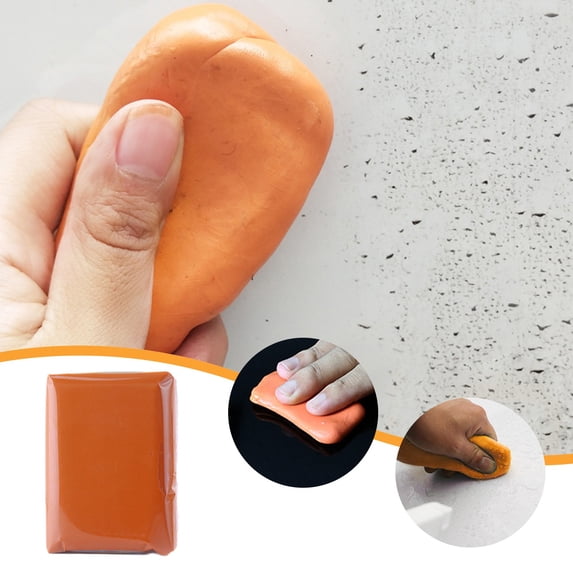
Iron fallout remover
This is the best first choice for visible brake dust and rail dust on paint. It reaches particles without the same rubbing action as clay. It still needs careful use, rinsing, and surface compatibility checks.
Synthetic clay towel or mitt
These tools cover a large area quickly. They can be easier to hold than a small bar. They also need lubricant and careful cleaning. If the tool falls, follow the maker’s instructions. Some can be rinsed, while others should be discarded.
Professional detailing
A professional detailer can inspect the paint, use a paint-safe chemical process, and polish any light marring. This makes sense for high-value vehicles, delicate finishes, fleet trucks, and owners who do not want to risk paint damage.
| Alternative | Best for | Limitation |
|---|---|---|
| Iron remover | Heavy metal fallout | Does not remove every contaminant |
| Clay mitt | Large SUVs and trucks | Can mar paint if dirty |
| Clay towel | Fast panel work | Needs strong lubrication |
| Professional detail | Valuable or delicate vehicles | Costs more than DIY |
| Paint polish | Light clay haze | Removes a small amount of paint |
| Tar remover | Asphalt and road tar | Does not replace iron remover |
A clay bar is worth the money when the paint feels rough and you plan to wax, seal, or coat it. If the surface is already smooth, buying clay may add little value.
How often should you remove iron from paint?
Most daily drivers need iron decontamination once or twice a year. Cars near rail lines, factories, ports, busy highways, or construction zones may need it more often.

There is no fixed schedule for every vehicle. Let the surface guide you. A smooth paint surface needs no routine clay treatment.
Climate and driving conditions
Winter road salt does not equal iron, but winter grime can trap metal particles. Rinse the vehicle more often in snowy areas. In dry regions, dust can settle on the paint and mix with brake residue.
Humid coastal air can increase corrosion risk on exposed chips and metal parts. It does not mean you should clay more often. Wash and protect the paint, then inspect chips for rust.
| Condition | Suggested approach |
|---|---|
| Garage-kept weekend car | Inspect twice a year |
| Daily city commuter | Inspect every few months |
| Near rail tracks | Use fallout remover when roughness appears |
| Snow and salt region | Wash often; decontaminate after winter |
| Construction area | Inspect lower panels more often |
| Fleet or work truck | Create a regular inspection plan |
Do not clay on a fixed schedule if the paint does not need it. Frequent contact can create unnecessary wear.
Common mistakes when using clay on iron fallout
Most clay problems come from rushing. The product is simple, but the surface must be clean, cool, and well lubricated.

Mistake 1: Using clay before washing
Clay is not a wash mitt. It should not carry loose mud and grit over the clear coat. Wash and rinse first.
Mistake 2: Skipping the iron remover
Clay can work without an iron remover, but heavy iron fallout increases the chance of marring. Chemical decontamination first is often the safer path.
Mistake 3: Using dish soap as clay lubricant
Dish soap may remove protection and may not provide the right level of glide. Use a clay lubricant or a product the clay maker approves.
Mistake 4: Using too much force
Let the clay do the work. Firm pressure is not a shortcut. It can grind contamination into the surface.
Mistake 5: Keeping dropped clay
A dropped clay bar can pick up sand and grit that you cannot see. That grit can scratch the paint. Discard it unless the manufacturer gives clear cleaning instructions.
Mistake 6: Claying hot paint
Heat makes products dry fast. It can also make clay sticky. Work in shade and use small sections.
Mistake 7: Ignoring paint type
Gloss paint, matte paint, vinyl wraps, paint protection film, chrome, and textured trim need different care. Confirm compatibility before use.
Is clay bar treatment worth it?
Clay treatment is worth it when the paint feels rough after washing, especially before applying car wax, a sealant, or ceramic coating. It is less useful when the finish already feels smooth or when the vehicle needs paint repair instead.

For a budget-conscious driver, an iron remover plus a fine clay bar can offer a practical middle ground. You do not need a pressure washer, machine polisher, or expensive coating to improve surface cleanliness.
For an experienced DIYer, decontamination is a useful step before paint correction. It helps the polishing pad contact paint more evenly. Still, do not assume every vehicle needs full correction after clay.
For a gift buyer, a simple clay kit may be suitable for an adult who already washes cars carefully. It may not suit a young teen who has never learned safe wash methods.
Cost and time expectations
Current pricing ranges from low-cost single clay bars to higher-priced kits with lubricant and towels. Check the latest listing for updated contents and compatibility. Professional detailing costs more but may reduce the risk of paint damage.
A small sedan may take one to two hours for a careful wash, iron treatment, clay process, and protection. A large SUV or truck may take longer. Drying, shade, paint condition, and experience change the total time.
| Budget level | What it may include | Best suited to |
|---|---|---|
| Low | Small clay bar and basic lubricant | Beginner with a clean daily car |
| Mid | Fine clay kit, towels, and iron remover | Most DIY owners |
| Higher | Large kit or synthetic clay tools | Large SUVs, trucks, and frequent detailers |
| Professional | Decontamination and paint inspection | Valuable, delicate, or neglected vehicles |
Clay bar and iron remover FAQs
Q: Does clay remove brake dust from paint?
A: Clay can remove brake dust that has bonded to the paint. A dedicated iron remover is usually better for loosening heavy brake dust before clay. Use a separate wheel cleaner for wheels.
Q: Does a clay bar remove rust spots?
A: Clay may remove small iron fallout spots sitting on top of the paint. It will not repair rust under chipped or bubbling paint. True rust damage needs body repair.
Q: Should I use iron remover before or after clay?
A: Use iron remover before clay. This reduces the amount of metal that clay must physically drag across the surface. Rinse well before applying lubricant and clay.
Q: Can I clay a car without iron remover?
A: Yes, you can clay a washed and lubricated car without iron remover. Use light pressure and fine clay. For heavy fallout, the iron remover step is safer and more efficient.
Q: Can clay remove iron from glass?
A: Clay can remove some bonded particles from automotive glass when used with proper lubricant. Check the product directions. Do not use household glass cleaner as a substitute unless the clay maker approves it.
Q: Can I use a clay bar on ceramic coating?
A: Sometimes, but check the coating maker’s care guide first. Clay can reduce or change the coating’s surface behavior. An approved iron remover may be the better first step.
Q: Can I use clay on a vinyl wrap?
A: Do not assume it is safe. Some clay products may work on certain wraps, but heat, pressure, and chemicals can affect the finish. Follow the wrap maker’s care instructions.
Q: Can I clay matte paint?
A: Only if the paint maker or product maker approves it. Matte finishes cannot be polished in the same way as gloss paint. A wrong product can create uneven shine.
Q: How do I know when to stop claying?
A: Stop when the panel feels smooth under a clean hand or plastic bag. Extra passes do not always improve the finish. Inspect the panel and move on.
Q: Can I reuse clay on another car?
A: You can reuse clay only while it remains clean and in good condition. Keep separate clay for wheels and paint. Throw it away if it falls on the ground or becomes gritty.
Q: Will clay remove scratches?
A: No. Clay removes surface contaminants. Scratches need polishing, paint repair, or professional correction, depending on their depth.
Q: Is an iron remover safe for every wheel?
A: No. Wheel finishes differ. Check the label for painted, clear-coated, polished, anodized, or powder-coated wheels. Test an unseen area when the directions allow it.
Q: Can I use a clay bar on an older car?
A: Yes, if the paint is stable and properly lubricated. Be careful with thin, failing, oxidized, or peeling paint. Clay cannot fix clear-coat failure.
Q: Does clay protect paint?
A: No. Clay cleans the surface but does not provide lasting protection. Apply wax, sealant, or another compatible protectant afterward.
Final thoughts: use chemistry first, then gentle contact
A clay bar can remove some iron from car paint, but it is not the strongest tool for iron fallout. It lifts particles through physical contact. An iron remover loosens metal through chemistry, which makes it the better first step for brake dust, rail dust, and heavy contamination.
For most drivers, the safest plan is simple: wash the car, use a compatible iron remover, rinse well, clay only the rough areas, and protect the finish. Fine clay suits beginners and clean daily drivers. A synthetic clay mitt may suit owners of large SUVs and trucks. Professional service makes more sense for delicate finishes, valuable cars, matte paint, wraps, or severe contamination.
Keep the work gentle. Use plenty of lubricant. Never use dropped clay. If the paint has rust bubbles, peeling clear coat, or deep damage, skip the clay and get a professional opinion.
Affiliate disclosure: This article may contain affiliate links. If you buy through a link, we may earn a commission at no extra cost to you. Product details, compatibility, and current pricing can change, so check the manufacturer’s instructions and the latest product listing before buying.