What Is The Best Car Cleaning Gel: Buying Guide
The best car cleaning gel for most drivers in the United States is a non-oily, low-residue gel made for automotive interiors. It should lift dust, crumbs, hair, and light debris from hard surfaces without leaving the steering wheel, gear selector, or trim slippery.
A cleaning gel works well for quick touch-ups. It does not replace an interior cleaner, leather cleaner, glass cleaner, or vacuum. The right choice depends on the surface, climate, and type of dirt in your vehicle.
For most U.S. cars, choose a gel that is:
- Labeled for automotive interior use
- Non-greasy and non-staining
- Easy to tear or fold without leaving strings
- Mildly scented or fragrance-free
- Safe for plastic, vinyl, and sealed trim
- Packed in a sealed container
- Supported by clear use and disposal instructions
Quick Answer: Which Car Cleaning Gel Is Best?
For light dust and debris, the best car cleaning gel is a soft detailing gel with a clean-lift formula and no oily film. A good gel should pick up dirt when pressed lightly onto a surface. It should not require hard rubbing.
A car cleaning gel is most useful for:
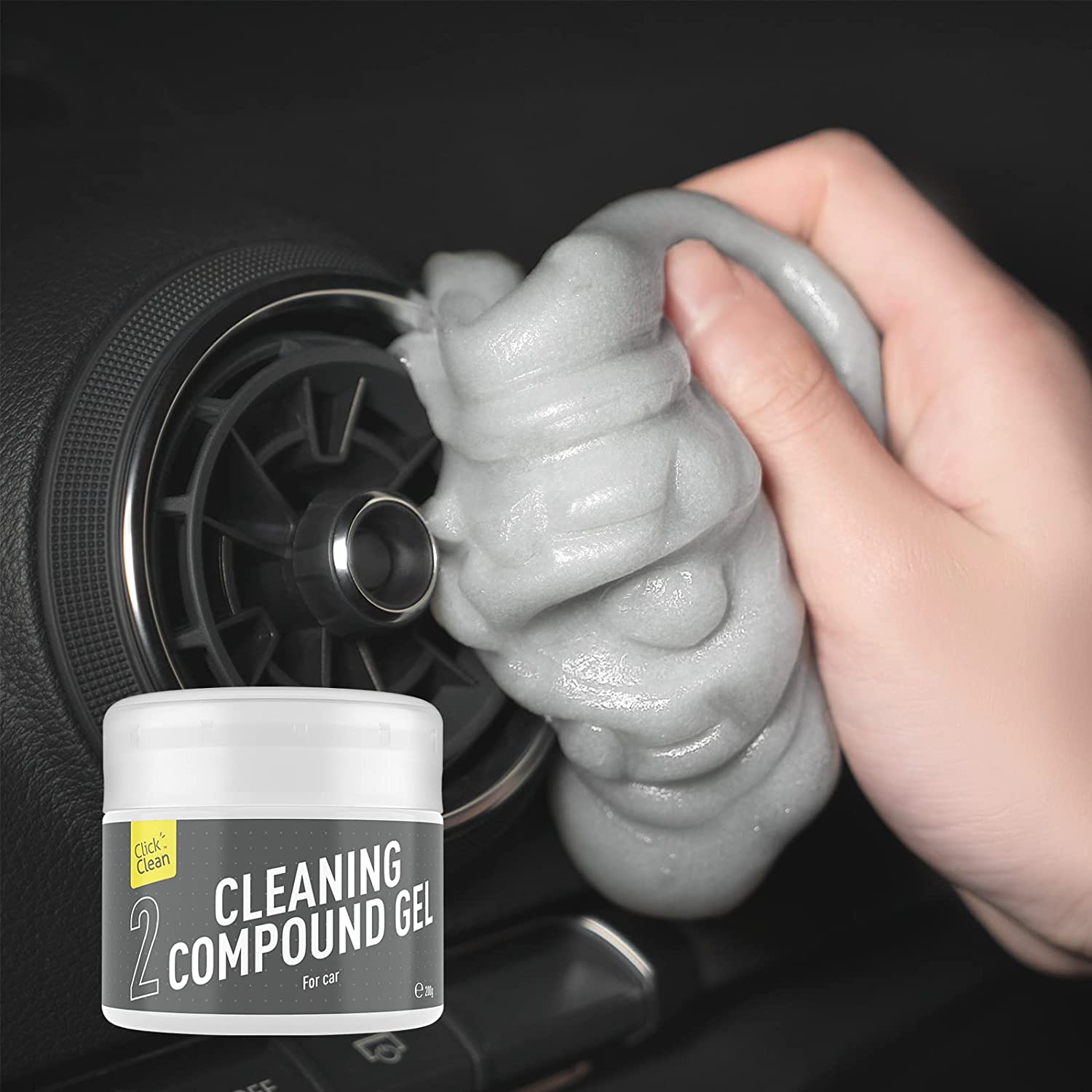
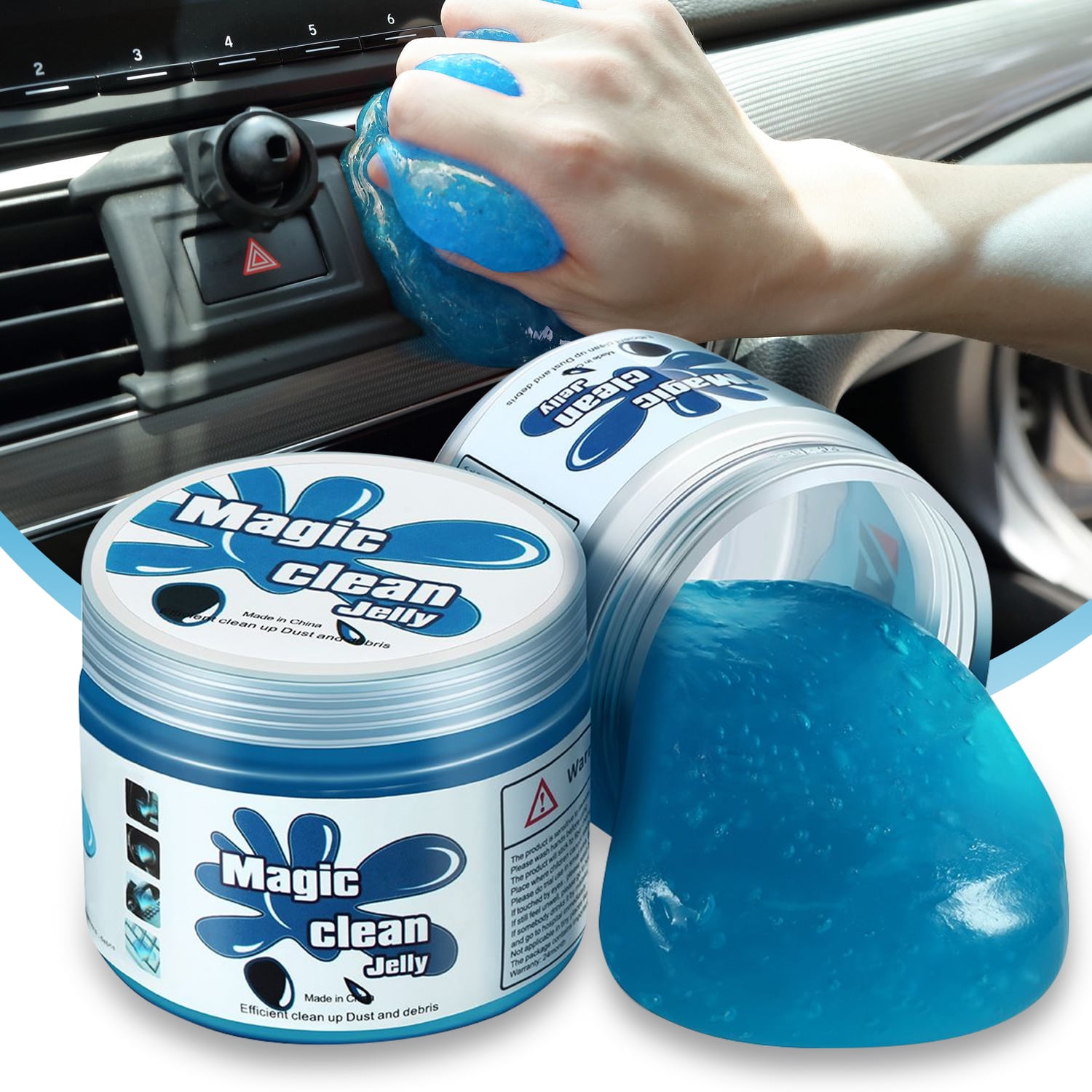
- Air vent slats
- Dashboard seams
- Center console gaps
- Cup holders
- Door-handle recesses
- Around buttons and trim
- Small cracks near the infotainment screen
The best gel is not the stickiest gel. Excess tack can leave residue, damage delicate surfaces, or make the product hard to remove from vents and seams.
Best choice by use
| Your main need | Best type of gel | Why |
|---|---|---|
| Dust and crumbs | Soft interior cleaning gel | Picks up loose debris |
| Pet hair | Slightly firmer gel or rubber brush | Gel may not grab embedded hair |
| Greasy fingerprints | Interior cleaner and microfiber cloth | Gel does not dissolve oils well |
| Stains | Surface-specific cleaner | Gel is not a stain remover |
| Tight gaps | Soft, moldable gel | Reaches small spaces |
| Screens and electronics | Manufacturer-approved cloth | Gel can leave film or enter openings |
The main trade-off is simple: gel is fast and convenient, but it has limited cleaning power. It removes loose debris better than it removes stains, oil, or ground-in dirt.

What Is Car Cleaning Gel?
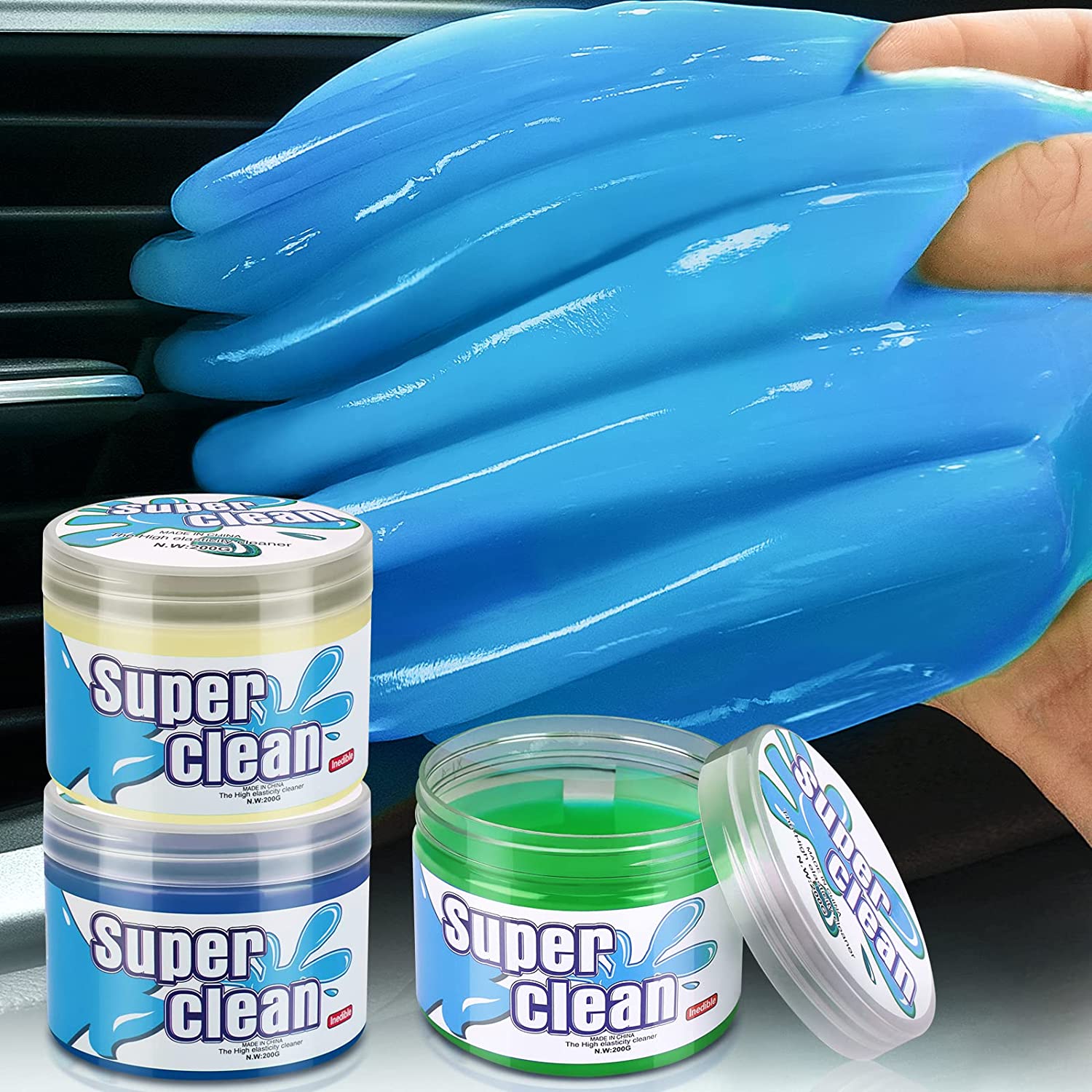
Car cleaning gel is a soft, moldable material that collects loose dirt through light contact. It is often sold as detailing gel, dust-cleaning gel, car dust gel, or automotive cleaning putty.
Most products use a polymer-based material. The gel changes shape when pressed into a gap. Dust and small particles stick to the gel and come away when you lift it.
This is different from a liquid car interior cleaner. A liquid cleaner uses moisture and chemical agents to loosen soil. A gel mainly uses contact and tack.
What car cleaning gel can remove
A quality gel can help remove:
- Loose dust
- Small crumbs
- Dry dirt
- Hair on smooth surfaces
- Sand in shallow gaps
- Debris around trim
- Light lint
What it cannot remove well
A gel is usually a poor choice for:
- Grease
- Sunscreen marks
- Coffee stains
- Dried food
- Mold
- Ink
- Deep carpet soil
- Odors
- bacteria claims that are not shown on the label
Do not assume that a gel disinfects a surface. A cleaning product must carry appropriate label directions for any sanitizing or disinfecting claim. In the United States, disinfectant claims are regulated by the U.S. Environmental Protection Agency.

How to Choose the Best Car Cleaning Gel
The label and the material are more important than color, shape, or scent. Use these checks before you buy.
1. Check the intended surfaces
Look for a product that clearly lists automotive interiors. The label should explain where the gel can and cannot be used.
A product designed for keyboards or household surfaces may not have been evaluated for every vehicle material. Modern vehicles can contain soft-touch coatings, coated plastics, piano-black trim, synthetic leather, and delicate finishes.
When the label is unclear, test the gel on a hidden area first.
2. Choose low residue over maximum stickiness
A gel that feels very wet or oily may leave a film. That film can attract more dust and may make controls slippery.
A better product should lift cleanly after light pressure. It should not leave strings, grease, dye, or a strong coating behind.
3. Look for a stable texture
The gel should remain soft enough to mold but firm enough to remove in one piece. Avoid a product that:
- Breaks into small pieces
- Melts quickly
- Leaves liquid behind
- Feels oily
- Has a harsh chemical odor
- Becomes hard after a few uses
A changing texture may signal heat damage, age, or poor storage.
4. Consider fragrance
Strong fragrance does not prove better cleaning. It can also bother people with asthma, migraines, allergies, or scent sensitivity.
For daily use, a low-scent or fragrance-free gel is often the safer choice for the cabin.
5. Review the package and storage advice
A sealed container helps limit drying and contamination. The package should include basic use instructions, warnings, and disposal guidance.
In hot parts of the United States, such as Arizona, Nevada, Texas, and Florida, vehicle temperatures can rise sharply in direct sun. Do not leave the gel on the dashboard or in a hot car unless the maker says it can handle those conditions.
6. Avoid unsupported claims
Terms such as “antibacterial,” “sanitizing,” or “disinfecting” need careful review. A general cleaning gel should not be treated as a disinfectant simply because it picks up dust.
The most useful claim is often the simplest one: the product removes loose dirt from listed surfaces.

How to Use Car Cleaning Gel Without Damaging Your Interior
Use the gel lightly and in small areas. More pressure does not always improve cleaning.
Step 1: Read the vehicle and product instructions
Your vehicle owner’s manual may restrict certain cleaners on screens, leather, trim, or coated surfaces. Follow the manual if it conflicts with general advice.
Read the gel label before use. Confirm the product is meant for the surface you plan to clean.
Step 2: Remove large debris first
Pick up large crumbs and objects by hand. Use a vacuum for loose dirt on seats, carpets, and floor mats.
A gel works best after large debris is gone. This also keeps the gel from becoming dirty too soon.
Step 3: Test a hidden spot
Press a small amount of gel onto an unseen area. Lift it after a few seconds.
Check for:
- Color transfer
- Oily film
- Dullness
- Sticky residue
- Surface damage
- Gel fragments
Wait before treating the visible area if the material appears sensitive.
Step 4: Press and lift
Place the gel on the target area. Press gently. Do not scrub it back and forth.
Lift the gel straight up, then fold the used side inward. This exposes a cleaner section.
Step 5: Work in small sections
Clean one small area at a time. This helps you see whether the gel leaves residue.
Stop using the gel when it becomes visibly dirty or no longer picks up debris. A dirty gel can spread soil instead of removing it.
Step 6: Wipe if needed
If a film remains, use a clean microfiber cloth. Use a surface-approved interior cleaner only when needed.
Do not spray cleaner directly into switches, vents, speakers, or electronic openings. Spray onto the cloth when the product instructions allow it.
Signs of successful cleaning
The surface should look and feel:
- Dry
- Clean
- Non-slippery
- Free of visible gel
- Free of new streaks
- Free of loose debris
Where You Should Not Use Cleaning Gel
Do not use car cleaning gel on every surface. Some parts of a vehicle need special care.
Steering wheels, pedals, and gear selectors
Avoid gel on control surfaces that must remain secure. Any residue can reduce grip.
This is especially important for:
- Steering wheels
- Brake and accelerator pedals
- Manual gear knobs
- Electronic shifters
- Handbrake controls
- Motorcycle controls
If you use gel near these parts, wipe the surface afterward and confirm that it is completely dry and clean.
Touchscreens and instrument displays
Do not press gel onto screens unless the screen maker or vehicle maker specifically approves it.
Gel can leave a film. It may also press debris against a screen coating or enter the edge of a display.
Use a clean, dry microfiber cloth designed for screens. Follow the vehicle manual for heavier marks.
Perforated leather and seat ventilation areas
Gel can lodge in tiny holes. This may be hard to remove and could affect airflow through ventilated seats.
Use a soft brush or the cleaning method listed in the seat or vehicle manual instead.
Suede, microfiber, and fabric
These materials can trap gel. They may also show marks after rubbing.
Use a fabric-safe cleaner and a soft brush when the manufacturer permits it.
Glass and mirrors
Gel may leave streaks or a hazy film. Use automotive glass cleaner and a clean glass towel instead.
Painted surfaces and exterior trim
Interior cleaning gel is not a substitute for car wash soap. Do not use it on the vehicle’s paint, clear coat, tires, or exterior glass unless the label specifically permits those surfaces.
Cleaning Gel vs. Other Car Detailing Tools
A gel is one tool in an interior cleaning kit. It is not the best tool for every job.
| Tool | Best use | Main limit |
|---|---|---|
| Cleaning gel | Dust and small debris in gaps | Poor for grease and stains |
| Microfiber cloth | Wiping trim and screens | May not reach narrow gaps |
| Soft detailing brush | Vents, seams, and textured trim | Can move dust into the cabin |
| Vacuum with a soft nozzle | Seats, carpets, and loose dirt | May not reach tight button gaps |
| Interior cleaner | Oils, fingerprints, and light stains | Can damage surfaces if misused |
| Cotton swab | Very small crevices | Slow for large areas |
| Compressed air | Loose dust in open areas | Can push dirt deeper |
The most effective method often combines tools. Vacuum large debris first. Use a soft brush or gel for gaps. Finish with a suitable microfiber cloth.
Do not use compressed air near sensitive electronics unless you understand the risk. Air can push dust into switches, vents, and display openings.

Common Problems and How to Fix Them
The gel leaves a sticky film
Possible causes:
- The gel is too warm
- You pressed too hard
- The surface was oily
- The product is old
- The gel is not designed for that material
What to do:
Stop using the gel. Wipe the area with a clean microfiber cloth. If the film remains, use a surface-approved cleaner. Do not add more gel to remove the residue.
The gel breaks apart
Possible causes:
- The gel has dried out
- The surface is rough or porous
- The product is low quality
- You stretched it too far
Remove visible pieces by hand or with a suitable cloth. Do not push the fragments deeper into vents or seams.
The gel does not pick up dust
Possible causes:
- The gel is too cold
- The surface contains oil
- The gel is already full of dirt
- The material is too rough
- The gel has lost its tack
Warm the container indoors, not with direct heat. Fold to a clean section and try again. If the surface is greasy, use the correct interior cleaner instead.
The gel has a strong odor
A strong smell may come from fragrance or material breakdown. Stop using it if the odor causes discomfort, coughing, headache, or irritation. Ventilate the vehicle and follow the package disposal instructions.
The gel melted in the car
Do not spread melted gel across the interior. Let the vehicle cool, then remove as much material as possible without scraping coated surfaces.
Use only a cleaner approved for the affected material. If the gel entered vents, switches, or electronics, professional help may be safer than pushing it farther inside.
Are Popular Car Cleaning Gels Worth Buying?
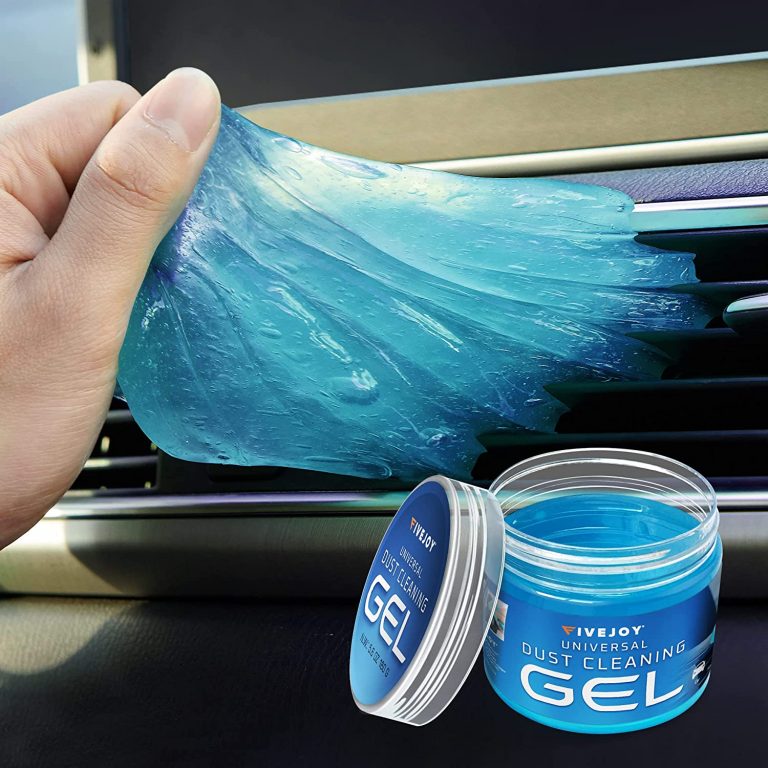
Popular gel brands can be useful, but popularity does not prove that one product is best for every vehicle. Names such as ColorCoral, TICARVE, and similar detailing gels are often sold for dust and debris removal. Formulas, packaging, and instructions can change by seller and date.
Before buying any named product, check:
- The current package label
- The listed surfaces
- The storage temperature guidance
- The return policy
- Reviews that mention residue or melting
- Whether the seller is authorized or reliable
- Whether the product has clear safety information
Do not rely only on a product title such as “car dust cleaner.” The detailed instructions matter more than the marketing name.
A low-cost gel may be reasonable for occasional use. If you detail cars often, a soft brush, vacuum, microfiber towels, and a suitable interior cleaner may offer better value over time.

Best Car Cleaning Gel Buying Checklist
Use this quick checklist when comparing products in a U.S. store or online marketplace:
- Is it made for automotive interiors?
- Does it list safe and unsafe surfaces?
- Is it non-oily?
- Does it promise clean removal?
- Does it have a mild or no scent?
- Is the container sealed?
- Does the label explain storage?
- Can you find clear warnings?
- Are reviews consistent about residue?
- Can you return it if it arrives melted or dried?
- Does the price make sense compared with a brush and microfiber cloth?
The best value is not always the cheapest tub. A gel that leaves residue can create extra work and may damage a surface. A product with clear limits and simple instructions is usually the better choice.
Frequently Asked Questions
Is car cleaning gel better than a microfiber cloth?
No single tool is better for every task. A gel reaches narrow gaps and picks up crumbs. A microfiber cloth is better for wiping dust, fingerprints, and cleaner from broad surfaces.
Can car cleaning gel remove stains?
Usually not. Gel is mainly for loose debris. Use a cleaner made for the specific material, and test it in a hidden area first.
Can I use cleaning gel on my car’s air vents?
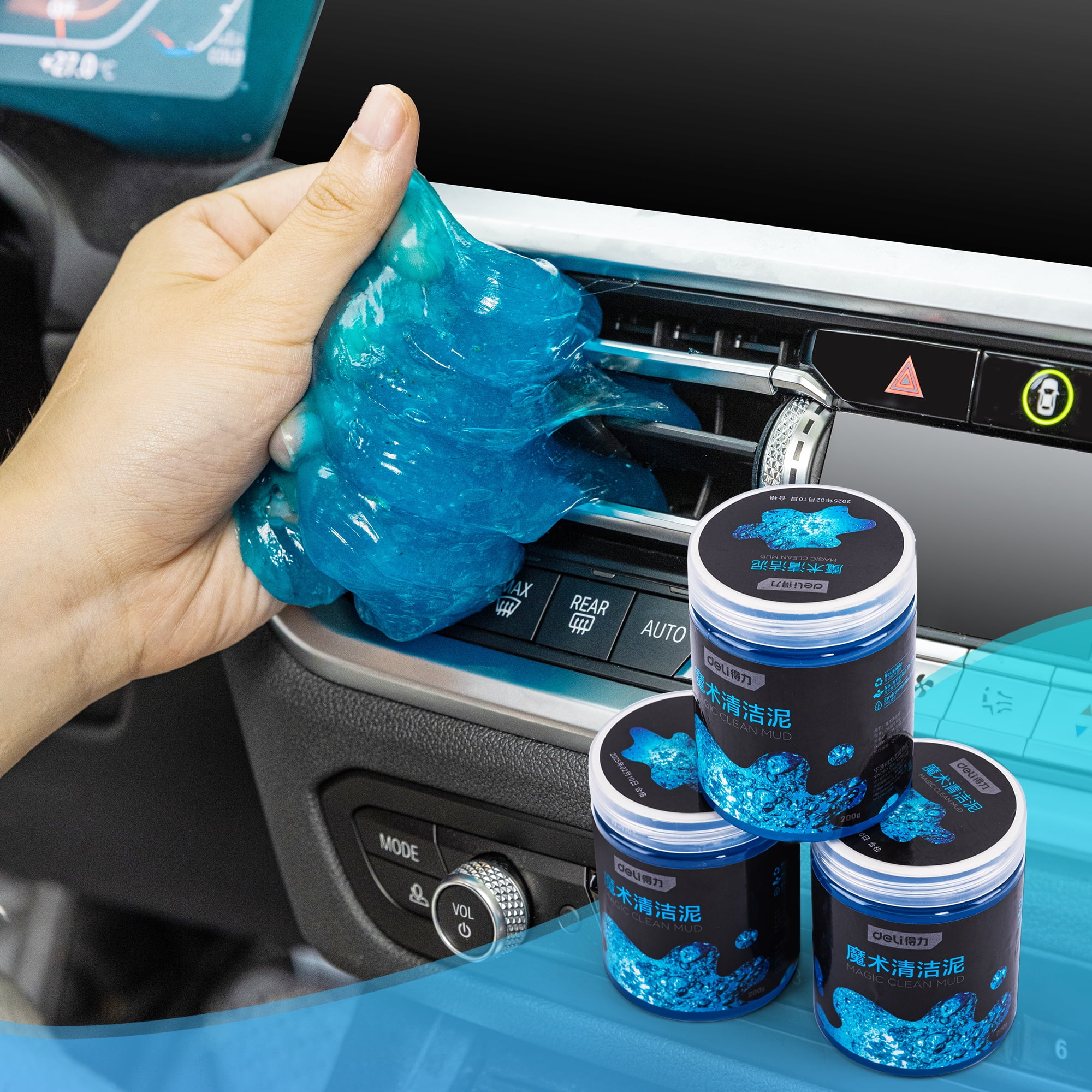
You can use it on the outer vent slats if the product label allows it. Press lightly and avoid pushing gel deep into the vent. Do not use it inside the duct.
How often should I replace car cleaning gel?
Replace it when it becomes very dirty, loses its shape, leaves residue, dries out, or breaks apart. Do not keep using a gel that spreads dirt.
Can I store cleaning gel in my car?
Only if the product instructions allow it. Heat can change the gel’s texture and may cause melting. In hot U.S. climates, indoor storage is the safer choice.
Is cleaning gel safe for leather seats?
Do not assume it is safe. Genuine leather, coated leather, and synthetic leather vary. Check the gel label and the seat-care instructions. A leather-approved cleaner is usually the better option for leather seats.
Final Recommendation
For most U.S. drivers, choose a soft, non-oily automotive cleaning gel for light dust and debris on hard interior surfaces. Use it gently on vents, seams, cup holders, and trim. Avoid screens, pedals, steering wheels, porous materials, and areas where residue could affect grip.
The best result comes from using the gel as a quick-detailing tool, not as an all-purpose cleaner. Vacuum first, test a hidden area, press lightly, and stop when the gel becomes dirty or unstable.