Does Iron Remover Remove Ceramic Coating: Safe Care
Iron removers are popular car-care products because they dissolve tiny metal particles that cling to paint, wheels, and glass. These particles often come from brake dust, rail dust, industrial fallout, and road work. If you have a ceramic coating, you may wonder if an iron remover will clean the surface or strip away the coating.
In most cases, a quality iron remover will not remove a properly cured ceramic coating when you use it as directed. It is designed to dissolve ferrous particles, not dissolve the coating itself. However, poor technique, a harsh formula, long dwell time, dried product, aggressive scrubbing, or a weak and aging coating can cause problems.
This guide explains how iron removers work, what they do to ceramic coatings, how to use them safely, and when another product is a better choice. The advice applies to sedans, SUVs, trucks, hybrids, EVs, and coated wheels.

Quick answer: Does iron remover remove ceramic coating?
A properly used iron remover usually does not remove a fully cured ceramic coating. It targets iron particles bonded to the surface, while a real ceramic coating forms a cured protective film over the paint. The main risk comes from misuse, not normal chemical action.
Use a coating-safe product on a cool, shaded, wet vehicle. Follow the label dwell time, keep the product from drying, rinse it well, and avoid hard scrubbing. If the coating is already failing, iron remover may reveal weak water behavior, but it did not always cause that failure.

| Question | Short answer | Best practice |
|---|---|---|
| Will iron remover strip ceramic coating? | Usually no | Use a coating-safe formula |
| Can it weaken water beading? | It can make beading look poor for a short time | Wash and rinse the surface well |
| Can it damage wheels? | Yes, if used on the wrong finish or left to dry | Check the label and wheel maker’s advice |
| Is agitation required? | Often no on light contamination | Use a soft brush only when needed |
| Can it remove wax or sealant? | Some formulas may reduce them | Reapply protection if needed |
The key point is simple: iron remover is a decontamination chemical, not a coating remover. It can clean the coating, but it normally does not erase it.
How iron removers work on a coated surface
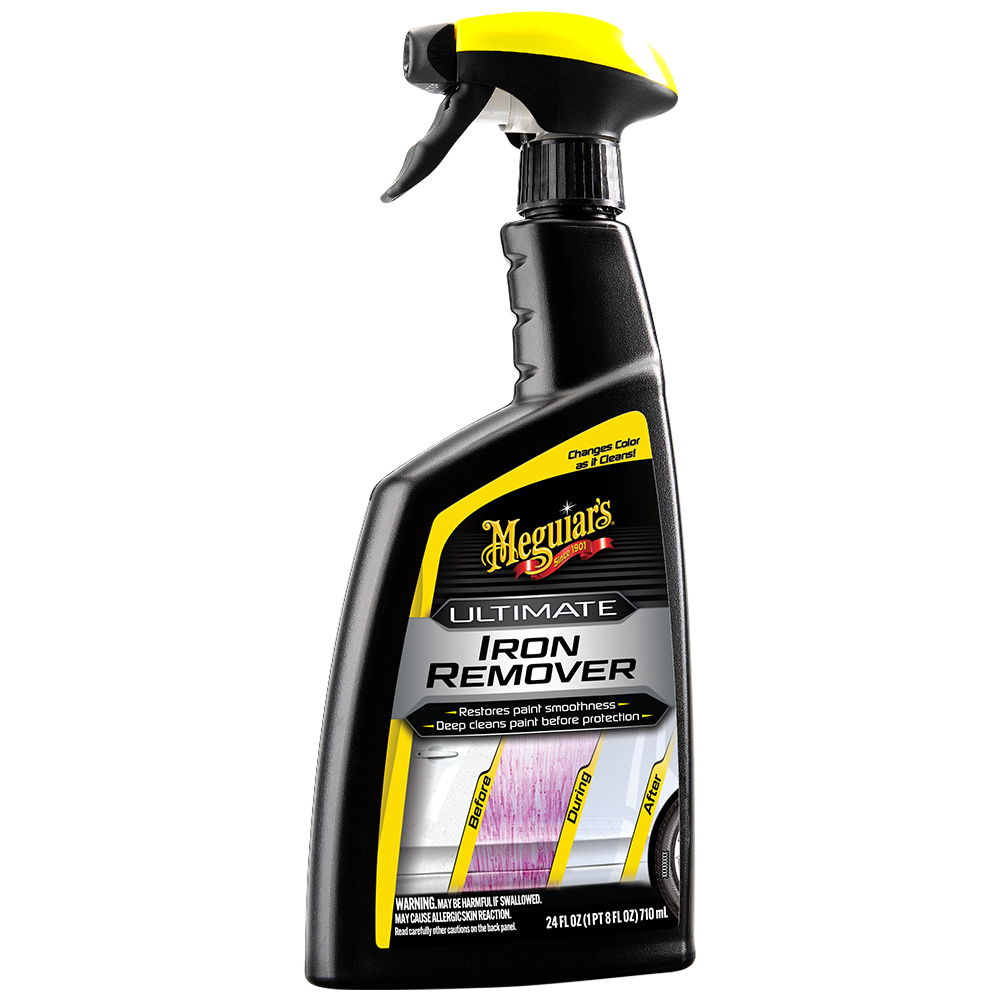
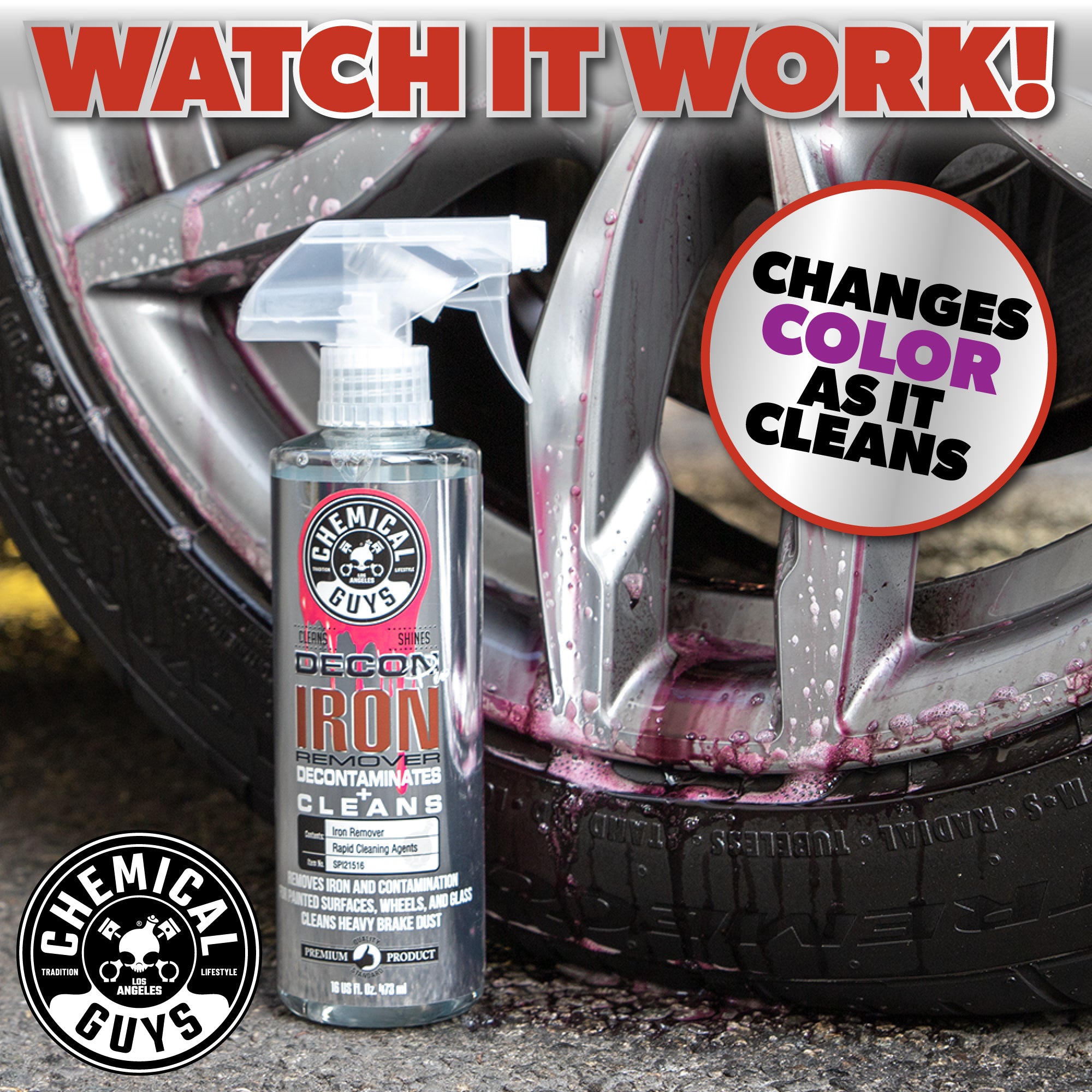
Iron remover works through a chemical reaction called chelation. In plain language, the product surrounds and loosens iron particles so water can carry them away. Many formulas turn purple or red as they react with iron, although color change is not a perfect measure of cleaning power.
Brake dust contains iron-rich material. Rail dust and industrial fallout can also contain ferrous particles. These particles may feel like tiny rough bumps, even after a normal car wash.
A ceramic coating does not stop all contamination from landing on the vehicle. Instead, it creates a smooth, low-energy surface that can make dirt easier to remove. Iron remover can work on top of that surface.

What ceramic coating actually is
A professional or consumer ceramic coating is a cured protective layer made from coating resins, often based on silicon dioxide or related chemistry. It bonds to the prepared surface and creates a thin film over the paint or other approved material.
The word “ceramic” does not mean the surface is bulletproof. A coating can resist many chemical and environmental threats, but it can still suffer from scratches, water spots, bird droppings, road salt, strong cleaners, and poor washing habits.
The coating also varies by product. A professional coating may have a different chemical resistance than a spray-on ceramic sealant. Some products sold as ceramic coatings are really short-term toppers or hybrid sealants.
Why the product turns purple
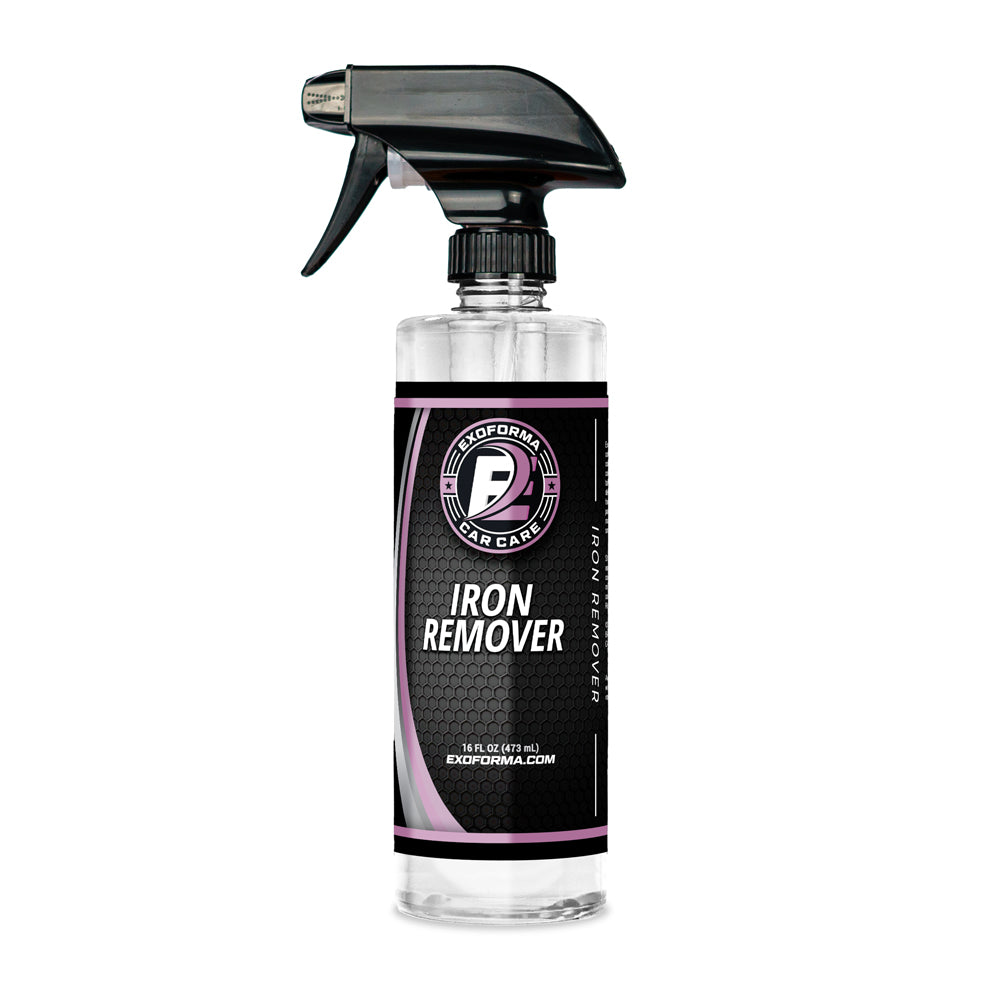
Many iron removers use a color-changing indicator. When the product contacts iron, the formula may shift to purple, violet, or red. This color is often called a “bleeding” effect.
The color does not mean the coating is melting. It usually shows that the product is reacting with iron particles. A heavily contaminated wheel may produce a strong color change, while a clean coated panel may show little or none.
Do not use color alone to judge whether the car needs more product. A clean surface can still have light contamination, and a dirty surface may contain road grime that is not iron.

Iron remover versus coating remover
Iron remover and coating remover are different products with different jobs. A coating remover or abrasive polish uses strong chemical action, mechanical action, or both to reduce or eliminate an existing protection layer.
A polish contains abrasives that remove a tiny amount of the upper surface. With enough correction, polishing can remove or weaken a ceramic coating. A strong alkaline cleaner, solvent, or aggressive prep product may also reduce protection.
Iron remover is usually far less aggressive. It is meant to dissolve metal contamination without cutting into the paint or coating.

What can make an iron remover harm ceramic coating?
The main difference between safe use and risky use is control. A good product used on a cool panel for a short time is very different from an unknown chemical left in hot sun until it dries.
Most ceramic coating problems blamed on iron remover come from one of five causes: the product dried, the surface was hot, the formula was too strong, the user scrubbed too hard, or the coating was already weak.
| Risk | What may happen | How to lower the risk |
|---|---|---|
| Product dries on the panel | Staining or difficult residue | Work in small areas and rinse before drying |
| Hot surface | Faster evaporation and stronger chemical action | Wash in shade on a cool surface |
| Strong formula | Reduced protection or surface marks | Choose a coating-safe product |
| Hard brush or towel | Marring or scratches | Use soft tools and light pressure |
| Poor rinse | Film, streaks, or weak beading | Rinse from all angles with clean water |
| Overuse | Unneeded chemical exposure | Use only when contamination is present |
These risks matter more on older coatings, soft paint, satin finishes, matte wraps, and wheels with delicate factory finishes. Beginners should start with the mildest method and avoid adding agitation unless the label allows it.
Heat and direct sun
Heat speeds up evaporation. If the iron remover dries, the active ingredients become more concentrated on the surface. This can leave residue or create a stain, especially on black paint, polished aluminum, chrome, or porous trim.
Work in a garage or shade when possible. The panel should feel cool to the touch. If the surface is hot, rinse the vehicle first and wait for it to cool.
Excessive dwell time
Dwell time is how long a product sits before you rinse it. The correct dwell time depends on the formula. Some products need only a few minutes, while others may work faster.
Longer is not always better. Once the chemical has reacted with the contamination, extra time may add risk without adding cleaning power. Read the bottle and follow the stated time.
Aggressive agitation
Many iron removers work without scrubbing. If you use a brush, choose a soft detailing brush and use light pressure. Do not use a stiff wheel brush or a rough kitchen sponge on coated paint.
Agitation can help on textured wheels or heavy contamination. It can also push grit across the coating and create fine scratches. Rinse loose dirt away before brushing.
A coating that is already failing
A ceramic coating can lose performance from age, harsh washing, mineral buildup, bird droppings, road salt, and repeated chemical exposure. Its water behavior may become poor before the coating is fully gone.
Iron remover may clean the surface and reveal the coating’s true condition. This can make it seem as if the product caused the problem. In some cases, the coating was already thin, contaminated, or damaged.
⚠️ Safety Warning: Wear gloves and eye protection when using iron remover. Do not mix it with bleach, chlorine products, acids, or other cleaners. Keep the product away from children, pets, and hot surfaces.
How iron remover compares with other decontamination products
Iron remover is only one step in a complete car-care process. It does not replace a car wash, tar remover, clay bar, paint polish, or coating maintenance product.
Choosing the right product protects both the finish and your time. A beginner may need only a wash and occasional iron remover. An experienced DIY detailer may combine chemical decontamination with a clay towel before polishing or applying a new coating.

| Product | Removes | Main risk to ceramic coating |
|---|---|---|
| Iron remover | Ferrous particles and brake dust | Drying, overuse, or harsh formula |
| Tar remover | Asphalt, road tar, and adhesive residue | Solvent staining or reduced protection |
| Clay bar or clay towel | Bonded surface debris | Marring from pressure or trapped grit |
| Car wash soap | Loose dirt and road film | Low risk when pH-balanced |
| Alkaline degreaser | Grease and heavy road film | May reduce waxes, sealants, or weak coatings |
| Paint polish | Fine defects and some protection | Can remove or thin ceramic coating |
The main difference between chemical and mechanical decontamination is how they remove contamination. Chemical products dissolve or loosen material. Clay and polish rely on physical contact.
Iron remover versus clay bar
An iron remover dissolves metal particles. A clay bar, clay towel, or synthetic clay mitt pulls bonded contamination from the surface. Clay can remove more types of debris, but it can also cause light marring.
On a ceramic-coated vehicle, start with a wash and iron remover. Use clay only if the paint still feels rough after cleaning. Lubricate the surface well and use almost no pressure.
For a new driver or gift buyer, an iron remover is easier to control than a clay bar. For a skilled DIYer preparing paint for polishing, clay may be useful, but it should not be routine maintenance.
Iron remover versus tar remover
Tar remover uses solvents to dissolve asphalt and sticky road residue. It will not replace an iron remover because tar and iron are different contaminants.
A truck that drives on fresh pavement may need tar remover on the lower doors and behind the wheels. A commuter sedan near rail lines may need iron remover more often. Use each product only where needed.
Iron remover versus car wash soap
Car wash soap removes loose dirt, dust, salt, and road film. It usually will not dissolve embedded iron particles. A proper wash should come before iron removal so you do not drag loose grit across the finish.
Choose a pH-balanced soap that is safe for ceramic coatings. Avoid dish soap as a regular car wash product because it can remove some waxes and may not provide enough lubrication.
Signs your ceramic coating is still working
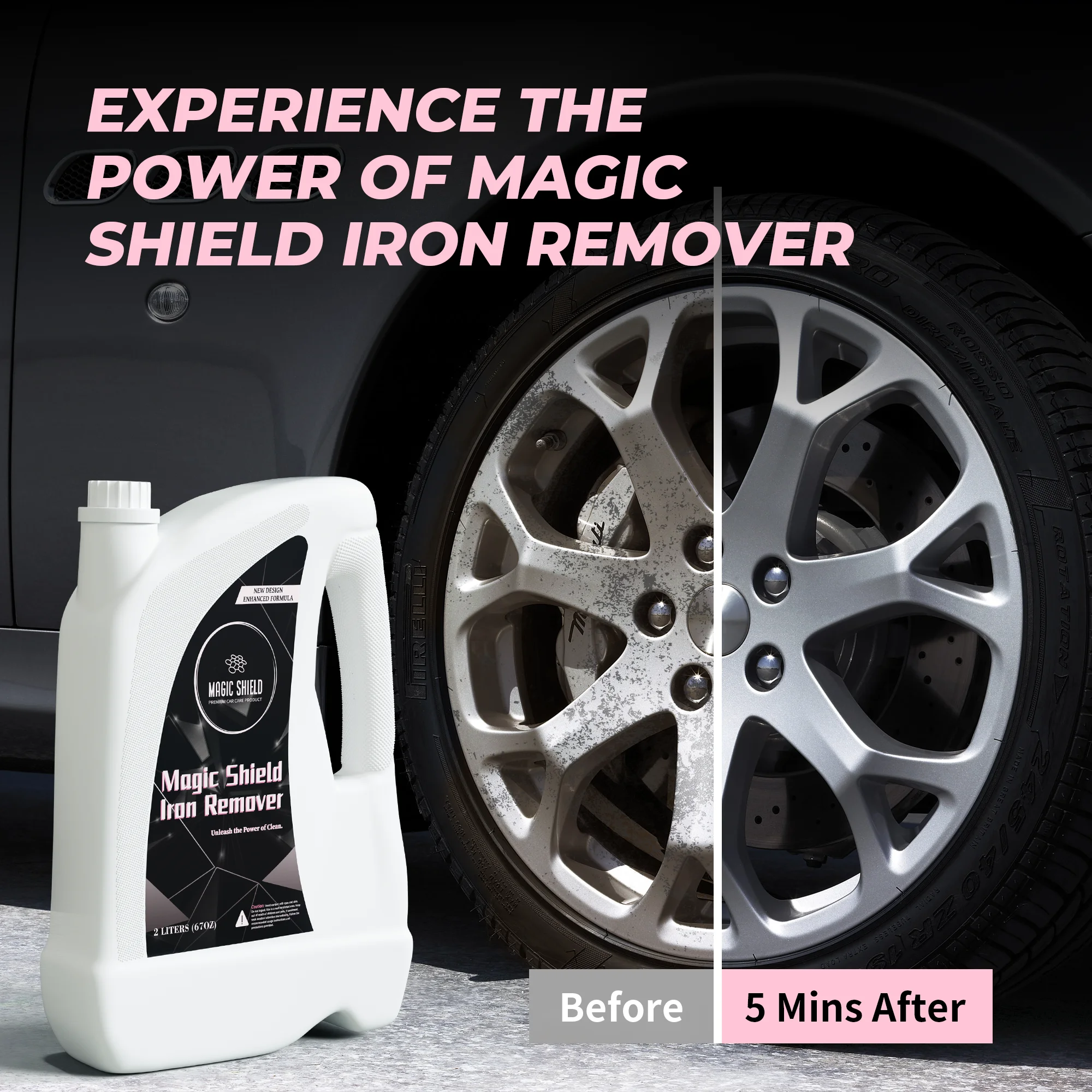
Water behavior is useful, but it is not the only way to judge a coating. Beading can change because of mineral deposits, oily road film, pollen, soap residue, or a topper that has worn away.
A coated surface may still offer protection even when water no longer forms tight beads. Sheeting, slickness, ease of washing, and resistance to bonded grime can also provide clues.
| Surface sign | What it may mean | What to do |
|---|---|---|
| Tight water beads | Clean surface and active hydrophobic layer | Continue normal maintenance |
| Flat water after a wash | Contamination or coating decline | Try a coating-safe decontamination wash |
| Water beads return after cleaning | Surface was contaminated | Maintain the coating with proper washes |
| Rough paint feel | Bonded iron, tar, or fallout | Test iron remover and clay if needed |
| Staining or etching | Mineral deposits or chemical damage | Seek professional inspection |
| Dirt releases easily | Coating may still be helping | Use gentle wash methods |
Do not apply a new coating just because the car has weak beading. First remove contamination and inspect the surface. A coating maintenance product may restore the intended behavior if the original layer remains intact.
The water bead test has limits
Water beads can be changed by wax, a spray sealant, a ceramic topper, or simple surface contamination. A panel may bead well because of a temporary product, not because the base coating is healthy.
Likewise, a coated panel may sheet water instead of forming round beads. Do not use one rinse as proof that the coating is gone.
A professional detailer can assess the paint with cleaning, inspection lighting, and controlled testing. This is worthwhile if the vehicle has a costly coating or visible staining.
💡 Pro Tip: If water behavior looks poor after iron removal, wash the panel again with a coating-safe shampoo and dry it with a clean microfiber towel. A leftover chemical film can hide the coating’s true behavior.
The safest way to use iron remover on ceramic coating
The best way to use iron remover is to treat it as a controlled chemical step, not a daily wash product. Clean one section at a time, avoid heat, and rinse before the product dries.
This process suits most coated sedans, SUVs, trucks, hybrids, and EVs. Check the product label first, because some formulas are approved for paint and wheels but not for matte finishes, polished metal, or certain wraps.
What you need
Prepare everything before spraying. Searching for a hose or towel while the product is on the panel can lead to drying.
| Item | Purpose | Notes |
|---|---|---|
| Coating-safe iron remover | Dissolves iron particles | Confirm approved surfaces |
| Hose or pressure washer | Rinses chemicals and grit | Use moderate pressure |
| pH-balanced car soap | Removes loose dirt | Use a clean wash mitt |
| Microfiber towels | Drying and inspection | Use clean, soft towels |
| Soft detailing brush | Optional agitation | Use light pressure |
| Nitrile gloves and eye protection | Personal protection | Replace damaged gloves |
| Wheel brushes | Wheel cleaning | Keep wheel tools separate |
A pressure washer can help rinse wheel spokes and panel gaps, but high pressure is not required. A normal hose works if you rinse thoroughly from multiple angles.
Step-by-step process
-
Read the product label. Confirm the surfaces it supports. Check whether the product is safe for ceramic coating, wheels, glass, trim, PPF, or matte paint.
-
Choose a cool, shaded location. Do not apply the product to hot panels. Close the windows and make sure the vehicle is parked on a stable surface.
-
Rinse the vehicle. Remove loose sand, mud, and road grit. Pay extra attention to wheel wells, rocker panels, and the lower doors.
-
Wash the vehicle first. Use pH-balanced soap and a clean microfiber wash mitt. Rinse the mitt often. This step reduces the chance of scratching during later work.
-
Apply iron remover to one area. Start with a small section, such as half a door or one wheel. Avoid spraying into the cabin, open windows, or sensitive electrical connectors.
-
Allow the product to dwell. Follow the label. Watch the surface. Do not let the product dry.
-
Agitate only when needed. Use a soft brush on wheels or heavy contamination. Do not scrub coated paint unless the instructions allow it.
-
Rinse completely. Use plenty of water. Rinse panel edges, badges, seams, wheel barrels, and behind spokes.
-
Repeat on the next section. Work in a steady pattern. Smaller areas are safer than spraying the entire vehicle at once.
-
Wash again if the label recommends it. A second gentle wash can remove chemical residue and loosened contamination.
-
Dry with clean microfiber towels. Use light pressure. Do not drag a dirty towel across the coating.
-
Inspect the surface. Look for streaks, residue, water spots, and remaining roughness. Do not rush to clay or polish.

How often should you use iron remover?
There is no universal schedule. A garage-kept car in a clean suburban area may need iron remover once or twice a year. A truck that works near a railway, steel plant, construction zone, or industrial yard may need it more often.
Frequent use is not automatically better. If the vehicle has little iron contamination, regular washing may be enough. Use the product when the surface needs it, not simply because a calendar reminder appears.
EVs and hybrids do not need a special iron-removal chemical. Their paint and wheels can collect the same road contamination as gasoline vehicles. However, avoid spraying into charging ports, battery service areas, and open electrical connectors.
Best approach by vehicle and finish
The best method depends on the surface, climate, and driver. A beginner with a daily-driver sedan needs a simple and low-risk routine. A detailer maintaining a coated truck may need more frequent decontamination. A parent buying supplies for a teen driver should choose a mild product with clear instructions.
Ceramic coating does not change the need to check fitment and surface compatibility. In car care, “fitment” means confirming that a product is suitable for the exact material and finish on your vehicle.
| Driver or vehicle | Recommended approach | Who should skip DIY iron removal |
|---|---|---|
| Beginner with a coated sedan | Wash first, use a mild product on a cool panel | Anyone without shade or a way to rinse |
| DIY owner of an SUV | Treat panels and wheels in small sections | Owners with unknown aftermarket finishes |
| Truck used near construction | Inspect often and decontaminate as needed | Anyone who cannot control dwell time |
| EV or hybrid owner | Keep product away from ports and connectors | Anyone with damaged charging hardware |
| Matte paint or wrap owner | Confirm finish compatibility first | Anyone whose product label excludes matte surfaces |
| Coated performance car | Use low pressure and soft tools | Anyone planning to scrub aggressively |
| Teen driver’s vehicle | Choose an easy-rinse formula and show safe steps | A driver who may use it in direct sun |
Painted wheels and factory finishes
Iron remover is often useful on wheels because brake dust contains iron. But wheels vary widely. They may have clear coat, painted alloy, powder coat, chrome, polished aluminum, anodized surfaces, or a factory protective finish.
Check the owner’s manual and wheel maker’s care guide. Test the product in a hidden area if the finish is unknown. Never assume a product is safe for every wheel just because it is safe for painted body panels.
Matte and satin finishes
Matte paint and satin wraps do not reflect light in the same way as glossy paint. Aggressive polishing can permanently change the appearance. Some chemical products may also stain or leave uneven patches.
Use only a product that clearly supports matte or satin finishes. Avoid clay, polishing, and strong mechanical action unless a professional finish specialist approves the method.
Paint protection film and coated glass
Some vehicles have paint protection film, also called PPF, under or instead of ceramic coating. PPF has its own care rules. A product safe for clear coat may not be approved for every film.
Windshields and side glass may also have water-repellent treatments. Do not assume iron remover is safe for every glass coating. Check the label and rinse glass well.
Common mistakes that lead to coating problems
Most mistakes are easy to prevent. The product itself is rarely the only factor. Timing, temperature, surface prep, and rinsing matter just as much.
A rushed DIY detail can turn a simple cleaning task into a stain-removal job. Slow down and work in small sections.
| Mistake | Why it causes trouble | Better choice |
|---|---|---|
| Applying to a hot hood | Product dries too fast | Work on a cool surface |
| Spraying a filthy car | Grit may scratch during contact | Rinse and wash first |
| Letting product dry | Residue can become hard to remove | Rinse before drying |
| Using a stiff brush on paint | Can create fine scratches | Use a soft brush or no brush |
| Mixing products | Chemical reactions can create fumes | Use one product at a time |
| Skipping the final rinse | Residue may affect water behavior | Rinse every seam and gap |
| Using it every wash | Adds needless chemical exposure | Use it only for contamination |
| Recoating without inspection | May trap residue or defects | Clean, inspect, and prep first |
Never mix iron remover with wheel acid, bleach, chlorine, ammonia, or household cleaners. Even if no visible reaction occurs, the mixture may create harmful vapors or reduce product performance.
Do not use an iron remover as a substitute for a proper car wash. It is not designed to remove every type of dirt. Mud, grease, tree sap, and road tar may need different products.
🔧 Quick Fix: If iron remover dries on the surface, do not panic or scrub hard. Re-wet the area, rinse it well, wash it with pH-balanced soap, and dry it with a clean towel. If a mark remains, stop and ask a professional detailer to inspect it.
Can iron remover restore ceramic coating performance?
Iron remover can restore some lost slickness and water behavior when contamination is blocking the coating. It cannot rebuild a coating that has worn away or been polished off.
Think of the coating as a rain jacket. Dirt and mineral film can cover the fabric and stop water from moving properly. Washing may clear the dirt, but it cannot sew a torn jacket.
Coating maintenance products
After a proper wash and decontamination, some coating makers recommend a maintenance spray or topper. These products can add temporary slickness and hydrophobic behavior.
Use the coating manufacturer’s recommended product when possible. Mixing many brands can create residue or make it hard to diagnose a problem. Apply any topper only to a clean, dry surface.
Mineral deposits and water spots
Hard water contains minerals that can remain after water dries. These deposits may block water behavior and make a ceramic coating look weak. Iron remover may not remove them.
A coating-safe water-spot remover may help, but acids can be risky if used incorrectly. Read the label, avoid hot paint, and rinse well. Severe etching may need machine polishing by a professional.
When polishing is needed
Polishing is a correction step, not routine coating care. It removes a very small amount of surface material to reduce swirls, stains, or oxidation. This can reduce or remove a ceramic coating.
If polishing is required, plan to apply new protection afterward. A professional detailer can measure the paint condition and use the least aggressive process that meets the goal.
Cost, tools, and whether iron remover is worth it
For most coated vehicles, iron remover is worth the money when contamination is present. It can make washing easier and reduce the need for aggressive clay or scrubbing. It is not worth buying if the car stays clean, is washed often, and shows no roughness or fallout.
Current pricing ranges from budget bottles to larger professional-size containers. Check the latest listing for updated features, dilution instructions, and surface compatibility.
| Price tier | What you may get | Best for |
|---|---|---|
| Budget | Small ready-to-use bottle | Beginners and occasional use |
| Mid-range | Larger bottle or stronger concentrate | DIY owners with one or two vehicles |
| Professional | Bulk size or controlled dilution | Detailers and frequent truck care |
The product cost is only part of the job. You may also need microfiber towels, gloves, a hose, car wash soap, soft brushes, and a pressure washer. A basic setup can still be affordable if you already own wash supplies.
For a gift buyer, a small coating-safe bottle plus gloves and microfiber towels may be more useful than a large professional container. For a parent of a teen driver, clear instructions and safe storage matter more than maximum strength.
Iron remover maintenance plan for different climates
Climate changes how often contamination builds up. Winter road salt, coastal air, industrial dust, and hot sun all affect car-care needs.
A ceramic coating can help make cleaning easier, but it does not remove the need for maintenance. Regular washing remains the first line of defense.
| Climate or use | Main contamination | Practical plan |
|---|---|---|
| Snow and road salt | Salt, brake dust, slush | Wash often and rinse wheel wells |
| Coastal area | Salt air, sand, mineral deposits | Rinse regularly and dry fully |
| Industrial area | Rail dust and metal fallout | Inspect for roughness and use iron remover as needed |
| Hot, dry climate | Dust and hard-water spots | Work in shade and prevent water from drying |
| Heavy rain region | Road film and organic debris | Wash after long trips and inspect seams |
| Construction zone | Iron, tar, cement dust | Remove contamination early and avoid dry scrubbing |
A long road trip can leave a coated vehicle covered in bugs, tar, brake dust, and road film. Wash when you return. Do not wait for the next scheduled detail if contamination is visible.
Roadside kits, jump starters, tire inflators, tire pressure gauges, floor mats, seat covers, phone mounts, wiper blades, and sunshades help with other ownership needs, but they do not replace paint care. Keep car-care chemicals separate from emergency gear so spills do not damage equipment.
🌿 Eco or Disposal Note: Do not pour leftover iron remover into a storm drain, creek, or on the ground. Follow the product label and local waste rules. Use only the amount needed, and keep runoff away from gardens and waterways.
What iron remover cannot do
Iron remover has a narrow job. It can loosen iron contamination, but it cannot repair scratches, restore faded paint, remove deep water-spot etching, or fix a coating that has chemically failed.
It also cannot replace safe mechanical repairs. If you are working near brakes, wheels, batteries, or charging equipment, follow the vehicle owner’s manual and use proper safety practices.
Iron remover will not:
- Remove deep scratches.
- Restore oxidized clear coat.
- Repair chipped paint.
- Remove every type of road tar.
- Fix peeling or failing ceramic coating.
- Replace a professional paint correction.
- Repair stained matte paint.
- Improve engine performance or fuel economy.
- Replace tire pressure checks or brake inspection.
- Protect a vehicle from every chemical or weather risk.
If brake dust returns quickly, the cause may be normal brake wear, a sticking caliper, or a driving pattern with frequent hard braking. Iron remover can clean the dust, but it cannot diagnose a brake problem.
Never work under a vehicle held only by a jack. If wheel removal is required, use rated jack stands on level ground, set the parking brake, chock the wheels, and follow the owner’s manual. Wear gloves and eye protection.
When to use a professional detailer
DIY iron removal is reasonable for many drivers. A professional is the better choice when the finish is expensive, unusual, heavily stained, or already damaged.
Seek help if you see cloudy marks, permanent streaks, etched water spots, peeling film, coating failure, or unknown aftermarket paint. A professional can test a small area before treating the whole vehicle.
Professional help also makes sense for a leased vehicle, a show car, a matte finish, a rare truck, or a car with a high-cost ceramic coating. The goal is not to sell the most service. It is to avoid turning a small contamination problem into paint correction.
A detailer may use inspection lights, paint-depth measurements, controlled chemicals, and specialized drying tools. Ask what product they plan to use, whether it is safe for ceramic coating, and whether they will test an inconspicuous area first.
If the detailer proposes polishing, ask whether that will remove the existing coating. Get a clear plan for new protection afterward if the coating is no longer present.
Frequently asked questions
Q: Will iron remover strip a ceramic coating from my car?
A: A properly used, coating-safe iron remover usually will not strip a fully cured ceramic coating. The risk rises if the product dries, sits too long, is used on hot paint, or is scrubbed with a harsh tool.
Q: Can I use iron remover on ceramic-coated wheels?
A: Often, yes, but check the product label and wheel finish first. Painted and clear-coated wheels may tolerate the product, while polished, anodized, or delicate finishes may require different care.
Q: Should I wash before using iron remover?
A: Yes. Rinse and wash first to remove loose grit. This lowers the chance of scratching when you spray, rinse, or use a brush.
Q: Can iron remover remove wax or a ceramic spray sealant?
A: It may reduce the performance of a weak wax or spray sealant, especially with frequent use. A fully cured ceramic coating is generally more resistant, but product formulas vary.
Q: Why did my coating stop beading after iron removal?
A: Residue, mineral deposits, incomplete rinsing, or an aging coating may cause poor beading. Wash the surface again with coating-safe soap before deciding that the coating is gone.
Q: How long should iron remover sit on ceramic coating?
A: Use the dwell time on the product label. Do not let it dry. Longer dwell time does not always improve cleaning and can increase the chance of residue or staining.
Q: Can I use iron remover in direct sunlight?
A: It is better to work in shade on a cool surface. Sun and heat can dry the product quickly and increase the chance of streaks or stains.
Q: Do EVs and hybrids need a special iron remover?
A: No special iron-removal formula is normally needed. Keep the product away from charging ports, open connectors, and sensitive electrical areas, and follow the vehicle manufacturer’s care instructions.
Q: Can iron remover remove scratches from ceramic coating?
A: No. It removes iron contamination, not scratches. Light defects may need polishing, and polishing can reduce or remove the ceramic coating.
Q: Is iron remover safe for matte paint?
A: Some products are safe, and others are not approved for matte finishes. Check the label first and test a hidden area. Never polish matte paint to remove a stain unless a specialist approves it.
Q: How often should I use iron remover?
A: Use it when the surface has iron contamination, not on a fixed schedule. A clean garage-kept car may need it once or twice a year, while a truck near industrial roads may need it more often.
Q: Can I use iron remover on glass?
A: Only if the label approves glass and any glass coating on the vehicle. Rinse fully and avoid letting the product dry.
Q: Will iron remover remove road tar?
A: No. Tar remover is designed for asphalt and sticky residue. Use the correct product for each contaminant.
Q: Can I use a clay bar after iron remover?
A: Yes, if the surface still feels rough after washing and chemical decontamination. Use plenty of lubricant and light pressure. Stop if you see marring.
Q: Should I apply a ceramic topper after iron removal?
A: You can if the coating maker recommends one. Clean and dry the surface first, then follow the topper instructions. Do not layer products at random.
Q: Is iron remover worth it for a new driver?
A: It can be useful if the driver parks near rail lines, construction, or industrial areas. For a beginner, choose a mild ready-to-use product with clear instructions and use it with adult guidance.
Final thoughts
Iron remover does not normally remove ceramic coating. Its job is to dissolve iron particles that sit on top of the coating, paint, or wheel finish. When used on a cool surface, within the stated dwell time, and rinsed before drying, it is a useful part of ceramic coating maintenance.
The safest routine is simple: rinse, wash, apply in small areas, avoid harsh scrubbing, rinse completely, and inspect the finish. If the surface still looks weak after cleaning, the coating may need professional evaluation rather than more chemicals.
Choose the product for your vehicle, finish, climate, and skill level. Beginners should favor control and clear instructions. Experienced DIY detailers can add clay or polishing only when the surface needs it. Gift buyers and parents should choose a mild formula, gloves, microfiber towels, and safe storage over the strongest product on the shelf.
Affiliate disclosure: This article may contain affiliate links. If you purchase a product through one of these links, we may earn a commission at no extra cost to you. Product suitability, current pricing, availability, and manufacturer instructions can change, so check the latest product listing and confirm compatibility before use.