How To Clean Ticarve Dust Cleaning Gel: Easy Guide
Ticarve dust cleaning gel is made to lift dust and crumbs from small spaces in homes, cars, offices, and work areas across the United States. You do not clean the gel with water or soap. Instead, knead and fold it after each use, remove it when it becomes dirty, and replace it when it turns dark, dry, crumbly, or leaves residue.
This guide explains how to use Ticarve cleaning gel, how to keep it usable, which surfaces to avoid, and what to do if the gel sticks or breaks apart.
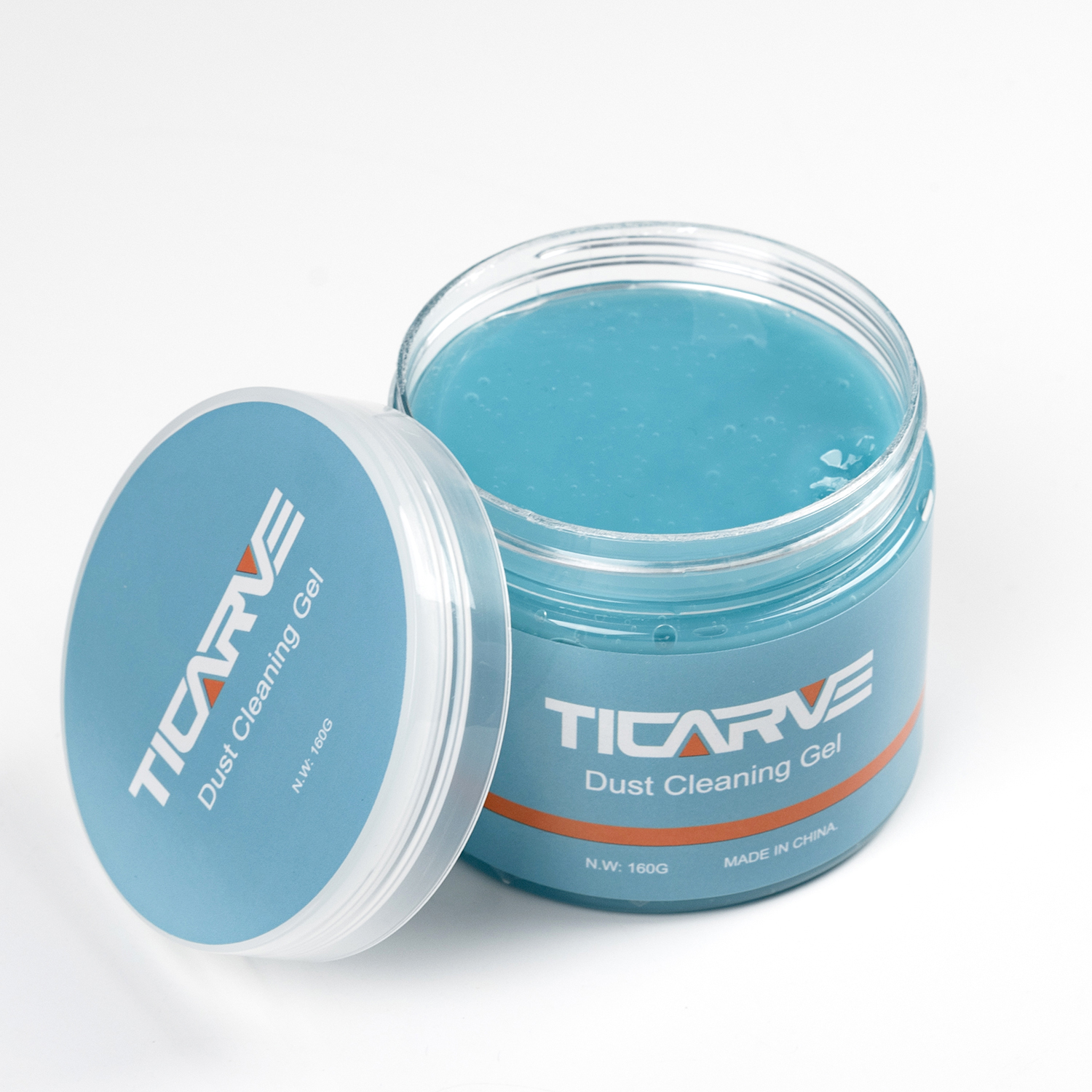
What Is Ticarve Dust Cleaning Gel?
Ticarve dust cleaning gel is a soft, moldable cleaner that picks up loose dust, hair, crumbs, and small particles from hard-to-reach areas. It works by pressing gently against a surface so dirt sticks to the gel.
It is often used on:
- Computer keyboards
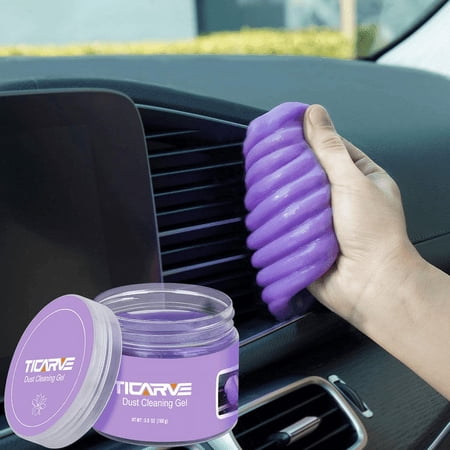
- Car vents and cup holders
- Remote controls
- Desk gaps
- Console buttons
- Air-conditioner vents
- Camera bags and small accessories
- Office equipment with closed, hard surfaces
The gel is not a disinfectant, liquid cleaner, or replacement for a damp cloth. It is mainly a tool for lifting loose debris from cracks and uneven areas.
The exact formula may vary by Ticarve product version or package. Always check the label for limits, warnings, and care instructions.
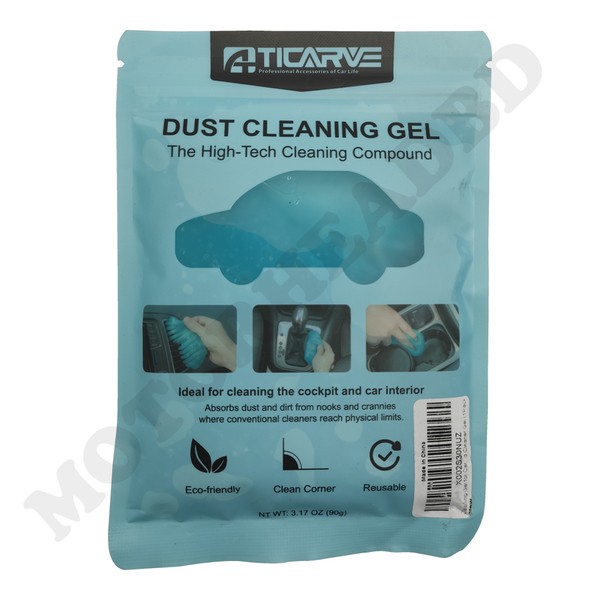
How to Use Ticarve Cleaning Gel
Use the gel on a cool, dry, hard surface. Do not place it on a hot dashboard, wet keyboard, or powered device with open ports.
Step 1: Turn off and unplug the device
Before cleaning a keyboard, game controller, remote, or other electronic item:
- Turn it off.
- Unplug it from power.
- Remove batteries if practical.
- Let the surface cool.
This reduces the risk of pushing debris into moving parts or electrical openings.
Step 2: Wash and dry your hands
Clean hands help keep skin oil, lotion, and moisture out of the gel. Dry your hands fully before touching it.
Step 3: Knead the gel
Press and fold the gel several times until it feels soft and even. Do not stretch it into a thin sheet.
Step 4: Press, then lift
Place the gel over the dusty area. Press lightly for a few seconds, then lift it straight up.
Do not scrub back and forth. Rubbing may spread dirt or leave gel in seams.
Step 5: Fold the used part inward
After lifting dust, fold the dirty surface into the center of the gel. Knead it again before cleaning the next area.
Folding helps expose a cleaner section. It does not make the gel permanently clean.
Step 6: Inspect the surface
Use a dry microfiber cloth to remove any remaining dust or small gel fibers. Check slots and seams before turning the device back on.

How to Clean the Ticarve Gel Itself
You cannot rinse Ticarve cleaning gel to clean it. Water can change its texture, weaken its shape, and make it harder to remove from surfaces.
Use this care method instead:
- Stop using the gel when its outer surface is covered with dirt.
- Fold the dirty layer into the center.
- Knead the gel gently for several seconds.
- Use the cleaner-looking side on the next small area.
- Repeat only while the gel remains firm and leaves no film.
Think of the gel as a disposable dust collector, not a washable sponge. Folding spreads the dirt through the gel. It does not remove bacteria, grease, ink, or chemical residue.
When should you throw the gel away?
Discard it when you notice any of these signs:
- The gel becomes dark throughout.
- It no longer picks up dust.
- It leaves a sticky film.
- Small pieces remain on the surface.
- It becomes dry, hard, or crumbly.
- It smells unusual.
- It has touched oil, food, chemicals, or bodily fluids.
- It was used on a visibly dirty or contaminated surface.
Do not try to restore old gel with water, alcohol, oil, lotion, or household cleaners.

How to Store Ticarve Dust Cleaning Gel
Proper storage helps prevent drying and unwanted residue.
Place the gel in its original container or a clean, airtight plastic container. Close the lid after every use. Store it in a cool, dry place away from direct sunlight, heaters, and hot vehicles.
Avoid leaving the gel:
- On a dashboard in summer heat
- Near a radiator or heat vent
- In a freezer
- In direct sunlight
- In an open container
- Against fabric or unfinished wood
A sealed container can slow drying, but it cannot restore gel that has already changed texture.
If the gel arrives dry, cracked, leaking, or unusually hard, do not add water. Follow the seller’s return instructions or the product label.

Surfaces You Should Avoid
Ticarve cleaning gel is best for smooth, nonporous, hard surfaces. Test it first in a hidden spot if the material is sensitive or expensive.
Avoid using it on:
- Carpet
- Clothing
- Upholstery
- Bedding
- Leather
- Suede
- Unfinished wood
- Painted surfaces that are peeling
- Sticky rubber coatings
- Freshly painted surfaces
- Wet areas
- Hot surfaces
- Open electrical ports
- Device speakers or microphones
- Camera sensors and lenses
- Food-contact surfaces
Do not push the gel into a keyboard switch, USB port, headphone jack, speaker grille, or car air-vent mechanism. Small pieces can break off and become difficult to remove.
Do not use the gel to clean a phone or monitor screen unless the product label clearly permits it. Screens need a method made for their coating.
What to Do If the Gel Sticks
If a small amount of gel remains on a hard surface, do not scrape it with a sharp tool. Use a fresh piece of the same gel to dab the residue gently.
If that does not work, stop and check the surface material. A dry microfiber cloth may remove light residue from a smooth, nonporous surface.
Do not apply alcohol, acetone, oil, or another solvent unless the device or surface maker specifically allows it. Solvents can damage plastic coatings, paint, rubber, and labels.
For electronics, keep liquid away from openings. If residue has entered a port or switch, leave the device powered off and ask the manufacturer or a qualified repair service for help.

Common Mistakes to Avoid
Washing the gel
Water does not remove the trapped dirt in a controlled way. It may make the gel weak, slimy, or difficult to handle.
Scrubbing with the gel
The gel should be pressed and lifted. Scrubbing can spread dust and force the gel into seams.
Using too much pressure
Light pressure is usually enough to pick up loose dust. Heavy pressure may push gel into gaps.
Cleaning a warm car interior
Heat can make the gel softer and more likely to leave residue. Let the dashboard and vents cool first.
Using it on greasy surfaces
Oil can change the gel’s texture and reduce its ability to pick up dust. Remove grease with a cleaner approved for that surface.
Leaving it uncovered
Air, heat, and sunlight can dry the gel or change its texture. Seal it after every use.
Treating it as a disinfectant
Dust gel removes loose particles. It should not be treated as a sanitizer or disinfectant.

A Simple Cleaning Schedule
Use the gel for quick spot cleaning, not as the only care method.
| Area | Best first step | Role of cleaning gel |
|---|---|---|
| Keyboard | Turn off, shake out loose debris, use a soft brush | Pick up remaining crumbs on hard surfaces |
| Car vents | Let the interior cool and remove large debris | Lift loose dust from vent edges |
| Remote control | Wipe the outside with an approved dry or slightly damp cloth | Reach around buttons without soaking the remote |
| Desk gaps | Brush or vacuum loose dust | Pick up fine particles left in cracks |
| Game controller | Power off and use a dry cloth first | Clean shallow gaps around buttons |
The gel works best after large debris has been removed. It is not a substitute for vacuuming, washing, or professional cleaning when dirt is heavy.

Frequently Asked Questions
Can I wash Ticarve cleaning gel with soap?
No. Do not wash it with soap or water unless the product label specifically says it is washable. For most dust cleaning gels, folding and kneading are the intended care method.
How many times can I use the gel?
There is no reliable use count for every Ticarve package. Lifespan depends on the amount and type of dirt, surface condition, temperature, and pressure. Replace it when it becomes dirty, dry, crumbly, or sticky.
Can I use Ticarve gel on a laptop keyboard?
You can use it only on the hard, exposed surface if the product label allows it. Turn the laptop off, unplug it, avoid ports and openings, and press lightly. Do not force gel between keys.
Can I use the gel inside my car?
Yes, for loose dust on suitable hard surfaces such as some vent edges, console areas, and cup holders. Keep it away from hot surfaces, fabric, leather, screens, and electrical openings.
What should I do if the gel leaves residue?
Use a clean piece of gel to dab the residue. If needed, use a dry microfiber cloth on a compatible hard surface. Do not use solvents unless the surface manufacturer approves them.
Conclusion
The correct way to care for Ticarve dust cleaning gel is simple: do not wash it. Fold and knead it after use, keep it in a sealed container, and discard it when it becomes dirty, dry, crumbly, or leaves residue.
For the safest results in a U.S. home, car, or office, use the gel only on cool, dry, hard surfaces. Turn off electronics first, avoid ports and delicate materials, and follow the instructions printed on your specific Ticarve package.