How To Remove Odor From Car Headliner: Easy Fixes
The safest way to remove odor from a car headliner is to find the odor source, clean the fabric with very little moisture, and dry it fully. Start with vacuuming and gentle spot cleaning. If the smell comes from smoke, mildew, food, or pet contamination, you may need an enzyme cleaner or professional interior service.
A car headliner is the fabric-covered panel attached to the roof inside the vehicle. It often contains a thin foam layer and adhesive, so too much water, heat, or scrubbing can cause stains, sagging, or separation.
This guide applies to vehicles in the United States, including cars, trucks, and SUVs. It covers smoke odor, musty smells, mildew, spilled drinks, food, pet odors, and general stale air.
Quick Answer: The Best Method for Removing Headliner Odor
- Remove trash and other odor sources from the vehicle.
- Park the vehicle in a dry, shaded, well-ventilated place.
- Vacuum the headliner with a soft brush attachment.
- Test a mild fabric cleaner on a hidden area.
- Lightly mist the cleaner onto a microfiber cloth, not directly onto the headliner.
- Blot small areas without soaking or scrubbing.
- Wipe with a barely damp cloth if needed.
- Dry the headliner completely with the doors open or windows down.
- Repeat once after the surface dries.
- If the odor remains, inspect the seats, carpet, vents, trunk, and cabin air filter before using stronger methods.
Do not saturate the headliner. Excess moisture can loosen the adhesive that holds the fabric to its backing.
Why Car Headliners Hold Odors
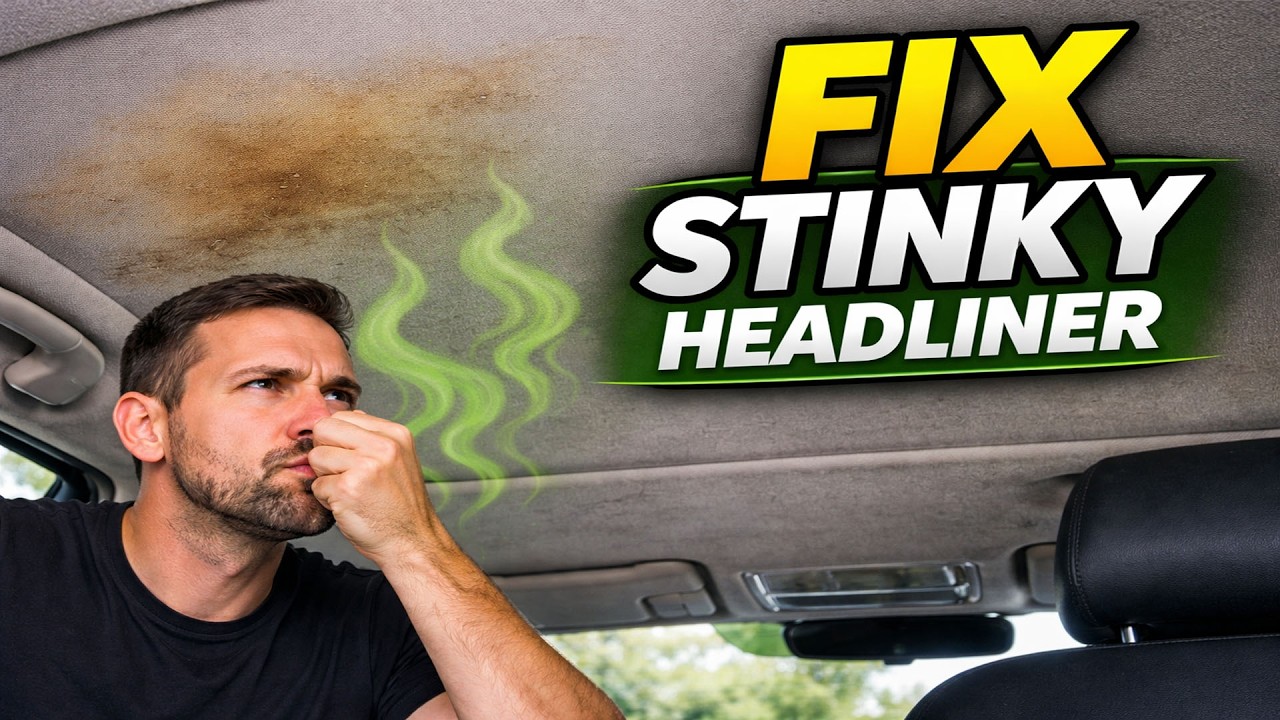
The headliner can absorb airborne smoke, body oils, food odors, and moisture. The fabric may look clean while odor particles remain in the fibers or foam beneath them.
Smoke is especially difficult because tobacco and cannabis residue can settle on the roof, glass, seats, door panels, and vents. Cleaning only the headliner may reduce the smell without removing the main source.
A musty odor often points to moisture. Possible causes include:
- A leaking sunroof drain
- A damaged door or windshield seal
- Wet floor carpet
- Water entering through the roof antenna
- A clogged air-conditioning drain
- Damp items left inside the vehicle
- Mold or mildew in hidden padding
The headliner may also be blamed for an odor that comes from another part of the cabin. Before cleaning, smell the seats, carpet, floor mats, seat belts, trunk, and air vents. Odors often travel through the enclosed cabin.
Headliner Materials and Their Limits
Most modern headliners use a fabric layer bonded to foam and a rigid backing board. The foam and adhesive do not respond well to heavy moisture.
A cleaner that is safe for a removable floor mat may be too wet for a headliner. The headliner should be treated more like delicate upholstery than carpet.

What You Need Before Cleaning
Gather these items before you start:
- A vacuum with a soft brush attachment
- Two or three clean microfiber cloths
- A small bowl or spray bottle
- Mild upholstery cleaner or diluted interior cleaner
- Distilled water for light rinsing
- A soft detailing brush, if needed
- Nitrile gloves
- A fan or access to fresh air
- A small hidden test area
choose a cleaner labeled for automotive fabric or upholstery. Avoid products that contain bleach, strong solvents, or heavy oils.
If you use a commercial product, follow its label. Products differ in dilution, dwell time, and fabric compatibility. Never mix cleaning products, especially bleach, ammonia, acids, or disinfectants.
Open the vehicle doors or windows while you work. Keep children and pets away from wet cleaning products.
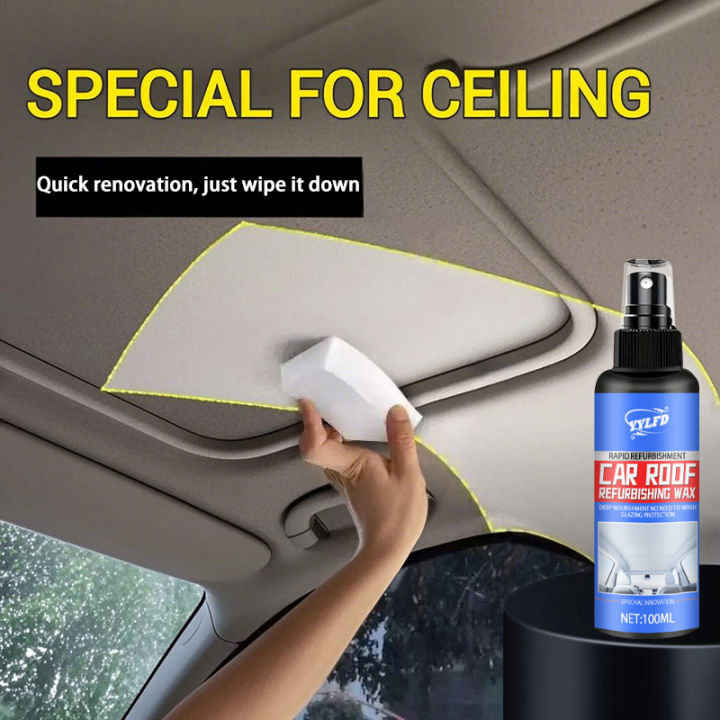
Step-by-Step: How to Remove Odor From a Car Headliner
1. Remove the Source of the Smell
Take out food containers, wet clothing, gym bags, pet bedding, and other odor sources. Empty the trash and remove the floor mats.
Check the trunk as well as the passenger area. In many vehicles, the trunk shares air space with the cabin, and a spilled liquid or damp cargo item can create a smell throughout the vehicle.
If the smell returns soon after cleaning, do not keep applying cleaner. Look for a continuing source such as water intrusion, a dirty cabin air filter, or contaminated carpet.
2. Air Out the Vehicle
Park in a dry place with the vehicle secured. Open the doors and windows for at least 15 to 30 minutes before cleaning.
Fresh air helps reduce loose odors and lets you detect the strongest area. Avoid leaving the vehicle open in rain, high humidity, or direct intense sunlight.
Do not run the engine inside a garage. Vehicle exhaust contains carbon monoxide, which can build up quickly in enclosed spaces.
3. Vacuum the Headliner Gently
Use a vacuum with a soft brush attachment. Keep the nozzle slightly above the fabric or touch it very lightly.
Work in small sections. Move in one direction rather than pressing back and forth with force. This removes dust, hair, ash, and loose particles without roughing up the fabric.
Do not use a stiff brush or press the vacuum nozzle hard against the headliner. The fabric can pull away from the backing board.
4. Test the Cleaner
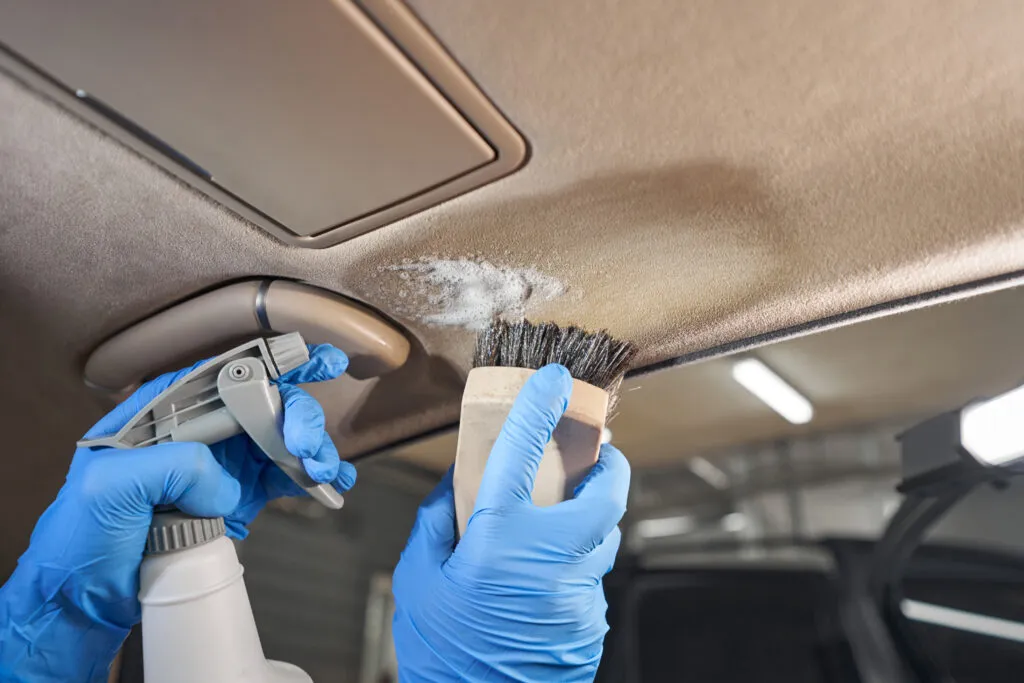
Choose a hidden spot near the edge of the headliner. Apply a small amount of the cleaner to a microfiber cloth and gently blot the test area.
Wait until it dries. Check for:
- Color change
- Water rings
- Fabric texture changes
- Sticky residue
- Foam separation
- Bleeding from a printed or dyed surface
If the test area changes, stop and use a different product or contact an automotive interior professional.
5. Apply Cleaner to the Cloth, Not the Headliner
Lightly dampen a microfiber cloth. The cloth should feel moist, not wet enough to drip.
Avoid spraying the headliner directly. Direct spraying can force liquid into the foam, wiring, roof-mounted electronics, dome lights, microphones, and side-curtain airbag areas.
Clean an area no larger than about 12 inches by 12 inches at a time. Use light blotting or short, gentle wipes. Do not scrub aggressively.
6. Blot the Odor Area
Start at the outside edge of the affected area and work toward the center. This can help limit visible rings.
For a fresh spill, blot as much liquid as possible with a dry cloth first. Do not rub the spill deeper into the fabric.
For smoke or general odor, one light cleaning pass is usually safer than repeated wet passes. Allow the fabric to dry before deciding whether another pass is needed.
7. Remove Cleaner Residue
If the product label allows it, use a second cloth barely dampened with distilled water. Blot the cleaned area lightly.
Do not rinse the headliner with a wet towel. The goal is to remove surface residue, not to flush the material.
Too much leftover cleaner can attract dust or create a new chemical smell.
8. Dry the Headliner Completely
Leave the doors or windows open in a safe, dry location. A fan aimed through the cabin can improve airflow.
Do not use a heat gun, hair dryer on high heat, or steam cleaner. High heat can soften adhesive and increase the risk of sagging.
The headliner should feel dry before the vehicle is closed. If it remains damp, continue ventilating it. A musty smell after cleaning may mean moisture remains inside the fabric or foam.
9. Clean Nearby Odor Sources
Clean the areas that commonly hold odor:
- Cloth seats
- Floor carpet
- Floor mats
- Seat belts
- Door panels
- Rear shelf
- Trunk lining
- Cup holders
- HVAC vents
- Cabin air filter housing
The cabin air filter may hold dust and odor particles, but replacing it will not fix a leak or contaminated carpet. Check the vehicle owner’s manual for the correct filter location and replacement procedure.

Choosing a Method by Odor Type
The odor type changes the best cleaning approach. Use the table below as a starting point, then confirm the source before treating the headliner.
| Odor | Likely source | Best first step | When to get more help |
|---|---|---|---|
| Smoke | Fabric, foam, seats, carpet, vents, glass | Vacuum and lightly clean all exposed interior surfaces | Odor remains after several complete interior cleanings |
| Musty smell | Moisture, mold, wet carpet, roof or door leak | Find and fix the water source before cleaning | Visible mold, repeated dampness, or a strong persistent smell |
| Food or drink | Spill in fabric, foam, carpet, or seat tracks | Blot and use a suitable upholstery cleaner | Liquid entered the headliner or hidden padding |
| Pet odor | Hair, dander, saliva, urine, or bedding | Vacuum and use an enzyme product only where appropriate | Urine reached foam, carpet padding, or seat structures |
| Chemical smell | Cleaner, adhesive, coolant, or other substance | Air out the vehicle and identify the product or leak | Headache, eye irritation, fumes, or an unknown liquid |
| General stale odor | Dust, damp items, dirty cabin filter | Remove clutter, vacuum, and ventilate | Smell returns quickly after cleaning |
Smoke Odor
Smoke residue is not limited to the visible surface. It can cling to the headliner, glass, plastic trim, upholstery, and HVAC system.
Clean the inside of the windows because residue on glass can continue to smell. Use a glass cleaner on glass only, and keep it away from the headliner.
For severe smoke odor, a professional detailer may use specialized cleaning methods. Ask what chemicals and equipment will be used, whether the process is safe for the headliner adhesive, and how the vehicle will be ventilated afterward.
Musty or Mildew Odor
Do not mask a musty smell with fragrance. Find the moisture source first.
Feel the carpet and padding, especially under floor mats and near door sills. Inspect the headliner around the sunroof, roof antenna, windshield, and overhead lights. Look for water marks, dampness, discoloration, or peeling fabric.
The U.S. Environmental Protection Agency advises addressing moisture problems promptly because mold needs moisture to grow. If you see extensive mold or the vehicle has sustained major water damage, professional remediation may be safer than home cleaning.
Pet and Organic Odors
Enzyme cleaners can help break down some organic residues, but they are not suitable for every material. Check the product label and use a hidden test area.
Do not soak a headliner with an enzyme cleaner. Apply a small amount to a cloth and blot only the affected area. If urine or another liquid reached the foam backing, surface cleaning may not remove the odor completely.

Odor Removal Methods to Avoid
Some popular odor treatments can damage a vehicle or create safety problems.
Do Not Saturate the Headliner
Heavy moisture can loosen the adhesive between the fabric and backing board. The result may be:
- Sagging fabric
- Bubbles
- Wrinkles
- Brown or gray water marks
- Permanent separation
A wet headliner may also trap odor inside the foam.
Use Steam With Caution
Steam cleaners produce heat and moisture. Both can damage the adhesive or push water into the backing.
Unless the vehicle manufacturer or a trained interior professional approves the method for that specific material, avoid using steam on the headliner.
Do Not Use Bleach or Strong Solvents
Bleach can discolor fabric and weaken materials. Solvents may dissolve adhesive, damage plastic trim, or leave harmful fumes.
Avoid gasoline, paint thinner, acetone, strong degreasers, and unapproved disinfectants.
Do Not Spray Fragrance as a Fix
Air fresheners cover odor for a short time. They do not remove smoke residue, mold, food, or moisture.
Fragrance products can also combine with the original odor and make the cabin smell worse.
Be Careful With Ozone Generators
Ozone treatment is sometimes used for severe vehicle odors, but ozone is a respiratory irritant and can damage rubber, plastics, and other materials at sufficient exposure levels. The EPA states that ozone generators should not be used in occupied spaces as a general air-cleaning method.
Never sit in a vehicle while an ozone generator is operating. If you hire a professional, ask about evacuation, treatment limits, ventilation, and the time required before the vehicle is safe to enter.

Headliner Safety Around Airbags and Electronics
Many vehicles have side-curtain airbags in the roof pillars or along the headliner area. Others have overhead lights, microphones, cameras, sensors, and wiring near the roof.
Do not remove the headliner unless you understand the vehicle’s restraint system and follow the manufacturer’s service information. Removing trim near an airbag can cause injury or interfere with deployment if it is reinstalled incorrectly.
Keep liquid away from:
- Dome lights
- Overhead consoles
- Garage-door opener controls
- Microphones
- Cameras
- Sunroof switches
- Roof-mounted sensors
- Side-curtain airbag seams
If you notice a loose headliner near an airbag, do not use adhesive, staples, or screws as a quick fix. A qualified automotive interior or repair professional should inspect it.
What to Do If the Odor Does Not Go Away
If the smell remains after one or two light cleaning passes, stop adding product and diagnose the source.
Use this sequence:
- Smell the headliner, seats, carpet, and trunk separately.
- Check for damp carpet or water stains.
- Inspect door seals, the windshield area, the sunroof, and roof antenna.
- Check the cabin air filter.
- Clean the seats, carpet, floor mats, and glass.
- Look under seats and inside storage compartments.
- Check for spilled liquids or pet contamination.
- Have the HVAC system inspected if the smell appears when the fan or air conditioner runs.
A headliner may need replacement when the fabric is sagging, the foam has broken down, or odor has penetrated deeply into the backing. Cleaning cannot restore failed adhesive.
Contact a professional if:
- You see widespread mold.
- The vehicle had flooding or major water damage.
- The odor causes coughing, wheezing, headaches, or eye irritation.
- The headliner is separating.
- The odor comes from coolant, fuel, exhaust, or an unknown chemical.
- A deployed or damaged airbag is nearby.
- Water continues to enter the cabin.
How to Prevent Headliner Odors
Prevention is easier than repeated wet cleaning.
- Remove food and drink spills quickly.
- Keep wet clothing, towels, and sports equipment in sealed containers.
- Clean pet hair before it builds up.
- Avoid smoking inside the vehicle.
- Dry wet floor mats before putting them back.
- Check the cabin after heavy rain.
- Keep the sunroof drains and door drain areas clear.
- Replace the cabin air filter according to the vehicle’s maintenance schedule.
- Use sunshades when practical to reduce interior heat.
- Do not store strong chemicals, gasoline containers, or solvents in the cabin.
If a vehicle develops a musty smell after rain, investigate it early. A small seal problem is usually easier to address than wet padding and mold growth.

Common Mistakes When Cleaning a Car Headliner
Spraying the Cleaner Directly on the Fabric
Direct spray can soak the foam and reach electronics. Spray or apply the product to a cloth instead.
Scrubbing a Stain Too Hard
Hard scrubbing can spread the stain, flatten the fabric, or loosen the headliner from its backing.
Cleaning Only the Roof
Odor often remains in the seats, floor, vents, or trunk. Treat the whole cabin when the smell is widespread.
Closing the Vehicle While It Is Damp
A closed, damp cabin can develop a stronger musty odor. Dry the headliner and other cleaned areas before closing the doors.
Using Heat to Speed Up Drying
High heat may weaken the adhesive. Use airflow rather than intense heat.
Treating Mold Without Fixing the Leak
Mold can return if the moisture source remains. Repair the leak first, then clean or replace affected materials.

Frequently Asked Questions
Can baking soda remove odor from a car headliner?
Baking soda may absorb some surface odor, but it is not a complete treatment for smoke, mold, or liquid contamination. If you use it, apply a small amount, let it sit briefly, and vacuum it gently with a soft brush attachment. Avoid rubbing powder into the fabric or leaving residue near electronics.
Can I use vinegar on a car headliner?
Vinegar may leave its own smell and can affect some fabrics, dyes, and adhesives. It is not the best first choice for a headliner. Use a cleaner made for automotive upholstery, test it in a hidden area, and apply it sparingly.
How do I remove cigarette smoke smell from a car headliner?
Vacuum and lightly clean the headliner, then clean the glass, seats, carpet, door panels, trunk, and other surfaces that collected smoke residue. Replace a dirty cabin air filter if needed. Severe smoke odor may require professional interior cleaning because the residue can be inside the HVAC system and foam padding.
Why does my car headliner smell musty after rain?
A musty smell after rain often indicates water entering through a seal, sunroof drain, windshield, roof antenna, or door area. Check for water marks and damp carpet. Fix the leak before applying cleaner, or the odor may return.
Can I replace a sagging headliner instead of cleaning it?
Yes. Replacement is often the proper solution when the fabric has separated from its foam backing. Cleaning will not reliably restore failed adhesive. A headliner shop or qualified automotive trim professional can replace the fabric and inspect nearby trim and airbag areas.
Is an ozone generator safe for removing car odor?
Ozone can irritate the lungs and damage some vehicle materials. Never use it while people or animals are inside the vehicle. If a professional uses ozone, the vehicle must be unoccupied, treated under controlled conditions, and thoroughly ventilated before entry.
Final Recommendation
Start with the least aggressive method: remove the odor source, vacuum the headliner, spot-test a mild upholstery cleaner, blot with minimal moisture, and dry the vehicle fully. Do not soak, steam, bleach, or aggressively scrub the fabric.
If the smell is musty, find the leak. If it is severe smoke, pet, or liquid odor, clean the entire affected area rather than treating only the roof. Replace a sagging or damaged headliner, and use a qualified professional when mold, flooding, chemicals, or airbags are involved.