What Is Car Cleaning Gel: Uses, Benefits, And Buying Tips
Introduction
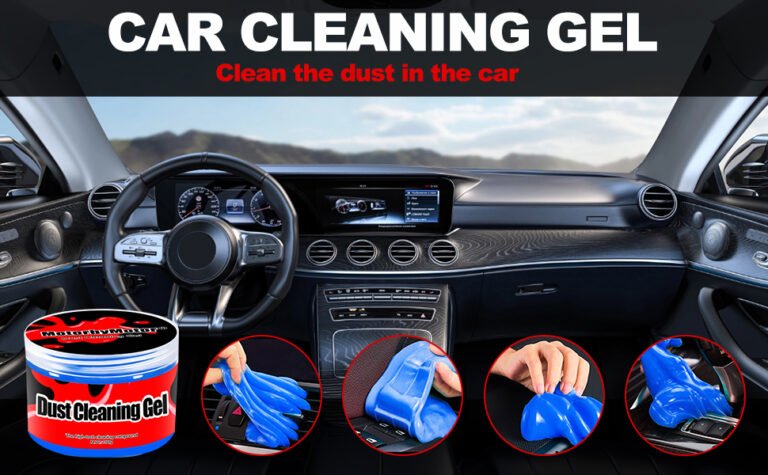
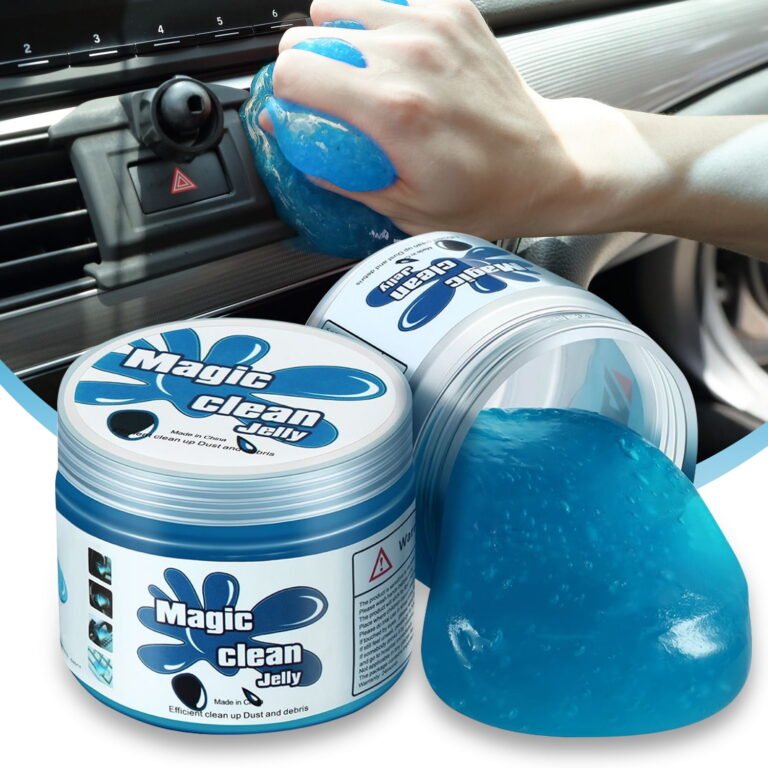
Car cleaning gel is a soft, sticky polymer gel that lifts dust, crumbs, hair, and small bits of dirt from hard-to-reach areas inside a vehicle. In the United States, drivers often use it around air vents, cup holders, dashboard seams, door pockets, and console buttons.
Unlike a spray cleaner, car cleaning gel does not wash away grease or stains. It works more like a reusable piece of soft putty. Press it gently onto loose dirt, then lift it away. The dirt sticks to the gel instead of spreading across the surface.
The formula, strength, and care instructions vary by brand. Always read the product label before use, especially on leather, screens, soft-touch coatings, and painted trim.

What Is Car Cleaning Gel Made Of?
Car cleaning gel is usually made from a flexible polymer mixture that has three key traits:
- It holds its shape when handled.
- It becomes slightly tacky when pressed onto a surface.
- It can trap loose particles without leaving much liquid behind.
Many products also contain water, softening agents, colorants, fragrance, or preservatives. The exact formula is not the same across all brands. Some gels are firmer, while others are soft and stretchable.
The word “gel” can be confusing. Car cleaning gel is not the same as a liquid car wash soap, interior cleaner, or glass cleaner. It is a physical cleaning tool. It removes loose particles by contact rather than dissolving them.
Common names for car cleaning gel
You may see this product sold under several names:
- Car cleaning gel
- Auto cleaning gel
- Car detailing gel
- Dust cleaning gel
- Car cleaning putty
- Interior cleaning slime
- Crevice cleaning gel
These names often describe similar products. However, similar appearance does not guarantee the same material or safe-use instructions. Check the label for approved surfaces and disposal guidance.
How Does Car Cleaning Gel Work?
Car cleaning gel works through light adhesion and pressure. When you press it into a dusty gap, the gel touches the dirt. The particles stick to the gel more strongly than they stick to the surface. When you lift the gel, it carries much of the loose debris away.
The gel is most useful for particles that are:
- Dry
- Loose
- Small
- Sitting on or near the surface
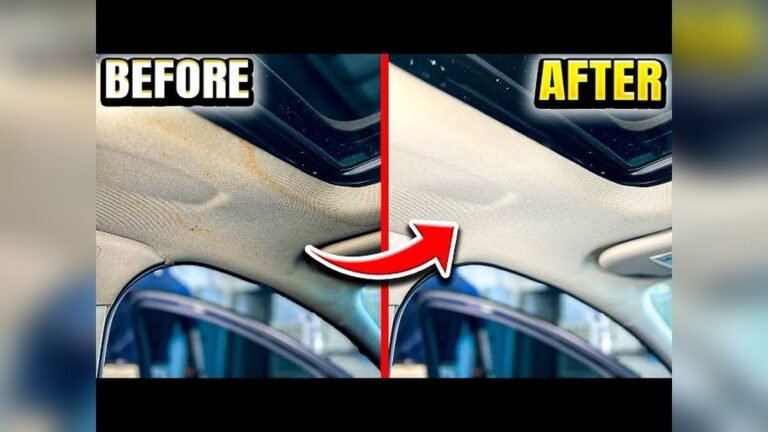
It may collect dust from a vent grille or crumbs from a cup holder. It will not act like a solvent. It usually cannot remove dried soda, oil, road tar, ink, or ground-in soil.
Think of the gel as a soft dust catcher. It reaches places that a cloth may miss, but it does not replace a full interior detail.
What it can remove
Car cleaning gel may help collect:
- Dust
- Crumbs
- Pet hair
- Small dirt particles
- Dry sand
- Loose debris in seams
- Light debris around buttons and vents
Performance depends on the gel, the surface, and the condition of the dirt. A product may pick up loose dust well but struggle with hair or heavy grit.
What it cannot remove well
Car cleaning gel is not designed to remove:
- Grease
- Oil
- Dried food
- Sticky drink residue
- Mold
- Ink
- Water stains
- Heavy grime
- bacteria or viruses as a disinfectant
Do not treat a gel as a sanitizer. Picking up visible dirt does not prove that a surface is disinfected.

How to Use Car Cleaning Gel
Use car cleaning gel with light pressure. Pressing too hard can force the material into seams or leave residue.
Step 1: Read the product label
Check the label before opening the package. Look for:
- Approved surfaces
- Surfaces to avoid
- Temperature limits
- Storage instructions
- Warnings about children and pets
- Advice on disposal or reuse
The label is the best source for that specific product.
Step 2: Test a hidden area
Place a small amount on an unseen part of the same material. Lift it after a few seconds. Check for:
- Oily residue
- Color transfer
- Surface dullness
- Changes in texture
- Pieces of gel left behind
If the test causes a problem, do not use the product on the visible area.
Step 3: Remove large debris first
Pick up large crumbs, coins, paper, and other loose objects by hand. This keeps the gel cleaner and reduces the risk of pushing hard objects into the surface.
Step 4: Press and lift
Place the gel over the dusty area. Press it gently for a moment. Then lift it straight up.
Do not rub it back and forth. Rubbing can spread dirt and increase the chance of residue.
Step 5: Fold the dirty part inward
After each use, fold the used section into the center of the gel. This exposes a cleaner surface for the next pass.
Stop using the gel when it becomes dirty, oily, wet, or less tacky. A heavily soiled gel can transfer grime instead of removing it.
Step 6: Wipe the area if needed
If the surface still looks dirty, use a clean microfiber towel and a suitable interior cleaner. Follow the vehicle maker’s instructions for screens, leather, vinyl, and coated trim.
Signs of successful use
The process worked when:
- Loose dust is visibly reduced.
- Crumbs are gone from the treated area.
- No gel remains in the seams.
- The surface has no oily film.
- The material looks unchanged after cleaning.
If the area remains sticky, stop using the gel. Remove residue with a method approved for that surface.

Where Can You Use Car Cleaning Gel?
Car cleaning gel is best for small, hard-to-reach areas made from firm, nonporous materials. Common examples include:
- Plastic air vents
- Plastic cup holders
- Door-handle recesses
- Center-console gaps
- Dashboard seams
- Around gear selectors
- Hard plastic switch panels
- Storage pockets
- Raised lettering on interior trim
Use care around electronic controls. The gel should not be pushed into gaps where it may remain trapped.
Surfaces that need extra care
Some vehicle materials can react poorly to pressure, tack, moisture, or chemicals. Use caution on:
- Touchscreens
- Instrument clusters
- Gloss-black trim
- Soft-touch plastic
- Leather
- Suede or microfiber upholstery
- Wood-look trim
- Wrapped surfaces
- Painted surfaces
- Rubberized coatings
A car’s interior may contain several materials in one small area. A product that works on hard plastic may not be safe for a screen or leather surface.
Can you use it on a car’s touchscreen?
Only use a cleaning gel on a touchscreen if the vehicle maker and gel maker allow it. In many cases, a clean, dry microfiber cloth is the safer choice.
Screens can have anti-glare or oleophobic coatings. A tacky product may leave a film or pull at an edge or damaged coating. Do not press gel around screen borders, speakers, buttons, or ports.

Car Cleaning Gel vs. Other Interior Cleaning Tools
Each cleaning tool solves a different problem. Car cleaning gel is useful for loose debris in narrow spaces, but it is not a complete interior cleaner.
| Cleaning tool | Best for | Main limit |
|---|---|---|
| Car cleaning gel | Loose dust and crumbs in small gaps | Does not remove grease or stains |
| Microfiber towel | Dust, light soil, and treated surfaces | May not reach deep seams |
| Soft detailing brush | Vents, seams, and textured trim | Can move dust into the cabin |
| Vacuum with a crevice tool | Crumbs, hair, and larger debris | May not clean tight button gaps |
| Interior cleaner | Film, light stains, and residue | Must match the surface |
| Steam cleaner | Certain deep-cleaning tasks | Heat and moisture can damage materials |
A good cleaning routine often uses more than one tool. For example, vacuum large debris first, use a soft brush to loosen dust, and use a microfiber towel for the final wipe.
The deciding factor is the type of dirt. Use gel for loose particles. Use a compatible cleaner for bonded grime.

Benefits and Drawbacks of Car Cleaning Gel
Car cleaning gel has a narrow but useful job.
Benefits
- Reaches narrow spaces.
- Does not require a spray bottle.
- Can collect dry dust and crumbs.
- Is simple to use.
- Produces little airborne dust when used gently.
- May be reusable for a limited time.
- Helps clean areas that are awkward for a towel.
Drawbacks
- Does not clean oily or dried-on dirt.
- Can leave residue if overused or too warm.
- May break apart in damaged or rough surfaces.
- Can trap hair and become difficult to handle.
- May push dirt deeper into seams.
- Is not a disinfectant.
- May not work well in cold conditions.
- Can soften or change texture when exposed to heat.
Do not judge the product only by how clean it looks after one pass. Check whether it leaves a film or changes the surface over time.

How to Choose a Car Cleaning Gel
Choose a car cleaning gel based on the surfaces you plan to clean and the conditions in your vehicle.
Check the approved surfaces
The package should explain where the product can be used. Avoid products with unclear instructions if you plan to clean expensive trim, screens, leather, or delicate coatings.
Consider temperature
A parked car can become very hot in direct summer sun. Heat may make a gel too soft and increase the chance of residue. Cold weather may make it stiff and less effective.
Use the product within the temperature range stated on the label. If no range is provided, test it carefully in a hidden area.
Look for clear reuse instructions
Some gels are intended for repeated use until they become visibly dirty. Others are designed for limited use. “Reusable” does not mean unlimited. A gel filled with dust, oil, or hair should not return to clean surfaces.
Avoid strong fragrance if sensitive
Some products contain fragrance. A strong scent may be unpleasant in a closed vehicle. People with fragrance sensitivity may prefer an unscented option, if available.
Do not confuse color with performance
Bright colors, unusual shapes, and fragrance do not prove that a gel cleans better. Focus on the material instructions, surface compatibility, and residue warnings.

Common Mistakes to Avoid
Using the gel on wet surfaces
Moisture can change the texture of the gel and make residue more likely. Dry the area first unless the label says otherwise.
Rubbing instead of pressing
Rubbing spreads dust and may grind grit into soft surfaces. Press, hold briefly, and lift.
Leaving it in a hot car
Heat can soften the gel and increase transfer. Store it in its original container in a cool place.
Using it on fabric or carpet without testing
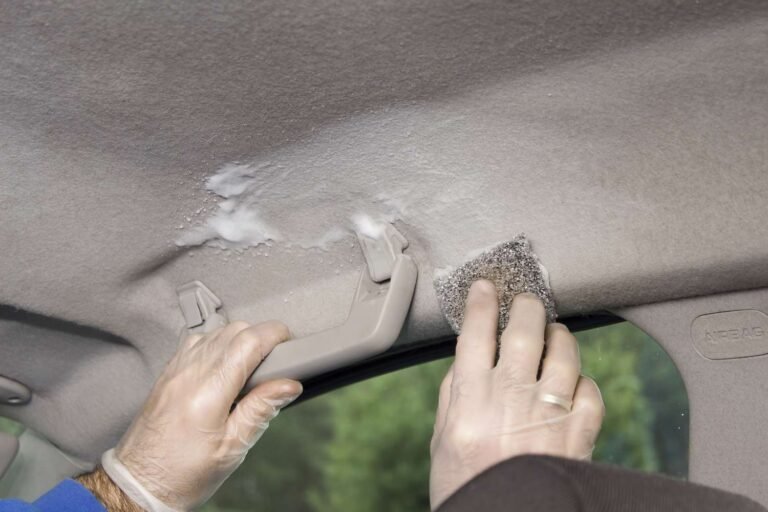
Fabric can hold gel particles or pick up color. Vacuum these areas first, then follow the fabric care instructions.
Pushing it into vents or cracks
The gel should collect debris at the opening. Do not force it deep into an air vent, button gap, speaker grille, USB port, or control panel.
Using one dirty piece everywhere
A gel that has collected grit can scratch or soil another surface. Fold it often and discard it when it looks dirty.
Treating it as a disinfectant
Visible cleanliness and disinfection are different results. Use an appropriate product when disinfection is required, and confirm that it is safe for the vehicle surface.
Letting children or pets handle it
Small pieces may create a choking risk. Keep the product in its container and follow the package warning.

Is Car Cleaning Gel Safe for Your Vehicle?
Car cleaning gel can be safe when used as directed, but no single product is safe for every vehicle surface.
The main risks are residue, staining, surface damage, and pieces becoming trapped in gaps. These risks increase when the gel is old, dirty, overheated, pressed too hard, or used on a rough or soft surface.
For a newer vehicle, check the owner’s manual before cleaning sensitive materials. Automakers may give specific instructions for touchscreens, leather, coated trim, and displays.
If gel becomes trapped in a seam, do not use a sharp tool to dig it out. Try lifting it with a fresh, clean piece of the same gel if the label permits. For electronics or controls, turn the vehicle off and seek professional help if material enters a port or switch.
What to do if residue remains
- Stop using the gel.
- Do not spread the residue with heavy rubbing.
- Check the vehicle manual and product label.
- Test a suitable microfiber cloth or cleaner in a hidden area.
- Contact the vehicle maker or a professional detailer if the surface changes.
The right removal method depends on the material. A cleaner safe for vinyl may damage leather, screens, or soft-touch coatings.

How Often Should You Use Car Cleaning Gel?
Use car cleaning gel when loose dirt collects in small spaces. There is no universal weekly or monthly schedule.
A light user may need it only during routine interior cleaning. A vehicle that carries pets, children, food, or outdoor gear may need more frequent spot cleaning.
Do not use it as a substitute for vacuuming. Vacuuming removes more dirt from carpets, seats, and floor mats. Gel is better as a detail tool for small areas that are hard to reach.
A practical routine is:
- Remove trash and large objects.
- Vacuum seats, carpets, and floor mats.
- Use a soft brush on vents and seams.
- Use gel on suitable hard surfaces.
- Wipe compatible surfaces with a clean microfiber towel.
- Inspect for residue before storing the vehicle.

Frequently Asked Questions
Is car cleaning gel the same as cleaning slime?
They may look similar, but they are not always the same formula. Car cleaning gel is made for vehicle cleaning, while toy slime and craft putty may contain materials that stain, break apart, or leave residue. Do not use household slime in a car unless its label clearly supports that use.
Does car cleaning gel remove germs?
Not by itself. It may remove some particles from a surface, but that is not the same as cleaning with a disinfectant. Use a registered disinfectant only when needed and only when it is suitable for the vehicle material.
Can car cleaning gel remove pet hair?
It may collect some loose hair, especially from hard plastic surfaces. It is usually less effective on fabric, carpet, and upholstery. A vacuum with a suitable attachment is often better for embedded pet hair.
Can you wash car cleaning gel?
Do not wash it unless the product instructions specifically say that you can. Water may change its texture or make it unusable. Follow the package directions for reuse and disposal.
Why is my car cleaning gel leaving a sticky film?
Possible causes include heat, moisture, an old or overloaded gel, excessive pressure, or an incompatible surface. Stop using it and test a suitable surface cleaner in a hidden area before attempting residue removal.
Key Takeaways
- Car cleaning gel is a tacky polymer tool for loose dust and small debris.
- It works best in vents, seams, cup holders, and hard plastic gaps.
- It does not replace soap, interior cleaner, vacuuming, or disinfection.
- Press and lift the gel. Do not rub it across the surface.
- Test it before use on screens, leather, soft-touch trim, and painted surfaces.
- Keep it away from heat, moisture, ports, deep gaps, children, and pets.
- Stop using it when it becomes dirty, oily, wet, or less effective.
Conclusion
Car cleaning gel is a convenient detail tool for removing loose dust and crumbs from hard-to-reach areas inside a U.S. vehicle. Its value comes from its tacky texture, not from chemical cleaning power.
Use it gently on approved, dry surfaces. Pair it with vacuuming, microfiber towels, and the correct interior cleaner for a complete cleaning job. Before using any gel on a sensitive material, test a hidden area and follow both the product label and the vehicle owner’s manual.