How To Make Car Cleaning Wipes: Easy DIY Guide
Keeping a car clean does not require a large shelf of expensive products. You can make simple car cleaning wipes at home with soft cloths, clean water, and a mild cleaner. These wipes work well for dust, fingerprints, light grime, cup holders, door panels, and other hard interior surfaces.
The key is to match the wipe to the surface. A cleaner that is safe for plastic may dry out leather. A liquid that works on a rubber floor mat may leave streaks on a touchscreen. Homemade wipes are useful, but they are not a one-size-fits-all product.
This guide explains how to make car cleaning wipes for beginners, DIY detailers, parents, gift buyers, and teen drivers. You will learn which materials to use, how to mix safe solutions, how to store the wipes, and which surfaces should be cleaned with a separate method.

Quick answer: How do you make car cleaning wipes?
The best way to make car cleaning wipes is to cut clean microfiber towels into small squares, place them in a sealed container, and add a mild solution made from distilled water and a small amount of pH-neutral soap. Use a damp, not soaking-wet, cloth on plastic, vinyl, rubber, and painted trim. Make separate wipes for glass, screens, and leather.

Homemade car wipes are best for light cleaning. They can remove dust, skin oil, drink drops, and road film from many interior parts. They are not a tested disinfectant unless the formula and contact time meet a recognized disinfecting standard.
For most drivers, the safest starter mix is simple:
- 2 cups of distilled water
- 1 teaspoon of mild, pH-neutral soap
- Clean microfiber cloths
- A sealable plastic or glass container
Do not soak the cloths. Too much liquid can seep into switches, vents, speakers, seat controls, and electronic modules.
What you need to make homemade car wipes
You need only a few basic items. Most are easy to find at an auto parts store, grocery store, or home supply shop. The biggest difference between a good wipe and a poor one is often the cloth, not the cleaner.
Tools and materials checklist
Choose supplies based on your vehicle and the type of cleaning you plan to do. A teen driver with a basic sedan may need only interior wipes. An experienced DIY detailer may want separate cloths for glass, leather, screens, and exterior trim.
| Item | Why it matters | Best use |
|---|---|---|
| Microfiber towels | Trap dust with less scratching risk | Dash, trim, doors, seats |
| Distilled water | Leaves fewer mineral marks | All homemade solutions |
| Mild pH-neutral soap | Loosens light grease and dirt | Plastic, vinyl, rubber |
| Sealable container | Keeps cloths moist and clean | Storage at home or on trips |
| Measuring spoon | Helps keep the mix mild | Consistent recipes |
| Soft detailing brush | Reaches seams and vents | Heavy dust and crevices |
| Nitrile gloves | Protects hands from grime | Deep interior cleaning |
A 16-by-16-inch microfiber towel is a practical size. You can fold it into quarters and cut it into four smaller squares. Avoid old cotton T-shirts with rough seams, loose threads, or printed areas. These can drag dirt across glossy trim.
Why microfiber is the right cloth
Microfiber is made from very fine synthetic fibers. The fibers can collect dust and oil instead of pushing all the dirt around. A good microfiber towel also leaves fewer lint fibers on dark dashboards and glossy screens.
Use different colors for different jobs. For example, use blue for glass, gray for interior trim, and green for door jambs or dirty areas. This helps prevent a wheel or engine-bay cloth from touching your steering wheel.

Container choices
A wide-mouth plastic container works well because it lets you remove one wipe at a time. A clean food-storage container can work if it has a tight lid. Wash and dry it first.
A resealable bag is useful for a short road trip. It is less useful for long-term storage because the cloths can dry out or leak. Do not store wet wipes in a hot vehicle for long periods.
Choose the right cleaning solution
The best homemade car cleaning solution is mild, diluted, and made for the surface you are cleaning. More soap does not mean better cleaning. Too much soap leaves a sticky film that attracts dust.
Basic interior cleaning wipe recipe
This is the best starting recipe for most beginners, parents, and new drivers.
Ingredients:
- 2 cups distilled water
- 1 teaspoon mild pH-neutral soap
- 8 to 12 clean microfiber squares
Directions:
- Add the distilled water to a clean bowl.
- Mix in the soap slowly.
- Stir without making a large amount of foam.
- Dip each cloth into the liquid.
- Wring the cloth until it is damp.
- Fold the cloth and place it in a sealed container.
- Label the container with the date and solution type.
This recipe is designed for hard plastic, vinyl, rubber door seals, steering-wheel trim, and most coated interior panels. Always test a hidden spot first.
Glass cleaning wipe recipe
Car glass needs a low-residue formula. Soap can leave streaks, especially in direct sun.
Ingredients:
- 2 cups distilled water
- ½ cup 70% isopropyl alcohol
- 1 teaspoon white vinegar, optional
- Clean glass-only microfiber towels
Mix the ingredients in a spray bottle or bowl. Use the solution to dampen the cloth rather than soaking it. Wipe the glass with one side, then buff it with a dry glass towel.
Do not use this formula on leather, screens, clear plastic, glossy piano-black trim, or tinted film unless the film maker approves it. Alcohol and vinegar can affect some coatings.
Light grease and touch-point wipe recipe
Steering wheels, door handles, window switches, and center consoles often collect skin oil. A slightly stronger cleaner can help, but it should still be mild.
Ingredients:
- 2 cups distilled water
- 1 teaspoon pH-neutral interior cleaner
- ½ teaspoon mild soap, only if needed
Use this formula on hard plastic and vinyl after a spot test. Avoid flooding buttons or switches. For a steering wheel, use a small amount and dry the surface fully so your hands do not slip.
| Formula | Ingredients | Surfaces |
|---|---|---|
| Basic interior | Distilled water and mild soap | Plastic, vinyl, rubber |
| Glass | Distilled water, isopropyl alcohol, optional vinegar | Interior and exterior glass |
| Light grease | Distilled water and diluted interior cleaner | Handles, consoles, switches |
| Leather care | Leather cleaner approved for automotive use | Coated leather only |
| Screen care | Distilled water on a barely damp cloth | Touchscreens and displays |
The main takeaway is to keep separate recipes for separate surfaces. A single strong mix may save time, but it also raises the chance of stains, streaks, or damaged coatings.
Should you add essential oils?
It is better to skip essential oils. They can leave an oily film, stain porous materials, or create a strong scent in a closed cabin. Some drivers and passengers may also be sensitive to fragrance.
If you want a fresh smell, use a purpose-made car air freshener. Keep it away from airbags and do not cover vents. A clean cabin should smell neutral, not heavily masked.
A safe recipe for reusable car cleaning wipes
Reusable wipes are usually better than disposable paper towels. They cost less over time and create less waste. They also offer better control because you can wash them after each use.

Step-by-step recipe
Follow these steps for a basic batch:
- Wash the microfiber towels before the first use.
- Do not use fabric softener or dryer sheets.
- Let the towels dry completely.
- Fold or cut them into manageable squares.
- Mix a mild cleaning solution.
- Dampen each cloth.
- Wring out extra liquid.
- Store the cloths in a labeled, sealed container.
- Use a clean cloth for each major surface.
- Wash used cloths as soon as practical.
A 1-quart container may hold about 8 to 12 folded wipes, depending on the towel size. Do not pack the container so tightly that the cloths stay compressed and cannot dry between uses.
How wet should a wipe be?
The wipe should feel damp but should not release drops when squeezed. If you can wring water from it, it is too wet for dashboards, door controls, and electronic areas.
For a touchscreen or instrument display, use an even drier cloth. Spray the solution onto the cloth, never directly onto the screen. This keeps liquid away from the screen edge and internal electronics.
💡 Pro Tip: Use two cloths for every important area. The first removes dirt, and the second dries the surface. Drying is what prevents many streaks and water marks.
How long do homemade wipes last?
Homemade wipes do not have the same shelf life as factory-made wipes. Without a tested preservative system, water-based wipes can grow bacteria, mold, or mildew.
Make only enough for about one week of normal use. Store the container in a cool place. Throw the wipes away if they smell sour, look cloudy, show spots, or feel slimy.
Do not add bleach or other preservatives from a random online recipe. Some preservatives require exact amounts, proper pH, and careful handling. A sealed container does not make a water-based cleaner sterile.
Match the wipe to the vehicle surface
Different vehicle surfaces need different care. A modern EV may have large glossy screens and synthetic leather. An older truck may have textured vinyl, rubber mats, and hard plastic. The cleaning plan should match the materials.

Plastic, vinyl, and rubber
The basic distilled-water-and-mild-soap wipe is suitable for many hard interior surfaces. Use light pressure and work in small sections. Follow with a dry microfiber towel.
Do not use oily dressings on the steering wheel, pedals, shifter, or floor mats. A slippery surface can reduce control. Avoid high-gloss products on dashboards because glare can affect visibility.
Leather and synthetic leather
Leather needs a cleaner made for automotive leather. Many modern seats have a protective top coat, but that coating can still become dull or dry with harsh chemicals.
Use a barely damp microfiber towel for light dust. For spills or body oil, use a leather-safe cleaner according to its label. Do not use household disinfectants, alcohol-heavy glass cleaner, or strong soap on leather.
Synthetic leather, often called vinyl leather or vegan leather, may tolerate mild soap better. Even so, test a hidden area. Material names vary by vehicle maker and trim level.
Touchscreens and instrument displays
Screens should be cleaned with a soft, dry microfiber towel first. If needed, lightly dampen the cloth with distilled water. Keep the cloth almost dry.
Avoid paper towels, ammonia, abrasive cleaners, and direct spraying. Do not press hard. Screen coatings can develop haze or fine scratches when dirt is rubbed with pressure.
Piano-black trim and clear plastic
Glossy black trim shows fingerprints easily but scratches just as easily. Use a clean, short-pile microfiber towel. Do not use a cloth that has touched sand, tire dressing, or exterior plastic.
Clear plastic over gauges and lenses needs the same gentle method. A rough towel can leave fine marks that become very visible in sunlight.
Floor mats and cloth seats
Wipes are useful for small spots, but they are not the best tool for full fabric cleaning. Remove loose dirt with a vacuum first. Blot spills instead of scrubbing them deeper into the fabric.
Rubber and all-weather floor mats can be removed and washed with mild soap. Dry them fully before reinstalling them. Wet mats can create odor and may move under the pedals.
| Surface | Safe starting method | Avoid |
|---|---|---|
| Hard plastic | Damp microfiber with mild soap mix | Strong solvents and oily shine products |
| Vinyl | Mild diluted cleaner, then dry | Bleach and heavy alcohol use |
| Leather | Leather-approved cleaner | Household wipes and harsh soap |
| Touchscreen | Barely damp microfiber | Spraying the screen directly |
| Glass | Alcohol-based glass mix on cloth | Paper towels and excess soap |
| Rubber mats | Remove and wash separately | Leaving them wet in the cabin |
The safest rule is simple: if you do not know the material, use distilled water on a clean cloth and test a hidden area first.

Homemade wipes versus store-bought wipes
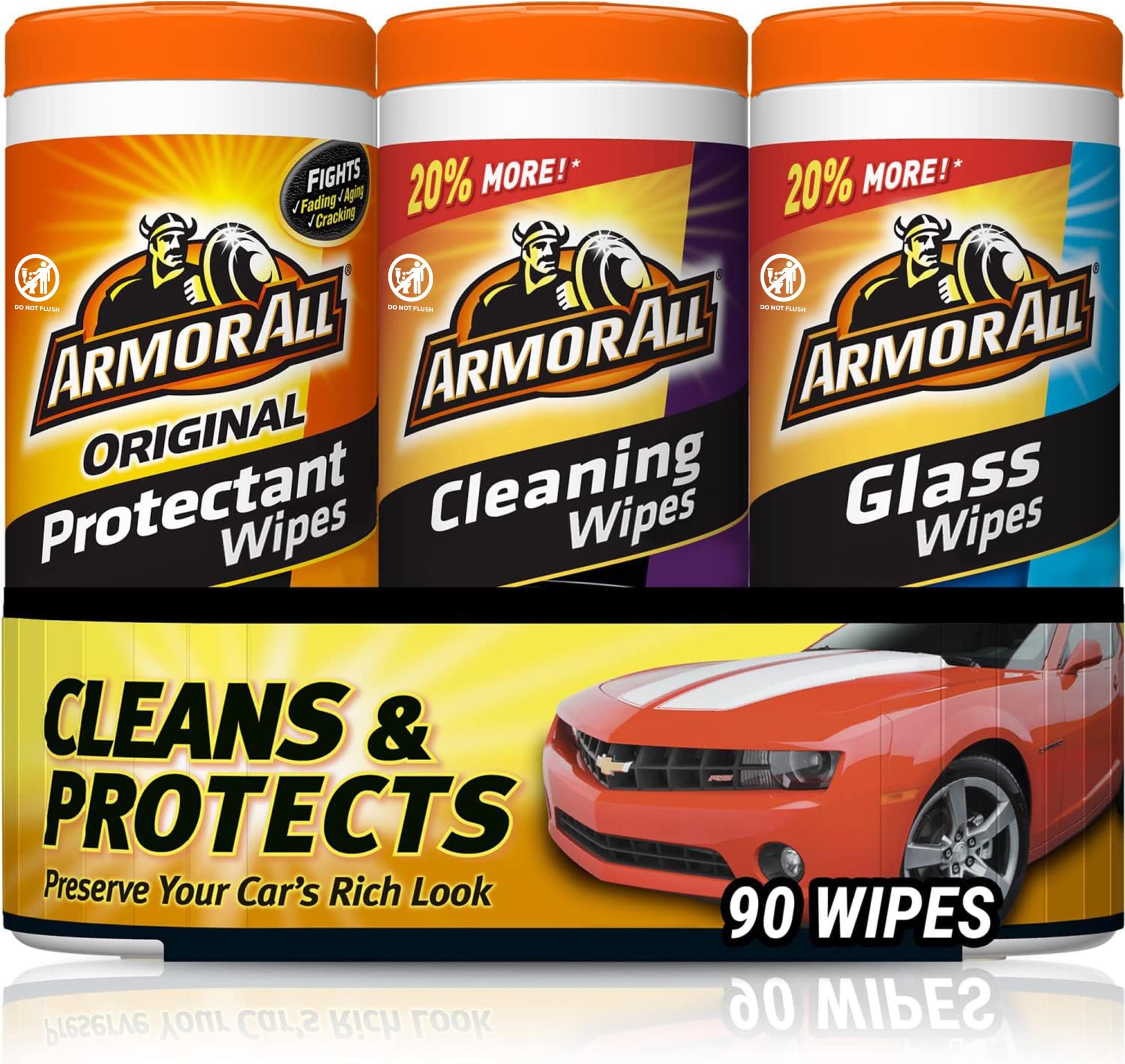
Homemade wipes can be a good value, but commercial automotive wipes have useful advantages. Factory-made products may use controlled formulas, sealed packaging, and preservatives. They are often easier to carry in a roadside kit or glove box.

Pros and cons
| Option | Advantages | Drawbacks |
|---|---|---|
| Homemade microfiber wipes | Low cost, reusable, customizable | Short storage life and more preparation |
| Disposable car wipes | Convenient and ready to use | More waste and possible residue |
| Detailer spray and towel | Good control and longer storage | Requires a separate towel |
| Plain damp microfiber | Very safe for light dust | Limited grease-cutting power |
Homemade wipes suit budget-minded drivers, DIY detailers, and families that clean often. Disposable wipes suit drivers who need quick cleanup after commuting, travel, or sports activities.
The main difference between homemade wipes and commercial wipes is consistency. A store-bought product is usually more predictable from one package to the next. A homemade wipe depends on your water, soap amount, cloth cleanliness, and storage habits.
How to make car cleaning wipes for specific needs
A basic recipe covers most light jobs, but some drivers need a more focused system. A truck owner may deal with mud and work dust. A parent may need to clean food spills. An EV owner may want to protect large screens and synthetic seats.
Best setup for beginners and new drivers
A beginner does not need ten cleaners. Start with:
- 8 to 12 soft microfiber wipes
- One mild interior solution
- One glass-only cloth
- A small trash bag
- A soft detailing brush
- A compact vacuum or handheld vacuum
This setup is easy to understand and hard to misuse. It suits a first car, used sedan, compact SUV, or commuter vehicle.
Keep the wipes in a small sealed container at home. Carry only a few dry microfiber cloths in the vehicle. Wet wipes can dry out or develop odor if forgotten in a hot trunk.
Best setup for parents and gift buyers
For a teen driver, make a simple car-care kit instead of giving a strong chemical bundle. Include labeled wipes, a small trash container, a tire pressure gauge, a phone mount that fits the vehicle, and a roadside kit.
A parent may also add a sunshade, disposable gloves, paper towels, and a small stain blotter. Avoid products that create a slippery steering wheel or strong fumes.
👪 Parent or Gift-Buyer Note: Label each container by surface. “Plastic and vinyl,” “glass,” and “screens” are much easier for a new driver to follow than vague labels such as “cleaner.”
Best setup for trucks and work vehicles
Trucks often carry mud, tools, pets, and dusty equipment. Use stronger cleaning steps outside the cabin instead of making every interior wipe more powerful.
Keep separate wipes for the cab, door jambs, and exterior mirrors. Do not use a dirty work cloth on the steering wheel or seat. A washable rubber floor mat is often a better upgrade than trying to clean carpet after every job.
Best setup for EVs and hybrids
EVs and hybrids often have large displays, sensitive trim, and quiet cabins where small noises and odors stand out. Use nearly dry wipes around displays, charging controls, and center consoles.
Never pour liquid near a charging port or high-voltage component. Exterior charging-port doors can be wiped with a damp cloth, but follow the vehicle manual for cleaning and water exposure.
| Driver or vehicle | Wipe setup | Why it fits |
|---|---|---|
| New driver | Mild interior wipes and glass cloth | Simple and low risk |
| Parent with children | Interior wipes, stain cloths, trash bags | Handles frequent spills |
| Work-truck owner | Separate cab and dirty-area cloths | Limits cross-contamination |
| EV or hybrid owner | Nearly dry screen and trim wipes | Protects displays and controls |
| DIY detailer | Color-coded microfiber system | Improves finish control |
No setup replaces regular vacuuming. Wipes remove surface dirt, but trapped grit still needs a vacuum or brush.
Step-by-step: cleaning a car with homemade wipes
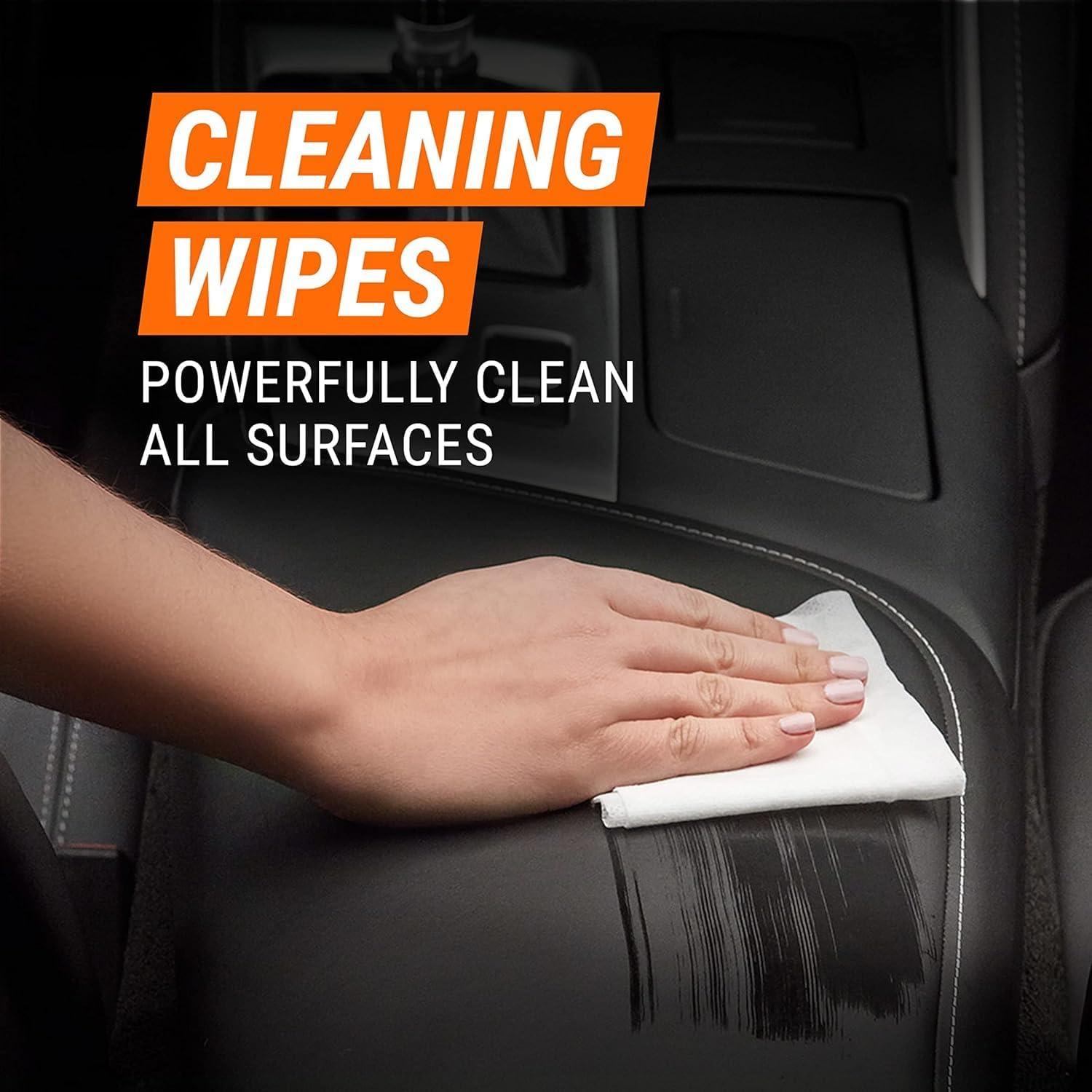
The best way to clean with homemade wipes is to start with dry dirt and finish with damp cleaning. This keeps grit from turning into a paste that can scratch trim.

1. Park in a shaded, safe place
Clean the vehicle out of direct sun when possible. Hot surfaces dry cleaner too fast and can leave streaks. Set the parking brake and keep the vehicle off while you work.
Remove valuables and open the doors for ventilation. If you are cleaning near a road, keep the vehicle well away from traffic and watch for passing cars.
2. Remove loose items and trash
Take out bottles, wrappers, floor mats, child items, and tools. This gives you room to reach every surface.
Do not leave cleaning chemicals where children or pets can reach them. Store homemade wipes in a sealed container after use.
3. Vacuum before wiping
Vacuum the seats, carpet, floor mats, and storage pockets. Use a soft brush around vents and seams. If you wipe dusty surfaces first, you may spread grit into the texture.
A small handheld vacuum is useful for most cars. A full-size shop vacuum is better for trucks, SUVs, and vehicles with heavy sand or pet hair.
4. Work from the top down
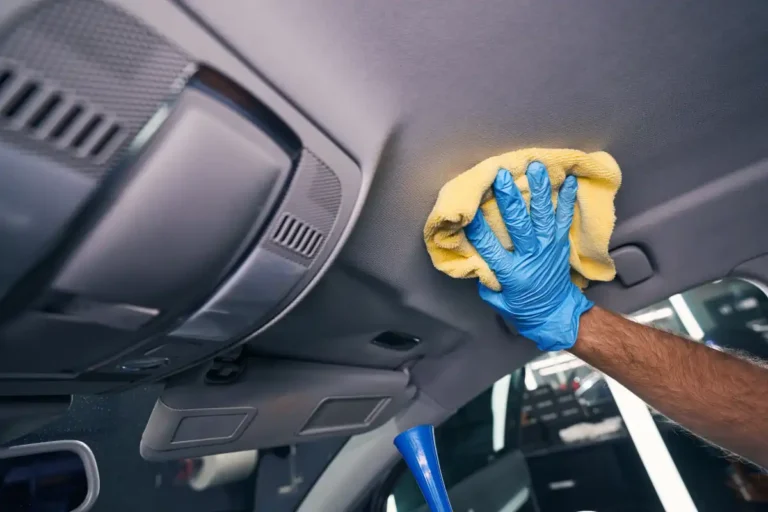
Start with the headliner only if needed, and use very little moisture. Then clean the dash, vents, door panels, center console, seats, and lower areas.
Dirt falls downward as you work. This order saves time and reduces repeat cleaning.
5. Wipe in small sections
Use straight, light passes. Turn the cloth to a clean side when it becomes dirty. Do not keep rubbing with a loaded section of cloth.
For textured plastic, a soft detailing brush can loosen grime before the wipe removes it. Avoid sharp tools around buttons and seams.
6. Dry as you go
Follow each damp wipe with a dry microfiber towel. This removes residue and helps prevent streaks. It also shows whether the surface is truly clean.
Pay close attention to cup holders, door pulls, steering-wheel spokes, and window switches. These areas often hold more skin oil than the rest of the cabin.
7. Clean the glass last
Use a glass-only cloth. Wipe the inside of the windshield in one direction and the outside in another. This makes it easier to find which side has a streak.
Clean glass in shade if possible. Glare can hide residue until the vehicle is driven at night.
8. Wash and inspect the cloths
Separate heavily dirty cloths from lightly used ones. Wash microfiber with mild detergent. Do not use fabric softener because it can coat the fibers and reduce absorbency.
Inspect the cabin in daylight. Check for wet switches, streaks, missed dirt, and loose floor mats before driving.
Common mistakes when making car cleaning wipes
Most homemade wipe problems come from too much liquid, too much soap, or the wrong cloth. A few simple habits can prevent expensive trim damage.

Using dish soap in a strong mix
Dish soap is designed to cut cooking grease. It can be too strong for repeated use on some automotive surfaces. It may also leave a film.
If it is your only option, use a very small amount and rinse the surface with a damp cloth. A dedicated pH-neutral interior cleaner is a better long-term choice.
Spraying directly onto the dashboard
Direct spray can run into vents, switches, speakers, and seams. Spray or pour the solution onto the cloth instead.
This matters even more in newer vehicles with large digital displays and touch-sensitive controls.
Using one wipe on the whole car
A cloth used on a muddy floor mat should not go onto a light-colored seat. Dirt can scratch glossy trim and spread oily residue.
Use color coding or separate piles. Clean cloths are cheap compared with replacing damaged trim.
Cleaning leather with alcohol or vinegar
Alcohol and vinegar may dry or change the finish on leather. They can also leave uneven spots. Use a cleaner labeled for automotive leather.
When in doubt, use a barely damp cloth and consult the owner’s manual.
Making too many wipes
Large batches often sit too long. Water-based homemade wipes can spoil even when they look normal.
Make small batches. Date the container and discard old wipes if you are unsure.
Leaving wet cloths in a hot car
Heat speeds up drying and can encourage odor. A sealed container may also swell or leak if left in direct sun.
Store the wipes in a cool place. Carry dry towels in the vehicle and add moisture only when needed.
Using a pressure washer inside the cabin
A pressure washer can force water into electronics, upholstery, seals, and wiring. It is not an interior cleaning tool.
Use a vacuum, soft brush, and controlled damp cloth instead.
| Problem | Likely cause | Better solution |
|---|---|---|
| Sticky dashboard | Too much soap | Wipe again with distilled water |
| Streaky glass | Wrong cloth or excess cleaner | Use a dry glass microfiber |
| Musty wipes | Batch stored too long | Discard and make a smaller batch |
| Dull leather | Wrong chemical | Use automotive leather care |
| Wet switches | Cloth was too saturated | Wring cloth and dry the area |
| Fine scratches | Dirty or rough towel | Use clean, soft microfiber |
🔧 Quick Fix: If a dashboard feels sticky, use a clean microfiber towel dampened with distilled water. Wipe a small section, then dry it. Repeat instead of adding more soap.
How much do homemade car wipes cost?
Homemade car wipes can cost less than disposable packs, especially when you reuse microfiber towels. Your total cost depends on whether you already own the towels, container, and cleaner.
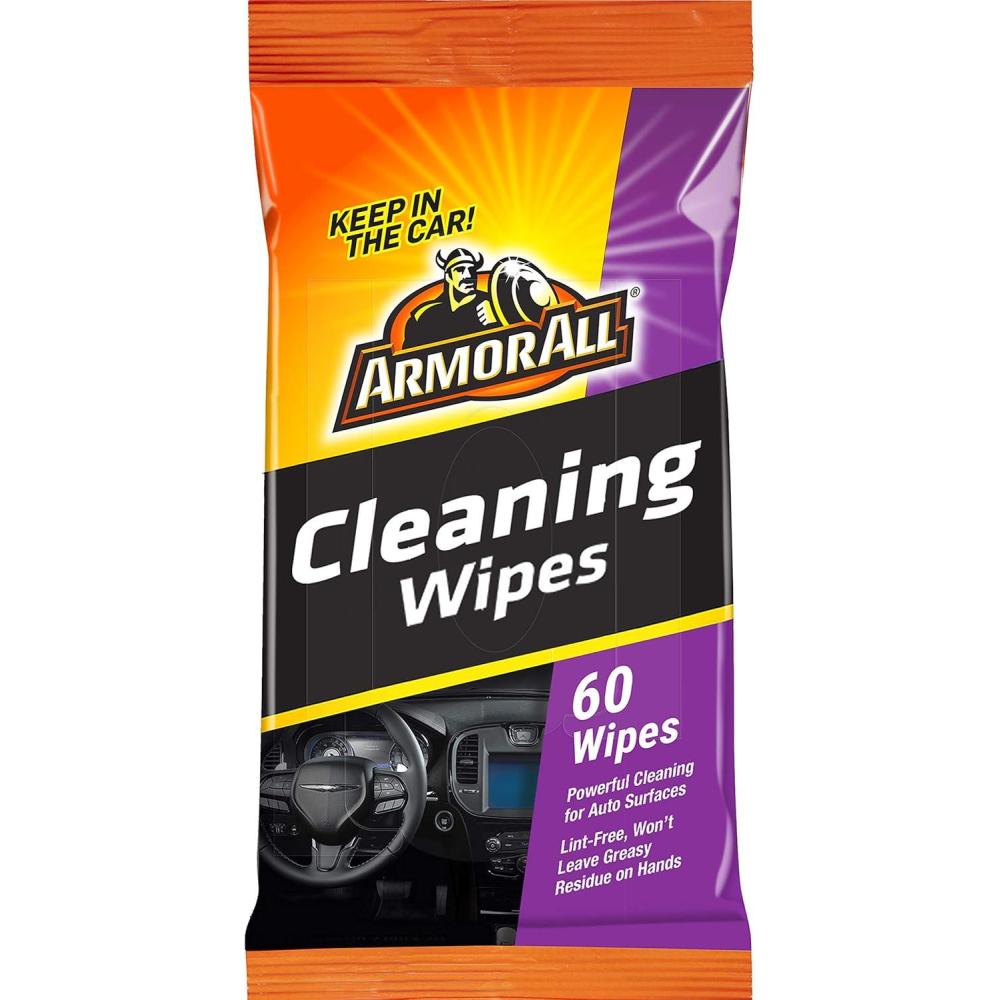
Basic cost categories
Current pricing ranges from low for a simple water-and-soap setup to moderate for color-coded towels, a storage box, glass cleaner, leather cleaner, and a detailing brush. Check current store listings because prices and package sizes change.
| Setup | What it includes | Cost level |
|---|---|---|
| Basic | Reused microfiber towels, distilled water, mild soap | Low |
| Family | More towels, labeled bins, glass cloths, brush | Low to moderate |
| Detailer | Color-coded towels, surface cleaners, storage system | Moderate |
| Road-trip | Disposable wipes, dry towels, trash bags, gloves | Moderate |
Homemade wipes are worth the money for drivers who clean at least once a week. They are less attractive for someone who cleans only once or twice a year.
The hidden cost is time. Washing, drying, folding, and labeling cloths takes more effort than opening a commercial wipe. Choose the system you will actually use.
Safety, ventilation, and disposal
Car cleaning chemicals are mild in this guide, but “mild” does not mean harmless. Read product labels and keep all cleaners away from children, pets, eyes, and food.
Never mix bleach with vinegar, ammonia, alcohol, or another cleaner. The fumes can be dangerous. Use ventilation when cleaning and stop if you feel dizzy or develop breathing irritation.
Wear gloves if you have sensitive skin. Wear eye protection when cleaning heavily soiled areas or using a spray bottle. Do not clean around a hot engine, hot exhaust parts, or a running vehicle.
⚠️ Safety Warning: Homemade wipes are not automatically disinfecting wipes. For illness control, follow public health guidance and use a labeled product with the required surface contact time. Never use disinfectant on a surface unless the product label allows it.
Dispose of used cleaning liquid according to local rules. Small amounts of mild soap solution may be acceptable in household wastewater, but do not pour concentrated chemicals into storm drains, soil, or waterways.
Special care around airbags and electronics
Do not saturate steering-wheel hubs, dashboard airbag covers, seat-side airbag areas, or roof trim. Wipe gently around these parts. Never remove an airbag cover for cleaning.
Avoid pushing liquid into USB ports, 12-volt outlets, wireless charging pads, speakers, camera housings, and dashboard seams. If liquid enters an electronic part, stop using it and consult the owner’s manual or a qualified technician.
Seasonal tips for homemade car wipes
Weather changes the kind of dirt and the way wipes work. A good winter wipe kit will not be exactly the same as a summer kit.
Summer
Heat dries wipes quickly and can make plastic surfaces warm. Clean in shade and keep the container indoors. Never leave a sealed liquid container on a hot dashboard.
Summer dust can act like fine sand. Vacuum before wiping. Use a sunshade to reduce heat inside the cabin and protect screens, seats, and dashboard materials.
Winter
Road salt can leave a white film on door panels, floor mats, and lower trim. Use fresh water on a cloth and change the cloth often. Salt can remain abrasive when rubbed across surfaces.
Keep an ice scraper outside the cabin and use rubber floor mats when possible. Dry wet mats before reinstalling them.
Rainy weather
Damp weather can increase odors in carpet and cloth seats. Wipes will not solve deep moisture. Find the source, dry the cabin, and check door seals or wet floor areas.
Do not cover a wet seat with a seat cover. Let it dry first. A cover can trap moisture and encourage mildew.
Dry or dusty climates
Use a soft dry microfiber towel for loose dust before using a wet wipe. This reduces rubbing. A small detailing brush can help clean vents without forcing dust deeper inside.
When a professional detailer is a better choice
Homemade wipes are ideal for routine upkeep, not every cleaning job. A professional detailer has tools and products for problems that need deep extraction or correction.
Consider professional help for:
- Deep stains in cloth seats
- Mold or strong mildew odor
- Smoke odor inside the HVAC system
- Flood or water damage
- Ink, dye, or chemical spills
- Scratched glossy trim
- Peeling leather or damaged vinyl
- Sticky residue from adhesives
- Heavy pet hair in carpet
- Biohazard cleanup
If a warning light appears after a spill, do not keep spraying around the controls. A wet electronic module can cause faults later. For a check engine light, airbag light, or electrical issue, use a qualified repair shop rather than relying on cleaning wipes.
A professional is also the right choice for cleaning areas that require panel removal near airbags, wiring, or high-voltage EV components.
Frequently asked questions
Q: Can I use baby wipes to clean my car interior?
A: Some baby wipes may work for quick cleaning on hard plastic, but many contain lotions, fragrances, or additives that leave a film. Test first and wipe the area dry. They are not a reliable choice for screens, leather, steering wheels, or glass.
Q: Can I make disinfecting car wipes at home?
A: You can make a cleaning wipe, but making a proven disinfecting wipe is more complex. Disinfection depends on the chemical, concentration, surface, and contact time. Use a labeled disinfectant approved for the exact surface when disinfection is required.
Q: Are homemade car wipes safe for leather seats?
A: A mild water wipe may remove light dust from coated leather, but it is not a full leather-care product. Use an automotive leather cleaner for body oil, stains, and regular care. Skip alcohol, vinegar, bleach, and strong soap.
Q: Can I use rubbing alcohol on my car interior?
A: Diluted 70% isopropyl alcohol can be useful for some glass-cleaning tasks, but it may damage leather, vinyl, screens, coatings, and glossy trim. Check the vehicle and material instructions before use. Never spray it directly onto a surface.
Q: How long do DIY car cleaning wipes last?
A: Make a small batch for about one week. Throw it away sooner if it smells bad, changes color, grows spots, or feels slimy. Water-based wipes do not have the long shelf life of properly preserved commercial products.
Q: What is the best cloth for homemade car wipes?
A: A clean, soft microfiber towel is the best general choice. Use a separate low-lint towel for glass and a very soft towel for screens and glossy trim. Do not use a cloth that has picked up sand or tire dressing.
Q: Can I use homemade wipes on a car touchscreen?
A: Use a clean microfiber cloth that is barely damp with distilled water. Spray the cloth, not the screen. Avoid alcohol, ammonia, vinegar, paper towels, and heavy pressure unless the vehicle maker specifically allows them.
Q: Can I store car wipes in the glove box?
A: You can store a few dry microfiber towels there. Wet homemade wipes are better kept in a cool place because heat can dry them out or cause odor and leakage. Factory-sealed commercial wipes are usually more practical for long trips.
Q: Do car cleaning wipes remove germs?
A: Cleaning wipes can remove some dirt and germs from a surface, but ordinary cleaning is not the same as disinfection. Follow the product label if you need disinfection, and keep the required wet contact time.
Q: Can I use vinegar in homemade car wipes?
A: Diluted vinegar may help with some glass-cleaning tasks, but it is not suitable for every car surface. Avoid it on leather, screens, sensitive coatings, and some interior plastics. Use a surface-approved cleaner when possible.
Q: What should I use for a greasy steering wheel?
A: Use a lightly damp microfiber towel with a mild, surface-safe cleaner. Wipe small areas, then dry the wheel. Do not leave an oily dressing on the steering wheel because it can reduce grip.
Q: Are homemade wipes safe for an EV?
A: They can be safe for normal interior surfaces when used sparingly. Keep liquid away from the charging port, screens, controls, and electrical openings. Follow the EV owner’s manual for special materials and charging equipment.
Q: Should I clean my car before applying ceramic coating or wax?
A: Yes. Wax and ceramic coating need a clean, dry surface. Homemade interior wipes should not be used for exterior paint preparation because they may leave soap or residue. Use a proper car wash, clay process when needed, and paint-safe panel wipe according to the coating instructions.
Q: Can I use these wipes on floor mats?
A: Wipes work for small spills and light marks. Remove rubber mats for deeper cleaning and dry them fully. For carpet mats, vacuum first and avoid soaking the backing.
Final thoughts
The best homemade car cleaning wipes are simple, mild, and made in small batches. Start with clean microfiber towels, distilled water, and a small amount of pH-neutral soap. Use separate wipes for glass, screens, leather, and dirty lower areas.
For beginners and teen drivers, a labeled three-cloth system is enough: one for interior plastic, one for glass, and one dry towel for finishing. Parents can add stain cloths, trash bags, and a small roadside kit. Experienced DIY detailers can expand with color-coded towels and surface-specific cleaners.
Homemade wipes are worth using when you want low-cost, reusable car care. They are not a replacement for proper leather products, deep extraction, professional detailing, or approved disinfectants. Clean gently, use little moisture, and stop whenever you are unsure about a surface.
Affiliate disclosure: This article may contain affiliate links. If you buy a product through one of these links, we may earn a commission at no extra cost to you. Product availability, features, fitment, and current pricing can change, so check the latest listing and your vehicle owner’s manual before buying.