Do You Need Spray Detailer: When And Why To Use It
Spray detailer is not a must-have for every driver, but it can be a useful part of a simple car-care routine. It is a light cleaning and gloss product made for painted surfaces, glass, trim, and sometimes wheels. Most formulas are used between full washes to remove light dust, fingerprints, water spots, and fresh smudges.
The key point is this: spray detailer is not a replacement for car soap and water. It works best on a lightly dusty, mostly clean vehicle. If your car has sand, road salt, mud, or gritty dirt on it, wiping with spray detailer can drag that grit across the paint and cause fine scratches.
This guide explains when you need spray detailer, when you should skip it, how it compares with car wax and ceramic coating, and which drivers benefit most. It also covers sedans, SUVs, trucks, hybrids, EVs, older vehicles, matte paint, and coated finishes.
Quick answer: Do you need spray detailer?
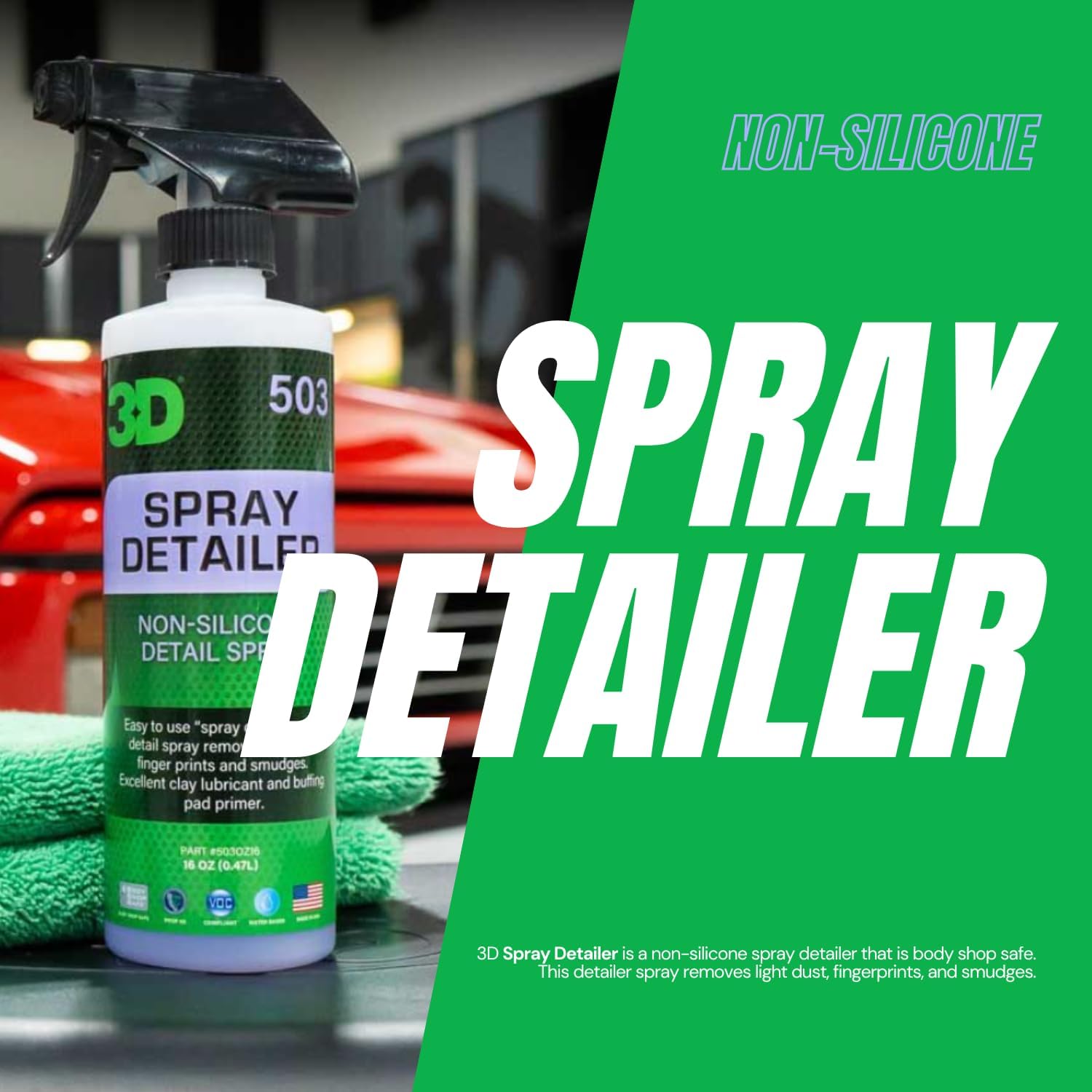
You do not need spray detailer to keep a car safe or mechanically sound. You may want it if you like a clean-looking car and need a fast way to remove light dust, fingerprints, bird droppings, or fresh water marks between proper washes. It suits clean, painted surfaces and careful DIY detailers, but it should not be used on heavy dirt or dry grit.
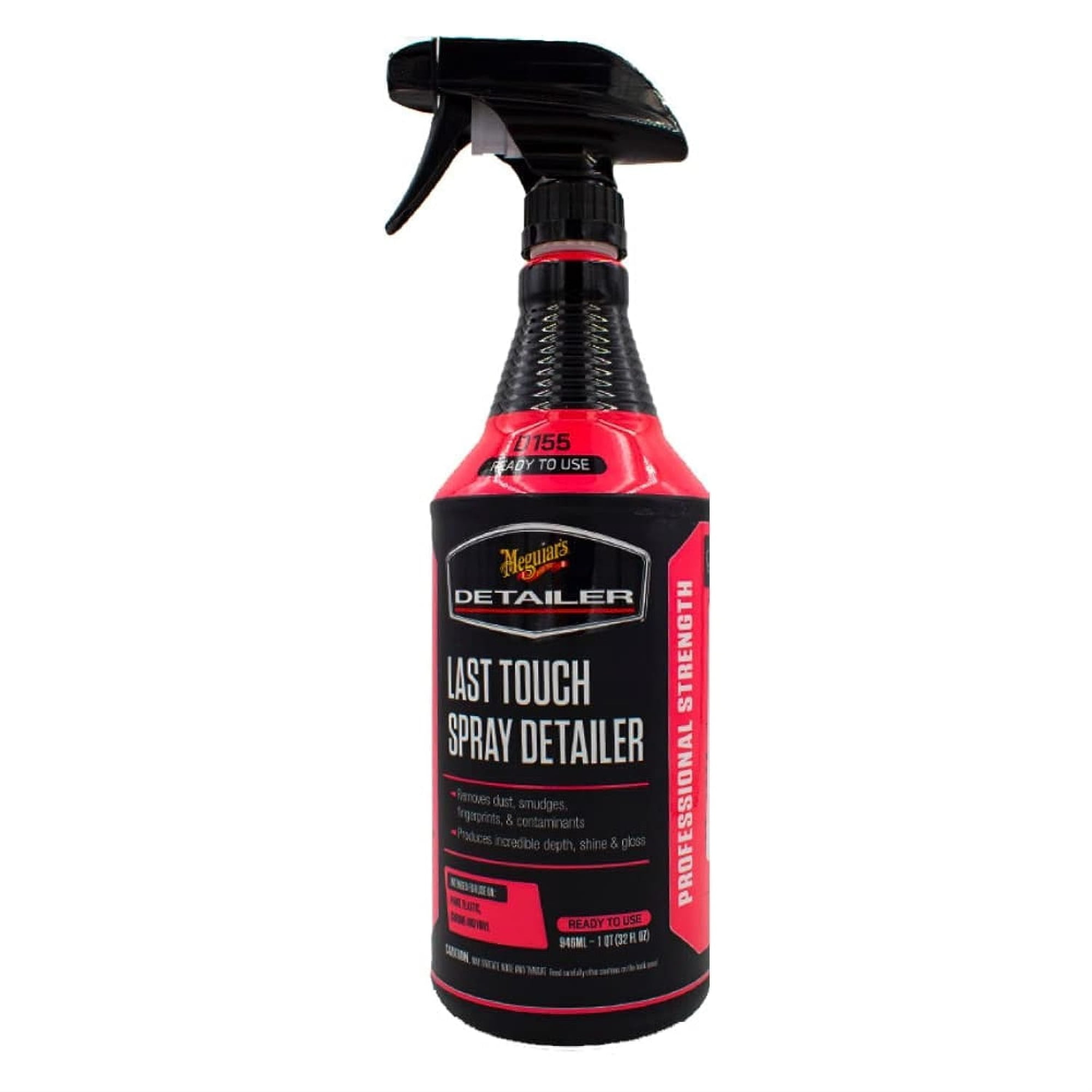
A spray detailer is a convenience product. It can save time after a short trip, at a car show, or before a meeting. It can also add a little slickness and shine, depending on the formula.
For a new driver, it is optional. Good car soap, two buckets or a rinseless wash system, quality microfiber towels, and a tire pressure gauge matter more. For a gift buyer, spray detailer works well as part of a larger car-care kit. For an experienced DIY detailer, it can fill a useful gap between washes.
What spray detailer does
Spray detailer uses a liquid blend that helps lift very light surface dust and fingerprints. Many formulas also contain lubricants, gloss agents, wax, polymers, or ceramic ingredients. The exact result depends on the product and the condition of the paint.
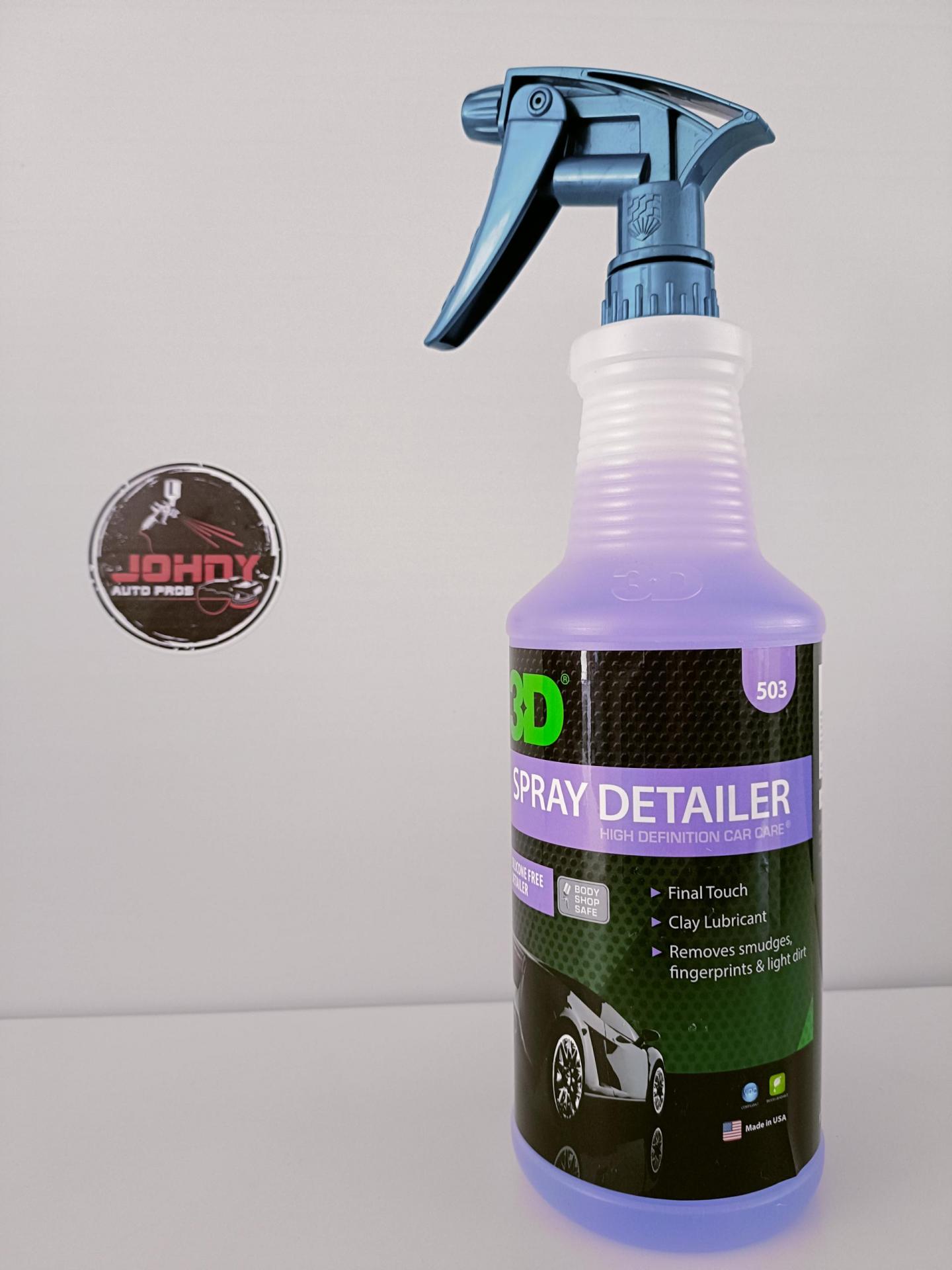
The product is usually sprayed onto a small area. You then wipe it with a clean microfiber towel and buff the surface with a second dry side or towel. The goal is to reduce light marks without a full wash.
Spray detailer can help with:
- Fingerprints on doors and hoods
- Light dust after a short drive
- Fresh bird droppings
- Small water spots
- Pollen
- Light smears from touching the paint
- A quick gloss boost before an event
- Drying marks left after a careful wash
It does not remove every kind of contamination. Brake dust, road tar, tree sap, salt, mud, and oily traffic film need a proper wash or a specialized cleaner.
Spray detailer versus quick detailer
The terms “spray detailer” and “quick detailer” often describe the same type of product. Brand labels vary. Some quick detailers focus on cleaning and lubrication, while some spray detailers focus more on shine or protection.
Read the product label before use. Check whether it is safe for clear coat, vinyl, plastic trim, glass, wheels, matte paint, wraps, and ceramic coatings. Do not assume that a formula for glossy paint is safe for every surface.
Spray detailer versus waterless wash
A waterless wash usually has more cleaning ability and more lubrication than a basic quick detailer. It is intended for a controlled wash with several towels, while a spray detailer is often meant for very light touch-ups.
A waterless wash may be a better choice when you have no hose or bucket. It still has limits. If the car has heavy sand, thick mud, or winter salt, rinse it first or visit a proper wash facility.
Spray detailer versus rinseless wash
A rinseless wash uses a concentrated solution mixed with water. You wash one section at a time with soaked towels or wash media, then dry the panel. It offers more cleaning power than a spray detailer and uses less water than a traditional hose wash.
For apartment dwellers, city drivers, and people in drought areas, a rinseless wash can be more useful than a spray detailer. Spray detailer is still handy for small touch-ups after the rinseless wash.
| Product type | Best use | Main limit |
|---|---|---|
| Spray detailer | Light dust, fingerprints, fresh marks | Not for heavy dirt |
| Waterless wash | Light to moderate dirt without a hose | Needs many clean towels |
| Rinseless wash | Controlled washing with little water | Requires mixing and setup |
The main difference is cleaning strength. Use the mildest product that can safely handle the surface.
Who actually needs spray detailer?
Drivers who value quick touch-ups are the main users of spray detailer. It is especially useful for a garage-kept vehicle that is washed often and rarely gets heavily dirty before the next cleaning.
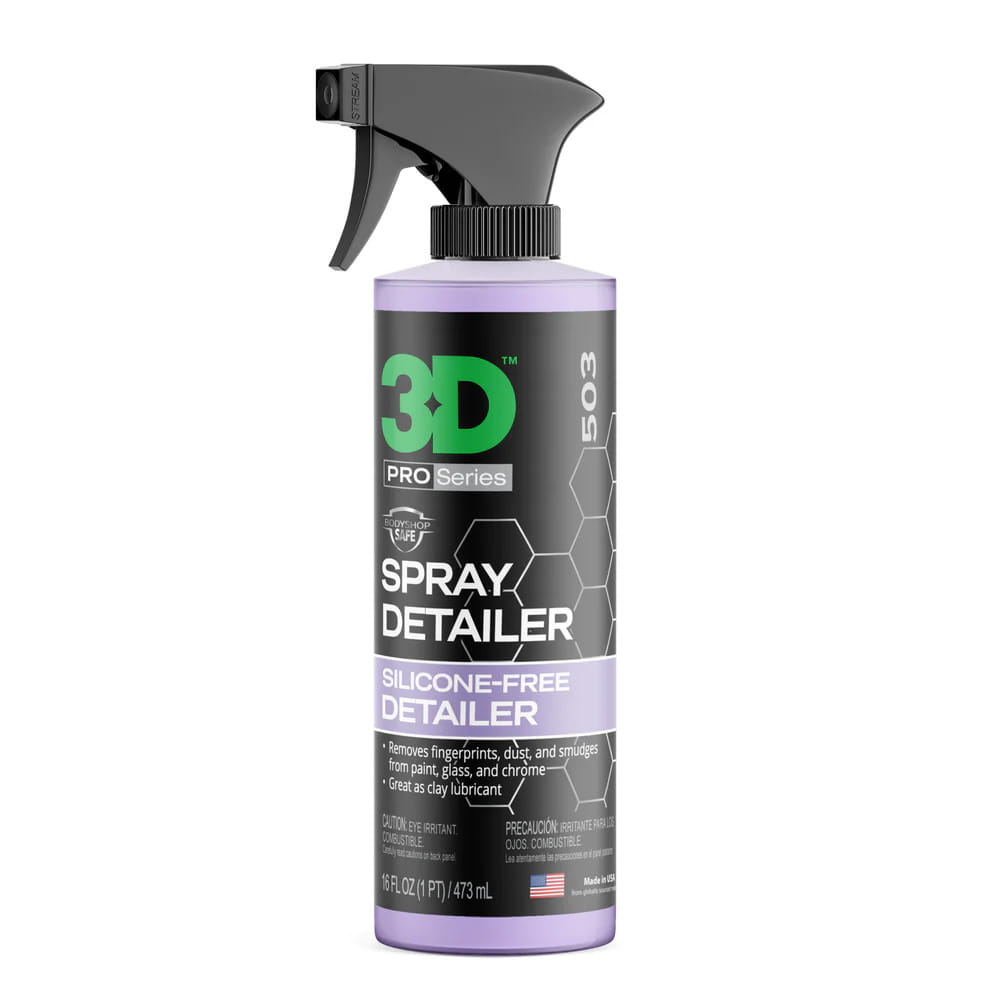
A commuter with a dusty sedan may use it once or twice a week. A truck owner who drives on gravel roads may need a full wash instead. A parent with a busy schedule may prefer a rinseless wash because it cleans more of the vehicle in one session.
Best fit for beginners
Spray detailer suits beginners who want a simple way to keep a clean car looking neat. Choose a product with clear instructions and use it only on cool paint in the shade.
Beginners should start with:
- One labeled spray detailer
- At least six plush microfiber towels
- A separate towel for glass
- A small trash bag for used towels
- A shaded work area
- A clean drying towel
A beginner should skip spray detailer if the car is visibly gritty. It is better to leave light dust alone until wash day than to rub it into the clear coat.
Best fit for experienced DIY detailers
Experienced detailers may use spray detailer as a clay-bar lubricant, inspection spray, final wipe, or show-day touch-up. Some formulas work well over wax or a compatible ceramic coating, but product instructions matter.
DIY detailers should keep several towel types on hand. A short-pile towel can remove product residue. A plush towel can provide a safer final buff. A glass towel helps prevent lint and streaks.
Best fit for parents and gift buyers
Spray detailer makes a practical gift for a teen driver who already has a clean, maintained vehicle. It is not a substitute for more important safety gear.
A useful teen-driver car-care bundle may include:
- Spray detailer
- Microfiber towels
- Tire pressure gauge
- Windshield washer fluid
- Ice scraper
- Small roadside kit
- Phone mount that does not block the driver’s view
- Basic tire inflator
For a parent, the best gift is easy to use and hard to misuse. Avoid buying a harsh wheel cleaner or aggressive compound unless the driver understands surface care.
| Driver or vehicle | Is spray detailer useful? | Better first purchase if money is limited |
|---|---|---|
| New driver with a clean sedan | Yes, as an optional touch-up product | Car soap and microfiber towels |
| Parent of a teen driver | Yes, in a simple care kit | Tire gauge and roadside kit |
| Gravel-road truck owner | Sometimes | Hose wash supplies or rinseless wash |
| Apartment dweller | Yes, for light dust | Rinseless or waterless wash kit |
| Show-car owner | Yes, for final touch-ups | Proper wash, clay, polish, and protection |
| Matte-finish vehicle owner | Only if approved by the finish maker | Matte-safe wash product |
The right choice depends on how dirty the vehicle gets and how often it is washed. Vehicle size matters less than surface condition.
What to look for in a spray detailer
The best spray detailer for you should match your paint, climate, cleaning habits, and desired finish. Do not choose only by the word “shine” on the label.

Look for a product that clearly states its intended surfaces. Also check whether it leaves protection, contains wax, includes ceramic polymers, or is designed only as a cleaner and lubricant.
Surface compatibility
Most spray detailers are made for modern clear-coated paint. Some are also safe for:
- Glossy painted plastic
- Exterior plastic trim
- Chrome
- Glass
- Vinyl wraps
- PPF, or paint protection film
- Ceramic-coated paint
Matte paint needs extra care. A glossy detailer can leave an uneven sheen or change the look of a matte panel. Use only a product approved for matte or satin finishes.
Lubrication
Lubrication helps reduce friction between the towel and the paint. This matters because a dry towel moving over dust can create fine marring.
A product with good lubrication should spread easily and leave enough wetness for a safe wipe. Still, lubrication does not make heavy dirt safe to wipe. No spray can turn sand into harmless dust.
Gloss and protection
Some spray detailers leave a bright, wet look. Others create a more natural finish. A product with wax or polymer protection may offer short-term water beading, but it is not the same as a full wax job or ceramic coating.
If your car already has a ceramic coating, use a compatible maintenance spray. Some products may interfere with the coating’s feel or water behavior. Follow the coating maker’s care guide.
Residue and streaking
A formula that looks good on dark paint may streak on glass or leave residue on black plastic. Dark colors show smears more easily. Test a small hidden area before treating the whole vehicle.
A product that flashes too quickly can be hard to remove in hot weather. A product that stays wet too long may require extra buffing in humid air.
Bottle and sprayer design
The sprayer matters more than many buyers expect. A fine, even mist helps control product use. A poor sprayer may shoot large drops, waste product, or create uneven coverage.
Check for a secure cap and a bottle that can stand without tipping. If you keep the product in a roadside kit, avoid a bottle that can leak onto tools, floor mats, or seat covers.
| Feature | Why it matters | Who benefits most |
|---|---|---|
| Strong lubrication | Helps reduce towel drag on light dust | Beginners and dark-car owners |
| Matte-safe formula | Helps prevent unwanted shine | Matte paint and satin wrap owners |
| Wax or polymer content | May add short-term slickness | Drivers between full waxes |
| Fine-mist sprayer | Gives better control | Small cars and careful DIYers |
| Low-streak formula | Helps on glass and dark paint | Commuters and show-car owners |
The label is more important than a flashy product name. If the surface list is vague, choose a different product.
Does spray detailer protect your paint?
Spray detailer may add a small amount of temporary protection, but its main role is quick cleaning and finishing. It does not replace a durable wax, sealant, paint protection film, or professionally applied ceramic coating.

Protection depends on the formula. A basic quick detailer may leave lubricants and gloss agents. A spray wax may leave a layer that lasts longer. A ceramic spray may add a polymer layer designed to improve water behavior, but it still has limits.
Paint protection also depends on storage and weather. A car parked outside in strong sun, snow, salt, and rain will face more stress than a garage-kept car.
Spray detailer and car wax
Car wax is mainly a protective product. Spray detailer is mainly a maintenance and touch-up product. Some spray detailers contain wax, which places them between the two categories.
A paste wax usually takes more time to apply and remove. A spray wax is faster but may not last as long. A quick detailer is faster still, but it generally offers less protection.
Spray detailer and ceramic coating
A ceramic coating is a bonded protective layer applied after careful paint preparation. It can make washing easier and may improve water behavior. It does not make the vehicle scratch-proof or maintenance-free.
A ceramic detail spray may support maintenance, but it is not automatically the same as a professional ceramic coating. Read the label and avoid using a topper that the coating maker does not recommend.
Spray detailer and polish
Polish contains fine abrasives or polishing agents that can improve the look of some paint defects. Spray detailer does not correct oxidation, swirls, scratches, or etched water spots.
If you can feel a scratch with a fingernail, a spray detailer will not remove it. Paint correction may require a skilled detailer, especially on thin or older paint.
| Product | Main purpose | Does it correct scratches? |
|---|---|---|
| Spray detailer | Light cleaning and final gloss | No |
| Spray wax | Faster protective layer | No |
| Paste wax | Longer application and protection | No |
| Polish | Refines some paint defects | Sometimes, when used correctly |
| Ceramic coating | Long-term surface protection | No, if defects remain underneath |
Think of spray detailer as a light dustpan, not a repair tool. It keeps a clean surface presentable but cannot restore neglected paint by itself.
When spray detailer can cause damage
Spray detailer is usually safe when used on light dust with clean towels. It can cause marring when used on a dirty panel, a hot surface, or with a contaminated towel.
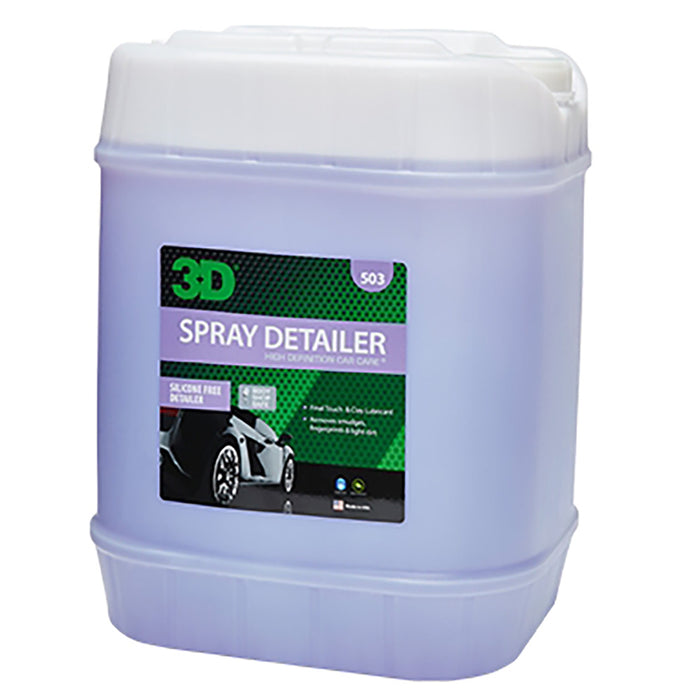
The most common mistake is treating a dusty car as if it were clean. Fine grit can act like sandpaper. The second common mistake is using one towel for the whole vehicle after it has picked up dirt.
Do not use it on heavy dirt
Skip spray detailer when you see:
- Thick road film
- Mud
- Sand
- Salt crust
- Heavy brake dust
- Dried bugs across the front
- Greasy residue
- Tree sap
- Tar spots
Rinse the surface first. If you cannot rinse it, use a proper waterless wash method with many towels and plenty of product, or wait until you can wash the vehicle safely.
Avoid hot panels
Hot paint can dry the product too fast. That can leave streaks and make you press harder during removal. Work in shade when the panels are cool to the touch.
Do not spray onto a hot hood after driving. Let the vehicle cool first, especially in summer.
Use clean towels
A microfiber towel can hold dirt even when it looks clean. Wash towels separately from greasy shop rags. Do not use fabric softener, since it can reduce absorbency and leave residue.
Fold the towel into quarters. Turn to a clean side often. When every side has touched the vehicle, replace the towel.
⚠️ Safety Warning: Never use a spray detailer on a windshield if it leaves a slick film that affects visibility. Use a glass-safe product and inspect the glass from the driver’s seat before driving.
How to use spray detailer correctly
The safest method is to work in small sections with light pressure and clean towels. Spray the product on the towel or panel according to the label, then lift the dirt instead of grinding it into the paint.

Step-by-step method
- Park in shade on a cool surface.
- Inspect the vehicle for mud, sand, salt, and heavy grime.
- Rinse or wash the vehicle if the dirt is more than light dust.
- Shake the bottle if the label instructs you to do so.
- Fold a clean microfiber towel into quarters.
- Spray a small amount on one section.
- Wipe in one direction with very light pressure.
- Turn to a clean towel side for the final pass.
- Use a second dry towel to buff residue.
- Check the panel from several angles.
- Move to the next section.
- Keep dirty towels away from clean panels.
Do not make large circles with heavy pressure. Straight, overlapping passes make it easier to control where dirt moves.
How much product should you use?
Use enough product to keep the towel moving without drag. Too little product can increase friction. Too much product can create streaks and waste.
Start with a small amount. Add more only if the towel begins to grab or the panel remains wet with residue. Product labels differ, so follow the manufacturer’s directions.
Where should you spray?
Spraying onto the towel gives more control near badges, door handles, windows, and trim. Spraying onto the panel can provide more coverage on a broad hood or door.
Avoid spraying near open windows, electrical connectors, brake components, or the engine bay unless the product specifically allows it. Keep the bottle away from hot exhaust parts.
How often can you use it?
You can use spray detailer whenever the surface is lightly dusty and the product label allows it. Frequent use is not automatically better. If you are wiping the car every day because it collects dust, a covered parking space or proper wash routine may help more.
| Task | Recommended approach | Why |
|---|---|---|
| Light dust on a clean car | Spray detailer and clean microfiber | Fast touch-up |
| Fresh bird dropping | Soak and soften first | Reduces rubbing |
| Dried mud | Rinse and wash | Prevents grit damage |
| Water spots | Test detailer, then wash or use a spot remover | Detailer may not dissolve minerals |
| Interior fingerprints | Use an interior-safe cleaner | Exterior detailer may leave residue |
Fresh bird droppings need quick attention because they can etch paint. Soften them with product and a towel rather than scraping them dry.
Best use by vehicle type and finish
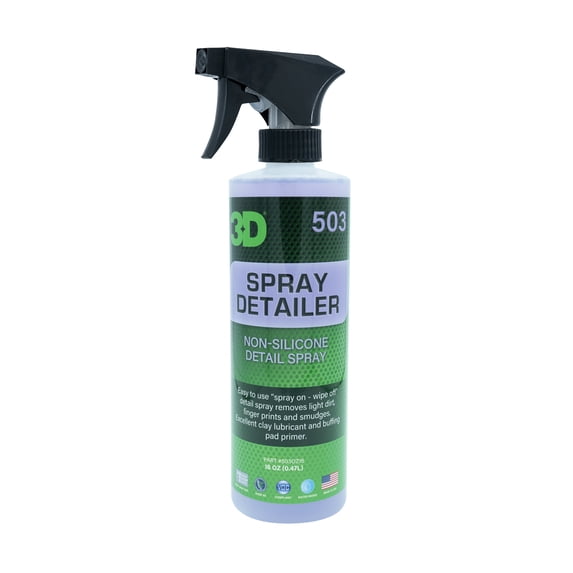
Spray detailer works differently across vehicle types, not because the body style changes the chemistry, but because use and exposure change. A city sedan may need light touch-ups. A work truck may carry much more grit.
Sedans and coupes
Sedans and coupes are often good candidates for spray detailer. Their paint may collect light dust, fingerprints, and pollen between washes.
Use extra care around lower doors and rocker panels. These areas collect road grit and should be washed, not simply wiped.
SUVs and crossovers
SUVs have more vertical paint and larger panels. A spray detailer can be convenient on the upper doors, hood, and roof. The lower body often needs a real wash.
Roof panels can be hard to reach. Use a safe step platform if needed. Do not stand on door sills, seats, or plastic trim.
Pickup trucks
Trucks often see work-site dust, gravel, mud, and road salt. Spray detailer may work on the cab after a wash, but it is usually a poor choice for a dirty bed or lower fenders.
If your truck has a tonneau cover, running boards, or textured plastic, check the product directions. Some products can make steps slick, which is a safety issue.
EVs and hybrids
EVs and hybrids can use spray detailer on compatible exterior paint just like gasoline vehicles. The electric powertrain does not change the paint-care method.
Avoid spraying into charging ports, vents, or electrical connectors. Keep fluids away from open charging hardware. Follow the vehicle manual for cleaning around the charge port.
Matte paint and vinyl wraps
Matte and satin finishes need special products. Do not use a normal gloss-enhancing spray detailer unless the finish maker approves it.
Vinyl wraps can also have specific care rules. Some wraps are sensitive to harsh chemicals, high heat, or aggressive wiping.
| Vehicle or finish | Spray detailer advice | Main concern |
|---|---|---|
| Gloss clear coat | Usually suitable when lightly dusty | Towel-induced marring |
| Black paint | Use extra clean towels and low pressure | Shows swirls and streaks |
| Matte paint | Use matte-approved product only | Uneven gloss |
| Vinyl wrap | Follow wrap maker’s care guide | Staining or surface change |
| Ceramic coating | Use compatible maintenance spray | Product conflict or residue |
| EV or hybrid | Use on paint as directed | Keep away from charge ports |
Always confirm the product’s surface compatibility. Vehicle age, trim, and finish can change what is safe.
Climate and seasonal advice
Climate changes how spray detailer behaves and how dirty your car becomes. Heat, humidity, cold, salt, pollen, and dust all affect the best cleaning method.

Hot and sunny weather
Work in shade and keep panels cool. Heat causes fast drying and can leave smears. A fine mist and small sections help.
If the vehicle is hot, wait. Do not use more pressure to remove a dried product film. Add a little compatible product, let it soften the residue, and wipe with a clean towel.
Cold weather
Cold can make some products thicker and harder to spread. Keep the bottle above freezing and follow the storage directions.
Road salt needs a proper rinse or wash. Salt residue on lower panels is not a good target for a quick detailer.
Rainy and humid climates
Humidity can slow drying and increase streaking. Use less product and a dry buffing towel. If rain is coming, a full wash may be more useful than a quick touch-up.
Dry and dusty climates
Dust can settle quickly on horizontal panels. If the dust contains sand, do not wipe it dry. Use a rinse, rinseless wash, or waterless wash with proper lubrication.
Winter roads
Winter grime often contains salt, sand, and chemical residue. Spray detailer is not a safe substitute for washing the underside, wheel wells, and lower body.
| Climate or season | Better use of spray detailer | When to skip it |
|---|---|---|
| Hot summer | Small cool sections in shade | Hot paint or direct sun |
| Winter | Upper panels after washing | Salt, slush, and sand |
| Dry climate | Light dust only with strong lubrication | Gritty or sandy dust |
| Humid climate | Small amount plus dry buff | Heavy residue or rain |
| High pollen season | Quick touch-ups after a wash | Thick pollen layer |
The dirtier the environment, the less useful spray detailer becomes. In harsh weather, washing protects the finish better.
Spray detailer, rinseless wash, or full wash?
The best choice depends on the amount of dirt and the water you have available. A full wash gives the strongest cleaning result, but it takes more time and supplies.
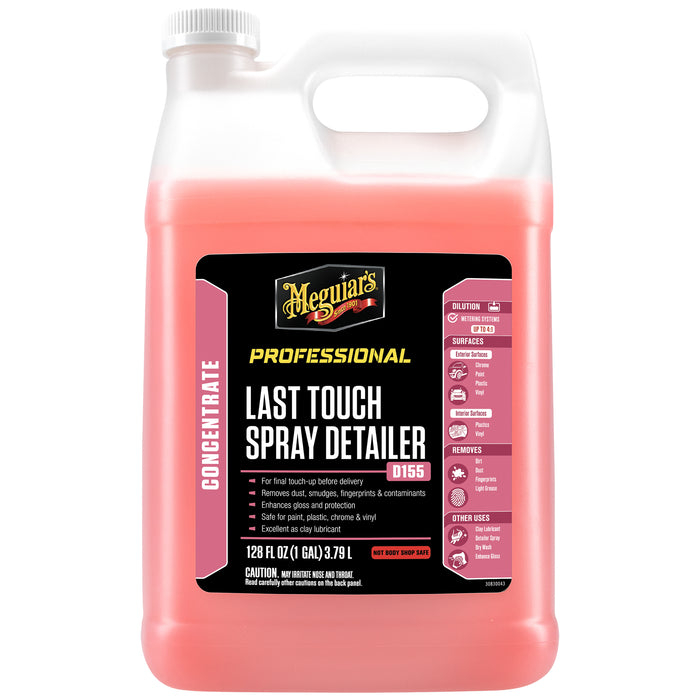
A rinseless wash is a strong middle option. It uses a small amount of water and can be done in a garage or driveway where a hose is not practical. It is often a better long-term system for apartment residents than relying on spray detailer alone.
A waterless wash can work for lightly to moderately dirty vehicles when used with many towels. It needs careful technique and should not be treated as a magic solution for heavy grime.
| Dirt level | Best option | Typical setup |
|---|---|---|
| Fingerprints only | Spray detailer | One or two microfiber towels |
| Light dust | Spray detailer or waterless wash | Several clean towels |
| Moderate road film | Rinseless wash | Bucket, solution, wash towels |
| Heavy mud or salt | Full wash | Hose or professional wash |
| Tar or tree sap | Targeted cleaner after washing | Approved solvent and towels |
A simple rule works well: if you would not want to rub the dirt with your bare hand, do not rub it with a towel and spray detailer.
Common mistakes to avoid
Most spray detailer problems come from using the product on the wrong surface or with the wrong towel. The product itself is often not the main issue.
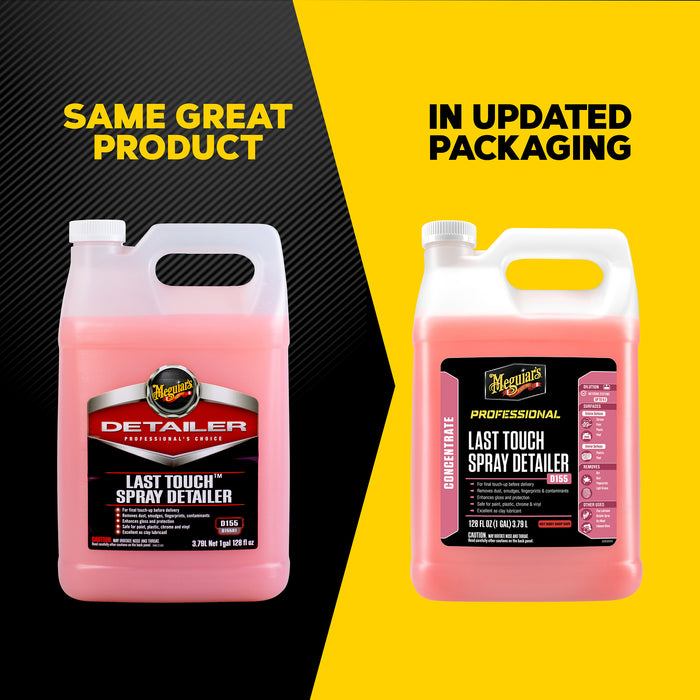
Mistake 1: Using it as a dry car wash
Spray detailer is not designed to remove heavy dirt. Wiping a dirty car can create swirl marks and fine scratches.
Mistake 2: Using one towel for the whole car
The towel picks up grit from the first panels. By the time you reach the hood, it may spread that grit across the paint.
Mistake 3: Applying too much pressure
Pressure does not improve cleaning. It increases the chance of marring. Let the product and towel do the work.
Mistake 4: Working in direct sun
The product may dry before you can level it. Move into shade or work early in the morning.
Mistake 5: Using an interior towel on paint
Interior cleaners can contain oils or protectants. Keep interior towels separate from paint towels.
Mistake 6: Cleaning glass with a non-glass formula
Some detailers leave a film that creates glare or wiper chatter. Use a glass-safe product for windshields and mirrors.
Mistake 7: Ignoring product residue
Residue can collect around badges, trim, panel gaps, and door handles. Use a soft detailing brush or clean towel edge to remove it.
Mistake 8: Applying it to brake parts or pedals
A slick product near brake components, pedals, running boards, or steps can create a hazard. Keep it on approved surfaces only.
💡 Pro Tip: Mark microfiber towels by job. Use one color for paint, one for glass, and one for wheels or lower panels. This simple system prevents many cross-contamination mistakes.
What else should be in a car-care kit?
Spray detailer is only one small part of a useful car-care setup. If you are building a kit for yourself or a teen driver, spend first on tools that support safe cleaning and roadside readiness.

A basic exterior kit can include:
- pH-balanced car soap
- Two wash buckets or a rinseless wash solution
- Microfiber wash towels
- Drying towels
- Spray detailer
- Glass cleaner
- Tire pressure gauge
- Tire inflator
- Soft wheel brush
- Wheel cleaner approved for the wheel finish
- Disposable gloves
- Storage bin
A roadside kit serves a different purpose. It may include a flashlight, reflective triangles, first-aid supplies, jumper cables or a jump starter, work gloves, and a phone charger. A spray detailer cannot help with a dead car battery, flat tire, or check engine light.
For home maintenance, an OBD2 scanner can help read certain diagnostic codes. OBD2 means the onboard diagnostic system used by many modern vehicles. It does not replace a mechanic’s diagnosis, and it cannot fix a mechanical problem.
| Item | Main job | Priority for a new driver |
|---|---|---|
| Spray detailer | Light exterior touch-ups | Optional |
| Tire pressure gauge | Checks tire inflation | High |
| Tire inflator | Adds air when needed | High |
| Jump starter | Helps with a weak battery | Useful |
| Microfiber towels | Safe cleaning and drying | High |
| OBD2 scanner | Reads some fault codes | Useful later |
| Floor mats | Protects the interior floor | Vehicle-dependent |
A clean car is pleasant, but correct tire pressure, working wiper blades, good lights, and emergency gear matter more for safe driving.
Price and value
Spray detailer usually sits in a low to mid price tier, depending on size, ingredients, brand, and whether it includes wax or ceramic polymers. Check the latest listing for current pricing and package size.
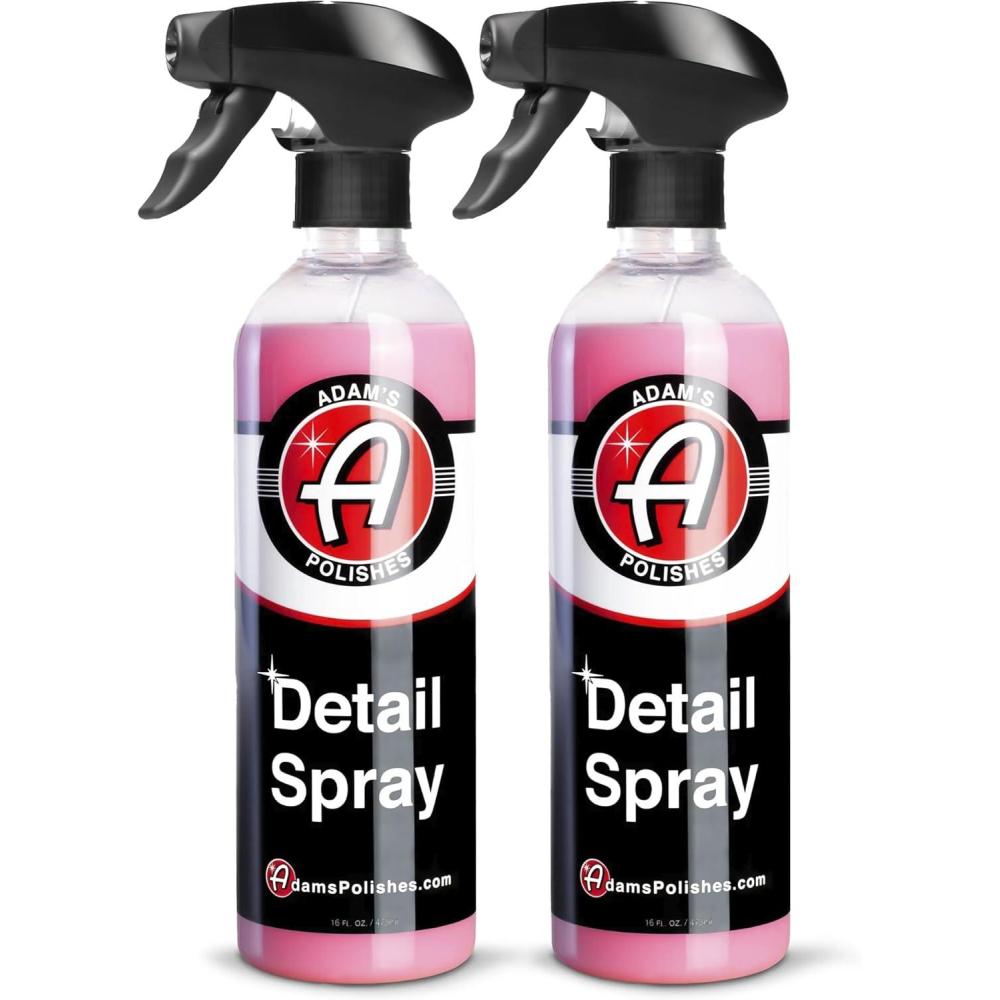
The value is good when you use it often and correctly. A bottle that prevents a full wash for a small fingerprint or light dust can save time. The value is poor if you use it on heavy dirt and later need paint correction.
Budget tier
Budget products can work well for light maintenance. Look for clear instructions, a good surface list, and a spray pattern that is easy to control.
A budget bottle suits a new driver, a basic commuter sedan, or a gift buyer building a starter kit. Do not assume a low price means poor performance, but do test the product on a small area.
Mid-range tier
Mid-range formulas may offer better lubrication, a nicer finish, or added wax and polymer protection. They suit drivers who wash often and want a more polished result.
Premium tier
Premium products may focus on ceramic maintenance, specialized finishes, or very low residue. They can suit experienced detailers and coated vehicles, but the extra cost is not always useful for a neglected daily driver.
| Price tier | Best for | What to check |
|---|---|---|
| Budget | Beginners and occasional users | Surface safety and towel behavior |
| Mid-range | Regular DIY detailers | Lubrication, finish, and bottle size |
| Premium | Coated cars and advanced users | Compatibility and care instructions |
The best value is not always the product with the highest gloss. It is the product that matches your car and your habits.
Is spray detailer worth the money?
Spray detailer is worth the money for drivers who want quick, safe touch-ups on a mostly clean vehicle. It is not worth buying as a substitute for a wash, wax, or paint correction.
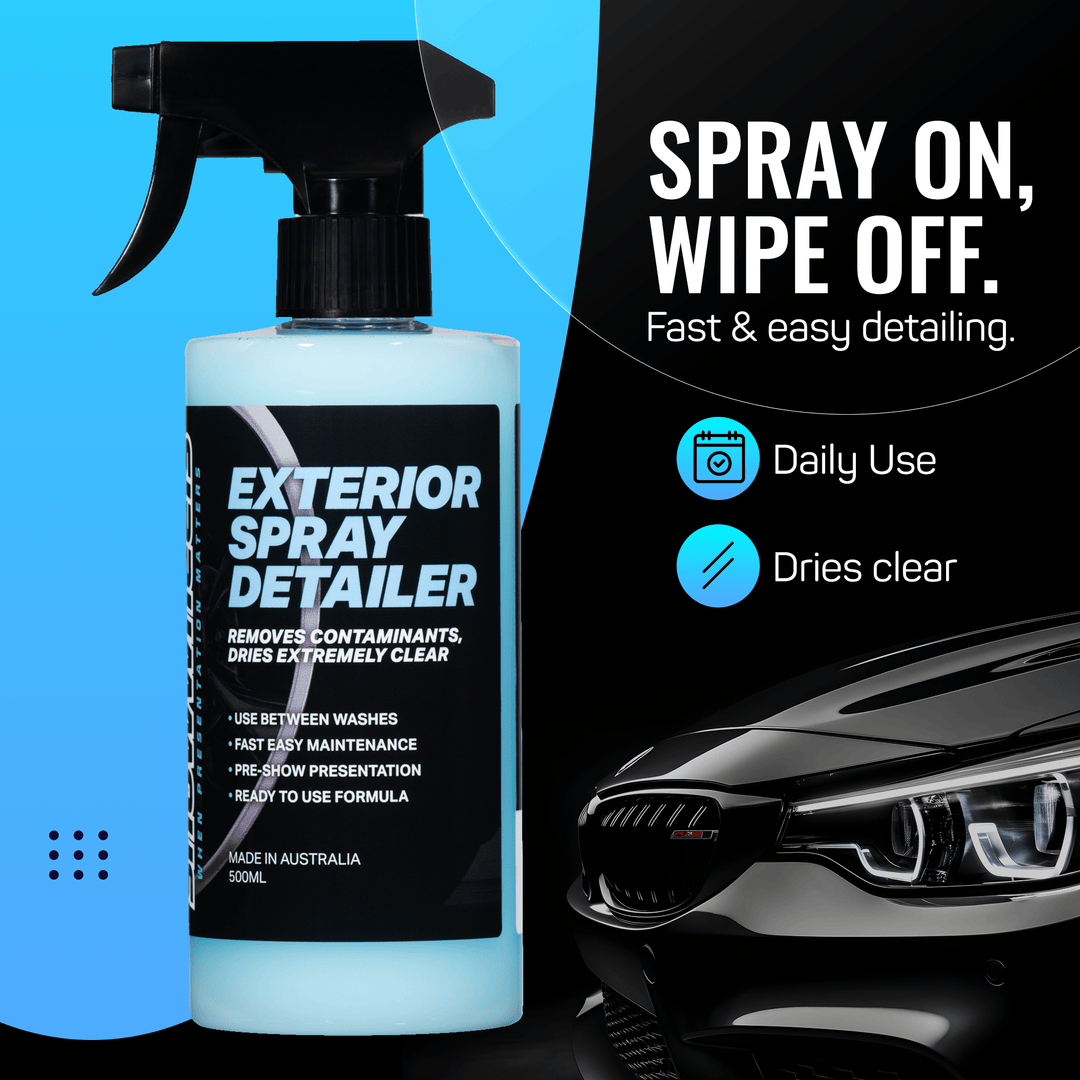
For a beginner on a tight budget, buy car soap and microfiber towels first. For a garage-kept car owner, spray detailer can be a convenient second step. For a truck owner who drives through mud, money is better spent on a hose nozzle, wash mitts, and a strong drying towel.
For a gift buyer, it is a low-risk add-on when paired with towels and a tire pressure gauge. Give clear instructions so the new driver does not use it on a muddy car.
For a professional or serious DIY detailer, the answer depends on the workflow. A detailer may use several formulas for different stages, but a casual owner likely needs only one.
Safe storage and towel care
Store spray detailer upright in a cool place away from direct sunlight. Do not leave it in a hot vehicle for long periods unless the label permits it.
Keep the product away from children and pets. Do not transfer chemicals into unlabeled bottles. If the product contacts your eyes or skin, follow the label’s first-aid instructions.
Wash microfiber towels after use. Use a mild detergent, rinse well, and air dry or use low heat if the towel maker allows it. Remove towels from service if they feel rough, contain hard debris, or leave lint.
🌿 Eco or Disposal Note: Do not pour leftover automotive chemicals into a storm drain or onto soil. Follow the label and your local waste rules. Recycle the bottle only if it is empty and accepted by your local program.
What spray detailer cannot do
Spray detailer cannot repair paint, remove deep scratches, stop rust, restore faded plastic, or replace a professional wash. It also cannot fix an unsafe vehicle.
It will not correct:
- Low tire pressure
- A weak car battery
- A check engine light
- Worn wiper blades
- A cracked windshield
- Brake wear
- Failing headlights
- Damaged floor mats that interfere with pedals
- A loose trailer hitch
- A broken roof rack mount
These issues need inspection or replacement. For safety equipment such as child car seats, brakes, steering parts, and tires, use correct fitment and professional help when needed.
Spray detailer is cosmetic care. It should never distract from basic vehicle maintenance.
Frequently asked questions
Q: Can I use spray detailer on a dirty car?
A: Use it only on light dust and small marks. Do not use it on mud, sand, salt, thick road film, or heavy brake dust. Rinse or wash the vehicle first.
Q: Can spray detailer remove bird poop?
A: It can help soften and lift a fresh bird dropping. Spray the area, let it loosen, and wipe with a clean microfiber towel. Do not scrape dried material with a dry towel.
Q: Does spray detailer remove scratches?
A: No. It may hide very fine marks for a short time by adding gloss, but it does not repair scratches. Polish or professional paint correction may be needed.
Q: Can I use spray detailer on glass?
A: Only if the label says it is safe for glass. A product made for paint may leave a film that causes glare, streaks, or wiper chatter.
Q: Can I use spray detailer on matte paint?
A: Use only a product approved for matte or satin finishes. A gloss product may create uneven shine or change the appearance of the panel.
Q: Is spray detailer safe over ceramic coating?
A: Some formulas are safe, and some are not recommended. Use a maintenance spray approved by the coating maker and follow the coating’s care instructions.
Q: Is spray detailer safe for vinyl wraps?
A: It can be, but check the wrap manufacturer’s care guide. Test a small hidden area first, especially with colored, textured, or satin wraps.
Q: How many microfiber towels do I need?
A: For a small touch-up, two towels may be enough. For a full light-dust wipe, use several towels and turn to a clean side often. More towels are safer than reusing a dirty one.
Q: Can I use spray detailer in the sun?
A: It is better to work in shade on cool panels. Direct sun can dry the product too quickly and cause streaks.
Q: Is spray detailer better than car wax?
A: They serve different roles. Spray detailer is faster and mainly cleans light dust or adds gloss. Car wax focuses more on protection and usually takes more time.
Q: Is a spray wax the same as a spray detailer?
A: Not always. A spray wax usually places more emphasis on protection. A spray detailer usually focuses on light cleaning, lubrication, and finishing. Read the label.
Q: Can I use spray detailer on plastic trim?
A: Only if the label lists exterior plastic as a safe surface. Avoid using a slick product on running boards, pedals, or steps where traction matters.
Q: Can I use it on an EV?
A: Yes, on compatible exterior paint. Keep the product away from the charging port and electrical connectors. Follow the vehicle manual.
Q: How long does spray detailer last?
A: The cleaning and gloss effect may last until the next wash or until dust returns. Any protection depends on the formula, weather, storage, and washing habits. Do not expect it to last like a professional coating.
Q: What is the best spray detailer for beginners?
A: Choose a simple formula with clear directions, good lubrication, low residue, and a surface list that matches your car. Pair it with several clean microfiber towels. Beginners should avoid using it on heavy dirt.
Q: What is the best spray detailer for trucks?
A: Choose one for the truck’s painted surfaces, but use it mainly on clean upper panels and the cab. Muddy lower panels, wheel wells, and work beds usually need a proper wash.
Q: Can spray detailer replace a car wash?
A: No. It is a maintenance product for light surface contamination. A proper wash removes more dirt and reduces the risk of rubbing grit into the paint.
Final advice
You do not need spray detailer, but you may find it useful. It is a convenient product for a clean or lightly dusty vehicle, especially when you want a fast touch-up between washes.
Buy it if you have a garage-kept sedan, a well-maintained SUV, a show vehicle, or a busy schedule. It can also make a practical gift for a teen driver when paired with microfiber towels, a tire pressure gauge, and basic roadside gear.
Skip it for muddy trucks, salt-covered winter vehicles, gritty work cars, and neglected paint until you can wash them properly. For most drivers, the correct order is simple: remove heavy dirt safely, wash the car, dry it with clean towels, then use spray detailer only when the surface is suitable.
The product is optional. Good technique is not.
Affiliate disclosure: This article may contain affiliate links. If you buy through a link, we may earn a commission at no extra cost to you. Product availability, features, and pricing can change, so check the latest product listing and confirm surface compatibility before buying.