What Is Mineral Spirits Used For In Car Detailing: Uses
Mineral spirits are a petroleum-based solvent used in car detailing to dissolve tar, grease, adhesive residue, wax, and other oily messes. They can be useful when soap, a microfiber towel, or an all-purpose cleaner cannot remove a stubborn spot. However, mineral spirits are not a general-purpose car cleaner. Used carelessly, they can soften fresh paint, stain trim, damage rubber, or strip protective products such as wax and some sealants.
For a detailer, the key is control. Use a small amount on a towel, work on a cool surface, test first, and wash the area after the solvent does its job. This guide explains what mineral spirits are used for in car detailing, when they are worth using, safer alternatives, and how beginners, DIY enthusiasts, parents, and gift buyers can handle them safely.
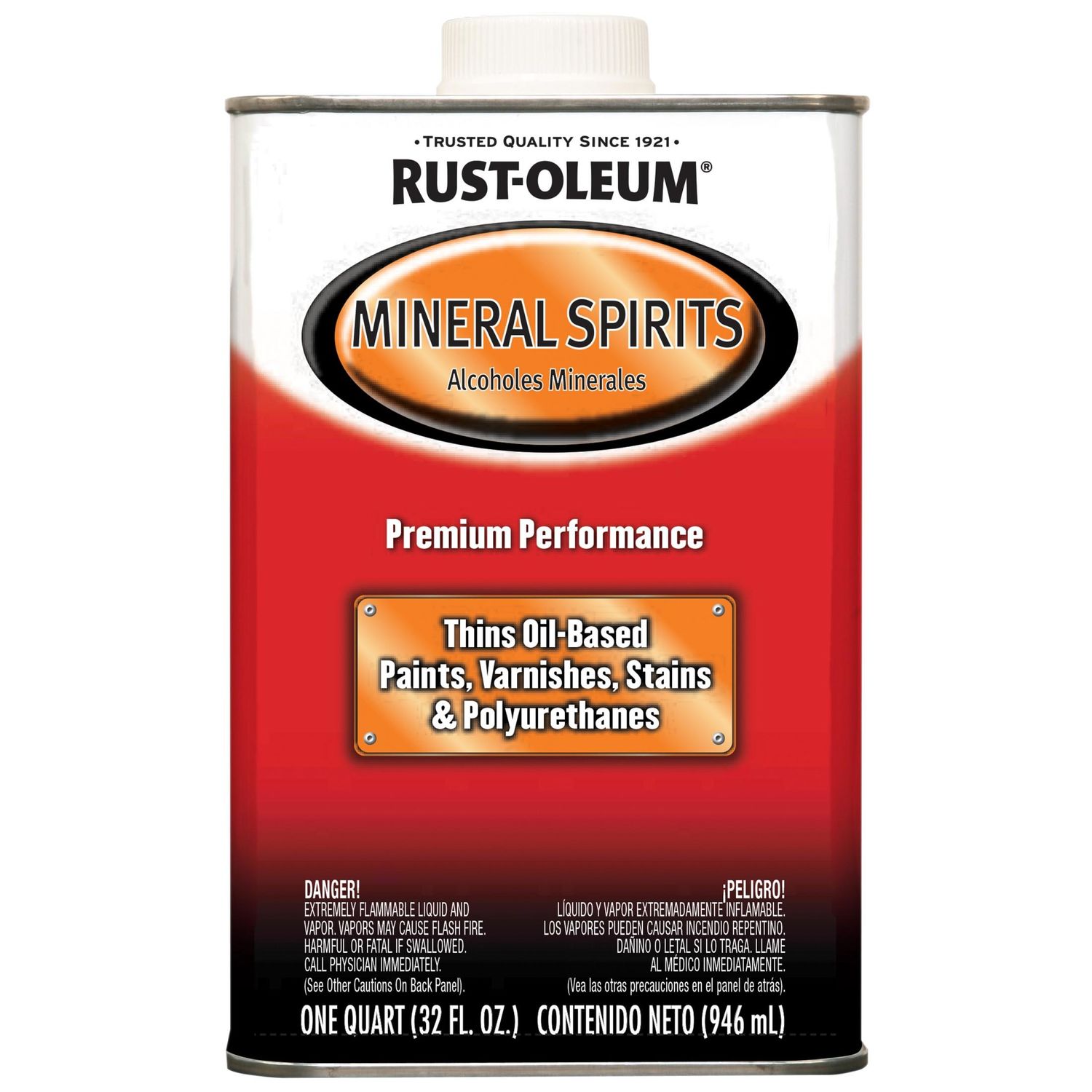
Quick answer: What are mineral spirits used for in car detailing?
Mineral spirits are mainly used to remove tar, road film, grease, oil, adhesive residue, tree sap, and old wax from hard automotive surfaces. They work best as a spot cleaner on painted metal, glass, and some wheels when milder cleaners fail. Apply a small amount to a microfiber towel, never soak the vehicle, and always test an unseen area first. Mineral spirits can remove wax and may harm plastic, rubber, fresh paint, or ceramic coatings.

What mineral spirits are and how they work
Mineral spirits are a refined petroleum solvent. They are also sold as white spirit or, in some stores, paint thinner. The liquid breaks down oily substances that water-based cleaners cannot dissolve well.
Mineral spirits do not “clean” in the same way car shampoo does. Car shampoo lifts loose dirt and lets water carry it away. Mineral spirits soften oily material so you can wipe it off.
This difference matters. If you use mineral spirits on a muddy door, you may spread grit across the clear coat. That can create fine scratches. Always wash away loose dirt before using any solvent.
Mineral spirits versus paint thinner
The words “mineral spirits” and “paint thinner” often appear together, but product formulas can vary. Many paint thinners use mineral spirits, yet some contain stronger solvents or blends.

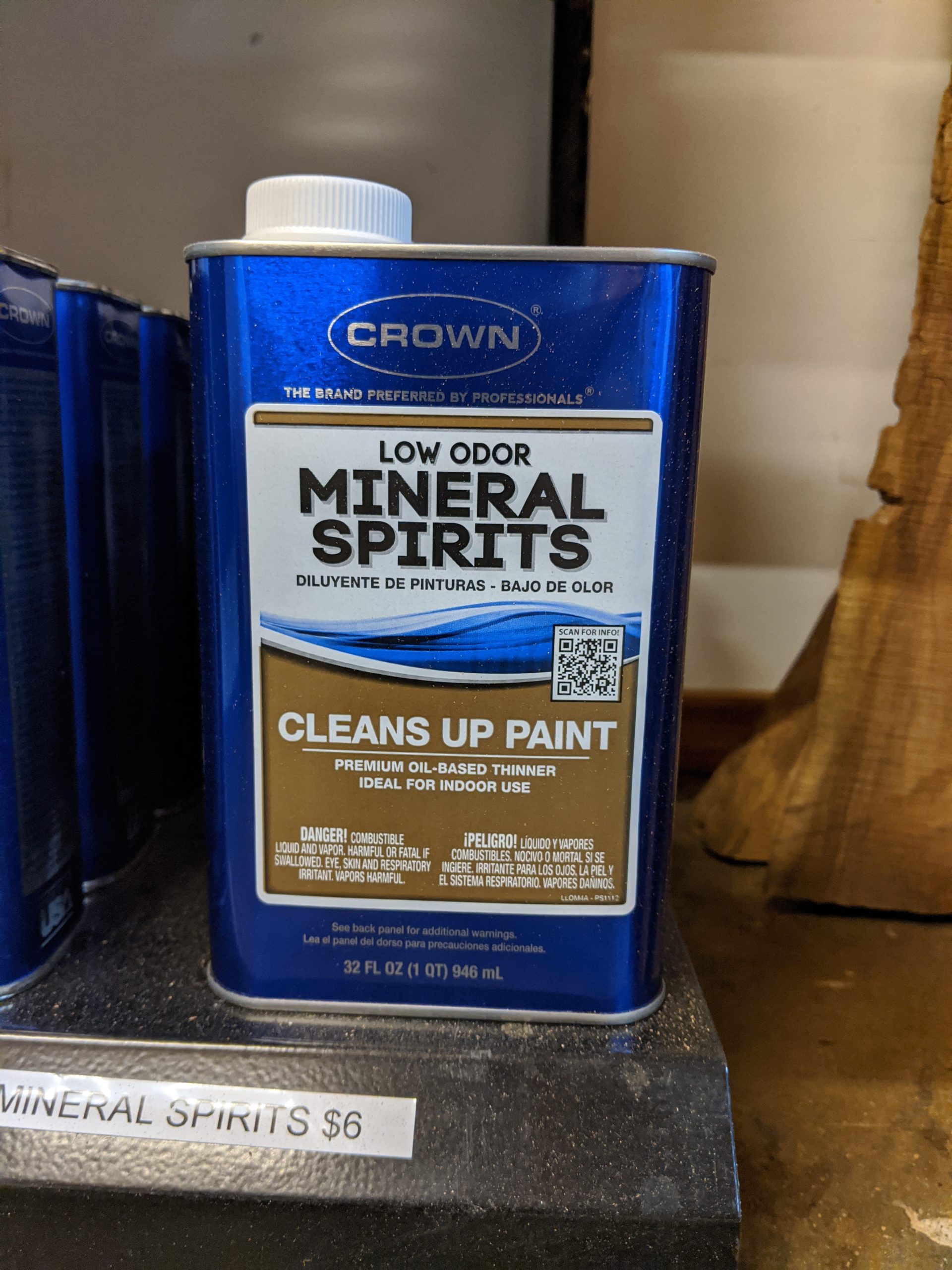
Read the label before use. A product marked “low odor” may still contain flammable solvent. “Odorless” does not mean harmless. It usually means the product has been refined to remove much of the smell.
For vehicle detailing, a clean, low-odor mineral spirits product is usually a better choice than a harsh industrial thinner. Avoid lacquer thinner, acetone, MEK, and strong solvent blends unless a trained professional has selected them for a specific repair.
Mineral spirits versus automotive tar remover
Automotive tar removers are made for vehicle surfaces. They may contain mineral spirits or another solvent, but they often include additives that improve dwell time and reduce the chance of rapid evaporation.

The main difference between mineral spirits and tar remover is control. Mineral spirits may cost less and work well, but a dedicated tar remover is often easier for beginners. It also gives you clearer instructions for automotive paint, trim, and protective coatings.
| Product | Main use | Best fit |
|---|---|---|
| Mineral spirits | Tar, grease, adhesive, old wax | Experienced DIY detailers |
| Automotive tar remover | Road tar and oily spots | Beginners and daily drivers |
| Citrus adhesive remover | Stickers and light glue | Painted panels and interior-safe use, after testing |
A beginner who only needs to remove a few tar dots should usually start with an automotive tar remover. A DIY detailer who already understands paint care may prefer mineral spirits for occasional heavy-duty spot work.
Common uses for mineral spirits in car detailing
Mineral spirits are useful because many vehicle contaminants are oil-based. They can help with spots that resist car soap, diluted degreasers, or clay bars.
The solvent should be used as a targeted tool, not poured over a full panel. Work on one small area at a time. Keep a clean microfiber towel nearby so the softened material does not move to another part of the car.
Removing road tar and asphalt
Road tar is one of the most common uses for mineral spirits. Fresh tar may look like black dots on rocker panels, wheel arches, bumpers, and lower doors.

Wash the vehicle first. Dry the area, then place a small amount of mineral spirits on a folded microfiber towel. Hold the towel against the tar for a few seconds. Wipe gently in one direction.
Do not scrub hard. Let the solvent soften the tar. Repeat with a clean part of the towel if needed. Afterward, wash the area with car shampoo and apply fresh protection if the solvent removed wax.
Removing grease and oily road film
Grease can collect around hinges, door jambs, suspension parts, wheel wells, and the lower body. Mineral spirits can dissolve the oily layer before you wash the part.

Use caution around brakes. Do not spray or wipe mineral spirits onto brake pads, rotors, calipers, or tire contact surfaces. Solvent contamination can reduce braking performance or damage rubber parts.
For a truck or SUV, mineral spirits may help with oily grime on painted frame sections or trailer-hitch surfaces. Keep it away from electrical connectors, sensors, weather seals, and underhood components unless the vehicle manufacturer or a professional repair guide approves the product.
Removing adhesive residue
Old stickers, balance-weight glue, dealer decals, and tape residue can leave a hard, sticky film. Mineral spirits can soften some of these residues.

Start with a plastic razor blade or your fingernail on a cool surface. Lift the thick residue without digging into the clear coat. Put mineral spirits on the towel, not directly on the panel.
Adhesive can also sit on glass. Mineral spirits may work there, but a glass-safe adhesive remover is often easier. Keep solvent away from window tint edges because it may weaken or stain some films.
Removing old wax and oily polish residue
Mineral spirits can remove some wax, oily polish residue, and silicone-heavy products. This can help before paint correction, touch-up paint, or a new coating.

Do not assume the surface is ready for ceramic coating after one wipe. Coating preparation normally requires a proper panel wipe that is designed to remove polishing oils without leaving residue. Follow the coating maker’s instructions.
Mineral spirits can also strip a layer of wax that you wanted to keep. If your goal is simple maintenance, use a pH-balanced car shampoo and a paint-safe cleaner instead.
Cleaning some metal parts
Mineral spirits can help clean oily metal parts such as some tool surfaces, hitch hardware, or unpainted steel pieces. It may also help remove grease from a wheel before refinishing, but wheels have many different finishes.
Never assume bare aluminum, polished aluminum, painted alloy, chrome, or clear-coated wheels will react the same way. Test a hidden area. Rinse and dry the wheel fully before driving.
Where mineral spirits should not be used
Mineral spirits are not safe for every material in a vehicle. The risk rises when the surface is hot, new, soft, porous, or already damaged.

A car has many materials packed close together. Paint, clear coat, plastic, vinyl, rubber, leather, fabric, glass, tint, sensors, and coatings may all react in different ways.
Fresh paint and bodywork
Do not use mineral spirits on fresh paint unless the paint maker says it is safe. Refinish paint needs time to cure. Solvent trapped in the film can cause dullness, swelling, softening, or loss of gloss.

Ask the body shop for its cure time. The answer depends on the paint system, bake process, temperature, and humidity. If you are unsure, wait and use the shop’s recommended cleaner.
Plastic trim and rubber seals
Exterior plastic trim may turn hazy, swell, fade, or become sticky after solvent exposure. Rubber door seals, wiper blades, tire sidewalls, and weather stripping can also suffer.
A small test spot may not show damage right away. Some effects appear after the solvent dries or after repeated use. Use a plastic-safe cleaner for trim and a tire cleaner for rubber.
Vinyl, leather, and fabric interiors
Mineral spirits do not belong on seats, dashboards, door cards, headliners, or carpets. They can spread stains, remove color, dry leather, and leave a strong odor.

For an interior, use the correct cleaner for the material. A mild interior cleaner suits most hard plastic. Leather needs a leather-safe cleaner. Fabric needs an upholstery product and controlled moisture.
Ceramic coatings and paint protection film
Mineral spirits may affect wax, sealants, and some coating products. The result depends on the coating chemistry, cure state, and exposure time.
Paint protection film, or PPF, also varies by brand. Some films tolerate mild solvents, while others may haze or lose gloss. Check the film maker’s care guide before using any solvent.
| Surface | Mineral spirits risk | Safer first choice |
|---|---|---|
| Clear-coated paint | May strip wax or affect damaged paint | Car shampoo, clay lubricant, tar remover |
| Rubber seals | May swell or dry rubber | Rubber-safe cleaner |
| Plastic trim | May haze or stain | Plastic-safe cleaner |
| Interior vinyl | May remove color | Interior cleaner |
| Ceramic coating | May reduce protection | Coating-approved panel cleaner |
| PPF | May affect film finish | PPF-safe cleaner |
The safest rule is simple: if you do not know the surface finish, do not start with mineral spirits. Identify the material first.
The right technique for using mineral spirits on a car
The best way to use mineral spirits is to treat them like a controlled spot-treatment chemical. Keep the product off areas that do not need it.
This process suits experienced DIY detailers and careful beginners. It does not require special tools, but it does require patience. A rushed wipe can turn a small tar spot into a larger smudge.
Tools and materials
Gather these items before you begin:
| Item | Purpose | Notes |
|---|---|---|
| Low-odor mineral spirits | Dissolves oily contamination | Use a labeled product |
| Clean microfiber towels | Apply and remove solvent | Use separate towels |
| Car shampoo | Washes away residue | Choose a pH-balanced formula |
| Nitrile gloves | Protects skin | Replace if torn |
| Safety glasses | Protects eyes | Important during wiping |
| Masking tape | Marks a test area | Optional |
| Water and hose | Final rinse | Do not wash into a storm drain |
You do not need a pressure washer for a small spot. A garden hose and a clean wash mitt are enough. A pressure washer can help with loose dirt, but keep the nozzle at a safe distance and avoid forcing water into seals or electrical parts.
Step-by-step method
-
Choose a safe location. Work outdoors or in a well-ventilated space. Keep the vehicle out of direct sun. The panel must be cool.
-
Wash the area first. Remove dust, sand, and loose grit with car shampoo. Dry the panel with a clean towel.
-
Read the product label. Check warnings, ventilation needs, and approved uses. Do not mix mineral spirits with other cleaners.
-
Test a hidden spot. Try the solvent near a door edge or another low-visibility area. Wait several minutes and inspect the finish.
-
Apply a small amount. Dampen a microfiber towel. The towel should be moist, not dripping.
-
Work on one spot. Hold the towel on the contamination for a few seconds. Wipe lightly in one direction.
-
Change towel sides. Use a clean section for each pass. A dirty towel can drag grit over the paint.
-
Wash the panel. Use car shampoo to remove solvent and dissolved grime. Rinse well.
-
Dry and inspect. Look for haze, dullness, staining, or leftover residue under good light.
-
Restore protection. Apply wax or a compatible sealant if the product removed the old layer.
Do not leave mineral spirits sitting on the panel while you work elsewhere. Short contact is easier to control than long dwell time.
⚠️ Safety Warning: Mineral spirits are flammable. Keep them away from cigarettes, flames, hot exhaust parts, heaters, sparks, and running engines. Wear gloves and eye protection, and never use them in a closed garage without strong ventilation.
How much mineral spirits should you use?
Use the least amount that solves the problem. For a small tar spot, a few drops on a towel may be enough. You should not pour solvent onto a hood, roof, door, or windshield.
More product does not always mean faster cleaning. It can increase the chance of staining trim, running into seams, or spreading contamination.
What works better for different detailing jobs?
Mineral spirits are only one option. The right cleaner depends on the contaminant, surface, and finish.
Beginners often reach for the strongest product first. That is usually the wrong order. Start with the mildest method that has a fair chance of working.
Mild-to-strong cleaning order
Use this general order for exterior paint:
- Rinse loose dirt.
- Wash with car shampoo.
- Use a microfiber towel and gentle pressure.
- Try a clay mitt or clay bar with proper lubricant.
- Use an automotive tar remover.
- Use a dedicated adhesive remover.
- Use mineral spirits for a tested, stubborn oily spot.
- Ask a professional if the contamination remains.
This order reduces the chance of damage. It also helps you learn what the contaminant is. A clay bar can remove bonded particles, but it may not dissolve tar. A tar remover can soften asphalt, but it may not remove tree sap fully.
Mineral spirits versus isopropyl alcohol
Isopropyl alcohol, often called IPA, is commonly used to remove light oils and polishing residue. It evaporates faster than mineral spirits and is less suited to thick tar.
IPA can also dry quickly and leave a haze if used too strong or on a hot panel. Use the dilution recommended by the polish, coating, or paint maker. Do not assume rubbing alcohol from a medicine cabinet is the right panel wipe.
Mineral spirits versus citrus cleaners
Citrus-based cleaners can work well on adhesive, bugs, grease, and light tar. They often smell better, but “citrus” does not mean safe on every finish.
Some citrus products leave an oily film. Wash the surface afterward. Test them on plastic and painted trim before broad use.
Mineral spirits versus a clay bar
A clay bar removes bonded material through physical friction. Mineral spirits dissolve some oily contamination through chemistry.
Use clay only after washing and lubricating the surface. Never use dry clay. If tar is still present, remove it first with a tar remover or solvent. This helps prevent the tar from loading the clay and dragging across the paint.
| Contaminant | Good first choice | When mineral spirits may help |
|---|---|---|
| Loose dirt | Car shampoo | Usually not needed |
| Road tar | Automotive tar remover | Stubborn spots after testing |
| Light adhesive | Citrus remover | Thick or old residue |
| Tree sap | Sap remover or warm water method | Oily residue after sap softens |
| Iron particles | Iron remover | Mineral spirits are not the right tool |
| Brake dust | Wheel cleaner | Oily film on a compatible wheel |
| Polish oils | Panel wipe | Only if approved for the finish |
The main lesson is to match the chemical to the contaminant. Mineral spirits are useful, but they are not a universal detailing shortcut.
Mineral spirits by vehicle type and finish
Vehicle fitment is not only for parts such as wiper blades, floor mats, phone mounts, or roof racks. It also matters when choosing chemicals.
A new EV may have sensitive exterior trim, large touch screens, and camera sensors. An older truck may have single-stage paint, faded plastic, grease near a trailer hitch, and areas of surface rust. The same solvent choice may not suit both.
Sedans and crossovers
Sedans and crossovers often have clear-coated paint, plastic bumpers, gloss-black trim, and painted alloy wheels. Mineral spirits may help remove tar on rocker panels, but gloss-black trim can scratch or haze easily.
Use a separate towel for painted panels and trim. Treat black plastic and chrome as different surfaces. A product that works on a metal door may harm a textured bumper insert.
Trucks and SUVs
Trucks and SUVs collect more road film on rocker panels, wheel arches, running boards, and tailgates. They may also tow trailers, which adds grease and adhesive residue around trailer hitches and wiring mounts.
Mineral spirits can help on painted metal around a hitch after testing. Keep it off hitch electrical connectors, plastic plugs, safety-chain coatings, and rubber wiring seals.
For off-road vehicles, remove mud first. Solvent cannot safely replace a wash. Grit trapped in a towel can scratch clear coat.
Hybrids and EVs
Mineral spirits can be used on suitable exterior surfaces of hybrids and EVs, but the high-voltage system does not make the paint chemically different. The added concern is electrical equipment.
Do not use solvent near charging ports, high-voltage connectors, battery vents, cameras, radar sensors, or exposed wiring. Never spray cleaners into body gaps. Follow the owner’s manual for washing and charging-port care.
A solvent will not improve EV range, battery life, or charging speed. It is simply a spot-cleaning product.
Older cars and single-stage paint
Some older vehicles have single-stage paint, which contains color in the top paint layer rather than a separate clear coat. Solvent and polishing can affect these finishes more quickly.
Oxidized paint may already be chalky or thin. Mineral spirits can reveal uneven color or remove surface oils that were hiding damage. Test carefully and consider a professional detailer for valuable classic cars.
Seasonal and climate notes
Temperature and humidity change how mineral spirits behave. A product that feels easy to control in a cool, dry garage may flash too fast in summer or linger longer in cold weather.
Climate also changes the contamination. Hot regions bring soft tar, bug remains, and tree sap. Cold regions bring salt film, asphalt residue, and road grime.
| Condition | Main concern | Better approach |
|---|---|---|
| Hot sun | Fast evaporation and paint heat | Work in shade on a cool panel |
| Cold weather | Slow evaporation and longer contact | Use less product and allow more time |
| High humidity | Slow drying and trapped residue | Wipe dry and wash the area |
| Winter salt | Abrasive film and corrosion | Rinse and wash before solvent use |
| Dry, dusty climate | Grit scratching paint | Rinse well before wiping |
Never use mineral spirits on a frozen panel. Do not heat the panel with a heat gun. If you need to warm adhesive, use gentle warmth from a safe distance and follow the surface maker’s instructions.
Road-trip use
Mineral spirits are not a good item to use beside a busy road. A roadside kit should focus on hazard triangles, a flashlight, a tire pressure gauge, a tire inflator, a jump starter, gloves, and a phone charger.
A small sealed bottle may be useful in a home detailing cabinet, but it is not a substitute for roadside safety gear. If a trip creates tar spots, wait until you can work in a safe place.
👪 Parent or Gift-Buyer Note: For a teen driver, choose a mild automotive tar remover instead of loose mineral spirits. Pair it with microfiber towels, a tire pressure gauge, a compact tire inflator, and a roadside kit. Those items are easier to use and have more practical value during daily driving.
Safety, storage, and disposal
Mineral spirits need the same respect as other flammable solvents. The liquid can irritate skin and eyes, and its vapor can cause discomfort in a poorly ventilated space.
Keep the container closed when not in use. Store it in a cool place away from sunlight, flames, children, and pets. Do not transfer it into a drink bottle or an unmarked container.
Personal protection
Wear chemical-resistant gloves, such as suitable nitrile gloves, and safety glasses. Long sleeves add protection during larger cleaning jobs.
If the liquid touches your skin, wash with soap and water. If it gets into your eyes, flush with clean water and seek medical advice if irritation continues. Follow the product safety data sheet for serious exposure.
Fire and ventilation
Do not use mineral spirits near a battery charging station, welding work, space heater, gas water heater, or open flame. Vapors can travel to an ignition source.
Ventilation matters even with low-odor products. A faint smell does not prove that the vapor is safe. Stop if you feel dizzy, sick, or short of breath, and move to fresh air.
Cloth disposal
A towel soaked with solvent can remain flammable after use. Do not leave it in a pile inside a garage or toss it beside a water heater.
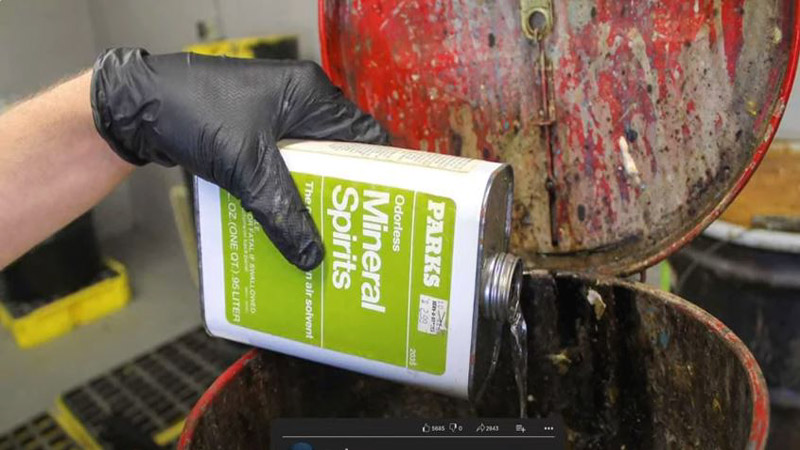
Let small used towels dry in a safe, controlled area only if the product label allows it, or place them in an approved metal container with a self-closing lid. Follow local rules for household hazardous waste.
🌿 Eco or Disposal Note: Never pour mineral spirits onto soil, into a storm drain, down a sink, or into a septic system. Contact your city, county, or waste authority for household hazardous-waste drop-off instructions.
Pros and cons of using mineral spirits
Mineral spirits can be a cost-effective problem solver, but the drawbacks are real. The right choice depends on your skill level and the surface you need to clean.
A professional detailer may keep a solvent on hand because tar and grease are common jobs. A new driver may be better served by a labeled automotive cleaner with clear surface directions.
| Advantages | Drawbacks |
|---|---|
| Dissolves tar and oily grime | Flammable |
| Often costs less than specialty products | Can remove wax and sealants |
| Useful on selected hard surfaces | May harm plastic or rubber |
| Works on stubborn adhesive residue | Strong odor or vapor |
| Can help before paint correction | Requires testing and careful disposal |
Mineral spirits are worth the money when you already have a controlled use for them. They are not worth buying just because they sound stronger than car shampoo.
Common mistakes to avoid
Most solvent damage comes from poor process, not from one careful wipe. These mistakes are easy to prevent.
Using it on a dirty panel
Dirt and grit can scratch paint when you wipe. Wash first unless the product maker gives a specific exception.
Pouring it directly onto the car
Direct pouring creates runs and increases contact with trim and seams. Dampen the towel instead.
Working in the sun
A hot panel speeds evaporation and can make the solvent harder to control. It can also soften wax and increase the chance of streaks.
Scrubbing tar
Hard scrubbing can mark the clear coat. Let the solvent soften the tar, then lift it with light pressure.
Using one towel for the whole car
The towel collects dissolved tar and dirt. Use several towels and turn to clean sides often.
Skipping the final wash
Mineral spirits can leave a film. Wash the area after treatment, then dry and inspect it.
Applying wax too soon
If solvent or cleaner remains on the paint, wax may not bond evenly. Wash, dry, and follow the wax maker’s directions.
How long does mineral spirits last, and does it expire?
An unopened container can last for a long time when stored tightly closed in a cool, dry place. There is no single useful expiration date for every brand.
Discard the product if it has unusual contamination, a damaged container, separated material, or a changed smell or appearance. Check the label for storage guidance.
A microfiber towel used with mineral spirits will not last forever. Solvent can weaken fibers, leave a film, or carry tar into future washes. Keep solvent towels separate from paint-care towels. Many detailers label them for “dirty work” only.
Is mineral spirits worth using for DIY detailing?
Mineral spirits can be worth using for a specific job, especially on an older truck, work vehicle, or daily driver with tar and grease on painted metal. It is less attractive for routine car care, new vehicles, delicate trim, or expensive coated finishes.
For beginners, a dedicated automotive tar remover is often the better first purchase. It gives clearer instructions and may be safer across common automotive finishes. For experienced DIYers, mineral spirits can be a useful backup when used with testing and restraint.
The best product also depends on your budget. A low-cost solvent plus towels may handle one repair. A professional detailer may prefer a full set that includes tar remover, iron remover, panel wipe, clay lubricant, paint-safe degreaser, and coating-safe cleaners.
Who should use it?
Mineral spirits suit:
- Experienced DIY detailers.
- Owners removing tar from painted metal.
- Truck owners cleaning selected hitch or body areas.
- People preparing old wax or oily residue for correction.
- Shops with proper ventilation and chemical storage.
Who should skip it?
Skip mineral spirits if:
- The paint is fresh or its cure time is unknown.
- You need to clean plastic, rubber, leather, or fabric.
- The vehicle has a coating or PPF with unclear chemical resistance.
- You cannot work outdoors or ventilate the area.
- You do not have gloves, eye protection, and a safe disposal plan.
- You only have a broad, dirty panel to clean.
A simple detailing kit for beginners
Mineral spirits should not be the first or only chemical in a car-care kit. A balanced kit is safer and more useful.
For a new driver or gift buyer, focus on products that solve common needs without adding much risk.
| Kit item | What it handles | Best user |
|---|---|---|
| pH-balanced car shampoo | Normal dirt and road film | Everyone |
| Microfiber towels | Drying and wiping | Everyone |
| Tire pressure gauge | Checks tire pressure | New and teen drivers |
| Tire inflator | Adds air on the road | Daily drivers |
| Glass cleaner | Interior and exterior glass | Everyone |
| Interior cleaner | Dash and hard trim | Beginners |
| Tar remover | Asphalt and road tar | DIY detailers |
| Mineral spirits | Selected stubborn oily spots | Experienced users |
| Roadside kit | Breakdowns and visibility | Parents and road-trippers |
A phone mount, floor mats, seat covers, sunshade, and wiper blades may also make better gifts than a solvent. For safety, add a jump starter only if the buyer understands battery polarity and the vehicle’s instructions.
Do not use a jack without rated jack stands, and never work under a car held only by a jack. A torque wrench is important for wheel work, but brake, steering, airbag, and tire repairs should go to a qualified professional when you lack training.
Affiliate disclosure
This article may contain affiliate links. If you buy through one of those links, the publisher may earn a commission at no extra cost to you. Product availability, features, and fitment can change, so check the latest listing and the manufacturer’s instructions before buying or using any chemical.
Frequently asked questions
Q: Can mineral spirits damage car paint?
A: Yes, it can damage fresh, soft, oxidized, or poorly cured paint. On sound cured clear coat, a brief and controlled application may be tolerated, but it can remove wax or sealant. Test a hidden area first and wash the surface afterward.
Q: Will mineral spirits remove tar from a car?
A: Mineral spirits can soften and remove many tar spots from cured painted metal. Use a small amount on a microfiber towel, work on a cool surface, and avoid hard scrubbing. A dedicated automotive tar remover is often the safer choice for beginners.
Q: Can I use mineral spirits on car windows?
A: It may remove adhesive or oily residue from plain glass, but use caution around tint, rubber seals, plastic trim, and defroster lines. A glass-safe adhesive remover is usually a better first option. Keep solvent away from window-film edges.
Q: Can mineral spirits remove car wax?
A: It can remove or weaken some waxes and oily sealants. If you are trying to preserve wax, do not use mineral spirits. If you are preparing for paint correction or a new product, use the preparation method recommended by that product maker.
Q: Are mineral spirits safe on ceramic coating?
A: Do not assume they are safe. Mineral spirits may reduce or alter some coatings, especially if left on the surface. Check the coating maker’s care instructions and use an approved coating-safe cleaner or panel wipe.
Q: Can mineral spirits be used on tires?
A: It is not recommended. Solvents may dry or affect rubber and can leave residue on the tire surface. Use a tire cleaner made for rubber, and keep all solvent away from the tread and brake parts.
Q: Can I use mineral spirits on plastic car trim?
A: It is risky. Plastic can haze, stain, swell, or become sticky. Use a plastic-safe cleaner instead, and test any product in a hidden area before treating visible trim.
Q: What is the difference between mineral spirits and acetone?
A: Acetone is a much stronger and faster-acting solvent for many automotive materials. It can damage paint, plastic, rubber, and interior surfaces quickly. Mineral spirits are milder but still flammable and capable of causing damage.
Q: Can mineral spirits remove tree sap?
A: It may help with oily residue after the sap has been softened, but a tree-sap remover is usually more suitable. Do not scrape hardened sap with a metal tool. Test the product on the paint first.
Q: Should I use mineral spirits before ceramic coating?
A: Use the coating maker’s approved prep system. A proper panel wipe is usually more predictable than general-purpose mineral spirits. The panel must also be clean, dry, polished as needed, and free of residue.
Q: Can I use mineral spirits inside a car?
A: No. Avoid it on seats, carpets, dashboards, leather, vinyl, and headliners. It can spread stains, remove color, dry materials, and leave harmful vapors. Choose a cleaner made for the interior material.
Q: Is low-odor mineral spirits safe?
A: Low odor only describes the smell level. It does not mean the product is nonflammable or harmless. Read the label, ventilate the work area, wear gloves and eye protection, and store it safely.
Q: Can mineral spirits remove sticker glue from a car?
A: It can soften some sticker glue on cured painted metal or glass. Remove the thick layer with a plastic scraper first, apply solvent to a towel, and keep it away from trim and tint. Wash the area when finished.
Q: What is the best alternative to mineral spirits for beginners?
A: A labeled automotive tar remover or adhesive remover is usually the best starting point. These products are designed for common vehicle surfaces and provide clearer instructions. Test them anyway, because no cleaner is safe on every finish.
Q: Can mineral spirits be used on an EV?
A: It can be used on a suitable, tested exterior painted surface, just as on other vehicles. Keep it away from the charging port, cameras, sensors, wiring, and electrical connectors. Follow the EV owner’s manual for cleaning around those areas.
Final thoughts
Mineral spirits are a useful but narrow tool in car detailing. They can help remove tar, grease, adhesive residue, and old oily product from selected hard surfaces. They work best when the vehicle is cool, the area is small, the towel is clean, and the user tests first.
For most beginners and teen drivers, a dedicated automotive tar remover is the more practical choice. Experienced DIY detailers can keep mineral spirits as a backup, but should never treat it as a universal cleaner. Use the mildest product that solves the problem, protect your skin and eyes, ventilate the area, and dispose of solvent waste through the proper local program.