How To Use Euro Gold Car Care Kit: Easy Guide
A Euro Gold car care kit can make routine vehicle cleaning easier, but the best results come from using each product in the right order. Most kits are designed to cover basic exterior and interior care, such as washing, drying, cleaning plastic trim, wiping glass, and protecting painted surfaces. The exact contents can vary by seller and package size, so always read the labels before use.
This guide explains how to use a Euro Gold car care kit on sedans, SUVs, trucks, hybrids, and many older vehicles. It also covers paint safety, microfiber towel care, climate concerns, common mistakes, and when a professional detailer is a better choice.

Quick answer: How do you use a Euro Gold car care kit?
Use a Euro Gold car care kit from the least dirty area to the most delicate area. Start by removing loose dirt with water, wash the exterior from top to bottom, rinse well, dry with clean microfiber towels, then apply wax or another protectant if included. Clean wheels and tires with products labeled for those surfaces. Finish with the interior, glass, and touch points. Test every product on a hidden area first.

The kit works best when the vehicle is cool, parked in shade, and cleaned one section at a time. Do not let soap, wheel cleaner, wax, or tire dressing dry on the vehicle.
💡 Pro Tip: Take a quick photo of the kit before opening it. Then match each bottle to its label and keep the caps with the correct products. Many detailing errors start with using an interior cleaner on exterior paint or a wheel product on polished metal.
What is usually included in a Euro Gold car care kit?
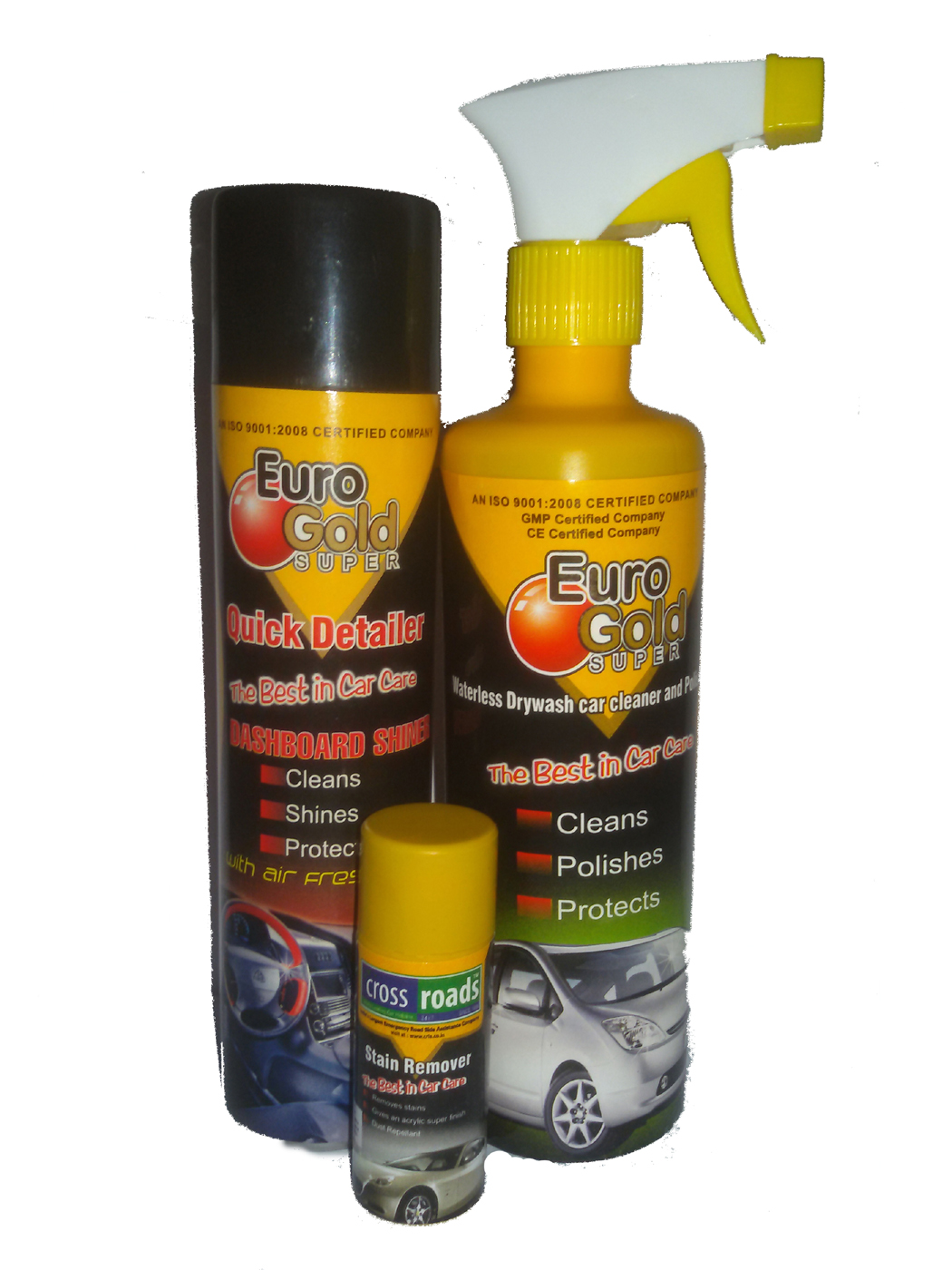
A Euro Gold car care kit is usually a bundled set of car cleaning and detailing products. However, “Euro Gold” kits may come in different versions. One package may focus on exterior washing, while another may include interior cleaner, tire shine, wax, brushes, or microfiber towels.
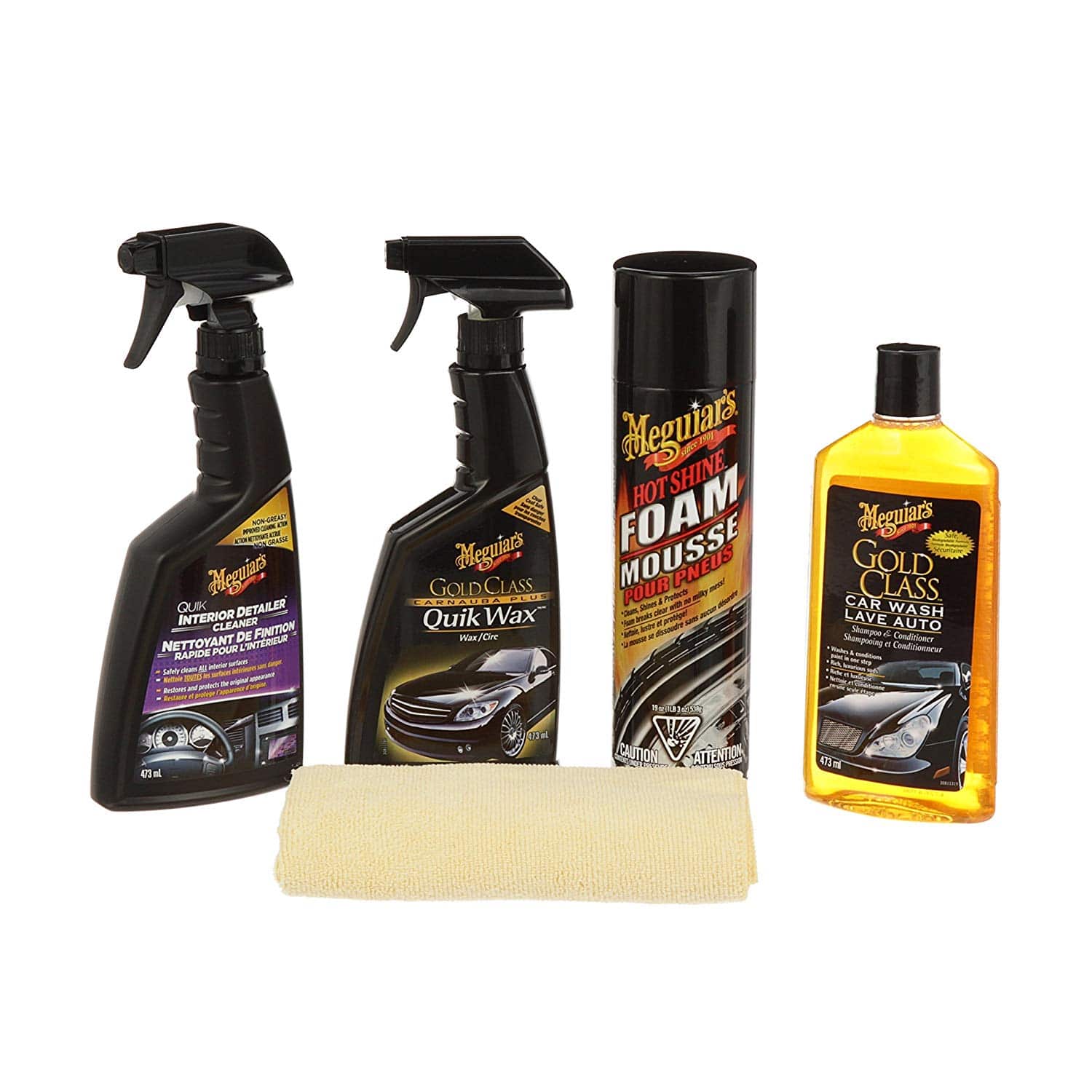
Do not assume that every Euro Gold kit has the same bottles or tools. Compare the product list on the box, online listing, or label with the table below.
| Common kit item | Main use | Surface to check first |
|---|---|---|
| Car wash soap | Removes road film and loose grime | Clear coat, trim, glass |
| Microfiber towels | Washing, drying, and wiping | Use a clean towel for each job |
| Interior cleaner | Cleans vinyl, plastic, and some fabric | Hidden interior spot |
| Glass cleaner | Removes fingerprints and film | Interior and exterior glass |
| Tire dressing | Adds a dark finish to sidewalls | Tire sidewall only |
| Wax or paint protectant | Adds a temporary protective layer | Painted exterior only |
| Detailing brush or sponge | Reaches seams, vents, and trim | Avoid delicate screens and soft paint |
The main goal is not to use every item at once. A good car wash may need only soap, water, a wash mitt, and drying towels. Wax, tire dressing, and interior products are separate steps.
Read the label before using any product
Labels tell you where a product belongs, how much to use, whether dilution is needed, and what surfaces to avoid. Look for warnings about matte paint, wrapped panels, chrome, aluminum, leather, suede, touchscreens, and painted plastic.
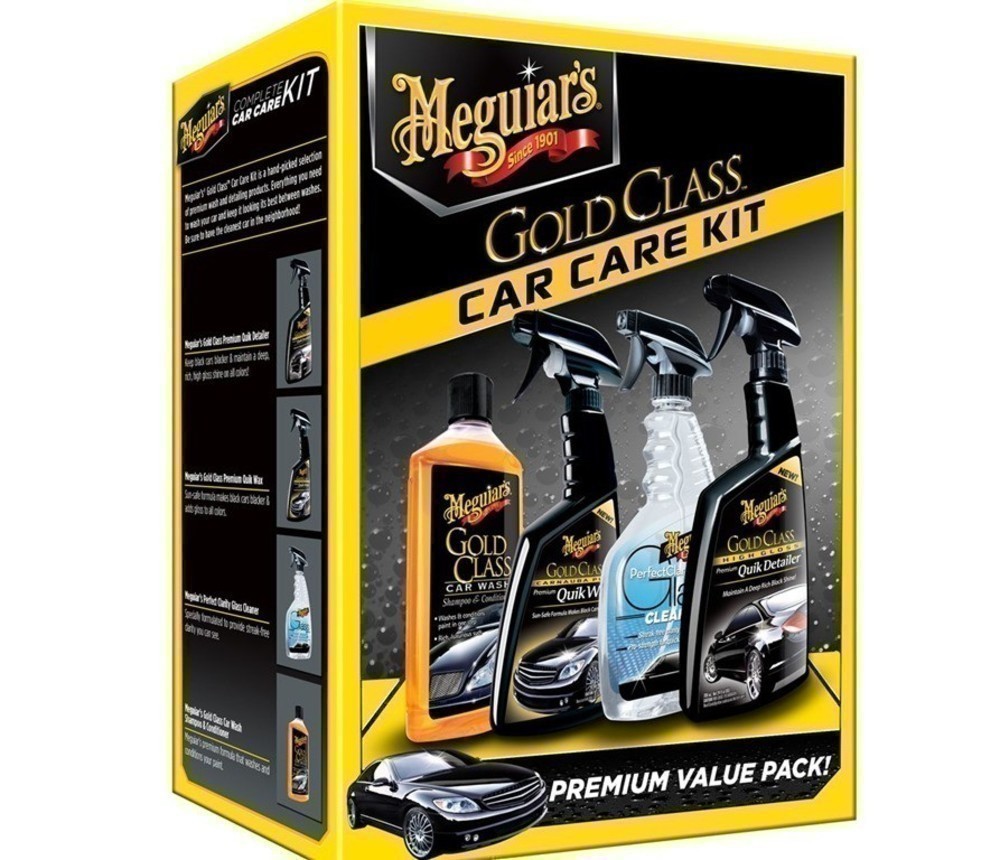
If the label is missing or unclear, do not guess. Contact the seller or check the current product page. The product page may also list updated contents, directions, and vehicle-surface limits.
Know your vehicle’s finish
Modern vehicles can have clear-coated paint, matte paint, vinyl wraps, ceramic coatings, chrome trim, piano-black plastic, and sensitive touchscreens. These finishes do not all respond to the same cleaner.
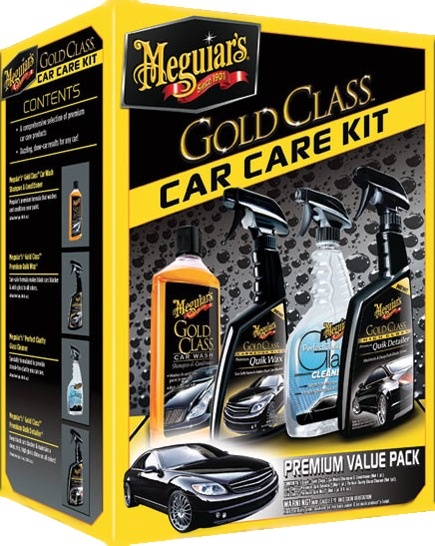
A standard Euro Gold kit may suit a daily driver with glossy factory paint. It may not be the right choice for a matte-wrapped sports car, a heavily coated vehicle, or an antique car with fragile single-stage paint. The label and the vehicle owner’s manual should guide your choice.
What you need before using the kit
Good results depend as much on your setup as on the product. Gather clean water, a bucket, several microfiber towels, a hose or pressure washer, and a shaded work area. A pressure washer can help remove loose grit, but it is not required for a safe wash.
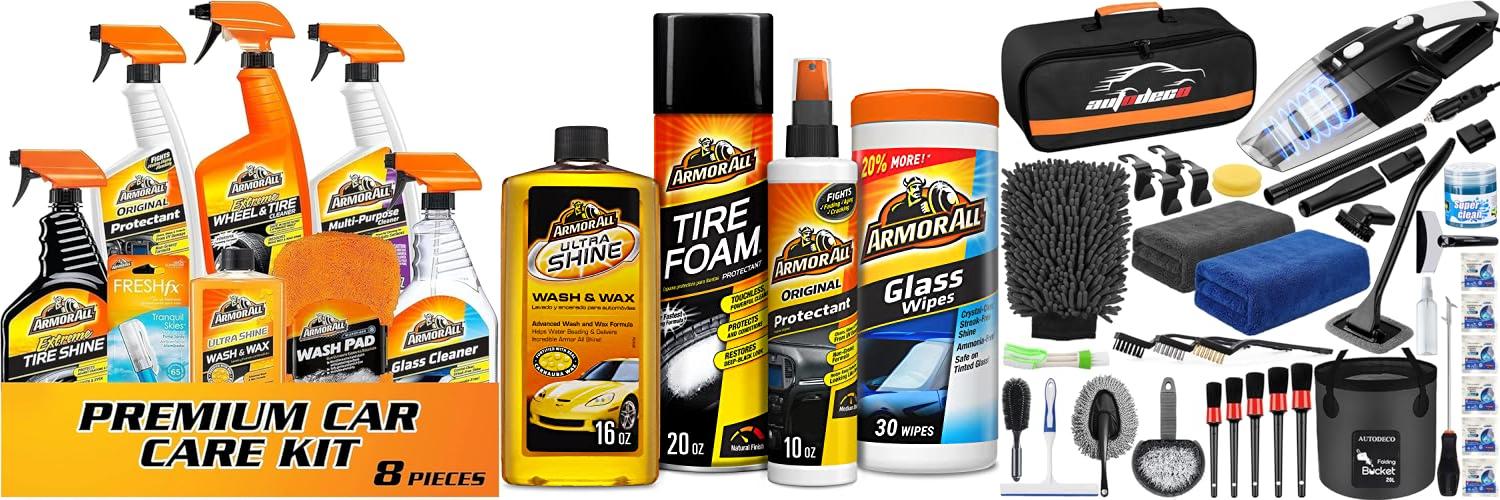
This table covers common supplies. You may not need every item in your Euro Gold package.
| Item | Why it helps | Low-cost substitute |
|---|---|---|
| Two buckets | Keeps dirty rinse water away from wash water | One bucket with frequent water changes |
| Microfiber wash mitt | Holds soap and reduces paint contact | Clean microfiber towel |
| Drying towel | Removes water with less rubbing | Large, clean microfiber towel |
| Hose with gentle nozzle | Rinses soap and loose grit | Watering can for small areas |
| Soft wheel brush | Cleans wheel faces and spokes | Separate soft wash mitt |
| Vacuum | Removes interior dust and sand | Hand brush and crevice tool |
| Painter’s tape | Protects trim during some wax steps | Careful hand application |
Use separate towels for paint, wheels, glass, and the interior. Wheel dust can contain abrasive particles. If those particles reach your paint, they may cause fine scratches.
Choose the right washing location
Wash on a cool day or in the shade. Direct sun can dry soap and water before you rinse them. Wind can blow sand onto wet paint and increase the chance of marks.

Avoid washing on a public road, near storm drains, or where runoff can enter a stream. Local water rules may limit driveway washing. A commercial wash bay may be a better option in areas with strict runoff rules.
🌿 Eco or Disposal Note: Never pour concentrated car chemicals, oily water, old wax, or wheel cleaner into a storm drain. Follow local rules for chemical disposal. Use only the amount you need and keep bottles sealed.
Prepare the vehicle and work safely
The best way to use a Euro Gold car care kit is to prepare the vehicle before opening the first bottle. Remove floor mats, close windows, and make sure doors and the liftgate are shut. Check that the hood is cool before cleaning the engine bay, and avoid spraying water near exposed electrical connectors.

Park on level ground. Set the parking brake. If you need to move the vehicle during cleaning, keep towels and bottles away from the tires and pedals.
Inspect the vehicle first
Walk around the vehicle and look for loose trim, chipped paint, cracked lights, damaged weather seals, and peeling clear coat. Cleaning will not repair these problems. In some cases, strong water pressure can make loose trim or peeling paint worse.
Remove roof-rack cargo, bike carriers, magnetic signs, and removable phone mounts before washing. If your vehicle has a trailer hitch, clean the visible metal separately and keep water out of electrical connectors.
Protect sensitive areas
Keep cleaning chemicals away from open windows, convertible fabric, seat belt webbing, infotainment screens, instrument clusters, and unsealed electrical parts. Do not spray cleaner directly onto a screen or switch.
Spray a small amount onto a towel instead. This gives you control and helps prevent liquid from entering seams.
⚠️ Safety Warning: Wear gloves and eye protection when using wheel cleaners, degreasers, or concentrated products. Follow the label and the owner’s manual. Keep children and pets away from wet chemicals and buckets.
Step-by-step: washing the exterior
Exterior washing should remove grit with as little rubbing as possible. Think of dirt as tiny sandpaper. The more you drag it across clear coat, the greater the chance of swirl marks.
Work from the roof down. Lower panels, rocker panels, and rear bumpers usually hold the most dirt. Save those areas for last.
1. Remove loose dirt
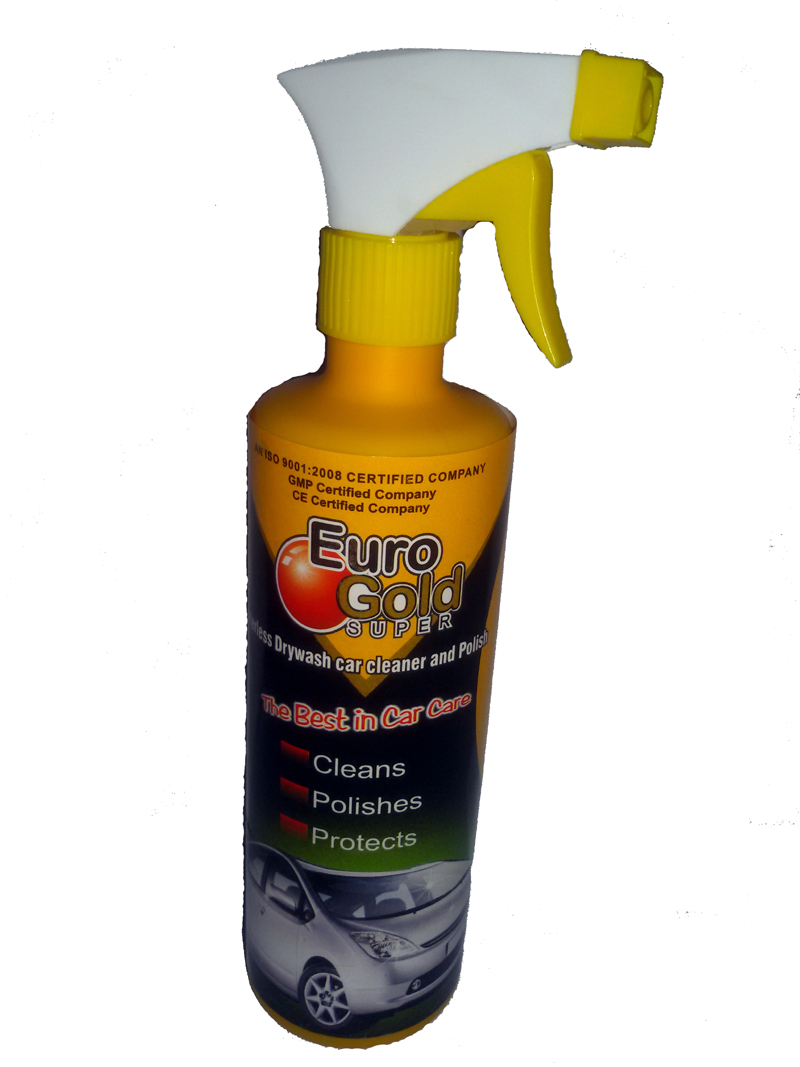
Rinse the vehicle with a hose or pressure washer set to a safe distance. Start at the roof and move downward. Use a broad spray rather than a sharp jet.

Do not aim high-pressure water at door seals, window channels, badges, sensors, charging ports, or damaged paint. On an EV or hybrid, keep the charging port closed and follow the owner’s manual for washing instructions.
A pre-rinse can remove sand, salt, pollen, and loose mud before the wash mitt touches the paint. It cannot remove bonded tree sap, road tar, or deep stains by itself.
2. Mix the car wash soap
Add the Euro Gold car wash product to a bucket according to the label. Do not add extra soap because more foam does not always mean better cleaning. Too much product can leave residue and make rinsing harder.

Use a second bucket with clean water if you have one. The second bucket lets you rinse the mitt before loading it with fresh soap.
3. Wash the roof and upper panels
Dip the wash mitt into the soap solution. Wash the roof with straight, light passes. Do not press hard.

Rinse the mitt often. Clean one small section at a time, such as half the roof or one door. Rinse that section before the soap dries.
4. Continue down the vehicle
Wash the windows, hood, trunk, upper doors, lower doors, bumpers, and rocker panels in that order. Use a separate mitt or towel for the dirtiest sections.

For a truck, clean the cab first, then the bed sides, tailgate, and lower frame area. For an SUV, pay attention to the rear hatch, roof rails, and lower liftgate. These areas often collect road dust and exhaust film.
5. Clean wheels and tires
Wheels should be cleaned before the final rinse, but use a separate tool. Brake dust can scratch paint and may contain metal particles.
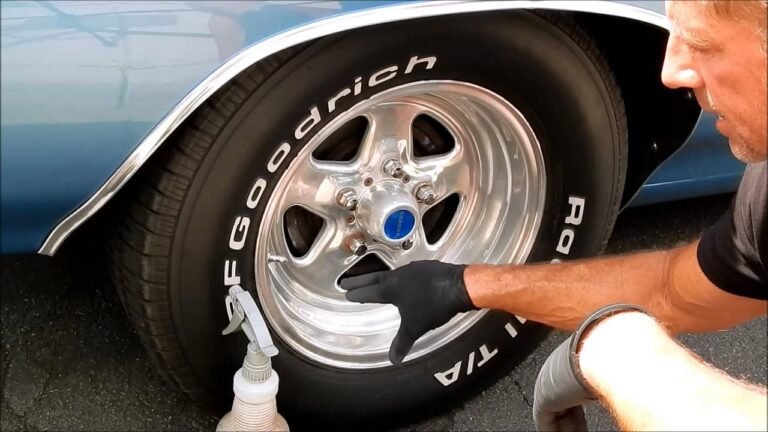
First rinse the wheel. Apply only a wheel cleaner approved for that wheel finish. Use a soft brush on the wheel face and a narrow brush around lug nuts and spokes. Clean the tire sidewall with a separate brush.
Never use an unknown wheel cleaner on polished aluminum, anodized wheels, chrome, or damaged finishes. Some products can stain hot wheels or harm sensitive coatings.
6. Rinse from top to bottom
Rinse the whole vehicle with clean water. Let water flow over the surface rather than blasting one spot. Check mirrors, door handles, emblems, roof rails, and trim for trapped soap.
Open the doors only after the exterior is rinsed. Wipe the door jambs with a separate damp towel. Avoid flooding the cabin.
Drying the vehicle without adding scratches
Drying is not just a cosmetic step. Water left on paint can leave mineral spots, especially in hard-water areas. Rubbing a dry vehicle with a rough towel can also create fine marks.
Use a clean, soft microfiber drying towel. Place it flat on the panel and gently pull it across the surface. You can also pat the panel dry.
Use the right towel for each job
A high-pile microfiber towel can hold more water. A short-pile towel often works well on glass and final wipe-downs. Do not use the same towel on wheels and paint.
Wash microfiber towels separately from cotton clothing. Avoid fabric softener because it can reduce absorbency and leave residue. Dry towels on low heat or air-dry them.
| Towel type | Suitable job | Avoid using it for |
|---|---|---|
| High-pile drying towel | Paint and large panels | Greasy wheels |
| Short-pile microfiber | Glass and final wipes | Heavy mud |
| Plush interior towel | Dash, trim, and screens | Brake dust |
| Glass towel | Windows and mirrors | Wax removal |
| Old utility towel | Door jambs and wheel wells | Clear coat |
Use a fresh section of the towel as it becomes damp or dirty. If a towel falls on the ground, set it aside for washing.
Dry hidden water
Water can remain behind mirrors, badges, handles, fuel doors, and trim. A short drive can shake out some of it, but wipe these areas first to reduce drips.
Compressed air can help, but use low pressure around seals and electronics. A clean blower designed for detailing is safer than blowing shop debris across the paint.
Using Euro Gold wax or paint protectant
If your kit includes wax, polish, or paint protectant, identify the product before applying it. Wax protects and adds gloss. Polish contains abrasives and is meant to reduce very light defects. These are not the same job.
A wax will not remove deep scratches, rust, peeling clear coat, or paint transfer in every case. Do not expect a basic kit to replace machine polishing or paint repair.
Apply wax to clean, dry paint
The surface should be washed and dry. Apply a thin layer to a small panel or section. Use an applicator pad or microfiber towel listed on the label.
Work in the shade. Keep wax off unpainted textured plastic unless the label says it is safe. White wax residue can collect in trim and seams.
Follow the product’s removal instructions
Some waxes are removed after they haze. Others are designed for immediate wipe-off. Wait times differ by formula, temperature, and humidity.
Use a clean towel for removal. Turn the towel often. If the product becomes hard to remove, stop rubbing aggressively. Add a small amount of the same product or use the label’s recommended method.
💡 Pro Tip: Apply wax to one panel first. If the finish looks clear and the product removes easily, continue. This test can prevent a full-vehicle mess when the paint, weather, or product does not cooperate.
Wax versus ceramic coating
A Euro Gold wax is not the same as a professional ceramic coating. Ceramic coating uses a chemical resin that bonds to the surface and needs careful preparation. It may last longer, but it also requires strict application and curing rules.
A basic wax is usually easier for beginners and gift buyers. It can suit a daily driver, older sedan, family SUV, or truck that needs simple protection. Skip DIY coating work unless you understand surface preparation and the exact coating instructions.
Cleaning the interior with the kit
Interior cleaning starts with removal, not chemicals. Take out trash, child car seats if safe to remove, floor mats, and loose items. Vacuum before applying cleaner.
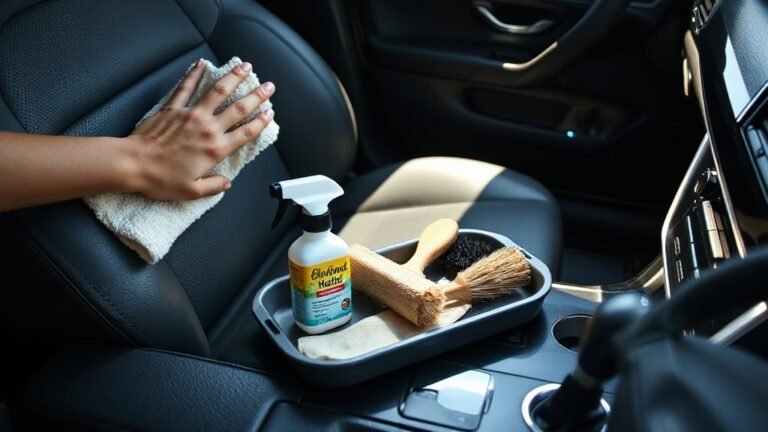
A Euro Gold kit may include interior cleaner, a brush, or a microfiber towel. Confirm whether the product is safe for vinyl, plastic, fabric, rubber, or leather. A product made for plastic may dry leather or stain cloth.
Vacuum first
Vacuum seats, carpets, floor mats, cargo areas, and gaps near the center console. Use a crevice tool around seat rails and under the pedals.
Do not pull hard on wiring under seats. Modern vehicles may have airbag wiring and occupant sensors in that area. If you see yellow connectors, do not disconnect them for cleaning.
Clean hard interior surfaces
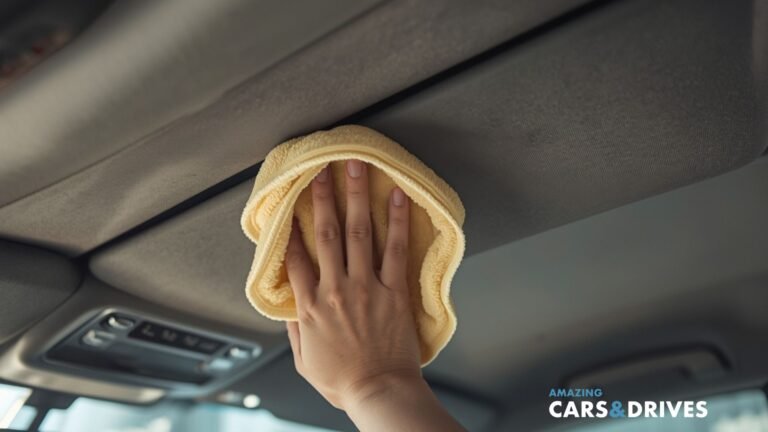
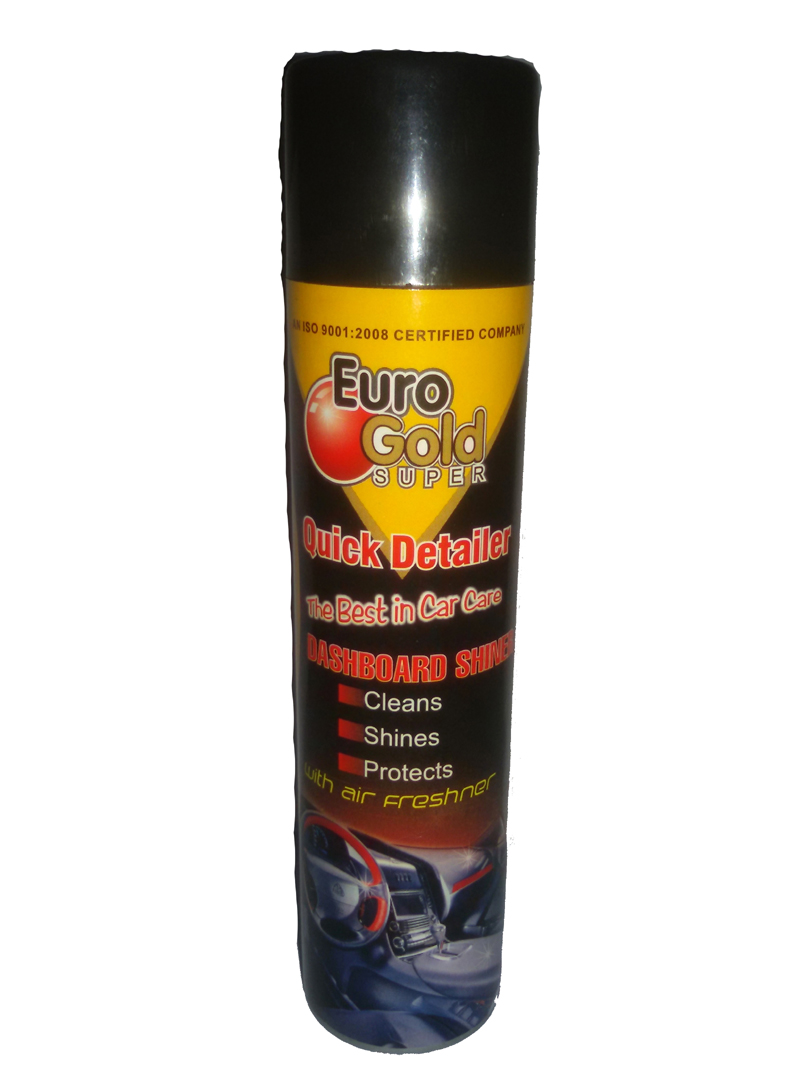
Spray cleaner onto a towel, not directly onto the dashboard. Wipe the dash, door panels, cup holders, center console, and vinyl trim.
Use a soft detailing brush for vents and seams. Wipe away cleaner with a second towel so the surface does not remain wet or tacky.
Avoid shiny dressings on the steering wheel, pedals, gear selector, and floor. A slippery steering wheel or pedal can create a safety risk.
Clean screens and instruments carefully
Use a clean, dry microfiber towel for light dust on touchscreens and gauge lenses. If the owner’s manual permits a cleaner, apply a small amount to the towel.
Never spray liquid into buttons, vents, speaker grilles, or screen edges. Do not use glass cleaner with ammonia unless the screen maker specifically allows it.
Clean fabric seats and carpets
If the kit includes an upholstery cleaner, test it under the seat or on another hidden area. Use a small amount and avoid soaking foam.
Blot stains instead of scrubbing hard. Let the fabric dry fully before using the vehicle. Damp seats and carpets can develop odor and may affect electrical components under the carpet.
Treat leather with the correct product
Leather needs a product labeled for automotive leather. Vinyl and synthetic leather may need a different formula. Do not use household oils or unapproved conditioners.
Wipe leather gently and remove excess product. Keep the steering wheel and shift knob dry and free of slippery residue.
Glass, mirrors, and visibility
Clean glass improves visibility, but the wrong towel or cleaner can leave haze. Clean the interior glass last because dashboard dust often moves onto it during interior work.
Use a glass cleaner made for automotive windows. Spray it onto a towel when working near electronics, window switches, tint film, or the dashboard.
Clean inside and outside
Wipe the outside glass in one direction and the inside in another. For example, use vertical passes inside and horizontal passes outside. This makes streaks easier to locate.
Clean mirrors, backup-camera lenses, side cameras, and sensor windows with a clean, soft towel. Do not scrape a camera lens with a blade.
📜 Check Local Laws: Do not apply unapproved tint, film, stickers, or coatings to areas that reduce legal driver visibility. Tint rules vary by state. Check your state DMV and the tint manufacturer’s instructions.
Handle windshield film and wiper blades
If the windshield still looks greasy after cleaning, the problem may be worn wiper blades, silicone residue, or an oily road film. Clean wiper blades with water and a separate towel, then replace them if they chatter, split, or leave bands.
Do not use tire shine, wax, or interior dressing on wiper blades. These products can smear the windshield.
Tires, trim, and exterior plastics
Tire dressing can improve the look of sidewalls, but it is optional. The product belongs on the sidewall, not on the tread or brake parts.
Apply a small amount with a foam applicator. Wipe away excess near the wheel lip. Too much dressing can sling onto the paint as the tire spins.
Choose a low-sling finish
A thin, even layer usually looks cleaner than a wet, glossy coating. If the label allows it, buff off excess after a few minutes.
Do not apply tire dressing to motorcycle tires, bicycle tires, steering wheels, pedals, or brake components. Those areas need grip, not shine.
Protect plastic trim with care
Some Euro Gold kits include trim restorer. Check whether it is made for textured black plastic, painted trim, or rubber seals.
Test a small hidden section. Avoid applying trim restorer to exterior cameras, sensor faces, glass, or light lenses unless the label says it is safe.
Clean chrome and metal separately
Chrome trim, polished aluminum, and stainless steel may need separate care. A general cleaner can leave stains or dull a polished surface.
Use only a product labeled for that material. If the kit does not include one, use mild soap and water with a soft towel rather than experimenting with a strong chemical.
Best use by vehicle type and driver
A Euro Gold car care kit can suit many drivers, but the best use depends on the vehicle and the owner’s goals. A beginner may want a simple wash routine. An experienced DIY detailer may use the kit as a maintenance set between deeper jobs.
Gift buyers should focus on practical products that a teen or new driver can use safely. Avoid giving a young driver strong chemicals without showing them how to read labels and handle runoff.
| Driver or vehicle | Good fit | Main limitation |
|---|---|---|
| Beginner with a sedan | Basic wash, glass, interior care | May need extra towels |
| Family SUV owner | Regular wash and cabin cleaning | Large panels take more time |
| Truck owner | Exterior wash, wheels, trim, bed care | Heavy mud may need stronger tools |
| EV driver | Paint, glass, cabin, and tire care | Keep chemicals away from charging ports |
| Hybrid owner | Normal body care with electrical caution | Follow the manual near high-voltage parts |
| Teen driver | Simple wash and interior kit | Needs safety guidance and supervision |
| Experienced DIYer | Maintenance after paint correction | May want premium specialty products |
Best for beginners
The kit is most useful for beginners who want one package for basic cleaning. It can teach good habits: wash from top to bottom, use separate towels, and keep chemicals off sensitive parts.
A beginner should skip engine-bay cleaning, paint correction, headlight restoration, and ceramic coating until they understand the risks. A clean exterior does not require advanced tools.
Best for trucks and SUVs
Trucks and SUVs have more surface area, taller panels, larger tires, and often more textured trim. Expect to use more water, more towels, and more time.
A small step stool can help reach the roof, but use it on level ground and keep three points of contact. Do not stand on running boards that are wet or slippery.
Best for EVs and hybrids
Exterior and interior cleaning are generally similar to cleaning a gas vehicle. The key differences are around charging ports, high-voltage labels, battery areas, and under-hood components.
Do not pressure-wash charging connectors or open electrical compartments. Follow the vehicle manual. If you are unsure, use a professional detailer familiar with EVs and hybrids.
Best for older vehicles
Older vehicles may have faded paint, single-stage paint, brittle trim, oxidized plastic, and failing seals. A basic kit can clean these surfaces, but it may reveal damage rather than fix it.
Use gentle pressure and test every product. If the paint transfers onto a towel, stop using abrasive products and ask a paint specialist for advice.
A practical Euro Gold car care routine
The following routine works for most drivers who want a repeatable process. Adjust it to the exact kit instructions and the condition of the vehicle.
Routine wash day
- Park in shade on level ground.
- Read every label and check the vehicle finish.
- Remove trash, mats, and loose cargo.
- Rinse the vehicle from top to bottom.
- Clean wheels and tires with separate tools.
- Wash the roof and upper panels first.
- Wash lower panels last.
- Rinse before soap dries.
- Dry with clean microfiber towels.
- Clean door jambs and hidden seams.
- Clean the interior after the exterior.
- Apply tire dressing or wax only if needed.
- Inspect glass, lights, cameras, and mirrors.
This order reduces cross-contamination. It also keeps wheel dust and interior grit away from the painted surface.
Quick maintenance between full washes
Between full washes, remove bird droppings, tree sap, and road salt as soon as practical. These contaminants can bond to paint or damage the finish if left in place.
Use a clean microfiber towel and a product labeled for quick cleaning. Do not wipe dry bird droppings from paint. Soften them first with water or the correct cleaner.
Common mistakes and how to avoid them
Most car-care damage comes from using the right product in the wrong way. A short label check can prevent costly trim stains, streaked glass, or scratched paint.
| Mistake | What can happen | Better approach |
|---|---|---|
| Washing in direct sun | Soap and minerals dry on paint | Work in shade |
| Using one towel everywhere | Grit spreads to paint | Separate towels by task |
| Scrubbing hard | Fine scratches or faded trim | Use light pressure |
| Using dish soap often | May remove existing protection | Use car wash soap |
| Spraying cleaner on screens | Liquid enters edges | Spray the towel |
| Dressing tire tread | Reduced grip | Use sidewall only |
| Letting wax dry too long | Hard removal and haze | Follow the label |
| Using wheel cleaner on paint | Staining or surface damage | Keep products on labeled surfaces |
Using dish soap
Dish soap can remove grease, but it is not made for regular vehicle washing. It may strip wax or leave residue. It also does not replace a product designed for automotive clear coat.
Use the Euro Gold car wash product, if included, or a pH-balanced car shampoo. The right soap makes the job easier and reduces the need for hard rubbing.
Using old or dirty microfiber towels
A towel that feels soft can still hold grit. Do not use a towel on paint if it has touched the floor, wheel wells, or greasy trim.
Wash towels after each major job. Discard towels that have stiff edges, embedded grit, or melted fibers.
Applying too much product
More cleaner, wax, or dressing does not mean more protection. Excess product can cause streaks, sling, oily surfaces, or difficult removal.
Start with less than you think you need. Add more only when the label or the surface requires it.
Cleaning a hot surface
Hot paint and wheels can dry products quickly. A hot wheel can also cause cleaner to flash or stain.
Wait until the vehicle cools. Never spray cold water on a very hot brake rotor if the vehicle has just completed hard driving. Let the vehicle rest first.
How long does a Euro Gold car care kit last?
A Euro Gold kit can last for several washes, but the exact life depends on bottle size, vehicle size, cleaning frequency, and how much product you use. A compact sedan usually uses less soap and wax than a full-size truck or three-row SUV.
Microfiber towels may last many months or years if washed correctly. Foam applicators and brushes may wear out sooner, especially when used on tires and wheel wells.
| Product or tool | What affects its life | Replace when |
|---|---|---|
| Car wash soap | Dilution and wash frequency | Empty, expired, or changed in texture |
| Wax or protectant | Vehicle size and application thickness | Empty or separated |
| Microfiber towels | Washing and contamination | Rough, stained, or gritty |
| Wheel brush | Brake dust and storage | Bent, hard, or shedding |
| Foam applicator | Product and pressure | Torn or hardened |
| Tire dressing | Amount and frequency | Empty or separated |
Store bottles upright in a cool, dry place. Keep them out of freezing temperatures and direct heat. Close caps after each use.
Signs a product should not be used
Do not use a product if it has separated badly, developed an unusual odor, formed hard lumps, or lost its label. Some formulas can be mixed by shaking, but follow the label.
Do not pour unknown chemicals together. A reaction can create heat, fumes, or pressure inside the bottle.
Cost, value, and alternatives
The value of a Euro Gold car care kit depends on what it includes and what you already own. A bundled kit can save time for a beginner or gift buyer who needs basic supplies. An experienced detailer may already have better towels, brushes, or specialty cleaners.
Current pricing ranges from budget to mid-range based on the number of products, bottle sizes, tools, and seller. Check the latest listing for updated features, contents, and fitment information. Do not judge value by the number of bottles alone.
| Price tier | Usually suitable for | What to expect |
|---|---|---|
| Budget kit | New drivers and occasional washers | Basic soap, towels, and small accessories |
| Mid-range kit | Families and regular DIY users | More surface-specific products and tools |
| Premium detailing setup | Enthusiasts and large vehicles | Better towels, specialty chemicals, and brushes |
Is a Euro Gold car care kit worth it?
It can be worth the money for a beginner, teen driver, parent, or gift buyer who wants a simple starting point. It is less useful for someone who already owns professional-grade products and tools.
The kit is also practical for apartment residents who need a small set of supplies for occasional washing. It may not replace a pressure washer, vacuum, extractor, paint polisher, or professional coating system.
Alternatives to consider
A basic car care kit is not the only option. You can buy products one at a time and choose better items for your paint, climate, and vehicle size.
Useful alternatives may include:
- A pH-balanced car shampoo and separate microfiber towels.
- A waterless wash for approved situations with light dust.
- A rinseless wash for apartment or water-limited use.
- A professional detailer for paint correction or ceramic coating.
- A dedicated interior kit for leather, fabric, and screens.
- A roadside kit with a jump starter, tire inflator, pressure gauge, flashlight, and first-aid supplies.
A roadside kit serves a different purpose. It does not replace cleaning products. A dash cam, phone mount, floor mats, seat covers, OBD2 scanner, battery maintainer, or ice scraper may be more useful for a driver whose main need is travel readiness rather than appearance.
What a car care kit cannot repair
A Euro Gold kit can clean and protect some surfaces. It cannot repair mechanical or structural problems.
Do not expect it to fix a check engine light, weak car battery, low tire pressure, brake noise, steering play, damaged suspension, leaking coolant, or a failed air-conditioning system. Those issues need diagnosis and repair.
Problems that need a mechanic
Seek professional help for:
- Brake, steering, or airbag faults.
- A tire with sidewall damage or a recurring air leak.
- A battery that repeatedly goes dead.
- Fluid leaks under the vehicle.
- Overheating or an engine warning light.
- Damaged charging equipment on an EV.
- Loose body panels or peeling paint near safety equipment.
A clean car is easier to inspect, which is one real benefit of routine detailing. After washing, look under the vehicle and around tires for leaks, cracks, and loose parts.
Safety during roadside work
If you use a jack to inspect or change a tire, follow the owner’s manual. Never work under a vehicle held only by a jack. Use rated jack stands on level ground, wear eye protection and gloves, and place hazard lights or warning triangles where legal and safe.
A car care kit is not a substitute for a spare tire, approved jack, torque wrench, or roadside training. If you are not sure how to change a tire, call roadside assistance.
Seasonal advice for using the kit
Weather changes how products behave. Heat speeds drying. Cold can make soap, wax, and towels less effective. Salt and road grime also change the type of cleaning a vehicle needs.
| Season or climate | Main concern | Helpful habit |
|---|---|---|
| Hot, dry climate | Fast drying and water spots | Wash small sections in shade |
| Winter climate | Road salt and frozen residue | Rinse lower panels often |
| Rainy climate | Mud, mildew, and damp interiors | Dry carpets and seals well |
| Coastal climate | Salt air and surface corrosion | Rinse metal areas regularly |
| High-pollen season | Dust on paint and glass | Rinse before wiping |
| Snow region | Ice on glass and wipers | Use a proper ice scraper |
Hot weather
Do not let soap, wax, or tire dressing dry in the sun. Use smaller sections and rinse more often.
Keep bottles out of a hot trunk. Extreme heat can change product texture and increase pressure inside containers.
Winter and road salt
Salt can collect on rocker panels, wheel wells, brake parts, and underbody seams. Rinse these areas when temperatures allow.
Do not force a frozen door seal. Warm the area gently and use a product approved for rubber seals if needed. Never pour boiling water on frozen glass.
Rainy and humid climates
Moisture can remain under floor mats and in door seals. Dry the interior after cleaning and inspect the spare-tire well for water.
Mildew odors may require deeper extraction or professional treatment. A surface wipe alone may not solve moisture inside carpet padding.
Safety, laws, and responsible use
Most car cleaning work is low risk when you follow labels. Still, some products can irritate skin, harm eyes, damage finishes, or create slippery surfaces.
Keep all chemicals in their original containers. Do not transfer them into drink bottles. Store them away from heat, children, and pets.
Legal visibility basics
Cleaning is legal in most places, but some related vehicle products are regulated. Check local laws before using window tint, reflective film, LED or HID headlight bulbs, underglow, radar detectors, or dash-camera mounts.
A phone mount or dash cam must not block the driver’s view. State rules can also govern where a device may attach to the windshield. Confirm requirements with your state DMV.
Dispose of products properly
Do not put used motor oil, coolant, batteries, tires, or concentrated chemicals in household trash unless local rules allow it. Auto-parts stores and recycling centers may accept some materials.
Used microfiber towels with chemicals should be handled according to local guidance. Keep oily rags away from heat because some products can create a fire risk as they dry.
Frequently asked questions
Q: Can I use a Euro Gold car care kit on any vehicle?
A: You can use the correct labeled products on many sedans, SUVs, trucks, hybrids, and EVs. The kit is not automatically safe for every finish. Confirm the year, make, model, trim, paint type, wrap, coating, leather, and plastic surfaces. Test each product in a hidden area first.
Q: Can I use the car wash soap on wheels?
A: Mild car wash soap may be suitable for some wheels, but follow the label. Use a wheel cleaner only when it is approved for your wheel finish. Never apply an unknown product to hot, polished, chrome, anodized, or damaged wheels.
Q: Should I use the kit in direct sunlight?
A: Shade is better. Sunlight can dry soap, wax, and cleaner before you rinse or wipe them. If shade is not available, work early or late in the day, clean small sections, and keep the surface cool.
Q: How many microfiber towels do I need?
A: A beginner should have at least four to six clean towels for a basic job. Use separate towels for paint, glass, wheels, and the interior. A large SUV or truck may need more.
Q: Can I use the interior cleaner on leather seats?
A: Only if the label says it is safe for automotive leather. Some interior cleaners are made for vinyl and plastic only. Test a hidden area and wipe away excess product.
Q: Can I wax a vehicle with ceramic coating?
A: Sometimes, but the wax must be compatible with the coating. Check the coating maker’s instructions first. Some waxes can leave residue or reduce the intended behavior of the coating.
Q: Can I use tire shine on the tread?
A: No. Tire dressing belongs on the sidewall unless the label clearly states otherwise. Keep it away from tread, brakes, pedals, steering wheels, and motorcycle tires.
Q: Can I use a pressure washer with the kit?
A: Yes, if you use safe distance and moderate pressure. Do not aim directly at seals, cameras, charging ports, damaged paint, badges, or electrical connectors. A hose is enough for most home washes.
Q: How often should I use the kit?
A: Wash as needed based on climate, driving, pollen, salt, and road dirt. Many daily drivers need a full wash every few weeks, with spot cleaning between washes. Do not apply wax at every wash unless the label supports frequent use.
Q: Is the kit suitable for a teen driver?
A: It can be a useful gift for a teen who has a driveway or approved wash area. Start with soap, towels, glass cleaner, and interior cleaner. Teach label reading, chemical storage, water safety, and separate towel use.
Q: Can a car care kit remove scratches?
A: It may reduce the look of very light surface marks if it includes a suitable polish. It will not reliably repair deep scratches, rust, peeling clear coat, or damage that reaches the primer or metal.
Q: What should I use on a matte finish?
A: Use only products labeled for matte paint or matte film. Avoid ordinary waxes, abrasive polishes, and glossy dressings unless the finish maker approves them. When unsure, contact a professional detailer.
Q: Can I clean an engine bay with the kit?
A: Do not assume so. Engine-bay cleaning needs product-specific instructions and care around electrical parts, sensors, belts, and air intakes. Many beginners should leave this work to a professional.
Q: What should I do if the product leaves streaks?
A: Stop adding product. Use a clean, dry microfiber towel and follow the label’s removal directions. If streaks remain, the surface may be hot, the product may be too concentrated, or the towel may be dirty.
Q: Where should I check the current contents?
A: Check the packaging, seller listing, and manufacturer information. Contents can change by package size and seller. Confirm the product list before buying, especially when the kit is a gift.
Final thoughts
The best way to use a Euro Gold car care kit is to treat it as a system, not a box of products to use all at once. Start with a cool vehicle, remove loose grit, wash from top to bottom, dry with clean towels, and reserve each product for the surface named on its label.
For beginners and teen drivers, the kit can provide a practical starting point for safe car care. For families with SUVs and trucks, it can handle regular cleaning but may require extra towels and time. For experienced DIY detailers, it works best as a maintenance set rather than a replacement for professional tools.
Choose the kit when its contents match your vehicle and your cleaning goals. Skip any product that does not clearly identify its surface, and seek professional help for paint correction, damaged finishes, mechanical problems, brakes, tires, steering, airbags, or high-voltage EV parts.
Affiliate disclosure: This article may contain affiliate links. If you purchase through one of those links, the publisher may earn a commission at no extra cost to you. Product contents, prices, availability, and instructions can change, so check the latest listing and manufacturer guidance before buying or using a Euro Gold car care kit.