How To Use Spray Car Wash: Easy Guide For A Spotless Car
Spray car wash products make it possible to clean a vehicle with less water, less space, and fewer tools than a full hose wash. They are useful for apartment parking spaces, quick cleanups, dusty daily drivers, and people who want to keep a car tidy between deeper details. The key is using the right product, the right towel, and light pressure.
This guide explains how to use spray car wash safely on sedans, SUVs, trucks, hybrids, and many EVs. It also covers waterless car wash spray, rinseless wash, quick detailer spray, product limits, paint protection, glass, wheels, and common mistakes. Whether you are a new driver, a careful DIY detailer, or a parent buying car-care supplies for a teen, you will find a clear method here.

Quick answer: How do you use spray car wash?
The best way to use spray car wash is to work in the shade on a cool surface. Spray one small panel at a time, let the product loosen dirt, then wipe with a clean microfiber towel using straight lines and very light pressure. Turn the towel often, use a fresh towel for each dirty area, and stop if grit remains. Do not use a spray wash on heavy mud, thick sand, or a hot surface.

A spray car wash can mean several different products. A waterless wash is made for light dirt with no hose. A rinseless wash is mixed with water and usually needs a bucket. A quick detailer is mainly for light dust, fingerprints, and finishing after a wash.
The label matters more than the word “spray.” Read whether the product is waterless, rinseless, a quick detailer, a wheel cleaner, or a glass cleaner. Using a glass cleaner as a paint wash, or using a strong wheel cleaner on paint, can cause damage.
What you need before you start
A safe spray car wash needs more than one bottle. The most important item is a large supply of clean, soft microfiber towels. One towel may pick up dirt, but it should not be used across the whole vehicle.

The table below shows a simple setup for most drivers. Product directions always take priority, since formulas vary.
| Item | What to look for | Why it matters |
|---|---|---|
| Spray car wash | Waterless or rinseless formula labeled for paint | Provides cleaning and lubrication |
| Microfiber towels | Clean, soft, edgeless or low-pile towels | Helps reduce swirl marks |
| Drying towels | Plush, absorbent microfiber | Removes leftover product |
| Bucket | Clean bucket for used towels | Keeps dirty towels away from the paint |
| Nitrile gloves | Chemical-resistant gloves | Protects hands from cleaners |
| Detail brush | Soft interior or exterior brush | Helps with seams and badges |
| Trash bag | Separate bag for dirty towels | Prevents reuse of gritty towels |
For a small sedan, plan on about 8 to 12 microfiber towels for a light waterless wash. A large SUV or truck may need 12 to 20. A towel that falls on the ground should be removed from the job at once.
You may also want a tire pressure gauge, tire cleaner, glass towel, car wax, or a spray ceramic coating. These products serve different purposes. A tire cleaner is not a paint cleaner, and a spray wax does not replace washing.
Choose the right spray wash type
The main difference between spray wash products is how much dirt and water they are designed to handle. Choosing the wrong type is one of the most common causes of paint scratches.

| Product type | Best use | Main limit |
|---|---|---|
| Waterless wash | Light dust, pollen, fingerprints, road film | Not for thick mud or heavy grit |
| Rinseless wash | Light to medium dirt with a bucket of solution | Needs measured water and towels |
| Quick detailer | Final shine, light dust, fresh fingerprints | Not a full cleaner for dirty paint |
| Spray wax | Added slickness and short-term protection | Does not remove heavy dirt |
| Wheel cleaner | Brake dust on approved wheel surfaces | Must not be used as paint wash |
Waterless wash is often the best option for apartment residents and drivers without outdoor water access. Rinseless wash is usually safer when the car has more dirt because the solution is diluted in a bucket and used with many towels.
A quick detailer works best when the vehicle was washed recently. It can help remove a fingerprint or fresh dust before a meeting, but it is not a substitute for a proper wash after rain or a long road trip.
Check the vehicle surface first
Spray car wash is most suitable for painted metal and plastic panels with light dirt. It can also work on clear coat, which is the transparent protective layer over automotive paint, when the product label allows it.

| Surface or condition | Use spray wash? | Better approach |
|---|---|---|
| Light dust on clear-coated paint | Yes, with clean towels | Waterless wash or quick detailer |
| Heavy mud on a truck | No | Hose rinse or pressure washer at safe distance |
| Fresh salt or sand | Use caution | Rinse first, then wash |
| Matte paint or vinyl wrap | Check product label | Use a matte-safe cleaner |
| Ceramic-coated paint | Usually, if approved | Use a coating-safe wash |
| Glass | Only with glass-safe product | Use dedicated glass cleaner |
| Wheels with baked brake dust | Not with paint spray | Use wheel cleaner made for that finish |
Older paint may be thin, oxidized, or cracked. A spray wash cannot repair failing clear coat. It may clean the surface, but rubbing damaged paint can still cause more visible marks.
If you drive a truck on gravel roads, a four-wheel-drive SUV through mud, or a vehicle near beaches, rinse first. Sand and road grit act like tiny pieces of sandpaper. No wash spray can make heavy grit safe to wipe without removing or loosening it.
Prepare the car and your work area
The best spray car wash results start before the first spray. Park in the shade, close the windows, and allow the body panels to cool. Direct sun can dry the product before it lifts dirt.

Remove floor mats, roof-rack items, bicycles, and loose gear before cleaning. Check that doors, hatch seals, and windows are closed. If you are cleaning an EV or hybrid, follow the owner’s manual and avoid spraying electrical connectors, charge ports, and open storage areas.
Inspect the dirt level
Walk around the vehicle and look at the lower doors, rocker panels, wheel arches, rear bumper, and tailgate. These areas collect the most grit. If you see thick mud, clumps of sand, salt crust, or oily road film, do not begin with a dry wipe.

Use a hose, coin-operated wash bay, or pressure washer to remove heavy contamination first. A pressure washer can help, but keep the nozzle well away from paint, weather seals, sensors, cameras, and badges. Do not aim high pressure at loose trim or damaged paint.
A light layer of dust is a reasonable match for waterless washing. A visible gritty film is a warning to rinse first. When in doubt, use more water and less contact.
Test a hidden area
Apply the product to a small area behind a wheel or low on a door. Wipe it with a clean towel, then check for streaks, color transfer, haze, or an unusual texture. This small test can reveal a product mismatch before you clean the whole car.

Stop if the paint feels rough after cleaning. That roughness may be bonded contamination, such as tree sap, industrial fallout, or overspray. Removing it may require a clay product or professional detailing, not more rubbing.
⚠️ Safety Warning: Wear gloves and eye protection when the label calls for them. Keep chemicals away from children, pets, food, and open flames. Never mix cleaners unless the manufacturer specifically says it is safe.
Step-by-step: How to use spray car wash
The safest process is slow and controlled. Clean from the top down, use a small work area, and move to a fresh towel side before it becomes dirty.
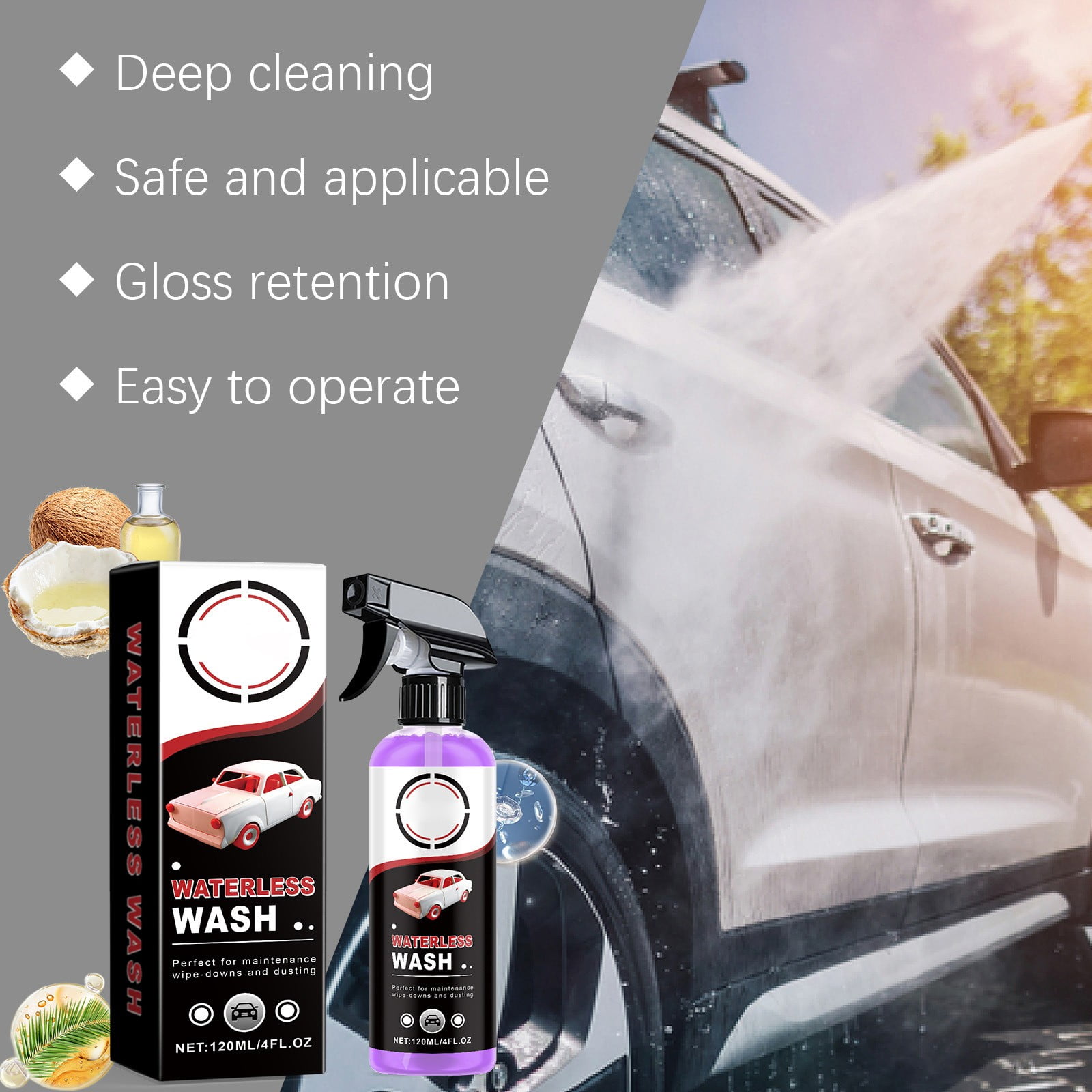
1. Read the label and shake the bottle
Read the dilution, surface, and temperature directions. Some sprays need to be diluted, while others are ready to use. Shake the bottle if the label directs you to do so.
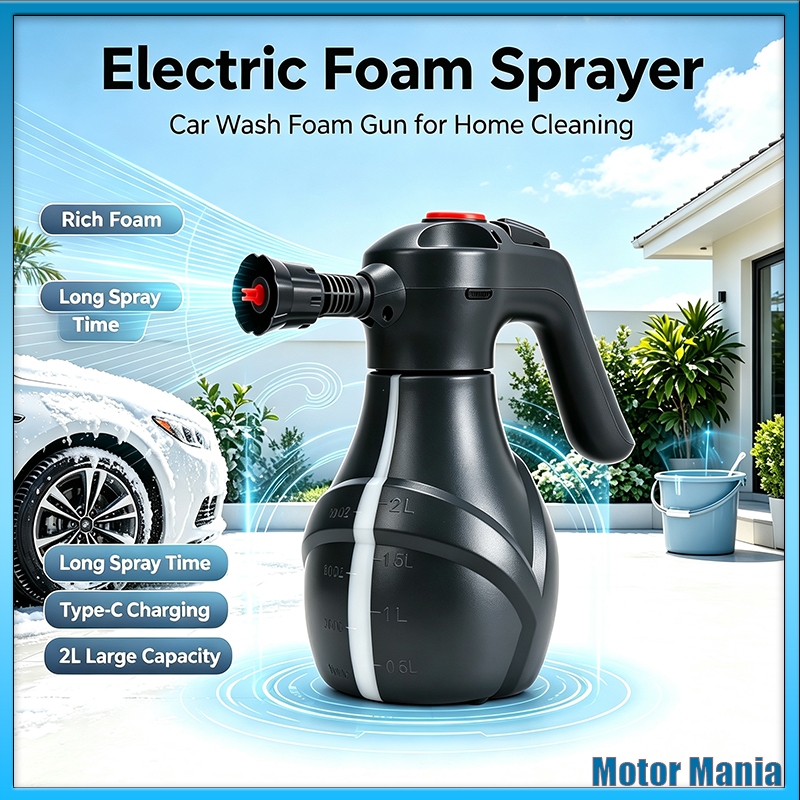
Check the spray pattern on a towel or a small test spot. A fine, even mist is easier to control than a strong stream. Do not spray toward your face, pets, open windows, or electrical openings.
2. Divide the vehicle into small sections
Work on one-half of a hood, one door, or one small section of a roof at a time. Large areas allow the product to dry before you wipe them.
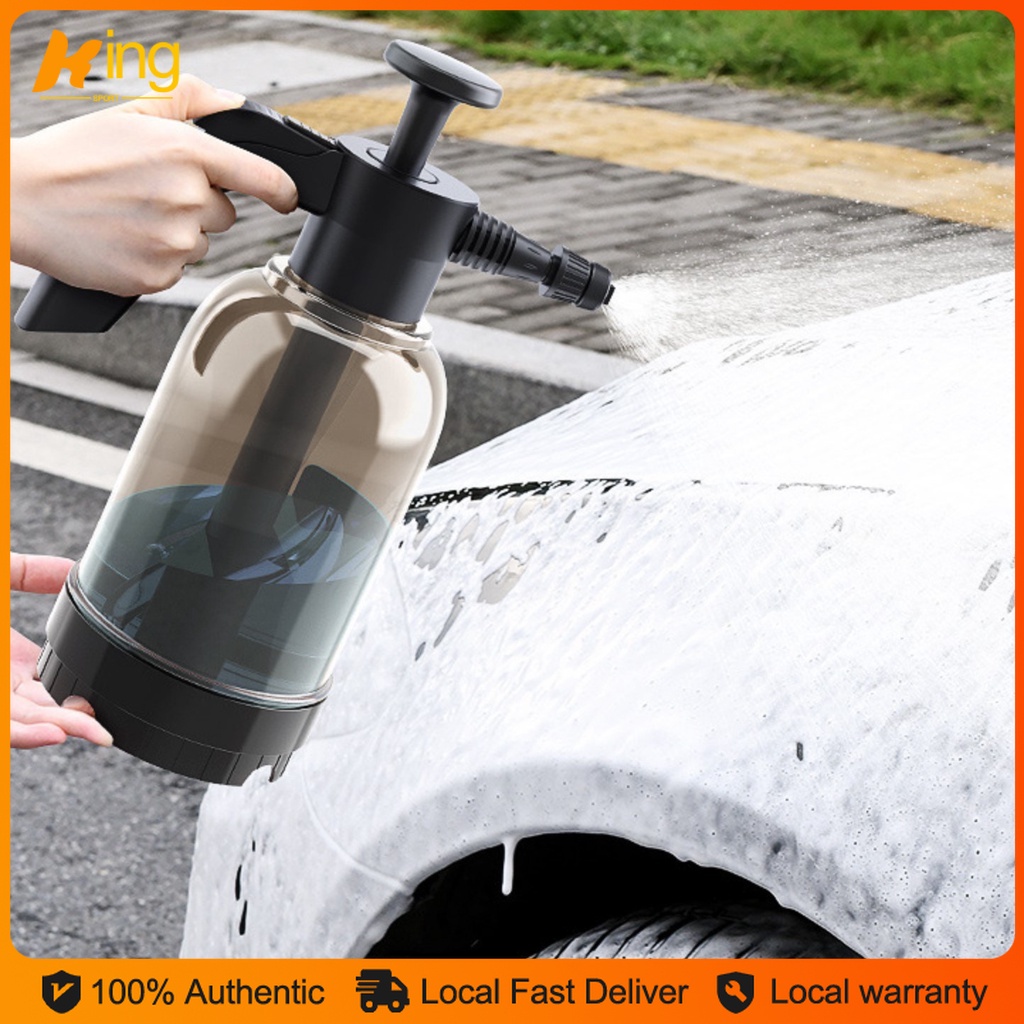
A useful order is roof, windows, hood, trunk, upper doors, lower doors, bumpers, and wheels. Always clean the dirtiest lower areas last. This keeps heavy grit away from cleaner panels.
For a large truck or SUV, divide the vehicle into even smaller sections. A step stool may help you reach the roof, but place it on level ground and avoid leaning against the vehicle.
3. Spray enough product to create lubrication
Mist the panel evenly. The surface should be damp, not flooded. Too little product may not lift dirt safely; too much can create waste and streaks.

Let the product dwell for the time listed on the label. Dwell time is the short period when the cleaner sits on the surface and loosens dirt. Do not let the product dry in direct sun.
If the panel dries, add more product. Do not press harder. Pressure increases the chance of dragging grit across the paint.
4. Use a folded microfiber towel
Fold the towel into four sections. Place it flat on the panel and wipe in straight, overlapping lines. Use almost no pressure.
After one or two passes, turn the towel to a clean side. Keep turning until all eight usable sections are dirty. Then place the towel in the used-towel container.
Avoid circular scrubbing. Straight lines make any fine marks easier to see and can reduce the chance of creating visible swirl patterns. A clean towel and low pressure matter more than speed.
5. Dry and buff the section
Use a second clean microfiber towel to remove leftover product. Wipe lightly in straight lines until the panel looks clear and even.

If you see streaks, the towel may be saturated, the panel may be too warm, or you may have used too much product. Switch to a dry towel first. If streaks remain, a small amount of product on a clean towel may help, but do not keep rubbing the same dirty spot.
A plush drying towel works well on smooth paint. A short-pile towel may be easier around badges, seams, and trim.
6. Move from clean areas to dirty areas
Clean the roof and upper panels before the lower panels. Use separate towels for the lower doors, bumpers, and wheel areas.

Do not use a towel from the wheels on painted body panels. Brake dust can contain sharp metal particles. Keep wheel brushes and wheel towels separate from paint-care supplies.
This top-down method is useful for beginners because it creates a simple routine. It also suits experienced DIY detailers who want fewer cross-contamination errors.
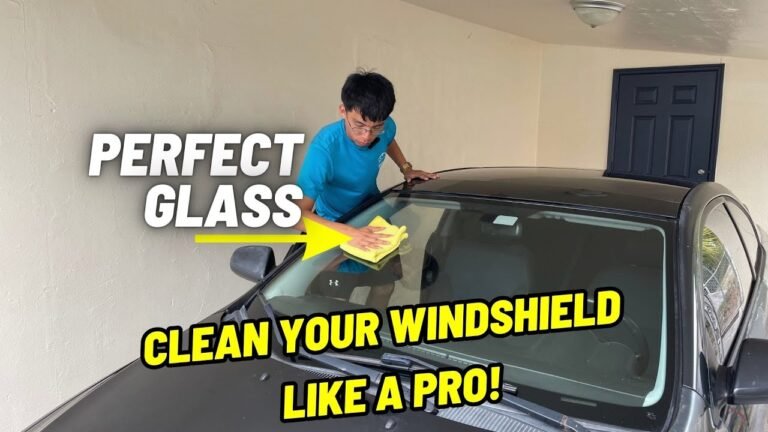
7. Clean glass with a glass-safe product
Use a dedicated automotive glass cleaner on the inside and outside of windows. Spray the product onto the towel when possible, especially near dashboard electronics and door switches.
Use one towel to clean and another to dry. Wipe inside glass in vertical lines and outside glass in horizontal lines. If a streak remains, the direction can show which side needs another pass.
Do not use a paint-protection spray on the windshield unless the label clearly approves glass use. Some products can leave haze or glare at night.
8. Clean tires and wheels separately
Wheels and tires need their own process. Brake dust, road salt, and tire dressing residue can be more abrasive or chemically strong than ordinary body dirt.
Use a wheel cleaner that matches the wheel finish. Confirm whether the wheel is painted, clear-coated, polished, chrome, or aftermarket. Follow the product directions and never let a cleaner dry on the wheel.
Use a tire brush on rubber and a separate wheel brush on the wheel face. Rinse when required. Dry before applying tire dressing, and avoid dressing the tread or brake parts.
9. Apply protection only after cleaning
Once the vehicle is clean and dry, you may apply spray wax or a spray ceramic product. These products can add slickness and make later cleaning easier, but they do not make paint immune to scratches.
A ceramic coating is a protective product that bonds to the surface more strongly than a basic wax. A spray ceramic product is usually easier to apply but may offer less durability than a professionally installed coating. Check the label for cure time and weather limits.
Do not apply wax or ceramic spray to dirty paint. Protection over grit traps contamination and can make the next wash harder.
Waterless wash versus rinseless wash
Waterless and rinseless washing both reduce water use, but they are not the same. Waterless wash comes in a spray bottle and is wiped directly from the panel. Rinseless wash is mixed in water and normally used with a bucket and many towels.
| Feature | Waterless wash | Rinseless wash |
|---|---|---|
| Water needed | Very little | A bucket of measured solution |
| Best dirt level | Light dirt | Light to medium dirt |
| Main tool | Spray bottle and towels | Bucket, solution, and towels |
| Speed | Fast for small areas | Efficient for a full vehicle |
| Risk control | Depends on heavy lubrication | More solution helps suspend dirt |
| Best user | Apartment resident or beginner | DIY detailer with a work area |
Waterless wash is convenient for a dusty sedan in a parking space. Rinseless wash is often the better choice for a full vehicle when a hose is not available.
Neither method is ideal for thick mud or heavy sand. A pre-rinse lowers the risk of scratching and can save time.
How spray car wash works on different vehicles
Spray car wash can suit many vehicles, but the correct method depends on paint, size, use, and climate. A city sedan has different needs from a work truck or a family SUV.
Sedans and hatchbacks
Sedans and hatchbacks are often the easiest vehicles for waterless washing. Their smaller panels let you work in short sections. They also use fewer towels than a large SUV or truck.
Pay close attention to the lower doors and rear bumper. These areas collect grit from tires and traffic. If the car has a glossy black roof or dark paint, use extra towels because streaks and fine marks show more clearly.
This setup suits beginners and teen drivers who need a simple weekly cleaning routine. Parents can provide a labeled towel bag and teach the top-down method.
SUVs and crossovers
SUVs and crossovers have more vertical paint and taller roof panels. A waterless wash can still work, but you may need more product, more towels, and a safe way to reach the roof.
Do not climb on tires, running boards, or door sills. Use a stable step stool on level ground. Keep both hands available when possible, and never place a stool where traffic or moving vehicles could create a hazard.
For a family SUV used on dirt roads, rinseless washing or a hose wash is usually safer than wiping heavy dust from dry paint.
Trucks
Trucks often have textured plastic trim, bed rails, wheel arches, and heavy lower-body contamination. Use a paint-safe spray only on painted panels. Use a separate product for plastic trim if the label requires it.
A truck used for work, towing, landscaping, or off-road travel may need a pre-rinse. Mud can hide rocks and metal grit. A spray wash is better as a light-maintenance step after the heavy dirt has been removed.
Truck owners should also inspect trailer hitches, wiring connectors, bed covers, and tailgate seals. Clean and dry these areas without forcing liquid into connectors.
EVs and hybrids
EVs and hybrids can be cleaned with the same paint-safe methods as other vehicles. Their battery systems do not mean the exterior needs a special paint cleaner, but electrical openings still need care.
Keep spray away from the charging port, charge cable connection, vents, and open service areas. Close the charging port before cleaning. Do not spray under the vehicle or near high-voltage components unless the owner’s manual gives specific instructions.
A clean exterior does not affect charging performance. Clean the vehicle for visibility, corrosion control, and appearance, not as a substitute for EV maintenance.
Older cars and collector vehicles
Older cars may have single-stage paint, faded clear coat, chrome trim, or delicate decals. Test first in a hidden spot. If the towel picks up paint color, stop and seek advice from a professional detailer.
Do not use aggressive pressure on cracked paint, loose stripes, brittle weather seals, or peeling trim. A gentle rinse may be safer than a wipe-based spray wash.
Common mistakes that cause scratches or streaks
Most spray car wash damage comes from technique, not the bottle alone. Dirty towels, heavy pressure, hot panels, and large work areas are the main risks.
| Mistake | What can happen | Better solution |
|---|---|---|
| Using one towel on the whole car | Dirt moves from panel to panel | Use many towels and turn them often |
| Wiping heavy mud dry | Grit can scratch paint | Rinse first |
| Working in direct sun | Product dries and streaks | Work in shade on cool panels |
| Pressing hard | Dirt grinds into clear coat | Add product and use light pressure |
| Using household towels | Fibers may be rough or trap grit | Use clean automotive microfiber |
| Spraying wheels with paint cleaner | Brake dust may contaminate towels | Use separate wheel products |
| Cleaning from bottom to top | Dirt reaches clean panels | Work top to bottom |
| Reusing a dropped towel | Ground grit can mark paint | Remove it from service |
The most important rule is simple: if the towel feels gritty, stop using it on paint. Washing a towel may not remove every trapped particle, so inspect it before reuse.
💡 Pro Tip: Mark separate towel colors for paint, glass, wheels, and interior surfaces. This simple system helps new drivers avoid cross-contamination and makes a shared family car-care kit easier to manage.
How long does spray car wash take and cost?
A light spray wash on a small sedan may take 20 to 40 minutes. A large SUV or truck may take 45 to 90 minutes, especially if you clean glass, wheels, tires, and door jambs.
The cost depends on the product and the supplies you already own. Current pricing ranges from low-cost basic sprays to higher-priced concentrate systems and specialty ceramic sprays. Check the latest listing for updated features, package size, and fitment or surface instructions.
| Budget level | Typical setup | Best for |
|---|---|---|
| Low | Basic spray, small towel pack, gloves | Occasional light cleaning |
| Mid-range | Larger bottle, 12–24 towels, glass and tire products | Weekly DIY care |
| Higher | Concentrate, quality towels, drying towel, protection spray | Enthusiast detailers and multiple vehicles |
The product itself is only part of the cost. Good microfiber towels may last through many washes if you clean them correctly. Cheap towels can shed lint, hold grit, or lose softness sooner.
A spray wash can be worth the money for apartment residents, commuters, and drivers who want quick upkeep. It may not be worth it for a truck that returns from muddy trails every weekend, since a rinse and bucket wash will be safer.
Cleaning and storing towels
Towel care affects paint safety. Wash microfiber separately from cotton towels, and do not use fabric softener. Softener can coat fibers and reduce their ability to absorb product.
Shake out towels before washing. Use a gentle detergent and dry on low heat or air dry. Store clean towels in a closed bin so dust and grit do not settle on them.
Discard towels that feel hard, stained with metal particles, or rough after washing. Use older towels for engine-bay surfaces, exhaust tips, or household tasks only if they are no longer suitable for paint.
🌿 Eco or Disposal Note: Use only the amount of cleaner you need. Do not pour leftover chemicals into storm drains, streams, or soil. Follow local rules for chemical disposal, and keep used towels away from food and drinking-water areas.
Seasonal advice for spray washing
Weather changes the safe use of spray car wash. Heat, cold, salt, pollen, and mud all affect how the product behaves.
Hot and sunny weather
Clean early or late in the day. A hot panel can dry the spray before you wipe it. Shade is helpful, but test the panel with the back of your hand; it should feel cool, not hot.
Winter and road salt
Salt can speed corrosion on metal parts. A waterless spray can help with light salt film, but a proper rinse is better when salt is thick. Clean wheel wells, lower doors, and underbody areas when conditions allow.
Do not wipe thick ice or frozen grit across paint. Let it thaw. Use an ice scraper made for automotive glass, not a metal tool.
Spring pollen
Pollen may look harmless, but it can combine with moisture and road film. A light spray wash can handle a thin layer. Use a rinse when pollen is mixed with visible grit.
Rainy climates
Frequent rain can leave mineral spots and road film. Drying the car after a wash may reduce water spots. If the vehicle has a ceramic coating or wax, use a compatible maintenance product.
Dry, dusty climates
Dust can settle quickly after cleaning. Avoid wiping a dusty car several times a day. Use a blower, rinse, or careful waterless method based on how gritty the surface feels.
When spray car wash is not the right choice
Spray wash is not a solution for every dirty vehicle. Choosing a different method can protect the paint and save time.
Skip a wipe-based wash when:
- The car has thick mud.
- The surface has visible sand or gravel.
- Salt is caked onto the lower body.
- The paint is covered in oily residue.
- The vehicle has heavy bird droppings that have dried hard.
- The panel is hot enough to dry product at once.
- The clear coat is peeling or the paint is severely damaged.
- The vehicle has fresh overspray or industrial fallout.
For bird droppings, soak the area with a compatible product and let it soften. Do not scrape dry material. Bird waste can be acidic, so remove it when practical without pressing hard.
For tar, tree sap, and adhesive, use a product made for that contamination. Test first, follow the label, and keep solvent products away from rubber and unapproved trim.
Is spray car wash safe for ceramic coating and wax?
A spray car wash can be safe for waxed or ceramic-coated paint when the label approves coated surfaces. It may help maintain the surface, but it will not replace coating care or repair coating damage.
Avoid products with harsh solvents, abrasive compounds, or strong degreasers unless they are approved for your finish. A ceramic coating can resist some contamination, but it can still be scratched by grit or damaged by poor technique.
If water no longer beads, that does not always mean the coating is gone. Dirt, oils, and mineral deposits can hide its behavior. A detailer can assess the surface before you apply more protection.
Helpful car-care items to add later
A spray car wash is a starting point, not a complete garage. As your needs grow, a few tools can improve safety and convenience.
| Item | Useful purpose | Who benefits most |
|---|---|---|
| Tire pressure gauge | Checks tire pressure accurately | Every driver |
| Tire inflator | Adds air at home or on trips | Commuters and road-trip drivers |
| Jump starter | Helps with a weak 12-volt battery | Older cars and emergency kits |
| OBD2 scanner | Reads diagnostic codes from the check engine light | DIY owners |
| Phone mount | Holds a phone for navigation | Drivers who follow local laws |
| Sunshade | Reduces cabin heat and UV exposure | Hot-climate drivers |
| Roadside kit | Holds gloves, triangles, light, and tools | New and teen drivers |
These items should not distract from basic service. Keep up with wiper blades, tire checks, battery testing, fluids, and scheduled maintenance. A clean car is safer to see from, but washing does not fix worn brakes, low tires, or a failing battery.
⚠️ Roadside Safety: If you clean or inspect a vehicle beside a road, move to a safe area first. Use hazard lights and warning triangles when appropriate. Never work under a car held only by a jack; use rated jack stands on level ground and follow the owner’s manual.
How to choose spray car wash for each driver
Different drivers need different products. A new driver may value easy instructions, while an experienced detailer may care more about dilution, finish, and towel control.
Best choice for beginners
Choose a ready-to-use waterless wash with clear directions and a mild formula for painted surfaces. Pair it with at least 10 clean microfiber towels. Avoid buying a large collection of specialty products at the start.
A beginner should practice on one clean panel first. Learn how much spray is needed and how often to turn the towel. This builds good habits before working on a full vehicle.
Best choice for DIY detailers
An experienced user may prefer a rinseless concentrate, multiple towel types, a pump sprayer, a drying towel, and a paint-safe protection product. Concentrates can make sense for several cars, but measure them carefully.
A DIY detailer should still follow the label. More product does not always mean better cleaning. The goal is lubrication, controlled contact, and clean towels.
Best choice for parents and gift buyers
A teen-driver kit should be simple, labeled, and hard to misuse. Include a mild spray wash, color-coded towels, gloves, a tire pressure gauge, a small trash bag, and basic roadside supplies.
👪 Parent or Gift-Buyer Note: Show the driver how to clean one panel and how to recognize heavy dirt. A short lesson may prevent more damage than adding another bottle to the kit.
How to wash a car before selling or gifting it
A clean car creates a better first impression, but do not hide defects with heavy dressing or greasy products. Clean the paint, glass, tires, floor mats, and seat surfaces with approved products.
Remove personal items and check under the seats. Clean door jambs and the cargo area. Replace worn wiper blades if needed, but disclose mechanical concerns such as a check engine light, weak car battery, worn tires, or brake noise.
For a gift vehicle, include the owner’s manual, service records, spare key, tire pressure information, and emergency contacts. A clean microfiber kit can help the new driver maintain the vehicle without using household cleaners.
Affiliate disclosure
This article may contain affiliate links. If you buy through one of those links, the publisher may earn a commission at no extra cost to you. Product availability, specifications, and current pricing can change, so check the manufacturer’s instructions and the latest product listing before buying.
FAQs
Q: Can I use spray car wash without water?
A: Yes, if the product is labeled as a waterless wash. It is intended for light dirt, dust, pollen, and fingerprints. Do not use it on thick mud, heavy sand, or gritty road salt without rinsing first.
Q: Does spray car wash scratch paint?
A: It can if you wipe heavy dirt, use a dirty towel, press hard, or work on hot paint. The product reduces friction, but it cannot make grit harmless. Use clean microfiber towels, light pressure, and a pre-rinse when needed.
Q: How many towels do I need for a waterless wash?
A: A small sedan may need 8 to 12 towels for light dirt. An SUV or truck may need 12 to 20. Use a fresh towel side often, and remove any towel that falls on the ground.
Q: Can I use spray car wash on glass?
A: Only if the label says it is safe for glass. A dedicated automotive glass cleaner is usually a better choice because it is designed to reduce haze and streaks.
Q: Can I use spray car wash on wheels?
A: Use it only when the product label approves the wheel finish and dirt level. Wheels with heavy brake dust need a dedicated wheel cleaner. Keep wheel towels separate from paint towels.
Q: Is waterless wash safe for matte paint?
A: Some products are safe, but not all are. Confirm that the label approves matte paint or vinyl wrap. Do not use wax or gloss-enhancing products on matte finishes unless the manufacturer allows them.
Q: Can I use spray wash on a ceramic-coated car?
A: Usually, a coating-safe waterless or rinseless wash can be used. Check the label, avoid abrasive formulas, and use careful towel technique. Ceramic protection does not prevent scratches from trapped grit.
Q: What is the difference between quick detailer and waterless wash?
A: A quick detailer is mainly for light dust and finishing. A waterless wash is designed to provide more cleaning and lubrication for a lightly dirty vehicle. Neither is made for thick mud or heavy sand.
Q: How often should I use spray car wash?
A: Use it when the car has light contamination and the surface is cool. Some drivers may use it weekly, while others may need it only between full washes. The dirt level matters more than a fixed schedule.
Q: Can I use spray car wash in winter?
A: Yes, for light dirt on a cool surface. For thick road salt, slush, or gritty buildup, a proper rinse is safer. Never wipe frozen grit across the paint.
Q: Can spray car wash remove tree sap or tar?
A: Standard spray wash may soften light contamination but is not always designed to remove sap or tar. Use a dedicated remover approved for automotive paint, test it first, and follow the label.
Q: Is spray car wash worth it for a truck?
A: It can be worth it for a clean daily-use truck with light dust. It is less suitable for a work truck or off-road truck covered in mud, sand, or clay. Those vehicles usually need a pre-rinse or full wash.
Q: Can I use a pressure washer before spray car wash?
A: Yes, a pressure washer can help remove heavy dirt before a contact wash. Use a safe distance and avoid seals, sensors, cameras, loose trim, and electrical openings. A pressure washer does not remove the need for careful towel work.
Q: What should I do if the spray car wash leaves streaks?
A: Work in the shade, use less product, and switch to a clean, dry microfiber towel. Streaks can also come from a hot panel, an oversaturated towel, or residue on the paint. Do not keep rubbing with a dirty towel.
Q: Can I use household paper towels for spray car wash?
A: Paper towels may leave lint or create fine marks, especially on delicate paint. Automotive microfiber towels are the safer choice. Use separate towels for paint, glass, wheels, and interior surfaces.
Final thoughts
The best way to use spray car wash is to match the product to the dirt, prepare the surface, and control every wipe. Work in the shade, clean small sections, use plenty of clean microfiber towels, and keep pressure low. When the vehicle is heavily muddy, sandy, or salty, rinse first or choose a full wash.
For beginners, a simple waterless wash kit can make car care less stressful. For DIY detailers, a rinseless system may offer better control and value. For parents and gift buyers, a labeled kit with towels, gloves, and basic roadside gear can help a new driver build safe habits. A clean car starts with the right method, not the most expensive bottle.