Is There A Car Wash Spray: Best Options Explained
A car wash spray does exist, but the phrase can mean several different products. It may describe a waterless wash spray, a rinseless wash solution, a foam cannon soap, a spray wax, or a hose-end cleaner. Each one works in a different way. Choosing the wrong type can leave streaks, swirls, or a weak finish.
For a beginner, the safest choice is often a rinseless wash used with clean microfiber towels. A waterless spray suits a lightly dusty car when water is limited. A foam spray works best when you have a hose, pressure washer, and a safe place to rinse. Trucks, SUVs, EVs, hybrids, and older cars can all use these products, but the paint condition and dirt level matter more than the badge on the hood.
Affiliate disclosure: This article may contain affiliate links. If you buy through one, we may earn a commission at no extra cost to you. Product availability, features, and prices can change, so check the latest listing and label before buying.
Quick answer: Is there a car wash spray?
Yes. Car wash spray is a broad term for products made to clean, lubricate, rinse, or protect vehicle surfaces. The best type depends on how dirty the car is, how much water you have, and whether you want cleaning only or added shine. Never use a waterless spray on heavy mud, sand, salt crust, or gritty road film without first removing the loose dirt.

A spray bottle alone does not make a product safe for every wash. Read the label and look for its intended use. Some sprays are made for paint, while others are for glass, wheels, tires, dashboards, or ceramic-coated surfaces.
The main types of car wash spray
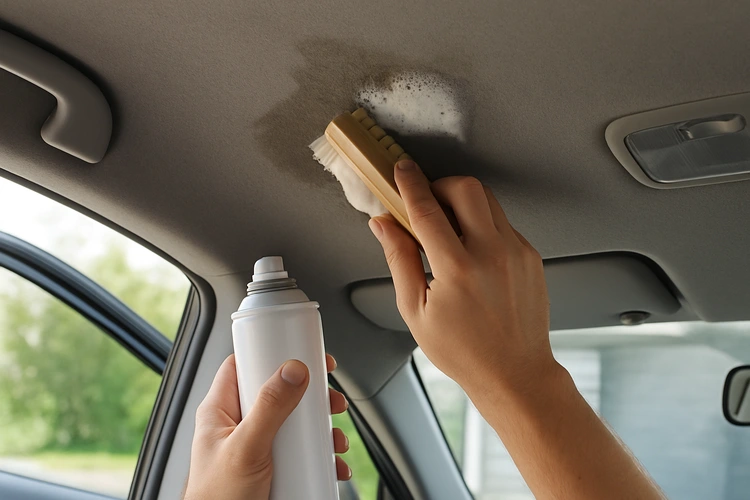
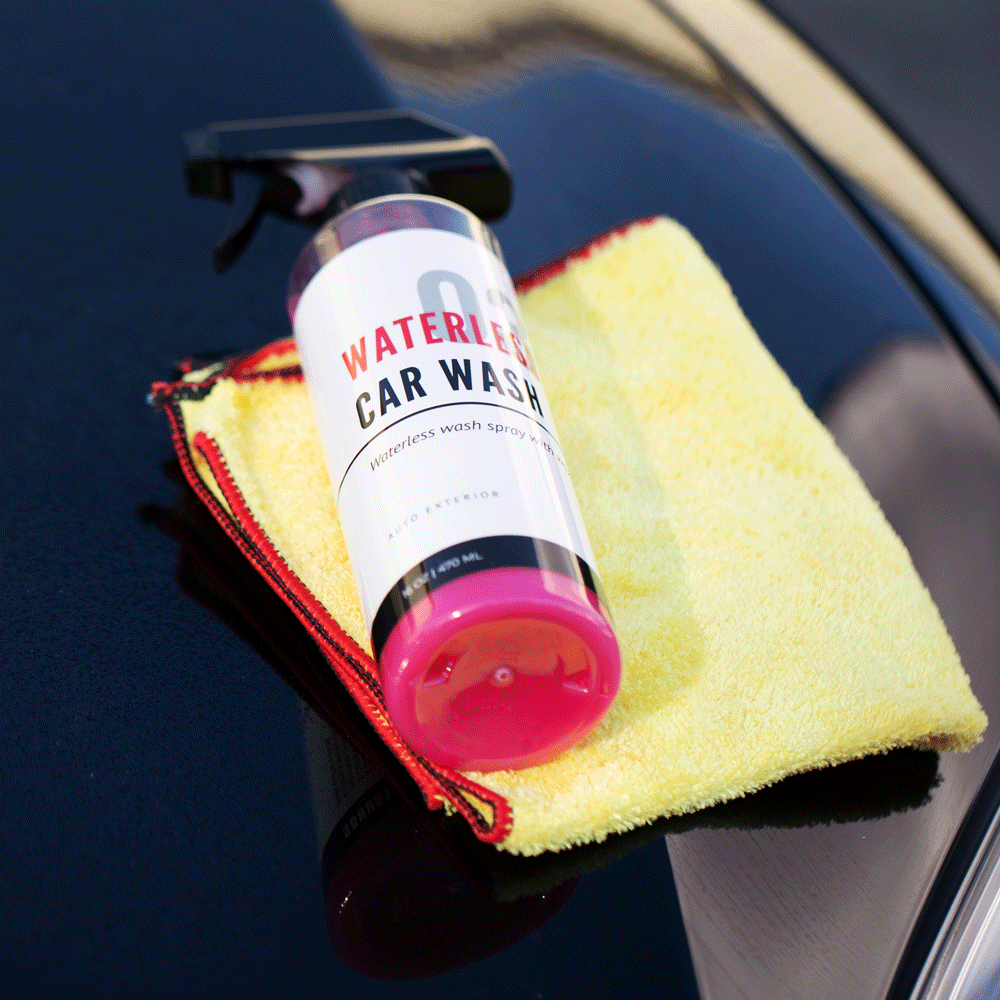
A waterless wash spray is sprayed onto a small area and wiped away with several clean microfiber towels. It contains cleaning agents and lubricants that help lift light dust from the paint.
A rinseless wash uses a diluted concentrate in a bucket or pump sprayer. It needs less water than a normal wash, but it still requires a wash solution, clean towels or mitts, and a second drying towel.
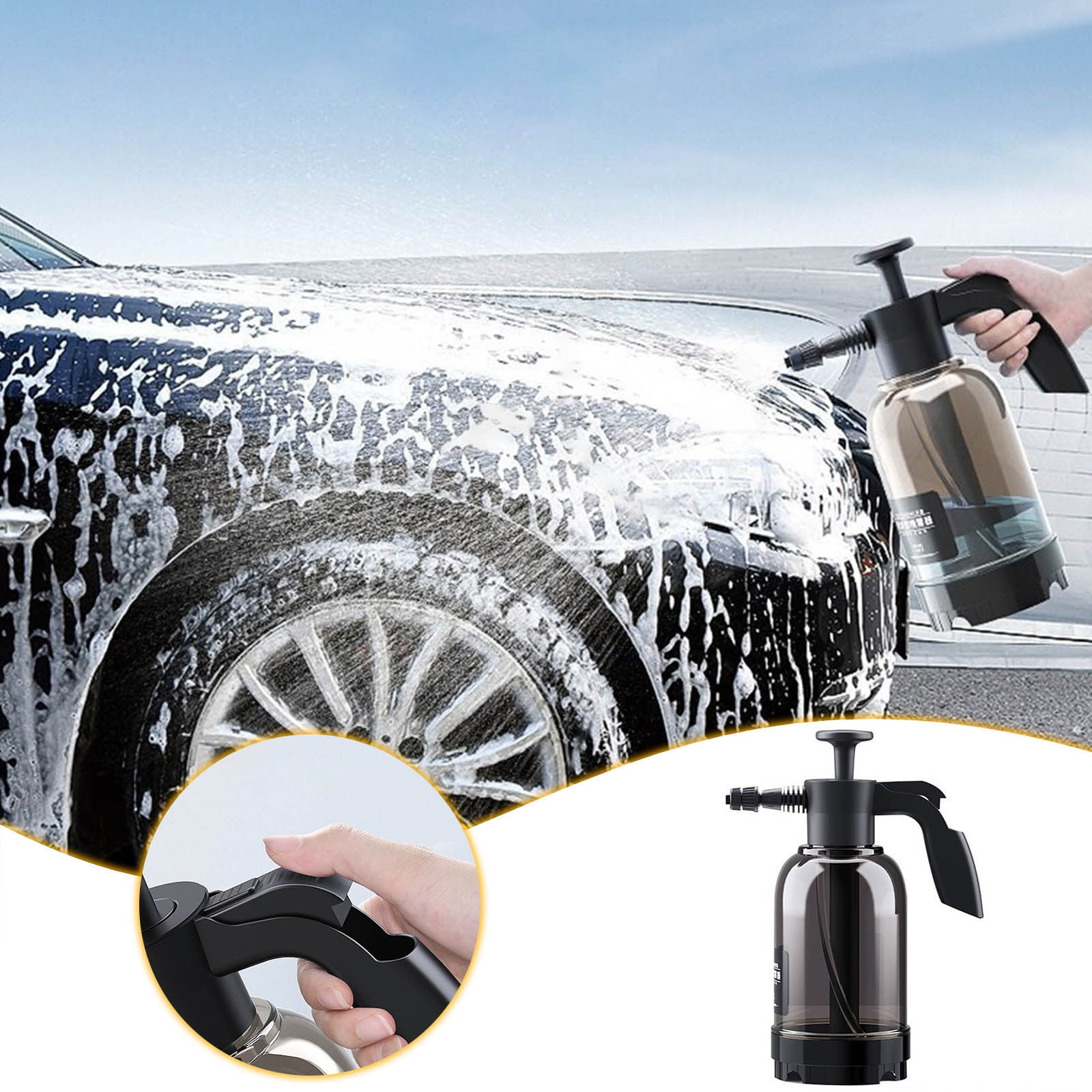
A foaming car wash spray creates suds. It may be used in a hand-pump foam sprayer, hose-end bottle, or pressure washer foam cannon. Foam helps soften dirt, but it does not remove every contaminant by itself.
Spray wax and ceramic spray products add protection after the surface is clean. They are not replacements for a full car wash.
Is a spray car wash safe for paint?
It can be safe when used on the right level of dirt and with enough lubrication. The greatest risk is dragging grit across the clear coat. The clear coat is the thin, transparent protective layer over most modern automotive paint.
A dirty towel can also cause scratches. Use a clean microfiber towel for each small area, fold the towel into sections, and turn to a fresh side often. Skip spray washing if the paint feels gritty or the vehicle has thick mud.
What “car wash spray” can mean
The right product is defined by its job, not by the word “spray” on the bottle. A spray may clean paint, create foam, add gloss, or help remove brake dust. These products are not interchangeable.
The table below shows the main choices. It can help a new driver or gift buyer avoid buying a spray that does not match the intended use.
| Spray type | Best use |
|---|---|
| Waterless wash spray | Light dust, fingerprints, and quick cleanups with little or no water |
| Rinseless wash solution | Routine washing with less water and lower mess |
| Foam wash soap | Pre-wash or full wash when a hose or pressure washer is available |
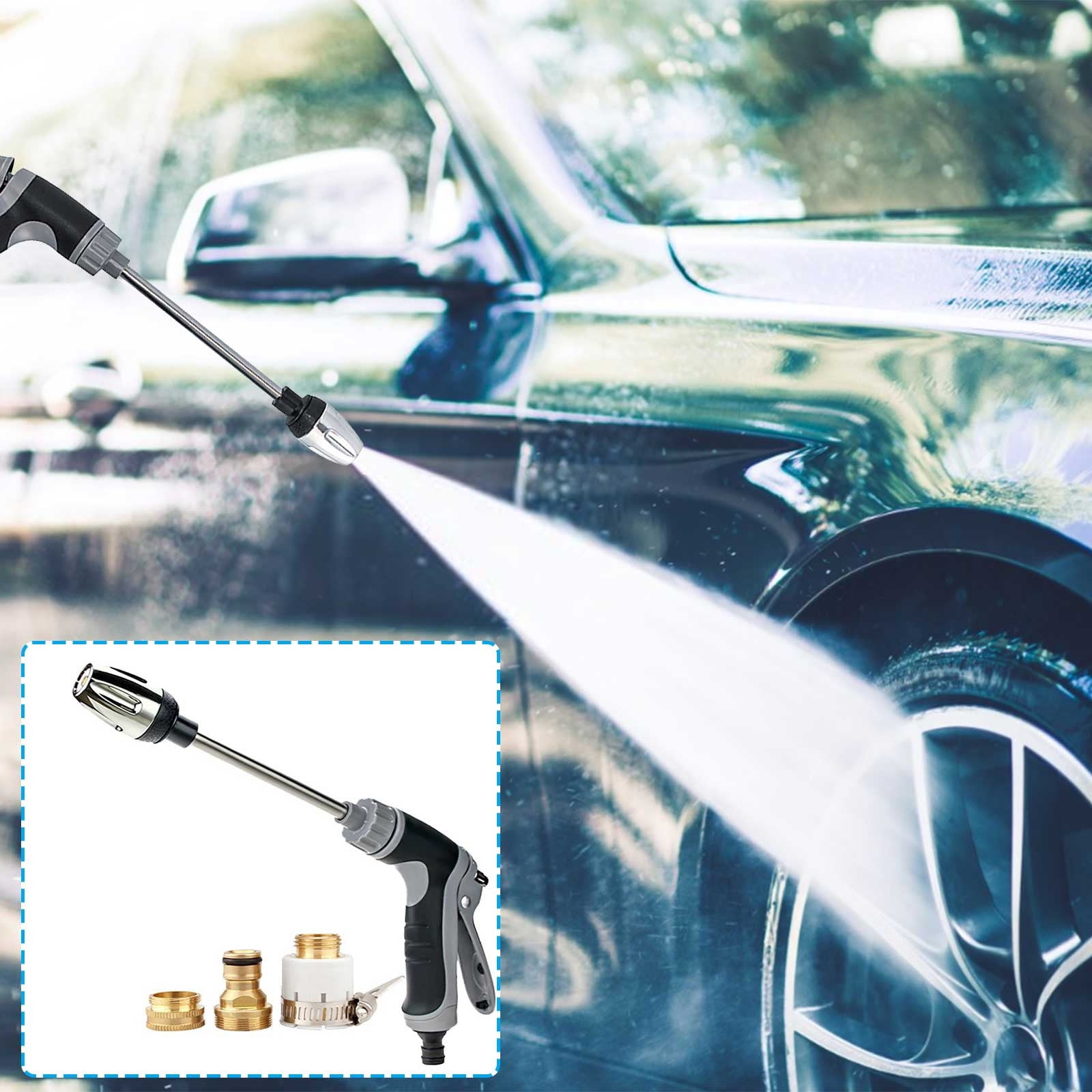
| Hose-end wash spray | Simple driveway washing with a garden hose |
| Spray wax | Light protection and extra gloss after washing |
| Ceramic spray sealant | Longer-lasting surface protection when applied to clean paint |
| Wheel and tire spray | Brake dust, road film, and tire cleaning; keep it off surfaces not listed on the label |
The key takeaway is simple: cleaning sprays remove dirt, while wax and ceramic sprays protect a clean surface. A wheel cleaner may be strong enough to damage delicate trim or unfinished metal if used incorrectly.
Waterless car wash spray
Waterless car wash spray is designed for light dirt. It is useful when you live in an apartment, face water restrictions, or need to clean a car before a meeting. It is also handy for a dusty car after a short road trip.

This spray works by combining cleaners with lubricants. You spray a small panel, allow the product to loosen the film for the label’s stated time, and wipe with a plush microfiber towel. You then buff the area with a dry towel.
Who should use a waterless wash?
A waterless wash suits:
- New drivers who need a simple maintenance routine
- Apartment residents without access to a hose
- Gift buyers building a small car care kit
- Owners of lightly dusty sedans, coupes, and small SUVs
- Drivers who want to clean fingerprints and fresh dust
It is not the first choice for a muddy truck, a winter car covered in salt, or a vehicle with sand from the beach. Heavy grit needs a rinse or professional wash before wiping.
Waterless wash benefits and limits
Waterless sprays use very little water. They can save time and reduce runoff on a small, lightly dirty vehicle. Many also leave gloss or a mild protective layer.
The drawback is technique. You need many clean towels, good light, and patience. A rushed wipe can move grit across the clear coat. Large SUVs and trucks also take more product and more towels than a compact sedan.
| Advantage | Limitation |
|---|---|
| Uses little or no hose water | Unsafe for heavy mud and thick grit |
| Works in a parking space or garage | Needs many clean microfiber towels |
| Fast for small areas | Can streak in hot sun |
| Easy for beginners | Product cost rises with large vehicles |
| May leave a glossy finish | Does not replace paint decontamination |
The best waterless spray for beginners is one with clear directions and a generous lubrication claim on the label. Avoid products that promise to clean every surface under every condition.
Rinseless car wash spray
A rinseless car wash uses a small amount of water mixed with a concentrated wash solution. You may use a bucket, pump sprayer, or spray bottle. The solution helps lift dirt and provides lubrication while you wash one section at a time.
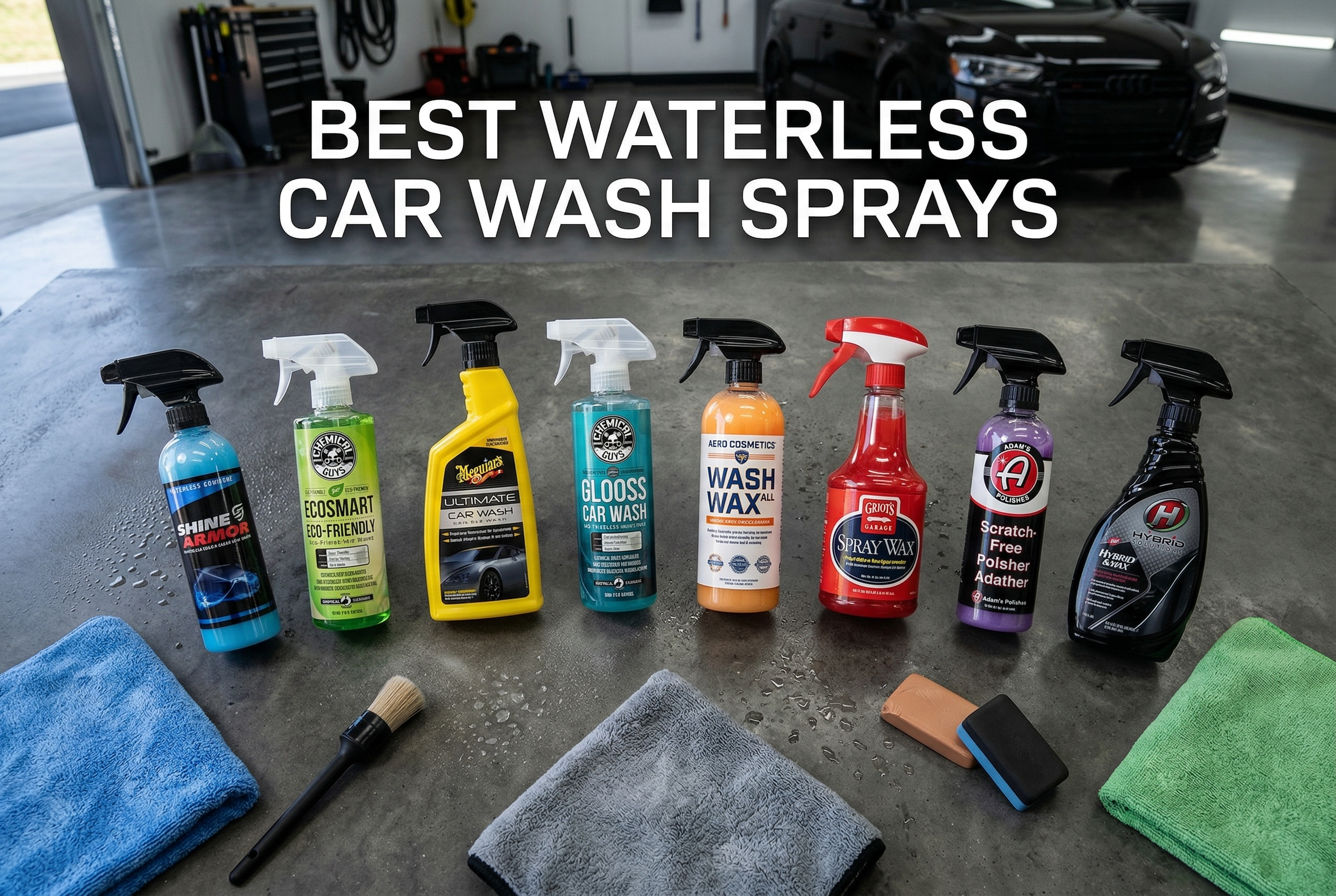
Rinseless washing is often a better all-around option than waterless washing. It uses less water than a traditional wash but gives the surface more moisture and cleaning solution. It suits drivers who want a repeatable method for a sedan, SUV, hybrid, or EV.
How a rinseless wash differs from a waterless wash
The main difference between rinseless and waterless washing is the amount of liquid and cleaning solution used. Rinseless washing normally starts with a measured dilution in a bucket or sprayer. Waterless washing relies on a ready-to-use spray applied directly to the panel.
Rinseless washing can handle more dirt than a waterless spray, but it still has limits. Heavy mud, oily deposits, and thick salt should be rinsed away first.
Basic rinseless wash setup
You usually need:
- Rinseless wash concentrate
- A clean bucket with a grit guard, if the product calls for one
- Several microfiber towels or a clean wash mitt
- A separate drying towel
- A hose or spray bottle for pre-rinsing, when possible
- Wheel and tire tools kept separate from paint towels
Follow the product’s dilution ratio. A stronger mix is not always better. Too much concentrate may leave residue or make drying harder.
Foam car wash spray
Foam car wash spray is made to cover the vehicle with suds. You can use a pump foam sprayer, hose-end bottle, or pressure washer foam cannon. The tool changes the foam pattern, but the basic purpose is the same: loosen surface dirt before contact washing.

Foam is most useful as a pre-wash step. It can soften dust and road film so your wash mitt does less work. Foam does not magically pull every contaminant from the paint, and thick foam does not always mean stronger cleaning.
Foam cannon versus hose-end sprayer
A pressure washer foam cannon usually produces thicker foam and gives more control over the spray pattern. It also needs a pressure washer with the right connection and enough flow. Confirm the fitting by pressure washer brand, model, and wand style.
A hose-end sprayer is easier for a beginner. It connects to a garden hose and may mix soap with water. Foam is often thinner, but the setup costs less and takes less space.
| Tool | Best for | Main drawback |
|---|---|---|
| Pump foam sprayer | Small jobs and apartments with no pressure washer | Requires hand pumping |
| Hose-end sprayer | Beginners with a garden hose | Foam may be thin |
| Pressure washer foam cannon | DIY detailers and large vehicles | Needs correct fittings and machine flow |
| Spray bottle | Spot cleaning and small parts | Not practical for a full pre-wash |
Use a pH-balanced car soap when the label recommends it. Household dish soap can remove wax and may dry trim. It also does not provide the same paint-care design as automotive wash soap.
Car wash spray by driver and vehicle
The best car wash spray depends on the driver’s habits. A busy parent may need a fast spot cleaner. A DIY detailer may want a foam pre-wash and a separate spray sealant. A teen driver may need a simple kit with fewer steps and clear safety rules.

Vehicle size matters too. A spray that works well on a small sedan may cost more and take longer on a full-size truck. Climate matters as well. Hot sun dries products fast, while cold weather makes water freeze and towels stiff.
| Driver or vehicle | Suitable spray choice | Why it fits |
|---|---|---|
| New driver with a small sedan | Rinseless wash or mild waterless spray | Simple process and low water use |
| Parent buying for a teen | Rinseless wash, towels, and tire gauge | Builds a basic care routine |
| Large SUV owner | Foam soap plus bucket wash | More practical for a large surface |
| Pickup truck owner | Foam pre-wash and separate bed-safe cleaner | Helps with mud and road film |
| Apartment resident | Waterless or rinseless wash | No driveway hose is required |
| EV or hybrid owner | Any paint-safe wash method | The powertrain does not change paint care |
| DIY detailer | Foam cannon, rinseless solution, and spray sealant | Allows a full wash system |
| Winter driver | Pre-rinse, rinseless wash, and salt-safe process | Salt needs careful removal, not dry wiping |
An EV does not need a special paint wash because it is electric. However, it still has clear coat, glass, wheels, trim, and sensors that need correct care. Never spray high-pressure water into charging ports, open vents, or damaged seals.
How to choose a car wash spray
Look at the product’s intended use before you look at scent, color, or foam. The label should state whether the spray is waterless, rinseless, foaming, wax-based, or made for a specific surface.
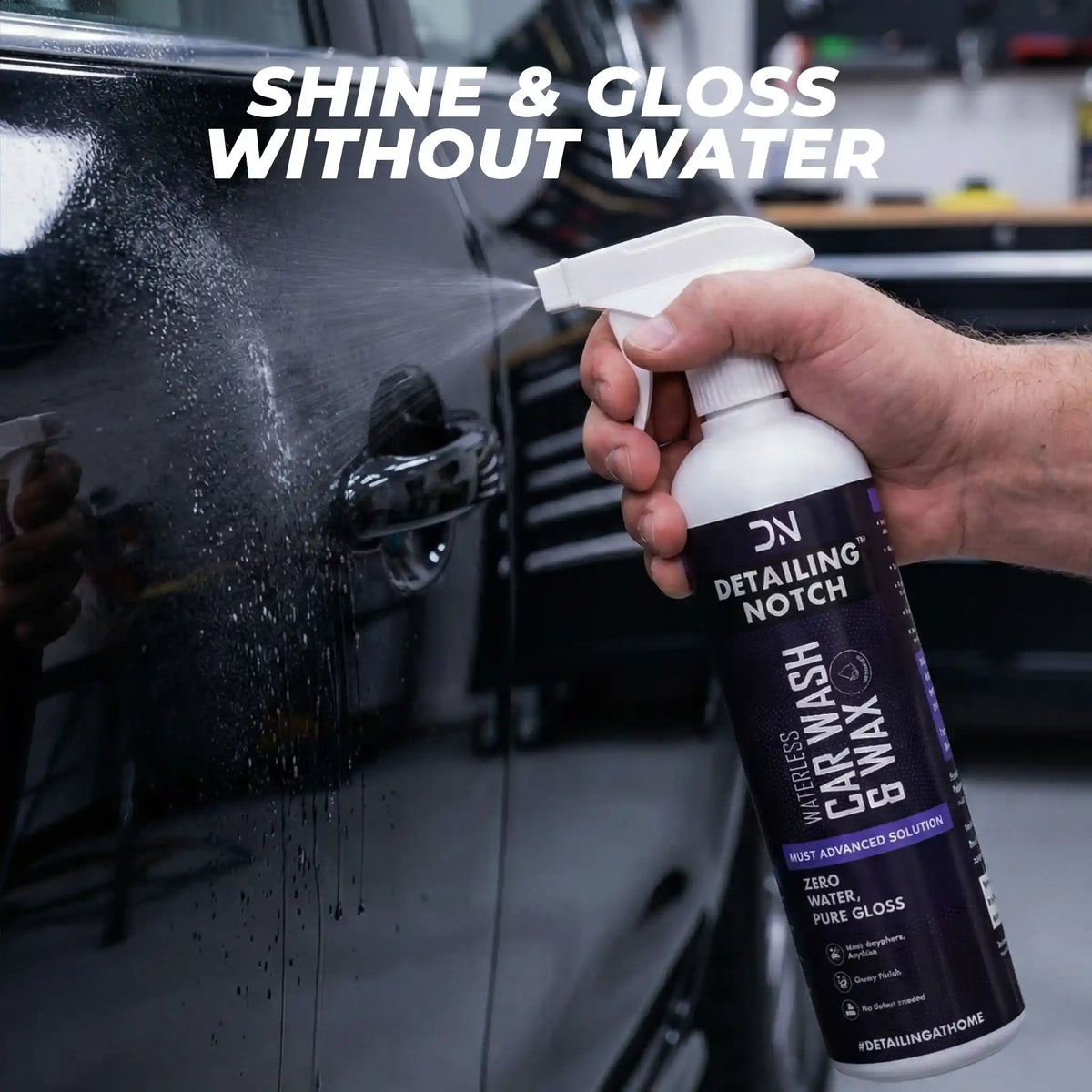
A good choice also matches your skill level. Beginners benefit from products with simple dilution instructions. Experienced DIYers may prefer concentrates because they reduce packaging waste and let them adjust their wash method.
Check the surface list
Confirm that the spray is suitable for:
- Clear-coated paint
- Gloss or satin paint
- Wrapped panels
- Ceramic-coated paint
- Plastic trim
- Glass
- Wheels
- Tires
- Chrome or polished metal
Matte paint and vinyl wraps need extra care. A product made to add gloss may create an uneven look on a matte finish. Check the vehicle maker’s care guide and the wrap or coating maker’s instructions.
Check the dirt level
Use this simple rule:
- Light dust: waterless spray may work.
- Normal road film: rinseless or traditional wash is safer.
- Mud, sand, salt, or grease: rinse first.
- Tree sap, tar, and iron dust: use a proper remover after washing.
- Bird droppings: soften with product and do not scrub dry.
The dirtier the surface, the more important a pre-rinse becomes. Do not treat a spray bottle like a pressure washer.
Check the climate
In hot weather, work in shade and keep the panel cool. Product that dries before you wipe it can leave streaks. In cold weather, avoid washing when water may freeze on locks, door seals, or brakes.
Humidity affects drying time. Wind can blow dust onto wet paint. A garage or shaded driveway is often the best place for a spray wash.
Look at the bottle and sprayer
A weak sprayer can turn a simple job into a messy one. Check for a secure trigger, a cap that does not leak, and a bottle that is easy to hold with wet hands. Concentrates should have a clear measuring method.
If you buy online, check current product details and fitment information where relevant. For car care chemicals, also check the safety data and storage instructions.
A simple spray car wash method
The safest method is slow, small, and clean. Work from the top down because the lower panels usually hold more grit. Keep wheel and tire tools away from paint towels.
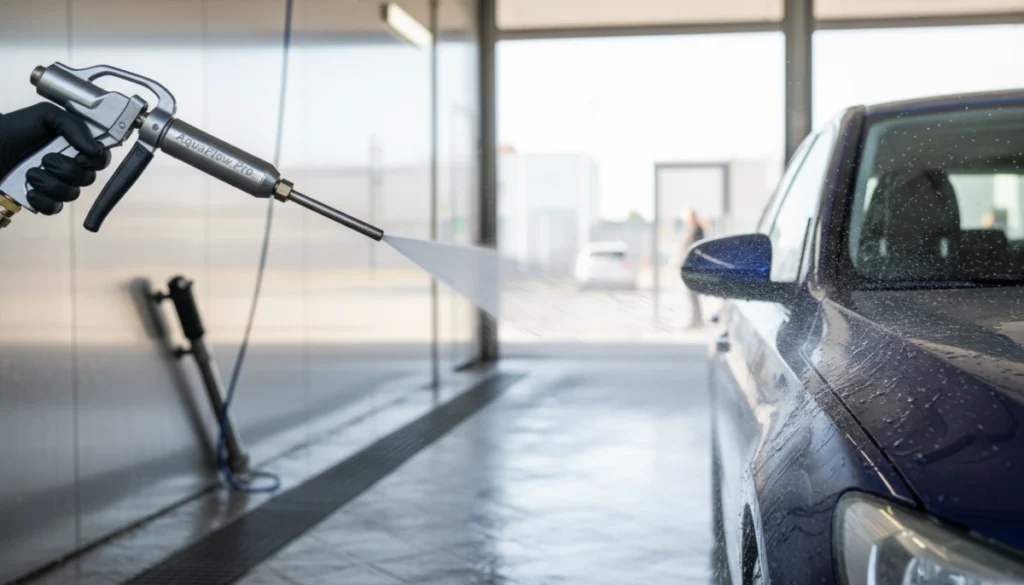
What you need
This basic kit works for most beginners:
| Item | Suggested amount or feature | Purpose |
|---|---|---|
| Car wash spray or concentrate | Enough for the full vehicle | Cleaning or pre-wash |
| Microfiber towels | At least 8 for a sedan; more for an SUV or truck | Safe wiping and drying |
| Wash mitt | Clean, soft, and paint-safe | Contact washing |
| Drying towel | Large, absorbent microfiber | Removes remaining moisture |
| Wheel brush | Separate from paint tools | Cleans wheels and tires |
| Nitrile gloves | One pair or more | Protects hands from chemicals |
The exact number of towels depends on dirt level and towel size. More towels are safer than trying to stretch one towel across the whole car.
Step-by-step process
- Read the label. Check dilution, dwell time, temperature limits, and surfaces to avoid.
- Park in shade. Let hot paint and wheels cool before spraying.
- Remove loose dirt. Use a hose, pressure washer, or gentle pre-rinse when the car has more than light dust.
- Clean the wheels first. Use a wheel product and separate tools. Do not let wheel cleaner dry.
- Start at the roof. Spray or apply product to a small section.
- Wipe in straight lines. Use light pressure and a clean towel side.
- Fold the towel. A folded towel gives several clean faces.
- Move downward. Clean glass, hood, trunk, doors, and lower panels in that order.
- Dry the surface. Use a clean drying towel before water spots form.
- Apply protection only after cleaning. Use spray wax or sealant as directed.
- Inspect in good light. Look for streaks, missed dirt, or residue.
- Wash the towels. Keep paint towels separate from towels used on tires.
Never circle-wipe a gritty panel. Straight passes make it easier to see where you have worked and reduce repeated contact with one dirty area.
Should you use a pressure washer?
A pressure washer can help remove loose dirt, but it is not required. Use a wide spray pattern and keep a safe distance from paint chips, decals, weather stripping, sensors, and damaged areas.
Do not aim high pressure at a charging port, door lock, camera seal, or cracked trim. A pressure washer is most useful for experienced DIYers who understand its limits.
⚠️ Safety Warning: Wear eye protection when using a pressure washer or wheel cleaner. Keep the wand away from people, pets, electrical connections, damaged paint, and soft rubber parts.
Spray wax and ceramic spray are not car wash soap
Spray wax and ceramic spray products are protection products. They should be applied to clean paint unless the label specifically describes a wash-and-wax formula. Spraying them onto a dirty car can trap grit and create uneven coverage.
Spray wax is usually easier for beginners. It can add gloss and light water beading. A ceramic spray sealant may offer a stronger or longer-lasting protective layer, but the result depends on surface prep, product quality, weather, and correct application.
When to use spray wax
Use spray wax after a wash when you want a quick finish. It suits:
- Beginners who want a simple final step
- Parents building a low-cost car care kit
- Drivers with daily-use sedans and SUVs
- People who do not want a long polishing process
Spray wax does not repair scratches. It may make light defects less visible for a short time, but it cannot replace paint correction.
When to use ceramic spray
A ceramic spray sealant may suit an experienced DIYer who can wash, dry, and prep paint carefully. Some products are designed for use on existing coatings, while others are not. Check the label before applying.
A ceramic coating is a different product from a ceramic spray. A professional coating often needs more preparation and controlled curing. Do not assume that every bottle with “ceramic” offers the same protection.
How long does car wash spray last?
The cleaning effect lasts until the next wash because the spray removes dirt rather than creating a permanent barrier. A spray wax or sealant may last from several weeks to several months, but the exact period depends on the product and conditions.

Sun, rain, automatic car washes, road salt, harsh cleaners, and frequent driving can shorten protection life. A garage-kept weekend car may hold protection longer than a daily commuter parked outside.
Watch the surface instead of relying only on a calendar. If water no longer behaves as the product promised, the protection may be fading. Beading alone does not prove that paint is fully protected, but it can show a change in surface behavior.
Is a spray car wash worth the money?
A car wash spray is worth the money when it matches the job and saves time without creating paint risk. A low-cost waterless bottle may be useful for light dust, but it can become expensive if used on a large truck every week.

Rinseless concentrates often offer better value for regular washing because one bottle can make many gallons of solution. Foam products offer value to drivers who already own a hose or pressure washer. Spray wax offers convenience but may not replace a full sealant routine.
Price tiers
Current pricing ranges from low-cost ready-to-use sprays to higher-cost concentrates and coating products. Check the latest listing because bottle size, bundle contents, and formula can change.
| Price tier | Usually includes | Best for |
|---|---|---|
| Budget | Ready-to-use spray or small concentrate | Spot cleaning and new drivers |
| Mid-range | Larger concentrate, sprayer, or towel bundle | Routine DIY washing |
| Higher | Specialty coating spray, foam system, or premium kit | Detailers and owners who want more control |
The real cost includes towels, storage, water, and time. A cheap spray used with dirty towels is not a bargain. A slightly larger kit may be better for a parent or teen driver if it teaches a complete, safe routine.
What can you ignore?
You can usually ignore:
- Extremely strong fragrance claims
- Very thick foam claims without cleaning details
- Fancy bottle colors
- “One product for every surface” language
- Claims that cleaning spray removes deep scratches
- Claims that a quick wipe replaces every other wash method
Focus on surface compatibility, dirt limits, dilution instructions, towel guidance, and drying behavior.
Common mistakes with car wash spray
Most spray wash damage comes from poor process, not from the idea of a spray itself. Small habits make a large difference.

Mistake 1: Wiping heavy grit without rinsing
Sand and mud act like fine sandpaper. Use a pre-rinse or take the vehicle to a proper wash bay when the surface is heavily dirty.
Mistake 2: Using one towel for the whole car
One towel quickly collects grit. Use separate towels for upper paint, lower panels, glass, wheels, and tires.
Mistake 3: Washing in direct sun
Heat can dry the spray before it has time to work. Move to shade and wash one small panel at a time.
Mistake 4: Using household cleaners
Glass cleaner, dish soap, bathroom spray, and degreasers may harm trim, wax, coatings, or interior materials. Use a product made for the surface.
Mistake 5: Spraying on hot wheels
Wheel surfaces can be very hot after driving. Let them cool before applying wheel cleaner. Never allow a chemical to dry on the wheel.
Mistake 6: Ignoring the lower panels
Rocker panels and bumpers often hold the most grit. Clean them last and use a fresh towel.
Mistake 7: Mixing chemicals
Do not mix wheel cleaner, bleach, acids, solvents, or other products. Chemical reactions can create harmful fumes or damage surfaces.
Mistake 8: Letting a spray sit too long
Dwell time matters. Follow the label. Some products need time to work, while others should be wiped soon after application.
💡 Pro Tip: Mark or color-code microfiber towels. Use one color for paint, one for glass, and one for wheels and tires. This simple system helps prevent brake dust from reaching the clear coat.
Car wash spray versus an automatic car wash
A spray wash gives you control. You choose the product, towel, pressure, and order. An automatic wash is faster and may be the better choice when the car has heavy dirt or you need a quick winter rinse.

Touch-free automatic washes reduce brush contact, but their chemicals and high pressure may not remove all film. Brush-style washes can be convenient, yet dirty brushes may create fine marks. Neither option is perfect for every finish.
For a new driver, a quality automatic wash is often safer than wiping a muddy vehicle in a parking spot. For an experienced DIY detailer, a careful hand wash can give better control.
| Method | Good choice when | Main concern |
|---|---|---|
| Waterless spray | Light dust and little water | Scratches if used on grit |
| Rinseless wash | Regular light to moderate dirt | Needs towels and correct dilution |
| Foam and hand wash | Full cleaning with a hose | Takes more time and water |
| Touch-free wash | Heavy dirt or quick winter rinse | May leave film or use strong chemicals |
| Brush automatic wash | Convenience is the top goal | Brush contact can mark paint |
| Professional detail | Valuable, delicate, or neglected vehicle | Higher cost |
Climate and road-trip advice
Climate changes how a car wash spray behaves. In dry areas, dust may be loose but frequent. In coastal areas, salt air can build on paint and metal. In northern winters, salt and slush need frequent removal.
For road trips, carry a small rinseless or waterless kit only for light messes. A microfiber towel, glass cleaner, tire pressure gauge, and trash bag can be more useful than a large bottle of soap. Do not clean the car on an unsafe shoulder.
A simple seasonal plan
| Season or condition | Best approach |
|---|---|
| Hot summer | Wash in shade; keep panels cool; dry quickly |
| Winter salt | Rinse underbody when possible; do not dry-wipe crusted salt |
| Spring pollen | Use a gentle rinse or rinseless wash; avoid dry dusting |
| Fall leaves | Remove wet leaves before stains form; clean drains |
| Coastal air | Wash salt film often; inspect metal and trim |
| Dusty desert roads | Rinse loose dust before any towel touches paint |
If a vehicle is covered in frozen slush, wait for a safe wash bay or use a facility made for winter conditions. Do not pour hot water on frozen glass.
Related car care products that help
A car wash spray is only one part of vehicle care. A few simple tools can help you notice problems before they become expensive.
A tire pressure gauge helps you check pressure when tires are cold. A tire inflator can restore air at home or during a trip, but it does not repair a puncture. A roadside kit, jump starter, and flashlight can help with common travel problems.
Other useful items include:
- Wiper blades for clear glass in rain
- A phone mount that does not block your view
- Floor mats that match the vehicle’s retention hooks
- Seat covers for work trucks or muddy activities
- A sunshade for heat control
- A battery maintainer for vehicles stored for long periods
- An OBD2 scanner for basic check-engine-light information
- A dash cam mounted according to local rules
- Ice scrapers for winter
- Microfiber towels for safe drying
Confirm fitment by year, make, model, trim, and engine for mats, wiper blades, phone mounts, batteries, roof racks, trailer hitches, and other vehicle-specific parts. Use the product page’s fitment tool or the owner’s manual.
A car wash spray cannot fix a low tire, weak battery, check engine light, damaged wiper, or unsafe brake. Treat cleaning as care, not as mechanical repair.
Safety, environmental, and legal notes
Most car wash sprays are safe when used as directed, but they still contain chemicals. Wear gloves if the label recommends them, avoid eye contact, and store products away from children and pets.
Keep runoff away from storm drains when local rules require it. Some areas restrict driveway washing because dirty water can carry soap, oil, brake dust, and metals into waterways. A commercial wash may collect and treat its wastewater.
Dispose of empty containers according to the label and local waste rules. Do not pour concentrated chemicals, oil, coolant, or other automotive fluids onto soil or into a drain. Take used batteries, tires, oil, and coolant to approved recycling or collection sites.
📜 Check Local Laws: Driveway washing, water use, storm-drain runoff, and commercial wash rules vary by city and state. Check your local environmental agency or municipal website before using large amounts of water.
If you use a pressure washer, keep the area clear. If you work near a roadway, use hazard lights or warning triangles and move to a safe place. Cleaning a car is never worth standing in traffic.
What a spray wash cannot do
A spray wash cannot remove every defect. It will not safely repair deep scratches, peeling clear coat, rust, paint failure, cracked glass, or a dent. It may also struggle with tar, tree sap, iron particles, and baked-on brake dust.
These problems may need a dedicated remover, clay treatment, polish, paint repair, or professional detail. Use the least aggressive method first. Stronger chemicals and abrasive tools can cause more harm than the original stain.
A car wash spray also cannot replace maintenance. It will not restore a weak car battery, inflate a tire, diagnose a check engine light, replace wiper blades, or make worn brakes safe. Keep cleaning and mechanical care as separate tasks.
FAQs
Q: Can I spray car wash product on a dry car?
A: Some waterless sprays are made for dry paint. Others require a wet surface or dilution. Follow the label. If the car has grit, mud, or salt, rinse it before wiping.
Q: Is car wash spray safe for an EV?
A: Yes, a paint-safe product can be used on an EV. Avoid spraying high pressure into the charging port, open vents, camera seals, or damaged trim. The electric powertrain does not change basic paint care.
Q: Can I use a car wash spray on a truck?
A: Yes, but a full-size truck needs more product, towels, and time. Foam or rinseless washing is often more practical than a waterless wipe when the truck has mud or road grit.
Q: What is the best car wash spray for beginners?
A: A clearly labeled rinseless wash or mild waterless spray is usually easiest for light dirt. Beginners should also buy several clean microfiber towels and learn when to rinse instead of wiping.
Q: Can I use car wash spray on glass?
A: Only if the label lists glass as a suitable surface. Use a separate automotive glass cleaner when needed. Keep products away from camera lenses and sensor areas unless the label allows them.
Q: Can I use spray wax without washing the car?
A: No, not safely when the paint has visible dirt. Spray wax should go on clean paint. Applying it over grit can drag dirt across the clear coat.
Q: Does car wash spray remove scratches?
A: No. It may clean residue around a scratch or add temporary gloss, but it does not repair clear-coat damage. Deep scratches may need professional paint repair.
Q: How many towels do I need for a spray wash?
A: Eight towels may be enough for a lightly dirty sedan, while an SUV or truck may need more. Use fresh towels for lower panels, wheels, drying, and final buffing.
Q: Can I wash a car in direct sunlight?
A: It is possible with some products, but shade is safer. Sun heats the paint and can dry the product too fast. Work on small areas and follow the label’s temperature limits.
Q: Is a foam cannon required?
A: No. A foam cannon is useful but optional. A bucket, rinseless solution, hose-end sprayer, or pump sprayer can work well when used correctly.
Q: Can I use dish soap as car wash spray?
A: It is not the preferred choice. Dish soap can remove existing wax and may dry rubber or plastic. Use automotive wash soap made for vehicle surfaces.
Q: Does spray wax protect against road salt?
A: It can add a temporary barrier, but it does not stop all salt damage. Frequent rinsing and cleaning are more important in winter. Inspect chips, seams, and exposed metal.
Q: Can I use waterless spray on matte paint?
A: Only if the product maker says it is safe for matte finishes. Avoid products designed to add gloss unless the label specifically approves them.
Q: What should I do if the spray leaves streaks?
A: Use a clean, dry microfiber towel and lightly buff the area. If the residue remains, follow the product’s removal instructions. Working in shade and using less product often helps.
Q: Is a professional car wash better than spray washing?
A: It depends on the dirt, tools, and skill involved. A professional wash may be safer for heavy mud, neglected paint, or large vehicles. A careful spray wash is convenient for light routine cleaning.
Final advice
There is a car wash spray for nearly every light-cleaning job, but no single bottle replaces good judgment. Choose a waterless spray for light dust and limited water. Choose a rinseless wash for regular low-water cleaning. Choose foam when you have a hose or pressure washer and want a pre-wash step. Use spray wax or ceramic spray only after the paint is clean.
For beginners and teen drivers, start with a simple rinseless kit, clean microfiber towels, a tire pressure gauge, and clear instructions. For DIY detailers, add a foam sprayer, separate wheel tools, and a surface-safe sealant. For truck and SUV owners, plan for more towels and use a rinse before contact washing when dirt is heavy.
The best car wash spray is the one that matches the vehicle, dirt level, climate, water access, and your skill. Use it slowly, keep grit away from the paint, follow the label, and stop when the surface is too dirty for a safe wipe. That approach protects the finish better than chasing the thickest foam or the most dramatic product claim.