Where To Buy Car Interior Cleaning Products: Shop Guide
Introduction
The best places to buy car interior cleaning products in the United States are auto parts stores, major retailers, dealership parts departments, automotive detail suppliers, and online marketplaces. The right choice depends on your car’s materials, the type of dirt you need to remove, your budget, and whether you need the product today or can wait for delivery.
For most drivers, a local auto parts store offers the best balance of product choice and quick access. Online stores often provide the widest selection. Dealerships and professional detail suppliers are useful when you need products made for specific surfaces, such as leather, touchscreens, suede-like upholstery, or delicate trim.

Best Places to Buy Car Interior Cleaning Products
Different retailers serve different needs. Use the table below to choose where to shop first.
| Where to buy | Best for | Main advantage | Possible limitation |
|---|---|---|---|
| Auto parts stores | General interior cleaning | Same-day pickup and vehicle-focused products | Smaller selection than online stores |
| Big-box retailers | Low-cost basic supplies | Easy access and simple bundles | Fewer specialty products |
| Online marketplaces | Broad product selection | Reviews, sizes, and brands in one place | Product quality and seller accuracy can vary |
| Automotive detail suppliers | Professional or specialty cleaning | Better tools and surface-specific formulas | May cost more |
| Dealership parts departments | Factory-specific interiors | Products selected for a vehicle brand | Often higher prices |
| Grocery and drugstores | Emergency cleaning | Convenient for simple messes | Limited automotive-safe options |
| Local detail shops | Product advice and service | Professional guidance and cleaning | You may pay for labor instead of doing it yourself |
Auto parts stores
Auto parts chains are usually the most practical first stop. They commonly carry interior detailers, glass cleaners, carpet and upholstery products, leather cleaners, microfiber towels, brushes, and small wet-dry vacuums.
Ask an employee for a product that matches the exact surface. “Interior cleaner” is a broad label. A cleaner for hard plastic may not be suitable for leather, an infotainment screen, or Alcantara-style trim.
Big-box retailers
Large retailers are useful for basic supplies, especially if you need microfiber towels, a soft brush, a vacuum, or a mild all-purpose cleaner. Their automotive sections may include both dedicated car products and household products.
Do not assume that a household cleaner is safe for a vehicle interior. Some household formulas can leave residue, dull plastic, damage coatings, or create glare on the dashboard.
Online stores
Online shopping gives you the widest range of sizes, formulas, tools, and replacement supplies. It is a good option when you need a specialty product or want to compare a product’s technical data and user instructions.
Check the seller, package size, return policy, and whether the item is sold as a concentrate. A low price may reflect a small bottle or a product that requires dilution.
Dealerships and detail suppliers
A dealership parts counter may be useful for newer vehicles with unusual trim materials or special interior coatings. A professional detail supplier can help with tools, extractors, brushes, and products for repeated cleaning.
These sources are not always the cheapest. They make the most sense when surface compatibility matters more than price or when you clean several vehicles.

What Car Interior Cleaning Products Should You Buy?
Start with the surface, not the brand. A basic interior cleaning kit should include separate products for hard surfaces, glass, fabric, and leather when those materials are present.
Basic kit for most vehicles
A useful starter kit contains:
- Two or more clean microfiber towels
- A soft interior brush
- A crevice brush or detailing brush
- A vacuum with a narrow attachment
- A cleaner labeled for automotive interiors
- An automotive glass cleaner
- A fabric or upholstery cleaner if the seats are cloth
- A leather cleaner and conditioner if the seats are real leather
- A small spray bottle for water or approved diluted cleaner
Color-code towels if possible. Use one towel for glass, one for dirty surfaces, and one for final drying. This reduces the chance of spreading oily residue across the windshield or instrument panel.
Match the product to the material
| Interior surface | Suitable product type | Use extra care with |
|---|---|---|
| Hard plastic | Mild automotive interior cleaner | Strong solvents and abrasive pads |
| Vinyl | Vinyl-safe interior cleaner | Products that leave a very glossy film |
| Real leather | Leather cleaner made for automotive leather | Household soap, excess water, and harsh degreasers |
| Synthetic leather | Product approved for synthetic leather or vinyl | Unverified leather oils |
| Cloth seats | Fabric or upholstery cleaner | Overwetting the foam beneath the fabric |
| Carpeting | Carpet cleaner or low-moisture upholstery cleaner | Excess liquid and poor drying |
| Touchscreens | Manufacturer-approved method, often a dry or slightly damp microfiber cloth | Ammonia, abrasive cleaners, and paper towels |
| Piano-black trim | Soft microfiber and a mild approved cleaner | Grit, rough cloths, and circular scrubbing |
| Alcantara-style material | Product approved for that material | Saturation, heat, and stiff brushes |
Your owner’s manual is the first source to check. It may list prohibited cleaners or special instructions for leather, screens, coated surfaces, and seat belts.
Cleaner, protectant, and conditioner are different
A cleaner removes soil. A protectant is intended to leave a surface treatment behind. A leather conditioner may add oils or other ingredients that are designed for certain leather finishes.
These products are not interchangeable. A shiny dashboard product may create glare, and a greasy leather product may make the steering wheel or pedals slippery. Keep protectants away from the steering wheel, shift lever, pedals, and controls unless the vehicle maker specifically approves their use.
Where to Buy Specific Car Interior Cleaning Supplies
The best retailer can change based on the problem you are trying to solve.
For dust and light grime
Buy microfiber towels, a soft brush, and a mild interior cleaner from an auto parts store or big-box retailer. You usually do not need a strong degreaser for dust, fingerprints, and light road dirt.
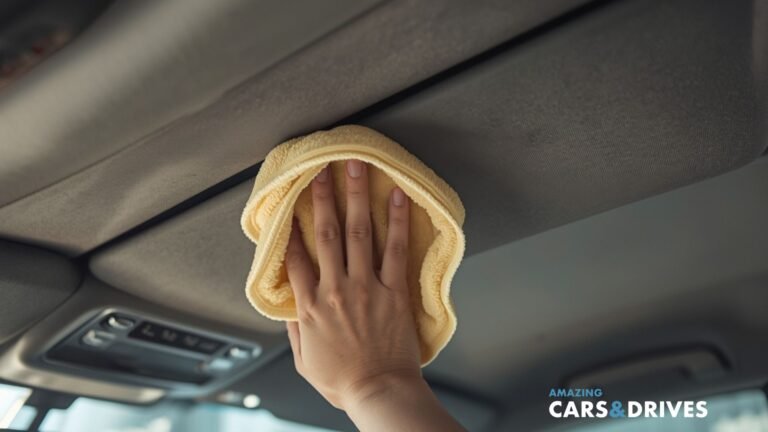
A dry microfiber towel can remove loose dust. If the dust is stuck to the surface, lightly dampen the towel or use a small amount of cleaner on the towel rather than spraying the dashboard directly.
For cloth seats and carpet stains
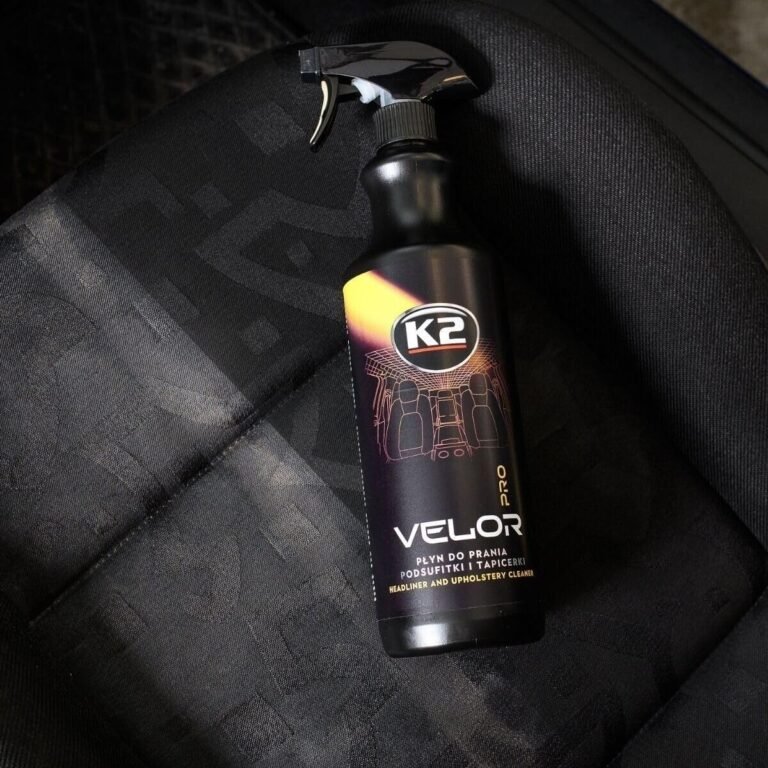
Look for an automotive fabric or upholstery cleaner. Auto parts stores and online retailers usually offer the greatest selection.
For a fresh spill, first blot with a clean towel. Do not scrub hard at once. Scrubbing can push the liquid deeper into the fabric and spread the stain.
If the carpet stays wet, smells sour, or develops a mark after cleaning, the problem may be below the surface. A professional detailer with an extractor may be a better choice than repeated home treatment.
For leather seats
Buy a cleaner labeled for automotive leather. Read the vehicle manual first because “leather” interiors may also contain coated, synthetic, or mixed materials.
Avoid products that make unsupported claims about restoring all cracks or damage. Cleaning can remove soil and improve appearance, but it cannot repair torn upholstery, peeling finish, or deep color loss.
For touchscreens and electronic displays
Use the vehicle manual as the main guide. Many screens should be cleaned with a clean, soft microfiber cloth. If moisture is allowed, apply a small amount to the cloth, not directly to the screen.
Do not use glass cleaner unless the screen maker or vehicle manufacturer says it is safe. Avoid abrasive cloths, paper towels, excess liquid, and sprays near seams or controls.
For odors
Buy an odor product only after removing the source. Vacuum dirt, clean spills, and inspect floor mats, seat gaps, cargo areas, and air vents.
Air fresheners can cover an odor without solving it. If the smell returns quickly, check for trapped moisture, mold-like growth, spoiled food, pet contamination, or a mechanical issue such as water entering the cabin.
How to Choose a Safe Car Interior Cleaner
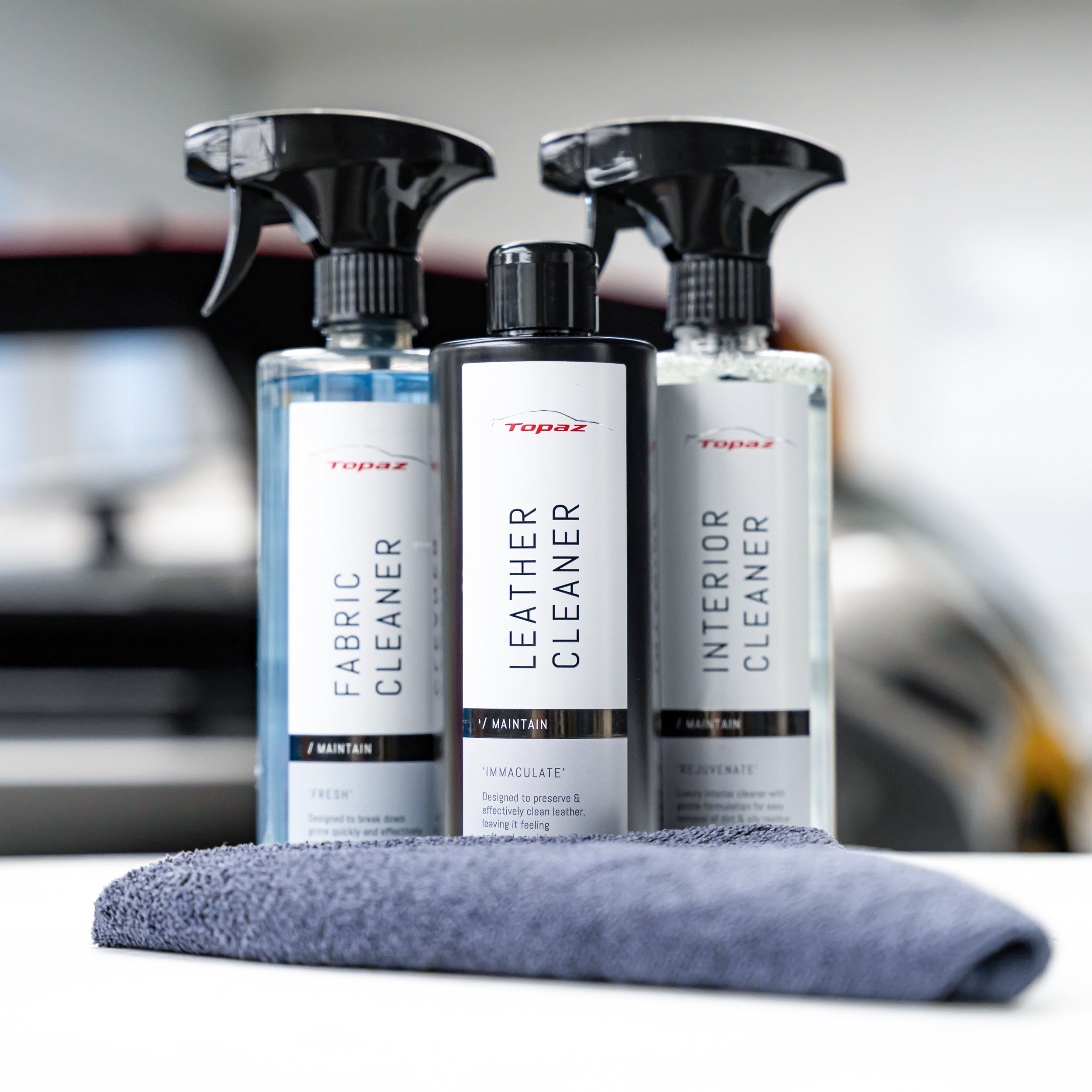
A safe choice is one that matches the surface, follows the label, and does not leave a hazardous or slippery residue.
Before buying, check these details:
- Surface compatibility: The label should name the material you plan to clean.
- Use instructions: Check whether the product must be diluted or wiped off.
- Finish: Choose a matte or low-sheen finish for dashboards if glare is a concern.
- Residue: Avoid formulas that leave a greasy film on controls.
- Scent and ventilation: Strong fragrances may bother people with asthma or scent sensitivity.
- Package size: Compare the cost per ounce, especially for concentrates.
- Storage: Follow the label for heat, freezing, and child safety warnings.
Test the product in a hidden area first. Apply a small amount to a cloth or cotton swab, use it on an unseen section, and allow the area to dry. Check for color change, streaks, tackiness, swelling, or loss of texture.
Never mix cleaning chemicals. In particular, do not combine bleach with ammonia or other cleaners. Use ventilation, keep products away from children and pets, and follow the product’s safety directions.

How Much Should You Spend?
A simple cleaning kit can cost less than a professional detail, but the total depends on the tools and surfaces involved.
| Buying level | Typical contents | Best for |
|---|---|---|
| Basic | Cleaner, microfiber towels, and brush | Routine dust and light soil |
| Mid-range | Surface-specific cleaners, several towels, brushes, and vacuum tools | Regular home cleaning |
| Advanced | Extractor, specialty cleaners, protectants, and professional tools | Multiple vehicles or heavy cleaning |
Prices change by retailer, package size, brand, and region. Compare the amount of usable product rather than the bottle price alone. A concentrate may cost more at checkout but cover more cleanings when correctly diluted.
Do not buy a large professional container unless you can store it safely and use it before the product expires or degrades. For occasional cleaning, a small ready-to-use bottle may be more practical.

Online vs. In-Store Shopping
Choose an in-store purchase when you need supplies today, want to compare labels in person, or need advice about a material. It also lets you inspect the package for damage and confirm that you are buying the correct surface type.
Choose online shopping when you need a specialty cleaner, replacement towels, a particular brush, or a product that local stores do not stock. Online listings make it easier to compare instructions and package sizes, but they also require more care.
Before ordering online:
- Confirm the exact product name and size.
- Check whether the seller is the manufacturer or a third-party reseller.
- Read the current label and safety information.
- Look for return restrictions on liquids and chemicals.
- Avoid relying only on star ratings.
- Check whether reviews refer to the same product size and formula.
- Confirm that the item is intended for your vehicle’s material.
A product with many reviews is not automatically safe for every interior. User reviews can describe experience, but they do not replace the manufacturer’s instructions or your vehicle manual.

How to Clean a Car Interior After Buying the Products
Gather the products, open the doors in a safe place, and remove personal items before you begin.
- Remove loose objects and floor mats. Shake out or vacuum the mats separately.
- Vacuum first. Work from the top down so falling dust does not dirty cleaned areas.
- Clean hard surfaces. Apply product to a towel when possible, then wipe small sections.
- Clean glass last. Use a dedicated glass towel to reduce streaks.
- Treat fabric stains carefully. Blot, use the labeled amount of cleaner, and avoid soaking.
- Clean leather with a suitable product. Wipe away residue and let the surface dry.
- Inspect high-touch areas. Include the steering wheel, door handles, seat-belt buckles, console, and controls.
- Dry the cabin. Leave doors open in a safe, ventilated area when appropriate.
The interior is clean when surfaces feel dry rather than oily, glass is clear without streaks, and no cleaner remains in seams or controls. If a stain or odor remains, do not keep adding product. Reassess the material, the source of the contamination, and whether professional equipment is needed.
Common Buying and Cleaning Mistakes
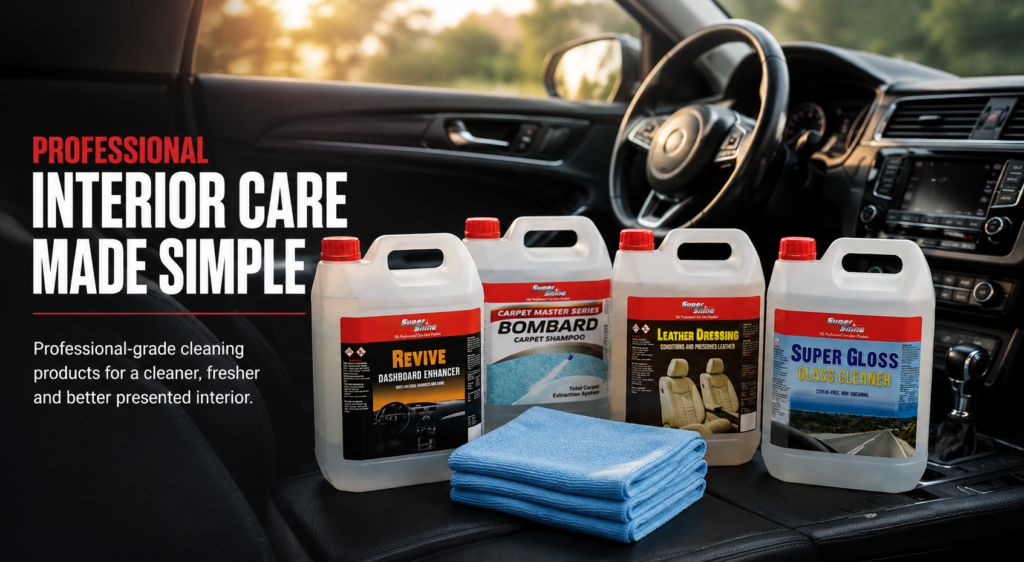
The most common mistake is buying one strong cleaner for every surface. Interior materials vary, and a product that cuts grease on plastic may harm leather, screens, or soft trim.
Other mistakes include:
- Spraying liquid directly onto electronics
- Using a household glass cleaner on an unapproved screen
- Applying tire or exterior dressing inside the cabin
- Making the steering wheel or pedals slick
- Overwetting seats and carpet
- Using a rough towel on glossy trim
- Scrubbing stains before blotting them
- Cleaning without checking the owner’s manual
- Leaving chemicals in a hot vehicle
- Mixing different cleaners
- Using dirty microfiber towels that contain grit
- Expecting an air freshener to remove the source of an odor
If a cleaner causes discoloration, swelling, stickiness, or a strong reaction, stop using it. Wipe away residue according to the product instructions, ventilate the vehicle, and contact the manufacturer if the damage continues.

Frequently Asked Questions
Where is the cheapest place to buy car interior cleaning products?
Big-box stores often have low-cost basic cleaners and microfiber towels. Online retailers may offer lower unit prices in multipacks, but shipping and package size can change the final cost. Compare the price per ounce or per usable cleaning, not only the shelf price.
Can I use household cleaners inside my car?
Only if the product label and vehicle manufacturer allow it for that specific surface. Many household cleaners are not designed for automotive plastics, coated leather, screens, or soft trim. A mild automotive product is usually easier to match to the material.
Should I buy a car interior cleaning kit?
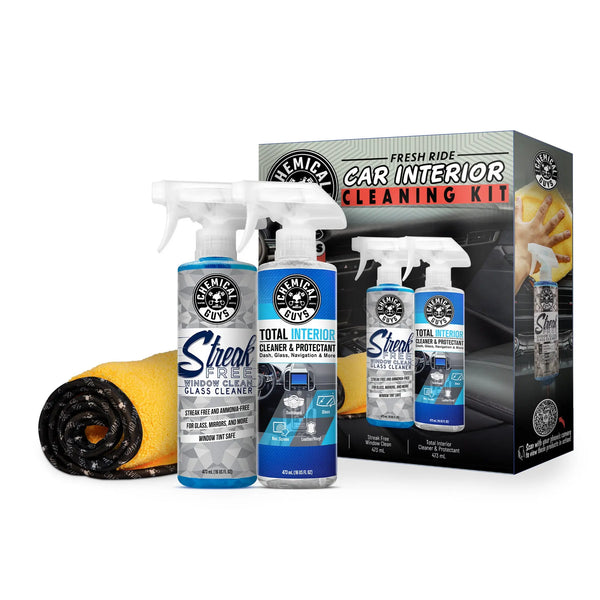
A kit can be convenient if it includes the surfaces and tools you need. Check the contents before buying. Some kits include a glossy protectant or a strong cleaner that may not suit your vehicle.
How often should I buy new interior cleaning products?
Replace products when they pass their labeled shelf life, change color or smell, separate permanently, or no longer perform as directed. Wash microfiber towels after use and replace towels that remain rough, stained with grit, or contaminated with chemicals.
When should I hire a professional detailer?
Consider a professional when the vehicle has deep stains, mold-like growth, heavy pet contamination, soaked carpet, smoke odor, delicate materials, or damaged upholstery. Professional equipment can remove moisture and soil more effectively than repeated household cleaning.
Conclusion
For most people in the United States, an auto parts store is the best place to start because it offers same-day access to automotive-safe cleaners and tools. Choose a big-box retailer for basic supplies, an online store for specialty products, a dealership for vehicle-specific guidance, and a detail supplier for advanced equipment.
Buy by material rather than by marketing claim. Check the owner’s manual, select a cleaner made for the surface, test it in a hidden spot, and avoid excess liquid or slippery residue. The safest and most cost-effective kit is usually the one that matches your car’s actual interior and the cleaning problem you need to solve.