What Is The Best Interior All Purpose Car Cleaner: Guide
For most drivers in the United States, the best interior all-purpose car cleaner is a pH-balanced, water-based cleaner that removes dirt without leaving a greasy film or drying out trim. It should work on common surfaces such as plastic, vinyl, rubber, sealed leather, fabric, and painted interior trim when used as directed.
A strong general pick is P&S Xpress Interior Cleaner because it is made for many vehicle interior surfaces and is designed to leave a low-sheen finish. Meguiar’s Quik Interior Detailer is another good choice for light dust, fingerprints, and regular upkeep. For heavily soiled interiors, a stronger cleaner may work better, but it often needs dilution and more care.
The right choice depends on the dirt, the surface, and how often you clean. No single product is safest for every part of a car.
Introduction
A car interior faces more than dust. In the United States, heat, road salt, sunscreen, spilled drinks, pet hair, muddy shoes, and long summer drives can leave stains and buildup on seats, dashboards, door panels, and floor mats.
The best interior all-purpose cleaner must balance cleaning power with surface safety. A product that cuts grime well on rubber mats may be too strong for a soft-touch dashboard or an uncoated leather seat.
This guide explains what to buy, how to compare products, where to use them, and which surfaces need a different cleaner. It focuses on practical care for cars, trucks, SUVs, and vans sold and used in the U.S.

Quick Answer: Which Interior All-Purpose Cleaner Is Best?
For general vehicle cleaning, choose a cleaner with these traits:
- Water-based formula
- Low or neutral pH
- No heavy oils or silicone
- Low residue
- Safe for plastic, vinyl, rubber, and fabric when labeled for those surfaces
- Clear dilution and use directions
- A mild scent rather than a strong solvent odor
Best overall for mixed interior surfaces
P&S Xpress Interior Cleaner is a practical all-around option for many dashboards, door panels, vinyl surfaces, plastics, and trim pieces. It is commonly used as a low-sheen interior cleaner rather than a glossy dressing.
Best for light cleaning and quick upkeep
Meguiar’s Quik Interior Detailer fits drivers who mainly need to remove dust, fingerprints, and light grime. It is useful for frequent wipe-downs, but it may not replace a stronger cleaner for stains, ground-in dirt, or greasy buildup.
Best for heavy dirt
A concentrated cleaner such as Koch-Chemie Green Star can be useful when diluted correctly. It is a multipurpose cleaner, not an automatic “spray everywhere” product. Follow the label and test it first, especially on delicate or soft-touch materials.
Best low-cost approach
A dilutable interior cleaner often costs less per use than a ready-to-use spray. However, the savings only help if you measure the dilution correctly and store the mixed solution in a labeled bottle.
The best product for your car is the one that matches the dirtiest surface you clean most often without damaging the most delicate surface in the cabin.

What Makes a Good Interior All-Purpose Car Cleaner?
A good interior cleaner removes soil while leaving the surface close to its original look and feel. It should not make the dashboard shiny, sticky, slick, or hard to touch.
1. Surface compatibility
Car interiors may contain:
- Textured plastic
- Soft-touch coatings
- Vinyl
- Rubber
- Synthetic leather
- Finished leather
- Cloth
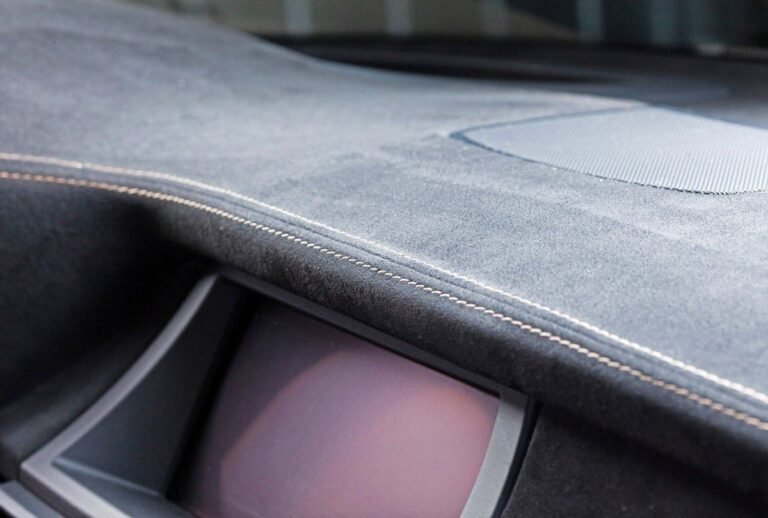
- Alcantara or suede-like fabric
- Painted trim
- Gloss-black plastic
- Touchscreens and instrument displays
These materials do not react to cleaners in the same way. A product labeled for “interiors” may still exclude screens, suede, unfinished leather, or delicate coatings.
Read the product label before use. The vehicle owner’s manual also takes priority because some manufacturers restrict certain chemicals or methods.
2. Low residue
Residue attracts dust and can make a steering wheel or pedal area slippery. This is more than a cosmetic issue.
A good interior cleaner should leave a clean, natural finish after wiping. If the surface feels oily or tacky after it dries, use less product, improve your towel, or switch formulas.
3. Moderate cleaning strength
More cleaning power is not always better. Strong alkaline cleaners and solvent-heavy products may remove dirt fast, but they can also fade color, dry leather, or change the feel of soft-touch plastic.
For routine cleaning, moderate strength is usually the better trade-off. Use stronger products only when normal interior cleaners cannot remove the soil.
4. Clear instructions
A reliable product should explain:
- Which surfaces it can clean
- Whether dilution is required
- How long it should dwell
- Whether it must be wiped dry
- Which surfaces to avoid
- Whether a test spot is needed
A vague label makes safe use harder.
5. A finish that preserves grip
Avoid glossy dressings on steering wheels, shifters, pedals, and other areas where grip matters. A satin or natural finish is usually safer and looks closer to the factory surface.

Best Interior All-Purpose Car Cleaners Compared
The table below compares common product types and examples. Product formulas can change, so check the current label before purchase.
| Product or type | Best for | Main advantage | Main limit |
|---|---|---|---|
| P&S Xpress Interior Cleaner | Mixed interior surfaces | Low-sheen cleaning for many plastics and vinyl areas | Not a specialist cleaner for every material |
| Meguiar’s Quik Interior Detailer | Light dirt and regular upkeep | Easy, ready-to-use maintenance cleaner | May need help with heavy grime |
| Koch-Chemie Green Star | Heavy soil and broad cleaning tasks | Concentrate can be diluted for different jobs | Wrong dilution can be too aggressive |
| Dedicated leather cleaner | Finished leather seats and trim | Formulated for leather care | Not needed for every plastic surface |
| Fabric or upholstery cleaner | Cloth seats and carpets | Better suited to embedded fabric soil | Can over-wet upholstery |
| Glass cleaner | Windows and mirrors | Reduces streaks on glass | Not a general interior cleaner |
P&S Xpress Interior Cleaner
This is a strong general choice for people who clean several interior materials. It is intended for areas such as plastic, vinyl, rubber, and other common interior surfaces.
Use it with a microfiber towel or a soft interior brush. Spray the towel or brush instead of flooding the dashboard. Wipe the surface, then use a separate dry towel to remove remaining moisture.
It is not a substitute for a leather cleaner, fabric extractor, or screen-safe display cleaner.
Meguiar’s Quik Interior Detailer
This product is better suited to light soil and frequent cleaning. It can help remove fingerprints, dust, and everyday film from many hard interior surfaces.
It is a useful choice for a newer vehicle that receives regular care. For ground-in dirt, oily stains, or neglected door panels, a stronger cleaner may be more efficient.
Koch-Chemie Green Star
A concentrated all-purpose cleaner can handle more difficult soil, but dilution is the key safety factor. A mixture used for exterior grime may be too strong for delicate interior coatings.
Use the manufacturer’s recommended dilution for the task. Measure the water and concentrate rather than guessing. Test a hidden area before cleaning a large panel.
Dedicated leather cleaners
Leather seats need special care. Many modern seats use coated or finished leather, while others use synthetic leather or a combination of materials.
A general interior cleaner may be acceptable on some finished leather surfaces, but a leather-specific cleaner is the safer choice when the label or owner’s manual calls for it. Do not assume that a product labeled “leather conditioner” will clean dirt well.
Which Cleaner Should You Use on Each Interior Surface?
The surface should decide the cleaner, not the other way around.
Plastic and vinyl
Use a mild interior cleaner on dashboards, door panels, center consoles, and vinyl trim. Apply the product to a towel when possible.
Avoid leaving a wet film on textured plastic. Dirt can collect in the texture and create a blotchy appearance.
Rubber
Rubber floor mats and seals can usually tolerate stronger cleaning than a dashboard. Remove loose dirt first, then scrub with a soft or medium brush.
Rinse or wipe away cleaner residue. A slippery rubber surface is undesirable around pedals and footwells.
Cloth seats and carpets
Vacuum first. Spraying cleaner onto loose dust and grit can turn surface dirt into mud.
Use a fabric cleaner sparingly. Over-wetting can push moisture into seat foam and may cause odor or slow drying. Open the doors and allow the fabric to dry fully.
Leather and synthetic leather
Remove loose dirt with a vacuum or dry microfiber towel. Use a cleaner labeled for the material.
Do not scrub hard with a stiff brush. Strong friction can wear the coating, especially on seat bolsters and steering wheels.
Screens and instrument panels
Do not treat screens like plastic trim. Use the vehicle maker’s instructions or a cleaner specifically labeled for displays.
Spray the towel, not the screen. Keep liquid away from seams, switches, vents, and electrical openings.
Gloss-black trim
Gloss-black plastic scratches easily. Use a clean, soft microfiber towel and light pressure.
Do not use a rough towel that has collected grit from floor mats or exterior work. A separate towel for delicate trim helps prevent fine scratches.

How to Clean a Car Interior With an All-Purpose Cleaner
Follow this order to reduce streaks, avoid cross-contamination, and prevent damage.
What you need
- Interior-safe all-purpose cleaner
- Several clean microfiber towels
- Vacuum with a soft brush attachment
- Soft detailing brush
- Small bucket of clean water
- Separate towels for screens and glass
- Gloves, if required by the product label
- Good airflow
Step 1: Read the label and owner’s manual
Check the cleaner’s approved surfaces, dilution ratio, and warnings. Look in the vehicle manual for restrictions on leather, screens, trim, and seat materials.
If you are unsure about a surface, do not start with a large visible area.
Step 2: Work in the shade
Clean when surfaces are cool and out of direct sun. Heat can make a cleaner dry too fast and leave marks.
This matters in hot regions such as Arizona, Texas, Florida, Nevada, and Southern California, where interior surfaces can become extremely hot during the day.
Step 3: Remove loose dirt
Take out floor mats. Vacuum seats, carpets, cracks, vents, and storage areas.
Use a soft brush around buttons and seams. Do not force dust deeper into switches or vents.
Step 4: Test a hidden spot
Apply a small amount to an unseen section. Check for:
- Color transfer
- Streaks
- Loss of texture
- Sticky feel
- Gloss or dull spots
- Softening of the coating
Allow the test area to dry before judging the result.
Step 5: Apply the cleaner to a towel
For most hard surfaces, spray the cleaner onto a microfiber towel. This gives you better control and helps prevent liquid from reaching electronics.
For textured panels, use a lightly damp brush when needed. Do not soak the panel.
Step 6: Clean in small sections
Work on one area at a time. Wipe gently, then turn the towel to a clean side.
For heavy dirt, let the product dwell only as long as the label allows. Do not let it dry on the surface unless the instructions specifically permit that method.
Step 7: Wipe away residue
Use a second towel dampened with clean water if residue remains. Finish with a dry towel.
A clean surface should feel dry, even, and free of slick spots.
Step 8: Clean high-contact areas last
Steering wheels, door handles, seat belt buckles, and shifters often hold the most oils. Clean them after nearby areas so you do not spread grime across the cabin.
Take extra care with the steering wheel. It must remain easy to grip.
Step 9: Let the interior dry
Leave doors open when safe and practical. Do not close a wet interior and expect it to dry without odor.
If a fabric seat remains damp for a long time, use airflow rather than intense heat.

How Much Interior Cleaner Should You Use?
Use enough product to lift the soil, but not so much that the surface becomes wet.
For a ready-to-use spray, one or two light sprays on a towel may clean a small panel. Heavy spraying often creates extra work because the towel must remove more liquid.
For a concentrate, follow the label ratio. A simple example:
- A 1:10 dilution uses 1 part product and 10 parts water.
- For 22 fluid ounces of finished solution, the total mixture has 11 parts.
- Product needed: 22 ÷ 11 = 2 fluid ounces.
- Water needed: 20 fluid ounces.
This is a hypothetical example. Use the exact ratio listed by the manufacturer because products differ in strength and intended use.
Label every diluted bottle with the product name, ratio, date mixed, and approved use. Never store an unknown mixture.

Common Mistakes to Avoid
Using one cleaner on every surface
“All-purpose” does not mean “safe for all materials.” Screens, suede-like fabric, unfinished leather, and delicate coatings often need specialized care.
Spraying directly onto electronics
Liquid can enter seams, buttons, vents, and display edges. Spray the towel instead.
Choosing a shiny finish
Gloss does not prove that a surface is clean. It may create glare on the dashboard and reduce grip on the steering wheel.
Scrubbing too hard
Pressure and friction can damage coatings even when the cleaner itself is mild. Start with a soft towel and increase agitation only when needed.
Using an exterior degreaser inside
Exterior products may be designed for tires, engine bays, or road film. Their strength may be excessive for interior plastics and coatings.
Mixing cleaning chemicals
Do not mix different cleaners. Combining products can create harmful vapors or an unpredictable formula.
The U.S. Environmental Protection Agency’s Safer Choice program explains how some cleaning products are evaluated for ingredient safety and environmental considerations. A Safer Choice label does not mean a product is safe for every car surface, so surface compatibility still matters.
Cleaning without ventilation
Use airflow when applying products in an enclosed garage. Follow the product’s safety directions, especially if it has a strong odor.
Ignoring the towel
A dirty towel can spread grit and oils. Use separate towels for:
- Screens
- Glass
- General trim
- Leather
- Floor areas
Wash microfiber towels without fabric softener, which can reduce their ability to absorb and trap dirt.
When an All-Purpose Cleaner Is Not Enough
An all-purpose cleaner may not solve every interior problem.
Use a dedicated product or professional service when you see:
- Mold or persistent mildew odor
- Deep stains inside seat foam
- Ink or dye transfer
- Smoke odor
- Water damage
- Peeling soft-touch coating
- Cracked or worn leather
- Sticky residue from adhesive
- Electrical contamination
- Biological spills
Do not keep adding cleaner when the problem is damage rather than dirt. A peeling coating, for example, cannot be restored by stronger chemicals.
For mold, major water intrusion, or contaminated upholstery, professional cleaning may be safer and more effective. If the vehicle has suffered flood damage, electrical and safety systems also need inspection.
How Often Should You Clean Your Car Interior?
The right schedule depends on use.
- Light use: Wipe high-touch areas every two to four weeks.
- Daily commuting: Clean high-touch areas weekly and perform a broader clean each month.
- Children or pets: Vacuum weekly and clean spills as soon as possible.
- Work, construction, or outdoor use: Remove grit often because it can wear surfaces.
- Winter road salt: Clean rubber mats and lower door areas more often.
- Hot, sunny climates: Use a shade or sun protection when possible, but avoid oily dressings that can migrate onto glass.
Small, regular cleaning is usually safer than waiting until dirt requires aggressive scrubbing.
What to Look for When Buying an Interior Cleaner
Use this checklist before choosing a product:
- Confirm the surfaces. Make sure the label names the materials you plan to clean.
- Check the finish. Choose natural or low sheen if you dislike glare or slickness.
- Review dilution instructions. Concentrates can save money but require accurate mixing.
- Look for residue warnings. A clean finish should not feel oily or tacky.
- Check the scent. Strong fragrance can be unpleasant in a closed vehicle.
- Buy the right size. A small ready-to-use bottle may suit occasional use, while a concentrate may suit frequent cleaning.
- Read safety directions. Follow ventilation, storage, and first-aid instructions.
- Avoid unsupported claims. “Universal” or “industrial strength” does not prove surface safety.
A cleaner with fewer dramatic claims and better instructions is often the more sensible choice.

FAQs About Interior All-Purpose Car Cleaners
Can I use an all-purpose cleaner on leather car seats?
Only if the product label permits it and the seats have a compatible finish. A leather-specific cleaner is usually the safer option. Always test a hidden area first and avoid soaking the seat.
Can I use dish soap to clean my car interior?
A small amount may remove some surface grease, but dish soap is not designed for every automotive material. It can leave residue and may remove protective oils from some surfaces. An interior cleaner with clear automotive directions is a better routine choice.
Should I use an interior cleaner on my car’s touchscreen?
Use only a product approved for displays or follow the vehicle manufacturer’s instructions. Spray the cleaner onto a soft towel, never directly onto the screen.
What is the best cleaner for a used car with heavy grime?
Start with a moderate interior cleaner and proper agitation. For severe buildup, use a correctly diluted concentrated cleaner that lists the affected surface as compatible. Clean one test area before treating the full interior.
Why does my dashboard look streaky after cleaning?
Common causes include too much product, direct sunlight, an unclean towel, or residue left on the surface. Wipe the panel with a clean, slightly damp microfiber towel, then dry it with another towel.
Is a shiny dashboard cleaner better?
No. Shine is mainly a finish preference, not proof of cleaning power. A low-sheen finish usually creates less glare and feels less greasy.
Final Recommendation
For most U.S. vehicles, choose a low-residue, water-based interior cleaner with a natural finish. P&S Xpress Interior Cleaner is a reasonable overall choice for mixed hard surfaces, while Meguiar’s Quik Interior Detailer suits light, frequent cleaning. Use a dedicated leather, fabric, glass, or screen product when the material requires it.
The safest method is simple: vacuum first, test a hidden spot, spray the towel, clean small areas, wipe away residue, and let the interior dry. The best interior all-purpose car cleaner is not the strongest formula. It is the product that removes the dirt you have without changing the surface you want to preserve.