Is Automotive Headliner Machine Washable: Safe Cleaning Guide
Introduction
Most automotive headliners are not machine washable. The headliner is usually a layered panel made from fabric, foam, adhesive, and a rigid backing board. A washing machine can soak, bend, stretch, or separate these layers.
This applies to most cars, trucks, and SUVs sold in the United States. You may wash a separate fabric cover only when the vehicle maker or upholstery maker clearly says it is removable and washable. Otherwise, clean the headliner in place with a small amount of cleaner and very little moisture.

What Is an Automotive Headliner?
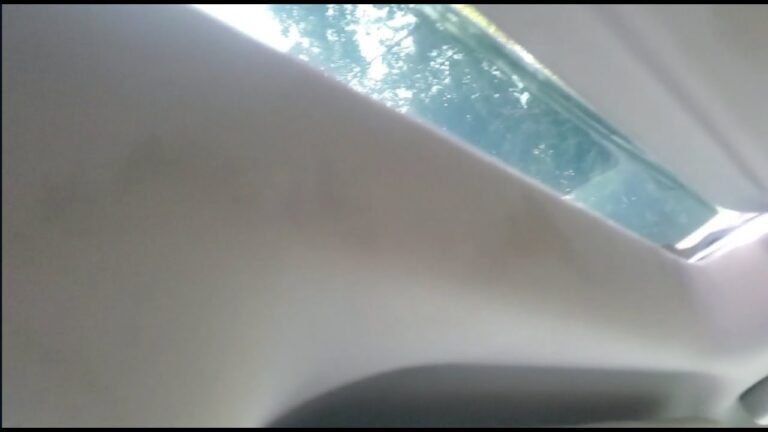
An automotive headliner is the material fixed to the inside roof of a vehicle. It improves the cabin’s look, helps reduce noise, and adds a small amount of insulation.
Most modern headliners have several layers:
- A visible cloth, vinyl, or suede-like surface
- A thin foam layer
- Adhesive
- A molded fiberboard, plastic, or composite backing panel
The visible cloth is only one part of the assembly. It may look like ordinary fabric, but it is often bonded to foam and a rigid board.
That construction creates the main cleaning problem. Water may pass through the cloth and weaken the foam or adhesive. The fabric can then sag, bubble, wrinkle, or pull away from the board.
The word “headliner” can also mean two different things:
| Term | Meaning | Machine washable? |
|---|---|---|
| Headliner assembly | The full roof panel with backing and adhesive | No |
| Headliner fabric | A loose or replacement cloth used by an upholsterer | Sometimes, only if the label allows it |
| Removable headliner cover | A designed cover that can be removed from the vehicle | Only if the maker gives washing instructions |
| Sun visor or trim fabric | A smaller covered part | Usually not, unless removable and labeled washable |
Before cleaning, identify which part you have. Removing the full headliner panel does not make it safe for a washing machine.

Why You Should Not Put a Car Headliner in a Washing Machine
A washing machine uses more water and movement than most headliner materials can handle. Even a gentle cycle may cause permanent damage.
Water can loosen the adhesive
Many headliner fabrics use adhesive to bond the cloth and foam to the backing board. When the adhesive becomes wet, it may soften or lose strength.
The result can appear after the headliner dries. The cloth may hang down in the center, near the doors, or around the dome light.
The foam backing can break down
Older headliner foam often becomes brittle with age. Water and agitation can turn weak foam into crumbs or cause it to separate from the fabric.
Once the foam has failed, cleaning will not restore the headliner. The panel normally needs fabric replacement or professional repair.
The backing board can bend
The backing board may be made from pressed fiber, molded material, or another lightweight substrate. Soaking can make some boards swell or lose their shape.
A bent panel may no longer fit the roof. It can also interfere with grab handles, trim, lights, sun visors, or curtain airbag areas.
The fabric may shrink or stretch
the cloth may change shape during washing or drying. Shrinkage can expose gaps around the edges. Stretching can create wrinkles that are hard to remove.
Heat from a dryer is especially risky. It may shrink the cloth, soften adhesive, or distort plastic parts.
Water can reach vehicle electronics
A wet headliner can drip into:
- Dome lights
- Overhead consoles
- Microphones
- Sunroof controls
- Garage-door transmitters
- Wiring
- Curtain-airbag areas
Disconnecting the vehicle battery does not make every cleaning method safe. It may also create other service issues in some vehicles.
The practical rule is simple: do not machine wash, soak, hose, steam, or pressure-wash an installed automotive headliner.

How to Clean an Automotive Headliner Safely
For normal dirt, use a low-moisture method. The goal is to clean the surface without soaking the layers below it.
What you need
Prepare:
- A vacuum with a soft brush attachment
- Two or three clean microfiber cloths
- A soft interior brush
- A mild automotive interior cleaner
- Clean water in a spray bottle
- A dry towel
- Protective covers for the seats and dashboard
Check the vehicle owner’s manual before using a cleaner. If the vehicle has a suede-like, Alcantara-style, leather-like, or specialty fabric headliner, follow the material maker’s care instructions instead.
Step 1: Test a hidden area
Apply a small amount of cleaner to an unseen edge or corner. Wait until it dries.
Look for:
- Color change
- Water marks
- Fabric fuzz
- Stiffness
- Adhesive bleed-through
- Ring-shaped stains
Do not continue if the test area changes.
Step 2: Remove loose dust
Vacuum the headliner with a soft brush. Keep the tool light. Do not press hard against the fabric.
For loose dust, a soft brush can also help. Brush in one direction rather than scrubbing back and forth.
Step 3: Apply cleaner to the cloth, not the roof
Spray a small amount of cleaner onto a microfiber cloth. Do not spray the roof directly.
Direct spraying can send liquid into lights, switches, seams, and the gap between the headliner and roof.
The cloth should be damp, not wet.
Step 4: Blot and wipe gently
Work on a small area at a time. Blot the stain first, then wipe lightly in one direction.
Avoid heavy pressure. Pressing can push dirt deeper and may flatten or separate the foam.
Step 5: Remove cleaner residue
Use a second cloth that is barely damp with clean water. Lightly blot the area.
Do not repeatedly wet the same spot. Too much moisture can create a larger ring around the original stain.
Step 6: Dry the cabin
Leave the doors open in a dry, shaded place. Use normal ventilation if needed.
Avoid placing a heat gun, hair dryer, or space heater near the headliner. High heat can damage the fabric and adhesive.
A successful cleaning should leave the fabric even, dry, and firmly attached. Stop if the cloth begins to sag, wrinkle, pill, or separate.

How to Clean Common Headliner Stains
Different stains need different care. Start with the mildest method that may work.
| Stain type | Safer first step | Main risk |
|---|---|---|
| Dust | Vacuum with a soft brush | Flattening the fabric with pressure |
| Light dirt | Damp microfiber cloth | Water rings |
| Food or drink | Blot, then use mild interior cleaner | Spreading the stain |
| Grease | Use a suitable fabric cleaner after testing | Dark halo or adhesive damage |
| Smoke odor | Ventilate and clean lightly | Masking odor instead of removing residue |
| Mold or mildew | Seek professional assessment | Moisture may be inside the layers |
| Water stain | Check for a roof or sunroof leak first | Repeating the stain after cleaning |
Do not scrub a dry stain aggressively. Scrubbing may damage the top fibers before it removes the mark.
For a water stain, find the source first. Common sources can include a sunroof drain problem, roof seal leak, windshield leak, or antenna seal. Cleaning the stain without fixing the leak will not solve the problem.
Mold, mildew, or a strong chemical odor deserves extra care. These problems may involve moisture behind the headliner. A professional detailer or automotive upholstery shop can inspect the panel without causing further damage.

Can You Wash a Removed Headliner?
Removing a headliner does not normally make it machine washable. The backing board, foam, and adhesive remain vulnerable to water and agitation.
A professional may remove the old cloth and foam, clean or repair the backing board, and install new headliner material. That is a reupholstery process, not a normal washing process.
You may be able to wash a separate cover when all of these conditions are true:
- The cover is designed to come off.
- The care label permits machine washing.
- The cover has no bonded foam that can break down.
- The cover has no attached electronics, trim, or rigid backing.
- The manufacturer gives a water temperature, cycle, and drying method.
If the label says “spot clean only,” follow that instruction. If there is no label or manual guidance, hand cleaning with minimal moisture is the safer choice.
Never place a full molded headliner panel in a washer, even on a delicate cycle.

When Cleaning Is Not the Right Fix
Cleaning cannot repair every headliner problem. Replacement or professional repair may be better when:
- The fabric is sagging
- Foam falls when you touch it
- The cloth has large water rings
- The backing board is cracked or warped
- The headliner has mold or mildew
- A chemical has melted or discolored the fabric
- The roof has leaked
- The headliner is close to a curtain-airbag module
- The fabric has separated over a large area
Small loose areas may sometimes be repaired with a product made for automotive headliners. However, adding spray adhesive without removing the old failed foam can create lumps and stains.
Do not staple or screw fabric near an airbag area. Do not block airbag seams, sensors, or deployment paths. If the headliner is damaged around a curtain airbag, ask a qualified automotive upholstery or repair professional to inspect it.

Common Mistakes to Avoid
Using too much water
More liquid does not mean better cleaning. It increases the chance of rings, sagging, and adhesive failure.
Spraying cleaner directly overhead
Overspray can enter electronics and run behind the headliner. Spray onto a cloth instead.
Scrubbing hard
Hard scrubbing can remove fibers and push dirt into the foam. Use light pressure and short passes.
Using household laundry detergent
Laundry products may leave residue, bleach color, or create excessive foam. Use a cleaner intended for automotive interior fabrics, and test it first.
Using a steam cleaner
Steam adds heat and moisture. It can loosen adhesive and force water into the backing. Avoid it unless the vehicle or material maker specifically approves the method.
Drying with strong heat
A heat gun or hot dryer can shrink fabric and damage adhesive. Use air flow and shade instead.
Ignoring the cause of a stain
A roof leak, drink spill, or smoke source can bring the stain back. Find and correct the source before deep cleaning.

Quick Decision Guide
Use this guide before you start:
- Is the headliner installed in the vehicle? Spot clean it. Do not machine wash it.
- Is it a loose cover with a care label? Follow the label.
- Is the foam crumbling or the fabric sagging? Cleaning will not fix it; plan for repair or replacement.
- Is there a water stain? Find the leak first.
- Is there mold, an unknown chemical, or airbag-area damage? Use a qualified professional.
- Is the dirt light and dry? Vacuum first.
- Is the stain small? Use a barely damp cloth and a tested cleaner.
Key Takeaways
- An installed automotive headliner is generally not machine washable.
- The fabric is bonded to foam and a backing board that can be damaged by water and agitation.
- Use a soft brush, a small amount of tested cleaner, and a damp—not wet—cloth.
- Never soak, steam, hose, or pressure-wash the headliner.
- A separate cover is washable only when its care instructions allow it.
- Sagging, crumbling foam, mold, leaks, and airbag-area damage usually need professional attention.
FAQs
Can I wash a car headliner by hand?
Usually, no. Hand washing still adds enough water to weaken adhesive, damage foam, or warp the backing board. Hand-clean a removable cover only if its care label allows washing.
Can I use a carpet cleaner on a headliner?
It is usually not a good choice. Carpet machines apply and extract a large amount of liquid. That can soak the headliner and cause sagging or separation.
Can I use upholstery cleaner on a car headliner?
You may use an automotive fabric cleaner if the product and vehicle material are compatible. Apply it to a cloth, test a hidden area, and use as little moisture as possible.
How do I remove a water stain from a headliner?
First, repair the leak. Then lightly clean the affected area with a tested interior cleaner and a damp microfiber cloth. Avoid soaking the stain, because excess water can create a larger ring.
What should I do if my headliner is sagging?
Do not try to wash it or pull the fabric tight. Sagging often means the foam or adhesive has failed. An automotive upholstery shop can replace the fabric and foam or repair the panel, depending on its condition.
Can a dry cleaner clean automotive headliner fabric?
Ask the dry cleaner whether they handle automotive trim and bonded foam materials. Ordinary clothing-cleaning methods may not suit headliner fabric or its adhesive backing.
Conclusion
An automotive headliner is not normally machine washable. Its fabric is part of a bonded system, and washing can damage the foam, adhesive, backing board, and nearby electronics.
For light dirt, vacuum gently and use a small amount of tested cleaner on a cloth. If the headliner is sagging, moldy, badly stained, or damaged near an airbag, stop cleaning and arrange a professional inspection.