How To Clean Lexus Headliner: Easy Stain Removal
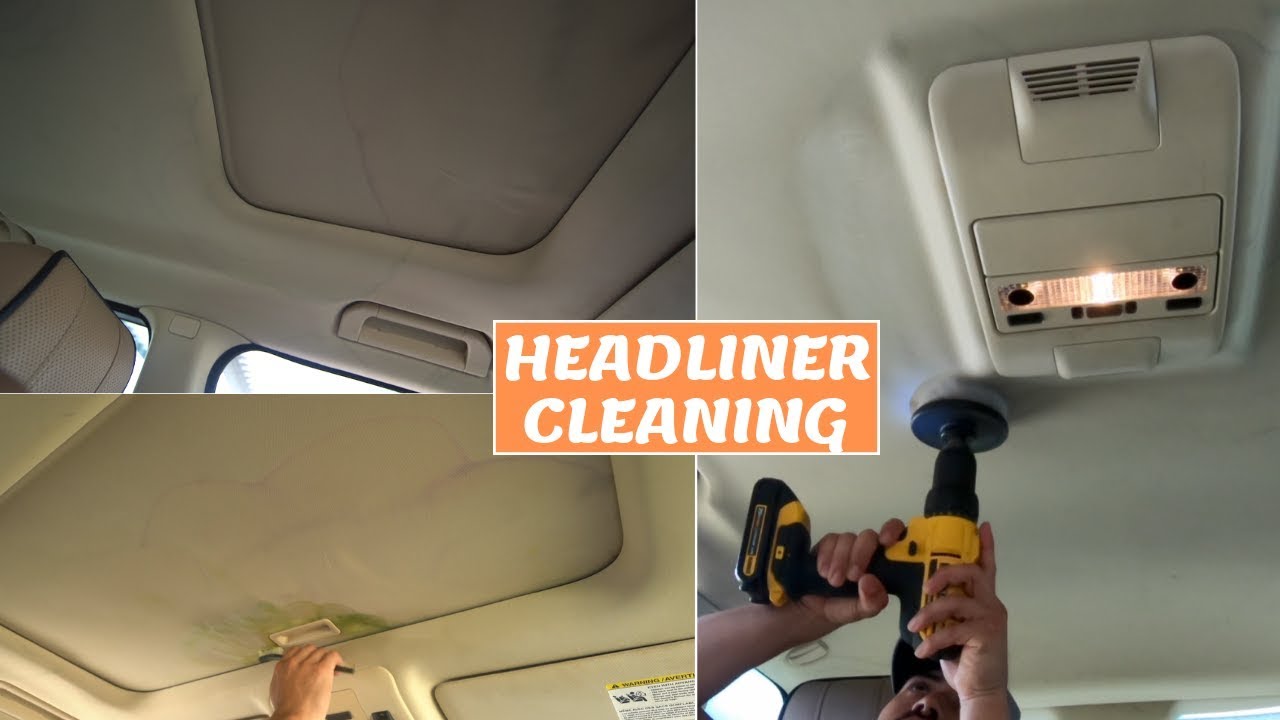
A Lexus headliner is the fabric-covered panel attached to the roof inside the vehicle. It often contains foam backing, insulation, wiring, microphones, lights, and trim clips. Because these parts can be damaged by water and force, the safest way to clean a Lexus headliner is to use very little moisture, gentle pressure, and a clean microfiber cloth.
For most dust, light marks, and small stains, you can clean the headliner at home. Do not soak it, scrub it hard, use a steam cleaner, or spray cleaner directly onto the roof. If the fabric is sagging, badly stained, moldy, or pulling away from the backing, professional repair is safer than deep cleaning.
What You Need Before Cleaning a Lexus Headliner
Gather the right tools before you start. A careful setup helps prevent water marks, loose fabric, and damage to the headliner adhesive.
Recommended supplies
- Two or three clean, white microfiber cloths
- A soft-bristled interior detailing brush
- A vacuum with a brush attachment
- Distilled water
- A small bowl or spray bottle
- Mild upholstery cleaner labeled for automotive interiors
- Cotton swabs for small areas
- A dry towel
- Painter’s tape for protecting nearby trim
Use white cloths when possible. A colored towel may transfer dye to the light-colored fabric found in many Lexus vehicles.
Choose a cool, dry work area
Park the Lexus in a shaded place with good air flow. Avoid cleaning the headliner in direct sun or extreme heat. Heat can soften the adhesive that holds the fabric to the backing board.
Keep the doors open during the process. This lets the headliner dry faster and helps prevent a damp smell.
Check the owner’s manual first
Lexus uses different headliner materials and roof designs across models such as the ES, RX, NX, GX, LS, IS, and UX. Some vehicles also have:
- Panoramic or standard moonroofs
- Overhead microphones
- Emergency assistance buttons
- Side-curtain airbag labels and trim
- Rear entertainment or control units
- Roof-mounted sensors and lights
The Lexus owner’s manual can help you identify roof controls and trim that should not be sprayed or pulled. The official Lexus owner resources provide manuals by vehicle and model year.

How to Clean a Lexus Headliner Step by Step
The safest method is to remove loose dust first, then spot-clean with a barely damp cloth. Work in small areas and stop if the fabric begins to loosen.
1. Remove loose dust
Use a vacuum with a soft brush attachment. Hold the nozzle slightly above the fabric or use only light contact.
Move in straight, gentle passes. Do not press the vacuum hard against the headliner. Strong suction can pull at old fabric or weaken an already loose section.
If you do not have a vacuum brush, use a clean, dry microfiber cloth. Wipe in one direction instead of rubbing back and forth.
2. Test the cleaner in a hidden area
Before treating a visible stain, test the solution near the back edge of the headliner or another hidden spot.
Apply a small amount to the cloth, not the headliner. Wait until the area dries. Check for:
- Color change
- Water rings
- Fabric distortion
– Loose fibers - A hard or sticky surface
Do not continue if the test area changes appearance.
3. Make a mild cleaning solution
For light dirt, start with distilled water alone. If water does not work, use a small amount of automotive upholstery cleaner.
A practical starting mix is:
- One cup of distilled water
- A few drops of mild upholstery cleaner
Do not make the cloth wet. It should feel only slightly damp.
Avoid household cleaners that contain bleach, ammonia, strong solvents, alcohol, or harsh degreasers. These products can fade the fabric, weaken the foam, or affect the adhesive.
4. Blot the stain
Fold the microfiber cloth into a small pad. Lightly press the damp section onto the mark.
Lift the cloth and repeat. This is blotting. It is safer than scrubbing because it removes soil without forcing liquid deep into the headliner.
Start at the outside of the stain and work toward the center. This reduces the chance of spreading the mark.
5. Wipe the surrounding area
A small cleaned spot may dry with a visible edge. To reduce this risk, lightly wipe the nearby fabric with the same barely damp cloth.
Do not expand the wet area across the entire roof. Blend only as far as needed.
6. Remove leftover cleaner
Use a second microfiber cloth that is lightly dampened with distilled water. Blot the area once or twice to lift cleaner residue.
Do not rinse the headliner with water. The goal is to remove residue while keeping the fabric and backing as dry as possible.
7. Dry the headliner
Press a dry towel against the area. Then leave the doors open until the fabric is fully dry.
A fan can improve air movement, but do not use a high-heat hair dryer. Heat may soften the glue or create a patch that looks different from the surrounding fabric.
8. Inspect the result
When the headliner is dry, check for:
- Remaining discoloration
- A stiff or sticky feel
- A water ring
- Loose fabric
- A musty odor
- Damage around lights, handles, or the moonroof
If the stain remains after one careful pass, do not keep adding water. Repeated wet cleaning can cause more damage than the original stain.
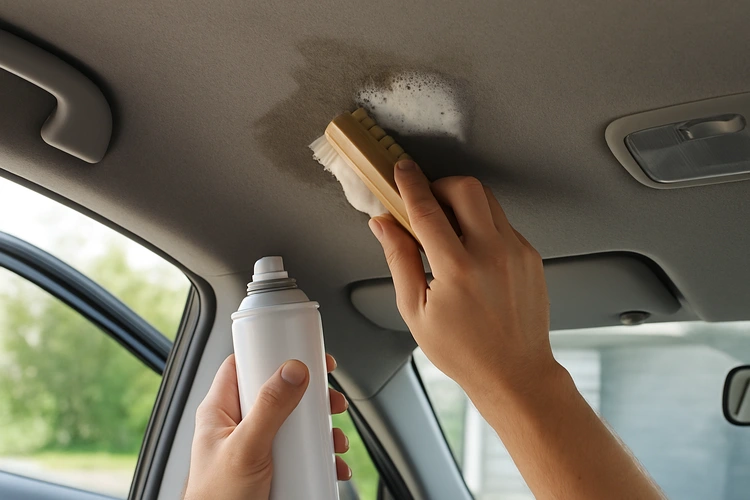
How to Remove Common Lexus Headliner Stains
Different stains need different levels of care. Always begin with the least aggressive method.
| Stain or mark | First method | Main risk |
|---|---|---|
| Dust | Vacuum or dry microfiber cloth | Pulling fabric with suction |
| Fingerprints | Barely damp microfiber cloth | Spreading skin oil |
| Food or drink | Blot with mild upholstery solution | Setting the stain with heat |
| Grease | Professional upholstery treatment | Leaving a dark ring |
| Smoke odor | Air out the vehicle and clean surrounding surfaces | Masking, rather than removing, the odor |
| Water mark | Light blending with distilled water | Creating a larger ring |
| Mold or mildew | Professional inspection | Health and moisture concerns |
Dust and light fingerprints
A dry microfiber cloth may be enough for dust. For fingerprints, use a cloth dampened with distilled water and blot gently.
Avoid repeated rubbing. Skin oils can spread through the fabric and make a larger dull area.
Coffee, soda, or other drinks
Act quickly if the spill is fresh. Blot the liquid with a dry towel first. Do not press so hard that the liquid moves into the foam backing.
After removing excess liquid, use a barely damp cloth with mild upholstery cleaner. Make several light passes instead of one wet pass.
Sugary drinks can leave a sticky residue. A second cloth lightly dampened with distilled water can help remove that residue.
Grease or oily marks
Grease is difficult to remove from headliner fabric without spreading it. Avoid dish soap, kitchen degreaser, and powder cleaners.
Blot the outside edge first, then use a cleaner made for automotive upholstery. If the mark remains, a professional detailer may be able to treat it with less risk than repeated home attempts.
Water stains
Water stains often come from a roof leak, moonroof drain issue, windshield seal, or condensation. Cleaning the mark without fixing the source will not solve the problem.
First check for dampness, a musty odor, or a new stain after rain. Have the leak diagnosed before cleaning the headliner. A wet headliner can also lead to foam breakdown and odor.
Smoke odor
Cleaning the roof fabric alone may not remove cigarette or cigar odor. Smoke can settle into seats, carpets, door panels, vents, and the cabin filter.
Air out the Lexus and clean other soft surfaces as well. Avoid spraying fragrance onto the headliner. Fragrance can cover the odor for a short time while adding another residue.

What Not to Use on a Lexus Headliner
The headliner is not like a floor mat or removable seat cover. It has a thin fabric layer bonded to a backing board. Too much liquid, heat, or pressure can cause permanent damage.
Avoid these methods:
- Steam cleaning
- Carpet extractor machines
- Pressure spraying
- Soaking with water
- Directly spraying cleaner overhead
- Stiff brushes
- Magic Eraser products
- Bleach or ammonia
- Strong solvent cleaners
- Hair dryers on high heat
- Hard rubbing
- Pulling down the fabric to clean underneath
Why water causes problems
Liquid can travel through the fabric and weaken the adhesive. As the glue softens, the fabric may form bubbles, wrinkles, or sagging areas.
Water can also enter overhead lights, microphones, switches, and roof electronics. Spraying directly onto these parts increases the risk.
Why scrubbing can make a stain worse
Headliner fabric has a short, delicate surface. Hard scrubbing can flatten the fibers and create a shiny patch. It may also push the stain farther into the backing.
Blotting removes some soil while reducing mechanical damage.
Why steam cleaning is risky
Steam adds heat and moisture at the same time. That combination can loosen the adhesive or distort the foam. Unless a trained professional has a specific procedure for the material, steam is not a safe general method for a Lexus headliner.

How to Clean Around Lexus Roof Electronics and a Moonroof
Clean around roof electronics with extra care. Do not allow liquid to enter the opening around a light, microphone, button, camera, or sensor.
Overhead lights and controls
Turn the vehicle off before cleaning near overhead controls. Apply cleaner to the cloth, never into the switch or light housing.
Use a dry cotton swab around narrow edges. If a control becomes wet, stop cleaning and allow the area to dry fully before operating it.
Microphones and emergency buttons
Many Lexus models have roof-mounted microphones or assistance controls. Do not press a wet cloth against perforated microphone covers.
Clean the fabric around these components with a nearly dry cloth. Do not insert a brush, cotton swab, or tool into a grille.
Moonroof and panoramic roof areas
Keep cleaner away from the glass, seal, switches, and roof openings. If the headliner near the moonroof is stained, inspect the area for leaks before cleaning.
Do not pull on the trim around the glass. The trim can hide clips, wiring, or airbag-related components.

When to Stop and Call a Professional
Home cleaning is suitable for light surface dirt and small fresh marks. Professional help is the better choice when the headliner has structural or moisture damage.
Contact an automotive upholstery or interior repair professional if you see:
- Sagging fabric
- Large water stains
- Peeling or bubbling fabric
- A strong mold or mildew odor
- Stains covering a large section
- Damage near a side-curtain airbag area
- A headliner that comes loose when touched
- Repeated wetness after rain or washing
- Electrical problems after liquid entered an overhead component
A professional can determine whether the fabric can be cleaned or whether the headliner board needs repair or replacement. Cleaning a sagging headliner often makes the problem worse because the fabric is already losing its bond.
Do not remove the headliner yourself if removal requires work near side-curtain airbags, wiring, or roof-mounted safety equipment. Lexus service information and model-specific repair procedures should guide that work.

How Often Should You Clean a Lexus Headliner?
Clean the headliner only when it needs attention. Routine vacuuming is safer than frequent wet cleaning.
A practical maintenance schedule is:
- Vacuum lightly when you clean the rest of the interior
- Spot-clean spills as soon as possible
- Inspect for water marks after heavy rain or a car wash
- Clean the full headliner only when visible soil requires it
Keep windows closed when possible, avoid eating or drinking in the vehicle, and fix leaks promptly. These habits reduce the need for aggressive cleaning.
Do not use oily interior dressing on the headliner. Products made for dashboards or vinyl can leave residue and attract dust.

Signs the Cleaning Worked
A successful cleaning should leave the headliner:
- Dry to the touch
- Free of sticky residue
- Similar in color to the surrounding fabric
- Smooth, without new wrinkles or bubbles
- Free of a strong chemical smell
A faint stain may remain. That is often a better outcome than creating a large wet ring or damaging the adhesive.
If the area looks darker while damp, wait until it is fully dry before deciding whether another treatment is needed.
Common Mistakes to Avoid
The most common mistake is using too much cleaner. A headliner should never become wet enough to drip or feel saturated.
Other mistakes include:
-
Spraying the roof directly
Spray can travel into lights, controls, microphones, and seams. -
Cleaning in direct sunlight
Fast drying can leave uneven marks and heat can soften adhesive. -
Using a colored towel
Dye may transfer to light fabric. -
Scrubbing one small spot repeatedly
This can flatten the fabric and make the spot more visible. -
Ignoring a water leak
A new stain may return because the source remains active. -
Using household carpet products
Some are too strong for headliner fabric, foam, or glue. -
Trying to glue sagging fabric from below
This can leave bumps, stains, and an uneven surface. Headliner repair requires the correct adhesive and often removal of the board.
Frequently Asked Questions
Can I use Dawn dish soap to clean a Lexus headliner?
It is better to avoid dish soap. It can leave residue and may be difficult to rinse from a headliner without adding too much water. Use distilled water first, then a small amount of automotive upholstery cleaner if needed.
Can I use vinegar on a Lexus headliner?
Vinegar is not the safest default choice. Its odor may linger, and household mixtures are not tested for every Lexus headliner fabric or adhesive. Use a product designed for automotive upholstery and test it in a hidden area.
Can I use a carpet cleaner on the headliner?
No. Carpet machines usually apply and extract more liquid than a headliner can safely handle. They may loosen the fabric, damage the foam, or leave water marks.
How do I remove a bad smell from the headliner?
Air out the Lexus, clean the other soft interior surfaces, and replace the cabin air filter if it is dirty. If the odor is musty, look for moisture or a leak. Do not simply cover the smell with fragrance.
What should I do if the headliner starts sagging after cleaning?
Stop touching the area and let it dry naturally. Do not add more cleaner or try to stretch the fabric. If it remains loose, contact an automotive upholstery professional because the adhesive or backing board may be damaged.
Is it safe to clean a headliner near a side-curtain airbag?
Use only a nearly dry cloth and avoid pulling, pressing, or removing trim near the airbag area. If the fabric is loose or damaged near an airbag label or pillar, have the work assessed by a qualified technician.
Final Recommendation
To clean a Lexus headliner safely, vacuum gently, test a mild solution, apply it to a cloth rather than the roof, and blot the stain with minimal moisture. Let the area dry naturally and stop after one careful pass if the mark does not improve.
For sagging fabric, persistent water stains, mold, or damage near roof electronics and airbags, professional repair is the safer option. A dry, gentle approach protects both the headliner fabric and the components hidden above it.