How To Clean VW Headliner: Easy Stain-Free Guide
Introduction
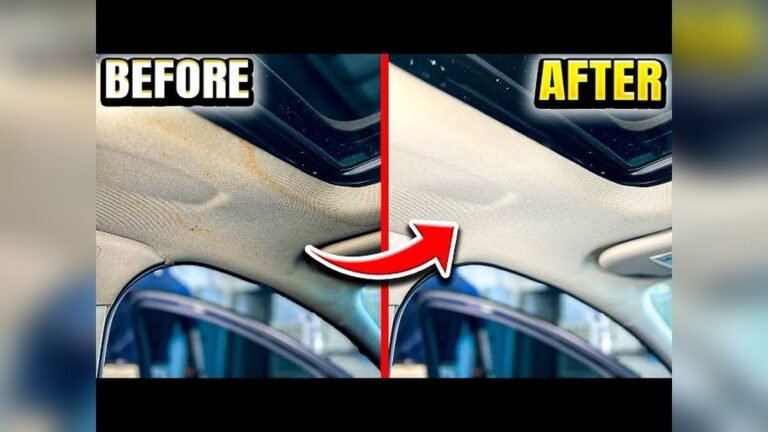
To clean a Volkswagen headliner, vacuum it first, then treat stains with a small amount of mild upholstery cleaner on a microfiber cloth. Do not soak the fabric, scrub hard, or spray cleaner directly onto the ceiling. VW headliners are often made from thin fabric bonded to foam, so excess water and strong chemicals can cause stains, sagging, or separation.
This method applies to many Volkswagen vehicles sold in the United States, including the Jetta, Golf, Tiguan, Taos, Atlas, Passat, and ID.4. Materials and trim can vary by model year, so check your owner’s manual before removing any trim or using a cleaner.

What You Need Before Cleaning a VW Headliner
Gather the following items before you start:
- A vacuum with a soft brush attachment
- Two or three clean, white microfiber cloths
- A soft upholstery brush
- Mild fabric or upholstery cleaner
- Clean, lukewarm water
- A small spray bottle
- A dry towel
- Cotton swabs for small marks
- A soft detailing brush for seams and edges
Use white cloths when possible. Colored cloths can transfer dye to light gray, beige, or black headliner fabric.
Choose a cleaner labeled for automotive fabric or upholstery. Avoid products that contain bleach, ammonia, strong solvents, or heavy degreasers. Test any cleaner on a hidden area first, such as the edge near the rear hatch or under a trim lip.
Before cleaning, park the VW in a dry, shaded place. Open the doors or windows if weather allows. A warm, dry day helps the headliner dry faster, but strong sun can make the roof very hot and may cause cleaner to dry too quickly.
Important VW headliner precautions
The headliner may sit near side-curtain airbags, wiring, microphones, lights, grab handles, and sunroof parts. Do not pull the fabric down or remove roof trim just to clean a stain.
If you must remove an overhead light, grab handle, visor, or pillar trim, follow the repair procedure for your exact VW model. Some trim pieces are near airbag systems. When in doubt, let a qualified VW technician handle removal.
How to Clean a VW Headliner Step by Step
1. Remove loose dust first
Set the vacuum to a low or moderate setting. Use the soft brush attachment and hold it just above the fabric or touch it very lightly.
Work in small sections. Move from the front of the cabin toward the rear. Pay extra attention to:
- The area above the driver’s seat
- The roof above the rear seats
- The edges near the doors
- The area around the sunroof
- The headliner near the hatch or trunk
- Air vents and overhead light openings
Do not press the vacuum nozzle firmly against the fabric. Strong suction can pull at the headliner material or leave a visible mark.
2. Blot fresh spills
If the spill is still wet, blot it with a dry microfiber cloth. Press down and lift the cloth. Do not rub side to side.
Rubbing can spread the liquid and push it deeper into the foam backing. Continue with a clean part of the cloth until no more liquid transfers.
3. Prepare a light cleaner
mix a small amount of mild upholstery cleaner according to the product label. If you use diluted soap, use only a few drops of mild soap in a cup of lukewarm water.
Do not make the cloth wet enough to drip. The goal is a slightly damp cloth, not a soaked one.
Spray the cleaner onto the cloth rather than onto the VW headliner. Direct spraying can force liquid into the foam, wiring, lights, sensors, or roof electronics.
4. Clean one small area at a time
Lightly dab the stained area. Use short, gentle strokes only when dabbing does not remove the mark.
Start at the outside of the stain and work toward the center. This reduces the chance of creating a dark ring around the spot.
Clean an area no larger than your hand at first. Wait a few minutes and check the result before treating a larger section.
5. Lift the residue
Use a second microfiber cloth dampened with clean water. Wring it out well, then blot the cleaned area.
This step helps remove leftover soap. Too much cleaner left in the fabric can attract new dirt and leave a stiff or dark patch.
6. Dry the headliner
Press a dry towel against the area to remove moisture. Then leave the doors or windows open for ventilation.
The headliner should dry fully before you close the car for a long period. Do not use a heat gun, hair dryer on high heat, or strong heater aimed at the roof.
7. Inspect the result
Once dry, check the area in natural light. Look for:
- A remaining stain
- A water ring
- A rough or fuzzy patch
- Fabric that has started to lift
- A soft or sagging section
- Cleaner residue
If the mark remains, repeat the light treatment once. Do not keep adding water or pressure. Repeated wet cleaning often causes more harm than the original stain.
How to Remove Common VW Headliner Stains
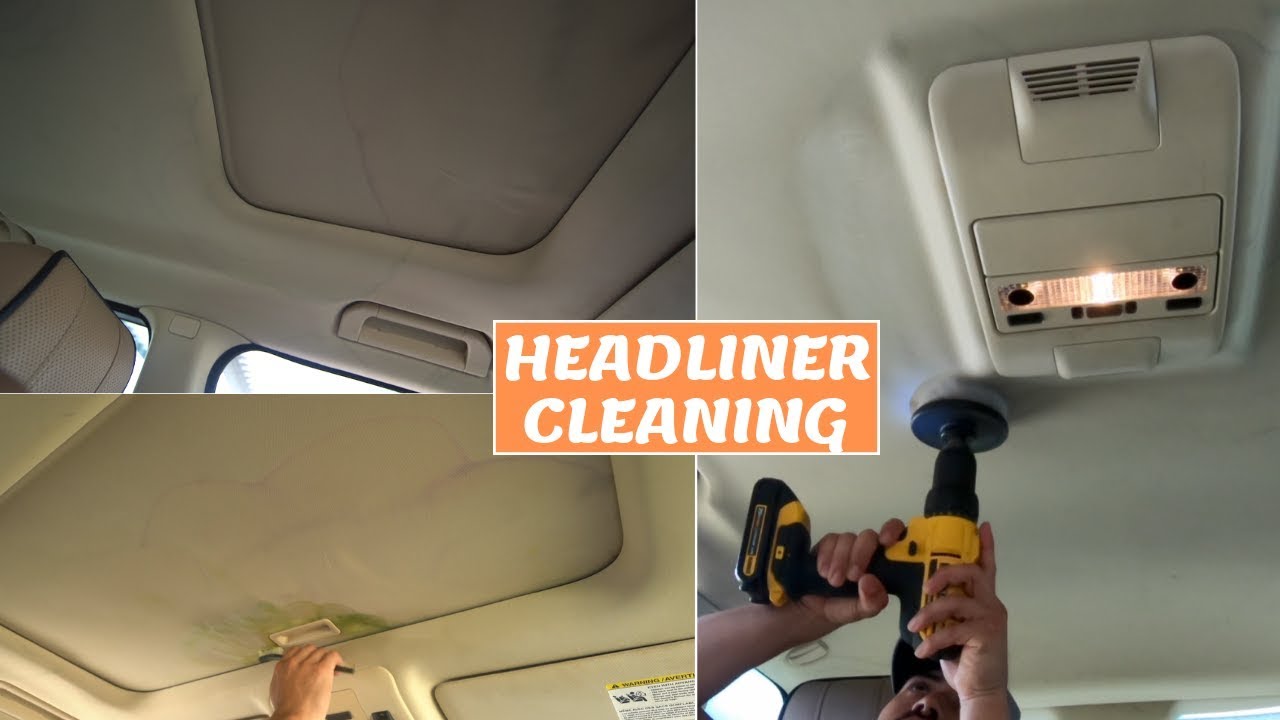
Different stains need different care. A gentle method is safer than using a strong chemical that may damage the fabric or foam.
| Stain type | First action | Recommended treatment | Avoid |
|---|---|---|---|
| Dust or light dirt | Vacuum gently | Mild upholstery cleaner on a cloth | Hard brushing |
| Coffee or soda | Blot at once | Small amount of mild cleaner, then water blot | Soaking |
| Grease or food oil | Lift solids carefully | Use an automotive fabric cleaner made for oily marks | Kitchen degreaser |
| Makeup | Remove loose material | Dab with mild fabric cleaner | Rubbing outward |
| Nicotine or smoke film | Vacuum first | Professional interior cleaning may be needed | Bleach or strong solvents |
| Mold or mildew | Do not brush dry growth | Seek professional assessment | Spraying household bleach |
| Water marks | Find the leak first | Clean only after the roof is dry | Covering the cause |
Coffee, soda, and other drinks
Blot the spill as soon as possible. Use a clean, damp cloth to dilute the mark, then blot with a dry towel.
Sugary drinks can leave a sticky residue. A second pass with a nearly dry cloth may be needed to remove that residue. Use very little water because liquid can spread through the headliner backing.
Grease and oily marks
Do not use a strong kitchen degreaser on the roof fabric. It may strip color, weaken the adhesive, or leave a larger discolored area.
Use a fabric-safe automotive cleaner and test it first. Apply the cleaner to a cloth, then dab the mark. Stop if the fabric color changes or the surface begins to look fuzzy.
Smoke odor and yellowing
Smoke odor may be present in the foam backing, carpet, seats, and air vents. Surface cleaning may reduce the smell but may not remove it.
A VW with heavy smoke residue may need professional interior cleaning. Ozone treatment also has risks and should not be used casually in an occupied vehicle. It can damage some materials and does not replace cleaning the source of the odor.
Water stains
A water mark on the headliner may point to a leak from:
- A sunroof drain
- A roof antenna
- A windshield seal
- A roof rack mounting point
- A door seal
- A hatch seal
- A roof seam
Find and repair the leak before cleaning the stain. Otherwise, the mark will return and the foam may stay damp.
Mold or mildew
Do not aggressively brush visible mold or mildew. Brushing can spread particles through the cabin and push contamination into the fabric.
Keep the vehicle dry and have the cause checked. If the odor or growth is extensive, use a professional automotive detailer or an appropriate remediation service.
How to Clean a VW Headliner Around a Sunroof
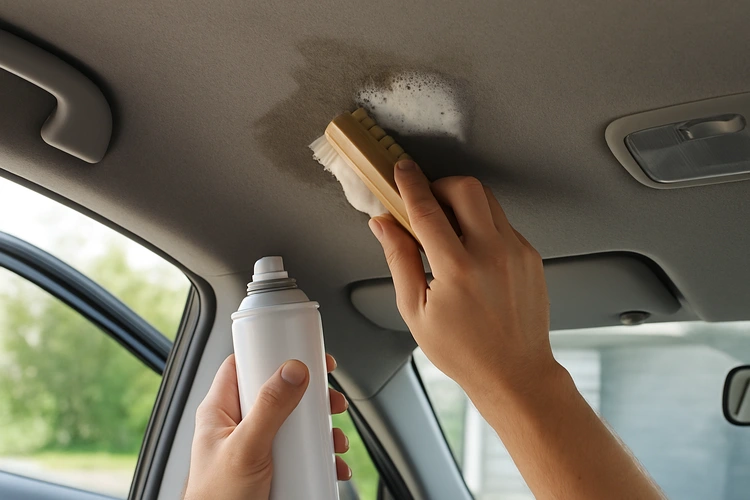
Clean around a VW sunroof with extra care because the headliner is close to drain channels, seals, switches, and electrical parts.
Vacuum loose dirt from the fabric first. Then use a barely damp cloth around the visible edge of the sunroof opening. Keep liquid away from the opening, switches, motor, and tracks.
Do not pour water into the sunroof channels to test the drains unless the vehicle’s service instructions support that procedure. A blocked drain can send water into the headliner, pillars, or floor.
If the area is wet, stained after rain, or has a musty smell, stop cleaning and inspect the leak. A clean-looking headliner will not stay clean if water is still entering the roof.
What Not to Use on a VW Headliner
Avoid products and tools that can damage the fabric, foam, adhesive, or nearby electronics.
Do not use:
- A carpet extractor on the ceiling
- A steam cleaner
- A pressure sprayer
- Bleach
- Ammonia-based cleaner
- Glass cleaner
- Acetone or paint thinner
- Strong engine degreaser
- Stiff nylon or wire brushes
- Excessive water
- High heat
- Abrasive sponges
A headliner is not the same as a removable floor mat. Floor mats can usually tolerate more water and agitation. The headliner is attached overhead, often with a thin foam layer that can separate from its backing.
A common mistake is trying to make the fabric look “deep cleaned” by soaking it. In practice, low moisture and light pressure are safer for bonded automotive headliners.

How to Fix a Sagging or Peeling VW Headliner
Cleaning will not repair a sagging, bubbling, or peeling headliner. These symptoms usually indicate that the foam backing or adhesive has failed.
Do not use household glue, spray adhesive, pins, or staples as a permanent repair. These fixes can leave hard spots, create visible marks, and interfere with trim or airbag areas.
A professional repair usually involves removing the headliner board, replacing the old foam-backed fabric, and reinstalling the board. The correct fabric must suit the vehicle and allow proper clearance around lights, handles, sunroofs, and safety equipment.
If only a small edge has come loose, a trim specialist may be able to assess it. However, pressing the fabric back into place without repairing the failed adhesive usually provides only a temporary result.
What to Do If Cleaning Makes the Stain Worse
A darker ring usually means the area became too wet or cleaner spread beyond the original mark. Stop adding product.
Blot the area with a clean, nearly dry microfiber cloth. Improve airflow and allow the headliner to dry fully. Do not scrub while it is wet.
If the mark remains after drying, compare it with an untouched area in daylight. If the fabric has changed color, the foam is visible, or the fabric feels loose, further home cleaning may make the damage worse.
Call a professional detailer when:
- The stain covers a large part of the roof
- The headliner has a strong smoke odor
- Water keeps entering the cabin
- Mold or mildew is present
- The fabric is sagging or peeling
- The car has been flooded
- You need trim removed near an airbag
Tell the detailer the vehicle’s model, model year, sunroof status, and the products already used. This information can help prevent a second chemical treatment that reacts poorly with the first.

Key Takeaways
- Vacuum the VW headliner gently before using cleaner.
- Put cleaner on a microfiber cloth, not directly on the ceiling.
- Use very little moisture and light pressure.
- Blot stains instead of scrubbing them.
- Dry the headliner with airflow, not high heat.
- Repair roof leaks before treating water stains.
- Do not steam-clean, soak, bleach, or remove trim near airbags without the correct procedure.
- Sagging fabric needs repair or replacement, not more cleaner.
FAQs About Cleaning a VW Headliner
Can I use a carpet cleaner on my VW headliner?
A carpet cleaner is usually too wet and forceful for a bonded automotive headliner. It can soak the foam, leave water rings, loosen the adhesive, or damage nearby electronics. Use a lightly damp microfiber cloth and a fabric-safe cleaner instead.
Can I use dish soap to clean a VW headliner?
A very small amount of mild dish soap diluted in water may help with a small fresh mark, but it must be used sparingly. Apply the solution to a cloth, not the headliner, and blot afterward with a clean damp cloth to remove residue.
How do I remove cigarette smoke from a VW headliner?
Vacuum the headliner and clean it lightly with an automotive fabric cleaner. Smoke odor may remain because it can enter the foam, seats, carpet, and ventilation system. Heavy smoke contamination may require professional interior cleaning.
Why does my VW headliner have water stains?
Water stains may come from a sunroof drain, antenna seal, windshield seal, roof seam, door seal, or hatch seal. Find and repair the source before cleaning. Otherwise, the stain and odor may return.
Can I remove the VW headliner to clean it?
Removal varies by model and may involve trim, wiring, curtain airbags, lights, microphones, and sunroof components. Use the repair instructions for the exact VW model and year. If the headliner must come out, professional service is often the safer option.
How often should I clean a VW headliner?
Clean it when you see dust, stains, or odor. Routine vacuuming during normal interior care is safer than frequent wet cleaning. Avoid cleaning the entire headliner unless it needs it.
Conclusion
The safest way to clean a VW headliner is to use low moisture, mild fabric cleaner, clean microfiber cloths, and gentle blotting. Start with vacuuming, treat only the stained area, and let the fabric dry with good airflow.
If the headliner is sagging, peeling, soaked, moldy, or stained by an active leak, stop cleaning and address the underlying problem. For the next step, check your VW owner’s manual for model-specific trim and roof guidance, then test your cleaning method in a hidden spot before treating the visible area.