How To Clean Convertible Headliner: Easy Guide
Introduction
Cleaning a convertible headliner in the United States takes a gentle approach. The fabric may sit under a soft top, hardtop, or folding roof, and each design can react differently to water and cleaners. Road dust, pollen, sunscreen, smoke, and mildew can build up on the headliner, but too much moisture can loosen glue, cause stains, or leave the roof damp.
The safest method is to vacuum first, spot-test a mild cleaner, clean small areas with limited moisture, and dry the headliner fully before closing the roof. Always check the vehicle owner’s manual first. Some automakers give model-specific instructions for roof fabric, trim, and water protection.
What Is a Convertible Headliner?
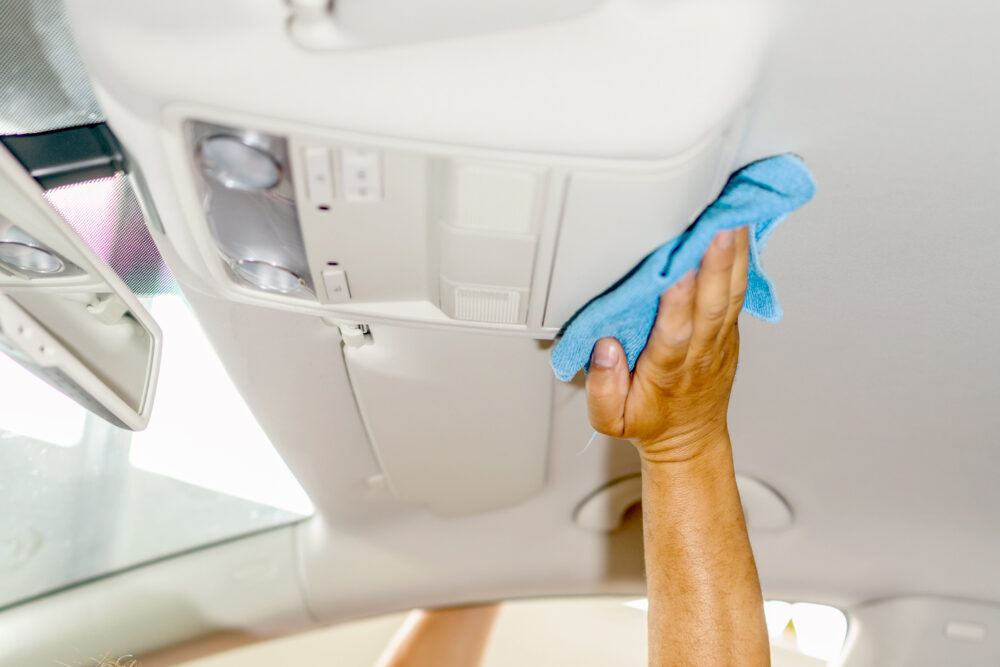
A convertible headliner is the inner fabric or trim that faces the cabin when the roof is closed. It can be part of a soft convertible top or a removable and folding hardtop.
The headliner may use:
- Woven fabric
- Foam-backed cloth
- Synthetic suede
- Felt-like material
- Vinyl or coated textile
- A molded liner in some hardtop systems
The headliner is not the same as the outside roof fabric. The outer roof must resist weather. The inner liner is made for cabin comfort and appearance. It may not tolerate the same brushes, chemicals, or water pressure.
Some convertible tops also use a headliner tension system. Small rods, clips, or straps hold the liner in place. Pulling on the fabric during cleaning can bend these parts or cause the liner to sag.
Soft-top and hardtop headliners
A soft-top headliner is usually more sensitive to soaking. Water can move through seams, collect between layers, or affect adhesive and foam.
A hardtop headliner may look like a normal car roof liner, but folding hinges and roof seals still make it different. Never clean a folding hardtop while the roof is moving. Follow the roof position listed in the owner’s manual.
What You Need Before You Start
Gather the tools before opening a cleaner. This keeps the process quick and limits the time the fabric stays wet.
You will need:
- A vacuum with a soft brush attachment
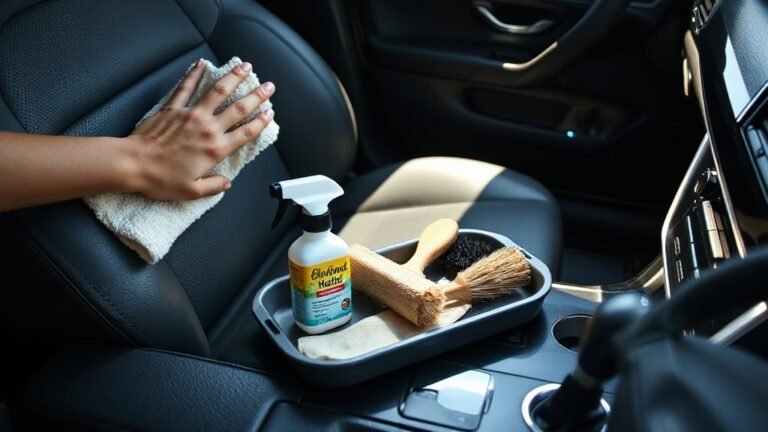
- Two or three clean microfiber towels
- A small bowl
- Lukewarm water
- A mild, pH-neutral upholstery cleaner or mild soap
- A soft interior brush, if needed
- A dry towel for blotting
- A fan or shaded, well-ventilated place
Avoid paper towels. They can shed fibers and leave a rough surface. Do not use a stiff carpet brush, kitchen sponge, steam cleaner, pressure washer, or household bleach.
Before cleaning, check these points:
- Park the car in a shaded place.
- Make sure the roof is stable and supported in the position specified by the manual.
- Remove loose items from the cabin.
- Close the windows if you are using a spray cleaner.
- Check the roof fabric for tears, loose seams, exposed foam, or detached clips.
- Take a photo of any damaged area before you begin.
Do not clean a damaged headliner as if it were sound fabric. Water may enter the roof layers and make the damage worse.
How to Clean a Convertible Headliner Step by Step
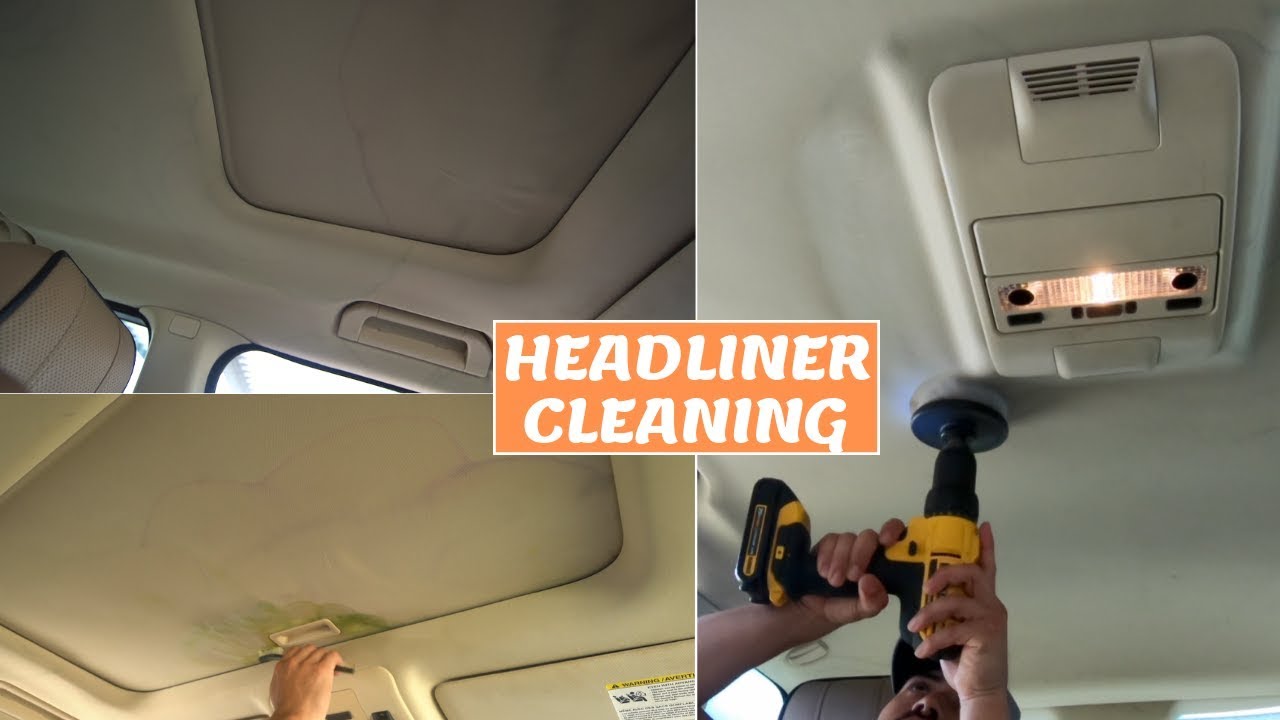
The best way to clean a convertible headliner is to use the least aggressive method that removes the soil. Most light dirt needs only vacuuming and a lightly damp towel.
1. Read the vehicle manual
Look for sections called:
- Convertible top care
- Roof care
- Interior cleaning
- Soft-top maintenance
- Hardtop operation and care
The manual may ban certain cleaners. It may also state whether the roof should be open, closed, or in a service position during cleaning.
If the manual gives different instructions, follow it instead of a general cleaning guide.
2. Let the headliner cool
Do not clean fabric that is hot from direct sun. Heat can make stains spread and can cause cleaner to dry before you remove it.
Work in shade. A temperature between mild room temperature and a cool outdoor day is easier to manage than a hot, humid afternoon.
3. Remove loose dust with a vacuum
Use a soft brush attachment. Hold the nozzle just above the fabric or let the brush touch the surface lightly.
Move in one direction, then across the area with short, gentle passes. Do not press hard. Heavy pressure can flatten the nap, stretch the liner, or push grit deeper into the cloth.
Pay special attention to:
- The front edge near the windshield
- The sides near the roof seals
- Areas above the seats
- Seams and roof bows
- Places touched by hands or luggage
If the headliner has a loose edge, do not vacuum directly over it. Clean around it and arrange a repair before using more force.
4. Test the cleaner in a hidden spot
Mix a small amount of mild cleaner with lukewarm water if the product label allows it. Apply the solution to a hidden area, such as a rear corner or a section behind a trim edge.
Wait until the spot dries. Check for:
- Color change
- Ring marks
- Sticky residue
- Fuzzing
- Stiffness
- Bleeding from a darker fabric
A cleaner that looks safe while wet may leave a mark after drying. Do not continue if the test area changes.
5. Apply cleaner to a towel, not directly to the roof
Spraying the headliner can drive liquid into seams and the roof structure. Instead, dampen a microfiber towel until it is moist but not dripping.
Wipe a small section, about 12 inches wide. Use light, straight strokes. Avoid scrubbing in circles, which may change the fabric texture.
For a fabric headliner, work from a cleaner area toward a dirtier area. This reduces the chance of spreading soil.
6. Blot stains instead of grinding them in
For a fresh spill, use a dry towel first. Press down and lift. Repeat with a clean part of the towel.
For an older stain, use a damp towel with mild cleaner. Blot from the outside edge toward the center. This helps limit the size of the mark.
Do not keep adding cleaner when the stain does not improve. A stain may be inside the foam, caused by adhesive failure, or caused by water entering from above. More scrubbing will not fix those problems.
7. Use a soft brush only when needed
If dirt remains in the fabric, use a soft interior brush with very little pressure. Make a few short passes, then wipe with a clean damp towel.
Do not brush:
- Loose seams
- Sagging fabric
- Exposed foam
- Thin or worn areas
- Areas with broken clips or rods
The goal is to lift surface dirt, not to wear down the fabric.
8. Remove cleaner residue
Use a second microfiber towel dampened with clean water. Wring it well. Wipe the cleaned area once or twice to pick up soap residue.
Do not rinse the headliner with a stream of water. Excess soap can attract more dust, while excess water can reach the roof frame and adhesive.
9. Dry the headliner fully
Blot the surface with a dry towel. Leave the vehicle in shade with the doors or windows open, if safe to do so. A fan can improve air movement.
Keep the roof in the position recommended by the owner’s manual. Do not fold or store a soft top while the headliner is damp. Trapped moisture can create odor and mildew.
The headliner should feel dry, not cool and clammy, before you close the roof or drive in wet weather.
10. Inspect the finished area
After the fabric dries, check it in normal daylight. Look for:
- Remaining rings
- Uneven color
- Cleaner residue
- New sagging
- Loose trim
- Musty odor
- Water marks
If the area looks even and the fabric remains attached, the cleaning was likely gentle enough. Repeat only if the stain is improving. Stop if the fabric becomes rough, loose, or discolored.
How to Remove Common Convertible Headliner Stains
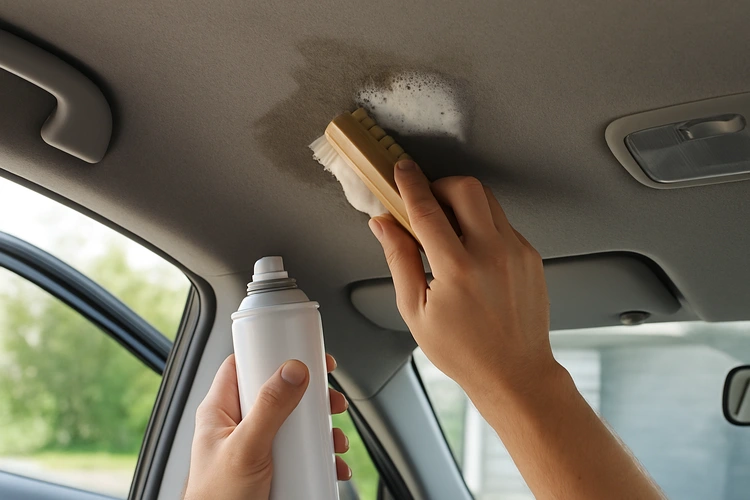
Different stains need different treatment. Start with the mildest option.
| Problem | First step | Avoid |
|---|---|---|
| Dust and pollen | Vacuum with a soft brush | Dry scrubbing |
| Food or drink | Blot, then use a damp mild-soap towel | Saturating the fabric |
| Sunscreen or skin oil | Mild upholstery cleaner on a towel | Strong degreaser |
| Smoke odor | Clean the surface and ventilate the cabin | Fragrance used to cover the odor |
| Water marks | Inspect roof seals, then spot-clean lightly | Assuming cleaner caused the mark |
| Bird droppings | Remove solids carefully, then blot with mild cleaner | Rubbing dried grit into fabric |
| Mold or mildew | Find and fix the moisture source | Bleach or sealing in damp fabric |
| Adhesive stains | Stop and seek trim repair advice | Solvents or scraping |
Removing food and drink stains
Remove solid material with a spoon or a blunt plastic edge. Do not drag the solid across the fabric.
Blot liquid with a dry towel. Then use a barely damp towel with mild cleaner. Work in small sections and remove soap residue with a separate damp towel.
Sugary drinks may leave a sticky film. If the surface remains tacky after drying, use a clean, lightly damp towel to lift the residue. Do not repeatedly wet the same area.
Treating sunscreen and oily marks
Sunscreen can leave pale or dark patches, especially above the front seats. Use a cleaner labeled for automotive upholstery, and test it first.
Apply cleaner to the towel. Wipe lightly. Follow with a clean damp towel and dry the surface. Strong household degreasers can strip color or affect the backing.
Handling water stains
A water mark may come from a leak rather than a dirty headliner. Inspect:
- Roof seams
- Side seals
- Windshield header
- Drain paths
- Rear window or hardtop seals
- Areas near roof storage points
Cleaning the mark without fixing the leak usually leads to a repeat stain. If the headliner becomes wet after rain, dry the cabin and address the source before deep cleaning.
Handling mold and mildew
A musty odor or fuzzy growth suggests a moisture problem. Do not simply spray fragrance or close the roof.
For a small surface spot, remove loose material carefully while wearing gloves and avoid spreading it through the cabin. Clean only if the fabric and backing remain intact. Keep the area dry and ventilated.
If mold covers a large area, returns after cleaning, or affects foam and roof layers, use an automotive trim or mold-remediation professional. The U.S. Environmental Protection Agency advises prompt moisture control because mold can return when the water source remains. See the EPA guide to mold and moisture.

What Not to Use on a Convertible Headliner
Some common cleaning methods can cause permanent damage.
Avoid bleach and chlorine products
Bleach can remove color, weaken fibers, and damage nearby trim. It may also leave a harsh residue in a confined cabin.
Avoid ammonia and strong solvents
Glass cleaner, acetone, mineral spirits, and heavy degreasers are not general headliner cleaners. They can affect dyes, foam, plastic coatings, and adhesive.
Avoid soaking the material
A wet headliner can develop:
- Water rings
- Sagging
- Loose adhesive
- Foam breakdown
- Odor
- Staining between fabric layers
Use a damp cloth, not a wet roof.
Avoid steam and hot water
Heat and moisture can soften adhesive and stretch the liner. Steam may also force water into seams and roof mechanisms.
Avoid pressure washing
A pressure washer can drive water through stitching, seals, and roof joints. It can also damage the outer convertible top. Keep pressure washing away from the roof and interior headliner.
Avoid stiff brushes and abrasive pads
These tools can roughen fabric and create a lighter patch that is more noticeable than the original dirt.

What to Do If the Convertible Headliner Is Sagging
Cleaning will not repair a sagging headliner. Sagging often points to failed adhesive, damaged foam, loose clips, or a bent support rod.
Do not pull the fabric tight while it is wet. Do not use household glue, spray adhesive, staples, or pins unless the vehicle repair instructions specifically approve them. These fixes can stain the fabric and interfere with roof movement.
A trim specialist can determine whether the liner needs:
- Reattachment
- New foam backing
- Replacement clips
- A new liner panel
- Repair of the folding roof frame
If the roof no longer folds or latches normally, stop operating it until the mechanism is checked. A loose liner can catch in moving parts.

How Often Should You Clean a Convertible Headliner?
Clean the convertible headliner when it is visibly dirty or develops an odor. Light vacuuming every few months can reduce buildup, especially if the car is parked outdoors.
Clean more often when:
- The car is used with the roof open often
- You drive in dusty areas
- Passengers smoke or vape inside
- Children eat in the car
- The vehicle is stored in damp weather
- Sunscreen or skin oils contact the fabric
Avoid deep cleaning on a fixed schedule if the headliner looks clean. Repeated wet cleaning can cause more wear than careful maintenance.
The best routine is simple: vacuum lightly, keep the cabin dry, remove spills soon, and inspect roof seals when water marks return.

When Should You Use a Professional?
Professional help makes sense when the headliner has structural or moisture damage.
Contact an automotive upholstery or convertible-top specialist when:
- The fabric is sagging
- Foam is crumbling
- Seams are separating
- Water enters the cabin
- Mold returns
- The stain covers most of the liner
- The headliner has changed color
- The roof mechanism is hard to operate
- The liner is attached to a complex folding roof
A detailer can clean surface soil, but a trim specialist is better suited to repair adhesive, clips, foam, seams, and roof-related leaks.

Key Takeaways
- Check the owner’s manual before using any cleaner.
- Vacuum the convertible headliner first.
- Test a mild cleaner in a hidden area.
- Put cleaner on a microfiber towel, not directly on the roof.
- Use small amounts of moisture and blot stains gently.
- Dry the headliner fully before folding or closing the roof.
- Never use bleach, harsh solvents, steam, or a pressure washer.
- Treat recurring water stains and mildew at the source.
- Have sagging, loose, or damaged fabric repaired instead of scrubbing it.
FAQs
Can I use a regular upholstery cleaner on a convertible headliner?
Only if the cleaner is suitable for the headliner material and passes a hidden-area test. Use a small amount on a towel rather than spraying the fabric directly. The vehicle manual takes priority over the product label.
Can I clean a convertible headliner while the roof is open?
That depends on the vehicle. Keep the roof in the position specified by the owner’s manual. Never clean while a powered folding roof is moving, and do not place weight on the roof frame.
How do I remove a musty smell from a convertible headliner?
Find and fix the moisture source first. Vacuum the liner, clean it with limited moisture, and dry the cabin fully. If the smell returns or mold reaches the foam, seek professional help.
Why did my headliner develop water rings after cleaning?
The fabric may have dried unevenly, or the roof may have leaked. Use a barely damp, clean towel to blend a small area only if the fabric is sound. If the mark returns after rain, inspect the roof seals and seams.
Can I use vinegar to clean a convertible headliner?
Vinegar is not a universal or manufacturer-approved cleaner for convertible headliners. It can leave odor and may affect some dyes, coatings, or adhesives. Use a mild automotive upholstery cleaner that is approved for the material instead.
How can I prevent the headliner from getting dirty?
Keep the roof closed during dusty or wet conditions, avoid touching the liner with oily hands, remove spills quickly, and vacuum lightly. Good roof-seal maintenance also helps prevent water marks and mildew.
Conclusion
The safest way to clean a convertible headliner is to clean lightly and control moisture. Start with a soft vacuum, use a tested mild cleaner on a towel, blot rather than scrub, and allow the fabric to dry completely.
If the headliner is sagging, stained by a leak, or affected by mildew, cleaning alone will not solve the problem. Repair the cause first or have a convertible-top specialist inspect the roof and liner.