How To Clean Gel Mace Out Of Car: Safe Steps
Gel mace, often called pepper gel or pepper spray, can leave an oily, sticky residue on car seats, carpets, door panels, and hard surfaces. The safest method is to remove the source, ventilate the vehicle, absorb the gel, then clean the surface with mild soap and water. Avoid heat, bleach, ammonia, and harsh solvents.
This guide applies to vehicles in the United States. If anyone has trouble breathing, severe eye pain, chest pain, or symptoms that do not improve after fresh air, call 911. For poison exposure advice in the U.S., contact Poison Control at 1-800-222-1222.

What Gel Mace Is and Why It Is Hard to Remove
Gel mace is usually an irritant spray that contains oleoresin capsicum, the hot-oil compound found in chili peppers. Unlike a fine mist, pepper gel comes out as a thicker stream. It can stick to fabric, vinyl, plastic, leather, and other car surfaces.
The residue can cause:
- Burning eyes or skin
- Coughing and throat irritation
- Sticky marks
- A strong pepper odor
- Repeated irritation when the residue is disturbed
A car may seem clean but still cause burning if residue remains in seat seams, carpet fibers, air vents, door pockets, or floor mats. Cleaning must address both visible gel and hidden residue.
“Mace” is also used as a general term for different defensive sprays. Some products contain tear-gas chemicals rather than capsaicin. If you still have the product label, check its ingredients and follow the manufacturer’s safety directions.

What to Do Before Cleaning the Car
Do not begin by scrubbing the affected area. Scrubbing can spread the gel and push it deeper into fabric or seams.
Before cleaning:
- Move the vehicle outdoors. Park in an open area away from children, pets, and other people.
- Turn off the engine. Do not run the air conditioner or heater while residue is present.
- Open all doors, windows, and the trunk. Let fresh air pass through the cabin.
- Remove loose contaminated items. Take out floor mats, clothing, bags, and removable seat covers.
- Put on protection. Use nitrile gloves and eye protection. Wear long sleeves if possible.
- Keep your hands away from your face. Do not touch your eyes, nose, or mouth during the cleanup.
- Read the car’s care manual. Leather, suede, alcantara, and coated upholstery may need special products.
If the gel is still wet, treat it as an active irritant. Keep people out of the vehicle until the cleanup is complete and the cabin has been aired out.

Supplies You May Need
Gather the supplies before you start. Use simple, mild products first.
- Nitrile gloves
- Safety glasses or protective eyewear
- Several clean microfiber cloths
- Paper towels for the first pickup
- A plastic scraper or old gift card
- Mild dish soap
- Clean, lukewarm water
- Two buckets
- A soft upholstery brush
- A wet/dry vacuum or carpet extractor
- Baking soda for odor control
- A small amount of isopropyl alcohol only if the vehicle material allows it
- A leather cleaner and conditioner for finished leather
- A trash bag for contaminated towels and disposable items
Do not use gasoline, acetone, paint thinner, strong degreasers, bleach, ammonia, or fragranced sprays. These products can damage the car and may create harmful fumes.
A wet/dry vacuum can help remove liquid from carpet, but do not use a regular household vacuum on wet gel. It may spread the residue through the vacuum and exhaust it back into the cabin.
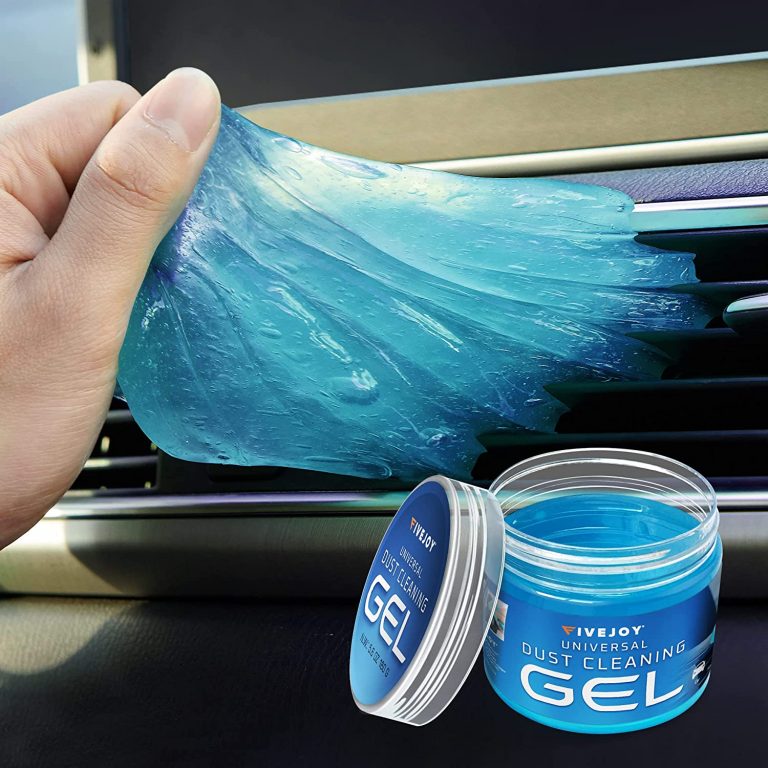
How to Clean Gel Mace Out of a Car
Follow the steps in order. Work from the least contaminated area toward the most contaminated area, and change cloths often.
1. Remove the source
Find the canister, clothing, bag, or other object that released the gel. Place it in a sealed plastic bag or separate container. Do not leave the canister in the hot vehicle.
If a person or pet is contaminated, handle that problem first. Move them to fresh air and avoid bringing contaminated clothing back into the car.
2. Pick up visible gel
Use paper towels or a plastic scraper to lift thick gel from the surface. Scoop it up rather than rubbing it in.
Place used towels in a plastic bag. Seal the bag when finished. Do not put contaminated towels on another seat, the dashboard, or the floor.
3. Blot fabric and carpet
For cloth seats and carpet, press a dry microfiber cloth onto the spot. Lift the cloth straight up. Repeat with clean sections until no more gel transfers.
Do not brush hard at this stage. A brush can spread the oily residue through the fabric.
4. Mix a mild cleaning solution
Add a small amount of mild dish soap to lukewarm water. The solution should be lightly soapy, not heavily concentrated.
A practical starting mix is:
- About 1 teaspoon of mild dish soap
- In 2 cups of lukewarm water
This is not a universal formula for every fabric. The vehicle’s care instructions take priority.
5. Clean hard surfaces
Dip a microfiber cloth into the solution and wring it out well. Wipe the dashboard, door panels, center console, handles, plastic trim, and other hard surfaces.
Use a second cloth dampened with plain water to remove soap. Then dry the area with a clean towel.
Do not spray cleaner directly onto the dashboard, instrument cluster, touchscreen, steering wheel controls, speakers, or air vents. Liquid can enter electrical parts.
6. Clean cloth seats and carpet
Use a damp, soapy cloth to blot the affected area. Work from the outer edge toward the center to reduce spreading.
Rinse the cloth often. Apply only enough liquid to lift the residue. Saturating a seat can push the gel into the foam, where it may be harder to remove and may contribute to odor or mildew.
After cleaning, blot with a dry towel. If available, use a wet/dry vacuum or upholstery extractor to remove moisture. Follow the equipment instructions and avoid over-wetting the seat.
7. Treat seat seams and floor-mat edges
Gel often remains in seams, stitching, carpet borders, and the area beneath floor mats. Use a soft brush with a small amount of cleaning solution.
Brush gently in one direction. Blot the loosened residue with a clean cloth. Repeat until the cloth no longer picks up oily material.
8. Clean removable floor mats separately
Take rubber and carpet mats outside before cleaning them.
For rubber mats, wash them with mild soap and water. Rinse well and let them dry fully.
For carpet mats, remove the visible gel first. Then blot with the mild soap solution and rinse with a clean damp cloth. Dry them outdoors in a shaded, well-ventilated place.
Do not return damp mats to the car.
9. Handle leather and synthetic leather with care
Finished leather can usually be wiped with a product made for automotive leather, but test it in a hidden spot first. Clean lightly, then apply a suitable leather conditioner if the care manual allows it.
Do not soak leather seats. Do not use household degreasers or rubbing alcohol unless the manufacturer specifically permits them. Alcohol and strong cleaners may strip color or damage the protective coating.
For perforated leather, use very little liquid. Prevent cleaner from entering the small seat holes.
10. Clean the air vents carefully
If the spray entered the vents, wipe the vent louvers with a lightly damp cloth or cotton swab. Do not pour or spray liquid into the vents.
After the visible surfaces are clean, keep the vehicle outdoors with the doors and windows open. Do not run the fan if it causes a burning smell or spreads irritation.
If the odor or irritation continues after surface cleaning, a professional detailer may need to clean the HVAC intake and cabin filter.
11. Dry and ventilate the vehicle
Leave cleaned surfaces exposed to fresh air until they are fully dry. Use fans outside the vehicle if needed, but do not use high heat.
Heat may increase fumes and can damage upholstery, plastic, adhesives, or leather. The vehicle is ready for normal use only when there is no burning sensation, strong residue, or irritating odor when the doors are opened.

Surface-by-Surface Cleaning Guide
The best cleaning method depends on the material. Always test a small hidden area first.
| Car surface | Recommended method | Main risk |
|---|---|---|
| Plastic and vinyl | Wipe with mild soap solution, rinse with a damp cloth, and dry | Cleaner entering switches or electronics |
| Cloth seats | Blot, lightly clean, rinse by blotting, and dry well | Spreading gel or soaking seat foam |
| Carpet | Remove gel, blot with soap solution, extract moisture, and dry | Residue remaining under the carpet |
| Rubber mats | Wash with mild soap and rinse outdoors | Returning them while wet |
| Finished leather | Use approved leather cleaner with minimal moisture | Removing color or protective coating |
| Suede or alcantara | Follow the material maker’s instructions or use a professional | Permanent staining and texture damage |
| Touchscreens | Use the screen maker’s approved method and a dry or barely damp cloth | Liquid or solvent damage |
| Seat belts | Wipe the webbing lightly and let it dry fully | Weakening or contaminating the belt material |
| Air vents | Wipe louvers only; do not spray inside | Spreading residue through the HVAC system |
If you cannot identify the material, use the least aggressive method: remove the gel, blot with a clean damp cloth, and seek advice before applying a chemical cleaner.

How to Remove the Pepper Odor
Odor can remain after visible gel is gone because residue may be trapped in fabric, carpet backing, seams, and the cabin filter.
Start with source removal and ventilation. These steps work better than masking the smell with air freshener.
After the surfaces are clean and dry:
- Place an open container of baking soda in the vehicle for several hours or overnight.
- Remove the baking soda before driving.
- Wash or replace contaminated floor mats if the odor remains.
- Check the cabin air filter if the smell returns when the fan is used.
- Have the HVAC system inspected if the vents continue to cause eye or throat irritation.
Do not use ozone generators in an occupied vehicle. Ozone can irritate the lungs and may damage rubber, plastics, and other materials. If odor treatment requires specialized equipment, use a qualified automotive detailer and follow the vehicle maker’s guidance.
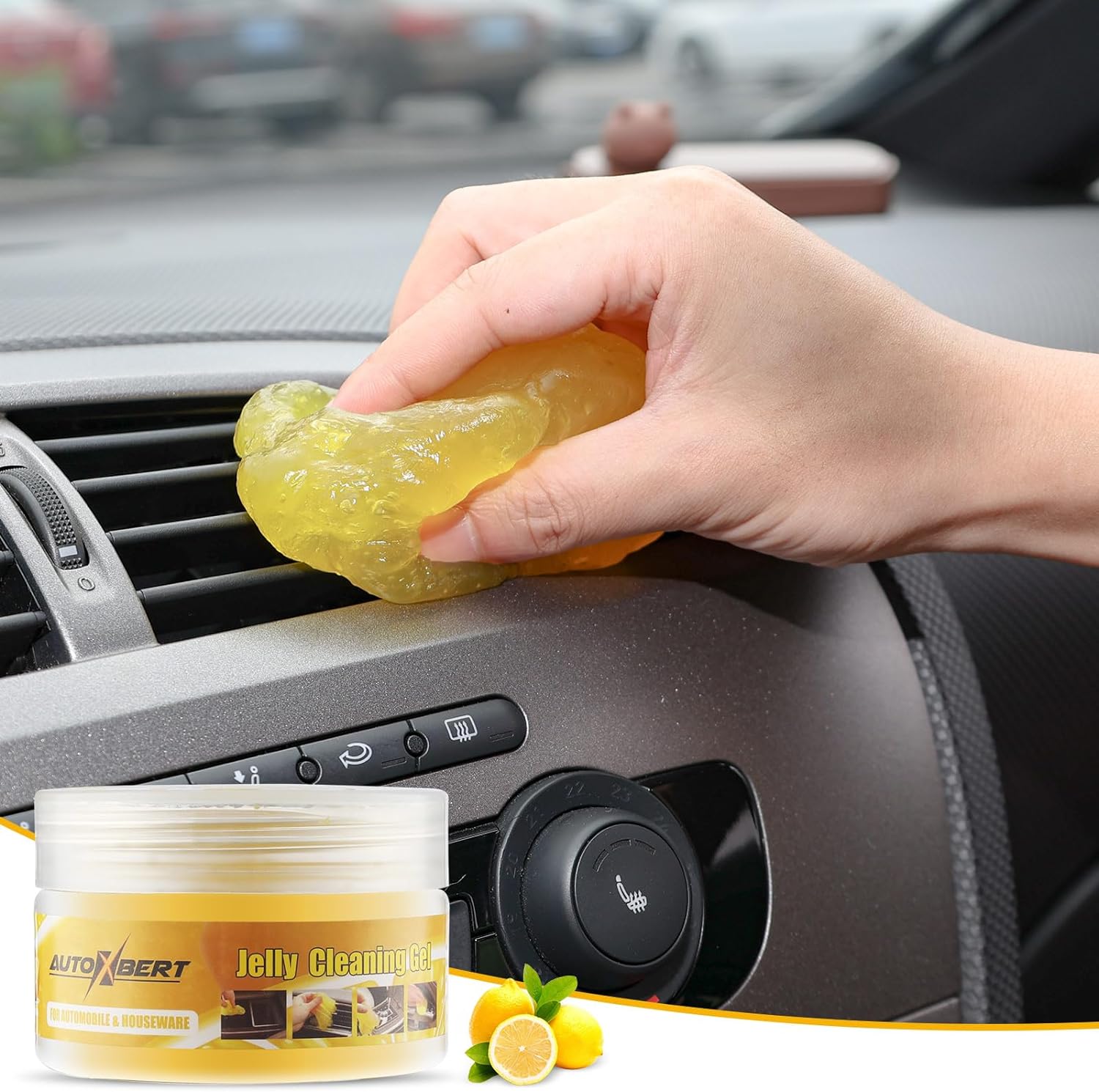
How to Know the Car Is Clean
The cleanup is likely effective when:
- No visible gel remains
- A clean white cloth stays clean after a light wipe
- The surface is not oily or sticky
- The vehicle does not cause eye, skin, or throat irritation
- No strong pepper smell returns after the car is closed for a short period
- The fan does not spread a burning odor
- Seats, carpet, and mats are completely dry
Do not rely on smell alone. Capsaicin residue may remain even when the odor is faint. If a person experiences burning after touching a cleaned surface, clean that area again with fresh cloths and mild soap solution.
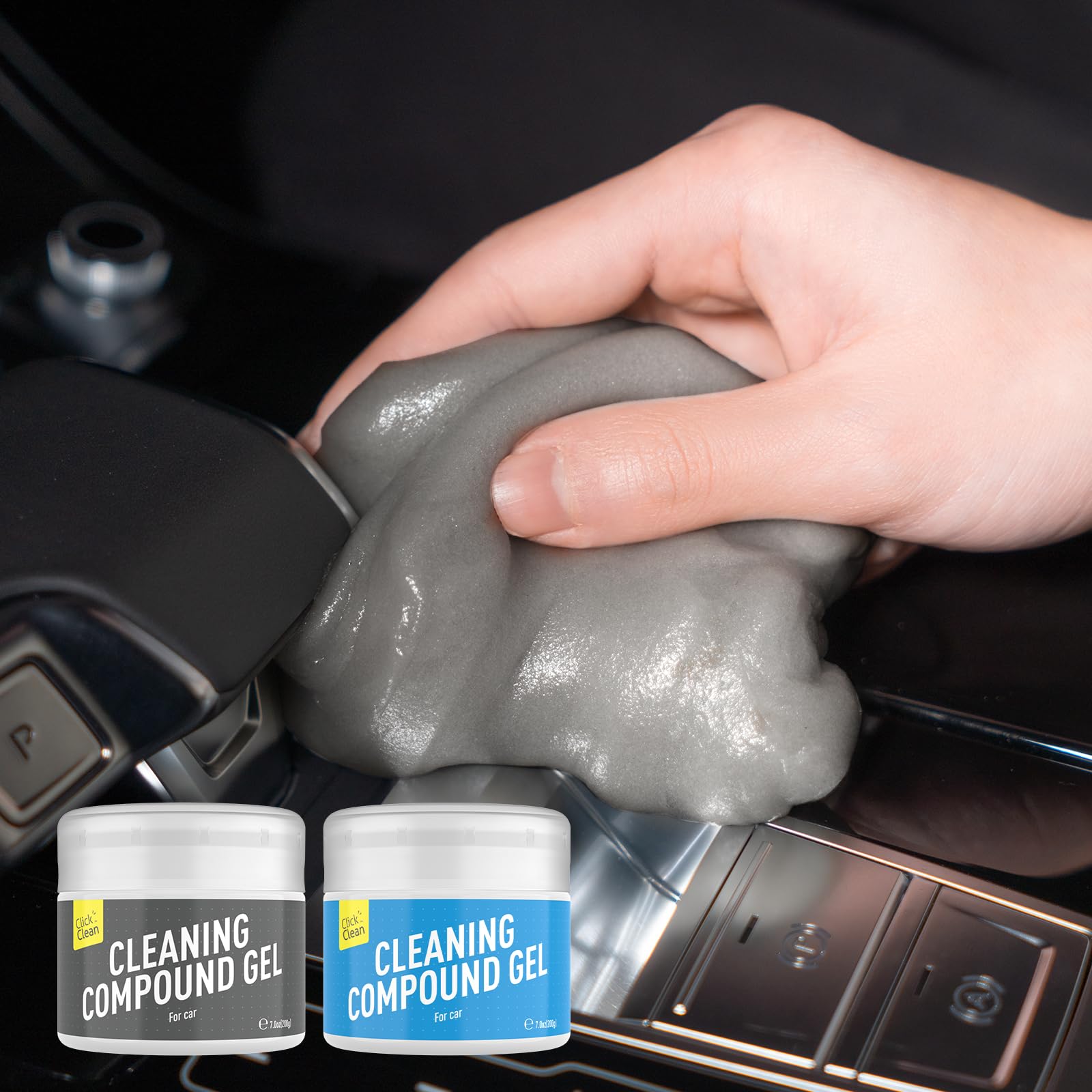
Common Mistakes to Avoid
Do not use hot water or steam first
Heat and steam may spread fumes and push oily residue deeper into upholstery. Use cool or lukewarm water instead.
Do not scrub aggressively
Hard scrubbing spreads gel across a larger area and may damage fabric or leather. Lift, blot, and repeat.
Do not mix cleaning chemicals
Never mix bleach, ammonia, solvents, or other cleaners. Dangerous vapors can form, and the mixture may damage the vehicle.
Do not run the HVAC system right away
The fan can move residue from the cabin into the vents or spread it through the car. Clean and ventilate first.
Do not use a household vacuum on wet residue
A standard vacuum may become contaminated and release irritant particles through its exhaust. Use a wet/dry vacuum designed for liquids, or blot by hand.
Do not use air freshener as a solution
Air freshener covers odor but does not remove the irritant. It may also add another source of eye or breathing irritation.
Do not wash contaminated clothing with other laundry
Seal contaminated clothing until it can be washed separately according to the spray maker’s instructions. Avoid touching your face while handling it.

When to Call a Professional Detailer
Call an automotive detailer when gel has soaked into seat foam, carpet padding, headliner material, or the HVAC system. Professional help is also sensible when the affected area is large or the vehicle still causes irritation after repeated cleaning.
Choose a detailer who can explain:
- How they will protect occupants during cleaning
- Which products they will use on the specific interior material
- How they will extract moisture
- Whether they will inspect the cabin air filter
- How they will ventilate the vehicle afterward
Do not drive the car to the detailer if entering it causes burning, coughing, or breathing trouble. Ask whether they can collect it or provide instructions for safe transport.
Replace damaged upholstery or carpet when the material continues to release irritant residue after cleaning. This may be necessary when gel has reached foam or padding that cannot be fully rinsed.
What to Do If Gel Mace Gets on Your Skin or Eyes
If gel mace gets on skin, move to fresh air and avoid rubbing the area. Remove contaminated clothing and wash exposed skin with plenty of water and mild soap.
If it gets in the eyes, remove contact lenses if possible and rinse with clean, room-temperature water for at least 15 minutes. Do not use oil, lotion, bleach, or other chemicals to neutralize the burning.
Call 911 for severe breathing trouble, chest pain, fainting, confusion, or symptoms that worsen. In the United States, Poison Control can provide exposure guidance at 1-800-222-1222.
Frequently Asked Questions
Can I use vinegar to clean pepper gel from a car?
Vinegar is not the best first choice. It does not reliably remove oily pepper residue and may add odor or affect some interior materials. Mild dish soap and water are safer starting options, followed by a clean-water wipe.
Will rubbing alcohol remove gel mace from car upholstery?
It may damage fabric dyes, vinyl, leather coatings, or plastic. Use it only if the material maker permits it and a hidden-spot test shows no damage. For most upholstery, mild soap and water are the safer first method.
How long should I air out a car after pepper gel exposure?
Keep the vehicle outdoors with doors and windows open until there is no burning sensation or strong irritating odor. The time varies with the amount of gel, weather, ventilation, and the surfaces affected.
Can I drive the car after cleaning?
Drive only when the interior is dry and does not irritate your eyes, skin, throat, or lungs. If the fan spreads an odor or burning feeling, stop using the vehicle and have the vents and cabin filter checked.
Should I replace the cabin air filter?
Replace or inspect it if gel entered the ventilation system, the smell returns when the fan runs, or cleaning the cabin does not solve the irritation. Check the vehicle manual for the correct filter and replacement procedure.
Key Takeaways
- Move the car outdoors and ventilate it before cleaning.
- Wear gloves and eye protection.
- Lift and blot gel instead of scrubbing it.
- Use mild dish soap and lukewarm water on compatible surfaces.
- Avoid bleach, ammonia, solvents, heat, steam, and harsh degreasers.
- Keep liquid away from electronics and air vents.
- Clean mats, seams, carpet edges, and other hidden areas.
- Do not use the car until it is dry and no longer causes irritation.
- Call a professional if gel reaches seat foam, the headliner, or the HVAC system.
Conclusion
To clean gel mace out of a car, remove the contaminated source, ventilate the cabin, pick up visible gel, and blot affected surfaces with a mild soap solution. Use different care for cloth, leather, plastic, rubber, screens, and vents. Work slowly, avoid harsh chemicals, and stop if cleaning spreads fumes or causes symptoms.
If irritation continues after cleaning, do not keep driving the vehicle. A professional detailer can inspect the upholstery, padding, carpet, and ventilation system and determine whether deeper cleaning or replacement is needed.