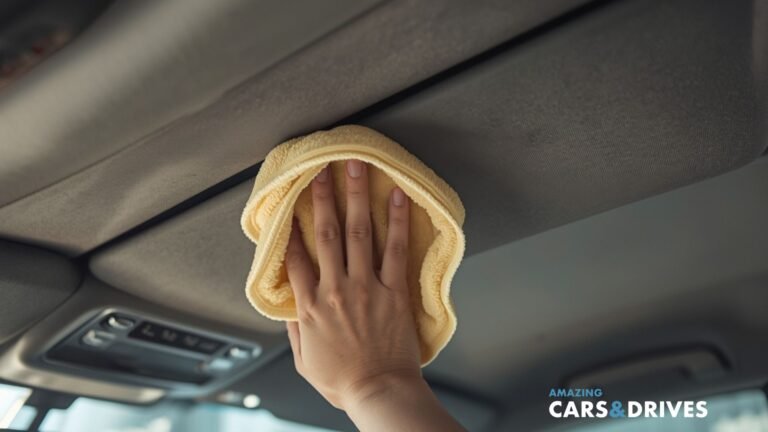
How To Clean Car Gooey Putty: Easy Removal Guide
To clean gooey putty from a car, first harden the putty with ice, lift away the bulk with a plastic card, then clean the remaining film with a mild soap solution. Use a cleaner made for the affected surface only after a hidden-spot test. Avoid heat, sharp tools, and strong solvents, which can spread the mess or damage your car’s finish.
This method works for common children’s putty, slime, gel toys, adhesive putty, and similar sticky materials found in cars across the United States. The best approach depends on whether the putty is on a dashboard, fabric seat, carpet, leather, vinyl, glass, or painted body panel.

What You Need Before Cleaning Car Putty
Gather simple tools before you start:
- Ice cubes in a sealed plastic bag or a reusable cold pack
- Several clean microfiber cloths
- A plastic scraper, old gift card, or plastic spoon
- A vacuum with a narrow attachment
- Mild dish soap
- Warm water
- A small bowl
- Cotton swabs for seams and edges
- A soft-bristled brush for fabric
- A leather cleaner and conditioner, if needed
- A small amount of isopropyl alcohol only when the surface allows it
Park the car in a shaded place if possible. Heat from an American summer sun can soften putty and make it spread across the surface. Work with the doors open so the area has good airflow.
Check the car owner’s manual before using a chemical cleaner. Interior materials vary. A surface that looks like leather may be coated leather, vinyl, synthetic leather, or a blend. Each material can react differently to alcohol, oil, ammonia, and citrus solvents.
Before using any cleaner, test it on a hidden area. Good test spots include the underside of a seat, the edge of carpet beneath a seat, or an unseen section of trim. Wait several minutes and check for color loss, dullness, swelling, or stickiness.

How to Remove Gooey Putty From a Car Interior
The safest general process is to make the putty firm, lift it away, and then remove the thin residue.
1. Harden the putty
Place ice inside a sealed bag. Hold it against the putty for about 5 to 10 minutes, or until the material feels firm.
Do not place loose ice directly on fabric, leather, or electrical controls. Melting water can soak into seams and cause a second problem.
For a large amount of putty, move the ice slowly across the surface. The goal is to cool the material without soaking the area.
2. Lift the solid pieces
Use a plastic card or plastic scraper to lift the hardened putty. Push under the edge instead of scraping back and forth.
Work from the outside toward the center. This keeps the mess from spreading. Remove the lifted pieces with a paper towel or place them in a disposable bag.
Do not use a razor blade, knife, metal scraper, or screwdriver. These tools can cut upholstery, scratch plastic, or remove the top layer of a painted panel.
3. Vacuum loose crumbs
Use a vacuum after removing the larger pieces. A narrow attachment helps reach seat seams, carpet edges, and gaps around the center console.
If the putty is still soft, skip the vacuum for now. Soft putty can stick to the vacuum nozzle and spread to other areas.
4. Clean the remaining film
Mix a small amount of mild dish soap with warm water. Dampen a microfiber cloth rather than soaking the surface.
Wipe the residue with short, gentle strokes. Turn the cloth often so you do not rub the same putty back onto the car.
Use a second cloth dampened with clean water to remove soap. Then dry the area with a fresh microfiber towel.
5. Inspect the area
Look at the surface from several angles. A thin oily or shiny patch may remain even when the putty is gone.
Repeat the mild soap process once if needed. Do not keep scrubbing harder. Aggressive rubbing can push residue deeper into fabric or wear through a surface coating.
Signs of success include:
- No visible putty
- No tacky feel when you touch the area lightly
- No transfer to a clean white cloth
- No strong cleaner smell
- No change in color or sheen

Surface-Specific Ways to Clean Gooey Putty
The same cleaner should not be used on every part of a car. Use the method that matches the material.
Fabric seats and carpet
For cloth upholstery or carpet, remove as much putty as possible while it is cold and firm. Use a plastic card, then vacuum the crumbs.
For the residue, apply a small amount of mild soap solution to a cloth. Blot the area instead of flooding it. A soft brush can loosen residue from carpet fibers, but use light pressure.
Do not soak a seat. Water can remain inside the foam and create odor or mildew concerns. After cleaning, press dry towels over the spot and leave the car ventilated until the area is fully dry.
If the putty contains dye and a colored mark remains, stop before using a strong stain remover. Some dyes can bond to fabric, and household bleach can permanently damage automotive upholstery. A professional detailer may be safer for a large or stubborn stain.
Leather seats
Use the ice-and-lift process first. Then wipe the area with a cleaner labeled for automotive leather.
Avoid household degreasers, acetone, nail-polish remover, and unapproved alcohol products. These may strip protective coatings or leave leather dry and dull.
After the area dries, apply a compatible leather conditioner if the vehicle’s care instructions allow it. Do not apply conditioner while sticky residue remains because it can trap the film.
Vinyl and synthetic leather
Vinyl and synthetic leather usually tolerate mild soap and water, but their printed grain and protective coatings can still be damaged by harsh chemicals.
Use a damp microfiber cloth and gentle pressure. Cotton swabs can help clean seams without spreading the putty across the seat.
Avoid oily products unless the product label specifically approves them for automotive vinyl. Oil can leave a slippery surface that attracts dust.
Plastic dashboards and trim
Harden the putty and lift it with a plastic card. Clean the remaining film with mild soap solution on a cloth.
Keep liquid away from vents, switches, screens, USB ports, and seams around electronic controls. Spray cleaner onto the cloth, not directly onto the dashboard.
Do not use abrasive powders or melamine foam unless the trim maker approves them. These products can change the sheen of textured plastic.
Glass and windows
For glass, remove the solid material with a plastic scraper. A mild soap solution usually removes the remaining film.
Dry the glass with a clean microfiber towel. If a greasy haze remains, use an automotive glass cleaner. Keep the cleaner off nearby rubber, leather, and plastic trim.
Do not use a razor blade on tinted film. A blade can scratch the film or lift its edges.
Painted exterior panels
If putty is stuck to the outside of the car, cool the area in the shade and lift the material with a plastic card.
Wash the panel with car-wash soap and water. Dry it with a clean microfiber towel.
Avoid scraping dry putty across clear coat. If a sticky film remains, use an automotive adhesive or tar remover only after checking its label and testing an unseen area. Do not use gasoline, paint thinner, acetone, or abrasive household cleaners.
What to Use—and What to Avoid
The safest cleaner depends on the surface and the type of residue.
| Cleaner or method | Best use | Main risk |
|---|---|---|
| Ice in a sealed bag | Hardening soft putty | Water entering seams if the bag leaks |
| Plastic card | Lifting firm material | Low risk when used gently |
| Mild soap and water | Removing light residue from most hard surfaces | Too much water can harm upholstery or electronics |
| Automotive glass cleaner | Film on plain glass | Overspray on trim or leather |
| Automotive leather cleaner | Leather seats and panels | Damage if the product is not compatible |
| Isopropyl alcohol | Some hard, non-coated surfaces after testing | Can remove dye, finish, or protective coating |
| Citrus or adhesive remover | Stubborn exterior residue after testing | May soften plastics, stain fabric, or affect clear coat |
| Heat or a hair dryer | Generally avoid | Can spread putty and soften plastics |
| Acetone or nail-polish remover | Avoid on vehicle interiors and paint | Can dissolve coatings and discolor surfaces |
| Gasoline or paint thinner | Avoid | Fire, fumes, staining, and surface damage |
Isopropyl alcohol deserves extra caution. It may help on a small amount of residue on some hard, uncoated surfaces, but it is not a universal car cleaner. Never assume it is safe for leather, vinyl, painted trim, touchscreens, or tinted film.
“Natural” cleaners are not automatically safe. Oils, vinegar, citrus extracts, and essential oils can leave residue or affect coatings. The label and a hidden-spot test matter more than the marketing claim.

How to Remove Stubborn or Dried Putty
If the putty has dried, break it into small pieces rather than trying to pull off one large section.
Hold a sealed ice pack against the material. Once it becomes brittle, lift the pieces with a plastic card. For fabric, use a soft brush only after the larger pieces are gone.
If a thin layer remains, repeat the mild soap treatment. Use several light passes instead of one wet, forceful scrub.
For putty that contains oil, glitter, pigment, or adhesive, the residue may need a surface-specific cleaner. Follow the cleaner’s label, use ventilation, and test first. Never mix cleaners.
Stop and seek professional detailing help when:
- The stain covers a large seat or carpet area
- Dye has spread into light-colored fabric
- Putty is inside a seat seam or ventilation opening
- A touchscreen or switch has become sticky
- The clear coat looks dull after residue removal
- The material has hardened deep inside upholstery
- You are unsure whether the surface is leather, vinyl, or coated plastic
A detailer can use controlled extraction or specialized products. That is safer than repeatedly applying stronger household chemicals.

Common Mistakes That Make Putty Removal Worse
The most common mistake is using heat. A warm towel, hair dryer, or hot car interior can make putty softer and more adhesive. Cooling it first usually makes removal easier.
Another mistake is rubbing before removing the bulk. Rubbing pushes the material into cloth fibers, seat seams, textured plastic, and carpet.
Avoid these errors:
- Pouring cleaner directly onto the seat or dashboard
- Using a knife or razor on upholstery or tinted glass
- Scrubbing a stain with a stiff brush
- Soaking foam seats
- Applying leather conditioner over residue
- Using acetone, gasoline, or paint thinner
- Mixing soap with bleach, ammonia, or solvent products
- Ignoring the cleaner’s hidden-spot test
- Closing the car while a damp seat is still wet
If the area becomes more sticky, stop rubbing. Cool it again, lift the new layer, and switch to a clean cloth.

How to Prevent Gooey Putty From Sticking to the Car
Keep putty in a sealed container when it is not in use. Do not leave it on a dashboard, seat, or center console, especially during hot weather.
Use a washable tray, plastic bag, or small storage box for children’s putty during car trips. Check that the container closes firmly and does not leak.
Clean small residue marks soon after they happen. Fresh putty is often easier to remove before heat, dust, and pressure work it into the surface.
A simple prevention routine helps:
- Store putty in a sealed container.
- Keep it away from direct sun and warm dashboards.
- Check seats and floor mats after each trip.
- Remove residue before it is pressed into fabric.
- Keep a plastic card and microfiber cloth in the car-cleaning kit.

FAQs About Cleaning Car Gooey Putty
Can I use WD-40 to remove putty from a car?
It is better to avoid WD-40 on car interiors unless the surface and product label specifically allow it. It can leave an oily film and may affect fabric, leather coatings, vinyl, or plastic. Start with ice, a plastic card, and mild soap instead.
Will vinegar remove sticky putty?
Vinegar is not the best first choice. It may not remove the oily or adhesive part of the residue, and its acidity can be unsuitable for some coatings and materials. Use a mild soap solution first.
How do I get slime out of a car seat?
Harden the slime with ice in a sealed bag, lift the solid pieces, vacuum the crumbs, and blot the remaining film with mild soap solution. Avoid soaking the seat cushion.
Can I use rubbing alcohol on car upholstery?
Do not use rubbing alcohol on upholstery without checking the material and testing an unseen area. It can remove color or affect protective coatings. It is especially risky for leather, vinyl, dyed fabric, and finished plastic.
What if the putty is stuck in a seat seam?
Cool the putty, lift what you can with a plastic card or cotton swab, and vacuum loose pieces. Do not force tools deep into the seam. If residue remains inside the seat, a professional detailer can remove it with less risk of spreading it.
Final Recommendation
The safest way to clean car gooey putty is to cool it, lift it, vacuum the crumbs, and clean the remaining film with a small amount of mild soap solution. Match every stronger cleaner to the surface, test it first, and keep liquids away from electronics and seat foam.
If the spot is still sticky after two gentle cleaning passes, stop adding chemicals. A professional detailer is usually the better choice for dyed fabric, leather, seams, touchscreens, and painted surfaces.