
What Is A Car Battery Monitor: Simple Guide
A car battery monitor tracks battery voltage, charge, health, and power use to warn you before starting problems occur.
A car battery monitor turns hidden electrical data into a clear picture of your vehicle’s battery condition. Whether you drive a daily commuter, classic car, truck, camper, or vehicle with a dash camera, learning what is a car battery monitor can help you prevent surprise no-starts, protect the battery, and diagnose electrical faults with greater confidence.
What Is a Car Battery Monitor?
A car battery monitor is an electronic device that measures and reports the condition of a vehicle’s battery. Most monitors track voltage, while more advanced models also measure current, charge level, battery health, and power use when the engine is off.
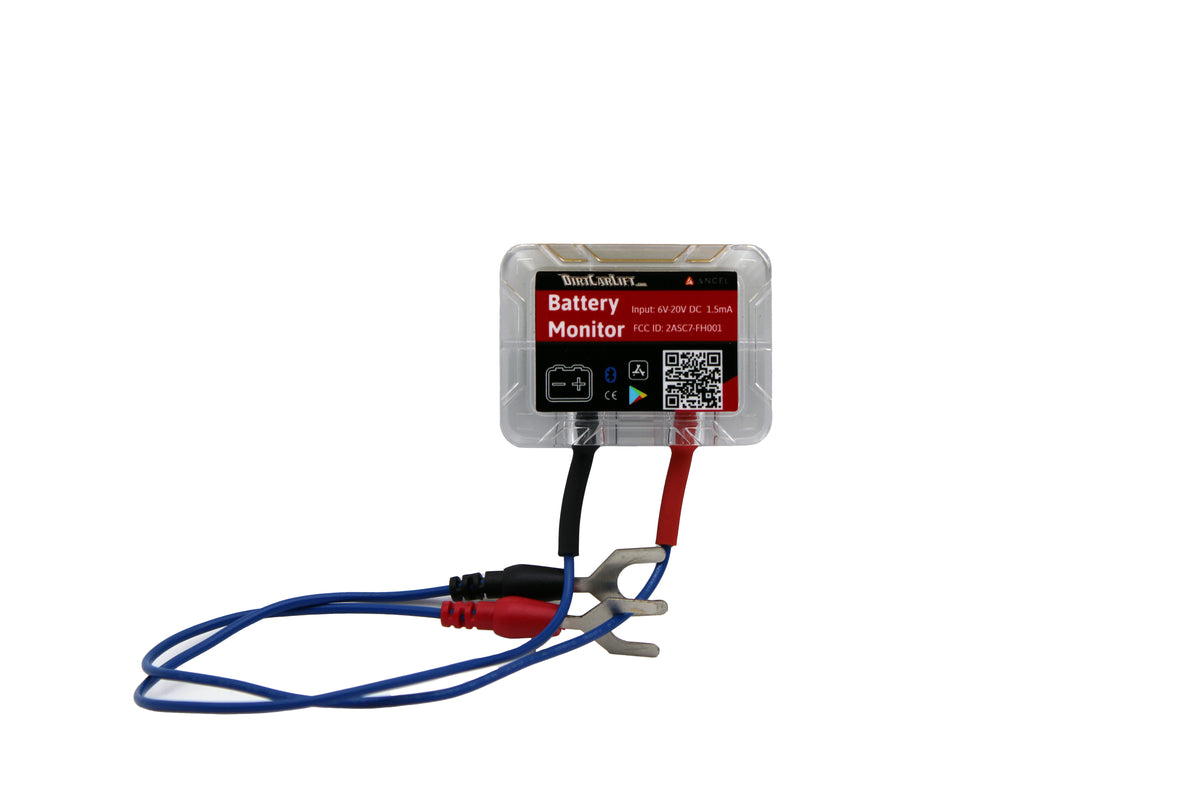
The monitor may connect directly to the battery terminals, plug into a 12-volt outlet, or communicate through Bluetooth with a smartphone app. Some newer vehicles include similar battery data within the vehicle’s built-in energy management system.
A simple voltage monitor acts like a fuel gauge for electricity. It shows the battery’s electrical pressure, but it does not always reveal how much energy the battery can store or deliver. A smart battery monitor goes further by tracking energy flowing into and out of the battery over time.
In plain terms, what is a car battery monitor? It is an early warning tool. It can tell you when a battery is losing charge, when the alternator may not be charging correctly, or when an accessory is draining power while the vehicle is parked.

How Does a Car Battery Monitor Work?
A car battery monitor uses sensors to collect electrical information. The monitor then displays that information through an LED screen, gauge, phone app, or vehicle display.
Most systems measure one or more of these values:
• Voltage: The electrical pressure present at the battery terminals.
• Current: The amount of electricity moving into or out of the battery.
• State of charge: The estimated percentage of usable charge remaining.
• State of health: An estimate of the battery’s ability to hold and deliver energy.
• Temperature: Battery temperature can affect charging and performance.
• Power use: The amount of energy used by accessories while the engine is off.
A basic monitor reads voltage in real time. A more advanced unit uses a shunt, which is a precise measuring device installed in the main negative battery cable. The shunt measures current flow without placing a large load in the circuit.
The monitor’s processor combines these readings with battery settings, such as battery type and capacity. It then estimates the battery’s remaining charge. This method is useful, but it is still an estimate. Battery age, temperature, charging history, and electrical noise can affect accuracy.
A practical example makes this easier. If a vehicle sits overnight and the battery voltage drops much lower than expected, the monitor may reveal a weak battery or an unwanted electrical draw. If voltage rises properly when the engine starts, the alternator is likely charging, although voltage alone cannot prove that the entire charging system is healthy.

What Does a Car Battery Monitor Measure?
Understanding the readings helps you avoid incorrect conclusions. A low number does not always mean the battery has failed, and a normal number does not guarantee that the battery is strong.
Battery voltage
A fully charged, healthy 12-volt lead-acid battery often rests near 12.6 to 12.8 volts after sitting for several hours. A reading near 12.4 volts may suggest partial charge, while a reading near 12.2 volts usually indicates a much lower charge level.
These figures are general guides, not exact test results. The battery should rest without a recent drive or charging session for the reading to mean much. Right after driving, surface charge can make the voltage look higher than the true resting value.
Charging voltage
With the engine running, many conventional charging systems show roughly 13.5 to 14.8 volts. The exact value depends on the vehicle, battery type, temperature, and charging strategy.
Modern vehicles may use smart alternators. These systems adjust charging voltage to reduce fuel use and manage battery life. As a result, voltage may move up and down during normal driving.
State of charge
State of charge estimates how full the battery is. A monitor may show this as a percentage, such as 80% or 45%.
The estimate becomes more useful when the monitor measures both voltage and current over time. A voltage-only device cannot accurately calculate state of charge under every condition.
State of health
State of health describes how much performance the battery has lost compared with when it was new. A battery may show a full charge but still have poor health and fail when the starter demands high current.
A proper battery tester checks cranking ability and internal resistance. Some smart monitors estimate health, but they should not replace a professional load test when the battery is suspected to be defective.
Parasitic drain
Parasitic drain is the electrical power used while the vehicle is parked and turned off. A small amount is normal because systems such as clocks, security alarms, and computer memory need power.
Excessive drain can come from a glove box lamp, aftermarket stereo, dash camera, remote starter, trailer accessory, or control module that fails to enter sleep mode. A monitor can show that the battery is losing energy, but a multimeter or current clamp is usually needed to find the exact source.

Types of Car Battery Monitors
The best car battery monitor depends on how you use the vehicle and how much information you need.
Plug-in voltage monitors
These devices plug into a 12-volt accessory socket. They are simple, affordable, and easy to move between vehicles.
Their main weakness is that the outlet may turn off when the ignition is off. In that case, the monitor cannot track the battery during long parking periods. Some outlets remain powered, which can also drain the battery if the monitor itself uses too much energy.
Direct-connect voltage monitors
These monitors connect to the battery terminals or another approved electrical point. They can watch voltage while the vehicle is parked and often use very little power.
Installation quality matters. Loose terminals, damaged wires, and poor weather protection can cause false readings or create safety risks.
Bluetooth battery monitors
Bluetooth models connect to a smartphone app. They may record voltage over time and send alerts when voltage falls below a selected level.
They are useful for vehicles that sit unused, such as motorcycles, collector cars, boats, and recreational vehicles. However, Bluetooth range is limited. You may not receive an alert when you are far from the vehicle unless the monitor also has cellular or Wi-Fi support.
Shunt-based battery monitors
A shunt-based monitor measures current flowing in and out of the battery. This design can provide a better estimate of charge than a voltage-only monitor.
It is especially useful in campers, work trucks, and vehicles with extra batteries or heavy accessory use. Installation is more complex because nearly every battery load must pass through the shunt for accurate readings.
Built-in vehicle battery monitoring systems
Many newer cars use a battery sensor on the negative terminal. The vehicle computer uses this information to control charging and manage electrical loads.
These systems are not always visible to the driver. A scan tool may be needed to read their data. Replacing the battery may also require registration or programming, especially when the vehicle uses an intelligent battery sensor.

Benefits of Using a Car Battery Monitor
A car battery monitor cannot prevent every battery failure, but it can provide valuable warning signs.
It can prevent surprise no-starts
A gradual loss of charge may become visible days before the vehicle refuses to start. This gives you time to charge the battery, inspect the vehicle, or arrange a replacement.
It helps protect expensive batteries
Low charge for long periods can damage lead-acid batteries through sulfation. A monitor can show whether a parked vehicle needs a maintenance charger.
For vehicles with AGM or lithium auxiliary batteries, monitoring is even more important. These batteries have different charging needs and should not be judged by the same voltage rules used for standard flooded batteries.
It reveals accessory problems
A dash camera, alarm, stereo amplifier, or GPS tracker may consume more power than expected. Watching voltage and current over several hours can help identify a pattern.
It supports preventive maintenance
Instead of waiting for a dashboard warning, you can watch battery behavior over time. A battery that charges slowly, drops quickly, or shows unusual voltage changes deserves further testing.
It helps with seasonal storage
Cold weather reduces battery performance, while heat speeds battery aging. A monitor helps you check a stored vehicle without starting it every few days, which is often better than taking short trips that never fully recharge the battery.

Limitations of a Car Battery Monitor
Knowing what is a car battery monitor also means understanding what it cannot do.
A voltage reading is not a complete battery diagnosis. A weak battery may display normal voltage when there is no load, then collapse when the starter operates. For this reason, a starting problem may require a conductance test or load test.
Monitor accuracy can also vary. Low-cost products may have loose voltage tolerances, poor temperature compensation, or weak app software. A difference of a few tenths of a volt can change how you interpret the battery’s condition.
Smart charging systems create another challenge. A modern vehicle may intentionally lower alternator voltage during some driving conditions. The monitor may show a low number even though the vehicle is operating as designed.
Other limitations include:
• A monitor may not detect a bad starter motor.
• It may not prove that an alternator can provide enough current under heavy load.
• It may not locate the exact source of a parasitic drain.
• It may estimate battery health incorrectly if the battery settings are wrong.
• It cannot replace safe inspection by a qualified technician.
Use the monitor as an early warning system, not as the only diagnostic tool. When the readings conflict with symptoms, test the battery and charging system with proper equipment.

How to Install a Car Battery Monitor
Installation depends on the monitor design. Always follow the product instructions and the vehicle manufacturer’s guidance.
For a basic voltage monitor, plug the unit into an outlet that provides power when you need to observe the battery. For a direct-connect model, connect the positive wire to the battery’s positive terminal and the negative wire to the recommended ground point.
A shunt-based monitor requires more care:
-
Turn off the vehicle and remove the key.
-
Disconnect the negative battery cable according to the vehicle instructions.
-
Install the shunt in the main negative cable path.
-
Connect all negative loads to the correct side of the shunt.
-
Connect the monitor’s small power wire as directed.
-
Enter the battery type and capacity in the app or display.
-
Charge the battery fully and calibrate the monitor if the instructions require it.
Do not place a fuse where the manufacturer does not specify one. Protect added wiring from heat, sharp edges, water, and moving parts. Never allow a metal tool to bridge the positive terminal and vehicle body, because that can cause sparks, burns, or battery damage.
A useful workshop lesson is simple: neat wiring is not just about appearance. Loose connections and poor grounds create false readings. Before blaming the battery, inspect the terminals, cables, ground straps, and monitor connections.

How to Choose the Best Car Battery Monitor
Start with your goal. If you only want to check whether a battery is charging, a voltage monitor may be enough. If you need to track an RV battery overnight, choose a shunt-based system with current measurement.
Consider these points:
• Vehicle type: Cars, trucks, motorcycles, boats, and RVs may need different installation methods.
• Battery type: Check support for flooded lead-acid, AGM, gel, or lithium batteries.
• Measurement range: Confirm that the monitor supports your vehicle’s voltage system.
• Data access: Choose an LED display, Bluetooth app, or remote alert system based on where the vehicle is stored.
• Power use: The monitor should have a low standby draw.
• Weather resistance: Outdoor vehicles need protection from water, dust, and temperature changes.
• Alert settings: Adjustable low-voltage and high-voltage warnings are useful.
• Installation: A shunt model may need more skill than a plug-in model.
• Data history: Stored readings can help show whether a problem is sudden or gradual.
Avoid choosing based only on a high number of features. A reliable, clear monitor with accurate readings is often more useful than a complex product that is difficult to install or understand.
How to Read Common Battery Monitor Alerts
A low-voltage alert may mean the battery is discharged, aging, exposed to cold, or being drained by an accessory. Recharge the battery with the correct charger before deciding that it needs replacement.
A high-voltage alert may point to a charging system problem. Excessive charging voltage can damage sensitive electronics and shorten battery life, so investigate it promptly.
A rapid voltage drop while parked suggests a high electrical load or a weak battery. If the drop happens only when the engine starts, the battery may have high internal resistance or poor cable connections.
Use a simple process:
-
Let the vehicle sit with all doors closed and accessories off.
-
Check the resting voltage after several hours.
-
Start the engine and observe the charging pattern.
-
Turn on headlights, climate controls, and other loads.
-
Compare the monitor readings with a trusted multimeter.
-
Seek professional testing if the results remain unusual.
Never rely on one reading taken at one moment. Trends are more useful than snapshots.

Car Battery Monitor Safety Tips
Automotive batteries can deliver very high current. They can cause sparks, burns, eye injuries, and damage to electronic systems when handled carelessly.
Follow these safety habits:
• Wear eye protection when working near the battery.
• Keep flames, cigarettes, and sparks away from lead-acid batteries.
• Follow the correct polarity when connecting wires.
• Use the correct fuse and wire size.
• Do not charge a damaged, swollen, or leaking battery.
• Keep lithium batteries away from heat and use an approved charger.
• Avoid placing the monitor wire near exhaust parts or belts.
• Disconnect power before changing wiring.
If a battery is swollen, cracked, leaking, or producing a strong sulfur smell, stop work and arrange safe professional handling. Monitoring data is never worth risking personal safety.
Frequently Asked Questions About What Is a Car Battery Monitor
What is a car battery monitor used for?
A car battery monitor checks voltage, current, charge level, and sometimes battery health. It helps identify low charge, charging problems, and electrical drain before they cause a no-start condition.
Can a car battery monitor tell me when to replace my battery?
It can show warning signs, but it cannot always confirm battery failure. A professional load test or conductance test is the best way to verify whether the battery can still deliver starting power.
Is a voltage gauge the same as a car battery monitor?
A voltage gauge is a basic type of car battery monitor. More advanced monitors also measure current, track energy use, estimate state of charge, and store readings over time.
Will a car battery monitor drain the battery?
Most quality monitors use very little power, but any device connected during parking adds some drain. Choose a low-power model and check its standby current, especially if the vehicle sits unused for weeks.
Can I use a car battery monitor with an AGM or lithium battery?
Many monitors support AGM batteries, but lithium batteries require compatible settings and charging limits. Confirm the monitor’s specifications before connecting it to a lithium battery system.
Why does my monitor show low voltage while I am driving?
Modern vehicles may reduce alternator output during normal operation to manage fuel use and battery demand. However, repeated low readings, starting problems, or warning lights should be checked with a proper charging-system test.
Does a car battery monitor find parasitic drain?
It can show that the battery is losing charge while parked, especially when it measures current. Finding the exact faulty circuit usually requires a multimeter, current clamp, or professional diagnostic equipment.
Conclusion
A car battery monitor is a practical tool that shows what your battery is doing when the dashboard provides little information. It can track voltage, current, charge, health estimates, and parked power use, helping you spot problems before a dead battery interrupts your day.
Choose a monitor that matches your vehicle, battery type, and level of technical skill. Use its readings as useful evidence, but confirm serious problems with proper battery and charging tests. Install it safely, watch long-term trends, and take action when the numbers change.
If you have experienced a battery drain or no-start problem, consider using a car battery monitor to learn what happened and prevent a repeat.




2 Comments