What Spray Cleaner Is Safe To Use On Car Exterior: Care Tips
If you want to clean your car’s outside without harming the paint, use a spray cleaner made for automotive surfaces. The safest choices are a pH-neutral car wash spray, a waterless wash made for clear coat, a detail spray, or a bug-and-tar remover used only as directed. Avoid household cleaners, dish soap, bleach, ammonia, and strong degreasers unless the label clearly says they are safe for automotive paint.
The right product depends on the surface, dirt, weather, and your cleaning method. A product that works well on painted metal may be wrong for matte paint, plastic trim, glass, wheels, or a ceramic coating. This guide explains what to buy, what to avoid, and how to use spray cleaner without turning light dirt into paint scratches.
Quick Answer: Which Spray Cleaner Is Safe for a Car Exterior?
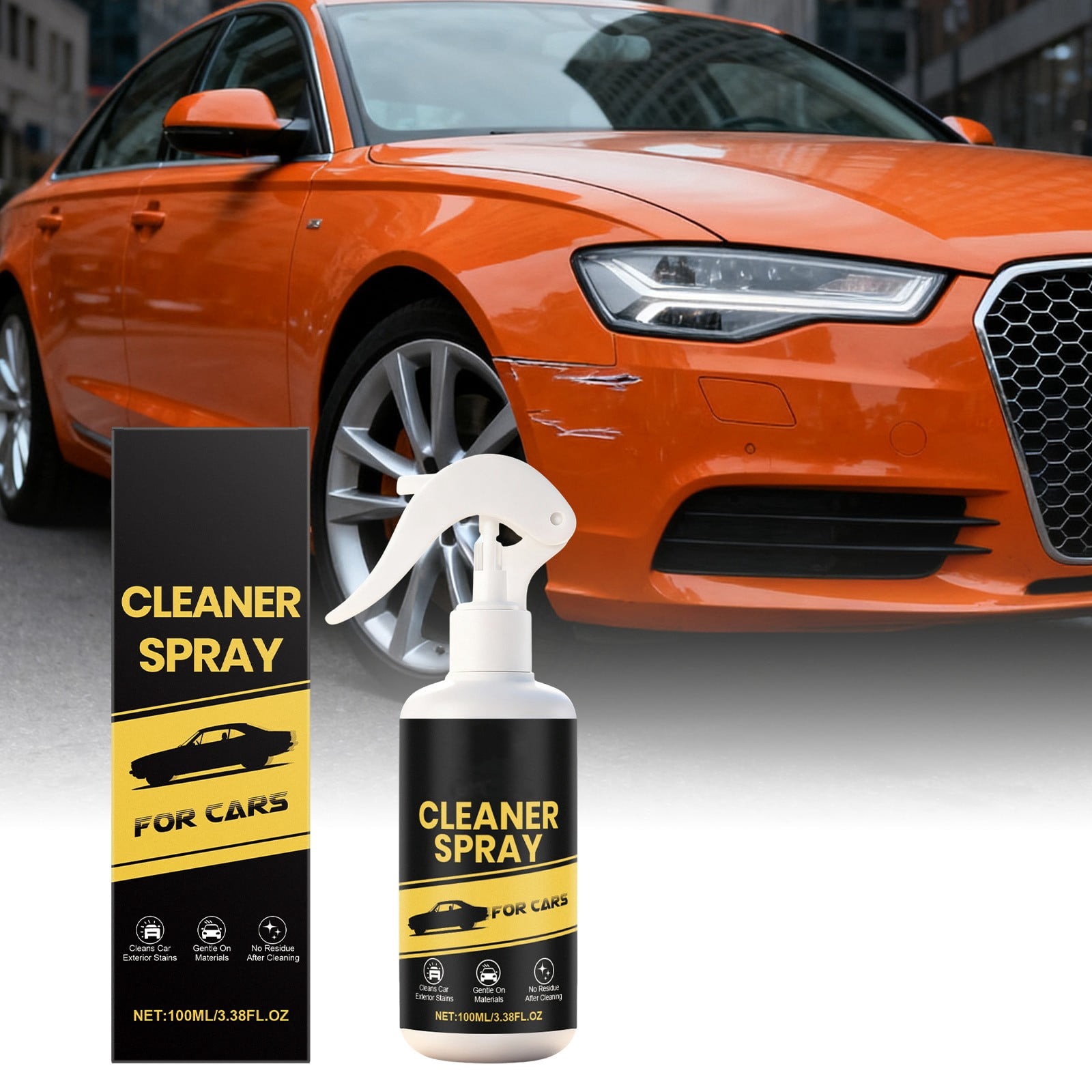
The safest general choice is a pH-neutral automotive detail spray or waterless wash labeled for clear coat, paint, plastic, chrome, and glass. Use it with a clean, soft microfiber towel and light pressure. For heavy mud, rinse first. For bugs, tar, brake dust, or tree sap, use a cleaner made for that specific mess. Never use household glass cleaner, bleach, abrasive powder, or dish soap as your main car exterior cleaner.

A spray cleaner is best for light dust, fingerprints, water spots, fresh bird droppings, and road film. It is not a replacement for a full wash when the vehicle has thick mud, sand, salt, or gritty winter grime.
For a beginner or teen driver, a ready-to-use detail spray is simple and low risk. An experienced DIY detailer may prefer a concentrated rinseless wash or a ceramic-safe maintenance spray. A gift buyer should look for a kit with a labeled spray bottle, several plush microfiber towels, and clear instructions.
Safe Spray Cleaners at a Glance
This table shows the main product types and the jobs they suit. Always read the current label because formulas and approved surfaces can change.
| Cleaner type | Best use | Main limit |
|---|---|---|
| Quick detailer | Light dust, fingerprints, fresh spots | Not for heavy grit |
| Waterless wash | Light to medium dirt without a hose | Needs many clean towels |
| Rinseless wash spray | Controlled cleaning with little water | Must follow dilution directions |
| Bug remover | Dried insects on the front end | May affect wax if overused |
| Tar remover | Road tar and adhesive spots | Needs careful spot use |
| Wheel cleaner | Brake dust on approved wheel finishes | Some formulas are too strong for bare aluminum |
| Glass cleaner | Exterior windows and mirrors | Use only an automotive, ammonia-free formula |
The main takeaway is simple: match the cleaner to the dirt and the surface. “Safe for cars” is useful, but “safe for clear coat, plastic, rubber, glass, matte paint, or ceramic coating” is more helpful.
What Makes a Spray Cleaner Safe for Automotive Paint?
A safe car exterior cleaner removes dirt while limiting chemical attack, friction, and residue. Modern vehicles use a clear coat, which is a transparent protective layer over the colored paint. The clear coat can still scratch, haze, stain, or lose gloss when it meets harsh chemicals or dirty towels.

pH Matters, but It Is Not the Whole Story
pH tells you how acidic or alkaline a product is. A pH-neutral cleaner sits near the middle of that scale and is usually a good choice for routine paint care. It can help protect wax, sealants, and many ceramic coatings when used as directed.
A very acidic cleaner can help remove mineral deposits or some brake dust. A high-alkaline cleaner can cut grease and road film. Both may be useful in the right place, but repeated use can weaken wax, dry rubber, stain trim, or dull sensitive finishes.
A neutral pH does not make a product automatically scratch-free. A dirty towel, too much pressure, or cleaning a gritty panel without rinsing can cause more damage than the liquid itself.

Lubrication Reduces Scratches
Good automotive sprays contain lubricants. These help dirt move under the towel instead of scraping across the paint. This matters most with waterless wash products and quick detailers.
Look for terms such as:
- Waterless wash
- Rinseless wash
- High lubricity
- Safe for clear coat
- Safe for wax and sealants
- Safe for ceramic coatings
- No abrasive polish
A spray polish is different from a spray cleaner. Some spray polishes contain mild abrasives that remove a tiny amount of paint or clear coat. They may help with light defects, but they are not ideal for daily dust removal.

The Towel Is Part of the Cleaner
A safe spray used with a rough towel is not a safe cleaning system. Microfiber towels trap dirt in their fibers and reduce direct contact with the paint. Use a clean towel with a short or medium pile for wiping and a plush towel for final buffing.
Do not use old bath towels, paper towels, a kitchen sponge, or a towel that has touched wheels. Small metal particles from brake dust can remain in the fibers and scratch paint.

Which Spray Cleaner Fits Each Vehicle Surface?
The best spray cleaner changes with the surface. Gloss paint, matte paint, plastic trim, glass, wheels, and ceramic-coated panels each need a slightly different approach.

Glossy Clear-Coat Paint
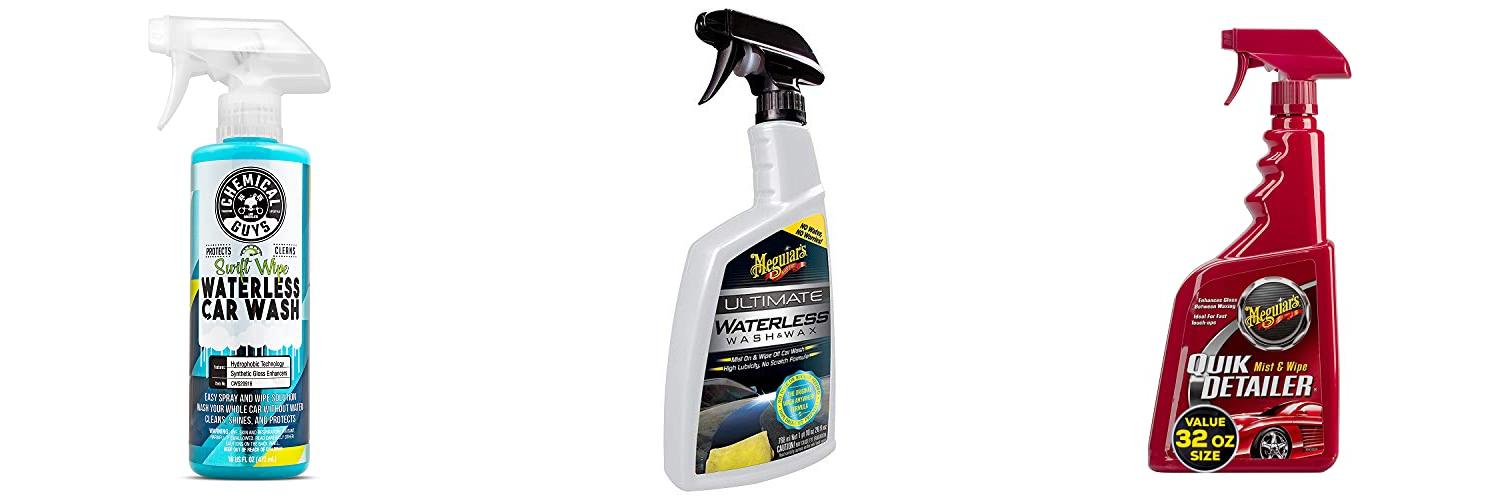
A quick detailer or automotive waterless wash works well on light dust and fingerprints. Use it on cool paint in the shade. Spray a small area, wipe in one direction, and turn the towel often.
For a sedan, crossover, SUV, or truck with normal glossy paint, a pH-neutral detail spray is the most useful all-around choice. It suits beginners, parents buying a simple car-care kit, and experienced owners who need a quick touch-up after a road trip.
Matte and Satin Paint
Matte paint does not reflect light like glossy paint. It also cannot be polished in the same way because polishing can create shiny spots. Use a cleaner specifically approved for matte or satin finishes.
Avoid waxes, glaze products, abrasive sprays, and products that promise extra gloss. Test the cleaner in a hidden area first. If your owner’s manual gives special instructions, follow those instructions over general detailing advice.

Plastic, Rubber, and Exterior Trim
A mild automotive all-purpose cleaner can work on exterior plastic and rubber when diluted according to the label. For routine dust, a detail spray may be enough. Avoid strong solvents on textured black trim because they can leave streaks or uneven color.
Do not assume a tire shine product is safe for every plastic part. Some tire dressings can sling onto paint, attract dust, or make trim look greasy. Use a trim product when the label names exterior plastic or rubber.

Glass and Mirrors
Use an ammonia-free automotive glass cleaner on exterior windows and mirrors. Ammonia may harm some aftermarket window films and can be harsh on certain rubber seals or plastic surfaces. Spray the towel instead of the glass when working near door seals, cameras, or sensors.
For a windshield with wiper haze, a normal spray cleaner may not be enough. A glass polish or professional glass treatment may be needed. Check the condition of your wiper blades too, since worn blades can spread oily film.

Wheels and Tires
Wheel cleaner is not the same as paint cleaner. Wheels collect brake dust, road salt, oily dirt, and fine metal particles. Use a wheel cleaner that matches the wheel finish, such as clear-coated alloy, painted alloy, chrome, polished aluminum, or plastic wheel covers.
Acid-free wheel cleaner is a safer starting point for many drivers. It still needs correct use. Never let wheel cleaner dry on a hot wheel, and never mix it with another chemical.

Electric Vehicles and Hybrids
EVs and hybrids can use the same exterior cleaners as gasoline vehicles. The cleaning process is mostly about the surface, not the powertrain. Keep liquid away from charging ports, high-voltage connectors, open body seams, and damaged wiring.
Do not spray directly into a charging port. Close the port before washing, and follow the vehicle maker’s instructions. A clean exterior does not require access to the engine bay or electrical parts.

Surface and Cleaner Matching
Use this table as a fast guide before you spray. When in doubt, test a hidden area and check the vehicle manual.
| Vehicle surface | Suitable cleaner | Avoid |
|---|---|---|
| Gloss clear coat | pH-neutral detail spray or waterless wash | Abrasive household cleaners |
| Matte or satin paint | Matte-safe automotive cleaner | Wax, polish, gloss enhancer |
| Exterior plastic | Mild automotive cleaner or trim cleaner | Strong solvent and oily dressings |
| Rubber seals | Mild car cleaner and water | Bleach and harsh degreaser |
| Exterior glass | Ammonia-free car glass cleaner | Household ammonia cleaner near tint |
| Clear-coated wheels | Wheel cleaner marked safe for that finish | Letting any cleaner dry |
| Ceramic-coated paint | Coating-safe maintenance spray | Strong solvent or abrasive polish |
The key point is to read the approved-surface list, not only the front label. A product made for wheels may be too strong for paint, while a paint detailer may not remove brake dust.
Best Spray Cleaner Types by Driver and Vehicle
The best product for one driver may be a poor fit for another. A new driver often needs simple instructions, while a detailer may want control over dilution and finish.

Best for Beginners and New Drivers
Choose a ready-to-use quick detailer or waterless wash with clear directions. A bottle with a fine mist can help spread the product across a panel without flooding trim or glass. Pair it with at least four clean microfiber towels.
This setup suits a small car, sedan, compact SUV, or daily driver that has light dust. It is also useful for a teen driver who needs to remove bird droppings before they stain the clear coat.
Skip a waterless wash if the car has visible sand, thick mud, or heavy salt. Rinse the vehicle first, or use a normal wash method.

Best for Experienced DIY Detailers
A concentrated rinseless wash can be a smart choice. You mix a measured amount with water, use it with a wash pad or spray bottle, and control the amount of solution for each panel. It takes more setup but can reduce water use and storage space.
This option suits owners of trucks, SUVs, classic cars, and fleet vehicles who clean often. It also works well for people in apartments where a hose is not available. Accurate dilution matters, so use a measuring cup and follow the label.
Do not guess the mixture. Too little product can reduce lubrication. Too much product can leave a film.
Best for Parents and Gift Buyers
A useful car-cleaning gift does not need to be large. Look for:
- One automotive quick detailer
- Four to eight quality microfiber towels
- A separate glass towel
- A small bug remover
- A towel storage bag
- Simple surface instructions
This package suits a new driver better than a large set with wheel acids, polishing compounds, and many unlabeled bottles. A parent can also add a tire pressure gauge, compact tire inflator, roadside kit, phone mount, or sunshade for a practical teen-driver kit.
Best for Trucks and SUVs
Trucks and SUVs have more painted area, larger glass, textured trim, running boards, and often more road film. A waterless wash can save time for light dirt, but a hose rinse is safer when the vehicle has mud from trails or construction roads.
A pump sprayer can help cover a large panel with rinseless solution. Use separate towels for the roof, lower doors, wheels, and painted panels. Lower body areas are usually the dirtiest.
Best for Older Cars
Older paint may have faded clear coat, oxidation, chips, or exposed primer. A spray cleaner cannot repair failing clear coat. Use light pressure and avoid rubbing damaged areas.
If paint feels rough after washing, a clay treatment may help remove bonded contamination. If the finish is chalky or peeling, ask a professional detailer or body shop for an assessment. More rubbing can make the damage worse.
Picks by Driver Type
These suggestions focus on fit and ease, not on one brand. Product labels change, so confirm the current formula and approved surfaces before buying.
| Driver or vehicle | Good cleaner type | Who should skip it |
|---|---|---|
| New driver with a clean sedan | Ready-to-use detail spray | Driver facing heavy mud |
| Parent buying a gift | Detailer kit with towels | Buyer seeking deep paint correction |
| DIY owner without a hose | Waterless or rinseless wash | Anyone unable to use many towels |
| Truck or SUV owner | Rinseless wash plus pre-rinse option | Trail users with thick mud |
| Matte-finish vehicle | Matte-safe cleaner | Anyone wanting extra gloss |
| Ceramic-coated vehicle | Coating-safe maintenance spray | Owner who has not checked coating care |
| Older or damaged paint | Mild cleaner and low pressure | Anyone expecting it to fix peeling paint |
A product is worth the money when it fits your cleaning routine. The most expensive spray is not useful if you lack towels, shade, water, or time.
Spray Cleaner Types Explained
Each cleaner has a different job. Knowing the difference helps you avoid using a mild detail spray on heavy grime or a harsh wheel chemical on clear coat.
Quick Detailer
A quick detailer is a light spray for nearly clean paint. It can remove dust, fingerprints, light water marks, and small fresh spots. Many also add gloss or a small amount of protection, but they do not replace a durable wax or ceramic coating.
Use it after a wash or before a car show. Do not use it on a heavily dirty panel.
Waterless Wash
A waterless wash contains more cleaning and lubricating ability than a basic detail spray. You spray it onto a small section, allow it to loosen dirt, and wipe with multiple clean towels.
It can work for apartment dwellers and drivers with light to medium road film. It requires more towels than a normal wash. If the towel becomes dirty, replace it.
Rinseless Wash
A rinseless wash is mixed with water and used without a large rinse step. It can be applied with a wash sponge, microfiber mitt, or pump sprayer. It is popular in cold climates, drought areas, and garages without a drain.
Rinseless products are not all the same. Some are designed for bucket washing, some for spray use, and some for both. Follow the stated ratio.
Bug and Bird-Dropping Remover
Bug and bird-dropping removers soften organic residue. They are useful on the hood, grille, mirrors, and front bumper. Let the product dwell for the stated time, then lift the residue gently.
Do not scrape dried bugs with a plastic card or fingernail. Do not let the cleaner dry in hot sun.
Tar and Adhesive Remover
Tar remover is made for asphalt spots, tree sap, road glue, and some adhesive residue. It often contains solvents, so use it only on the marked surface and wash the area afterward.
Test it on a hidden spot. Keep it away from unapproved plastics, rubber, fresh paint, and matte finishes.
Degreaser and All-Purpose Cleaner
Automotive all-purpose cleaners can remove grease from door jambs, tires, wheel wells, and some exterior trim. They are not the best choice for routine painted-panel cleaning unless the label specifically approves paint.
Strong degreasers may remove wax and dry rubber. Dilution is not optional.
Cleaner Comparison
The table below compares the common choices by cleaning strength and risk.
| Product type | Cleaning strength | Best location |
|---|---|---|
| Quick detailer | Light | Clean paint and final touch-ups |
| Waterless wash | Light to medium | Paint with limited dirt |
| Rinseless wash | Light to medium | Full exterior with controlled water |
| Bug remover | Medium for organic residue | Front bumper, grille, mirrors |
| Tar remover | Strong on tar and glue | Small painted or approved areas |
| All-purpose cleaner | Medium to strong | Tires, jambs, wheel wells, trim |
| Wheel cleaner | Strong on brake dust | Approved wheel finishes |
Use the mildest product that can do the job. Stronger is not always safer or faster.
How to Use Spray Cleaner Without Scratching Paint
The safest method is to reduce grit, use plenty of lubrication, and work in small areas. Technique matters as much as the bottle.
Prepare the Car and Work Area
Park in shade on a cool surface. Close windows, doors, the trunk, the hood, and the charging port. Remove loose items from the cleaning area.
Gather:
- Automotive spray cleaner
- Several clean microfiber towels
- A separate towel for glass
- A separate towel for wheels
- Nitrile gloves
- A hose or pressure washer if dirt is heavy
- A bucket for used towels
A pressure washer can help remove loose grit, but keep the nozzle at a safe distance. A common starting range for car washing is about 1,200 to 2,000 PSI, but the spray pattern and distance matter more than chasing a high number. Never aim a close, narrow jet at seals, badges, sensors, cameras, or chipped paint.
Use the Folded-Towel Method
Fold a microfiber towel into quarters. This gives you several clean sides. Spray the product onto the panel or towel as directed, then wipe in straight lines with light pressure.
Turn to a fresh side after each pass. When all sides are dirty, set the towel aside. Do not keep rubbing with a towel that has trapped grit.
Clean From Top to Bottom
Start with the roof, glass, hood, and upper doors. Move toward the lower doors, bumpers, and wheel areas. The lower sections carry more grit.
Use separate towels for the dirtiest areas. Never bring a wheel towel back to the paint.
Remove Bird Droppings Quickly
Bird droppings can contain grit and acids. Spray the area until it is wet, place a damp microfiber towel over it, and let it soften for a short time. Lift the residue without scrubbing.
If the spot has dried in hot weather, repeat the process. A stain or etch mark may remain even after safe cleaning. Paint correction may be needed.
Clean Glass Last
Glass can collect cleaner residue from nearby panels. Use an ammonia-free automotive glass cleaner with a clean glass towel after the paint and trim are done.
Wipe the inside and outside in different directions. For example, wipe the outside vertically and the inside horizontally. This makes streaks easier to locate.
Step-by-Step Spray Cleaning
Follow these steps for light dirt and safe maintenance.
- Check the surface. Skip spray cleaning if the panel has sand, thick mud, or loose gravel.
- Move the car into shade. Make sure the panel is cool.
- Read the label. Confirm the product is approved for your paint and finish.
- Test a hidden spot. Look for color change, haze, streaks, or trim damage.
- Work one small section. A door or half a hood is a good size.
- Apply enough product. Use the stated amount so dirt stays lubricated.
- Wipe in one direction. Use light pressure and a clean towel side.
- Buff with a dry towel. Remove leftover film without pressing hard.
- Inspect under good light. Check for streaks or missed dirt.
- Wash the towels. Keep paint towels separate from wheel and household laundry.
When a Hose or Full Wash Is Safer
Use a traditional wash when the vehicle has:
- Wet or dry mud
- Sand from a beach or trail
- Heavy road salt
- Thick winter slush
- Construction dust
- Large amounts of brake dust
- Loose gravel or gritty contamination
A spray cleaner can move light dirt. It cannot make heavy grit disappear. If you drag that grit across the clear coat, you may create swirl marks.
Climate and Seasonal Advice
Weather changes how a cleaner behaves. Heat speeds drying, cold slows evaporation, and winter salt needs more than a quick wipe.
Hot and Dry Climate
In hot sun, spray cleaner can dry before you wipe it. This may leave streaks or spots. Work in shade, use smaller sections, and keep a second towel ready for final buffing.
Hard water can leave mineral deposits. If water spots remain after cleaning, use a water-spot product approved for your finish. Do not use household vinegar without checking compatibility, especially on bare metal, sensitive trim, or coatings.
Cold Climate and Road Salt
Salt can sit in seams, wheel wells, and underbody areas. A waterless spray may clean the visible surface, but it does not remove salt from the underside.
Use a rinse when possible. Clean door jambs and rubber seals, then dry them to reduce freezing. A silicone-free rubber seal product may help, but confirm that it is safe for your vehicle’s seals.
Rainy and Humid Areas
Humidity can slow drying and encourage streaks. Clean in a covered space with air movement. Dry the vehicle before parking it under trees, where sap and pollen can stick to damp paint.
Mildew-like film on rubber or trim may need a dedicated cleaner. Avoid spreading it with the same towel used on painted panels.
Road Trips and Long-Term Storage
A small detail spray, four microfiber towels, nitrile gloves, and a trash bag fit well in a roadside kit. This setup can help remove fresh bird droppings, bugs, and fuel-station fingerprints during a trip.
For storage, wash and dry the vehicle first. A spray cleaner is not a substitute for removing salt, mud, or oily road film before covering the car.
Seasonal Cleaning Plan
This simple schedule suits most daily drivers. Adjust it for local weather and road conditions.
| Season or condition | Useful task | Cleaner choice |
|---|---|---|
| Hot summer | Remove bugs and bird droppings | Bug remover or detail spray |
| Winter salt | Rinse body, wheels, and underbody | Car wash soap and wheel-safe cleaner |
| Spring pollen | Remove light dust often | Quick detailer or rinseless wash |
| Fall tree sap | Treat spots before they harden | Tar and sap remover |
| Long road trip | Clean fresh spots at stops | Detail spray and clean towels |
| Garage storage | Wash, dry, and protect paint | Full wash, then wax or sealant |
A seasonal plan helps prevent small contaminants from becoming permanent stains.
Products and Tools That Make Spray Cleaning Safer
The cleaner is only one part of the job. The right tools reduce friction and help you avoid cross-contamination.
Microfiber Towels
Use separate colors or labels for paint, glass, wheels, and interior work. Wash them without fabric softener. Fabric softener can reduce absorbency and leave residue.
Inspect towels before use. Remove them from service if they feel rough, contain trapped grit, or have hard edges.
Pressure Washers
A pressure washer can reduce loose dirt before contact cleaning. Use a wide spray pattern and keep the nozzle away from delicate parts. Do not rely on pressure alone to remove bonded contamination.
For beginners, a garden hose with a gentle spray may be easier to control. More pressure is not always better.
Buckets and Wash Mitts
A rinseless wash can use less water, but it still needs clean tools. If you use a traditional wash, a grit guard may help keep dirt away from the wash mitt. It does not make a dirty mitt safe by itself.
Rinse the mitt often and use a separate tool for wheels.
Wax, Sealants, and Ceramic Coatings
A spray cleaner may contain a small amount of protection, but it usually does not replace a dedicated wax or sealant. Ceramic coatings can make cleaning easier, but they still need compatible products and gentle technique.
Check the coating maker’s care guide. Some coatings allow a wide range of pH-neutral cleaners, while others recommend a specific maintenance spray.
Useful Companion Gear
A practical exterior-care setup may include:
- Tire pressure gauge
- Compact tire inflator
- Jump starter
- OBD2 scanner for basic check-engine-light code reading
- Ice scraper
- Sunshade
- Phone mount
- Floor mats
- Seat covers
- Roadside kit
These items do not replace safe driving or professional repairs. They simply help with common ownership tasks.
Tools and Materials
This table separates the basic kit from items for more advanced work.
| Job level | Tools | Why they help |
|---|---|---|
| Beginner | Detail spray, four towels, gloves | Simple light cleaning |
| Regular DIY | Rinseless wash, bucket, wash mitt, drying towels | More complete exterior care |
| Advanced | Pump sprayer, wheel brushes, coating-safe products | Better control and detail work |
| Road trip | Small spray bottle, towels, gloves, trash bag | Quick spot cleanup |
| Winter | Hose, underbody rinse, rubber-seal care | Salt and freeze management |
You do not need every tool at once. Start with a safe cleaner and clean towels, then add equipment as your routine grows.
Common Mistakes That Damage Car Exteriors
Most spray-cleaner damage comes from friction, heat, chemical misuse, or poor towel care. Avoiding a few errors can protect the finish.
Using Dish Soap Every Time
Dish soap can remove grease, but it is not designed as a regular car-care product. Frequent use may strip wax or dry exterior rubber. It also may not provide the lubrication needed for safe wiping.
If you have an emergency spill, rinse well and use a proper automotive wash soon.
Using Household Glass Cleaner on Tinted Windows
Some household glass cleaners contain ammonia. Ammonia can harm certain window films and may affect rubber or plastic trim. Use an automotive, ammonia-free glass cleaner instead.
If you do not know what film is installed, choose ammonia-free by default.
Spraying a Hot Panel
Heat can make a cleaner dry fast and leave marks. It can also increase the chance of chemical staining. Move the car into shade and wait for the panel to cool.
Wiping in Circles With Pressure
Circular wiping can spread dirt over a wider area. Heavy pressure pushes grit into the clear coat. Straight, light passes with clean towel sides are safer.
Using One Towel for Everything
Wheel dust, tire dressing, engine-bay grime, and paint dirt should not share one towel. Keep separate towels and wash them correctly.
Letting Cleaner Dry
Many products require removal before they dry. Read the label and work in small sections. If a product dries, re-wet the area with the same approved cleaner instead of scraping.
Mixing Chemicals
Do not mix wheel cleaner, degreaser, glass cleaner, bleach, or household chemicals. Chemical reactions can create dangerous fumes or damage surfaces.
Mistakes and Better Solutions
The table below gives a quick correction for common problems.
| Mistake | Likely problem | Better solution |
|---|---|---|
| Cleaner dries on paint | Streaks or spotting | Work in shade and smaller sections |
| One towel touches wheels and paint | Scratches from brake dust | Use separate labeled towels |
| Heavy mud is wiped dry | Swirl marks or chips | Rinse before contact cleaning |
| Household cleaner is used often | Trim, wax, or tint damage | Choose an automotive formula |
| Strong degreaser hits matte paint | Uneven finish | Use a matte-approved cleaner |
| Product is mixed with another | Fumes or surface damage | Use one product at a time |
| Too much pressure is used | Clear-coat scratches | Add lubrication and use light passes |
The best fix is often to stop rubbing. Add lubrication, change the towel, and reassess the surface.
Safety, Disposal, and Environmental Notes
Car-care chemicals need basic safety care. Gloves can protect your skin, and eye protection is wise when spraying wheel cleaners or degreasers.
Work outdoors or in a well-ventilated area. Keep products away from children, pets, food, and open flames. Do not spray toward your face or breathe the mist.
Do not pour leftover cleaner, degreaser, solvent, or wheel chemical into a storm drain. Follow the product label and local waste rules. Some communities accept household hazardous waste at special collection sites.
Wash microfiber towels according to the care label. Keep chemical-soaked towels away from heat until they are cleaned and fully dry.
⚠️ Safety Warning: Never mix automotive chemicals. If a product gets in your eyes, follow the label’s first-aid directions and contact medical help or poison control when needed.
If you use a pressure washer, protect nearby people, pets, and vehicles. Do not aim it at electrical connectors, damaged paint, open windows, or a charging port. Keep cords and hoses away from walking paths.
Cleaning a vehicle does not require working under it, lifting it, or touching brakes, steering, or high-voltage parts. If a separate repair requires a jack, never work under a car held only by a jack. Use rated jack stands on level ground, wear eye protection and gloves, and follow the owner’s manual.
When a Spray Cleaner Is Not Enough
A spray cleaner is for surface dirt. It will not repair clear-coat failure, deep scratches, rust, oxidation, peeling paint, or damage beneath the finish.
Consider professional help when:
- The clear coat is peeling
- Paint is chalky or flaking
- Scratches catch your fingernail
- Rust is spreading under the paint
- Water spots remain after safe cleaning
- A matte panel has shiny patches
- A coating has high spots or cloudy areas
- A chemical stain will not rinse away
A professional detailer can inspect the finish and explain whether it needs decontamination, polishing, paint repair, or repainting. Be careful with aggressive DIY polishing. Removing too much clear coat can reduce future repair options.
Frequently Asked Questions
Q: Is a quick detailer safe for car paint?
A: Most automotive quick detailers are designed for clear-coat paint and light cleaning. Use one on a cool surface with a clean microfiber towel. Do not use it to wipe heavy mud, sand, or salt.
Q: Can I use Windex on my car exterior?
A: Check the formula and your window film. Household glass cleaners may contain ammonia, which can harm some tint films and seals. An ammonia-free automotive glass cleaner is the safer choice.
Q: Is dish soap safe for a car exterior?
A: Dish soap may be acceptable for an occasional emergency cleanup, but it is not the best routine car cleaner. It can remove wax and may not provide enough lubrication for wiping dirt from paint.
Q: What is the best spray cleaner for a black car?
A: A lubricating, pH-neutral detail spray or waterless wash is a good choice for a black car with light dirt. Black paint shows dust and swirl marks easily, so use clean towels, light pressure, and small sections.
Q: Can I use spray cleaner on a ceramic-coated car?
A: Many ceramic-coated vehicles can use a coating-safe, pH-neutral maintenance spray. Check the coating maker’s care instructions first. Avoid abrasive polish and strong solvent products unless approved.
Q: Is waterless car wash safe?
A: A waterless wash can be safe when used on light dirt with plenty of product and multiple clean microfiber towels. It is not a safe choice for thick mud, loose sand, or heavy salt unless you rinse first.
Q: Can I use an all-purpose cleaner on car paint?
A: Some automotive all-purpose cleaners are approved for paint when diluted. Others are intended for tires, wheel wells, and trim. Follow the label and do not use a strong degreaser on paint without approval.
Q: What cleaner removes bird poop from a car?
A: Use a detail spray or bird-dropping remover. Soak the spot, let it soften, and lift it with a clean microfiber towel. Do not scrape or scrub dried residue.
Q: How do I remove tree sap from car paint?
A: Use an automotive tar, sap, or adhesive remover approved for painted surfaces. Test it first, use a small amount, and wash the panel after treatment. Do not scrape sap with a blade.
Q: Can I use spray cleaner on matte paint?
A: Use only a product labeled for matte or satin finishes. Avoid wax, polish, abrasive products, and gloss enhancers. Test the cleaner in a hidden area.
Q: How many microfiber towels do I need?
A: For a light exterior touch-up, four towels may work. A full waterless wash can need eight or more, depending on the vehicle size and dirt level. Trucks and SUVs usually need more towels than compact cars.
Q: Should I spray the cleaner on the car or towel?
A: Follow the product label. Spraying the panel can provide more lubrication for waterless cleaning. Spraying the towel can reduce overspray near sensors, cameras, seals, and glass.
Q: Can spray cleaner remove scratches?
A: No. A normal spray cleaner removes dirt but does not repair scratches. Some spray polishes may hide or reduce very light defects, but deep scratches need a proper paint correction or repair assessment.
Q: Is a pressure washer required?
A: No. A hose or careful rinseless method can work for many vehicles. A pressure washer helps remove loose dirt before contact washing, but high pressure does not replace safe technique.
Q: How often should I use exterior spray cleaner?
A: Use it when the vehicle has light dust or fresh spots, not on every heavily dirty surface. A normal wash is safer when grit builds up. Clean bird droppings and bug remains as soon as practical.
Q: Is spray wax the same as spray cleaner?
A: No. Spray cleaner removes light dirt. Spray wax adds a layer of protection after the surface is clean. Applying wax over grit can trap contamination and cause scratches.
Final Advice
For most drivers, the safest answer is an automotive, pH-neutral spray labeled for clear coat and light exterior cleaning. Use it in the shade, apply enough lubrication, wipe with clean microfiber towels, and stop when the panel is too dirty for a safe wipe.
Beginners should choose a ready-to-use detail spray or waterless wash with simple directions. DIY owners may prefer a rinseless wash for better control and lower water use. Parents and gift buyers should favor a small, clear kit over strong chemicals or complex polishing products.
Match the cleaner to the job, protect special finishes, and use a full rinse wash when dirt is heavy. That simple habit can help keep a sedan, SUV, truck, hybrid, or EV looking clean without asking a spray bottle to do more than it can.
Affiliate disclosure: This article may contain affiliate links. If you buy through one of these links, we may earn a commission at no extra cost to you. Product availability, formulas, instructions, and fitment can change, so check the current product page and your vehicle owner’s manual before purchase or use.