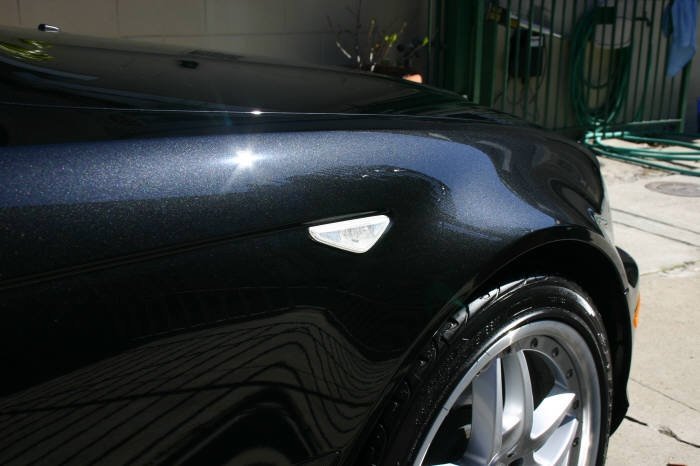
Is Easy Off Safe For Cleaning Wheels: Safe Use Guide
Easy-Off is not a good first choice for cleaning car wheels. It is made for baked-on food and grease inside ovens, not for aluminum alloy, painted, chrome, clear-coated, or anodized wheels. Many Easy-Off formulas contain strong alkaline chemicals, including sodium hydroxide. These chemicals can stain metal, dull the finish, remove coatings, and damage nearby brake parts.
A careful detailer may use a mild degreaser on a tough steel wheel in a controlled setting, but oven cleaner is still a high-risk shortcut. For most drivers, a wheel-safe cleaner, soft brushes, water, and patience are safer and often work better. The right product depends on the wheel finish, brake dust, road salt, climate, and how often you clean the vehicle.
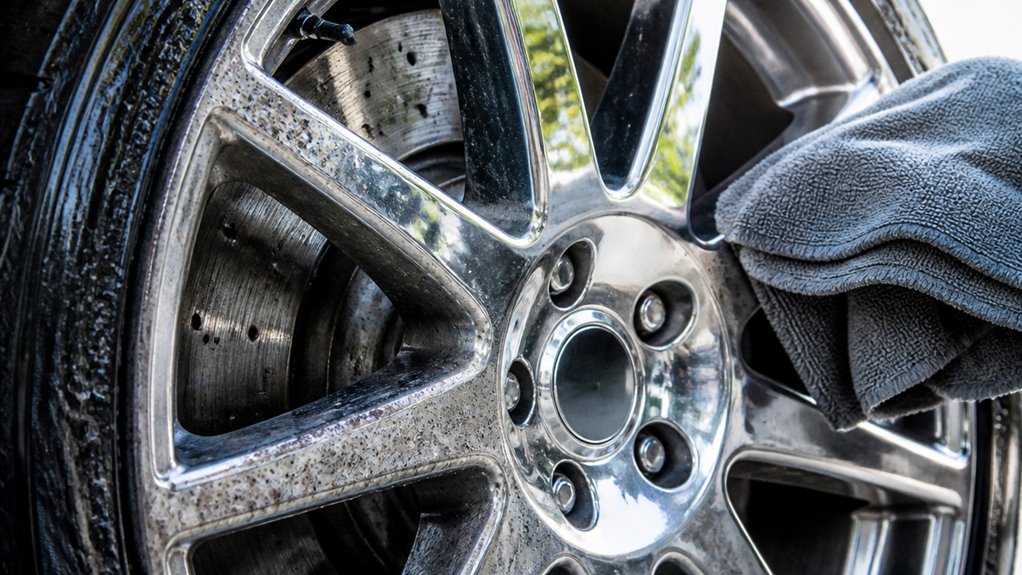
Affiliate disclosure: This article may contain affiliate links. If you buy through one, we may earn a commission at no extra cost to you. Always confirm the latest label, safety data, and fitment information before buying or using a product.
Quick answer: Is Easy-Off safe for cleaning wheels?
Easy-Off is usually not safe for routine wheel cleaning. Its strong oven-cleaning formula can damage bare aluminum, clear coat, chrome, paint, and anodized finishes. It can also harm tire rubber, valve stems, brake components, and nearby suspension parts if it is sprayed carelessly. Use a wheel-safe cleaner instead. If you still consider Easy-Off for a plain steel wheel, test a hidden spot, avoid the tires and brakes, wear protection, rinse at once, and accept that damage may still occur.
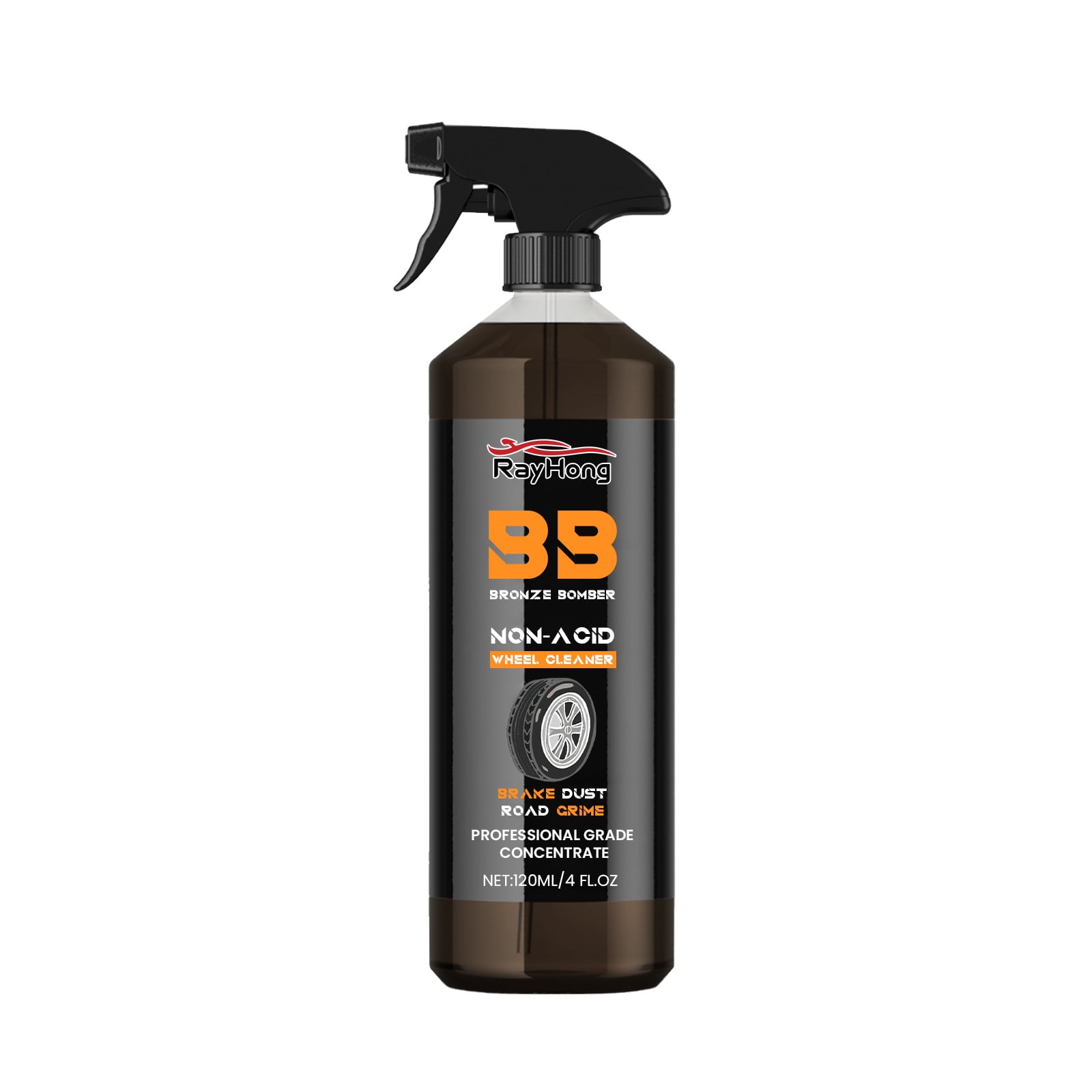
Why people use Easy-Off on wheels
Easy-Off attracts DIY cleaners because it cuts heavy grease and baked-on grime. Old wheels can collect years of brake dust, road oil, tar, and salt. The mess may look similar to the dark, baked food found inside an oven.
That visual match can make oven cleaner seem like a cheap solution. It is also easy to find at grocery stores, hardware stores, and many online retailers. Yet a wheel is not an oven. It has different metals, coatings, seals, tires, sensors, and brake parts.
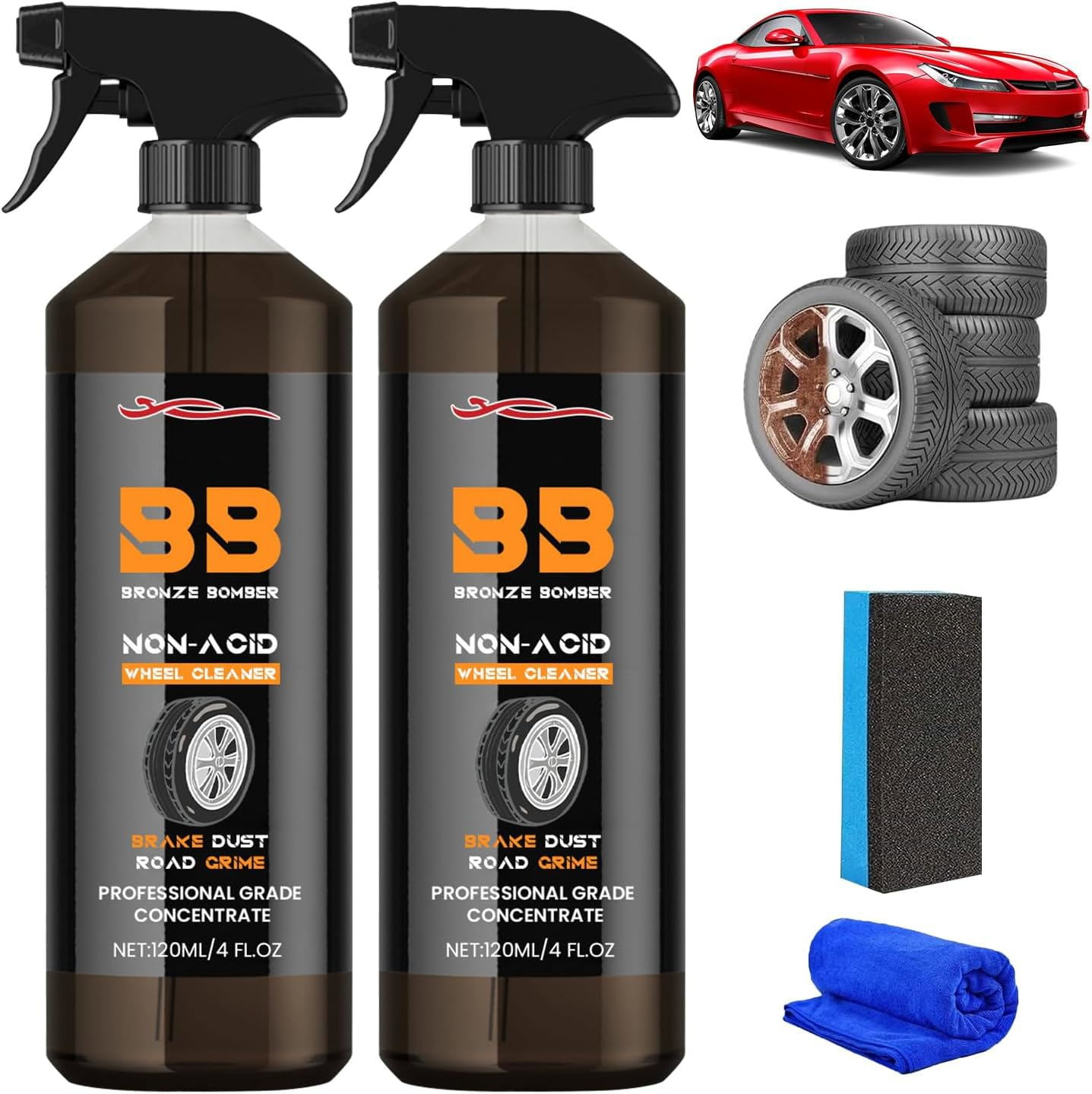
What is in Easy-Off?
Easy-Off products vary by formula. The Heavy Duty line is commonly associated with strong alkaline cleaning agents, such as sodium hydroxide. Some formulas also contain solvents, surfactants, fragrance, or propellants. Always read the exact can because the ingredients and warnings may change between products.
A strong alkali breaks down grease and organic soil. It can also attack aluminum and other sensitive surfaces. The product label is written for approved oven surfaces, not for every type of automotive wheel.

Why wheel material changes the answer
A steel wheel, cast aluminum wheel, forged aluminum wheel, chrome wheel, and painted wheel do not react in the same way. A clear coat adds another layer that can turn cloudy or peel after chemical abuse. Anodized finishes can lose color or gloss and may not be repairable with polish.
Modern vehicles also use tire-pressure monitoring system, or TPMS, sensors inside the wheel. A chemical may not destroy the sensor at once, but careless spraying can reach the valve stem, seal, or sensor area. Electric vehicles and hybrids also have special brake-dust patterns because regenerative braking can reduce friction-brake use.
The label matters more than an internet shortcut
A product can remove dirt and still be the wrong product. Cleaning power alone does not prove surface safety. The safest rule is simple: use chemicals on the surfaces named on the label.
Easy-Off is designed for oven interiors and related household uses listed by the maker. It is not a dedicated wheel cleaner. A wheel-cleaner label should state suitable surfaces, dilution instructions, dwell time, and surfaces to avoid.
⚠️ Safety Warning: Never mix Easy-Off with bleach, acids, ammonia, wheel acid, or other cleaners. Chemical mixtures can create harmful fumes or violent reactions. Wear eye protection and chemical-resistant gloves, and work outside with strong airflow.
Which wheels can Easy-Off damage?
Easy-Off can damage many wheel finishes, especially when the wheel is hot, dirty, unprotected, or left wet for too long. Damage may appear as white spots, gray haze, dark stains, loss of shine, rough texture, peeling clear coat, or uneven color.
The table below shows the main risk by wheel type. It is a guide, not a guarantee, because wheel age, coating quality, temperature, and product formula also matter.
| Wheel type | Easy-Off risk |
|---|---|
| Bare aluminum alloy | High risk of staining, etching, and discoloration |
| Clear-coated alloy | High risk of haze, coating damage, or peeling |
| Painted alloy | High risk, especially on chips and worn paint |
| Chrome-plated wheel | High risk of dulling, spotting, or lifting damaged chrome |
| Anodized aluminum | Very high risk of color and finish damage |
| Plain steel wheel | Lower than alloy, but still not recommended for routine use |
| Polished aluminum | Very high risk of losing clarity and shine |
The main takeaway is that “metal” does not mean “chemical-proof.” A plain steel wheel may tolerate more abuse, but the tire, valve stem, brake parts, and paint around it still need protection.
Bare aluminum wheels
Bare aluminum reacts more easily with harsh alkaline cleaners than many people expect. The reaction may leave a pale, chalky film or dark blotches. Once the metal is etched, normal washing may not restore the original finish.
Polished aluminum is even more demanding. Its shine comes from a smooth surface that reflects light. A harsh chemical can make that surface look cloudy and uneven.
Clear-coated and painted wheels
Most modern alloy wheels have paint and a clear protective layer. The clear coat blocks some dirt, but it is not a shield against every chemical. Chips, curb rash, old repairs, and failed coating areas let cleaner reach the metal below.
A wheel may look fine after one use and show damage later. This delayed result makes strong cleaners hard to judge. If the finish feels rough or looks hazy after washing, stop using the chemical.
Chrome and anodized wheels
Chrome finishes need special care. Strong cleaners can dull the shine or enter small cracks and lift weak areas. Anodized finishes use a controlled surface layer, so aggressive chemicals can change the color or gloss.
For either finish, use a product that names chrome or anodized aluminum as safe. If the label does not mention the surface, choose another cleaner.
Easy-Off versus a wheel-safe cleaner
The main difference between Easy-Off and a wheel-safe cleaner is intended use. Easy-Off aims to remove baked food and grease from approved oven surfaces. A wheel cleaner aims to remove brake dust, road film, iron particles, and grime without harming common automotive finishes when used as directed.
Dedicated wheel cleaners come in several types. Some are pH-neutral. Some are mildly alkaline. Iron-removing formulas react with ferrous brake dust and often turn purple. Acid wheel cleaners work fast but require more skill and strict safety control.
| Cleaner type | Best use | Main drawback |
|---|---|---|
| pH-neutral wheel cleaner | Routine care on coated wheels | May need brushing for old grime |
| Mild alkaline wheel cleaner | Road film, grease, and brake dust | Still needs surface testing |
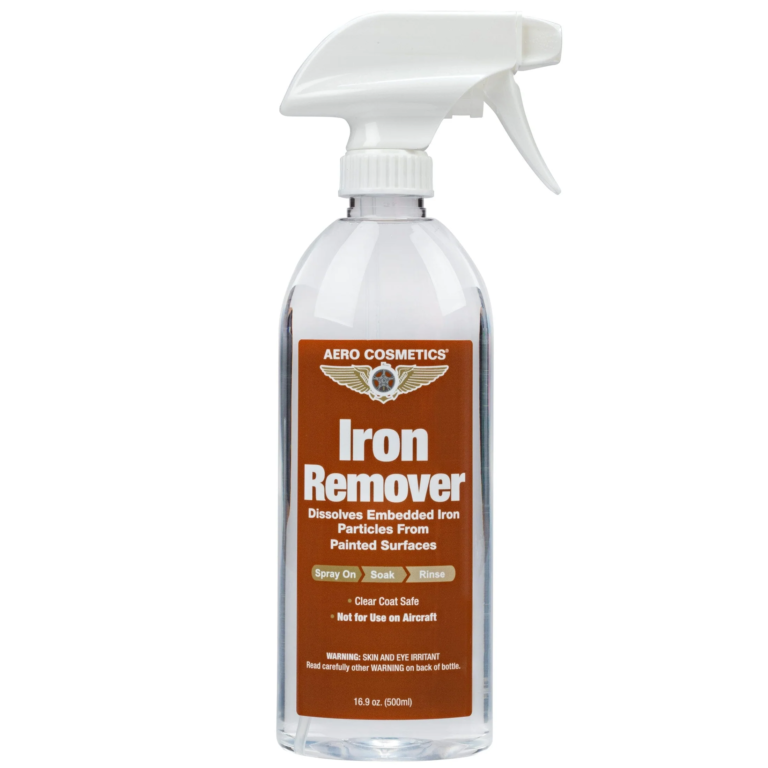
| Iron remover | Embedded iron particles and orange specks | Strong odor and higher cost |
| Acid wheel cleaner | Trained users cleaning suitable commercial wheels | Can burn, stain, or etch surfaces |
| Car shampoo solution | Light dirt and frequent washes | Weak on baked brake dust |
| All-purpose cleaner | Selected tires and dirty wheel wells | Dilution and surface testing matter |
| Easy-Off oven cleaner | Oven grime, not regular wheel care | High wheel-finish and safety risk |
For most beginners, a pH-neutral wheel cleaner is the best starting point. Experienced DIYers may use a mild alkaline cleaner or iron remover based on the wheel finish. Gift buyers should choose a labeled wheel-care kit rather than an aggressive household chemical.
Why pH matters
pH measures how acidic or alkaline a water-based product is. A pH of 7 is neutral. Lower numbers are more acidic, and higher numbers are more alkaline. The farther a product moves from neutral, the more care it may need.
A pH-neutral cleaner is not automatically harmless. Dwell time, heat, pressure, dilution, and surface condition all matter. Still, it usually gives a wider safety margin for normal wheel washing.
Why iron remover is often a better answer
Brake pads and rotors can shed iron-rich particles. These particles bond to wheel surfaces and form tiny orange or brown dots. An iron remover is designed to react with that contamination.
It may turn purple as it works. This color change does not mean the product is stronger or safer than every other cleaner. Follow the label, keep it off hot surfaces, and rinse fully.
Pros and cons of using Easy-Off on wheels
Easy-Off has one clear advantage: it can cut tough grease quickly. That benefit is not enough to make it a good wheel product for most vehicles. The possible damage can cost far more than a bottle of wheel cleaner.
| Potential benefit | Important limitation |
|---|---|
| Easy to find | It is not made for automotive wheels |
| Can cut grease | Strong alkali can attack aluminum and coatings |
| Often costs less than specialty products | Wheel repair or refinishing can cost much more |
| May help on plain steel in rare cases | It can still reach tires, brakes, and valve parts |
| Little product knowledge needed | Safe use still requires testing and careful rinsing |
The best use for Easy-Off remains the use printed on its label. For wheels, the safer value comes from the correct chemistry, not the strongest chemistry.
When it might seem to work
A cleaner may seem successful when it removes black grime from an old steel wheel. The wheel may look better for a short time. That result does not prove the surface was unharmed.
Steel can hide mild staining better than polished aluminum. Dirt may also cover early damage. If you use the product despite the risk, inspect the wheel in bright light after it dries.
What can fail first
The first visible problem may be a dull patch or a chalky film. On painted wheels, the clear coat may lose gloss. On old chrome, small damaged areas may grow after repeated chemical exposure.
The tire sidewall can also show fading or a dry look. Overspray may reach brake calipers, pads, rubber boots, or plastic wheel-well liners. These parts are not the target of oven cleaner.
How to clean wheels safely
The safest way to clean wheels is to work on a cool vehicle, rinse loose grit away, use a labeled wheel cleaner, agitate with soft tools, and rinse before the product dries. Clean one wheel at a time. Do not let any chemical dry on the surface.
This process works for sedans, SUVs, trucks, hybrids, and EVs. EVs may have less visible brake dust, but they still collect road salt, tire debris, and brake residue.
Tools and supplies
Gather the supplies before you start. A prepared setup reduces the chance that a cleaner will dry while you search for a brush.
| Supply | Purpose |
|---|---|
| Hose or pressure washer | Rinses loose grit and cleaner |
| pH-neutral wheel cleaner | Loosens normal wheel soil |
| Two soft wheel brushes | Reaches spokes and barrel areas |
| Microfiber towels | Dries the wheel without heavy scratching |
| Tire brush | Keeps tire soil separate from wheel tools |
| Nitrile or chemical-resistant gloves | Protects skin |
| Safety glasses | Protects eyes from spray and splash |
| Wheel sealant or ceramic coating | Adds easier-clean protection after washing |
A pressure washer can help, but high pressure is not a substitute for safe chemistry. Keep the nozzle away from wheel weights, valve stems, brake seals, and chipped paint.
A safe wheel-cleaning process
Follow these steps for normal road grime and brake dust:
- Park on level ground and let the wheels cool fully.
- Read the wheel cleaner label and confirm it suits the finish.
- Rinse the wheel, tire, and wheel well with plain water.
- Spray the cleaner on one wheel only.
- Allow the listed dwell time. Do not let it dry.
- Agitate the spokes, barrel, lug area, and tire with separate soft brushes.
- Rinse from the top down until no cleaner remains.
- Dry with a clean microfiber towel or gentle air.
- Inspect the wheel for missed dirt, stains, or finish changes.
- Apply a compatible wheel sealant if desired.
Use less pressure than you think. Grit acts like sand on a wet surface. The goal is to lift it into the shampoo, not grind it across the finish.
If you already sprayed Easy-Off
Do not panic, but act quickly. Rinse the wheel, tire, brake area, and nearby body panel with plenty of cool water. Do not use another chemical to “neutralize” it unless the product manufacturer gives that exact instruction.
After rinsing, wash the area with mild car shampoo. Dry it and inspect it in shade and direct light. If the surface feels rough, has white marks, or looks cloudy, stop polishing until you know whether the coating is damaged.
🔧 Quick Fix: If Easy-Off is still wet on the wheel, flush it with water now. Fast dilution and removal reduce contact time. Do not wait for the product to finish working.
Is a pressure washer safe?
A pressure washer can be safe when used with care. A range around 1,200 to 2,000 PSI is common for home detailing, but the pressure at the surface also depends on the nozzle, distance, and spray pattern. Start farther away with a wide fan.
Never aim a narrow, high-pressure stream at wheel weights, tire sidewalls, TPMS valve stems, brake seals, or chipped coatings. For beginners, a garden hose and soft brush are often easier to control.
Wheel-cleaning advice by driver and vehicle
The best wheel-cleaning method depends on the driver, vehicle, finish, and cleaning schedule. A new driver needs a wide safety margin. A skilled DIYer may want deeper decontamination. A parent or gift buyer should favor simple instructions and low-risk products.
| Driver or vehicle | Better choice | Product or method to skip |
|---|---|---|
| Beginner with a sedan | pH-neutral wheel cleaner and soft brushes | Easy-Off and strong acid cleaners |
| Teen driver learning car care | Ready-to-use wheel kit with gloves | Unlabeled chemical mixtures |
| Parent buying a gift | Labeled wheel cleaner, towels, and brush set | Bulk industrial cleaner |
| DIY truck owner | Wheel-safe cleaner plus iron remover | Oven cleaner on alloy or chrome |
| EV owner | Neutral cleaner and regular rinsing | Harsh products used on hot wheels |
| Older car with plain steel wheels | Mild cleaner and spot testing | Assuming steel makes every chemical safe |
| Premium or polished wheel owner | Finish-specific cleaner and sealant | Easy-Off, abrasives, and rough brushes |
The safest choice for a family car is usually the product with the clearest label and the simplest process. A truck used on muddy roads may need more frequent cleaning, not harsher chemicals.
Best approach for beginners
Start with cool wheels, a hose, car shampoo, a soft brush, and a labeled wheel cleaner. Wash often enough that dirt does not bake onto the finish. Regular light cleaning is safer than rare, aggressive cleaning.
New drivers should learn to identify curb rash, peeling clear coat, missing wheel weights, and low tire pressure. A wheel wash is a good time to check the tire pressure gauge and look for nails or sidewall damage.
Best approach for experienced DIYers
Experienced detailers can add an iron remover, clay product, wheel sealant, or coating. They should still follow the surface-specific label. Test new chemicals on the least visible area first.
A ceramic coating is a thin protective layer that can make future washing easier. It does not make a wheel immune to chemicals, impact, brake dust, or road salt. Use a coating-safe cleaner after installation.
Best approach for parents and gift buyers
Choose a kit that includes a wheel-safe cleaner, soft brushes, microfiber towels, gloves, and clear instructions. This is more useful than a large bottle of aggressive degreaser. It also gives a teen driver a safe routine to follow.
👪 Parent or Gift-Buyer Note: If the recipient is new to car care, add a tire-pressure gauge and a small roadside kit. Avoid giving strong chemicals without showing the user how to read the label and rinse the vehicle.
Climate and seasonal concerns
Weather changes the kind of dirt that sticks to wheels. Winter salt needs frequent rinsing. Hot summers increase the risk of cleaner drying on the surface. Wet climates can leave brake dust and road film in tight spoke areas.
| Season or climate | Wheel problem | Safer response |
|---|---|---|
| Winter and road salt | Corrosion and white salt film | Rinse often and clean the barrel |
| Hot, dry climate | Cleaner dries too fast | Work in shade on cool wheels |
| Wet climate | Mud and brake dust build up | Clean spokes and wheel wells often |
| Coastal air | Salt and moisture attack metal | Rinse underside and inspect chips |
| Snowy mountain roads | Salt, sand, and grit | Use low pressure first, then soft brushes |
| Summer road trips | Bug film, tar, and hot dust | Clean at the next cool stop, not on hot wheels |
The key lesson is timing. A mild cleaner used often can beat a harsh cleaner used after months of buildup.
Winter wheel care
Road salt can enter chips, seams, and the back of the wheel. Rinse the wheel wells and the inner barrel when possible. Do not ignore the back side because salt can collect where you cannot see it.
After washing, inspect for corrosion around the valve stem and wheel lip. If a tire loses air, use a tire-pressure gauge and have the tire and wheel checked.
Summer wheel care
Hot wheels can make cleaners flash dry. That leaves concentrated chemicals on the surface and raises the chance of spotting. Park in shade and touch the wheel before spraying. If it feels hot, wait.
Do not clean wheels immediately after hard braking or a long downhill drive. Give them time to cool. This rule matters even more with large SUVs, trucks, trailers, and vehicles carrying heavy loads.
Common mistakes that damage wheels
Most wheel damage comes from a small mistake repeated many times. The biggest errors are using the wrong chemical, working on hot metal, using a rough brush, and allowing cleaner to dry.
| Mistake | Better practice |
|---|---|
| Spraying Easy-Off on alloy wheels | Use a labeled wheel cleaner |
| Cleaning hot wheels | Wait until the surface is cool |
| Using one brush on tires and wheels | Keep separate tools |
| Letting product dry | Work one wheel at a time |
| Using a rough scouring pad | Choose soft, wheel-safe brushes |
| Skipping a test spot | Test behind a spoke first |
| Mixing cleaners | Use one product and rinse well |
| Ignoring the wheel barrel | Clean the inner area when safe |
| Polishing damaged clear coat | Ask a wheel repair professional |
Do not use household steel wool, kitchen scrub pads, or abrasive powder on a coated wheel. These tools can leave scratches that collect even more dirt.
Spraying onto a hot surface
Heat speeds up chemical action and evaporation. That can make a product far more aggressive than expected. It also creates uneven marks because some areas dry before others.
Cool the wheel with water and wait. Avoid sudden thermal shock on extremely hot brake components, but normal cool-down time is still essential.
Using too much product
More spray does not always mean better cleaning. A thick layer can run behind the wheel, sit on rubber, and take longer to rinse. It can also waste product and increase fumes.
Apply enough to wet the surface. Brush the dirt loose. Repeat with a safer product if needed rather than jumping to a harsher chemical.
Using the wrong towel or brush
A wheel brush that drops metal or hard plastic can scratch clear coat. A towel used on the tire may carry grit onto the painted wheel. Keep clean microfiber towels for the final wipe.
Replace brushes when the tips become stiff, split, or contaminated with hard grit. Cheap tools are fine when they are soft, clean, and used for the right task.
What to do if the finish is already damaged
A chemical stain may be removable, but etched metal or failed clear coat needs a different repair. Washing cannot repair missing coating. Polishing may improve a mild haze, yet it can make damage worse if the surface is thin.
Look for white powder, deep pitting, peeling layers, rough spots, color changes, and corrosion near the rim. A professional wheel refinisher can identify whether the problem is surface contamination, clear-coat failure, or metal damage.
Do not sand a wheel near a mounted tire unless you understand the risks. Dust and debris can enter the tire bead area. Wheel refinishing often requires tire removal and proper curing.
When a detailer can help
A detailer may remove bonded brake dust, tar, and light stains with controlled chemicals and tools. Ask what product they plan to use and whether they have worked on your exact finish. Share the wheel brand or finish information if available.
A detailer is a good choice for expensive forged wheels, polished aluminum, custom chrome, ceramic-coated wheels, or a vehicle with heavy damage. This can cost less than replacing a damaged wheel.
When a wheel repair shop is better
Use a wheel repair shop for peeling clear coat, deep curb rash, bent rims, severe corrosion, chrome failure, or color matching. A repair shop has equipment for straightening, refinishing, and curing coatings.
Cleaning chemicals cannot correct a bent wheel or a slow leak. If the vehicle shakes, loses air, or has a damaged tire bead, stop treating it as a detailing problem.
Cost and value
Easy-Off may appear cheaper than a dedicated wheel cleaner. That comparison leaves out brushes, gloves, rinsing time, finish repair, and the possible cost of a replacement wheel. A safer product often provides better value because it lowers the chance of an expensive mistake.
| Price tier | What you usually get | Best for |
|---|---|---|
| Budget | Basic wheel cleaner and simple brush | Frequent cleaning on ordinary coated wheels |
| Mid-range | Better spray, brushes, towels, or iron remover | DIY owners with brake-dust buildup |
| Premium | Finish-specific cleaner, sealant, or coating kit | Custom, polished, or high-value wheels |
| Professional | Detailer or wheel refinishing service | Damage, rare finishes, or difficult contamination |
Current pricing ranges from low-cost household cleaners to much higher professional services. Check the latest listing for updated features, instructions, and surface claims. The cheapest bottle is not always the lowest-cost choice.
Is Easy-Off worth the risk?
For most wheels, no. The possible savings are small, while a damaged finish can be costly and difficult to match. Even if the wheel survives one use, repeated use increases the risk.
It may only make sense as a carefully controlled last resort on an unpainted steel wheel that the owner accepts may stain. That is not a recommendation for alloy wheels, chrome wheels, polished wheels, or daily-driver vehicles.
Safety and environmental care
Strong cleaners can burn skin and eyes. Aerosol fumes can irritate the lungs, especially in a garage. Work outside or in a well-ventilated area, wear gloves and eye protection, and keep children and pets away.
Do not spray toward your face or under a vehicle where liquid can drip onto you. Read the safety data and label directions. If cleaner enters the eyes or contacts skin, follow the label’s first-aid instructions and seek medical help when needed.
Protecting tires, brakes, and sensors
Keep harsh chemicals away from tire sidewalls, brake pads, rotors, calipers, rubber boots, and electrical connectors. Avoid spraying directly into the valve stem. TPMS parts can be costly to diagnose or replace.
If a product reaches the brake area, rinse with clean water. Do not apply tire shine to the tread. Tire dressing belongs on the sidewall only and should not pool near the brake system.
Proper chemical disposal
Do not pour leftover cleaner into a storm drain, stream, or garden soil. Follow the container instructions and local waste rules. Some communities accept household chemicals at a hazardous-waste site.
Keep chemicals in their original containers. Never transfer them to a drink bottle or an unlabeled spray bottle. Store them upright, away from heat and children.
🌿 Eco or Disposal Note: Use only the amount needed, collect dirty rinse water when local rules require it, and dispose of leftover chemicals through your community’s household hazardous-waste program.
Frequently asked questions
Q: Can I use Easy-Off on aluminum wheels?
A: It is not a safe routine choice. Strong alkaline formulas can stain, etch, or dull bare and polished aluminum. They can also damage clear coat on alloy wheels. Use a wheel cleaner that names aluminum or your exact finish as safe.
Q: Can Easy-Off remove brake dust?
A: It may loosen some brake dust, but removal does not mean the wheel is safe. Dedicated iron removers and wheel cleaners are designed for automotive contamination and offer better control.
Q: Is Easy-Off safe on chrome wheels?
A: It is risky. Chrome can dull, spot, or lift where the plating is cracked or weak. Use a chrome-safe product and test it in a hidden spot.
Q: Is Easy-Off safe on steel wheels?
A: Plain steel may be less reactive than aluminum, but Easy-Off is still not intended for wheels. It can affect paint, tires, valve components, and nearby brake parts. A mild wheel cleaner is the better option.
Q: What should I use instead of Easy-Off for wheels?
A: Start with a pH-neutral wheel cleaner, soft wheel brushes, water, and microfiber towels. Use an iron remover for embedded brake particles when the label says it suits the finish.
Q: Can I use oven cleaner on tires?
A: No. Oven cleaner can dry, discolor, or damage tire rubber and may leave a harsh residue. Use a tire cleaner made for sidewalls, then rinse it fully.
Q: Can I clean wheels with dish soap?
A: Mild dish soap can remove light dirt in an emergency, but car shampoo or wheel cleaner is better for regular care. Dish soap may remove protective wax or sealant and is weak on baked brake dust.
Q: How long should wheel cleaner sit?
A: Follow the label. Many products need only a few minutes, and none should dry on the wheel. Heat, sun, and wind shorten the safe working time.
Q: Can I use a pressure washer on wheels?
A: Yes, with a wide spray pattern, safe distance, and moderate pressure. Do not aim directly at wheel weights, TPMS valves, brake seals, tire damage, or chipped coatings.
Q: How often should I clean my wheels?
A: A light wash every one to two weeks works well for many daily drivers. Clean more often in winter, near the coast, on muddy roads, or when the vehicle produces heavy brake dust.
Q: Is purple iron remover safe for all wheels?
A: Not automatically. Check the label for painted, clear-coated, chrome, polished, or anodized surfaces. Keep it off hot wheels and do not let it dry.
Q: Can wheel cleaner damage brake rotors?
A: Overspray is usually rinsed away, but harsh chemicals should not sit on brake parts. Rinse well and drive carefully after washing. If braking feels unusual, have the brake system inspected.
Q: Can I use Easy-Off on an EV?
A: EV wheels still have aluminum, paint, clear coat, tires, and TPMS parts. The vehicle being electric does not make oven cleaner safe. Use normal wheel-care products and avoid spraying electrical components.
Q: What if my wheel turns white after cleaning?
A: Rinse it well and stop using the product. White marks may be residue, oxidation, or chemical etching. A detailer or wheel refinisher can identify the cause before you polish.
Q: Should I coat wheels after cleaning?
A: A wheel sealant or ceramic coating can make future cleaning easier. It does not prevent curb damage or make the finish safe from strong chemicals. Use a coating-compatible cleaner afterward.
Final thoughts
Easy-Off is a powerful oven cleaner, but wheel cleaning needs a different kind of power: controlled chemistry that matches the surface. On most aluminum, painted, clear-coated, chrome, and polished wheels, the risk is not worth it.
Choose a labeled wheel cleaner, cool the vehicle first, rinse often, use soft tools, and work one wheel at a time. Beginners and teen drivers should use the mildest effective product. Experienced DIYers can add iron removers or wheel coatings when the label supports them. For expensive or damaged wheels, a professional detailer or wheel repair shop is the safer investment.