How To Clean Car Cleaning Gel: Easy Care Guide
Introduction
For drivers in the United States, car cleaning gel is a handy way to lift dust, crumbs, and light dirt from cup holders, vents, console seams, and other hard-to-reach areas. However, most car cleaning gels are not meant to be washed like a sponge. The safest way to clean the gel is to knead it, fold the dirty part into the center, and store it in its original container.
If the gel becomes dark, greasy, crumbly, or leaves a film, replace it. Always follow the instructions on the product label because formulas differ.

Quick Answer: How Do You Clean Car Cleaning Gel?
You usually do not clean car cleaning gel with soap or water. Instead:
- Remove the gel from the vehicle.
- Knead and stretch it several times.
- Fold the dirty surface into the middle.
- Repeat until the visible dirt is trapped inside.
- Place the gel in its container.
- Keep it in a cool, dry place away from sunlight.
Do not rinse the gel unless the manufacturer specifically says it is washable. Water can damage the texture and reduce its cleaning power.
What Is Car Cleaning Gel?
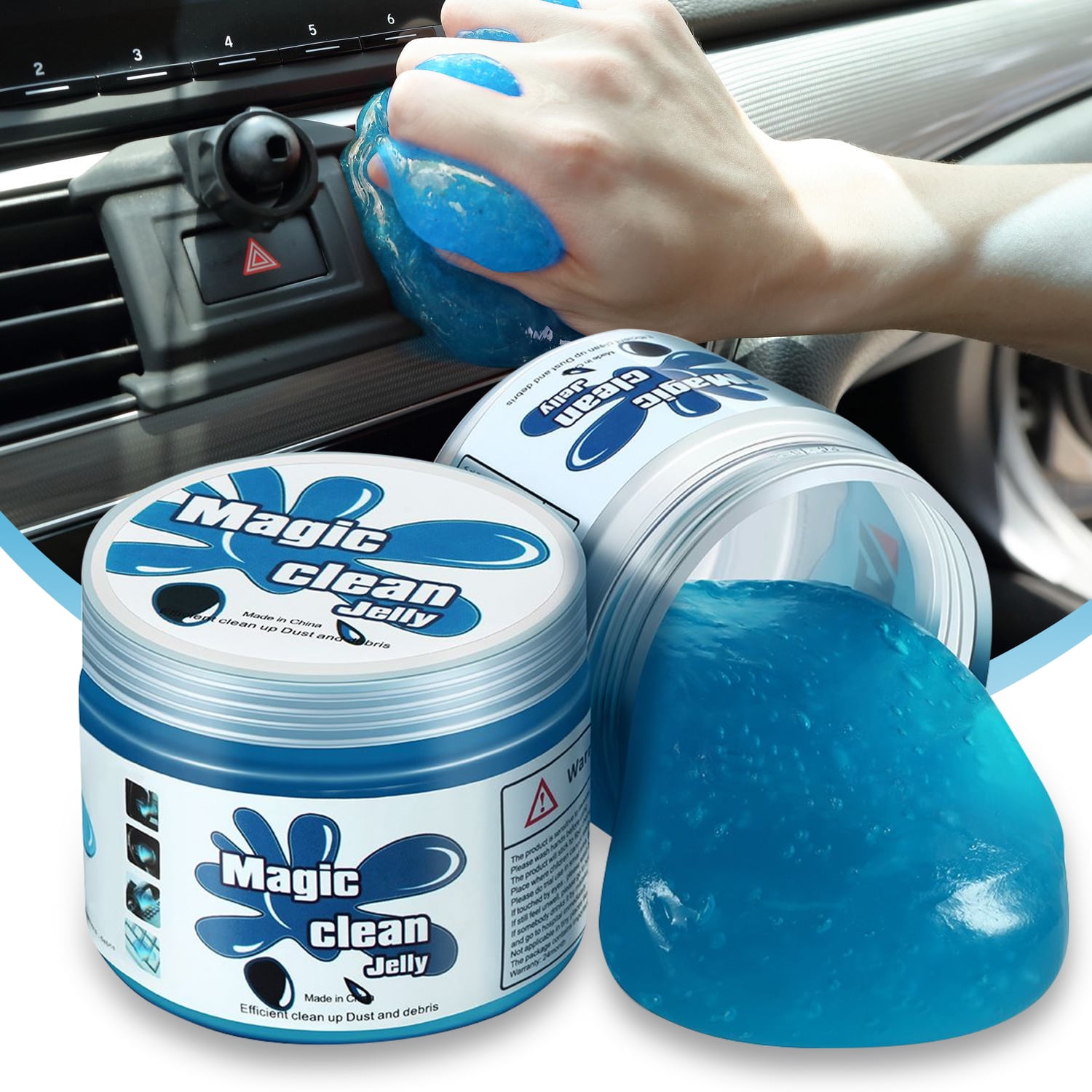
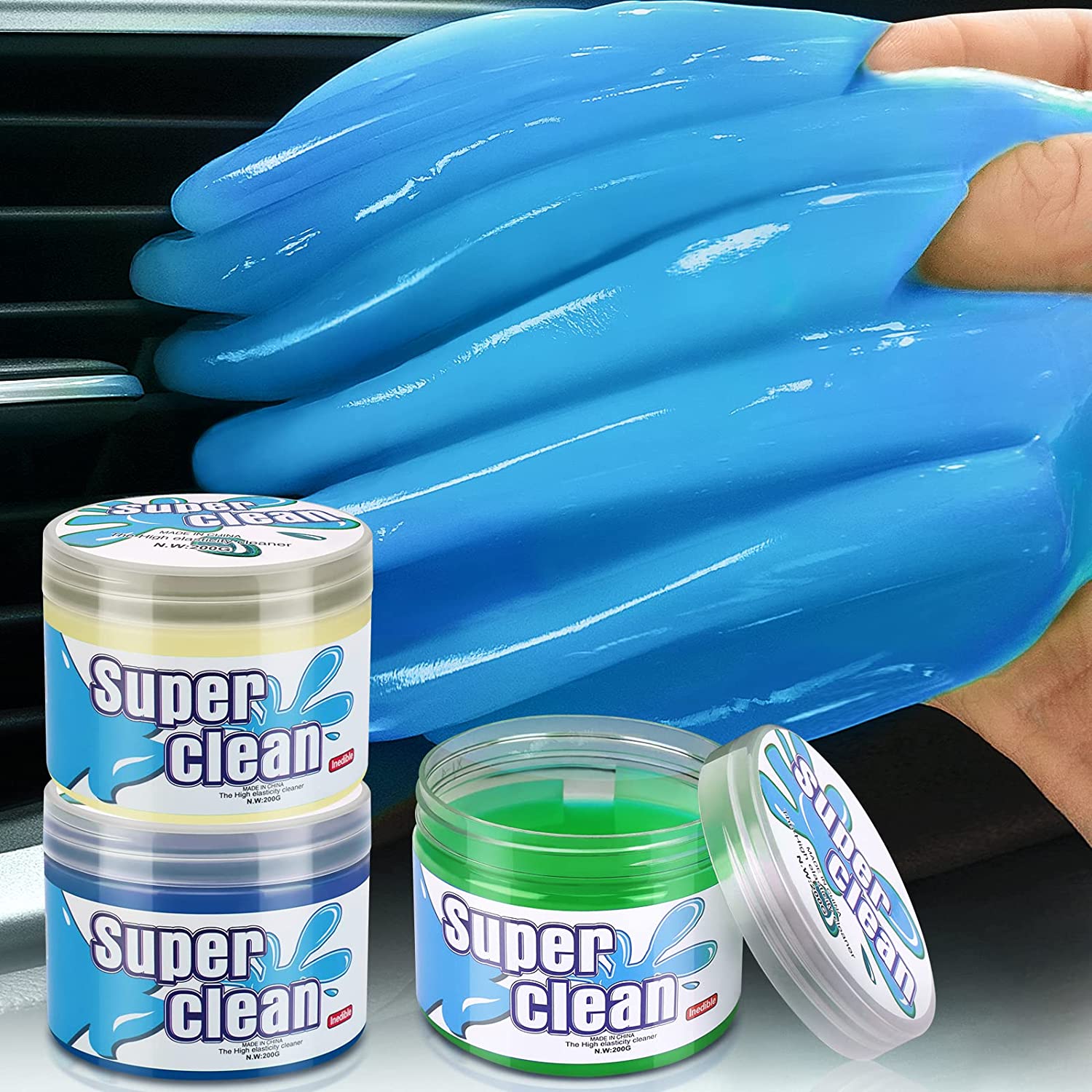
Car cleaning gel is a soft, moldable cleaning compound. It works by pressing against a surface and picking up loose dust, crumbs, hair, and small particles. Its flexible shape lets it reach narrow spaces that a cloth or vacuum nozzle may miss.
Most car cleaning gels work best on hard, sealed surfaces, such as:
- Air vent slats
- Cup holders
- Center consoles
- Door handle recesses
- Gear-shift surrounds
- Dashboard seams
- Storage pockets
- Buttons and trim gaps
Car cleaning gel is not the same as automotive detailing clay. Detailing clay removes bonded contaminants from paint with lubricant. Cleaning gel mainly collects loose debris from small gaps and textured surfaces.
How Does Cleaning Gel Hold Dirt?
The gel traps particles through surface contact and mild tack. When you press it onto dust, the debris sticks to the gel. Kneading then moves much of the dirt into the center of the mass.
This does not make the gel permanently clean. Each use adds more dust, oil, and debris. Over time, the gel loses its clean outer surface and may also lose its shape or tack.

Step-by-Step: How to Clean Car Cleaning Gel
1. Read the Product Instructions
Check the package before using water, soap, alcohol, or another cleaner. Some products are designed for single use or limited reuse. Others give specific storage and cleaning directions.
The label is more reliable than a general cleaning tip because gel formulas vary. If the package says not to wash, do not wash it.
2. Remove Large Debris by Hand
Look at the gel after use. Pick out large pieces of lint, leaves, hair, or food if you can do so without tearing the gel.
Do not pull hard. A sharp object trapped in the gel can cut it or make it crumble.
3. Knead the Gel
Hold the gel in clean hands and gently press, fold, and stretch it. Work it for about 20 to 30 seconds, or until the visible dirt is spread through the mass.
You do not need to knead it aggressively. Excessive stretching can weaken the material.
4. Fold the Dirty Surface Inward
Flatten the gel slightly, then fold the outside toward the center. Press the folded sections together. This places dust and small particles inside the gel instead of leaving them on the outer surface.
Repeat the process several times. Stop if the gel becomes stringy, sticky, oily, or cracked.
5. Check the Surface
The gel is ready for limited reuse when:
- Its surface still feels even.
- It does not leave an oily film.
- It picks up dust without breaking apart.
- It keeps its original color and shape.
- No sharp or large debris remains on the outside.
A slightly darker gel may still work. A gel that feels dirty, greasy, or weak should be discarded.
6. Store It in Its Container
Put the gel back into its original tub, pouch, or sealed container. Close the lid firmly to limit dust and moisture exposure.
Store it in a cool, dry place. Do not leave it on the dashboard, inside a hot vehicle, or in direct sunlight. High heat can change its texture and cause it to melt, harden, or stick to the container.
Should You Wash Car Cleaning Gel With Water?
In most cases, no. Many car cleaning gels are not designed to be rinsed. Water may change the gel’s texture, reduce its tack, or make it break apart.
Do not add dish soap, hand soap, disinfectant, rubbing alcohol, or glass cleaner unless the manufacturer approves it. These products may react with the gel or leave unwanted residue in your vehicle.
What If the Gel Is Washable?
If the package clearly says the gel is washable, follow the listed method. Use only the water temperature, drying method, and cleaning agent stated by the manufacturer.
After washing, the gel should be fully dry before it goes back into the car. A wet gel can transfer moisture into vents, seams, switches, and other small spaces.
What If the Gel Has a Small Amount of Dirt?
A small amount of dust does not mean the gel needs to be washed. Kneading and folding are usually enough to expose a cleaner surface.
Use the gel only until it stops picking up debris cleanly. Reusing it too long can spread dirt rather than remove it.
How to Tell When Car Cleaning Gel Is No Longer Usable
Replace the gel when it shows clear signs of wear or contamination. A low-cost gel is not worth using if it may damage a vehicle surface.
| Condition | What it means | Recommended action |
|---|---|---|
| Slight color change | Normal dirt buildup | Knead and inspect |
| Oily or greasy feel | It has absorbed residue | Stop using and discard |
| Cracks or crumbling | The material is breaking down | Discard |
| Strong chemical smell | Possible formula breakdown or contamination | Discard |
| Sticky film on surfaces | The gel may be too warm or damaged | Stop use and wipe the area |
| Embedded sharp debris | It may scratch or snag surfaces | Remove carefully or discard |
| No longer picks up dust | Cleaning performance has declined | Replace |
| Liquid collects in the container | The formula may be separating | Do not use |
Do not try to restore a damaged gel by freezing it, heating it, adding water, or mixing it with another product.

How to Use Car Cleaning Gel Without Making a Mess
Using the gel correctly helps it last longer and reduces the risk of residue.
Use It on Cool, Dry Surfaces
Park in a shaded area and let hot interior parts cool first. Warm plastic can make the gel softer and more likely to leave residue.
The surface should be dry. Moisture can change the gel’s grip and make it harder to remove cleanly.
Press and Lift Instead of Scrubbing
Place the gel on the dirty area, press lightly, and lift it away. For vents or textured trim, use short presses.
Do not rub the gel back and forth. Scrubbing can push dirt deeper into seams and may create a sticky smear.
Use Small Pieces in Narrow Areas
A smaller piece gives you better control around buttons, vents, and trim. Keep the main gel clean by tearing off only what you need.
Do not force a large piece into a narrow opening. It may become trapped.
Test an Unseen Area First
Before cleaning a visible part of the cabin, test the gel on a hidden section. Watch for color transfer, gloss changes, residue, or surface damage.
Wait a few minutes after the test. Some residue becomes easier to see after the surface dries.
Avoid Sensitive Materials
Do not use car cleaning gel on surfaces unless the label says it is suitable. Use extra caution with:
- Touchscreens and instrument displays
- Leather and synthetic leather
- Suede or microsuede
- Cloth seats and carpets
- Perforated upholstery
- Unsealed wood
- Soft-touch coatings
- Piano-black trim
- Painted or recently repaired surfaces
- Steering-wheel controls
- Airbag covers and seams
For screens, use a clean microfiber cloth made for displays. For fabric, use a vacuum or an appropriate upholstery method.

What to Do If Car Cleaning Gel Leaves Residue
If the gel leaves a film, stop using it at once. Do not spread the residue across a larger area.
- Remove any remaining gel by lifting it with a clean microfiber cloth.
- Use a second cloth that is slightly damp with clean water.
- Wipe the affected area gently.
- Dry the surface with a separate microfiber cloth.
- Check the surface under good light.
If the residue remains, use a cleaner approved for that exact material. Do not use alcohol, ammonia, or strong solvents on plastic, screens, leather, or soft-touch coatings without checking the surface-care instructions.
Why Does Gel Leave Residue?
Common causes include:
- The interior surface was hot.
- The gel was old or damaged.
- The gel was pressed too hard.
- The surface had oil, sunscreen, or dressing on it.
- The gel was used on an incompatible material.
- The product was stored in heat.
- The gel was exposed to water or a cleaning chemical.
A sticky result does not always mean the vehicle surface is damaged. Clean a small area first and inspect it before treating the rest.
Common Mistakes When Cleaning Car Cleaning Gel
Washing It Without Checking the Label
Water is the most common mistake. Many gels are meant to be refreshed by kneading, not rinsed.
Using It on Greasy Surfaces
The gel may absorb oil from food, lotion, sunscreen, or interior dressing. That oil can then transfer to other parts of the car.
Clean greasy areas with a suitable interior cleaner first. Let the surface dry before using the gel.
Leaving It in a Hot Car
A closed vehicle can become very hot, especially during summer in states such as Arizona, Texas, Florida, and Nevada. Heat may change the gel’s consistency.
Store it indoors when possible. Keep it away from heaters, direct sun, and hot dashboards.
Pushing It Into Vents or Buttons
The gel should touch the surface without entering the mechanism. Deep pressure can leave pieces behind or affect moving controls.
Use a soft brush or compressed air designed for electronics when a gap is too narrow for safe gel use.
Using One Piece on the Whole Interior
A gel that touches dirty floors, cup holders, and console seams can carry grime from one area to another. Use separate pieces for heavily soiled areas, or clean from the least dirty area to the most dirty area.
Confusing Cleaning Gel With Detailing Clay
Do not use car cleaning gel on exterior paint as a substitute for clay treatment. Paint clay needs the correct lubricant and process. Using the wrong product may create marring or leave residue.

Car Cleaning Gel Compared With Other Cleaning Tools
The best tool depends on the dirt and the surface.
| Tool | Best for | Main limitation |
|---|---|---|
| Cleaning gel | Loose dust and crumbs in small gaps | Not ideal for oil, stains, or delicate materials |
| Microfiber cloth | Flat plastic, glass, and screens | Cannot reach deep seams well |
| Soft detailing brush | Vents, buttons, and textured trim | Can move dust unless paired with a vacuum |
| Vacuum with a soft nozzle | Loose debris and crumbs | May not reach very narrow gaps |
| Interior cleaner | Grease and surface films | Must match the material |
| Detailing clay | Bonded contamination on exterior paint | Requires lubricant and careful technique |
A useful approach is to vacuum or brush loose dirt first, then use gel for the small amount that remains. This keeps the gel cleaner and may extend its useful life.
Frequently Asked Questions
Can I clean car cleaning gel with soap?
Usually, no. Most car cleaning gels should be kneaded and folded rather than washed. Use soap only when the product label specifically permits it.
How many times can I reuse car cleaning gel?
There is no universal number. Reuse depends on the gel formula, the amount of dirt, storage conditions, and the surfaces it touches. Replace it when it becomes greasy, crumbly, weak, or unable to pick up dust.
Can I use car cleaning gel on a touchscreen?
Only if the manufacturer says it is safe for screens. In general, a clean, dry microfiber cloth is the safer choice for touchscreens and instrument displays.
Why does my cleaning gel feel wet?
It may have absorbed moisture, separated because of heat, or begun to break down. Stop using it if it leaves a film or liquid on the vehicle surface.
Can I use cleaning gel on leather car seats?
Check the product label first. Many gels are intended for hard, sealed surfaces and may leave residue on leather or coated upholstery. Use a leather-safe cleaner and cloth instead when the material is uncertain.
Key Takeaways
- Most car cleaning gel should not be rinsed.
- Knead and fold the gel to move dirt into its center.
- Use it on cool, dry, hard, sealed surfaces.
- Avoid screens, leather, fabric, suede, and soft coatings unless approved.
- Store the gel in a sealed container away from heat and sunlight.
- Discard it when it becomes greasy, crumbly, discolored, or leaves residue.
- Follow the product label when it differs from general guidance.
Conclusion
The safest way to clean car cleaning gel is to refresh it by kneading and folding it, not by washing it. Use the gel gently on suitable hard surfaces, keep it away from heat and moisture, and replace it when its texture or cleaning performance changes.
Before the next use, check the label, test a hidden area, and keep a microfiber cloth nearby. That simple routine helps protect your car’s interior while making the gel last as long as it remains clean and effective.