What Is The Best Black Plastic Restorer: Best Guide
Faded black plastic can make a clean vehicle look older than it is. Sunlight, heat, road salt, soap, and dry air slowly remove the rich color from exterior trim, mirror housings, door handles, bumpers, and cowl panels. The right black plastic restorer can bring back a darker look and add a layer of protection, but no product can repair cracked, chalky, or deeply damaged plastic.
The best black plastic restorer depends on the surface, your climate, how long you want the result to last, and how much work you want to do. A wipe-on dressing is fast and easy. A trim coating takes more prep but often lasts much longer. A water-based protectant may suit a daily driver, while a dedicated coating can make more sense for a truck, SUV, or vehicle that sits outside.
This guide compares leading types and products, explains what can fail first, and shows which option fits beginners, experienced DIY detailers, parents buying a useful gift, and owners of older cars, hybrids, EVs, trucks, and SUVs.
Affiliate disclosure: This article may contain affiliate links. If you buy through a link, we may earn a commission at no extra cost to you. Product details and fitment can change, so check the current product page before buying.
Quick Answer: What Is the Best Black Plastic Restorer?
For most daily drivers, 303 Aerospace Protectant is the best black plastic restorer for regular care because it adds UV protection and works well on many exterior plastic surfaces when used as directed. Cerakote Ceramic Trim Coat is a better choice for owners who want a longer-lasting trim coating and are willing to spend more time on cleaning and prep. Meguiar’s Ultimate Black Plastic Restorer is a practical pick for beginners who want a simple wipe-on product at a modest cost.
The right choice is not the same for every vehicle. Check the label before use, test a hidden spot, and avoid applying trim products to tires, glass, steering wheels, pedals, brake parts, or motorcycle controls unless the maker specifically allows it.
The Main Types of Black Plastic Restorers
Black plastic restorers fall into three main groups: dressings, restorer formulas, and trim coatings. The main difference is how they bond to the surface and how long they are designed to last.
A dressing sits on or near the surface and improves color and sheen. A restorer may contain oils, polymers, or dyes that make faded plastic look darker. A coating uses a bonding formula that forms a more durable film after curing.
Water-Based Protectants
Water-based protectants are often easy to spread and easy to wipe off. They usually leave a natural or satin finish and are less likely to feel greasy than heavy silicone products.
These products suit beginners, leased vehicles, and drivers who clean their cars often. They may need reapplication after strong rain, repeated washes, or a few weeks of harsh sun.
Solvent-Based Restorers
Solvent-based restorers can darken badly faded plastic with one or two applications. They may work well on rough bumpers and textured trim, but they require careful use and good ventilation.
Solvents can stain paint, soften some finishes, or leave uneven marks if the plastic is dirty. They also may not be the best choice for a new car with lightly faded trim.
Ceramic or Polymer Trim Coatings
Trim coatings are made for durability. They usually need deep cleaning, oil removal, careful application, and a cure period with limited water exposure.
A coating can be worth the extra work on a truck, SUV, older vehicle, or car that stays outside. It is less forgiving than a basic dressing, so a beginner should follow the instructions closely and use small sections.
The table below shows the broad trade-offs. These are general product types, not promises for every formula.
| Product type | Best use |
|---|---|
| Water-based protectant | Frequent care and a low-gloss finish |
| Solvent-based restorer | Heavily faded, textured exterior plastic |
| Trim coating | Long-term protection after careful prep |
A dressing is the easiest path, but it may not last as long. A coating can last longer, but poor prep can lock in dirt, streaks, or uneven color.

What to Look For in a Black Plastic Restorer
The best black plastic restorer should match the plastic, finish, weather, and time you can give the job. Do not choose only by the word “black” on the bottle. Some products are made for restoring color, while others mainly protect clean plastic from UV exposure.
UV Protection
Ultraviolet light breaks down the surface of plastic over time. This process can make trim look gray, white, or chalky.
Look for a product that clearly states it helps protect against UV exposure. Protection does not stop all fading, but it can slow the process. This feature matters most for vehicles parked outdoors in sunny areas.
Finish
Finish means how the trim looks and feels after application. Common choices include matte, satin, and glossy.
Matte trim can look more factory-correct on newer vehicles. Gloss may help very faded plastic look richer, but a shiny finish can also highlight streaks and dust. If you are unsure, satin is usually the safer choice.
Water Resistance
Water resistance matters if you live where rain, snow, or road spray is common. A product that beads water may still wear away after repeated washes.
Read the label for cure time. Some formulas need several hours without rain. A coating may need longer before you wash the vehicle.
Compatibility
Exterior trim can include textured polypropylene, smooth ABS plastic, rubber, vinyl, and painted plastic. These materials do not always react the same way.
Confirm that the product is made for exterior automotive plastic. Keep it away from clear plastic lenses, glass, paint, and interior surfaces unless the label lists them as safe.
Application Method
A spray bottle is fast. A sponge applicator gives more control. A small foam brush can help around grille openings and tight trim lines.
The applicator is part of the result. A clean foam pad spreads product more evenly than an old towel with trapped grit.
Durability Claims
Manufacturers may describe products as lasting weeks, months, or longer. Treat these figures as use-dependent estimates, not guarantees.
Sun, heat, rain, car washes, degreasers, and road salt all change the result. A garage-kept car may keep a treatment longer than a vehicle parked outside near the coast.
Product Factors That Matter Most
| Feature | Why it matters |
|---|---|
| UV protection | Helps slow sun-related fading |
| Finish level | Controls whether trim looks matte, satin, or glossy |
| Water resistance | Helps in rain, snow, and frequent washing |
| Cure time | Tells you when the vehicle can get wet |
| Surface compatibility | Reduces the risk of stains or damage |
The strongest durability claim is not always the best fit. A simple product that you will apply correctly can beat a complex product that sits unused in the garage.

Best Black Plastic Restorers by Driver and Vehicle
There is no single best product for every owner. The right product depends on the driver’s skill, the vehicle’s age, and the condition of the plastic.
| Driver or vehicle | Best product type | Why it fits |
|---|---|---|
| Beginner or parent | Easy wipe-on protectant | Simple steps and low mess |
| Daily sedan or hybrid | Water-based dressing | Natural look and quick upkeep |
| Older truck or SUV | Dedicated restorer | Helps improve heavily faded trim |
| Detail-focused DIY owner | Ceramic trim coating | More prep and longer service potential |
| Vehicle in strong sun | UV-focused protectant | Designed for regular sun exposure |
| Gift buyer | Small trim care kit | Useful, affordable, and easy to understand |
Beginners should start with a product that allows a second coat. Experienced DIYers may prefer a coating because they can spend more time on prep.

Detailed Product Reviews
The following products are widely known in automotive detailing. Product formulas can change, so check the current label, instructions, and fitment information before purchase.
303 Aerospace Protectant: Best for Regular UV Protection
303 Aerospace Protectant is a strong choice for drivers who want to maintain exterior plastic rather than perform a one-time rescue on severely damaged trim. It is known for a low-sheen finish and UV protection when used according to the directions.
It can suit dashboards, vinyl, rubber, and some exterior plastics, but you should confirm the label for the exact surface. Many detailers prefer it when they want trim to look clean rather than wet.
Who should choose it?
This product suits beginners, parents, gift buyers, and owners of newer cars. It is also useful for daily drivers that receive routine washing.
It may not satisfy someone who wants the darkest possible color on gray, sun-burned bumper plastic. In that case, a dedicated restorer or trim coating may produce a stronger visual change.
Strengths and drawbacks
| Strengths | Drawbacks |
|---|---|
| Natural-looking finish | Needs regular reapplication |
| Useful UV protection | May not restore badly chalked plastic |
| Works on several listed materials | Requires careful wiping to avoid residue |
The first thing likely to fail is longevity, not the plastic itself. Frequent rain and washing can reduce the effect.

Meguiar’s Ultimate Black Plastic Restorer: Best for Beginners
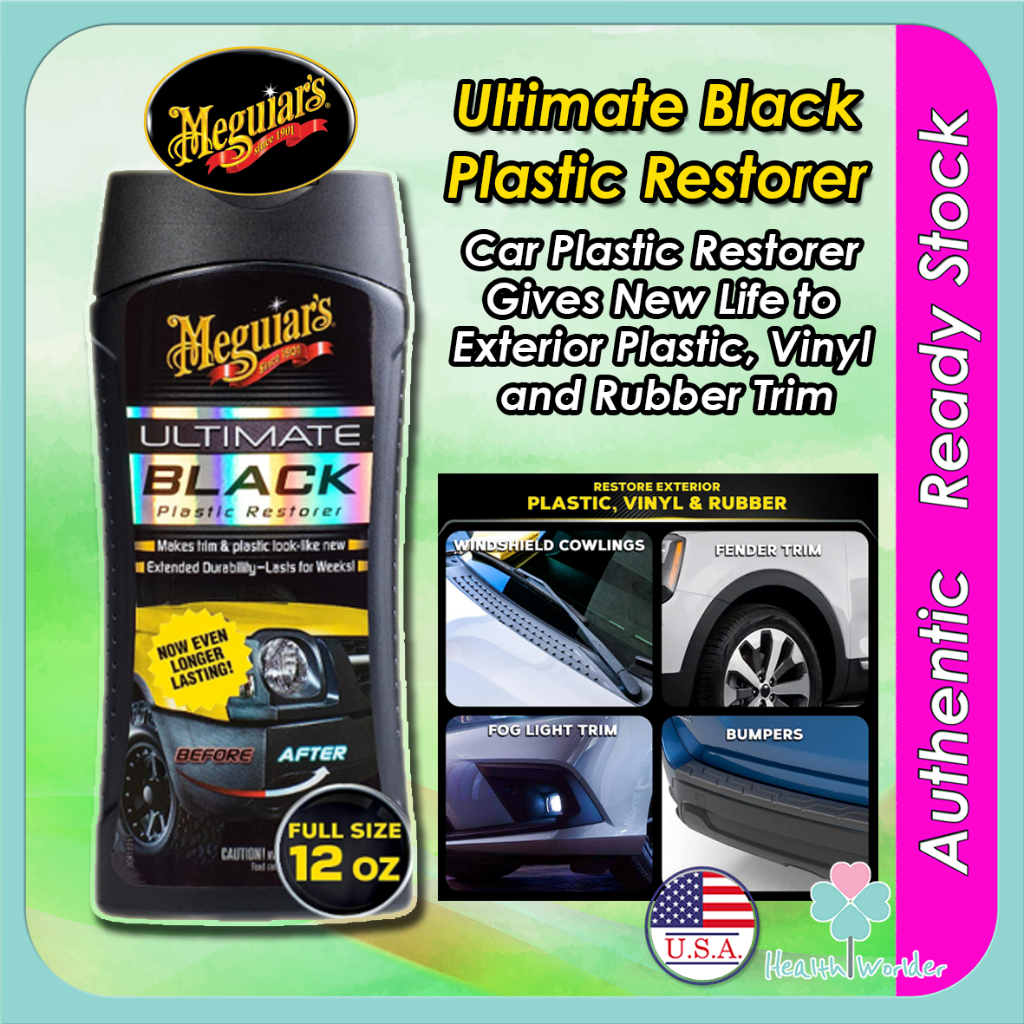
Meguiar’s Ultimate Black Plastic Restorer is designed for exterior plastic and rubber trim. It is a practical pick for a beginner who wants a darker finish without learning a complex coating process.
The product works best when the surface is clean, dry, and free of old dressing. Apply a thin layer, allow it to work as directed, and wipe away excess. Thick application can cause a greasy feel or sling onto nearby paint.
Who should choose it?
This product suits a first-time detailer, a teen driver learning basic car care, or a gift buyer who wants a familiar automotive brand. It can be useful on faded mirror housings, bumper trim, door handles, and other exterior pieces listed on the label.
It may not be the right pick for a professional-level long-term coating job. A coating requires more prep but may last longer.
Strengths and drawbacks
| Strengths | Drawbacks |
|---|---|
| Easy to apply | May need frequent touch-ups |
| Made for exterior plastic and rubber trim | Can look uneven on badly damaged plastic |
| Good entry-level choice | Excess product can attract dust |
This is often the best black plastic restorer for beginners because the process is simple and the cost is usually moderate. Check the latest listing for updated packaging and surface instructions.
Cerakote Ceramic Trim Coat: Best for Long-Term Trim Care
Cerakote Ceramic Trim Coat is aimed at owners who want a more durable treatment than a basic dressing. It uses a coating-style application and needs careful cleaning before use.
A coating cannot hide every defect. Deep oxidation, gouges, and damaged texture may remain visible. The product can improve the color and add protection, but the final result depends heavily on surface prep.
Who should choose it?
This product suits experienced DIY detailers and owners of trucks, SUVs, and older vehicles with large areas of faded black trim. It can also suit someone who dislikes reapplying a dressing every few weeks.
It may be a poor match for a rushed beginner. If you cannot keep the vehicle dry during the stated cure period, choose a simpler product.
Strengths and drawbacks
| Strengths | Drawbacks |
|---|---|
| Designed for longer-lasting trim treatment | Prep must be thorough |
| Useful for large exterior trim areas | Mistakes may cause uneven coverage |
| Can suit outdoor vehicles | May cost more than a dressing |
Use small sections. Work in shade. Wear gloves and provide fresh air. Avoid applying it over dust, wax, old silicone, or moisture.

Mothers Back-to-Black: Best for Older Exterior Trim
Mothers Back-to-Black is a familiar option for faded black plastic and rubber trim. It is often chosen for older cars, trucks, and SUVs where the trim has lost color but is not cracked or broken.
The product line includes different formulas, so read the package carefully. Some versions are designed as a trim restorer, while others may serve as a cleaner or dressing.
Who should choose it?
It suits a budget-minded owner who wants to improve the look of an older vehicle before a sale, road trip, or family event. It can also make sense for a DIYer who wants a known starting point before moving to a coating.
It may not be ideal for a vehicle that needs a long cure process or a low-maintenance solution. Reapplication can be part of normal care.
Strengths and drawbacks
| Strengths | Drawbacks |
|---|---|
| Good match for older faded trim | Results vary with plastic condition |
| Often affordable | May need repeat applications |
| Simple process | Excess can leave residue |
Do not use a restorer to cover cracks that could let water reach wiring, sensors, or body cavities. Damaged trim should be repaired or replaced when it affects sealing or safety.

Chemical Guys VRP: Best for a Satin, Versatile Finish
Chemical Guys VRP is a water-based dressing used on listed plastic, rubber, and vinyl surfaces. It is known for a satin-style look when applied in a controlled amount.
This type of dressing can make clean trim look darker and fresher. It is not a permanent repair. It may also wear faster than a dedicated coating, especially on exterior surfaces that face rain and road grime.
Who should choose it?
VRP suits detailers who want one product for several approved surfaces and who do not mind regular maintenance. It can work for a daily sedan, SUV, or truck that gets washed often.
It may not suit a driver seeking a one-time solution for severely faded trim. A ceramic trim coating may be a better fit for that goal.
Strengths and drawbacks
| Strengths | Drawbacks |
|---|---|
| Satin finish can look natural | Requires more frequent maintenance |
| Useful on several listed surfaces | Not a repair for damaged plastic |
| Easy to spread | Can collect dust if overapplied |
Apply less than you think you need. You can add a thin second pass, but removing a heavy layer takes more work.
CarGuys Plastic Restorer: Best for Quick Visual Improvement
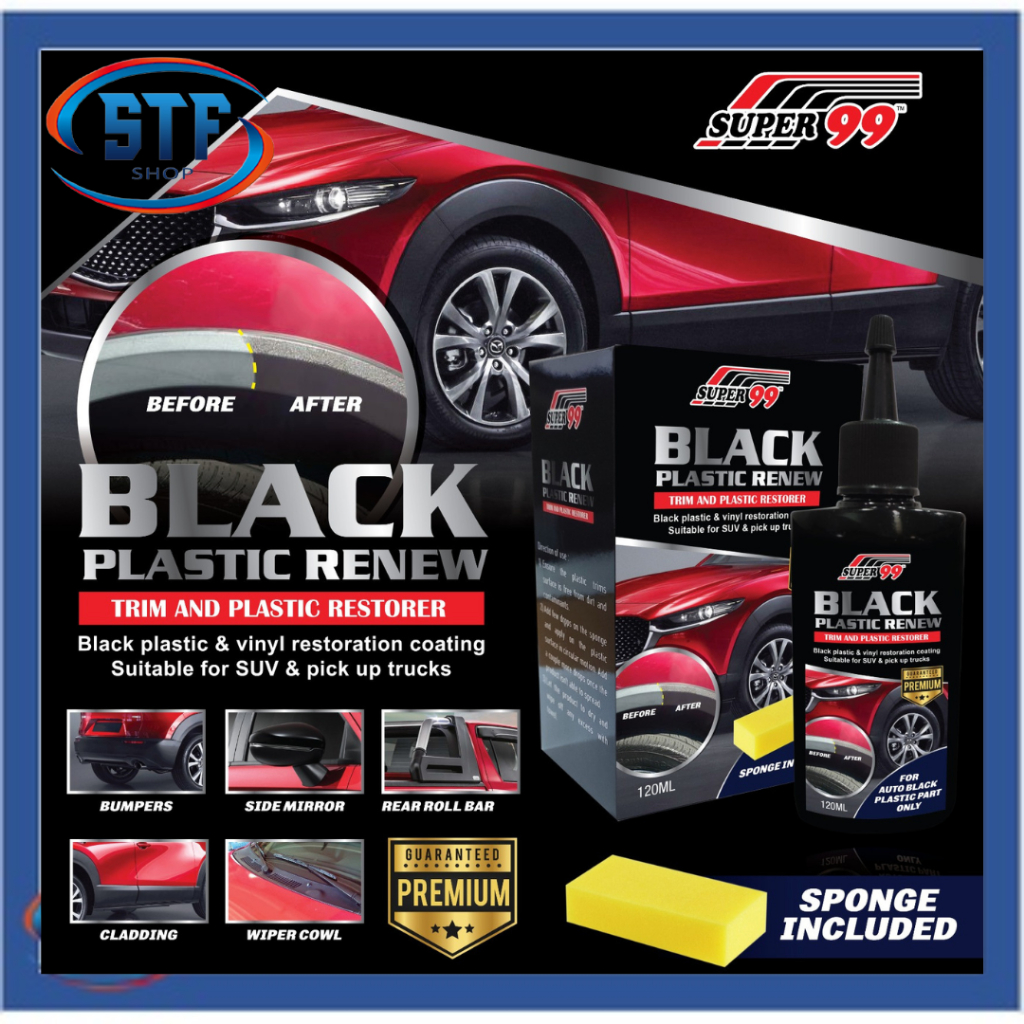
CarGuys Plastic Restorer is marketed for faded plastic, vinyl, and rubber trim. It is a simple option for an owner who wants a quick visual change without a multi-step coating.
As with any restorer, the surface must be clean. Silicone, wax, road film, and old dressings can block even coverage. Test the product in a hidden area before treating the whole vehicle.
Who should choose it?
This product suits a beginner, a used-car owner, or a gift buyer who wants a straightforward trim-care item. It can be useful for small areas such as mirror bases, bumper inserts, and door trim.
It may not suit a professional detailer who needs a carefully controlled coating system. It also cannot restore plastic that has become brittle or has lost its texture.
Strengths and drawbacks
| Strengths | Drawbacks |
|---|---|
| Quick application | Longevity depends on weather and washing |
| Useful for several trim areas | May need a second coat |
| Beginner-friendly process | Cannot fix cracks or missing texture |
The best result comes from thin coats and patient wiping. More product does not always mean more color.
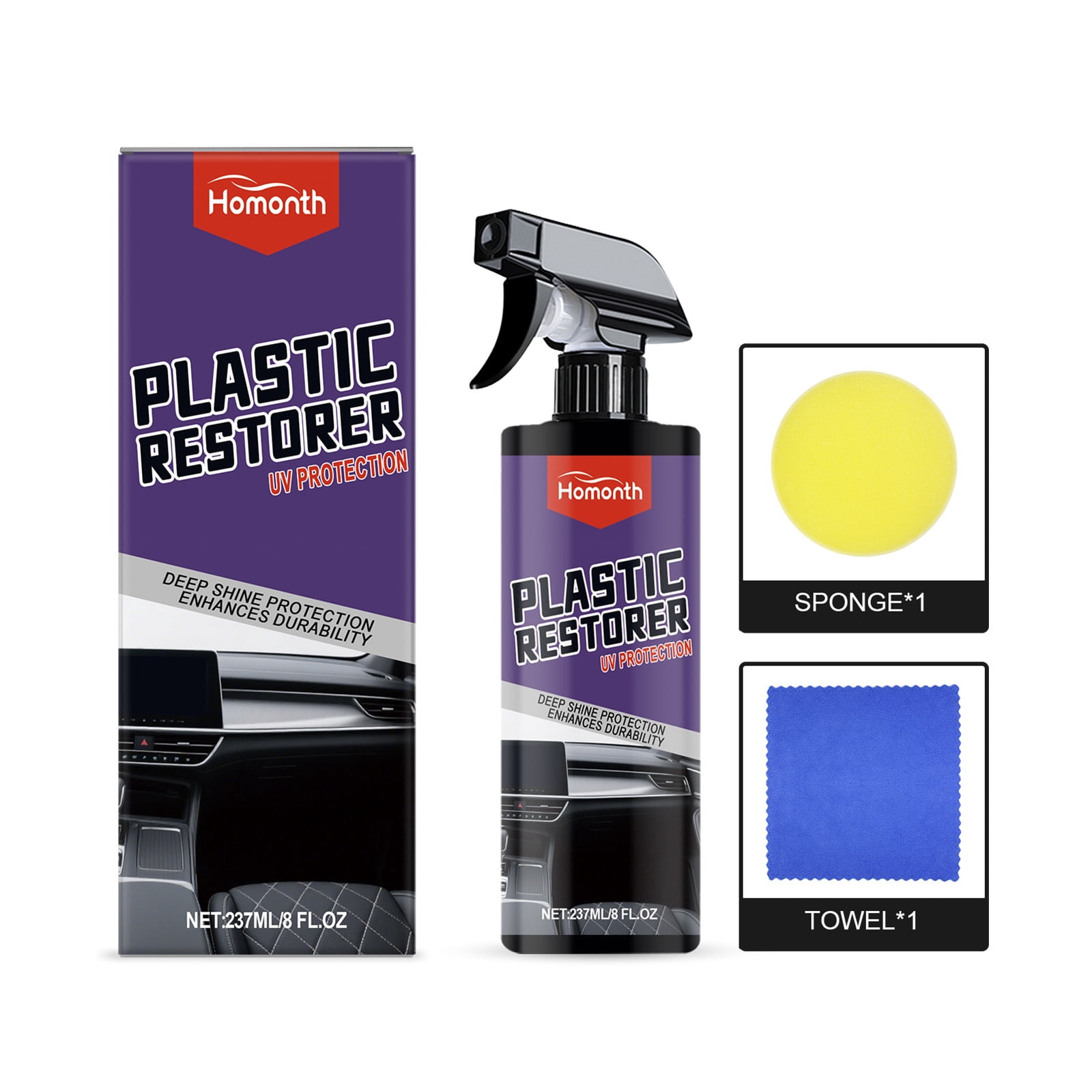
Comparison Table: Which Black Plastic Restorer Should You Buy?
The table below gives a practical starting point. It does not replace the product label, and it does not promise the same result on every vehicle.
| Product | Best for |
|---|---|
| 303 Aerospace Protectant | Regular UV-focused maintenance |
| Meguiar’s Ultimate Black | Beginners and simple wipe-on use |
| Cerakote Ceramic Trim Coat | Longer-term treatment with careful prep |
| Mothers Back-to-Black | Older vehicles with faded trim |
| Chemical Guys VRP | Satin finish and frequent detailing |
| CarGuys Plastic Restorer | Quick visual improvement |
For most new drivers, Meguiar’s Ultimate Black is the easiest place to start. For an owner who wants long-term trim care and can follow a detailed process, Cerakote Ceramic Trim Coat deserves consideration.

What Black Plastic Restorer Can and Cannot Fix
A restorer can improve color and surface appearance. It cannot rebuild missing material or reverse all chemical damage.
It Can Help With
- Gray or faded exterior plastic
- Dry-looking mirror housings
- Dull bumper trim
- Faded door handles
- Light chalking
- Surface dryness caused by sun exposure
- Uneven color after old dressing wears away
It Cannot Reliably Fix
- Cracked bumpers
- Broken clips
- Deep scratches
- Peeling paint
- Melted plastic
- Missing texture
- Plastic that has become brittle
- Water leaks caused by failed trim seals
The product is a cosmetic and protective treatment. It is not a replacement for a new grille, bumper cover, cowl panel, or weather seal.
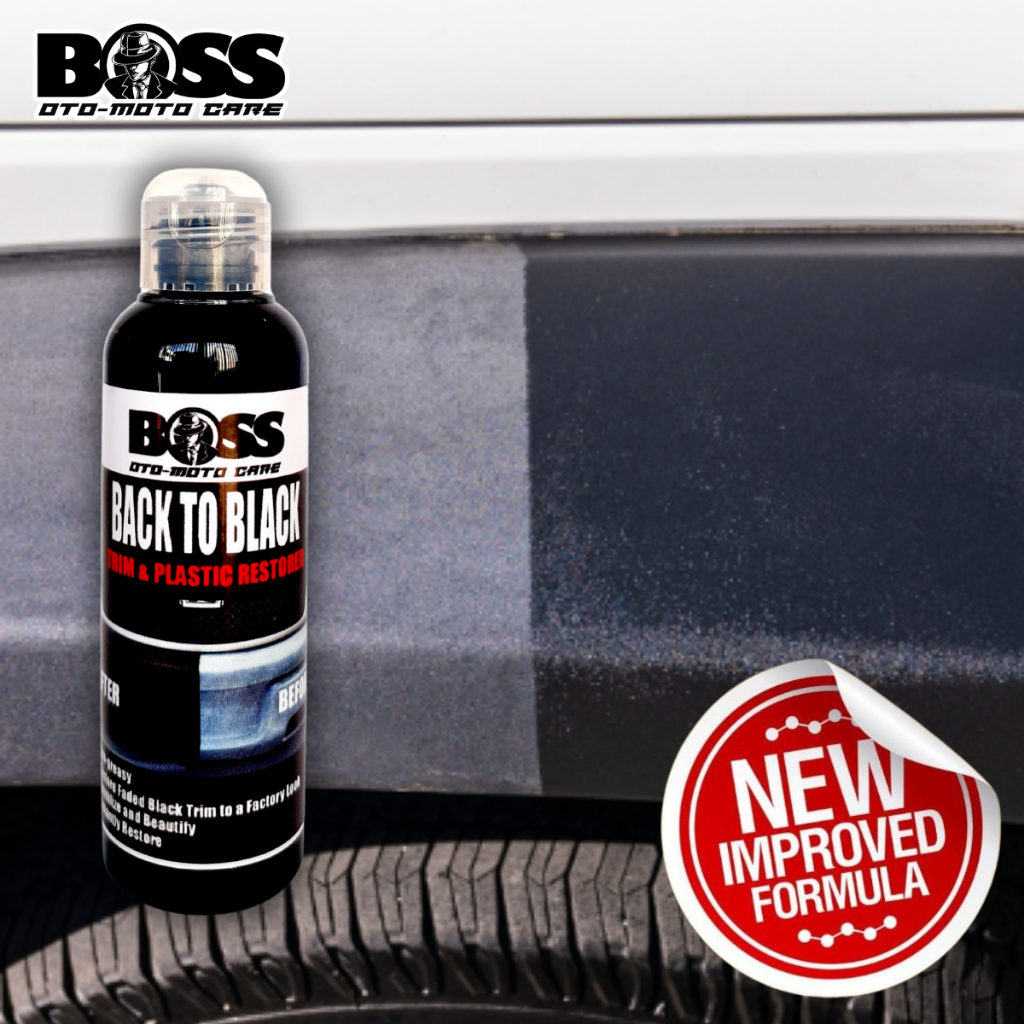
How to Apply Black Plastic Restorer
The best way to apply a plastic restorer is to clean, dry, test, apply a thin layer, and remove excess before the product dries unevenly.
Supplies You Need
| Item | Purpose |
|---|---|
| Car wash soap | Removes loose dirt |
| Soft detailing brush | Cleans textured plastic |
| Microfiber towels | Wipes residue and dries trim |
| Foam applicator | Spreads product evenly |
| Masking tape | Protects nearby paint |
| Nitrile gloves | Protects your hands |
You may also need an all-purpose cleaner diluted according to its label. Do not use a strong cleaner on delicate surfaces without checking compatibility.

Step 1: Wash the Vehicle
Wash the vehicle in the shade. Remove road dust, mud, salt, and loose grit from the trim.
Use a soft brush on textured areas. Rinse well so cleaner does not remain in deep grain.
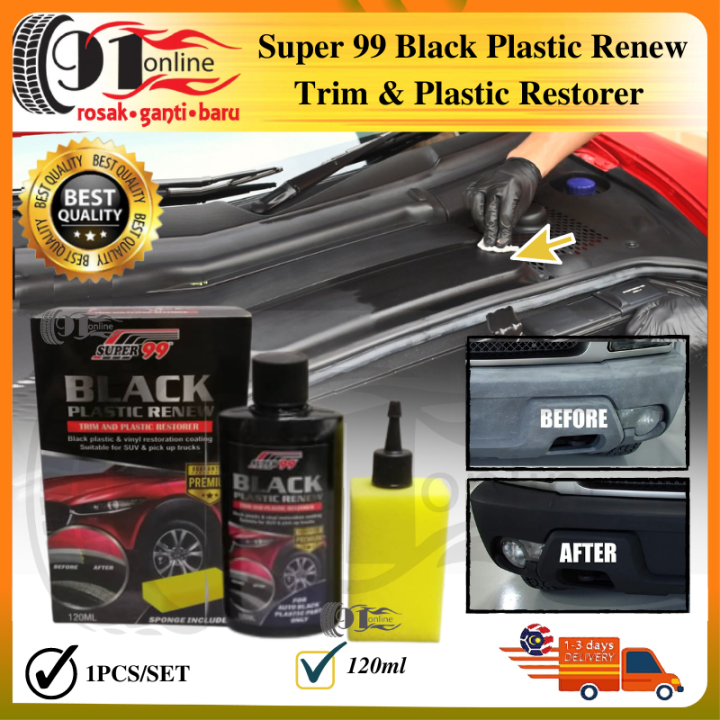
Step 2: Remove Old Residue
Old silicone and dressing can create dark spots. Use a suitable automotive cleaner and a microfiber towel to remove residue.
Do not scrub hard enough to polish the texture smooth. Rough trim can hold dirt in its grain, so work in small areas.
Step 3: Dry the Surface
Dry the trim completely. Water trapped in seams can dilute the product and create streaks.
Wait a little longer around grilles, badges, mirror bases, and roof rack mounts. Compressed air can help push water from gaps, but use low pressure and keep the nozzle at a safe distance.
Step 4: Test a Hidden Spot
Apply a small amount under the bumper edge or behind a trim piece. Let it sit for the time listed by the maker.
Check for color change, streaking, stickiness, or surface damage. If the test looks poor, stop and choose another product.
Step 5: Apply a Thin Coat
Place a small amount on the applicator instead of pouring product directly onto the vehicle. Work in sections about the size of a door handle or small bumper panel.
Spread the product in one direction, then level it with a clean side of the applicator. Avoid flooding seams and fasteners.
Step 6: Wipe Excess
Use a clean microfiber towel to remove excess from nearby paint and the edges of the trim. This step helps reduce streaks and sling.
Inspect the surface from several angles. A dark garage can hide uneven coverage that becomes clear in sunlight.
Step 7: Allow the Product to Cure
Follow the label for cure time. Keep the vehicle dry if the directions call for it.
Do not apply a second coat just because the first coat looks light after a few minutes. Some products darken or level as they dry.
💡 Pro Tip: Use two microfiber towels. Keep one for the first wipe and one for the final check. This reduces the chance of spreading old residue back onto clean trim.
Common Mistakes That Shorten the Result
Most poor results come from dirty plastic, excess product, bad weather, or using the wrong formula on the wrong surface. A careful prep job often matters more than choosing the most expensive bottle.
| Mistake | What can happen |
|---|---|
| Applying over dirt | Uneven color and trapped grit |
| Using too much product | Greasy feel, dust, and streaks |
| Working in direct sun | Fast drying and patchy coverage |
| Skipping a test spot | Staining or poor finish |
| Wetting the trim too soon | Reduced bonding and durability |
| Using it on pedals or steering wheels | Slippery safety hazard |
Never apply a slippery dressing to brake pedals, accelerator pedals, steering wheels, shifter knobs, motorcycle foot controls, or tire tread. If product reaches one of these areas, clean it off fully before driving.
Climate and Vehicle-Type Advice
Climate changes how black plastic restorers behave. The same product may last longer in a covered garage than on a vehicle parked beside a hot road.
Hot and Sunny Areas
Strong sunlight speeds fading and can raise the surface temperature quickly. Choose a product with stated UV protection and apply it in shade.
SUVs and trucks often have large areas of exposed trim. A durable coating may save time if you dislike frequent touch-ups.
Cold and Snowy Areas
Road salt and winter grit can strip surface treatments. Wash the lower trim during winter when conditions allow.
Avoid applying a product when the plastic is frozen or wet. Let the vehicle warm up in a ventilated space, but never run an engine in a closed garage.
Coastal Areas
Salt air and salt spray can leave a film on trim. Rinse the vehicle often with clean water.
A protectant may slow surface drying, but it cannot stop corrosion on nearby metal clips, fasteners, or body panels. Inspect those areas during routine washing.
Rainy Areas
Rain can reduce the life of a dressing, especially on low bumper trim. Check whether the product needs a dry cure period.
If rain begins before the product cures, dry the trim when safe and review the manufacturer’s instructions before applying more.
EVs and Hybrids
Electric vehicles and hybrids use the same general exterior plastic materials as gasoline vehicles. Black plastic restorer does not affect the high-voltage system when used only on exterior trim.
Keep liquids away from charging ports, battery vents, orange high-voltage cables, and electrical connectors. Do not spray cleaner into gaps near sensors or charging hardware.
Is Black Plastic Restorer Worth the Money?
Black plastic restorer is worth the money when the trim is sound and you want a cleaner appearance without replacing parts. It can make an older car look more cared for and may help protect clean plastic from sun exposure.
It is not worth buying if the plastic is cracked, loose, melted, or missing. Replacement trim or professional repair may be the better use of your money.
Price Tiers
| Price tier | What to expect |
|---|---|
| Budget | Basic dressing or restorer for small areas |
| Mid-range | Better applicators, larger bottle, or stronger formula |
| Premium | Trim coating with more prep and cure time |
Current pricing ranges from budget bottles to premium coating kits. Check the latest listing for updated features, package size, and instructions.
For a gift, a mid-range product with foam applicators and microfiber towels is often more useful than a premium coating that requires advanced prep. For a professional detailer, the added time of a coating may make sense.
What Features Can You Ignore?
Marketing terms can make simple products sound complex. Focus on surface compatibility, finish, UV protection, application time, and expected maintenance.
You can usually ignore:
- A dramatic “instant new” claim
- A very high-gloss finish if you want a factory look
- Large package designs that do not explain coverage
- Vague durability claims without care instructions
- Extra fragrance
- A black color label that does not list plastic compatibility
You should not ignore:
- Cure time
- Required surface prep
- Warnings about paint and glass
- Whether the product is for exterior trim
- Instructions for rain and car washing
- Ventilation and glove recommendations
A product with clear instructions is often a safer buy than one with bold claims and little technical detail.
Black Plastic Restorer Versus Other Options
A restorer is not the only way to improve exterior trim. Each alternative has limits.
Restorer Versus Replacement
Replacement gives the most complete result when plastic is broken or badly degraded. It also costs more and may require clips, tools, or professional installation.
For a loose bumper cover, damaged cowl, or trim that blocks a lamp or sensor, repair should come before appearance work.
Restorer Versus Paint
Trim paint can change the color and may cover more severe fading. It requires masking, surface prep, proper ventilation, and a compatible finish.
Paint is less reversible than a dressing. It may also look different from the rest of the vehicle if the texture is not prepared correctly.
Restorer Versus Ceramic Coating
A trim coating is a type of protective treatment that usually demands more prep. It may last longer than a dressing, but it can show application errors.
Choose a coating when durability matters more than speed. Choose a dressing when simple maintenance matters more than maximum service life.
Restorer Versus Heat Treatment
Some people use controlled heat to darken plastic. This can damage the surface, warp parts, or make the plastic more brittle.
Heat treatment is not a good beginner method. A proper restorer or replacement part is safer and easier to control.
How We Chose These Recommendations
These recommendations focus on common driver needs rather than one universal winner. The key factors are surface use, ease of application, finish, UV protection, likely maintenance, climate, and the skill needed.
We also considered three groups. Beginners need a clear process. Experienced DIYers may value durability and control. Gift buyers and parents need products that are useful without creating a difficult or unsafe project.
No product can promise the same result on every plastic surface. Always check the current product page and label for approved materials, coverage, cure time, and warnings.
Safety and Environmental Notes
Wear nitrile gloves and eye protection when using cleaners, solvents, or trim coatings. Work outdoors or in a well-ventilated area, and keep products away from children, pets, sparks, and open flames.
Do not pour leftover chemical product into a drain or onto soil. Follow local rules for household chemical disposal and use a community hazardous-waste program when required.
🌿 Eco or Disposal Note: Reuse clean applicators only when the product label allows it. Let chemical-soaked towels dry safely as directed, and never store them in a sealed pile where heat can build up.
A trim restorer is not a substitute for safety equipment. It does not repair a damaged bumper, restore a failed lamp mount, or make a loose exterior panel safe at highway speed.
FAQs About Black Plastic Restorers
Q: What is the best black plastic restorer for beginners?
A: Meguiar’s Ultimate Black is a practical beginner choice because it is simple to apply and made for exterior plastic and rubber trim. Use a small test area first, then apply a thin layer to clean, dry plastic. Beginners should avoid starting with a complex coating unless they can follow the prep and cure instructions.
Q: What is the best black plastic restorer for trucks and SUVs?
A: A durable trim coating, such as Cerakote Ceramic Trim Coat, may suit a truck or SUV with large areas of exposed black plastic. It requires more prep than a dressing. If you want a faster process, a dedicated restorer like Mothers Back-to-Black may be easier to maintain.
Q: How long does black plastic restorer last?
A: A dressing may last from several washes to several weeks, while a coating may last longer when applied to clean plastic and protected from harsh conditions. Sun, rain, snow, salt, degreasers, automatic car washes, and parking habits all affect durability. Follow the manufacturer’s care instructions.
Q: Can black plastic restorer fix white, chalky plastic?
A: It can improve the appearance of lightly or moderately chalky plastic. It cannot rebuild plastic that is deeply oxidized, cracked, brittle, or missing material. A coating or strong restorer may improve color, but replacement may be the only lasting repair for severe damage.
Q: Can I use black plastic restorer on tires?
A: Only use it on tires if the label specifically says it is safe for tire sidewalls. Never apply it to tire tread, brakes, pedals, or motorcycle controls. A slippery product in those areas can create a safety risk.
Q: Can I use it on the dashboard?
A: Some protectants are made for dashboards, while some exterior restorers are not. Read the label before use. Avoid products that leave a shiny, slippery film near the windshield, steering wheel, controls, or instrument panel.
Q: Can I apply trim restorer in direct sunlight?
A: Shade is usually better. Direct sun can heat the plastic and dry the product too fast, which may cause streaks or patchy coverage. Work on a cool surface and follow the temperature range on the label.
Q: Should I wash the car after applying black plastic restorer?
A: Usually, you should wash before applying it, not immediately after. Many products need time to set or cure. Check the label for the recommended wait before rain or washing.
Q: Is ceramic trim coating better than a plastic dressing?
A: It may last longer, but it is not automatically better for every driver. A coating needs more cleaning, careful application, and cure time. A dressing is easier to apply and reapply, so it may be better for a beginner or a frequently washed daily driver.
Q: Can a restorer damage car paint?
A: It can leave stains or residue on paint if it is applied carelessly. Mask nearby painted surfaces when needed, use a small amount, and wipe excess right away. Never assume a product is safe for paint unless the label says so.
Q: What is the best black plastic restorer for a car that stays outside?
A: Choose a product with clear UV and weather-protection information. A durable trim coating may suit an outdoor truck or SUV, while 303 Aerospace Protectant can fit regular maintenance. Expect to reapply more often than you would on a garage-kept vehicle.
Q: Can I use a black plastic restorer on an EV or hybrid?
A: Yes, if the product is approved for the exterior plastic you are treating. Keep liquids away from charging ports, high-voltage components, vents, and electrical connectors. Do not spray broadly around the vehicle’s openings.
Q: Do I need special tools?
A: No. Most jobs need car wash soap, a soft brush, microfiber towels, gloves, and a foam applicator. A coating may also need panel cleaner, masking tape, and a dry place to cure.
Q: What should I do if the result is streaky?
A: Wipe the surface with a clean microfiber towel and review the label. A thin second pass may even the color, but do not add more product until the first layer has set. If streaks remain, clean the surface and test a different formula in a hidden area.
Q: Is black plastic restorer safe for textured bumper plastic?
A: Many products are made for textured exterior plastic, but you must confirm the label. Clean the grain well, use a small applicator, and avoid filling deep texture with excess product. Test first because rough plastic can show uneven color.
Final Advice: Choose for Your Trim, Not Just the Bottle
The best black plastic restorer for most beginners is Meguiar’s Ultimate Black because it offers a simple path to a darker, cleaner-looking finish. For routine UV-focused care, 303 Aerospace Protectant is a strong choice. For an experienced DIY owner who wants a longer-term treatment on a truck, SUV, or older vehicle, Cerakote Ceramic Trim Coat may be worth the extra prep.
Start with the surface. Wash it, remove old residue, let it dry, and test a hidden spot. Use a thin coat, wipe the edges, and follow the cure instructions. With that approach, even a modest product can make tired trim look much better without turning a basic car-care job into a costly repair.