Can You Use Iron Remover On PPF: Safe Cleaning Guide
Paint protection film, or PPF, helps shield a vehicle’s paint from stone chips, road grit, bugs, and light scuffs. Yet PPF can still collect brake dust, rail dust, and other tiny iron particles. These particles may leave orange dots, rough spots, or a brown film on the surface.
So, can you use iron remover on PPF? In most cases, yes. A quality iron fallout remover is generally safe for modern PPF when you use it as directed, keep the surface cool, prevent the product from drying, and rinse it well. The key is to choose a product approved for painted surfaces and film, not a harsh cleaner made only for wheels.
PPF is not the same as factory paint. It is a thin plastic film with its own topcoat. Some films are glossy, while others have a satin or matte finish. Some also have a ceramic coating or other surface treatment. Those details affect which cleaners are safe.
This guide explains how iron remover works on PPF, when to use it, how to apply it, what can go wrong, and when a professional detailer is the better choice.

Quick Answer: Can You Use Iron Remover on PPF?
Yes, you can usually use an iron remover on PPF if the label says it is safe for automotive paint, clear coat, and protective film. Apply it to a cool, shaded panel, let it dwell only for the stated time, and never allow it to dry. Rinse with plenty of water, then wash the vehicle with a mild car shampoo.

A pH-balanced or pH-neutral iron remover is the safest starting point for most PPF. Always test a small hidden area first, especially on matte PPF, older film, damaged film, or PPF with a ceramic coating.
Iron remover is best for embedded ferrous particles. It is not a full car wash, polish, adhesive remover, or stain remover. You still need normal washing and, in some cases, professional paint correction or film replacement.
What Iron Remover Does
Iron remover uses chemicals that react with iron-based particles. The product often turns purple, red, or dark violet as it reacts. This color change is sometimes called the “bleeding” effect.
The product helps loosen particles that regular soap may not remove. It can work on PPF, painted panels, wheels, glass, and trim when the product maker allows those uses.
What It Does Not Do
Iron remover does not repair scratches, cuts, yellowed film, peeling edges, or cloudy PPF. It also does not remove every type of road stain. Tree sap, tar, asphalt, hard-water spots, and mineral deposits need different treatments.
Why PPF Collects Iron Fallout
PPF collects iron fallout because the film still faces the same road environment as bare paint. Brake dust, rail dust, industrial dust, and construction debris can land on the film and bond to its topcoat.

Iron particles are common near busy roads, rail lines, parking garages, factories, and areas with heavy winter road treatment. A truck that travels on gravel roads may collect more contamination than a garage-kept sedan.
Common Sources of Iron Particles
The most common sources include:
- Brake dust from nearby vehicles
– Rail dust from trains and rail tracks - Industrial fallout
- Metal dust from construction areas
- Road debris from heavy trucks
- Rust particles from old bridges and guardrails
- Winter road grime mixed with metal particles
The particles may be too small to see at first. After washing, the PPF may still feel rough when you slide a clean hand over it inside a thin plastic bag.
How Iron Fallout Looks on PPF
Iron contamination can look like tiny orange, brown, or black dots. White and light-colored vehicles show it most clearly. Dark vehicles may hide the color, but the surface can still feel rough.
On clear gloss PPF, iron fallout may reduce clarity and make the film look dull. On satin or matte PPF, contamination can create uneven dark patches or a blotchy finish.
Why Normal Car Soap May Not Be Enough
Car shampoo removes loose dirt, oils, and common road film. It does not always dissolve bonded iron particles. Scrubbing harder may increase the risk of marring the film or pushing grit across the surface.
An iron remover gives the chemical reaction time to loosen the contamination. You then rinse it away rather than forcing it off with aggressive friction.
Is Iron Remover Safe for Paint Protection Film?
Iron remover is usually safe for PPF when the product is designed for exterior automotive surfaces and used correctly. However, “safe” does not mean every product works on every film, coating, trim piece, or surface condition.
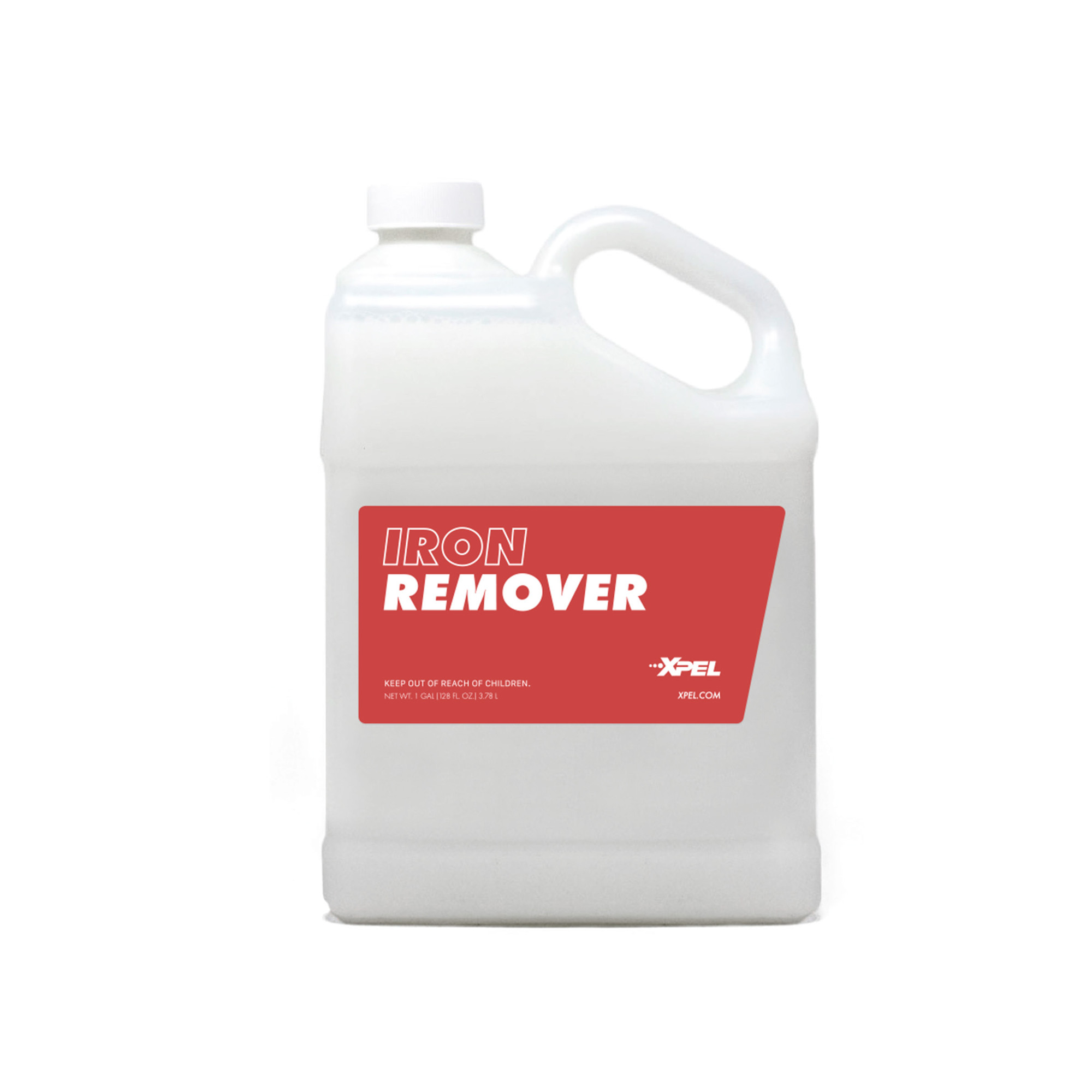
PPF makers can use different topcoats and adhesives. Film can also age due to sunlight, heat, road salt, and poor maintenance. A cleaner that works well on new gloss film may not be suitable for old, stained, matte, or damaged film.
Surface and Product Checks
Before using iron remover, check three sources:
- The iron remover label and technical instructions
- The PPF maker’s care guide
- The installer’s warranty or maintenance instructions
Look for clear language that allows use on painted surfaces and protective film. If the label mentions wheels only, do not assume it is safe for PPF.
| Check before use | Why it matters | What to do |
|---|---|---|
| PPF finish | Gloss, satin, and matte films can react differently | Test a hidden area first |
| Product label | Some iron removers are made for wheels or heavy contamination | Use only approved exterior products |
| Film condition | Peeling, cracked, cloudy, or yellowed film is more vulnerable | Ask a professional before cleaning |
The main takeaway is simple: product approval and film condition matter more than the color-changing effect.
PPF With a Ceramic Coating
Many owners apply a ceramic coating over PPF. The coating may improve water behavior and make cleaning easier, but it does not make the surface immune to chemicals.
An iron remover can reduce the performance of some coatings if you use it too often, allow it to dry, or use a strong formula. It may not remove a properly cured coating in one use, but repeated chemical cleaning can affect its slickness.
If your PPF has a ceramic coating, use an iron remover only when needed. For routine care, use a pH-neutral car shampoo and a clean microfiber drying towel.
Matte and Satin PPF
Matte and satin PPF need extra care because polishing is not a normal solution for stains or marks. You cannot treat matte film like regular clear coat.
Choose a product that clearly allows use on matte or satin finishes. Test the product in a low-visibility area. Do not use clay bars, abrasive compounds, scrubbing pads, or stiff brushes unless the film maker specifically permits them.
⚠️ Safety Warning: Never let iron remover dry on PPF. Dried chemical residue can leave marks, especially in hot sun. If the panel begins to dry, rinse it at once with plenty of clean water.
The Best Iron Remover for PPF Depends on the Vehicle
The right iron remover depends on the film finish, vehicle size, climate, and level of contamination. A beginner with a small sedan needs a simple, film-safe spray. A DIY detailer with a large truck may need more product and better rinsing equipment.
A gift buyer should choose a product with clear instructions and a good trigger sprayer. A professional or experienced DIYer may prefer a concentrated formula, but only if the label explains the correct dilution.
| Vehicle or driver | Suitable choice | Main limitation |
|---|---|---|
| Beginner with a sedan | Ready-to-use, film-safe spray | Higher cost per panel |
| DIY owner with an SUV or truck | Larger bottle or approved concentrate | Requires careful dilution |
| Matte PPF owner | Product approved for matte and satin film | Fewer safe product options |
| Gift buyer | Easy spray bottle with clear directions | May not solve severe buildup |
| Professional detailer | Commercial product with technical data | Needs proper storage and handling |
Best Choice for Beginners
A ready-to-use spray is usually the easiest choice for a new driver. It avoids mixing mistakes and gives clear dosing from the trigger bottle.
This option suits a family sedan, small SUV, or daily driver with light to moderate fallout. It may cost more per ounce, but simple use can prevent chemical errors.
Best Choice for Trucks and Large SUVs
Large vehicles need more product and more rinse water. A larger ready-to-use bottle can be convenient. A concentrate may reduce long-term cost, but only when the label gives a clear dilution ratio.
For trucks, pay attention to the lower doors, rocker panels, tailgate, wheel arches, and rear bumper. These areas collect road grime and brake dust.
Best Choice for EVs and Hybrids
Electric vehicles and hybrids can use iron remover on PPF just like gasoline vehicles. The powertrain does not change the basic PPF cleaning method.
Still, avoid spraying into charging ports, door seals, cameras, sensors, and open body gaps. Keep water and chemicals away from electrical connections. Follow the vehicle owner’s manual when washing around charging equipment.
Best Choice for Older Vehicles
Older PPF may have yellowing, edge lift, cracks, or a brittle topcoat. Iron remover cannot reverse those problems. Chemical cleaning may make the damage easier to see.
If the film is peeling, cloudy, or cracked, ask the installer or a professional detailer to inspect it first. Replacing a damaged section may be more sensible than repeated cleaning.
How to Use Iron Remover on PPF
The safest method is slow, gentle, and controlled. Wash away loose dirt first, use the product on a cool panel, and rinse before it dries.
You do not need a pressure washer, but one can make rinsing easier. A garden hose with a clean spray nozzle can work well. Use soft microfiber towels and separate towels for dirty areas.
What You Need
| Item | Purpose | Notes |
|---|---|---|
| Film-safe iron remover | Loosens iron fallout | Follow the label |
| Car shampoo | Removes loose dirt and residue | Use a pH-balanced wash soap |
| Two wash buckets | Separates soap from rinse water | Add grit guards if available |
| Microfiber wash mitt | Cleans with low friction | Use a clean mitt |
| Hose or pressure washer | Rinses chemical residue | Use a wide, gentle spray |
| Drying towel | Removes water after washing | Do not rub hard |
You can clean a small car with basic supplies. A pressure washer is helpful, but do not aim a high-pressure stream at loose PPF edges, seams, badges, or damaged areas.
Step 1: Choose the Right Location
Work in shade on a cool surface. Avoid hot panels, strong wind, and direct sun. Heat speeds up drying and can make chemical marks more likely.
Do not clean near an open storm drain if runoff may enter the drain. Follow local rules for car-wash water and chemical disposal.
Step 2: Rinse the Vehicle
Rinse the PPF to remove loose grit. Start at the top and work downward. Use enough water to flush dirt from the surface instead of dragging it across the film.
Pay special attention to panel gaps, wheel arches, mirrors, and lower body sections.
Step 3: Wash the Vehicle First
Wash the car with a mild car shampoo and a clean microfiber mitt. Use straight passes rather than circular scrubbing. Rinse the mitt often.
A clean surface lets the iron remover reach the contamination. It also lowers the chance that loose sand or grit will scratch the PPF.
Step 4: Test a Hidden Area
Apply a small amount to a lower section or another low-visibility area. Follow the label dwell time. Rinse and inspect the finish after drying.
Check for haze, color change, streaking, texture change, or loss of the film’s normal appearance. If you see a problem, stop and contact the film maker or installer.
Step 5: Apply Iron Remover One Panel at a Time
Spray the product evenly over the wet or dry surface as directed. Do not flood door handles, emblems, vents, or open seams.
Work one panel at a time. This gives you control over dwell time and prevents the product from drying on another part of the vehicle.
Step 6: Allow the Product to Dwell
Let the product sit for the time stated on the label. Many iron removers show a color change as they react. Do not use the color change as permission to leave the product on longer.
You usually do not need to scrub. If the label allows light agitation, use a clean, soft microfiber mitt with almost no pressure.
Step 7: Rinse Very Well
Rinse from the top down. Use a wide spray pattern and flush the panel, seams, trim, and nearby areas.
Rinsing is one of the most important steps. Chemical residue left in a seam or under an edge can cause trouble later.
Step 8: Wash Again if Needed
After the iron treatment, wash the vehicle again with car shampoo. This removes loosened residue and product film.
Rinse the vehicle one more time. Inspect the PPF while it is wet and again after drying.
Step 9: Dry Without Grinding in Dirt
Use a clean, soft drying towel. Blot or glide the towel with light pressure. Do not use an old towel that has touched wheels, engine bays, or the ground.
If the surface still feels rough, do not immediately scrub harder. The roughness may come from tar, sap, mineral deposits, or film texture rather than iron.
Step 10: Reapply Protection if Needed
If the PPF maker allows it, apply a compatible spray sealant or PPF-safe drying aid. If the film has a ceramic coating, use the coating maker’s maintenance product.
Do not apply wax, polish, or a ceramic product without checking compatibility. Some products can leave streaks on matte or satin film.
💡 Pro Tip: Place a clean plastic bag over your hand and lightly feel the dry surface. The bag makes small bumps easier to detect. Use this test only after washing and drying, and never press hard.
How Often Should You Use Iron Remover on PPF?
Most drivers do not need iron remover at every wash. Use it when the PPF feels rough, shows visible orange dots, or has heavy fallout after normal washing.
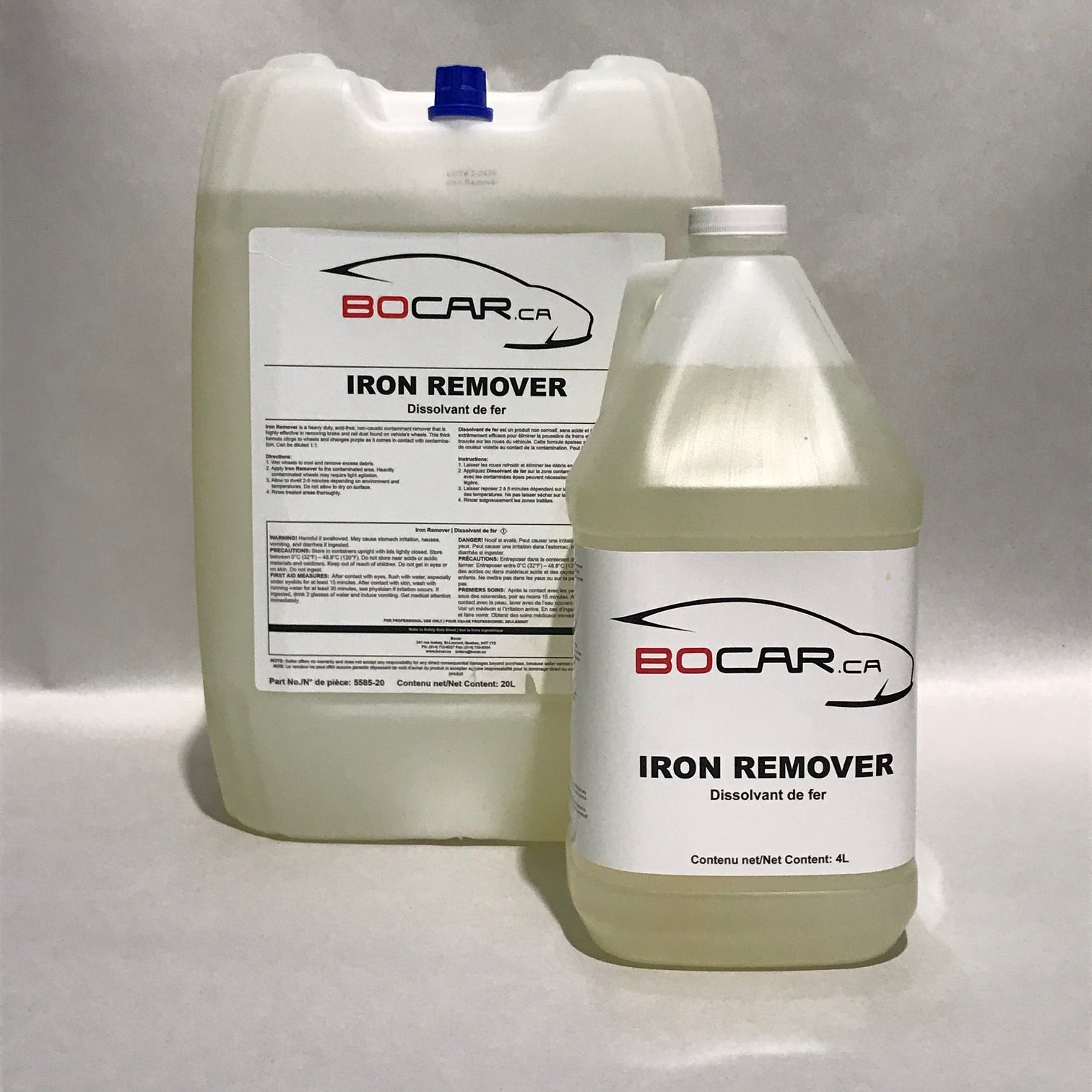
A garage-kept vehicle in a dry area may need treatment once or twice a year. A daily driver near rail lines, construction sites, or salted winter roads may need it more often.
| Driving conditions | Suggested approach | Reason |
|---|---|---|
| Light use and indoor storage | Inspect every few months | Contamination builds slowly |
| Daily city driving | Treat when roughness appears | Brake dust and road dust vary |
| Winter salt and road grime | Clean after the season | Salt holds grime against the film |
| Near rail or industrial areas | Inspect more often | Iron fallout can be heavy |
| Gravel roads or work sites | Wash promptly | Fresh particles are easier to remove |
These are inspection habits, not fixed rules. The product label and PPF care guide take priority.
Why Overuse Can Be a Problem
Iron remover is a specialty chemical, not a daily shampoo. Frequent use may add cost, increase runoff, and place extra chemical stress on the film or coating.
If you need iron remover every week, the vehicle may need better washing habits, a different parking location, or a professional contamination treatment.
Signs You May Need It
Look for:
- Orange or purple-black specks
- A rough feel after washing
- Dull areas on glossy PPF
- Dark buildup behind the wheels
- Contamination that remains after a normal wash
A rough feel alone does not prove iron contamination. Test the product on a small section or ask a detailer to identify the residue.
Iron Remover vs. Clay Bar on PPF
Iron remover and a clay bar solve different parts of the contamination problem. Iron remover uses chemistry. A clay bar uses physical friction to pull bonded particles from the surface.
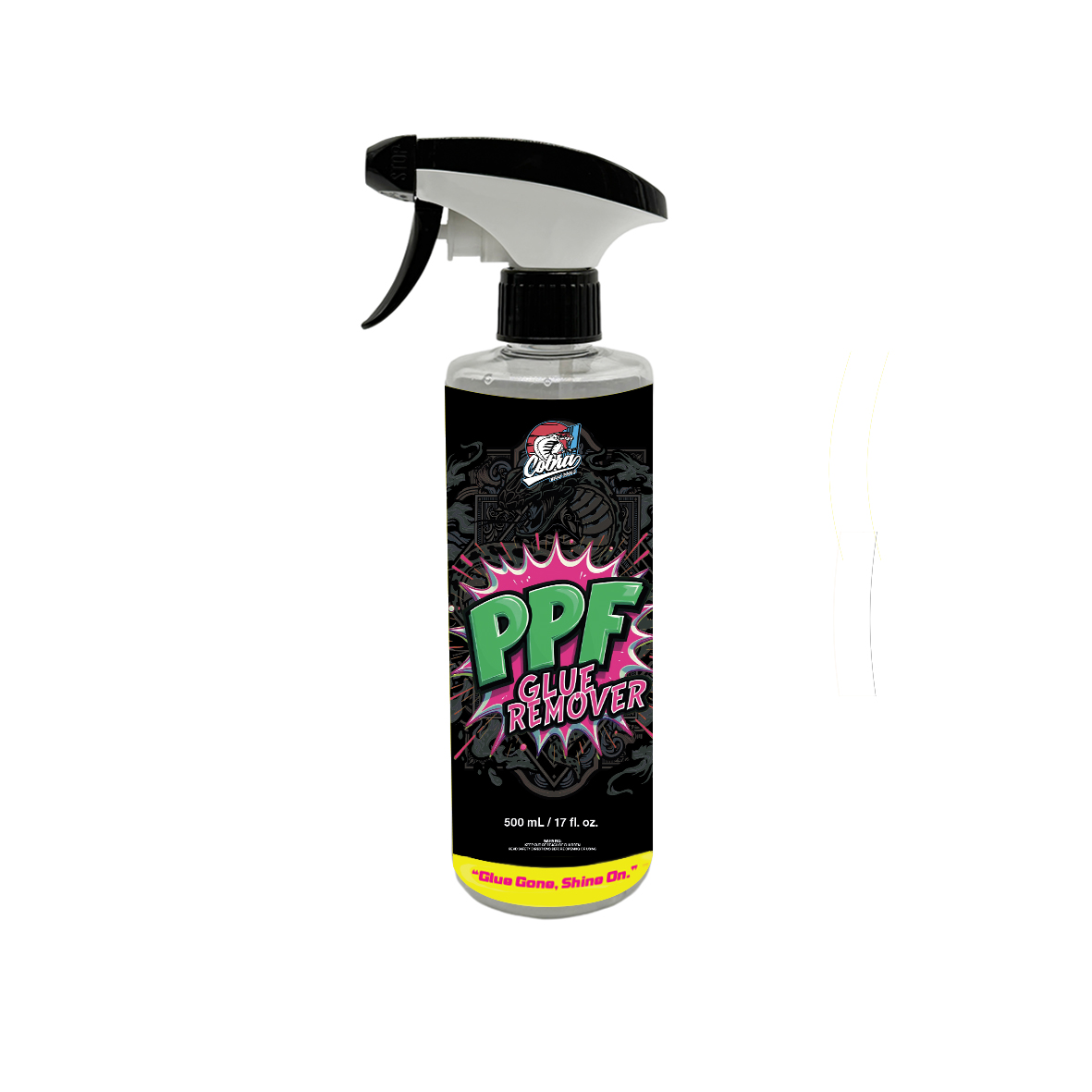
For PPF, chemical cleaning is usually the gentler first step. Claying may create marring or alter the feel of some films, especially if you use too much pressure or too little lubricant.
| Method | Best use | Risk on PPF |
|---|---|---|
| Iron remover | Ferrous particles | Chemical marks if misused |
| Clay bar | Remaining bonded surface debris | Marring or texture change |
| Tar remover | Asphalt and sticky road tar | Film or adhesive damage if incompatible |
| Car shampoo | Loose dirt and road film | Usually low risk when used correctly |
The best approach is to identify the contamination before choosing a product. Do not use a clay bar just because the surface feels rough.
When a Clay Bar May Be Needed
A professional may use a fine clay product after chemical decontamination. This is more common when the PPF has stubborn overspray or non-iron particles.
If you are a beginner, skip clay unless the film maker approves it and you understand how to use plenty of lubricant. A shop can often do this faster and with less risk.
When to Avoid Claying
Avoid claying matte PPF unless the manufacturer gives specific instructions. Do not clay film with peeling edges, deep cuts, severe cracking, or a failing topcoat.
Do not use an aggressive clay bar on any PPF. A rough bar can leave marks that cannot be polished away.
Iron Remover vs. Wheel Cleaner
Iron remover and wheel cleaner are not always the same product. Some wheel cleaners contain iron-reactive ingredients, but a wheel cleaner may also contain stronger detergents or acids.
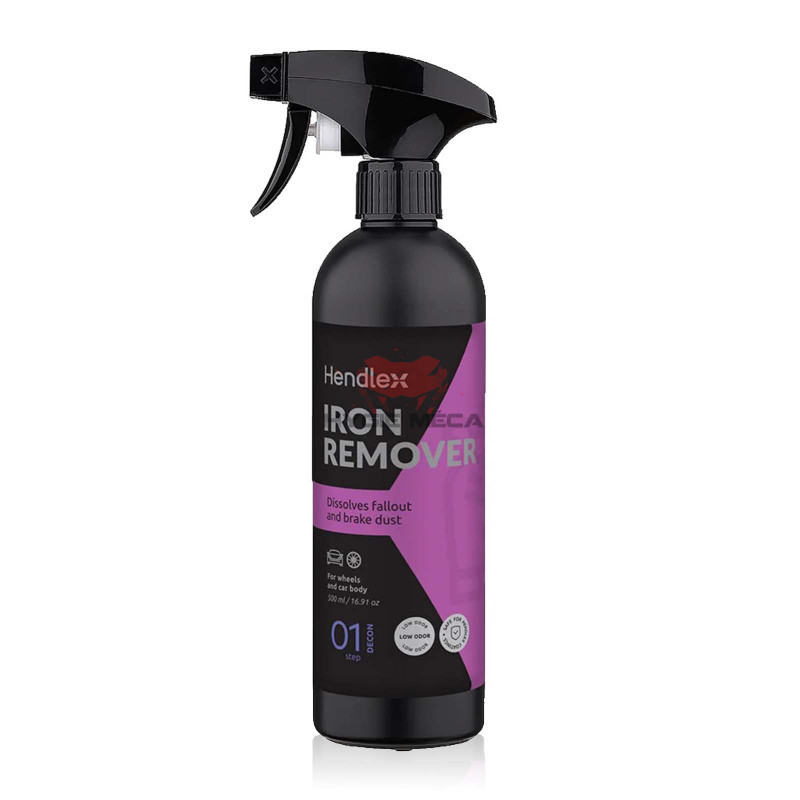
Never assume that a product safe for factory wheels is safe for PPF. Wheel finishes vary too, and some cleaners are intended for bare metal or heavy brake dust.
Why Wheel Products Need Care
Wheel cleaners may face thick brake dust, road salt, and baked-on contamination. That can lead some formulas to use stronger chemistry. PPF needs a product with a suitable surface approval.
Read the label. If the directions say “wheels only,” keep it away from PPF.
What About Acid-Free Wheel Cleaner?
“Acid-free” does not automatically mean film-safe. It only describes one part of the formula. A non-acid cleaner may still be too strong, leave residue, or lack approval for PPF.
Choose based on the complete label, not one marketing phrase.
Common Mistakes That Damage PPF
Most PPF problems during cleaning come from heat, pressure, poor rinsing, or the wrong chemical. The film is tough, but it is not a force field.
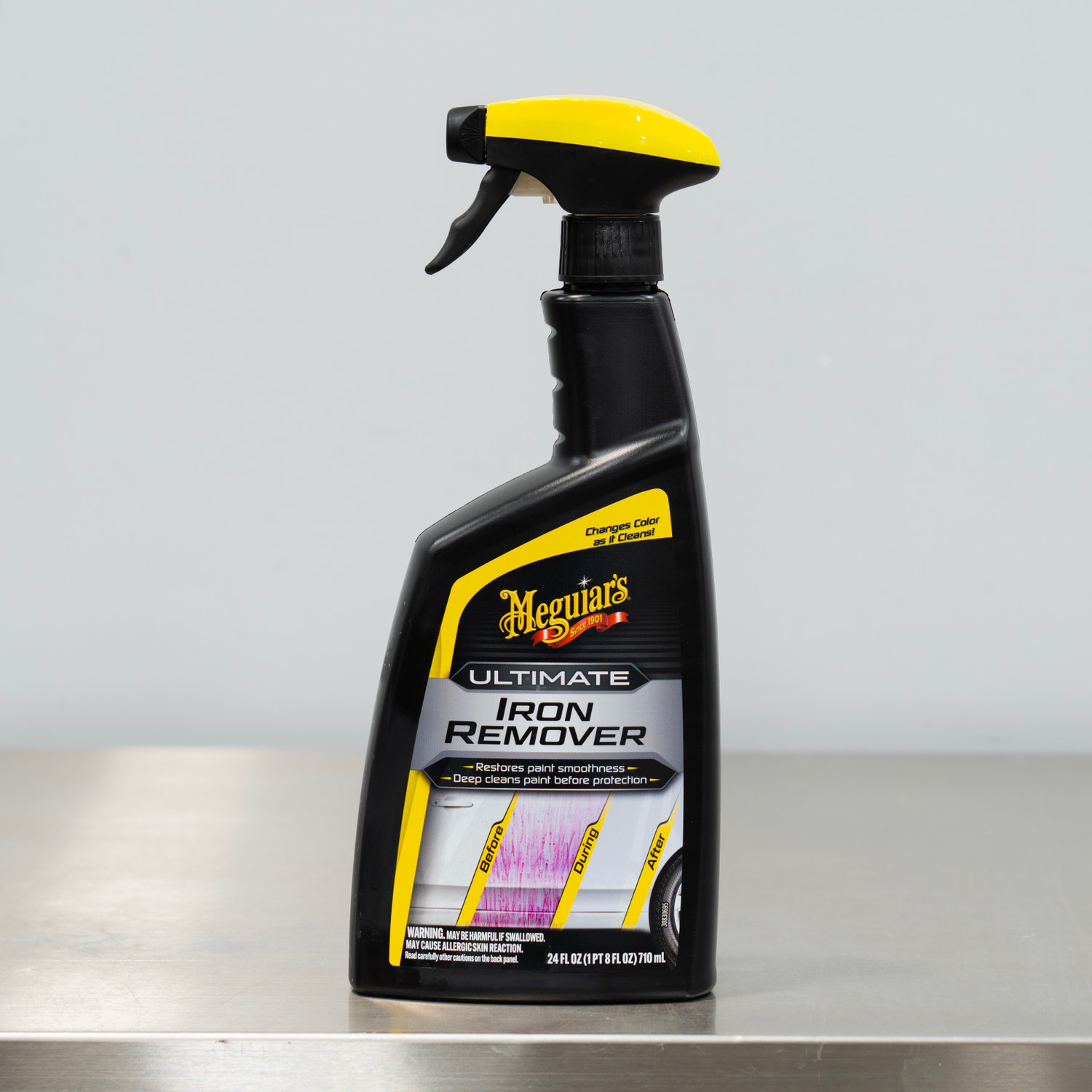
Applying Iron Remover to a Hot Panel
Heat speeds up drying. A product that is safe during a short dwell may stain when it dries on a hot surface.
Move the vehicle into shade and touch the panel before applying the product. If it feels warm, wait.
Letting the Product Dry
Drying is one of the biggest mistakes. Work in small sections and keep a hose nearby. If the product starts to dry, rinse at once.
Do not cover the panel with a towel and hope the moisture stays. Rinse first.
Scrubbing Too Hard
Iron remover does the chemical work. Hard scrubbing can grind dirt into the film. Use light agitation only when the label permits it.
A soft mitt is safer than a brush. Never use a kitchen sponge, scouring pad, or rough towel.
Using a Strong Wheel Cleaner
A wheel cleaner may damage the film, coating, trim, or adhesive. Use only products approved for the surface.
Spraying Into Film Edges
Chemical residue can collect under lifted edges. High pressure can also lift a loose edge farther.
Keep the spray away from damaged seams. Do not try to glue or press down a peeling edge at home.
Mixing Chemicals
Never mix iron remover with bleach, acid, ammonia, degreaser, or another cleaner. Chemical mixtures can create harmful vapors or unpredictable reactions.
Cleaning in Direct Sun
Sunlight makes the surface hot and shortens the safe dwell window. It also makes streaks harder to spot until they dry.
🌿 Eco Note: Use only the amount you need, keep runoff away from storm drains, and follow local rules for chemical car-wash water. Do not pour leftover cleaner into soil, gutters, or household drains unless the label and local rules allow it.
What to Do If Iron Remover Leaves a Mark
If iron remover leaves a mark on PPF, rinse the area with clean water right away. Then wash it with a mild car shampoo and inspect it in shade.

Do not reach for polish, rubbing compound, magic eraser, or abrasive cleaner. Those products can permanently change the film’s gloss or texture.
Light Streaks or Residue
Light residue may come off with a second gentle wash. Use a clean microfiber towel and low pressure. Do not apply more iron remover right away.
Haze or Texture Change
Haze or texture change needs caution. Stop using chemicals and contact the PPF installer. Take clear photos before trying another product.
Damage at an Edge
If the edge is lifting, bubbling, or collecting dirt, avoid pressure washing that area. A professional may be able to trim or replace the section, depending on the damage.
Yellowing or Cracking
Iron remover will not fix yellowing or cracking. Those signs often point to age, UV exposure, contamination under the film, or a failing topcoat.
Replacement may be the only lasting solution. Ask for an inspection rather than repeated chemical treatments.
Climate and Seasonal Advice for PPF
Climate changes how often PPF needs decontamination and how carefully you should use iron remover. Hot weather speeds drying, while winter grime holds contamination against the film.

Hot and Sunny Areas
Wash early in the morning or late in the day. Keep panels cool and work in small sections. A portable shade canopy can help during driveway work.
Do not leave a wet car with chemical residue in the sun. Rinse before moving the vehicle into bright heat.
Cold and Wet Areas
Road salt, slush, and brake dust can form a stubborn film. Rinse the car soon after winter trips when conditions allow. Use a touchless rinse if the surface is heavily gritty.
Do not use hot water on frozen PPF. Sudden heat can stress the film and may affect loose edges.
Coastal Areas
Salt air and road moisture can increase surface contamination. Wash more often, but use mild soap for routine care. Iron remover is useful when iron particles are present, not as a general salt cleaner.
Dusty and Dry Areas
Dust can hide contamination. Rinse well before touching the film. A quick detail spray is not a substitute for water when the surface contains sand.
When Professional PPF Cleaning Makes Sense
Professional help is worth considering when the film is expensive, old, matte, ceramic-coated, or visibly damaged. A detailer can identify the contamination before applying chemicals.
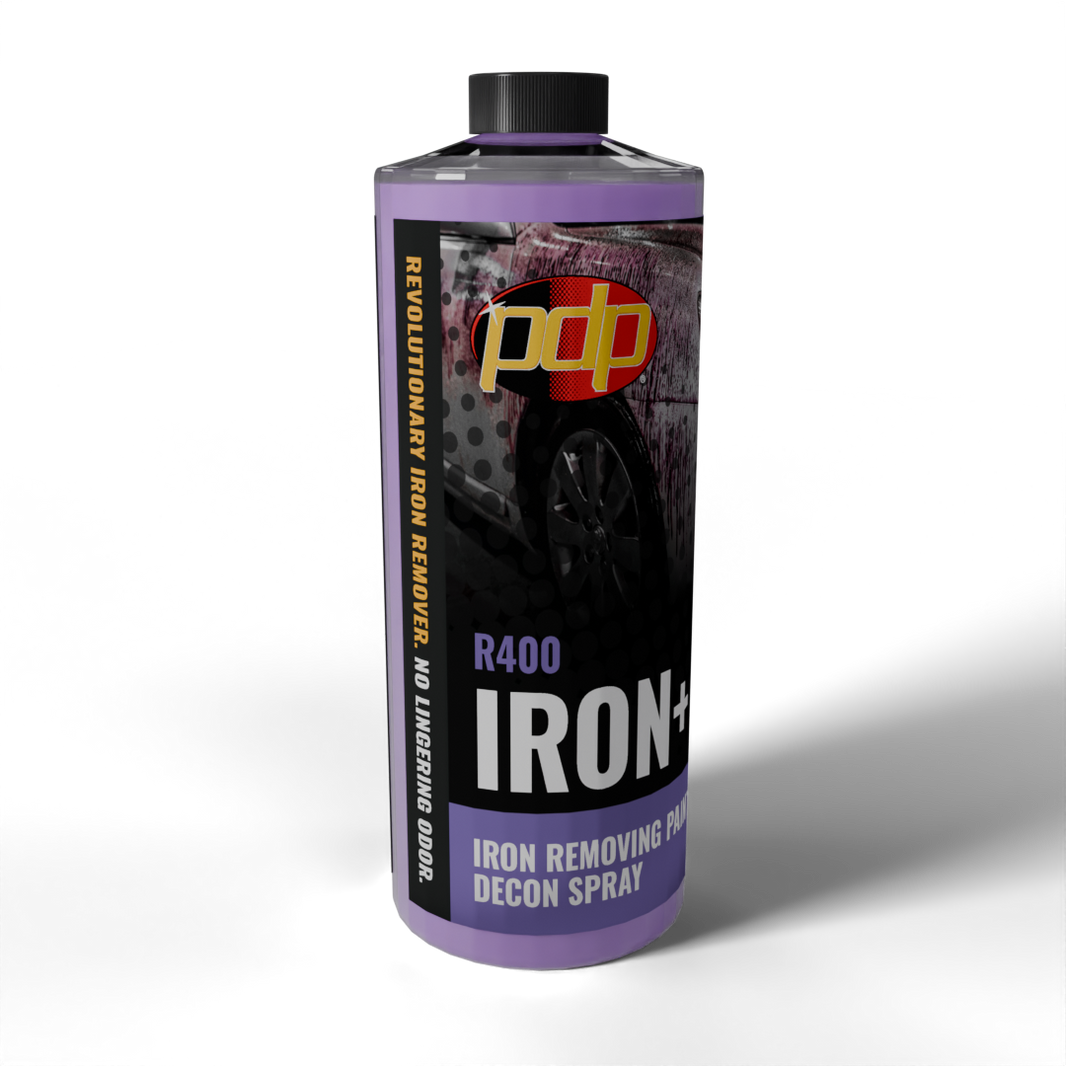
A professional may also have better lighting, filtered water, controlled shade, and film-specific products. Those tools reduce the chance of a permanent mark.
Choose a Professional If
- The film has peeling or cracked edges
- The PPF is matte or satin and heavily stained
- The vehicle has a ceramic coating over the film
- Iron spots cover the whole vehicle
- You are unsure which film is installed
- A prior cleaner caused haze or streaks
- The vehicle is a high-value exotic, luxury car, or collector vehicle
A professional detailer cannot promise that every stain will disappear. Ask what result is realistic before approving the work.
Questions to Ask a Detailer
Ask:
- What product will you use on the PPF?
- Is it approved for this film’s finish?
- Will you test a hidden area first?
- How will you protect lifted edges and sensors?
- Do you offer a written inspection after the work?
- Will the treatment affect my PPF or ceramic warranty?
These questions suit beginners, gift buyers, and owners who do not want to risk an expensive film.
Cost, Value, and Alternatives
Iron remover is often worth the money when PPF has real iron contamination. It can save time and reduce the need for aggressive scrubbing. But it is not a product every driver needs every month.
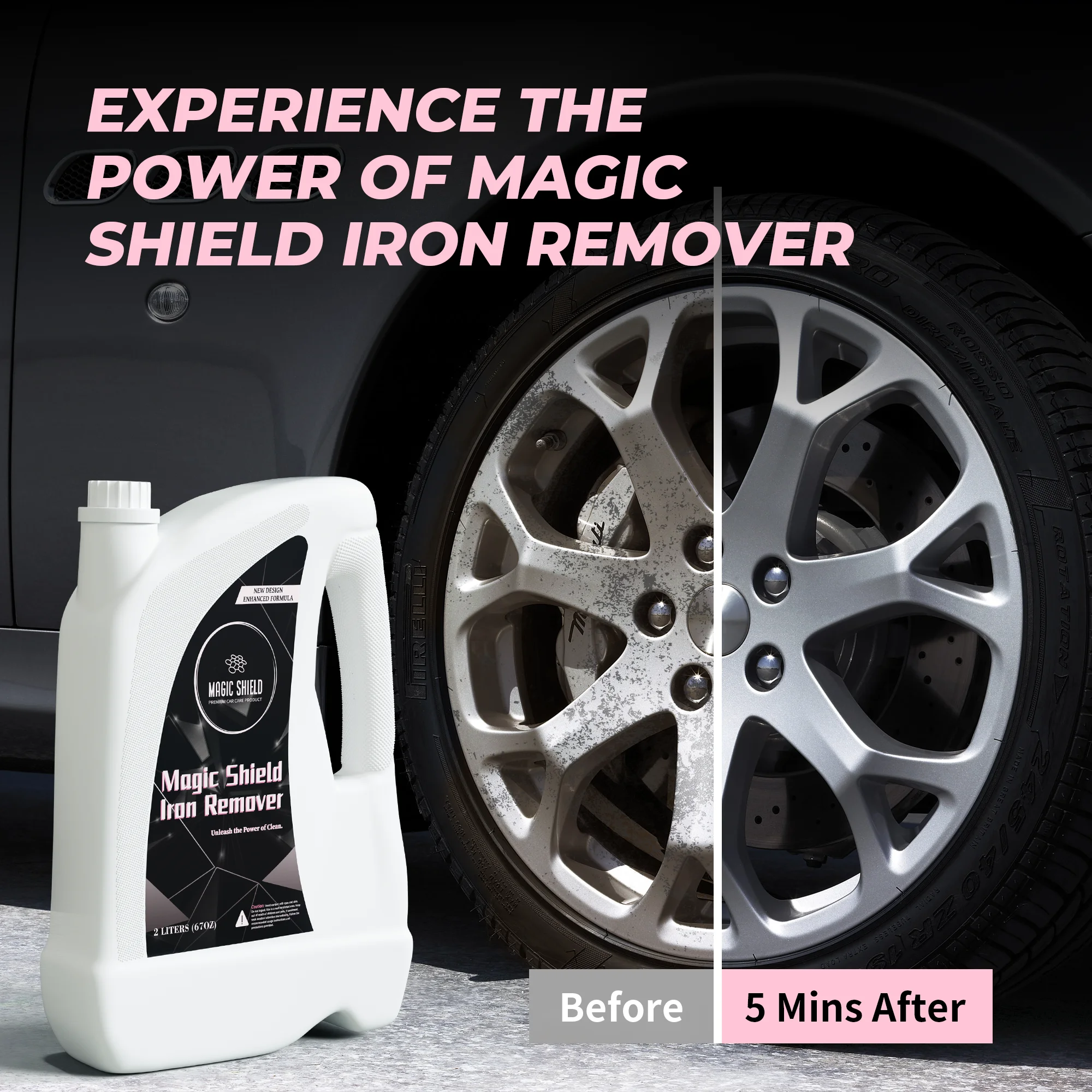
A budget-minded owner may prefer a small ready-to-use bottle. A large SUV or truck owner may save money with a larger package or approved concentrate. Always compare the product’s safe uses, not only its bottle size.
| Price tier | Usually includes | Best for |
|---|---|---|
| Budget | Small ready-to-use bottle | Occasional spot treatment |
| Mid-range | Larger spray bottle and clearer directions | Most DIY vehicle owners |
| Professional | Larger volume or concentrate | Detailers and frequent users |
Current pricing ranges from low-cost consumer bottles to higher-priced professional products. Check the latest listing for updated features, size, and fitment guidance.
Alternatives for Routine Cleaning
For normal dirt, use:
- pH-neutral car shampoo
- A soft microfiber wash mitt
- Clean drying towels
- A PPF-safe spray sealant
- A gentle hose rinse
For tar, use a product approved for PPF. For tree sap, follow the film maker’s care guide. For hard-water spots, use a compatible mineral-spot remover or ask a professional.
Is Iron Remover Worth It?
It is worth it when the film has embedded iron particles and normal washing does not work. It may not be worth buying for a rarely driven car stored indoors with clean, smooth PPF.
A beginner should buy one when visible fallout appears. A gift buyer can include it in a broader car-care kit with microfiber towels, pH-neutral soap, a tire pressure gauge, and a sunshade. An experienced DIYer may keep it for seasonal decontamination.
Affiliate Disclosure
This article may contain affiliate links. If you buy a product through one of those links, we may earn a commission at no extra cost to you. Product availability, features, and pricing can change, so check the current listing and the manufacturer’s instructions before buying.
Maintenance Plan for PPF
A simple maintenance plan protects the film better than rare, aggressive cleaning. Routine washing removes loose contamination before it bonds strongly.
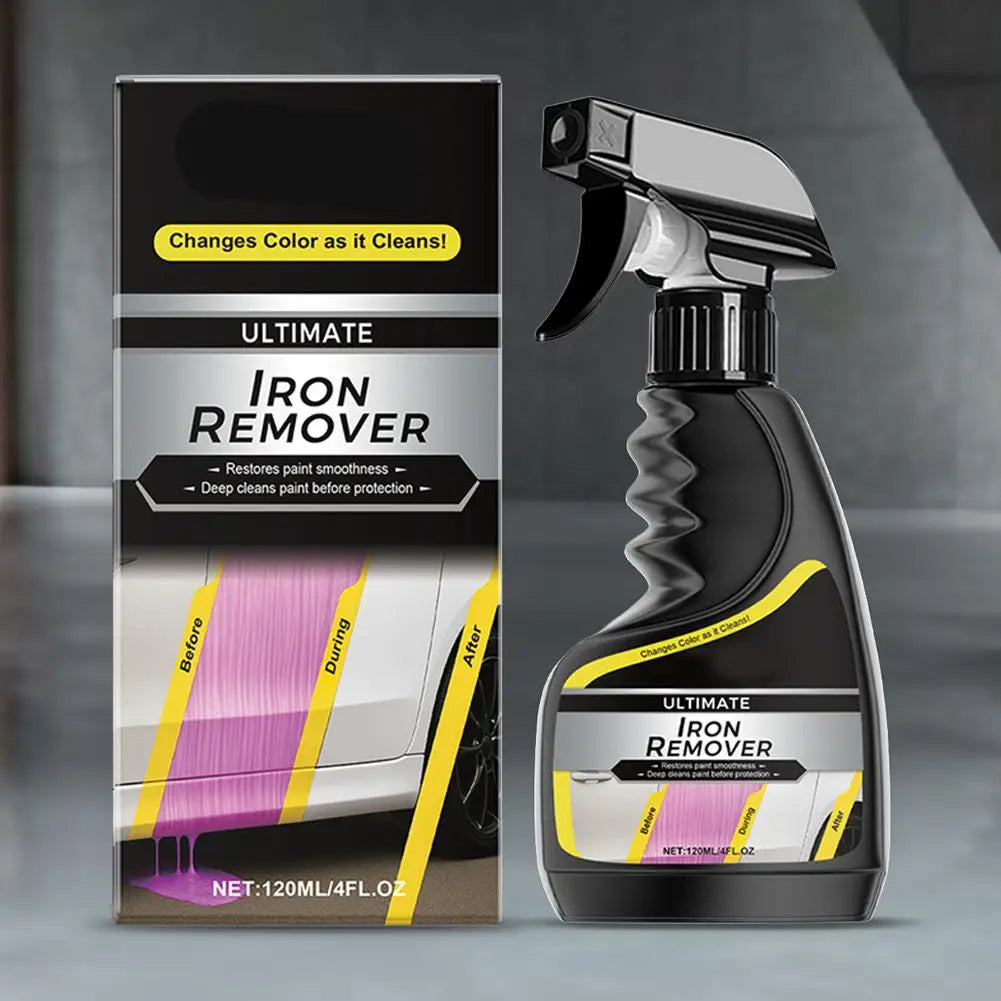
Basic PPF Care Schedule
| Task | Suggested timing | Key detail |
|---|---|---|
| Gentle hand wash | Every 1–3 weeks as needed | Adjust for weather and use |
| Inspect for iron fallout | Every few months | Check roughness and orange dots |
| Iron treatment | When contamination appears | Do not use on a fixed weekly schedule |
| Inspect film edges | At each wash | Look for lifting and dirt |
| Check coating care | As directed by coating maker | Use compatible products only |
The schedule should change with climate, mileage, road salt, and parking. A daily work truck needs more attention than a weekend sports car.
Routine Products That Help
Useful products include:
- pH-neutral car shampoo
- Soft microfiber wash mitts
- Plush drying towels
- PPF-safe spray sealant
- Low-pressure rinse equipment
- Separate wheel and body wash tools
You do not need a pressure washer, ceramic coating, or expensive detailing cart to care for PPF. Good technique matters more than a long product list.
Products to Keep Separate
Use different towels and brushes for wheels and PPF. Brake dust can scratch film when moved to body panels.
Keep wheel cleaner, tire dressing, engine degreaser, and tar remover away from the PPF unless their labels clearly approve the film.
Frequently Asked Questions
Q: Can iron remover damage PPF?
A: It can damage or stain PPF if it is the wrong formula, used on a hot panel, left to dry, or applied to damaged film. Use a product approved for protective film, test a hidden area, and rinse it completely.
Q: Can you use iron remover on glossy PPF?
A: Yes, most film-safe iron removers can be used on glossy PPF. Work in shade, follow the dwell time, and avoid scrubbing. Check the PPF manufacturer’s care instructions first.
Q: Can you use iron remover on matte PPF?
A: Sometimes. Use only a product that clearly allows matte or satin film. Test first, avoid clay and abrasive tools, and stop if the texture or sheen changes.
Q: Will iron remover remove rust from PPF?
A: It can loosen surface iron particles and some rust-colored fallout. It will not repair rust under the film, remove adhesive damage, or fix yellowed and cracked PPF.
Q: Can iron remover remove ceramic coating from PPF?
A: A single correct use may not remove a properly cured coating, but repeated or harsh chemical use can affect coating performance. Follow the coating maker’s maintenance instructions.
Q: Should I use iron remover before or after washing?
A: First rinse and wash away loose dirt. Then apply iron remover to the clean surface, rinse well, and wash again if the product instructions call for it.
Q: Can iron remover be used on PPF in direct sunlight?
A: It is best to avoid direct sunlight. Hot panels shorten the safe working time and increase the chance that the product will dry and leave marks.
Q: How long should iron remover sit on PPF?
A: Use the dwell time printed on the product label. Do not extend the time because the color change continues. Rinse immediately if the product starts to dry.
Q: Can I use a pressure washer after applying iron remover?
A: Yes, a pressure washer can help rinse the product, but use a wide spray pattern and safe distance. Do not aim high pressure at loose film edges, seams, sensors, or damaged areas.
Q: Do I need to scrub iron remover into PPF?
A: Usually not. The product is designed to react with iron particles. If the label allows agitation, use a soft mitt and very light pressure.
Q: Can iron remover remove tar from PPF?
A: No. Iron remover targets ferrous contamination. Use a PPF-approved tar remover for asphalt or sticky road deposits.
Q: How do I know whether my PPF is ceramic-coated?
A: Ask the installer, check your service records, or look for product documentation. Water behavior alone does not prove that a ceramic coating is present.
Q: Is iron remover safe for PPF on an EV?
A: The PPF cleaning method is generally the same on an EV. Keep the product and rinse water away from the charging port, cameras, sensors, and electrical openings.
Q: Can I use iron remover on PPF every wash?
A: No. Iron remover is a specialty decontamination product. Use it only when iron fallout is present or when the surface needs seasonal treatment.
Q: What should I do if PPF starts peeling after cleaning?
A: Stop using chemicals and high pressure on the area. Take photos and contact the installer. Do not use household glue or try to stretch the film back into place.
Final Thoughts
You can use iron remover on PPF, and it can be one of the safest ways to remove bonded iron fallout when normal washing is not enough. The formula, film finish, surface temperature, dwell time, and rinse quality all matter.
For most beginners, the best choice is a ready-to-use product that clearly lists PPF or protective film as a safe surface. For an experienced DIYer, a larger approved formula may offer better value on trucks, SUVs, or vehicles exposed to heavy road contamination. For a gift buyer, choose simple instructions and add soft microfiber towels rather than a harsh wheel cleaner.
Start gently. Test first. Keep the panel cool. Never let the product dry. If the PPF is matte, ceramic-coated, peeling, cracked, or expensive to replace, professional advice is the smart option.