Can You Use Silly Putty To Clean Car: Safe Tips
Yes, you can use Silly Putty to pick up small bits of dust, lint, crumbs, and loose debris inside a car. It works best on smooth, hard surfaces such as plastic trim, dashboard panels, and cup holders.
However, Silly Putty is not a complete car cleaner. It can leave an oily film, pull up loose coatings, stain porous materials, or become difficult to remove in heat. Use it only on a cool surface, test it first, and avoid relying on it for exterior paint, glass, leather, fabric, or delicate trim.
This guide applies to cars in the United States, where hot summer interiors can make Silly Putty soft and sticky very quickly.

What Silly Putty Can and Cannot Clean
Silly Putty works as a debris pickup tool, not as a soap, degreaser, disinfectant, or stain remover. Its soft, tacky surface can trap loose particles when you press and lift it.
It may help collect:
- Dry dust
- Pet hair
- Small crumbs
- Loose dirt
- Lint
- Sand grains
- Debris around buttons and seams
It will not properly remove:
- Grease
- Food stains
- Spilled drinks
- Mold
- Bacteria
- Ground-in dirt
- Tar
- Wax
- Tree sap
- Smoke residue
Silly Putty may pick up the top layer of some dirt, but it does not replace an interior cleaner or a damp microfiber cloth.
How it works
Silly Putty is a silicone-based polymer with unusual stretch and flow properties. When pressed against a smooth surface, it can grip loose particles. When lifted, some of those particles come away with it.
That same tacky quality creates a risk. The material can also collect oils, dye, dust, and small pieces of a weak or peeling surface coating.
Where You Can Use Silly Putty in a Car
The safest places are cool, smooth, hard, and nonporous surfaces. Even then, start with a small hidden test area.
Good uses
Silly Putty can be useful on:
- Hard plastic dashboard trim
- Plastic door panels
- Center-console surfaces
- Empty cup holders
- Smooth plastic storage bins
- Around air-vent edges
- Around the edges of buttons
- Gaps near the gear selector
- Small areas where a vacuum nozzle cannot fit
Press the putty lightly, then lift it straight up. Do not scrub it across the surface.
Surfaces that need caution
Use extra care on:
- Soft-touch dashboard coatings
- Rubberized trim
- Textured plastic
- Painted interior panels
- Gloss-black trim
- Screens and touch controls
- Vinyl
- Artificial leather
- Clear-coated decorative trim
These surfaces may have a thin coating that can soften, mark, or peel. A product that feels like plain plastic may actually have a rubberized finish.
Surfaces to avoid
Do not use Silly Putty on:
- Cloth seats
- Carpets
- Headliners
- Suede or microsuede
- Natural leather
- Unsealed wood trim
- Freshly painted surfaces
- Peeling or cracked trim
- Hot dashboards
- Exterior paint
- Windshields or windows
Porous materials can hold putty residue. Heat can make the putty spread into seams and textured surfaces. Exterior paint and glass also need cleaners designed for those materials, not a toy compound.
How to Use Silly Putty to Clean Car Interior Debris
Follow this method for a small, low-risk cleaning job.
What you need
Gather:
- A small piece of clean Silly Putty
- A microfiber towel
- A mild interior cleaner, if needed
- A vacuum with a soft brush attachment
- A cool, shaded work area
Do not use a large lump. A smaller piece gives you better control and reduces the chance of spreading residue.
Step 1: Let the surface cool
Park the car in the shade or inside a garage. Allow the dashboard and trim to cool before you begin.
A hot dashboard can make Silly Putty soft enough to smear. In many U.S. climates, a closed car can become much hotter than the outdoor air. Do not leave the putty inside the vehicle after use.
Step 2: Remove loose dirt first
Use a vacuum or a dry microfiber towel to remove larger particles. This keeps grit from being pressed into the trim.
Silly Putty is better for the small debris left behind. It is not a substitute for removing sand, gravel, or heavy dirt before cleaning.
Step 3: Test a hidden spot
Press a small amount on an unseen area. Lift it after a few seconds and check for:
- Oily residue
- Color transfer
- A change in gloss
- A sticky feel
- Damage to the surface coating
If you see any change, stop using it on that material.
Step 4: Press and lift
Flatten the putty slightly. Press it gently onto the debris, then lift it straight up.
Use short presses. Do not drag, rub, twist, or roll it across the surface. Dragging increases the chance of spreading residue and pushing dirt into texture.
Step 5: Fold the dirty part inward
After each few presses, fold the exposed surface into the center of the putty. This presents a cleaner section and helps reduce the transfer of collected dirt.
Discard the putty if it becomes visibly dirty, oily, stained, or sticky.
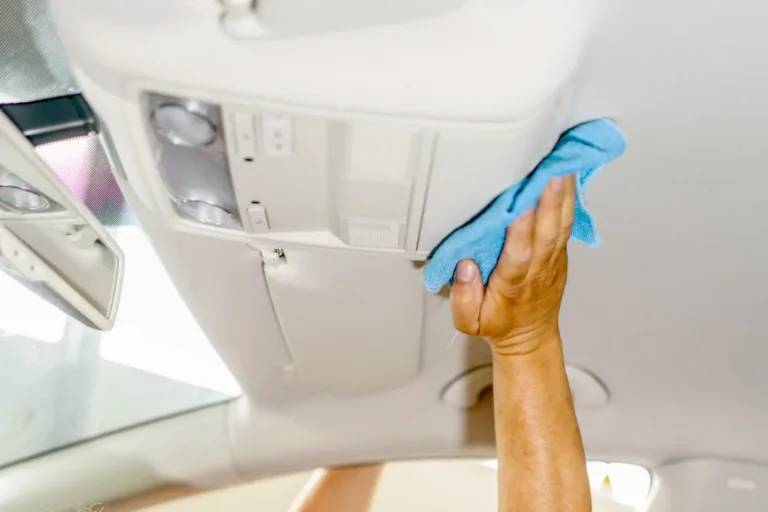
Step 6: Wipe the area
Use a clean, dry microfiber towel to check the surface. If a film remains, use a small amount of an interior cleaner that the vehicle manufacturer approves for that material.
Do not spray cleaner directly onto switches, screens, vents, or electrical controls. Spray the towel instead.
Signs the process is working
You should see less loose debris without:
- A greasy shine
- A sticky surface
- Color marks
- New scratches
- A change in texture
- Putty trapped in a seam
Stop at once if any of these problems appear.

Can You Use Silly Putty on Car Paint?
It is best to avoid using Silly Putty on a car’s exterior paint.
Silly Putty may collect loose dust, but it is not designed to safely remove road film or bonded contamination from automotive paint. If the surface contains grit, pressing putty against it may move that grit across the clear coat.
It may also leave residue or pick up material from a weak wax, dressing, decal, or recently repaired area. The risk is higher on:
- Matte paint
- Satin paint
- Fresh paint
- Aged clear coat
- Peeling finishes
- Vinyl wraps
- Plastic exterior trim
For exterior paint, use a proper car-wash solution with clean water and a soft wash mitt. For bonded contaminants, use a product made for automotive paint and follow its label. If you need to remove overspray, sap, or tar, choose a cleaner made for that specific problem.
Do not use household abrasives or scrape the paint with a hard object.

Can You Use Silly Putty on Car Seats and Carpet?
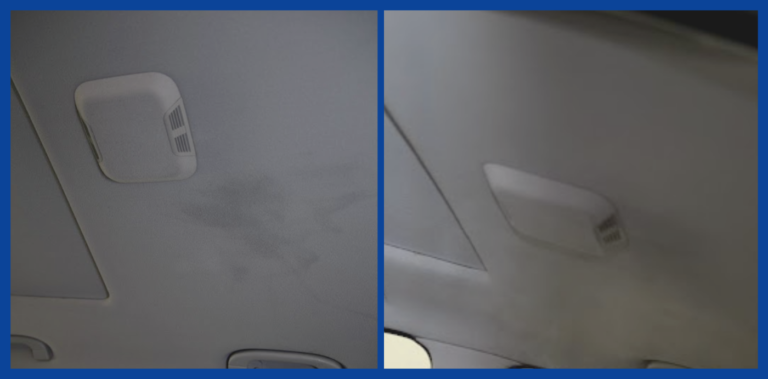
Usually, no. Silly Putty is a poor choice for cloth seats, carpet, and headliners.
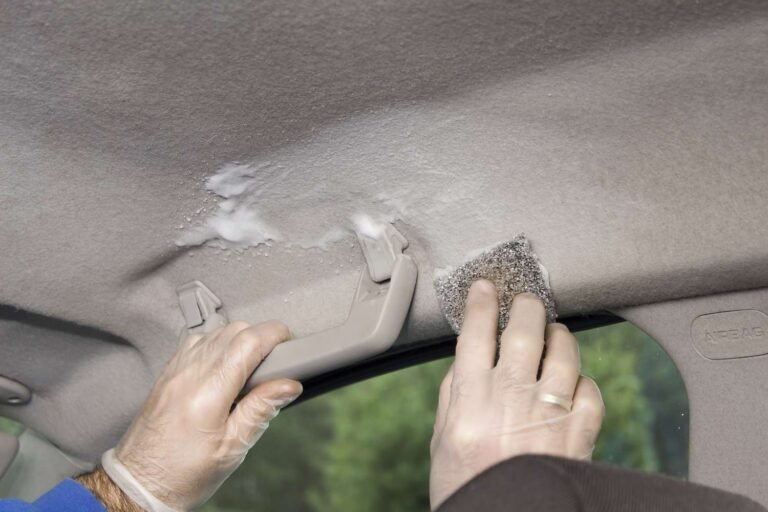
The compound can stretch into the fibers and become harder to remove. It may also pick up dye, oils, and dirt. On a headliner, pressing too hard may loosen the fabric or adhesive.
If Silly Putty gets stuck in fabric:
- Do not rub it.
- Remove large pieces by lifting from the edge.
- Use a small amount of ice in a plastic bag to firm the residue, if the fabric allows it.
- Gently lift the hardened material.
- Follow the vehicle or fabric maker’s cleaning instructions.
- Contact a professional detailer if a stain or oily mark remains.
Avoid using solvents unless the fabric manufacturer specifically allows them. Solvents can spread the stain or damage the backing.
For leather, use a leather cleaner approved for automotive upholstery. For cloth, use a fabric-safe upholstery cleaner and test it in a hidden spot.

Silly Putty Versus Better Car-Cleaning Tools
Silly Putty is useful only for a narrow task. The table below shows when another tool is a better choice.
| Cleaning problem | Better tool | Why |
|---|---|---|
| Loose dust on the dashboard | Microfiber towel or soft brush | Removes dust without leaving putty residue |
| Crumbs in a cup holder | Vacuum and interior cleaner | Handles larger debris and sticky soil |
| Pet hair on carpet | Rubber brush or pet-hair tool | Pulls hair from fabric more effectively |
| Dirt in vents | Soft detailing brush and vacuum | Reaches fins without smearing material |
| Grease or fingerprints | Interior cleaner and microfiber towel | Breaks down oils |
| Window film | Automotive glass cleaner | Leaves less streaking |
| Road dirt on paint | Car shampoo and wash mitt | Reduces the risk of scratching |
| Tree sap or tar | Automotive tar or sap remover | Made for bonded exterior contamination |
| Small dry particles in hard-to-reach trim | Silly Putty, with a spot test | Provides a quick pickup method |
A soft detailing brush and a vacuum are usually more versatile. Silly Putty can be a handy backup for tiny particles, but it should not be your main interior-cleaning product.

Common Mistakes to Avoid
Using it on a hot dashboard
Heat can make Silly Putty flow into seams and textured plastic. It may also leave a film that is harder to remove.
Rubbing instead of lifting
Rubbing spreads dirt and increases friction. Press and lift with a clean section instead.
Using dirty putty
Once the putty is full of grit or oil, it can transfer that material back to the car. Discard it rather than trying to clean it with water or chemicals.
Cleaning screens with it
Touchscreens and instrument displays often have delicate coatings. Use the screen maker’s cleaning instructions and a suitable microfiber cloth.
Using it on fresh repairs
New paint, trim coatings, decals, and vinyl wraps may need time to cure. Do not use Silly Putty on them unless the maker gives clear approval.
Leaving it in the vehicle
A sealed car can become very hot. Store Silly Putty in a cool place outside the vehicle, in its original container.
Assuming “non-toxic” means “safe for every surface”
A toy’s safety rating does not guarantee compatibility with car finishes. Surface damage and residue are separate concerns.

What to Do If Silly Putty Leaves Residue
If a small oily or sticky mark remains, start with the least aggressive method.
- Remove any loose putty by lifting it with a fresh piece.
- Wipe the area with a clean, dry microfiber towel.
- Use a small amount of vehicle-approved interior cleaner on the towel.
- Wipe gently in one direction.
- Dry the area with a second microfiber towel.
- Check the finish under normal light.
Do not use gasoline, paint thinner, acetone, nail-polish remover, or strong household solvents on interior trim. These products may discolor plastic, soften coatings, or damage adhesives.
If the residue remains, or if the surface becomes cloudy or discolored, stop cleaning. A professional automotive detailer can identify the material and choose a safer method.

Key Takeaways
- Yes, Silly Putty can pick up small dry debris from some hard car-interior surfaces.
- It works best on cool, smooth, nonporous plastic.
- Always test it in a hidden area first.
- Press and lift; do not rub or drag.
- Avoid paint, glass, cloth, carpet, leather, screens, and soft-touch coatings.
- Do not use it to remove grease, stains, or bonded dirt.
- Remove residue with a vehicle-safe interior cleaner.
- A vacuum, soft brush, and microfiber towel are safer general-purpose tools.
FAQs
Can Silly Putty remove dust from a car dashboard?
It can pick up small amounts of loose dust from some hard plastic dashboards. Test first, especially if the dashboard has a soft-touch or rubberized coating. Use a microfiber towel or soft brush for routine dusting.
Will Silly Putty scratch car paint?
Silly Putty itself is soft, but particles trapped in it may scratch paint when the material is dragged. It can also leave residue or affect surface products. For that reason, avoid using it on exterior paint.
Can Silly Putty remove crumbs from a car?
It can pick up small, dry crumbs from smooth plastic areas. Vacuum larger crumbs first. Do not press it into carpet, cloth, or textured areas where it may become trapped.
How do you get Silly Putty out of car upholstery?
Do not rub it. Lift away the larger pieces, firm the remaining material if the fabric allows, and follow the upholstery maker’s cleaning directions. A professional detailer may be needed for oil or dye stains.
Can you use Silly Putty to clean car vents?
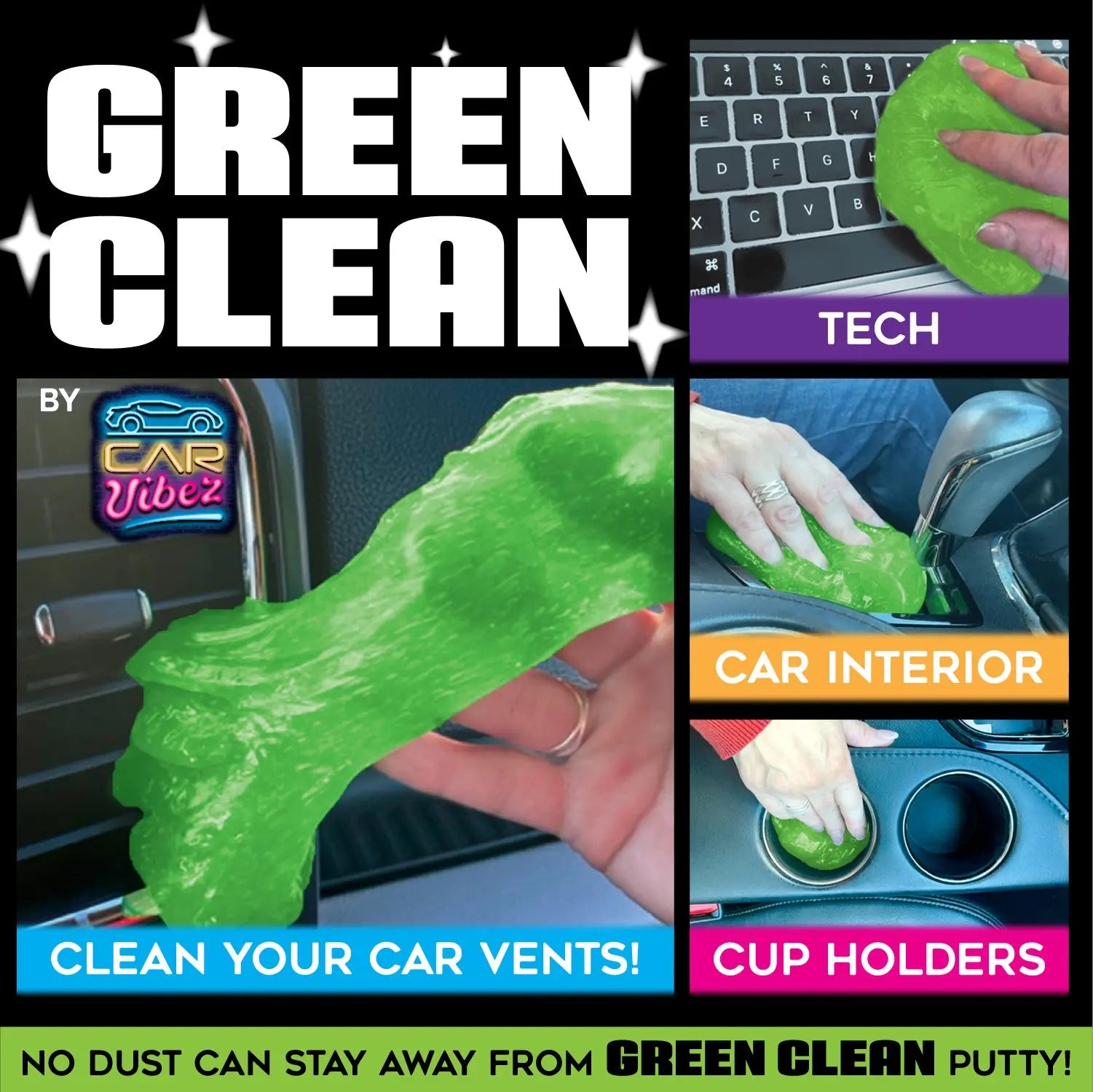
You may use a very small amount around the outer edges of hard plastic vents after testing the material. Do not push it deep into the vent, where it could break apart or remain stuck. A soft detailing brush and vacuum are safer for vent fins.
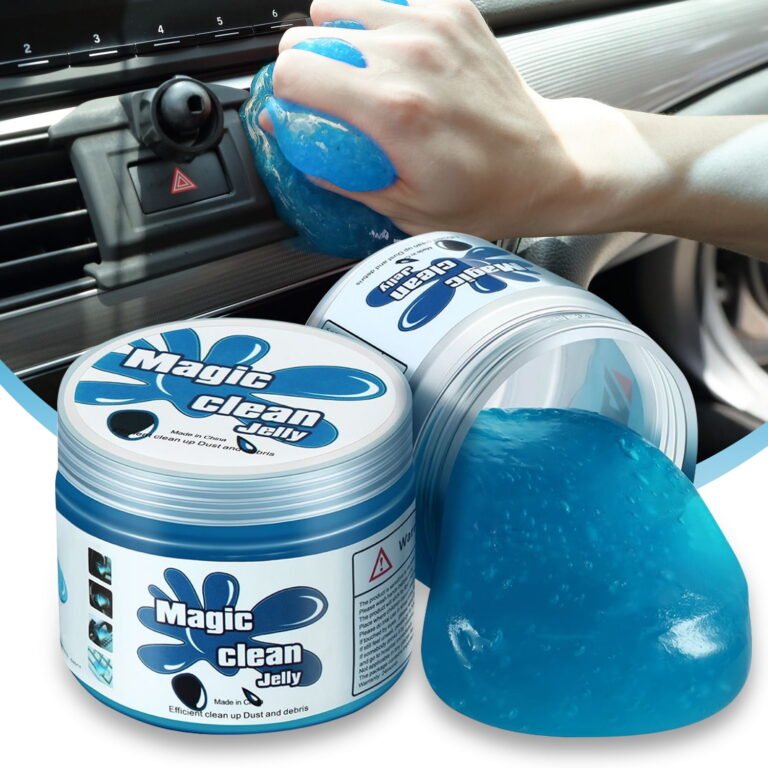
Is Silly Putty better than a car-cleaning gel?
Not always. Cleaning gels are also surface-dependent and may leave residue. Choose the tool based on the material, temperature, and type of dirt. For most jobs, a soft brush, vacuum, and microfiber towel offer better control.
Conclusion
You can use Silly Putty to clean small bits of loose debris from selected hard surfaces inside a car. Its best use is narrow: press it onto cool, smooth plastic, lift it away, and check for residue.
Do not use it as a general car cleaner. Keep it away from exterior paint, glass, upholstery, leather, screens, hot surfaces, and delicate coatings. When in doubt, use a vacuum, soft brush, microfiber towel, or cleaner made for the specific automotive material.