Does Car Cleaning Gel Work: The Honest Verdict
Yes, car cleaning gel works for loose dust, crumbs, hair, and small debris in hard-to-reach areas. It is useful for cup holders, air vents, door seams, console buttons, and other small gaps.
However, car cleaning gel is not a full car cleaner. It will not remove stuck-on grease, dried spills, heavy mud, stains, or germs in a reliable way. Think of it as a soft pickup tool, not a soap, disinfectant, or detailing brush.
For the best result, use the gel on cool, dry surfaces. Press it down gently, lift it without rubbing, and repeat with a clean part of the gel. Always follow the product label because formulas and surface warnings vary by brand.

What Is Car Cleaning Gel?
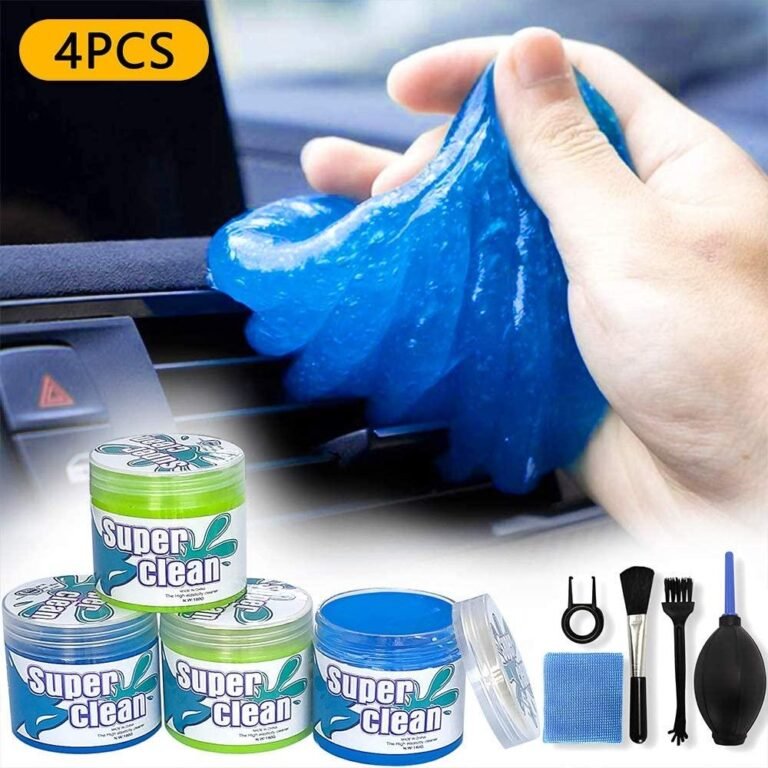
Car cleaning gel is a soft, moldable material made to pick up loose debris from small spaces. Most products use a tacky polymer or putty-like compound. The gel changes shape when pressed into gaps, then lifts away with dust and particles attached to its surface.
The gel does not clean through strong chemical action. Its main action is physical pickup. It grabs loose debris that a cloth cannot reach and that a vacuum nozzle may miss.
Common names include:
- Car cleaning gel
- Car cleaning slime
- Detailing gel
- Dust-cleaning putty
- Interior cleaning putty
These names can describe different formulas. Some products are scented. Some claim antibacterial properties. Others are designed only to collect dust. Do not assume that one product has the same ingredients, uses, or safety limits as another.
What It Can Remove
Car cleaning gel is best for light, dry debris such as:
- Dust
- Crumbs
- Pet hair
- Small grit
- Loose sand
- Lint
- Debris around buttons
- Particles inside air-vent openings
It works best when the debris sits on or near the surface. It has less value when dirt has bonded to the material.
What It Cannot Reliably Remove
Car cleaning gel is not a good choice for:
- Grease
- Oil
- Dried soda
- Sticky candy
- Mud
- Ink
- Mold
- Heavy stains
- Deep carpet soil
- Strong odors
- Confirmed bacteria or viruses
A product label may make germ-related claims, but pickup is not the same as disinfection. The U.S. Environmental Protection Agency explains that disinfectant products must be registered and used according to their label directions to support their stated claims. A general cleaning gel should not be treated as a disinfectant unless its label clearly says so and provides an EPA registration number where required.
How Does Car Cleaning Gel Work?
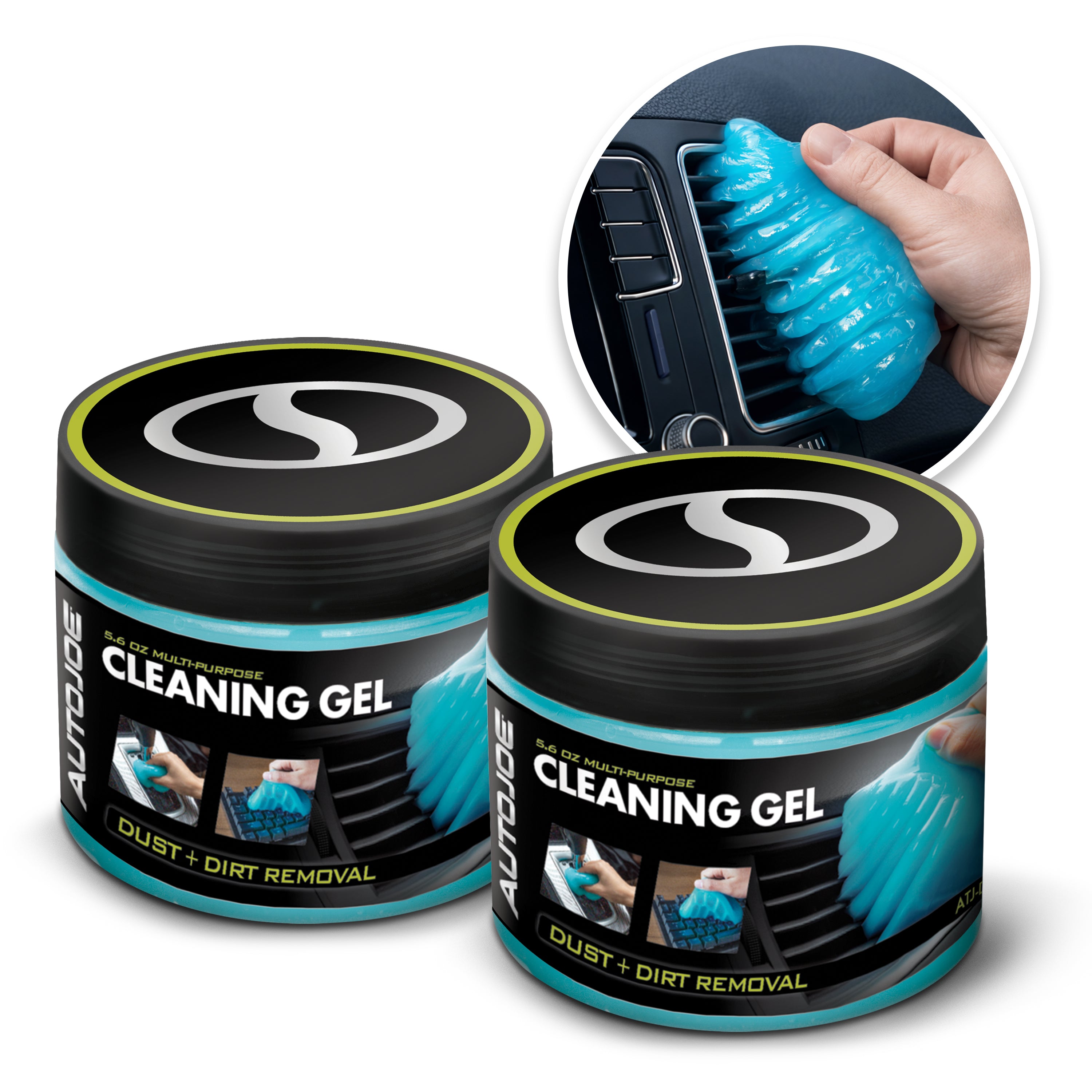
Car cleaning gel works because its soft surface flows into small spaces and holds loose particles through tackiness and surface contact. When you press it into a vent or cup holder, the gel conforms to the shape of that area. When you lift it, dust and crumbs can come away with it.
The result depends on three main factors:
- The condition of the dirt: Loose particles are easier to lift than oily or dried material.
- The surface: Smooth plastic usually gives better results than rough fabric.
- The gel formula: Some gels are soft and tacky, while others are firmer or leave more residue.
The gel does not “pull” dirt from deep inside a material like a strong vacuum or extractor. It mainly reaches small surface gaps that are difficult to wipe.
Why It Works Well in Small Gaps
A cloth needs space to move. A vacuum nozzle needs enough room to create useful airflow. Gel has a different advantage: it can mold around small shapes.
This makes it useful around:
- Dashboard seams
- Gear-shift surrounds
- Steering-wheel controls
- Window-switch edges
- Vent fins
- Seat-belt buckle areas
- Cup-holder corners
Use light pressure. If you force the gel deep into a narrow opening, part of it may tear or remain behind.
Why It Does Not Work Well on Grease
Grease changes the problem. Oil can spread across the gel instead of staying attached to it. The gel may then become slick or leave a film on the surface.
For greasy areas, use an interior cleaner that is approved for the material. Apply the cleaner to a microfiber cloth rather than spraying directly onto electronic controls. This reduces the chance of liquid entering switches, screens, or vents.

How to Use Car Cleaning Gel Safely
Use the gel after removing large debris and before wiping the surface. This order keeps you from pushing crumbs and dust into seams.
Step 1: Read the Product Label
Check the label for:
- Approved surfaces
- Surfaces to avoid
- Temperature limits
- Storage instructions
- Reuse instructions
- Warnings about leather, fabric, screens, or electronics
If the label is unclear, test the product in a hidden area first.
Step 2: Park in a Cool, Shaded Area
A hot car interior can soften the gel. A very warm surface may make the material stick more than expected. Let the vehicle cool before use.
Avoid using the gel on a surface that is wet from cleaning, condensation, or rain. Moisture can reduce pickup and increase the chance of residue.
Step 3: Remove Large Debris First
Pick up large crumbs and trash by hand. Use a vacuum for loose dirt on carpets, seats, and floor mats.
Gel is most useful for the small particles left behind. Using it as the first tool wastes material and can push larger debris into gaps.
Step 4: Press and Lift
Place the gel over the area. Press gently so it reaches the gap. Then lift it straight up.
Do not scrub back and forth. Rubbing can spread dirt and may leave material on textured plastic.
Step 5: Fold the Used Surface Inward
After each few uses, fold the dirty part into the center of the gel. Expose a clean section before touching another area.
Stop using the gel when it becomes dark, oily, crumbly, or less tacky. A dirty gel may transfer debris instead of removing it.
Step 6: Inspect the Surface
Use a flashlight or phone light to check vents, seams, and buttons. If residue remains, remove it with a dry microfiber cloth.
Do not use a sharp tool to scrape gel from a control or vent. Use a soft detailing brush or a manufacturer-approved cleaning method instead.

Which Car Surfaces Can You Clean With Gel?
Car cleaning gel is generally most suitable for hard, nonporous interior surfaces. Even then, product directions control the final decision.
| Surface or area | Typical usefulness | Main concern |
|---|---|---|
| Hard plastic trim | Good for loose dust | May leave residue on textured plastic |
| Cup holders | Good for crumbs and grit | Avoid wet or sugary spills |
| Air vents | Good for surface dust | Do not push gel deep into the vent |
| Rubber buttons | Often useful for loose debris | Do not pull or press hard |
| Painted interior trim | Use caution | Test first for residue or dulling |
| Touchscreens | Usually avoid unless the label allows it | Gel may leave a film or affect coatings |
| Leather | Usually not the best choice | Tackiness may affect the finish |
| Suede or Alcantara-type fabric | Avoid unless approved | Fibers may trap gel |
| Cloth seats and carpets | Limited use | Gel can stick to fibers |
| Headliner fabric | Avoid | Material may pull fibers or leave marks |
Touchscreens and Displays
Do not assume that a gel marketed for car interiors is safe for every screen. Modern displays may have anti-glare, anti-fingerprint, or other surface coatings.
For a screen, follow the vehicle maker’s instructions. In many cases, a clean, soft microfiber cloth is the safer first choice. Never press gel into screen edges or speaker openings.
Leather and Synthetic Leather
Leather needs products made for leather. Gel may collect loose dust from a smooth leather surface, but it is not a leather cleaner or conditioner. It can also leave an uneven feel if the surface has a protective coating.
For leather seats, remove dust with a soft cloth or vacuum brush. Use a leather-safe cleaner only when needed.
Fabric and Carpet
Gel has limited value on fabric. Its tacky surface may collect pet hair and crumbs, but it can also catch fibers or leave small pieces behind.
A vacuum with a soft brush attachment is usually better for seats, floor mats, and carpets. Use a fabric cleaner for stains, and follow its drying instructions.

Car Cleaning Gel vs. Other Interior Cleaning Tools
Car cleaning gel is convenient, but it is not the best tool for every job. The right choice depends on the dirt and the surface.
| Cleaning tool | Best use | Weak point |
|---|---|---|
| Car cleaning gel | Loose debris in small gaps | Poor for grease and stains |
| Microfiber cloth | Dust, fingerprints, and light film | Cannot reach deep gaps alone |
| Soft detailing brush | Vents, seams, and textured trim | Can move dust into the cabin |
| Vacuum with brush tool | Seats, carpets, and loose dirt | May not fit narrow control gaps |
| Interior cleaner | Light grime and oily film | Liquid can damage electronics if misused |
| Cotton swab | Small button edges | Slow and may leave lint |
| Compressed air | Loose dust in open areas | Can push dirt deeper or spread it |
A useful method is to combine tools rather than expect one product to do everything:
- Vacuum loose dirt.
- Use gel for remaining debris in small gaps.
- Wipe the surface with a clean microfiber cloth.
- Use a suitable cleaner for any film or stain.
Compressed air needs extra care. It can force dust into switches, vents, and other openings. Keep pressure low and avoid directing air into sensitive electronics.

Common Problems and What They Mean
A gel that performs poorly may not be defective. The surface, temperature, dirt, or technique may be the cause.
The Gel Leaves a Sticky Film
Possible causes include:
- The interior is too warm.
- The gel was left on the surface too long.
- The product is too soft for the material.
- The surface already has an oily dressing.
- The gel is old or breaking down.
Stop using it. Remove the film with a clean microfiber cloth. If the residue remains, use a surface-safe interior cleaner according to its label.
The Gel Breaks Apart
Gel can tear when it is pressed too deeply into a seam or pulled across a rough surface. It may also break down with age, heat, or contamination.
Do not use a damaged gel around vents, buttons, or switches. Remove visible pieces with tweezers only when you can do so without scratching the surface. A soft brush or vacuum can help with loose fragments.
It Does Not Pick Up Dust
Check whether the gel is:
- Too cold
- Too dry
- Dirty
- Too firm
- Used on a wet surface
- Being rubbed instead of pressed and lifted
Let it reach room temperature if the label permits. If performance does not improve, replace it.
The Gel Makes the Area Look Duller
Some plastic surfaces have a textured finish or a protective coating. A residue can change how light reflects from that surface.
Wipe the area with a clean, dampened microfiber cloth if the vehicle maker permits it. Do not apply strong solvents. If the finish remains changed, stop using the product on that material.
Is Car Cleaning Gel Safe for Electronics?
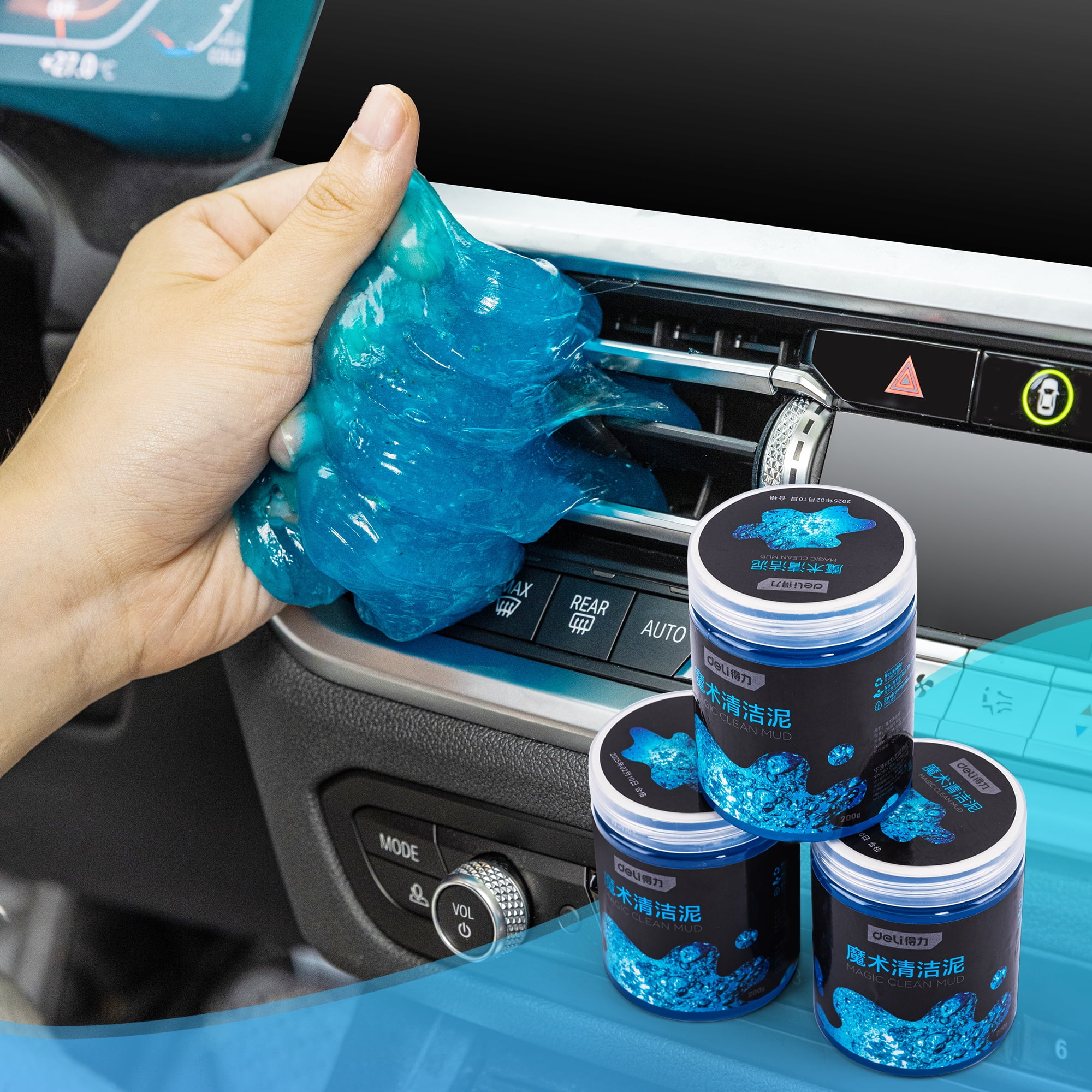
Car cleaning gel can be safe around some electronic controls when used lightly and kept out of openings. It is not risk-free.
Avoid pushing gel into:
- USB ports
- Speaker grilles
- Microphone holes
- Camera lenses
- Switch housings
- Screen edges
- Air vents leading to electronic parts
The main risks are residue, tearing, and accidental pressure on a control. Never use gel on a powered or hot device if the label warns against it. Do not use liquid cleaner at the same time unless the product instructions support that method.
For vehicle screens and controls, the owner’s manual is the primary source. Vehicle manufacturers may specify a particular cloth, moisture level, or cleaning method.

Does Car Cleaning Gel Kill Germs?
Ordinary car cleaning gel should not be assumed to kill germs. It may remove some particles from a surface, but removal is not the same as killing or inactivating microorganisms.
If sanitation is the goal, check the product label for:
- An explicit disinfecting claim
- The organisms covered
- The required contact time
- Approved surfaces
- An EPA registration number, when applicable
Use the product exactly as directed. A disinfectant often must remain visibly wet for a stated period. A gel that is pressed and lifted in seconds may not meet that requirement.
For routine vehicle cleaning, remove visible dirt first. Then use a suitable cleaner or disinfectant for the specific surface. Never mix cleaning chemicals, and provide ventilation when using products with strong fumes.

How Often Should You Use Car Cleaning Gel?
Use car cleaning gel when loose debris appears in small gaps, not on a fixed daily schedule. Light use every few weeks may help keep a frequently used vehicle tidy.
Do not keep reusing the same gel after it becomes dirty. A contaminated piece can move dust, oil, and particles from one area to another.
A simple interior routine is:
- Vacuum carpets and seats as needed.
- Wipe high-touch surfaces when they look dirty.
- Use gel for vents, seams, and tight gaps.
- Clean spills as soon as possible.
- Replace the gel when it becomes dirty or loses its shape.
Storage also matters. Keep the container sealed and away from direct sun and high heat. Follow the package instructions for its useful life.

How to Choose a Car Cleaning Gel
Choose a gel based on the surface and the type of debris, not just the product’s scent or color.
Look for:
- Clear surface warnings
- Instructions for automotive interiors
- A storage guide
- A stated reuse limit
- A formula that does not crumble easily
- Packaging that can be sealed
- A safety data sheet when available
Be cautious with claims such as “deep cleaning,” “chemical-free,” or “kills 99.9% of germs.” These phrases need context. Ask what the product removes, which surfaces were tested, and what conditions apply.
The best product for a dusty dashboard may not be the best product for a leather seat or touchscreen. When a surface is valuable, delicate, or difficult to replace, a microfiber cloth and the vehicle maker’s cleaning instructions are usually the safer starting point.
Key Takeaways
- Car cleaning gel works best on loose dust, crumbs, hair, and grit.
- It is especially useful in cup holders, vents, seams, and around buttons.
- It does not replace a vacuum, microfiber cloth, interior cleaner, or disinfectant.
- Use it on cool, dry surfaces with a press-and-lift motion.
- Avoid screens, leather, fabric, and electronic openings unless the label clearly allows use.
- Stop if the gel leaves residue, breaks apart, or changes the surface finish.
- Do not assume a cleaning gel kills germs.
Frequently Asked Questions
Does car cleaning gel really work on dust?
Yes. It can pick up loose dust from small gaps where a cloth or vacuum nozzle may not fit. It works less well when dust has mixed with oil or has bonded to the surface.
Can I use car cleaning gel on my dashboard?
Usually, it is suitable for hard plastic dashboard areas when the product label permits it. Test a hidden spot first, and avoid using it on hot surfaces or pushing it into vents and controls.
Can car cleaning gel clean air vents?
It can remove loose dust from the outer parts of air vents. Press gently and lift. Do not force the gel deep into the vent because it may tear or remain inside.
Is car cleaning gel better than a microfiber cloth?
Neither tool is better for every task. Gel is better for narrow gaps and loose crumbs. A microfiber cloth is better for broad surfaces, fingerprints, and light surface film.
Can cleaning gel remove sticky soda?
Usually not. Sticky soda needs a suitable interior cleaner and a cloth. Remove the spill promptly, and keep moisture away from switches, screens, and electrical openings.
Can I wash and reuse car cleaning gel?
Usually, no. Most products are designed to be folded and reused until dirty, not washed with water. Follow the package instructions, and discard the gel when it becomes contaminated or starts to break down.
Conclusion
Car cleaning gel does work, but only within a narrow and useful role. It is a convenient tool for picking up loose debris from small spaces in a vehicle’s interior.
For the best results, vacuum first, use the gel on cool and dry hard surfaces, and finish with a microfiber cloth. If the dirt is greasy, stained, wet, or stuck to the material, choose a cleaner designed for that surface instead.