What Is A Good Interior Car Cleaner Wipe: Best Guide
A good interior car cleaner wipe is a soft, low-moisture wipe made for automotive surfaces. It should clean dust, skin oils, light dirt, and small spills without leaving a greasy film. For most dashboards, door panels, vinyl trim, and plastic consoles, choose a water-based, pH-balanced wipe labeled safe for automotive interiors. Avoid household disinfecting wipes unless the vehicle maker allows them, because strong alcohol, bleach, ammonia, and solvents can damage trim.
The right wipe depends on your car’s surfaces. A newer SUV with a large touch screen needs a different approach than an older truck with hard vinyl. Leather seats, suede-like cloth, glossy trim, and an infotainment screen each have different needs. A wipe that works well on a dashboard may leave leather dry or make a screen cloudy.
This guide explains what to look for, which wipe types suit different drivers, how to use them, what to avoid, and when a cleaner wipe is worth the money. It is written for new drivers, hands-on DIY owners, parents, gift buyers, and anyone who wants a cleaner cabin without turning the car into a detailing project.

Quick answer: What makes a good interior car cleaner wipe?
A good interior car cleaner wipe is lint-free, lightly damp, non-greasy, and labeled for the exact surface you plan to clean. For most cars, choose a water-based wipe with no bleach, ammonia, or harsh solvents. Use leather wipes for finished leather, screen-safe wipes for displays, and a damp microfiber towel for delicate surfaces. Always test a hidden spot first.

What to look for in an interior car cleaning wipe
The best way to choose a car interior wipe is to match its formula to the surface, not just the brand name. A good wipe should remove light grime while leaving the factory texture and finish unchanged. It should also be easy to reseal, since dried-out wipes are a common problem.
Surface-safe ingredients matter
Look for phrases such as “automotive interior safe,” “water-based,” “pH balanced,” and “safe for vinyl, plastic, and rubber.” These terms do not replace careful label reading, but they are useful starting points.
Avoid wipes with bleach, strong ammonia, abrasive grit, or heavy solvent cleaners. These chemicals can fade colored plastic, dry leather, dull clear trim, or damage printed buttons. Some disinfecting wipes also contain enough alcohol to dry out repeated-use surfaces.
A mild cleaner is usually enough for daily dust and skin oils. Heavy stains may need a dedicated interior cleaner, a soft brush, and a clean microfiber towel.
Check the wipe texture and moisture level
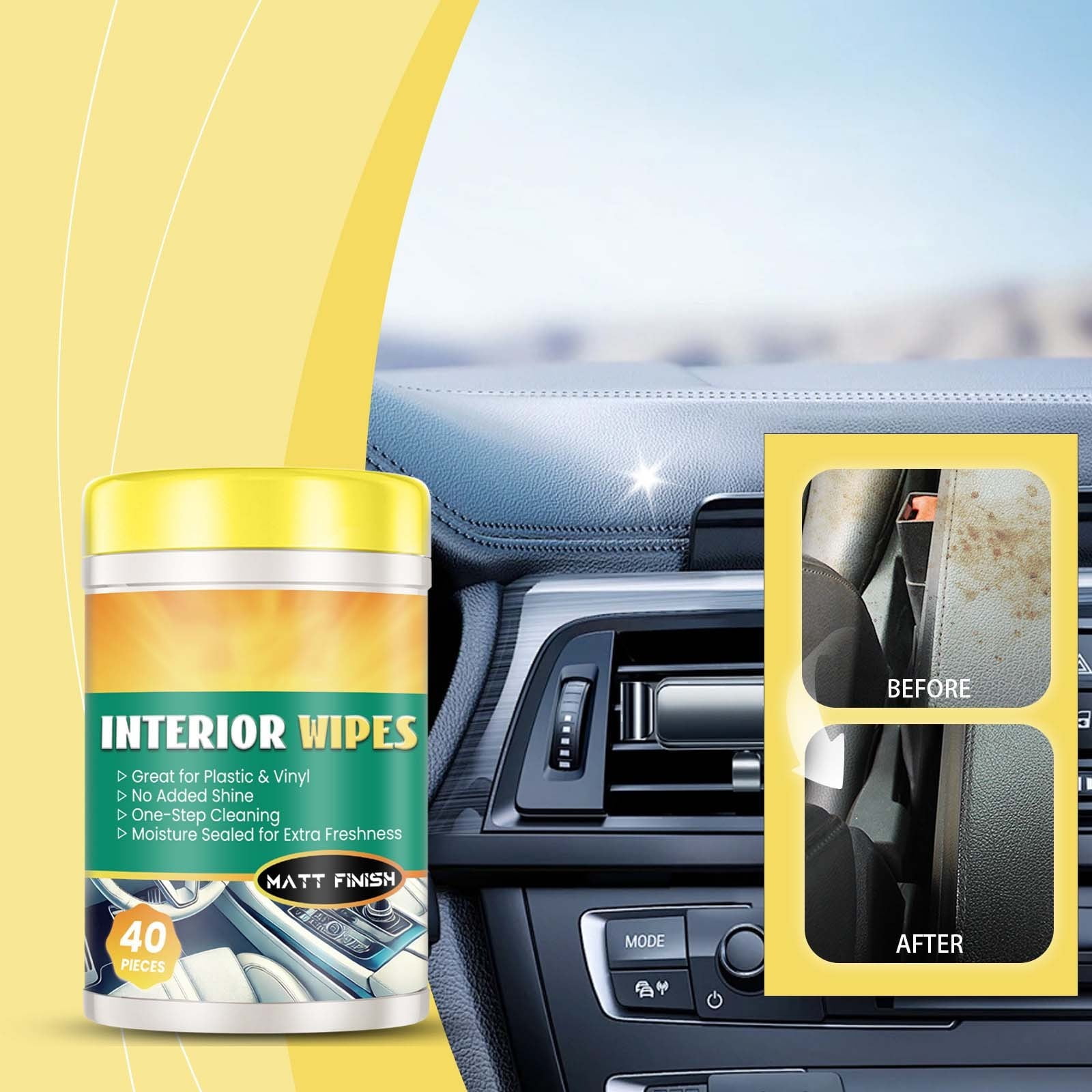
A good car wipe feels soft and strong. It should not tear when you wipe a textured door panel. It should be damp enough to lift dirt but not so wet that liquid runs into switches, vents, speakers, or seat controls.
Very thin wipes may cost less, but they can force you to use two or three at once. Thick, larger wipes often work better for trucks, SUVs, family vehicles, and road-trip cleanup. A low-lint material is important around glossy trim and screens.
| Wipe feature | Why it matters | Best fit |
|---|---|---|
| Thick, low-lint sheet | Covers more area and leaves less lint | SUVs, trucks, family cars |
| Lightly damp formula | Cleans without pooling liquid | Dashboards, door panels, consoles |
| Textured but soft surface | Lifts dust from grain without scratching | Vinyl and hard plastic |
| Small travel pack | Easy to keep in a glove box | Teen drivers and commuters |
The main takeaway is simple: more moisture is not better. A wipe should control the dirt, not spread wet cleaner into the cabin.

Read the surface warnings
A label may say a wipe is safe for “interiors,” but that does not mean it is safe for every material. Look for specific warnings about leather, suede, Alcantara-style fabric, screens, navigation displays, piano-black trim, and clear plastic.
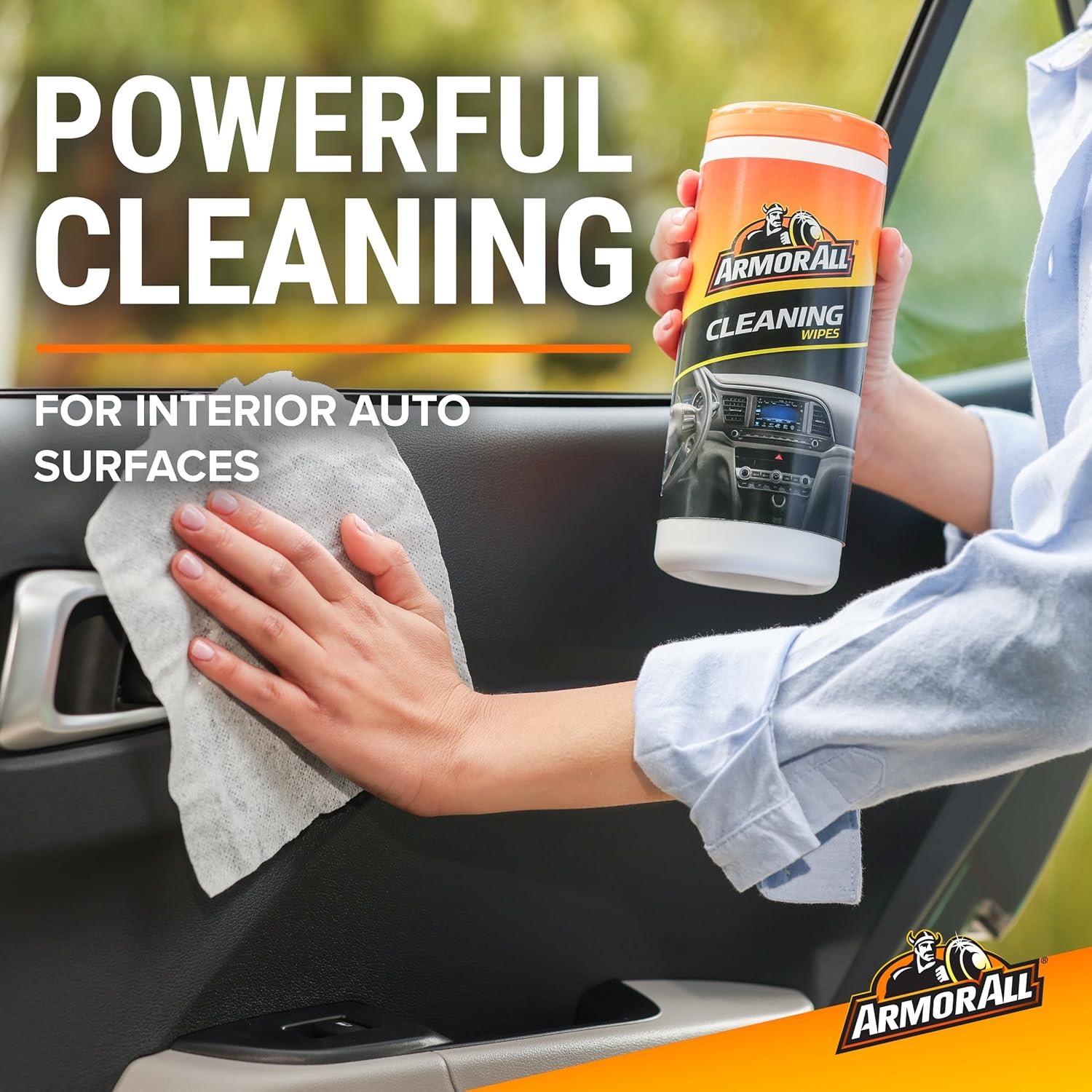
If the label does not mention a delicate surface, use a safer method. A clean, dry microfiber towel is often the first choice for an instrument cluster or touch screen. If you need moisture, apply a small amount to the towel rather than spraying or wiping liquid directly on the screen.
Consider finish and shine
Many drivers prefer a factory-matte finish. A wipe that leaves a glossy coating may look clean at first but can create glare on the dashboard. It may also make the steering wheel or gear selector slippery.
For dashboards and steering wheels, choose a non-greasy, low-shine product. Avoid products that promise a wet-look finish on controls you touch often. A clean steering wheel should feel dry and secure, not oily.
💡 Pro Tip: Wipe the steering wheel last. It collects skin oil quickly, and cleaning it first can transfer dirt back onto the wheel while you work around the cabin.
The right wipe for each vehicle surface
The best interior car cleaner wipe for a hard plastic door panel may be wrong for leather seats or a touch screen. Start by identifying the surface, then choose the least aggressive cleaner that can do the job.
Dashboards, door panels, and hard plastic
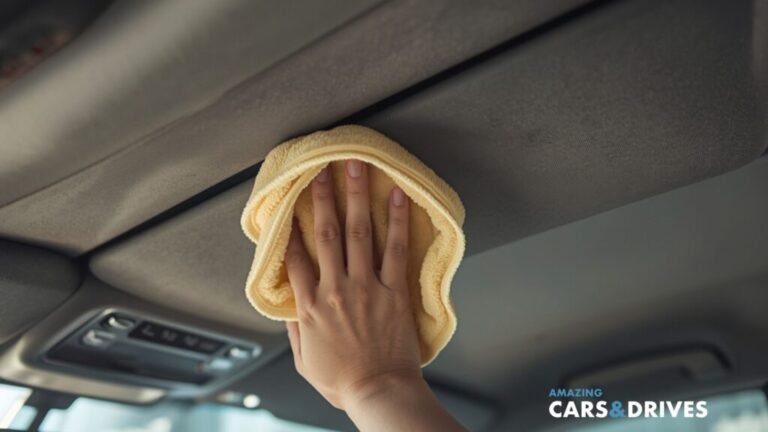
Most modern dashboards use textured plastic, vinyl, or a soft-touch coating. A mild interior wipe is usually suitable for these areas. Work in small sections, then turn the wipe to a clean side as it picks up dirt.
Do not scrub hard. Strong pressure can push grime deeper into the texture and may wear the finish over time. For vents and seams, follow with a soft detailing brush or a dry microfiber towel.
Leather seats and leather-wrapped controls
Leather needs a product made for finished automotive leather. Regular vinyl wipes may remove surface dirt, but they may not provide the right level of conditioning. Some leather wipes contain conditioners, while others are cleaners only.
Do not assume that every “leather” surface is real leather. Many vehicles use synthetic leather, coated leather, or mixed materials. Check the owner’s manual for the material and care instructions. Test any product on a hidden area first.
For a leather steering wheel, use very little moisture. A greasy conditioner can reduce grip and transfer to clothing.
Cloth seats and carpet
A general interior wipe is not the best tool for cloth upholstery or carpet. It may lift a small fresh mark, but rubbing can spread the stain and leave a ring. Use a cloth-safe cleaner when the stain needs more than a quick blot.
For a small spill, blot first with a clean towel. Do not soak the seat. Moisture trapped under upholstery can create odor and may affect seat sensors, especially in vehicles with heated seats, occupancy sensors, or airbags built into the seat.
Touch screens and instrument panels
Screens need special care. Many have anti-glare or anti-fingerprint coatings that can be harmed by harsh cleaners. Use a clean microfiber cloth made for screens, and follow the vehicle maker’s instructions.
Turn the screen off before cleaning. This makes fingerprints easier to see and reduces the chance of activating a control. Never spray a wipe or cleaner directly onto the display.
Glossy black trim and clear plastic
Piano-black trim shows fingerprints easily, but it also shows scratches. Use a clean, soft microfiber towel with light pressure. A wipe labeled safe for glossy trim may work, but test it first.
Clear plastic over gauges and warning lights needs the same care. Dust can scratch it when dragged across the surface. Lift loose grit with a clean towel instead of grinding it into the panel.
| Interior surface | Recommended wipe or method | What to avoid |
|---|---|---|
| Textured plastic | Mild automotive interior wipe | Abrasive pads and bleach |
| Finished leather | Leather-safe cleaner wipe | Strong alcohol and excess water |
| Touch screen | Dry screen microfiber cloth | Direct spray and paper towels |
| Cloth seat | Blotting towel and fabric cleaner | Soaking and hard scrubbing |
| Glossy trim | Clean, soft microfiber cloth | Grit, rough wipes, heavy pressure |
A surface-safe choice protects the finish and reduces repeat work. When you are unsure, start with less moisture and less chemical strength.
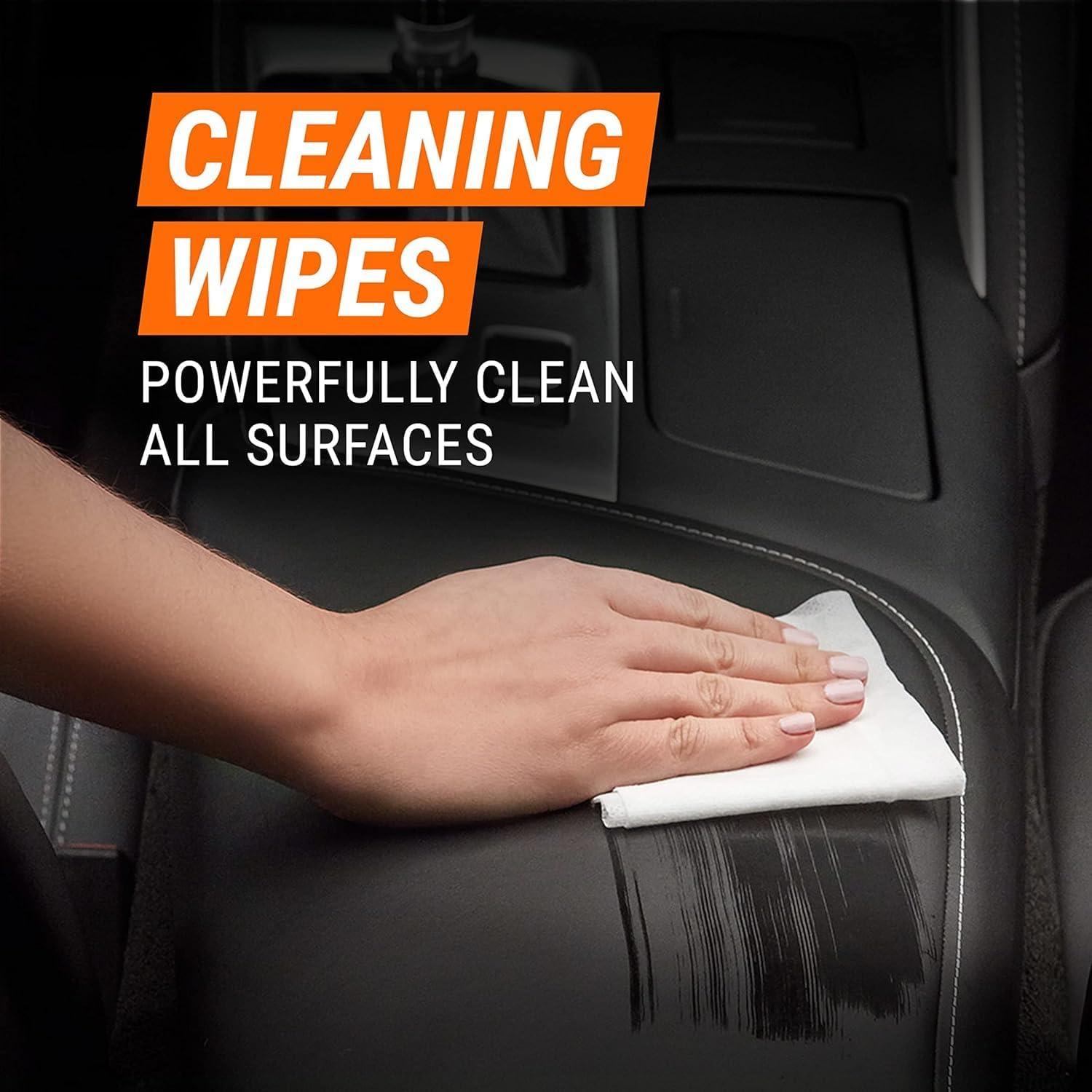
Interior wipe choices by driver and vehicle type
A “good” wipe means different things to different owners. A teen driver may need a small pack for quick cleanup. A detailer may want a large, low-lint wipe for controlled work. A parent may value a seal that stays closed in a hot car.
Best for beginners and new drivers
Beginners should choose a mild, low-shine wipe labeled for plastic, vinyl, and rubber. This type covers the most common surfaces and has a smaller risk of leaving a slippery coating.
A resealable travel pack is useful for a glove box. Pair it with two clean microfiber towels: one for wiping and one for drying. This simple kit is easier to use than a large collection of specialty chemicals.
New drivers should skip strong degreasers, scented dressings, and wipes that leave a wet finish. Those products can create glare and make controls feel slick.
Best for parents and gift buyers
For a parent or teen driver, choose a compact interior care kit with automotive wipes, microfiber towels, a small trash bag, and a screen-safe cloth. A sealed lid matters because heat can dry wipes in a parked car.
Avoid gift sets that include many products without clear surface instructions. More bottles do not always mean better care. The best gift is simple, labeled, and easy to use during a school commute or road trip.
👪 Parent or Gift-Buyer Note: A small cleanup kit can help a teen handle drink spills and crumbs before they become odors. Include a reminder to park safely before cleaning and never wipe controls while driving.
Best for DIY detailers
DIY detailers often prefer a dedicated interior cleaner and reusable microfiber towels instead of disposable wipes. Still, wipes can be useful for quick touch-ups, door jambs, cup holders, and roadside cleanup.
If you detail several cars, compare sheet size, lint level, moisture balance, packaging, and cost per usable wipe. A product that leaves residue will add work later, especially on dashboards and glass.
Best for trucks and SUVs
Trucks and SUVs have more interior area, deeper textures, and more high-contact surfaces. Choose thicker wipes with enough moisture to clean large door panels and consoles without tearing.
For work trucks, a wipe may handle dust, fingerprints, and light mud film. It will not replace a dedicated cleaner for grease, oil, clay soil, or heavy food stains. Keep a soft brush and microfiber towels nearby.
Best for hybrids and EVs
Hybrid and EV interiors still use plastic, vinyl, leather, fabric, and screens. The powertrain does not change the basic wipe choice. However, many EVs have large displays and glossy trim, so screen-safe cleaning becomes more important.
Do not use a wet wipe around charging ports, USB ports, speaker openings, or electronic controls. A wipe is for the cabin surface, not for electrical connectors.
| Driver or vehicle | Good wipe choice | Who should skip it |
|---|---|---|
| New driver | Mild, low-shine plastic and vinyl wipe | Anyone needing deep stain removal |
| Parent or gift buyer | Sealed travel pack with microfiber cloth | Buyers seeking a full professional kit |
| DIY detailer | Low-lint wipe for quick touch-ups | Owners who prefer only reusable towels |
| Truck or SUV owner | Thick wipe for broad textured panels | Drivers cleaning heavy grease |
| EV or hybrid owner | Mild wipe plus screen-safe cloth | Anyone planning to clean ports or switches |
The best fit is the one that matches the driver’s habits. A small pack may suit a commuter, while a large tub may suit a family SUV.

Interior wipes compared with other cleaning options
The main difference between wipes and other cleaners is control. Wipes deliver a measured amount of cleaner and are ready to use. Sprays and concentrates can offer better value and more cleaning power, but they require towels, storage, and more care.
Wipes versus spray cleaner and microfiber towels
Wipes are faster for small jobs. Spray cleaner can be more economical for full-cabin work because one bottle may clean many vehicles. With spray, apply the product to a towel instead of spraying near screens, vents, or buttons.
Reusable microfiber towels create less waste and can clean with plain water for light dust. They must be washed correctly, though. Do not wash them with fabric softener, which can reduce their ability to absorb and lift dirt.
Wipes versus disinfecting wipes
Disinfecting wipes are designed to reduce certain germs on approved hard surfaces. They are not always designed for vehicle materials. Repeated use may dry leather, affect coatings, or leave a residue.
If you need sanitation after illness or a spill, read both the disinfecting wipe label and the vehicle manual. Use the shortest contact time that the label allows, and keep liquid away from electronics.
Wipes versus detailing gel and brushes
Cleaning gel can lift dust from vents and seams, but it is not a full surface cleaner. Some gels leave residue in textured plastic or break apart in heat. A soft detailing brush is more predictable for loose dust.
A brush and wipe work well together. Brush dirt out of seams, then wipe the loosened material away.
| Cleaning method | Main advantage | Main drawback |
|---|---|---|
| Automotive cleaning wipe | Fast and controlled | Higher cost per use and can dry out |
| Spray plus microfiber | Good value and broad coverage | Needs more tools and care |
| Plain damp microfiber | Gentle for dust | Weak against oils and stains |
| Disinfecting wipe | Useful for approved hard surfaces | May harm finishes with repeated use |
| Detailing brush | Reaches seams and vents | Does not remove oily grime alone |
For daily care, wipes are convenient. For a full detail, spray and microfiber usually offer better control and value.

How to use an interior car cleaner wipe correctly
The best way to use a car cleaning wipe is to remove loose dust first, work in small areas, and dry each surface before moving on. This prevents grit from scratching trim and keeps cleaner from drying in streaks.
A simple cleaning process
- Park safely. Turn the vehicle off, set the parking brake, and remove the key or switch off the vehicle according to the owner’s manual.
- Remove loose items. Take out bottles, papers, floor mats, and trash.
- Shake out or vacuum loose dirt. Do not drag sand across glossy trim.
- Read the wipe label. Confirm the surface is approved.
- Test a hidden spot. Check for color change, streaks, or texture change.
- Wipe one small section. Use light pressure and straight passes.
- Use a clean towel if needed. Buff away moisture or residue.
- Clean touch points last. Finish with the steering wheel, shift lever, door handles, and screen controls.
- Let the cabin dry. Keep doors open for a short time if the weather allows.
- Seal the package. Press the lid or cap shut after every use.
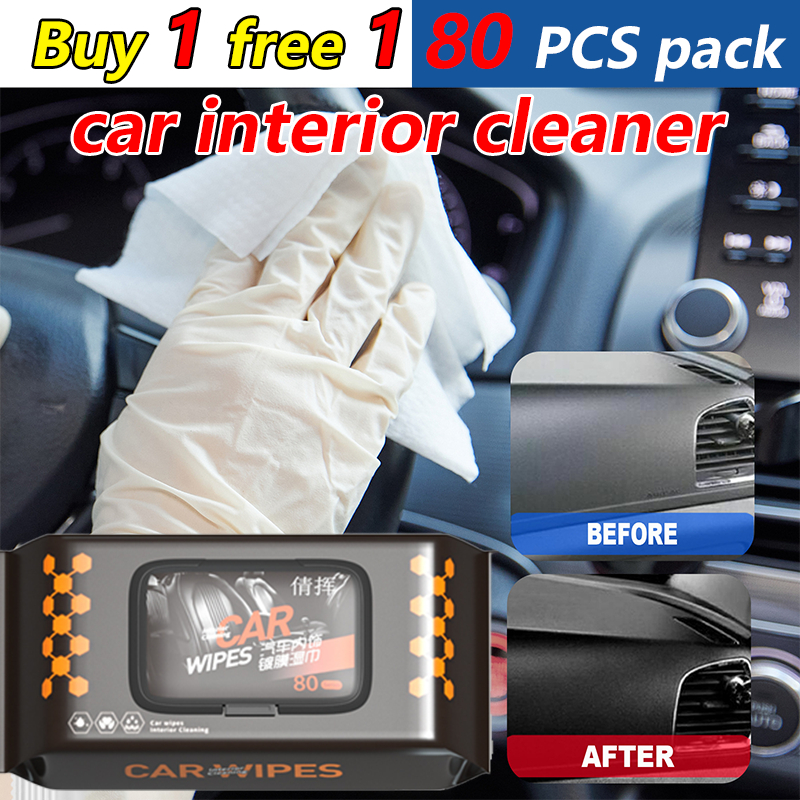
Work from the top down
Start with the dashboard and upper door panels. Dirt falls as you clean, so lower panels and floor areas should come later. This basic order saves time.
Use a new section of the wipe for each area. Once a wipe becomes dirty, spreading it across the next panel can create a thin film rather than removing grime.
Clean touch points with care
The steering wheel, door pull, start button, seat belt latch, and gear selector collect oils from hands. Clean them often, but do not leave them wet.
Never make a steering wheel slippery. If a product leaves a slick feel, wipe the surface with a clean, slightly damp microfiber towel and dry it.
Keep liquid away from electronics
Do not push a wet wipe into seams around a screen, climate control, window switch, or USB port. Use a nearly dry towel around these areas.
For cup holders, remove the insert when possible. Clean the insert away from the electronics, dry it fully, and reinstall it only when it is no longer damp.
⚠️ Safety Warning: Never clean the interior while driving or while the vehicle is stopped in an unsafe traffic area. If a spill affects a pedal, steering wheel, gear selector, or visibility, pull over in a safe place before cleaning.
Product features that matter and features you can ignore
Useful features improve control, surface safety, and storage. Marketing features matter less if the wipe leaves residue or cannot be used on your interior.
Features worth paying for
A strong resealable lid is worth considering. It keeps air out and helps prevent the remaining wipes from drying. A thick sheet can also reduce waste because one wipe may cover a dashboard and both front door panels.
Low fragrance helps drivers who are sensitive to strong smells. A matte or natural finish is useful for dashboards and steering wheels. Clear surface directions are also valuable for beginners and gift buyers.
Features that are often less important
A powerful scent does not prove cleaning power. Gloss does not equal protection, and a “premium” color does not make a wipe safer. Claims about restoring every surface should be treated with care.
Wipes that promise to clean leather, glass, plastic, fabric, rubber, and screens with one formula deserve close label review. A broad claim may be convenient, but delicate surfaces still need caution.
| Feature | Worth considering? | Reason |
|---|---|---|
| Resealable hard lid | Yes | Helps reduce drying |
| Low-lint sheet | Yes | Protects screens and glossy trim |
| Strong perfume | Usually no | Can irritate and does not prove cleaning |
| Wet-look shine | Usually no | May create glare or slippery controls |
| Clear surface directions | Yes | Reduces misuse |
| Very low price | Sometimes | Check sheet strength and moisture |
The best value is not always the cheapest pack. It is the product that cleans the needed surfaces without creating extra repair or detailing work.

Detailed product-type reviews
There is no single wipe that is right for every cabin. The sections below explain the main product types and their limits.
Mild all-purpose interior wipes
These wipes are made for common hard surfaces such as vinyl, plastic, rubber, and some coated trim. They are a strong choice for beginners, commuters, parents, and owners of sedans, SUVs, and trucks.
Their main limit is stain removal. They may not handle grease, dried food, ink, heavy mud, or mold. They may also be unsuitable for leather, suede-like fabric, screens, or uncoated wood.
Choose this type when you want quick maintenance rather than deep restoration.
Leather cleaning wipes
Leather wipes are designed for finished automotive leather or synthetic leather, depending on the label. Some clean only. Others include a light conditioner.
They suit owners with leather seats, leather door inserts, or a leather steering wheel. They are less useful if your vehicle has only cloth seats and hard plastic.
The drawback is that some formulas leave a coating. That may be acceptable on a seat but undesirable on a steering wheel. Always use a small amount and buff away excess.
Screen-safe wipes and cloths
Screen products focus on low moisture and gentle materials. Many owners use a dry microfiber cloth first and add a small amount of approved cleaner only when fingerprints remain.
These products suit newer vehicles, EVs, hybrids, and cars with large navigation screens. They do not replace a general interior wipe for doors or seats.
Never use paper towels or rough shop towels on a touch screen unless the manufacturer specifically allows them.
Disinfecting automotive wipes
These are useful when a vehicle needs more than routine dust removal, such as after illness or shared use. Use only on the surfaces listed on the label.
They may dry or fade certain materials with repeated use. They also need the correct wet contact time to work as labeled. That means the surface may need to stay visibly wet for a set period, which can be difficult on electronics or sensitive trim.
Natural or plant-based wipes
Plant-based formulas may appeal to drivers who want a milder smell or different ingredient profile. “Natural” does not automatically mean safe for leather, screens, or plastics.
Check the actual surface list, fragrance, preservatives, and storage instructions. A plant-based product can still leave residue or harm a coating if used incorrectly.

Price tiers and whether interior wipes are worth it
Current pricing ranges from budget packs to premium specialty wipes. Check the latest listing for updated features, sheet count, and surface instructions. The real cost depends on how many wipes you use per cleaning.
| Price tier | What you usually get | Best value for |
|---|---|---|
| Budget | Basic wipes with simple packaging | Occasional light cleaning |
| Mid-range | Thicker sheets and better resealing | Regular commuters and families |
| Premium | Specialty leather, screen, or low-lint options | Detailers and high-end interiors |
Budget wipes can be a good choice for light dust and quick spills. They are less appealing if they tear, dry out, or require several sheets for one area.
Mid-range wipes often suit most drivers. Premium wipes make more sense when the car has delicate materials, frequent use, or a high replacement cost for trim.
Are expensive wipes worth it?
They can be worth the money when they reduce residue, lint, and surface risk. They may also cost less over time if one thick wipe replaces several thin wipes.
They are not worth paying more for if the main difference is scent or shine. Compare sheet size, material, surface coverage, and packaging instead.
How long do interior wipes last?
An unopened pack can last a long time when stored as directed. Once opened, wipes may dry out faster in a hot glove box or a vehicle parked in direct sun. The lid seal often fails before the cleaner itself becomes unusable.
Do not add water to dried wipes. Water can change the formula and introduce contamination. Replace the pack if it smells unusual, looks moldy, or has separated liquid.
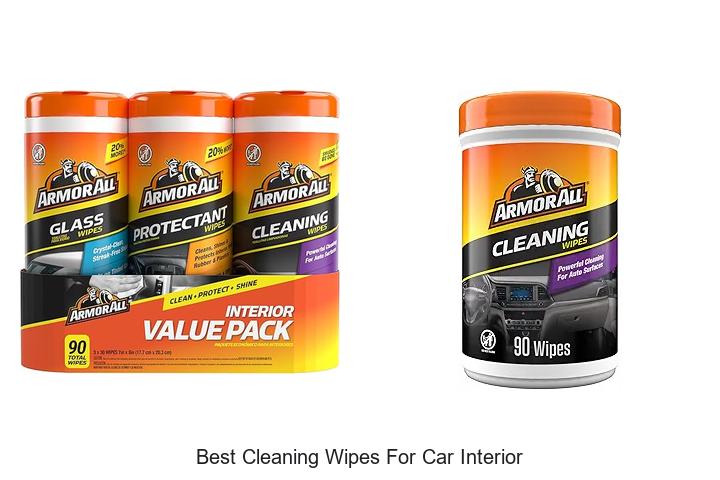
Common buyer mistakes and quick fixes
Most interior cleaning problems come from using the wrong product, too much liquid, or too much pressure. A small change in technique can prevent damage.
| Common problem | Likely cause | Better solution |
|---|---|---|
| Greasy dashboard | Shine dressing or excess cleaner | Buff with a clean microfiber towel |
| Streaky screen | Too much moisture or dirty cloth | Turn off screen and use a dry screen cloth |
| White marks on trim | Product residue or dried minerals | Wipe with a barely damp towel and dry |
| Leather feels dry | Wrong cleaner or repeated alcohol use | Use a leather-safe product per the manual |
| Wipe dries in the pack | Loose lid or hot storage | Seal tightly and store in a cooler place |
The quick fix is usually to stop adding product. A clean, barely damp microfiber towel can remove residue from many hard surfaces.
Mistake: using household wipes everywhere
Household wipes may contain chemicals meant for sealed counters, not automotive coatings. They can also be too wet for switches and electronic controls.
If you use one during an emergency spill, limit it to an approved hard surface, wipe away residue, and follow up with a clean towel. Do not make it your regular interior cleaner without checking the vehicle manual.
Mistake: cleaning in direct heat
Heat makes cleaner dry too fast. This can create streaks and uneven patches. It also dries unopened wipes and increases the chance of liquid running into gaps.
Park in shade when possible. If you must clean in sun, use smaller sections and less moisture.
Mistake: using one wipe for the whole cabin
A dirty wipe can move grit and oil from the steering wheel to the dashboard. It can also spread crumbs into seams.
Use separate wipes or towels for upper panels, touch points, seats, and dirty lower areas. This is especially important in a truck or family SUV.
Mistake: ignoring floor mats and seat covers
Wiping the dashboard does not solve dirt brought in by shoes, pets, or food. Remove floor mats and shake or vacuum them outside the cabin. Clean seat covers according to their care label.
Rubber floor mats often need a separate wash and full drying. Do not reinstall wet mats, since trapped moisture can create odor and may affect the carpet below.
A practical interior cleaning kit
A good wipe is only one part of a useful car care kit. You do not need every detailing tool, but a few simple items make cleaning safer and faster.
| Item | Useful job | Suggested storage |
|---|---|---|
| Mild interior wipes | Quick cleaning of approved hard surfaces | Sealed glove box bin |
| Screen microfiber cloth | Removes fingerprints with low risk | Clean pouch |
| General microfiber towels | Drying and residue removal | Lidded plastic container |
| Soft detailing brush | Vents, seams, and buttons | Door pocket or kit bag |
| Small trash bags | Road-trip and daily cleanup | Center console |
| Nitrile gloves | Protects hands from grime and chemicals | Roadside kit |
Keep cleaning products away from direct heat when possible. Do not store loose chemical bottles where they can roll under pedals or become projectiles in a crash.
A good kit can sit beside other useful items such as a tire pressure gauge, tire inflator, jump starter, roadside kit, phone mount, and sunshade. These tools serve different jobs, so do not treat an interior wipe as emergency equipment.
What should not go in a cleaning kit?
Avoid unlabeled bottles, leaking containers, open blades, and products that can damage upholstery. Do not keep strong solvents beside food, child items, or medication.
If you carry disinfectants, follow the label and keep them secured. Clean your hands after use, and ventilate the vehicle when needed.
Climate and road-trip considerations
Hot sun, cold weather, humidity, dust, and road salt all change how interior wipes perform. Climate should influence storage and cleaning frequency.
Hot and dry climates
Heat can dry wipes, fade trim, and bake oils into the steering wheel. Keep the pack tightly closed and use a windshield sunshade when parked.
A sunshade helps reduce cabin heat, but it does not replace cleaning. Use a low-shine product on the dashboard to reduce glare.
Humid and wet climates
Humidity can make cloth seats and carpet stay damp. Use less liquid and allow the cabin to dry. Check floor mats for trapped water after rain.
If an odor remains after cleaning, look for the source. Wipes can remove surface dirt, but they cannot fix hidden moisture, a leaking door seal, or soaked carpet padding.
Winter and road salt
Road salt and slush can enter through shoes and floor mats. Wipes are useful for plastic kick panels and door sills, but mats may need removal and washing.
Do not wipe salt across glossy trim when grit is present. Vacuum or lift the grit first.
Road trips
For a road trip, carry a sealed pack, microfiber cloth, trash bags, tissues, and hand wipes. Keep the cleaning kit where passengers can reach it without blocking the driver.
Never clean a spill while moving. Pull into a safe parking area, use hazard lights only when appropriate, and keep children away from traffic areas.
🌿 Eco or Disposal Note: Used wipes usually belong in the trash, not the toilet. Do not pour leftover cleaner into a storm drain. Follow local rules for chemical disposal, and use washable microfiber towels when practical to reduce waste.
How these picks were chosen
The most useful interior wipes are judged by material safety, moisture control, ease of storage, cleaning purpose, and driver fit. A wipe earns a place in a buying guide when its limitations are clear.
The selection logic also considers vehicle age and design. Older vehicles may have hard vinyl and simple gauges. Newer vehicles may have soft-touch coatings, large screens, synthetic leather, wireless charging pads, and more electronic controls.
A product is not automatically better because it costs more. The key question is whether it can clean the intended surface without leaving residue or causing damage when used as directed.
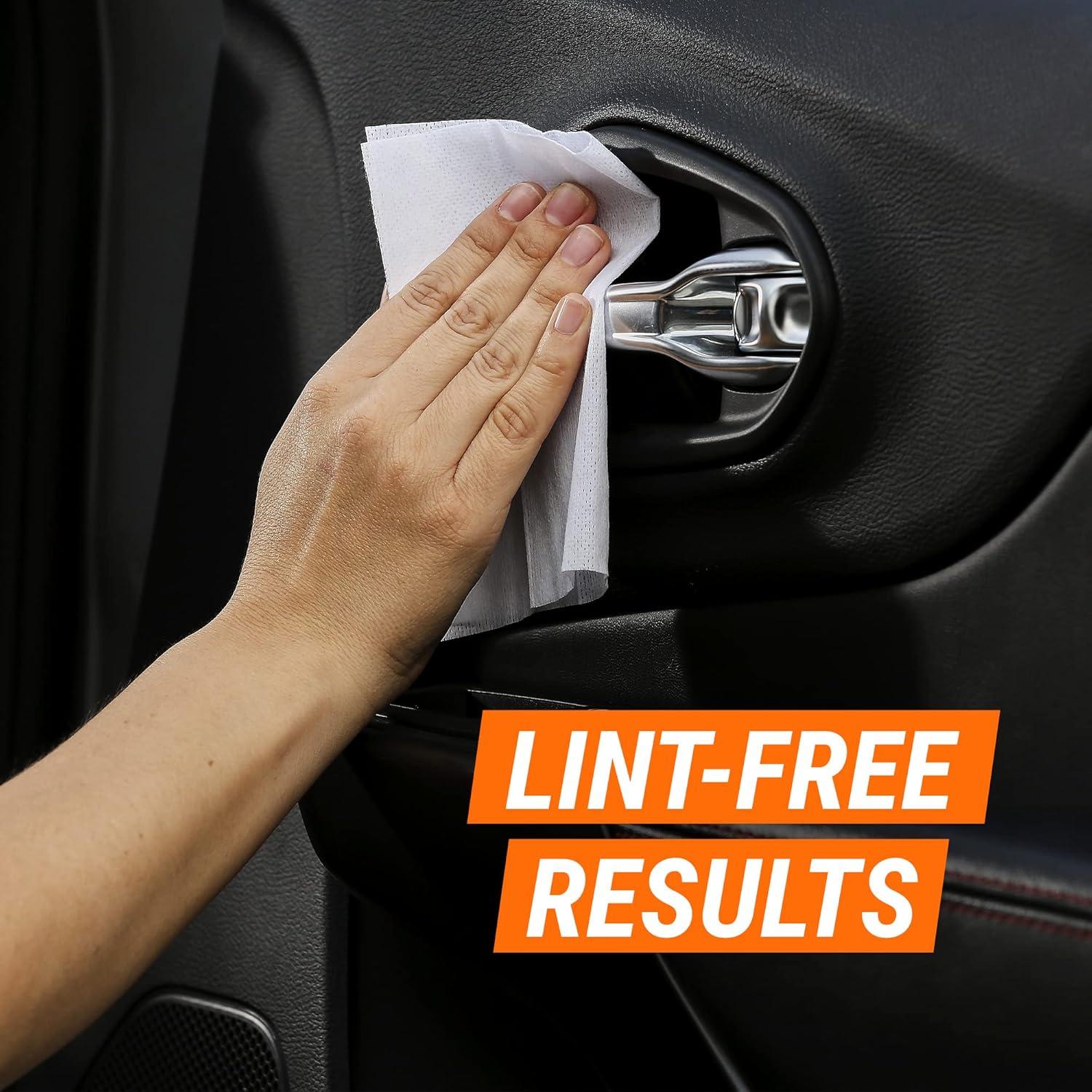
What matters in real use
Real-world value comes from consistent use. A mild wipe that you keep in the vehicle may do more good than a premium product stored at home.
Packaging matters, too. A poor seal can ruin a good formula. A thin sheet can make a budget pack less useful. Clear instructions help beginners avoid using the wrong wipe on leather or screens.
What was not assumed
No product should be called safe for every interior without checking the label and owner’s manual. Vehicle materials vary by year, make, model, trim, and market.
Do not assume that a product safe for one car will be safe for another. Confirm surface instructions before use, especially with luxury trim, vintage materials, coated screens, and custom upholstery.
Frequently asked questions
Q: What is the best interior car cleaner wipe for beginners?
A: A mild, water-based wipe labeled safe for automotive plastic, vinyl, and rubber is the best starting point for most beginners. Choose a low-shine formula with a resealable package. Use a separate leather product and a dry microfiber cloth for screens.
Q: Can I use baby wipes on my car interior?
A: Baby wipes may remove light dust, but they are not designed for every automotive finish. Some contain lotions that leave residue. They may be acceptable for a quick cleanup on an approved hard surface, but an automotive interior wipe is a safer routine choice.
Q: Can I use Clorox or other disinfecting wipes in my car?
A: Use disinfecting wipes only on surfaces approved by both the wipe label and the vehicle maker. Strong disinfectants may dry leather, affect coatings, or leave residue. Keep them away from screens, switches, perforated seats, and electronic openings.
Q: Are interior wipes safe for leather seats?
A: Only if the label says they are safe for automotive leather or the specific material in your vehicle. Synthetic leather and coated leather can react differently. Test a hidden spot and remove excess cleaner with a clean towel.
Q: What should I use on a car touch screen?
A: Start with a clean, dry microfiber screen cloth. If fingerprints remain, use a very small amount of screen-safe cleaner on the cloth, never directly on the display. Turn the screen off before cleaning.
Q: Do car wipes leave a greasy finish?
A: Some do, especially products made to create a glossy dressing. Choose a matte or natural-finish wipe for dashboards and steering wheels. If residue remains, buff the surface with a clean microfiber towel.
Q: How often should I use interior car cleaning wipes?
A: Wipe high-touch areas weekly or when visibly dirty. Clean the full interior less often, based on use, passengers, pets, food, and climate. Over-cleaning with strong chemicals can be harder on surfaces than regular gentle cleaning.
Q: Can wipes remove smoke smell or mildew?
A: Wipes can remove surface residue, but they usually cannot remove odor from padding, vents, carpet backing, or HVAC components. Persistent mildew may point to trapped moisture or a leak. Find and fix the source, then consider professional cleaning.
Q: Are car cleaning wipes safe in an EV?
A: Yes, when used on approved interior surfaces and kept away from charging ports, USB ports, speakers, and electronic openings. EV interiors still need the same care as other cars, but many have larger screens that need extra caution.
Q: Are wipes better than spray cleaner?
A: Wipes are faster and easier for small jobs. Spray cleaner with microfiber towels often costs less per cleaning and gives better control for a full detail. The better option depends on your time, storage, and cleaning habits.
Q: How long do opened interior wipes last?
A: They last until they dry out, develop an odd smell, or show contamination. Heat and a loose lid shorten their useful life. Store them sealed and replace the pack if the formula changes.
Q: Can I clean my steering wheel with an interior wipe?
A: Yes, if the wipe is approved for the steering wheel material. Use light pressure and remove any residue. The wheel must remain dry and non-slippery because grip is a safety concern.
Q: Should I use a wipe on floor mats?
A: A wipe can handle a small mark on a hard rubber mat, but it is not ideal for heavy dirt or salt. Remove the mat, clean it with the correct method, and dry it fully before reinstalling it.
Q: What is the best interior car cleaner wipe for trucks?
A: A thick, low-lint wipe made for textured plastic and vinyl suits many trucks. It works for dust, fingerprints, and light grime. Heavy grease, clay, and work-site dirt need a dedicated cleaner and a controlled wash process.
Q: Is a premium interior wipe worth it?
A: It can be worth it when the sheet is thicker, the seal is better, the formula leaves less residue, or the vehicle has delicate surfaces. It is not worth extra money for scent or shine alone. Compare the label and usable coverage.
Final advice
A good interior car cleaner wipe is gentle, controlled, and made for the surface in front of you. For most drivers, the best starting choice is a low-shine automotive wipe for plastic, vinyl, and rubber, plus a separate microfiber cloth for screens and a leather-safe product for leather.
Keep the wipe sealed, store it away from heat, and test it before broad use. Use light pressure, clean from top to bottom, and never let liquid reach electronics or controls. New drivers can keep a small pack in the glove box, parents can build a simple cleanup kit, and DIY detailers can use wipes for quick work between deeper cleanings.
The right wipe will not replace vacuuming, stain treatment, or professional detailing. It can, however, make daily maintenance simple and help your cabin stay clean without unnecessary risk.
Affiliate disclosure: This article may contain affiliate links. If you buy through one of these links, we may earn a commission at no extra cost to you. Product availability, features, and pricing can change, so check the current listing and the manufacturer’s instructions before buying.