Can You Wash Your Car With Super Spray: Safe Tips
If you are asking, “Can you wash your car with Super Spray?” the safe answer is: only if the product label says it is safe for automotive paint, clear coat, glass, plastic, rubber, and the type of finish on your vehicle. “Super Spray” is not one universal formula. Some sprays are made for cars. Others are strong household, kitchen, bathroom, engine, or industrial cleaners that can dull paint, stain trim, remove wax, or damage coatings.

The name on the bottle matters less than the ingredients, dilution instructions, and intended use. A car-safe wash spray can help remove light dust, road film, bugs, and fresh bird droppings. A strong all-purpose cleaner may work well on tires or greasy engine parts but be too harsh for painted panels.
This guide explains how to tell the difference, how to use a spray safely, and when regular car soap, a rinseless wash, or a professional detailer is the better choice. It is written for new drivers, DIY detailers, parents, gift buyers, sedan owners, SUV and truck drivers, and anyone who wants a clean car without creating an expensive paint problem.
Quick answer: Is Super Spray safe for car washing?
The safest way to wash a car with Super Spray is to first confirm that the label specifically allows use on automotive paint and clear coat. If it does, dilute and apply it as directed, rinse well, and test it on a hidden area. If the label does not mention cars, paint, or clear coat, skip it for the body and use a dedicated car wash soap instead.
A product labeled “degreaser,” “disinfectant,” “oven cleaner,” “wheel cleaner,” or “industrial cleaner” should not be used as a general car wash unless the manufacturer clearly approves that use. It may strip wax, dry rubber, discolor plastic, or leave a cloudy film.
The short answer changes by product type:
| Product label or use | Safe for painted body panels? | Better use |
|---|---|---|
| Automotive wash spray | Usually, when used as directed | Light exterior cleaning |
| Waterless wash spray | Yes, with enough lubricant and a clean surface | Light dust and road film |
| Rinseless wash concentrate | Yes, when correctly diluted | Routine washing with little water |
| Household multipurpose cleaner | Uncertain | Interior hard surfaces only if label allows |
| Strong degreaser or industrial spray | Usually no | Tires, engine parts, or shop use |
| Glass cleaner | Only on glass if ammonia-free and car-safe | Windows and mirrors |
The main risk is not the word “spray.” The risk is using a formula that is too strong, too dry, or too low in lubrication for automotive paint.
What does “Super Spray” mean?
“Super Spray” may be a brand name, a product nickname, or a general phrase for a spray cleaner. You need the exact bottle or product page to know what it contains. Many products with similar names have very different pH levels, solvents, surfactants, and intended surfaces.

A spray can be designed for one of several jobs:
- Washing the exterior of a car
- Removing grease from engines and tools
- Cleaning glass
- Sanitizing interior surfaces
- Cleaning wheels and tires
- Removing insects and tar
- Treating fabric or upholstery
- Cleaning household surfaces
These jobs are not interchangeable. Automotive paint has a clear coat, which is a thin protective layer over the colored paint. The clear coat can resist normal washing, but repeated exposure to strong chemicals, grit, heat, and poor wash methods can cause fading, haze, or fine scratches.
Read the label before touching the paint
Look for clear wording such as:
- Safe for automotive paint
- Safe for clear coat
- Safe for exterior car surfaces
- Safe for wax and ceramic coatings
- Dilute before use
- Do not let the product dry
- Rinse thoroughly
- Do not use on hot surfaces
If the bottle says “test in an inconspicuous area,” take that instruction seriously. A hidden spot under the trunk lid or inside a door jamb can show whether the product stains or leaves a film.
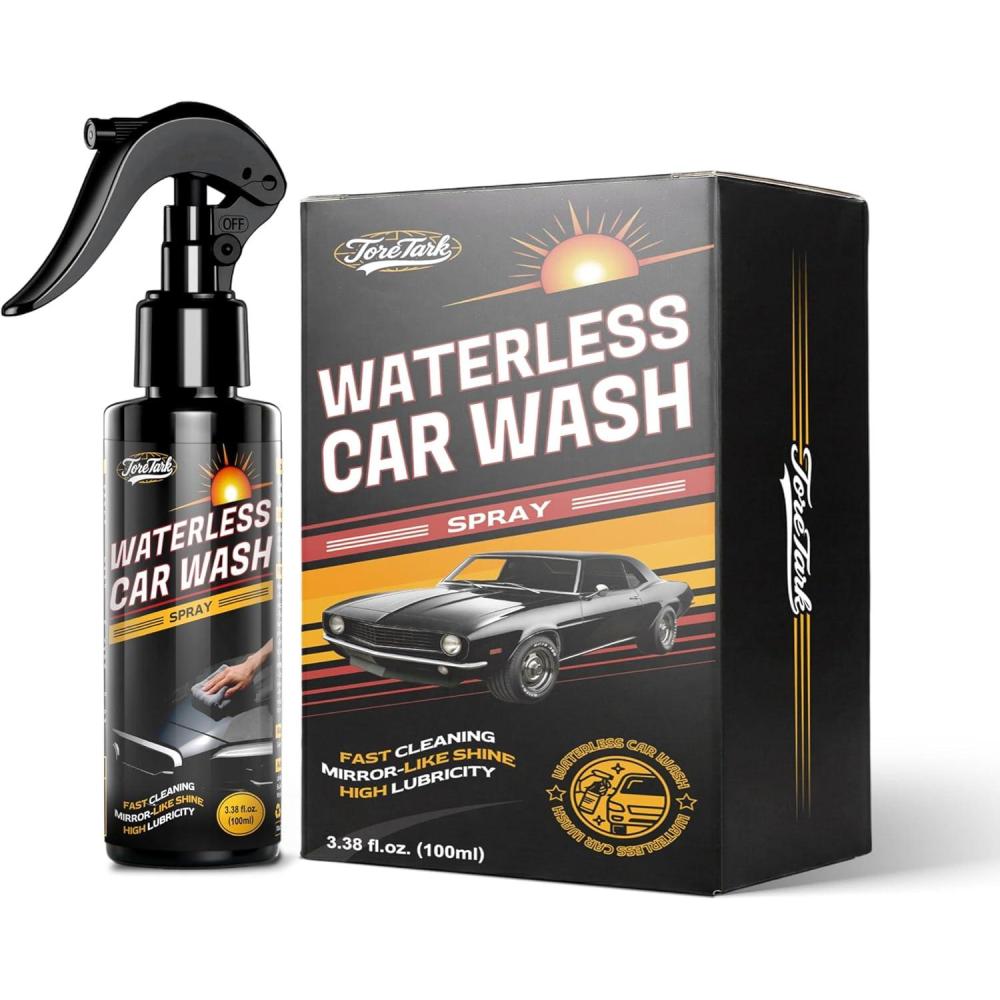
Also check the warnings. Avoid products that say not to use on painted surfaces, aluminum, chrome, rubber, plastic, or glass if you plan to spray the whole vehicle. Some wheel cleaners are safe for certain factory wheels but unsafe for polished aluminum or aftermarket finishes.
Understand pH and chemical strength
pH measures how acidic or alkaline a water-based product is. A pH near 7 is neutral. Strongly acidic and strongly alkaline cleaners can remove tough contamination, but they also need more care.
A pH number alone does not tell the full story. Solvents, alcohols, oxidizers, and other ingredients can affect paint and trim. Still, a balanced car wash soap is usually a safer choice for routine cleaning than a strong household or industrial spray.
| Product strength | Typical cleaning job | Paint-care concern |
|---|---|---|
| Mild, pH-balanced wash | Dust and normal road film | Low when used correctly |
| Mild waterless wash | Light dirt with lubrication | Scratches if used on gritty paint |
| Alkaline cleaner | Grease and heavy road film | May strip wax or dry trim |
| Acidic cleaner | Mineral spots and some wheel deposits | Can etch surfaces if misused |
| Solvent-based spray | Tar, adhesive, and grease | Can stain, soften, or remove finishes |
The best choice for a beginner is a product with simple instructions and a clear automotive application. An experienced DIY detailer may use stronger cleaners, but only for a specific problem and with proper dilution.
When Super Spray can work on a car
A car-safe spray can work well when the vehicle has light dirt, the surface is cool, and you use clean microfiber towels. It is not a magic replacement for every wash method. It is a tool for a specific level of dirt.
A spray wash is most useful for:
- Fresh bird droppings
- Light dust
- Pollen
- Fingerprints
- Small bug marks
- Light road film
- Door jambs
- Fuel door areas
- Quick touch-ups before an event
- Vehicles stored indoors or under cover
It may suit a commuter sedan, a newer SUV, a hybrid, or an EV that needs a light clean between full washes. It can also help a teen driver learn basic car care without needing a pressure washer.
Light dust is different from caked-on mud
Dust may lift from paint with a lubricated waterless wash. Mud, sand, salt, and gritty road dirt need more water and rinsing. If you drag a towel across thick grit, the particles can act like sandpaper.
A simple rule is this: the heavier the dirt, the more you need to rinse it away before touching the paint. A hose, pressure washer set to a safe pressure, or coin-operated wash bay can remove much of the grit first.
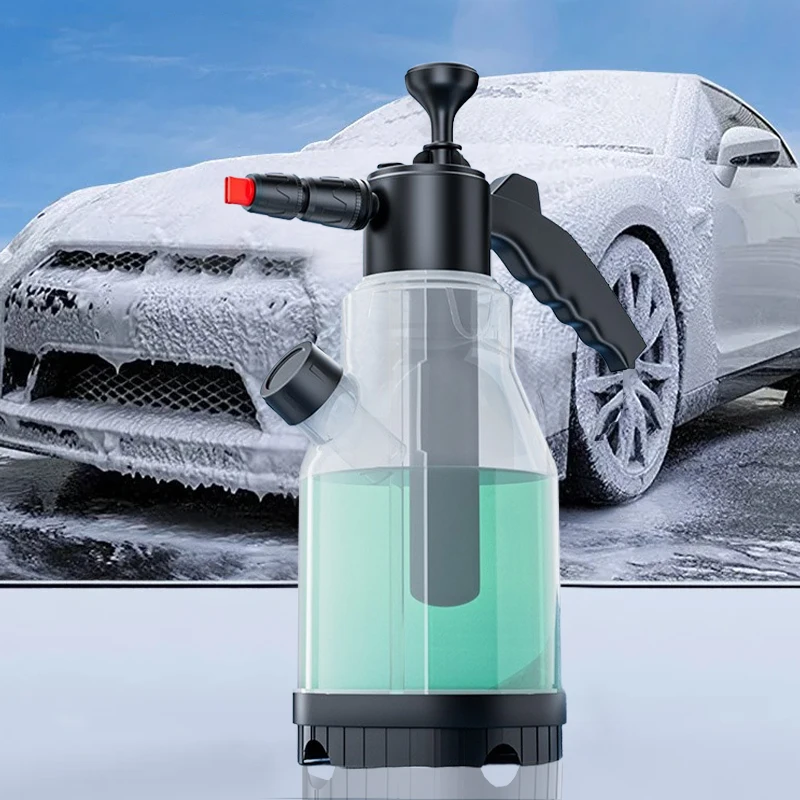
Do not use a spray wash on a vehicle covered in:
- Dried mud
- Winter salt
- Beach sand
- Thick road grime
- Heavy brake dust
- Fresh asphalt dust
- Loose gravel dust
- Large amounts of plant sap
For those conditions, use a full wash with a rinse bucket or visit a professional detailer. The goal is to reduce friction. Friction is what creates many wash marks.
Check the vehicle’s finish
Modern vehicles may have gloss paint, matte paint, satin paint, vinyl wraps, paint protection film, or a ceramic coating. These surfaces do not all react in the same way.
Gloss paint is the easiest finish to maintain with normal car products. Matte paint and satin finishes need products approved for low-gloss surfaces. Wax and ceramic coating manufacturers may also recommend specific soaps or maintenance sprays.
| Vehicle finish | Spray-wash advice | Product to avoid without approval |
|---|---|---|
| Gloss clear coat | Use a car-safe wash spray | Strong degreaser |
| Matte or satin paint | Use a matte-safe product | Wax or gloss-enhancing spray |
| Vinyl wrap | Follow wrap maker’s care guide | Solvent or abrasive cleaner |
| Paint protection film | Use a PPF-safe car wash | Harsh wheel or tar cleaner |
| Ceramic coating | Use coating-safe soap or spray | Product with unknown abrasives |
| Older, faded paint | Use low-friction methods | Aggressive scrubbing |
A product that makes glossy paint shine may leave unwanted patches on matte paint. If you are unsure, check the vehicle manufacturer, wrap installer, coating maker, or product technical sheet.
Super Spray compared with normal car soap
The main difference between a spray cleaner and car soap is how much dirt each method can safely remove before you touch the paint. Car soap is designed for a rinse-based wash. A waterless or spray product must provide enough lubrication to support towel use on a lightly dirty surface.
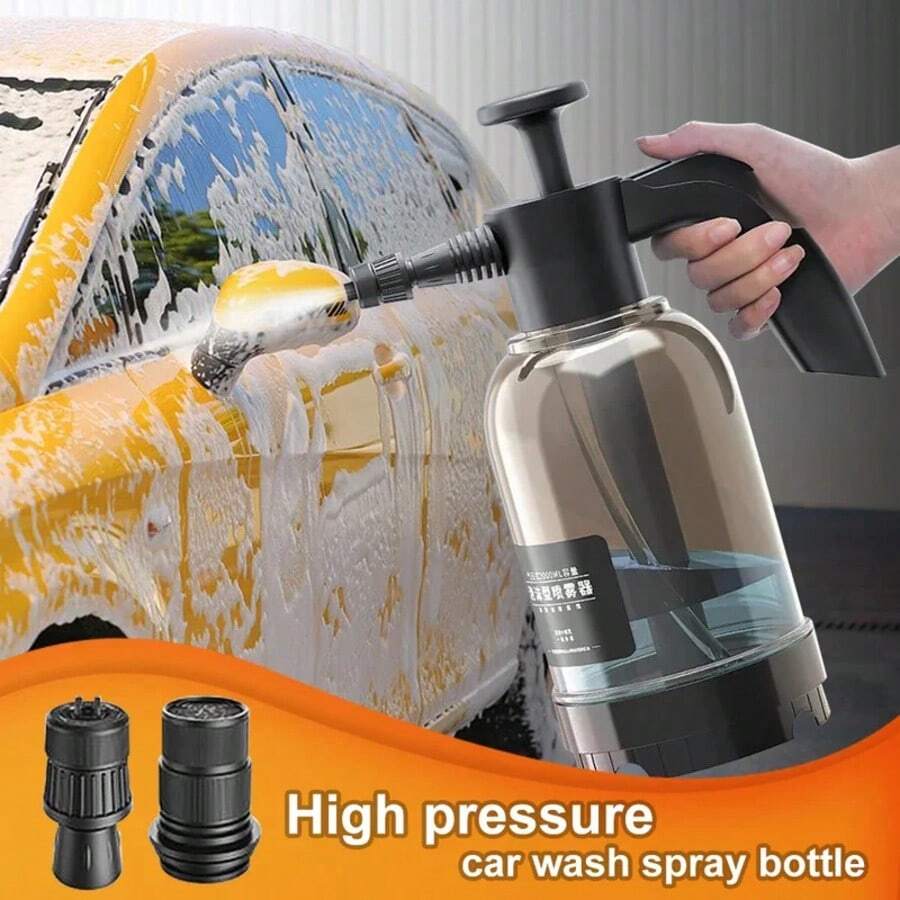
Normal car soap is usually the better choice for a full exterior wash. It works with a hose, wash mitt, and rinse water. It helps carry dirt away from the surface instead of leaving all the dirt in your towel.
A spray product is faster and uses less water. It can be useful in an apartment, during a water restriction, or for a quick clean. It has less margin for error if the car is dirty.
| Wash method | Best for | Main drawback |
|---|---|---|
| Traditional car soap | Full wash and moderate dirt | Needs water, space, and supplies |
| Waterless wash spray | Light dirt and limited water | Can scratch if used on heavy grit |
| Rinseless wash | Routine washing with little water | Requires correct dilution and towel control |
| Automatic car wash | Fast cleaning for daily drivers | Brushes or harsh chemicals may mark paint |
| Self-service wash bay | Mud, salt, and heavy dirt | Requires careful wand distance and settings |
| Professional detail | Delicate finishes or neglected cars | Higher cost than DIY washing |
For a new driver, a basic car wash kit is often easier than a strong spray. For an experienced DIY detailer, a waterless wash spray can be valuable as part of a larger system. For a parent or gift buyer, choose a clearly labeled automotive product rather than an unknown household spray.
How to wash your car with a car-safe spray
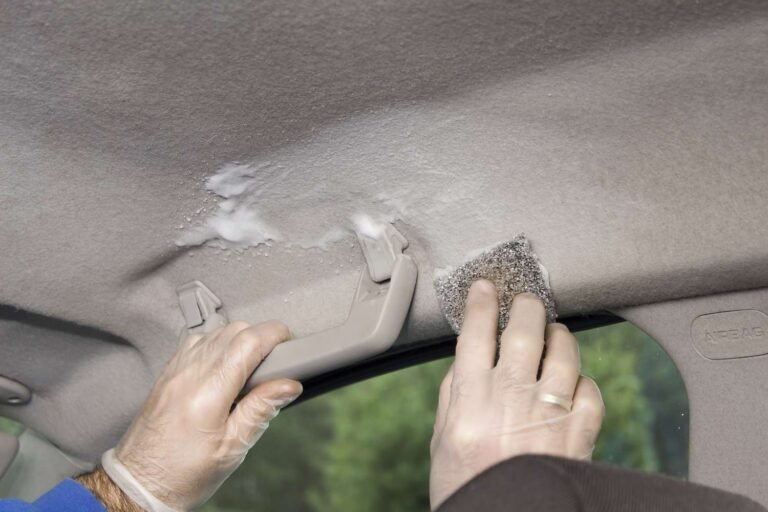
The best way to use Super Spray is to treat it as a controlled cleaning process, not as a quick blast-and-wipe job. Work in shade, keep the panels cool, use several clean towels, and stop if the towel begins to drag.
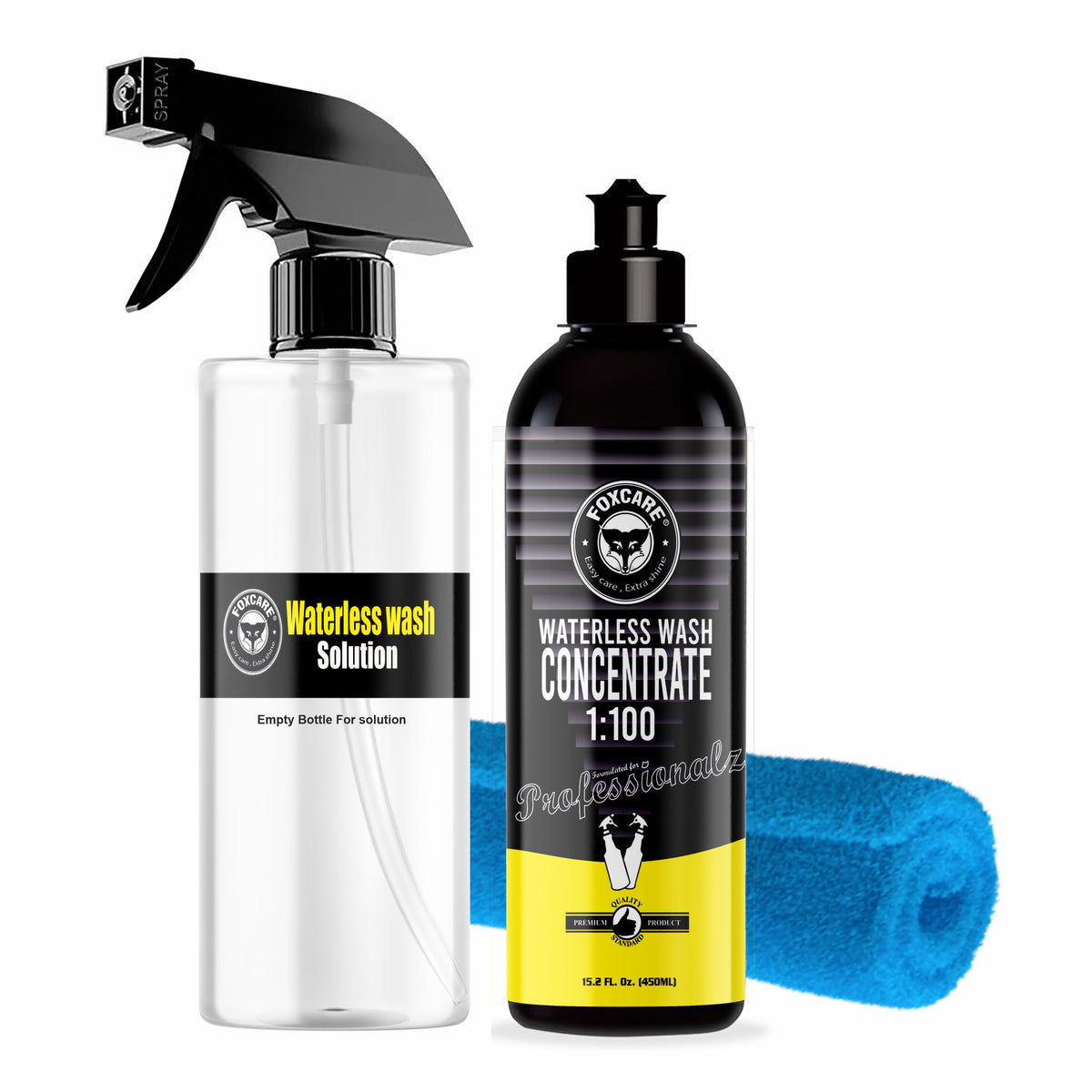
Supplies you need
You do not need a large detailing setup. The right basic tools matter more than a long list of products.
| Item | Suggested feature | Why it matters |
|---|---|---|
| Car-safe spray | Clear automotive instructions | Reduces chemical risk |
| Microfiber towels | Soft, clean, and lint-free | Lowers the chance of scratches |
| Hose or rinse water | Clean water source | Helps remove loose grit |
| Nitrile gloves | Chemical-resistant fit | Protects your skin |
| Buckets | Separate clean and dirty towels | Prevents cross-contamination |
| Soft brush | Designated wheel or trim brush | Reaches seams and badges |
Use at least one towel for each small section and more for a large vehicle. A dirty towel can spread grit across the next panel. Do not use the same towel for wheels and painted body panels.
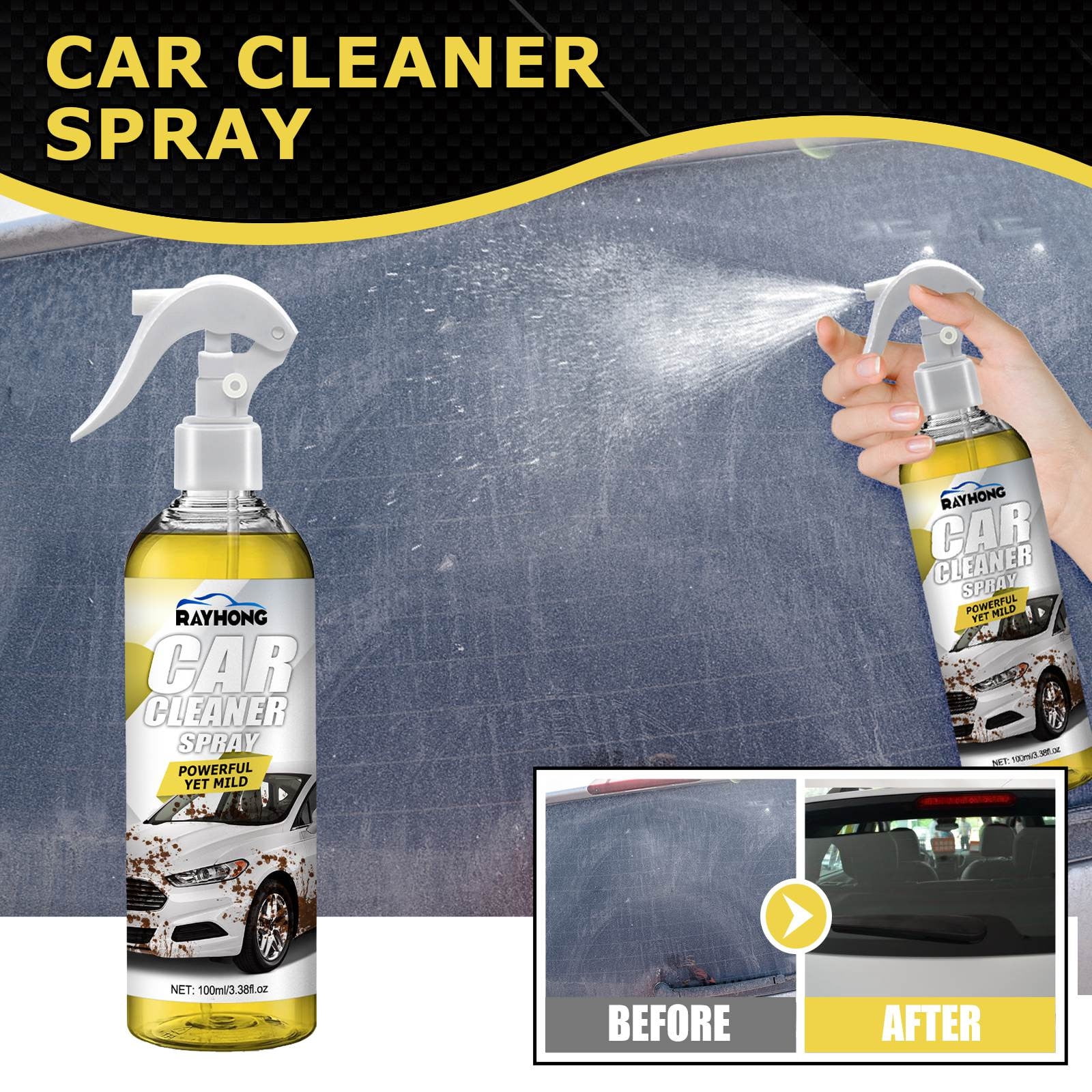
Prepare the car and the work area
Park in shade on a cool surface. Do not wash paint that is hot from the sun, a long drive, or a warm engine bay. Heat can make the product dry too fast and can leave marks.
Close the windows and sunroof. Remove jewelry, watches, or anything that may touch the paint. Keep the spray bottle upright and check that the nozzle works before you begin.
- Rinse loose dirt if the product instructions allow it.
- Shake the bottle if the label says to do so.
- Test the spray on a hidden area.
- Fold a clean microfiber towel into quarters.
- Spray a small panel, not the entire vehicle.
- Wipe in straight, overlapping lines.
- Turn to a clean towel side often.
- Buff lightly with a separate dry towel.
- Inspect the panel under good light.
- Move to the next area.
Start at the top of the car and work downward. The roof, glass, and upper doors are often cleaner than the rocker panels and bumpers. Save the dirtiest areas for separate towels or a normal rinse wash.
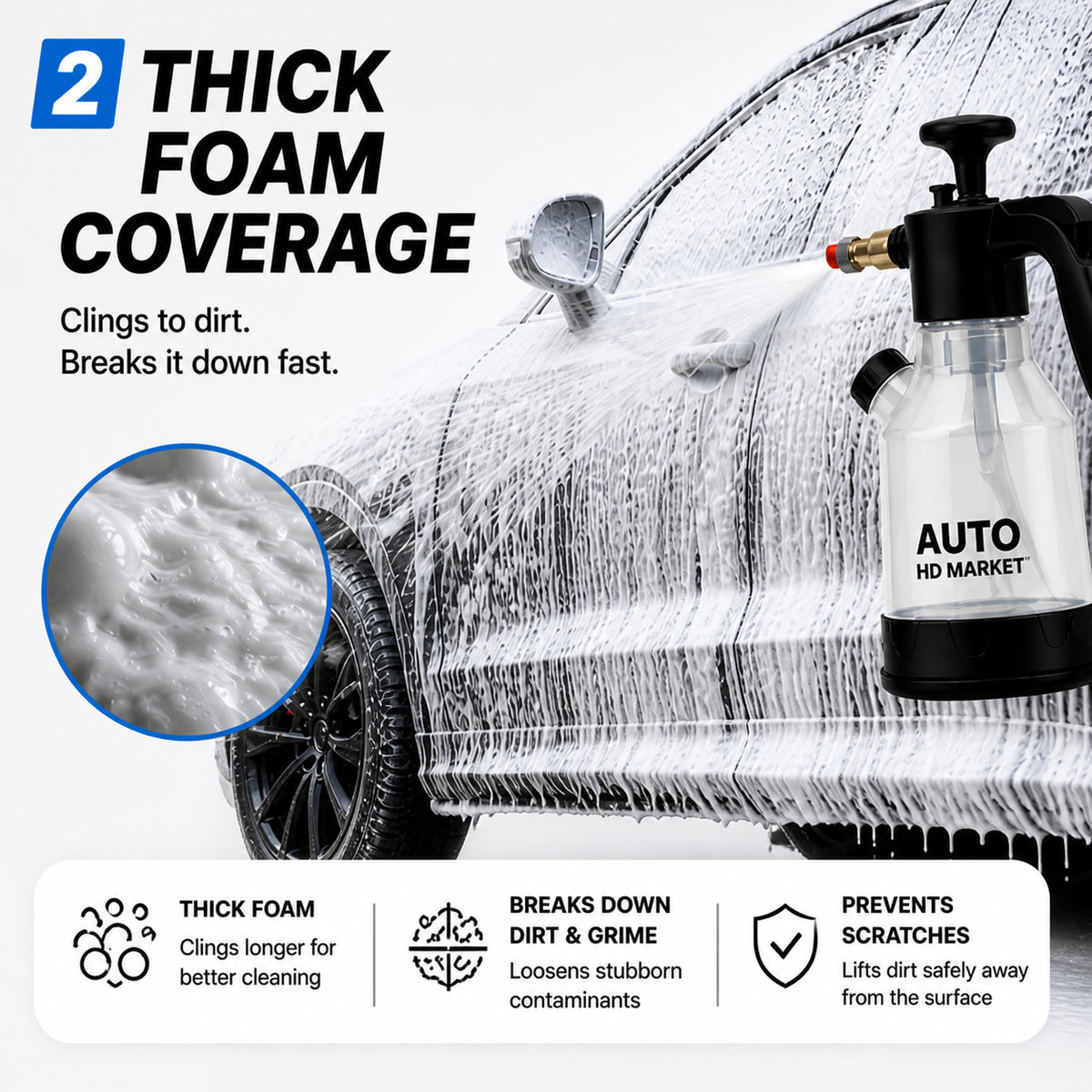
Use enough product, but do not flood the car
Too little product reduces lubrication. Too much can create a sticky film and waste spray. Follow the label’s coverage instructions if provided.
For a waterless wash, spray both the panel and the towel when the product allows it. The towel should glide. If it drags, add product or stop and rinse the panel.
Never grind at a mark with a dry towel. If a bird dropping or bug spot does not lift with gentle passes, soak it with the approved product and wait briefly. Do not let the spray dry on the panel.
Follow a clean-to-dirty order
Use one group of towels for paint and another for wheels, tires, exhaust tips, and lower trim. Wheel dust can contain sharp metal particles from brake pad wear. Those particles do not belong on a painted door.
A useful order is:
- Roof
- Windows
- Hood and trunk
- Upper doors
- Lower doors
- Front and rear bumpers
- Wheels and tires
Rinse or replace towels as soon as they look dirty. Wash microfiber separately from cotton towels. Avoid fabric softener because it can reduce absorbency and leave residue.
💡 Pro Tip: Use different towel colors for paint, glass, interior surfaces, and wheels. This simple system helps new drivers and teens avoid moving brake dust onto the clear coat.
What can go wrong when you use the wrong spray?
The most common problems are scratches, streaks, residue, faded trim, and stripped protection. Damage may not appear after one use. Repeated exposure can slowly change the look of plastic, rubber, wax, or paint.
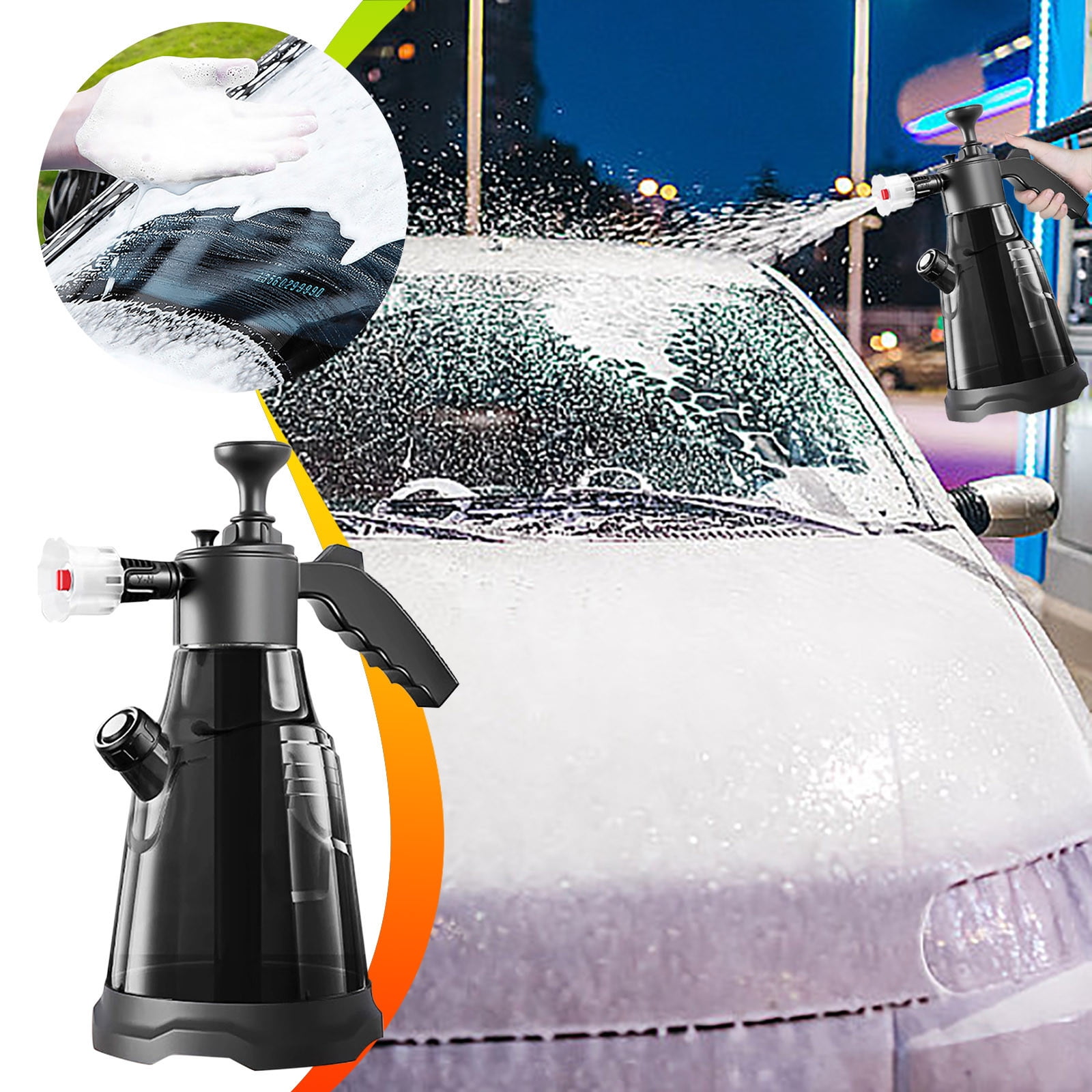
Paint may look dull or hazy
A strong cleaner can remove wax or alter the surface appearance. On older paint, it may reveal oxidation that was already present. Oxidation is a chemical breakdown that makes paint look chalky or faded.
A spray can also leave a cloudy film if it dries before you wipe it. Hard water minerals make this worse. If the surface feels rough after washing, it may need clay treatment or professional paint correction rather than more spray.
Plastic and rubber can dry out
Exterior trim, wiper arms, roof rack seals, door weatherstripping, and tire sidewalls may react differently from paint. A strong cleaner can pull oils from rubber or leave plastic looking gray.
Do not assume that a product safe for paint is safe for every material. Read the surface list. Keep strong wheel and engine cleaners away from rubber seals unless the instructions allow it.
Coatings and wax may not last as long
Car wax and ceramic coating protect the surface in different ways. A strong alkaline or solvent-based cleaner may reduce the life of some protection products. This does not mean every spray will remove a coating at once, but unknown chemistry is a poor choice for a coated vehicle.
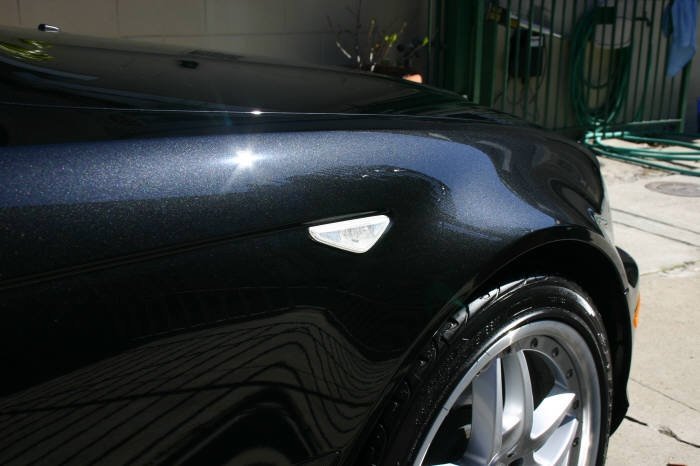
If you paid for ceramic coating or paint protection film, use the maintenance products recommended by the installer. That is especially important for high-end vehicles, black paint, and vehicles parked outdoors.
| Problem | Likely cause | Safer response |
|---|---|---|
| Fine swirl marks | Dirt rubbed with too little lubrication | Rinse first and use more towels |
| White haze | Product or minerals dried on paint | Rewash with car soap and dry promptly |
| Sticky residue | Too much spray or poor rinsing | Use the maker’s recommended cleaner |
| Gray plastic trim | Harsh chemical or sun damage | Stop use and use trim-safe care |
| Streaked glass | Product not made for glass | Use automotive glass cleaner |
| Missing wax beading | Cleaner stripped protection | Reapply compatible protection |
Stop using the spray if you see discoloration, a rainbow sheen, swelling, cracking, or a texture change. Take photos and keep the product label if you need to contact the maker.
Using Super Spray on different parts of the vehicle
A car has many materials in a small space. Paint, glass, plastic, rubber, aluminum, chrome, leather, fabric, and electronics all need different care. A product safe for one area may be wrong for another.

Painted body panels
Use only a product approved for automotive paint. Apply it to a cool panel and never let it dry. Avoid scrubbing with a sponge that has touched the ground.
If the paint has a ceramic coating, wrap, or paint protection film, confirm compatibility first. A professional detailer can identify the finish if you are not sure.
Glass and mirrors
Use a dedicated automotive glass cleaner for windshields, side glass, and mirrors. Avoid products that leave a waxy or oily film. Streaks on the windshield can create glare at night and reduce visibility in rain.
Do not spray near electrical switches, camera lenses, or sensor housings. Modern vehicles may use cameras for lane systems, automatic braking, and parking views. Keep those areas clean but follow the vehicle manual.
Wheels and tires
Wheels collect brake dust, road salt, and grease. They often need a separate wheel cleaner and a soft wheel brush. Check whether your wheels are clear-coated, painted, chrome, polished aluminum, or anodized.
Never use an unknown acidic cleaner on polished or damaged wheels. Do not spray a hot wheel. Let it cool first, and rinse the cleaner before it dries.
Engine bays
An exterior wash spray is not automatically an engine cleaner. Water and chemicals can reach connectors, sensors, belts, and air intake parts. Modern hybrids and EVs also contain high-voltage components.
If you clean an engine bay, follow the owner’s manual and product directions. Do not spray high-pressure water at electrical connectors, the alternator, fuse boxes, battery terminals, charging hardware, or orange high-voltage cables.
Interior surfaces
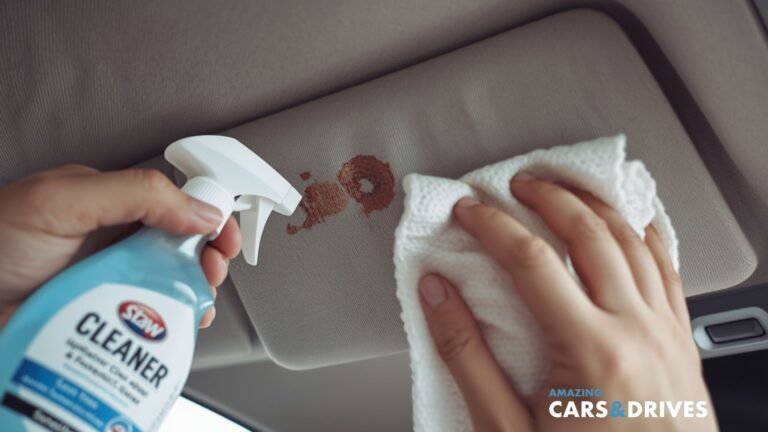
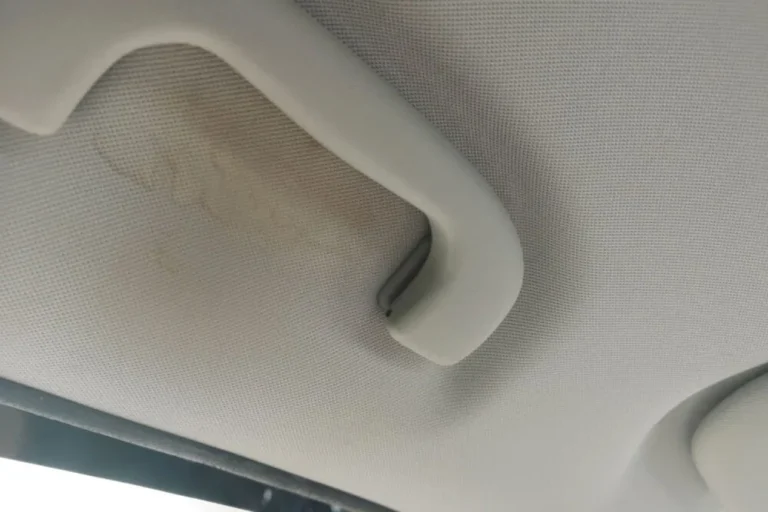
Some sprays can clean hard plastic, but interior materials need special care. Leather, vinyl, screens, piano-black trim, and fabric can stain or become glossy from the wrong product.
Use an interior cleaner that lists the exact surface. Never spray directly onto an infotainment screen, instrument cluster, steering wheel controls, or air vents. Spray onto a towel instead, unless the product directions say otherwise.
⚠️ Safety Warning: Never mix cleaners. Do not combine bleach, ammonia, acids, solvents, or wheel chemicals. Wear gloves and eye protection, provide ventilation, and follow the product safety sheet.
Which drivers should use a spray wash?
A spray wash can be a useful part of car care, but it does not suit every driver or every vehicle. The best choice depends on dirt level, parking space, climate, budget, and patience.

| Driver or vehicle | Is a spray wash a good fit? | Better advice |
|---|---|---|
| New driver with a clean sedan | Yes, for light dirt | Use a labeled car-safe spray |
| Parent helping a teen | Yes, for simple spot cleaning | Teach towel separation and shade use |
| DIY detailer | Yes, as one part of a system | Keep rinseless and full-wash options |
| SUV used on trails | Usually no for heavy dirt | Rinse mud before touching paint |
| Pickup truck in winter salt | Not as the only method | Use a thorough rinse wash |
| EV or hybrid | Yes for exterior panels | Avoid high-pressure electrical areas |
| Matte-finish vehicle | Only with finish-approved product | Skip gloss-enhancing formulas |
| Neglected or oxidized paint | Limited value | Consider professional detailing |
A new driver who parks outdoors and sees light dust may find a spray convenient. An experienced DIYer may prefer a rinseless wash because it gives more control and better coverage.
Gift buyers should choose a complete, simple kit rather than a single mystery bottle. A good kit may include a labeled car-safe wash product, microfiber towels, a tire pressure gauge, a sunshade, and a basic roadside kit. It should not include harsh chemicals with unclear instructions.
Climate and seasonal effects
Climate changes how fast a spray dries and what kind of dirt is on the car. A product that works in a cool garage may leave marks on a black car in a hot parking lot.
In hot, sunny climates, work in shade and clean one small area at a time. Heat increases drying speed. It also makes panels and wheels hot enough to burn skin or flash-dry chemicals.
In cold climates, road salt needs plenty of water and careful rinsing. Salt trapped in seams, wheel wells, and brake areas can continue to cause corrosion. A spray wipe alone is not the best winter cleaning method.
In coastal areas, salt air and sand create a high-scratch risk. Rinse sand away before wiping. In dusty or dry regions, use more towels and less pressure.
| Climate or season | Main concern | Best approach |
|---|---|---|
| Hot summer | Fast drying and hot panels | Wash in shade, use small sections |
| Winter roads | Salt and trapped grit | Rinse underbody and wheel wells |
| Coastal air | Sand and salt deposits | Rinse before towel contact |
| Spring pollen | Fine dust and frequent buildup | Use gentle light-dirt cleaning |
| Rainy season | Mud and water spots | Use a full rinse wash |
| Dry, dusty climate | Abrasive dust | Avoid dry wiping |
Do not wash outdoors during a freeze if water can lock doors, freeze around wipers, or create a slip hazard. A garage with drainage and ventilation is safer.
How much does a safe car-wash setup cost?
A spray wash can cost less than a full wash system, but the product is only one part of the process. Towels, rinse water, gloves, storage, and replacement supplies also matter.

Current pricing ranges from low-cost single bottles to higher-priced detailing concentrates and kits. Check the latest listing for updated features, dilution ratios, surface claims, and fitment of accessories. Do not judge a product only by bottle size; a concentrate may make many gallons of wash solution.
| Price tier | What you may get | Best for |
|---|---|---|
| Budget | Basic spray and a few towels | Spot cleaning and new drivers |
| Mid-range | Better towels, sprayer, or concentrate | Routine DIY care |
| Premium | Coating-safe system and specialty tools | Experienced detailers |
| Professional service | Full wash and paint care | Neglected, delicate, or large vehicles |
A cheap product can be worth the money if it is correctly labeled and used for light dirt. It is not a bargain if it causes scratches or forces you to pay for paint correction.
For trucks and large SUVs, plan for more towels and more product. A small bottle may be enough for a compact sedan but not for a three-row SUV.
Features that matter most
The most important feature is not a flashy scent or a large spray nozzle. It is clear surface compatibility and enough lubrication for the intended wash method.
Look for:
- Automotive paint and clear-coat approval
- Clear dilution instructions
- Waterless or rinseless directions, if relevant
- Safe-use temperature guidance
- Wax and ceramic-coating compatibility
- Instructions for glass, plastic, and rubber
- A warning not to let the product dry
- Manufacturer contact details
- Ingredient or safety information
- A trigger that produces an even spray
A product should explain what it can and cannot clean. Vague language such as “cleans everything” is not enough for a vehicle with many sensitive surfaces.
Features you can often ignore
You do not need a strong fragrance, bright color, or an extreme “industrial strength” claim for normal car washing. You also do not need a pressure washer for every vehicle.
Pressure washers can help remove mud, but too much pressure or a narrow nozzle can damage loose trim, decals, weatherstripping, and old paint. If you use one, maintain distance, use a wide spray pattern, and follow the machine and vehicle instructions.
A ceramic coating in a bottle may not replace proper preparation. A tire shine may not be suitable for motorcycle tires or tire tread. Read the use case instead of trusting marketing words.
Common mistakes to avoid
Most spray-wash damage comes from a small number of repeated mistakes. Fixing these habits matters more than buying a more expensive bottle.
Avoid these errors:
- Wiping a dry, gritty car.
- Using one towel on the whole vehicle.
- Using a wheel brush on paint.
- Washing in direct sun.
- Letting the product dry.
- Scrubbing bird droppings with force.
- Spraying electronics or screens directly.
- Mixing chemicals.
- Ignoring matte or wrapped finishes.
- Using household cleaner without checking the label.
- Cleaning hot wheels.
- Reusing a towel after it falls on the ground.
Bird droppings and bug remains can contain acids or hard particles. Soak them first. Do not pick at them with a fingernail or plastic card.
If a towel falls on the ground, retire it from paint work. Use it later for wheels, door jambs, or shop cleanup.
👪 Parent or Gift-Buyer Note: For a teen driver, start with a labeled car wash spray, six or more microfiber towels, gloves, and a short care card. Teach “rinse first, wipe gently, use a clean towel” before teaching speed.
Better alternatives to Super Spray
If the product label is unclear, choose a dedicated alternative. The best option depends on the dirt and your available space.
Car wash soap
Traditional car wash soap is the safest general choice for a normal exterior wash. It works well for sedans, SUVs, trucks, hybrids, and EVs when used with clean water and a soft wash mitt.
Use two buckets if possible. One holds soapy water, and the other holds rinse water for the mitt. A grit guard can help, but it does not replace careful technique.
Rinseless wash
Rinseless wash uses a small amount of water and a concentrated solution. It can be a strong choice for apartment dwellers, winter garages, and experienced DIYers.
Follow the dilution ratio exactly. Use several towels and a pre-spray if the manufacturer recommends one. It is not a free pass to wipe off heavy mud.
Waterless wash
A waterless wash spray is made for very light dirt. It often contains more lubricants than a general cleaner. Use it only when the surface is suitable and the product says it is designed for this method.
Professional detailing
Professional help makes sense when paint is heavily oxidized, the vehicle has a delicate wrap, the car has severe contamination, or you lack a safe place to wash. Ask the detailer what chemicals and methods they use.
A professional cannot always remove deep scratches without paint correction. Be clear about your goal: cleaning, decontamination, polishing, coating maintenance, or interior restoration.
A practical maintenance schedule
A small, regular routine is easier on your car than rare aggressive cleaning. How often you wash depends on weather, driving, parking, and road conditions.
| Task | Suggested timing | Key check |
|---|---|---|
| Remove bird droppings | As soon as practical | Soak; do not scrub dry |
| Light exterior wash | Every one to two weeks as needed | Use a car-safe method |
| Wheel cleaning | When brake dust builds up | Cool wheels first |
| Tire pressure check | Monthly and before trips | Use the door-jamb pressure label |
| Wiper blade check | Every few months | Replace if cracked or streaking |
| Wax or coating care | Product-specific | Follow maker instructions |
| Underbody rinse | After salt or muddy trips | Pay attention to wheel wells |
A tire pressure gauge, jump starter, tire inflator, phone mount, sunshade, and roadside kit can help a new driver more than a shelf full of specialty sprays. Clean floor mats and working wiper blades also improve daily safety.
A clean car is not only about appearance. Clear glass, good wipers, readable lights, and clean cameras can support visibility. Never apply a glossy dressing to the steering wheel, pedals, brake pedal, or tire tread.
Environmental and safety considerations
Car wash chemicals can enter storm drains and local waterways. Rules vary by city and state. Some areas restrict driveway washing because dirty water flows into storm drains without treatment.
Use a commercial wash when local rules require it. Many professional wash sites collect and treat wastewater. If you wash at home, keep runoff away from storm drains, streams, wells, and garden ponds where allowed.
Use only the amount of product needed. Store bottles closed and away from children, pets, heat, and direct sun. Do not pour leftover chemicals onto soil or down a drain.
🌿 Eco or Disposal Note: Dispose of unused cleaner according to the label and local waste rules. Do not pour automotive chemicals, degreasers, oil, coolant, or battery fluid onto the ground or into a storm drain.
If a product gets into your eyes or on your skin, follow the label’s first-aid instructions. Keep the container available when calling a poison center or seeking medical care.
How to tell if your car needs more than a spray wash
A spray wash is not a repair for damaged paint. It can remove surface dirt, but it cannot fix peeling clear coat, deep scratches, rust, dents, or failing plastic.
You may need a full wash or detail if:
- Water no longer runs off after rinsing
- The paint feels rough after washing
- Dirt remains in seams and badges
- The vehicle has road salt buildup
- The clear coat is peeling
- The paint looks chalky or oxidized
- Tree sap or tar remains
- The windshield has oily streaks
- The interior has mold or strong odors
- Cameras or sensors remain blocked
For rust, peeling clear coat, damaged wheels, or contaminated brake parts, ask a qualified repair shop or professional detailer. Do not use a strong spray to hide a mechanical or safety issue.
Frequently asked questions
Q: Can I wash my car with any Super Spray?
A: No. The exact formula matters. Use it on automotive paint only when the label or manufacturer says it is safe for car paint and clear coat. If the label is unclear, choose car wash soap.
Q: Can Super Spray damage clear coat?
A: It can if it is too acidic, too alkaline, solvent-based, abrasive, or used on hot paint. One use may not show damage, but repeated use can strip wax, leave haze, or affect trim.
Q: Can I use Super Spray on a black car?
A: You can use a car-safe product on black paint, but black paint shows streaks and fine scratches more easily. Use extra lubrication, clean towels, shade, and light pressure.
Q: Can I use it on a ceramic-coated car?
A: Only if the spray is approved for ceramic coatings. Avoid unknown degreasers and strong cleaners. Follow the coating installer’s maintenance instructions.
Q: Is Super Spray safe for a matte car?
A: Do not assume it is safe. Matte paint and satin finishes need products made for low-gloss surfaces. Avoid waxes, polishes, and gloss enhancers unless the finish maker approves them.
Q: Can I use a household spray on car paint?
A: It is usually better not to. Household products may contain solvents, disinfectants, fragrances, or ingredients that leave residue or affect clear coat. Use a dedicated automotive product instead.
Q: Can I use Super Spray on tires and wheels?
A: Only if the label lists those surfaces. Wheels may be painted, clear-coated, chrome, polished aluminum, or anodized. Use a wheel-safe cleaner and never apply it to hot wheels.
Q: Can I use Super Spray in the engine bay?
A: Not unless the product and vehicle instructions allow it. Protect electrical parts, sensors, belts, batteries, and air intakes. Hybrid and EV systems need extra care around high-voltage components.
Q: Will a spray wash remove road salt?
A: A light spray wipe is not the best way to remove heavy road salt. Use plenty of water and rinse wheel wells, underbody areas, and seams. Salt left behind can support corrosion.
Q: How many microfiber towels do I need?
A: For a small spray wash, use at least six clean towels. Large SUVs and trucks may need more. Use separate towels for paint, glass, interior areas, and wheels.
Q: Can I spray the whole car at once?
A: Usually no. Work in small sections so the product does not dry. Small sections also help you see dirt and change towels before they become contaminated.
Q: Is a waterless wash safe for a dirty truck?
A: Usually not for mud, sand, or thick road grime. Rinse the truck first or use a normal wash method. Wiping heavy grit can create scratches.
Q: Can I use a pressure washer with Super Spray?
A: Only if the product is intended for pressure-washer use and the equipment instructions allow it. Keep the nozzle at a safe distance and avoid loose trim, sensors, decals, and damaged paint.
Q: What should I do if the spray leaves streaks?
A: Stop using it on more panels. Rewash a small area with clean car soap and water, then dry with a clean microfiber towel. If the streak remains, ask the manufacturer or a detailer for guidance.
Q: Is Super Spray worth buying?
A: It can be worth buying for light dirt, quick spot cleaning, and limited-water washing when it is clearly made for cars. It is not worth the risk if the product has vague instructions or you plan to clean heavy mud and salt.
Final thoughts
You can wash your car with Super Spray only when the exact product is labeled for automotive use and the dirt level is light enough for that method. Start with the label, test a hidden area, work in shade, use clean microfiber towels, and never let the product dry on the surface.
For most full washes, dedicated car soap remains the safer and more forgiving choice. A rinseless wash is a strong middle option for people with limited water. A waterless spray suits light dust and quick care. Strong household, wheel, engine, or industrial sprays belong on specific surfaces only, not across the entire car.
Choose the method that matches your vehicle, climate, finish, and skill level. A careful beginner with basic car soap will protect paint better than an experienced detailer using the wrong chemical.
Affiliate disclosure: This article may contain affiliate links. If you buy through one of these links, the publisher may earn a commission at no extra cost to you. Product claims, compatibility, current pricing, and instructions can change, so check the latest manufacturer listing and your vehicle owner’s manual before purchase or use.